





— Products —
 Consumer hotline +8618073152920
WhatsApp:+8615367865107
Address:Room 102, District D, Houhu Industrial Park, Yuelu District, Changsha City, Hunan Province, China
Water Quality Sensors
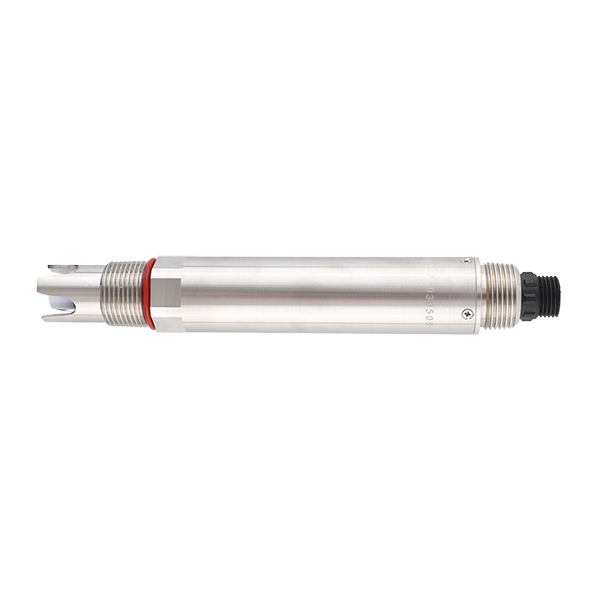
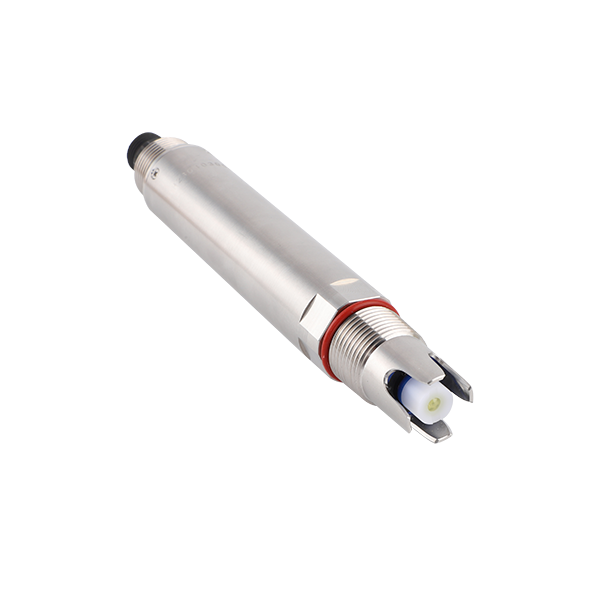
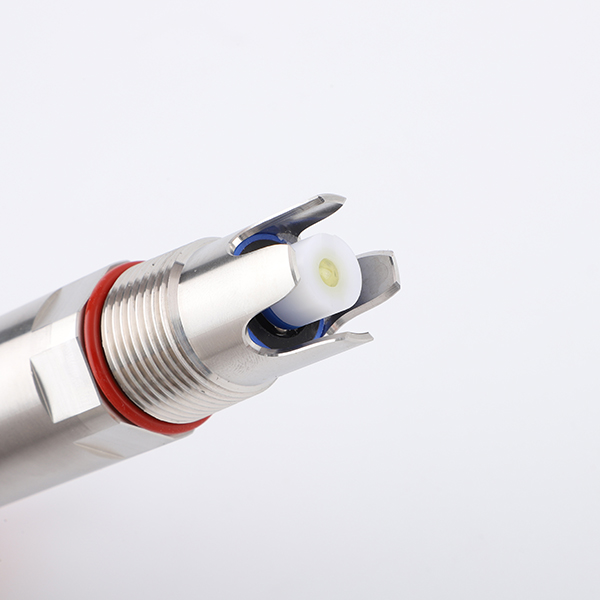
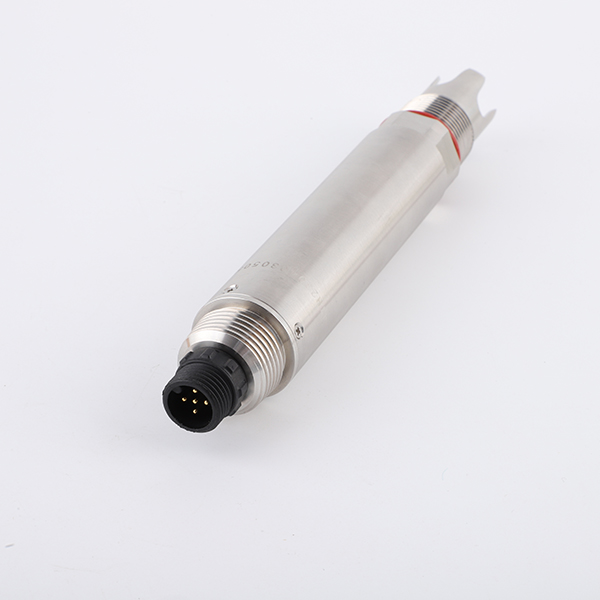
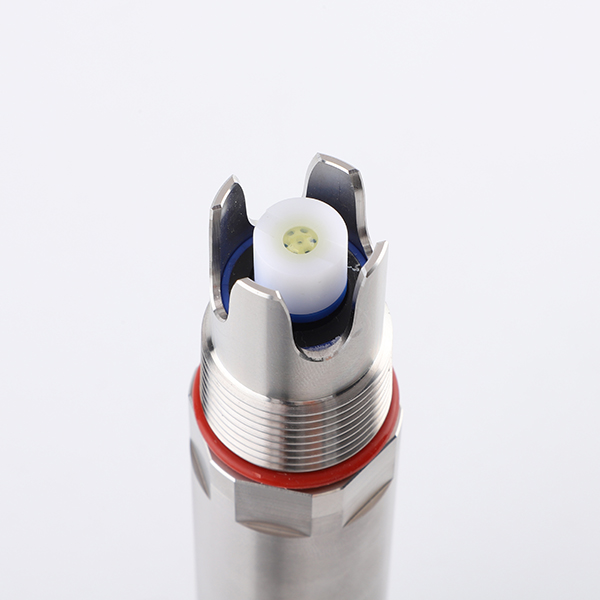
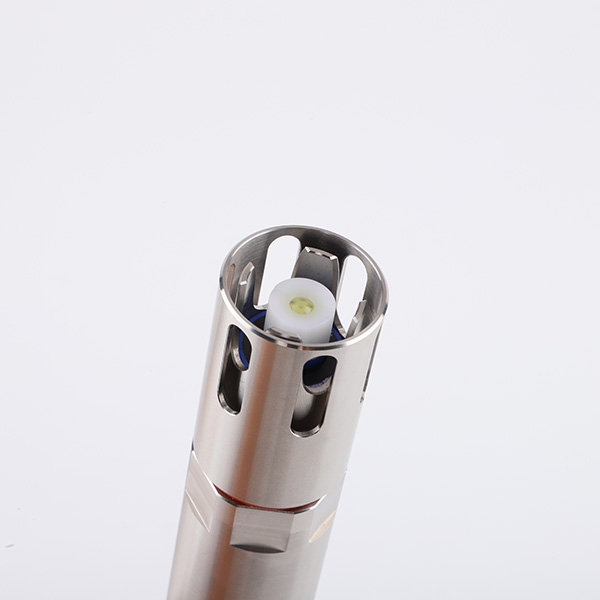
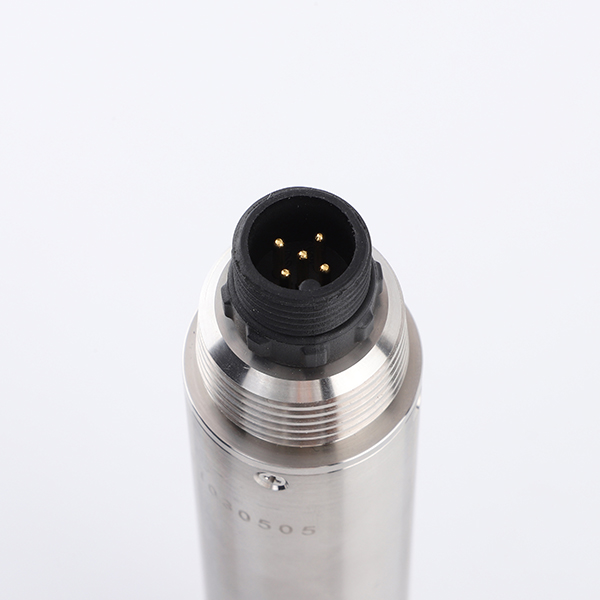
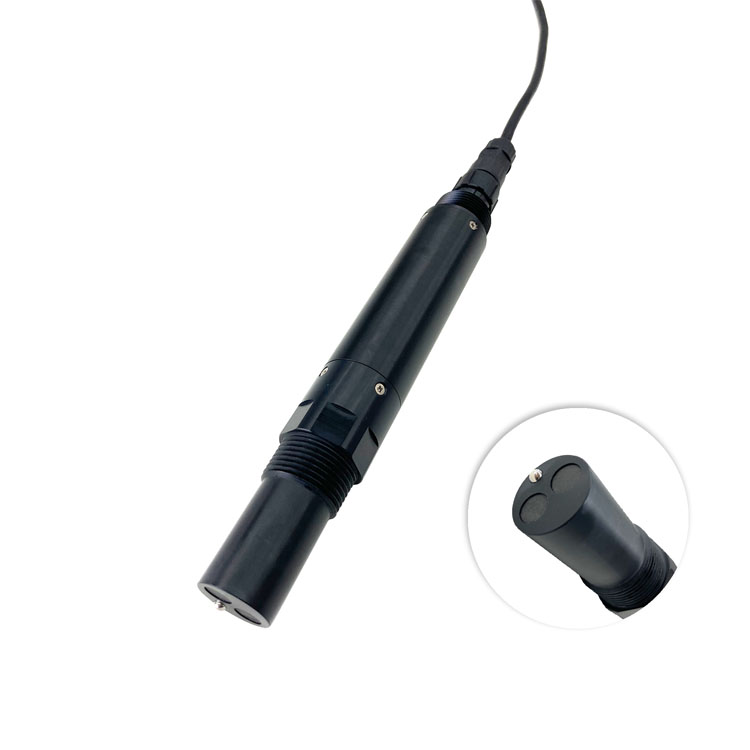
NiuBoL NBL-WQ-TSS-408S online suspended solids sensor adopts the scattered light method principle and is specially designed for industrial water quality online monitoring. It can accurately measure total suspended solids (TSS) concentration in water and supports RS-485 Modbus/RTU protocol for easy integration into SCADA, PLC and IoT systems.
Tel/WhatsApp:+8615367865107
Email:Arvin@niubol.com +Nearly 100 partner companies in more than 75 countries. We are committed to providing high-quality, practical products to meet your needs and help you solve problems. Our products comply with international standards and are certified with ISO, CE and RoHS.Product Details
Product Overview: The NiuBoL NBL-WQ-TSS-408S is an online total suspended solids (TSS) sensor that uses the scattered light measurement principle to estimate suspended solids concentration in water. It provides a measurement range of 0–2000 mg/L, a resolution of 0.1 mg/L, automatic Pt1000 temperature compensation and RS485 Modbus RTU communication. The sensor features a 316L stainless steel housing, IP68 protection and an optional 4–20 mA output configuration.
The NBL-WQ-TSS-408S is designed for continuous monitoring of suspended solids in suitable wastewater treatment, industrial water and environmental monitoring applications. Its optical TSS measurement depends on the particle characteristics and calibration conditions of the monitored water.
Total Suspended Solids (TSS) is an important water quality parameter used to describe the concentration of particles suspended in water.
Suspended particles may include mineral sediment, organic matter, biological solids and other materials that remain suspended in the water column.
The NBL-WQ-TSS-408S uses an infrared LED light source and an optical scattered light measurement system to detect changes associated with these particles.
When light enters the water sample, suspended particles scatter a portion of the incident light. The sensor detects the backscattered light intensity and processes the signal using its internal calibration relationship.
The resulting measurement is displayed as an estimated suspended solids concentration in mg/L.
The sensor incorporates temperature measurement with Pt1000 compensation and transmits the processed data using RS485 Modbus RTU.
For system integration, the sensor can connect to compatible PLCs, RTUs, data loggers and industrial water quality monitoring equipment.

Optical suspended solids measurement: Uses a scattered light method to estimate suspended solids concentration.
0–2000 mg/L measurement range: Designed for monitoring suitable suspended solids concentrations within the specified range.
0.1 mg/L resolution: Provides digital measurements with one decimal place.
Infrared LED light source: Provides optical illumination for particle scattering measurement.
RS485 Modbus RTU: Supports integration with compatible industrial controllers and monitoring systems.
Optional 4–20 mA output: Available subject to confirmation of the ordered configuration.
Automatic temperature compensation: Uses an integrated Pt1000 temperature element.
Two-point calibration: Supports calibration using appropriate suspended solids reference samples.
316L stainless steel housing: Provides a metallic enclosure for compatible industrial and environmental applications.
IP68 protection: Supports suitable immersion installations within the specified limits.
Standard 5-meter cable: Other cable lengths can be customized.
| Parameter | Specification |
|---|---|
| Brand | NiuBoL |
| Model | NBL-WQ-TSS-408S |
| Product Type | Online Total Suspended Solids Sensor |
| Measurement Principle | Optical Scattered Light Method |
| Light Source | Infrared LED |
| TSS Measurement Range | 0–2000 mg/L |
| TSS Resolution | 0.1 mg/L |
| TSS Accuracy | ±5%, dependent on suspension homogeneity; calculation basis to be confirmed |
| Temperature Resolution | 0.1°C |
| Temperature Accuracy | ±0.3°C |
| Temperature Compensation | Automatic, Pt1000 |
| Calibration | Two-point calibration |
| Standard Output | RS485 Modbus RTU |
| Optional Output | 4–20 mA |
| Power Supply | 12–24 VDC |
| Power Consumption | 0.2 W @ 12 V |
| Operating Temperature | 0–50°C |
| Operating Pressure | <0.2 MPa |
| Storage Temperature | -5 to 65°C |
| Wetted Material | 316L Stainless Steel |
| Installation Method | Immersion Installation |
| Mounting Thread | 3/4-inch NPT |
| Sensor Dimensions | Approximately Ø32 × 185 mm |
| Standard Cable Length | 5 m; customizable |
| Protection Rating | IP68 |
Accuracy clarification: The current manufacturer manual specifies ±5% accuracy and notes dependence on sludge homogeneity. It does not explicitly identify whether this percentage is based on the measured reading or full scale. The calculation basis and reference conditions should be confirmed before using the specification as a formal acceptance criterion.
Resolution clarification: The 0.1 mg/L resolution represents the displayed measurement increment. It does not establish an accuracy of ±0.1 mg/L or demonstrate that very low suspended solids concentrations can be measured with laboratory-grade precision.
Output note: RS485 Modbus RTU is the standard digital interface. A 4–20 mA current output is optional. Simultaneous operation of both outputs should not be assumed without confirmation for the ordered configuration.
The NBL-WQ-TSS-408S uses the scattered light method to estimate the concentration of suspended particles in water.
When an infrared light beam enters the water, suspended particles scatter some of the light. The amount of scattered light depends on particle concentration, particle size, optical properties and other characteristics of the water sample.
The sensor detects the backscattered light signal and compares the measured intensity with calibration information.
An internal processing algorithm then converts the optical response into a reported suspended solids concentration.
The resulting value is expressed in milligrams per liter (mg/L).
The sensor incorporates an optical fiber arrangement intended to reduce interference from external light. However, it does not eliminate all optical interference caused by water color, bubbles, particles or fouling.

Total Suspended Solids is commonly determined in a laboratory by collecting a representative water sample, separating suspended particles using a specified filtration method, drying the retained solids and determining their mass.
The NBL-WQ-TSS-408S does not directly perform filtration, drying or weighing.
Instead, it measures an optical scattering signal and uses a calibration relationship to estimate suspended solids concentration.
| Measurement Item | Description |
|---|---|
| Optical TSS Sensor | Estimates suspended solids concentration from scattered light intensity and calibration data. |
| Laboratory TSS Method | Determines suspended solids mass using a specified filtration and gravimetric procedure. |
| Reported Unit | Both may report mg/L, but the underlying measurement principles differ. |
| Measurement Frequency | An optical sensor supports continuous readings; laboratory testing requires sample collection and analysis. |
| Reference Verification | Optical readings may require comparison with representative laboratory TSS results. |
Important: Optical TSS readings are not automatically equivalent to laboratory suspended solids results for every water sample.
The relationship between optical scattering and suspended solids mass depends on the characteristics of the particles in the monitored water.
When TSS measurements are required for regulatory reporting, discharge compliance or formal process acceptance, the appropriate laboratory reference method and project verification requirements should be followed.
Suspended solids concentration and turbidity are related water quality indicators, but they measure different properties.
TSS describes suspended solids mass concentration and is generally expressed in mg/L.
Turbidity describes the optical scattering of light by particles and is typically expressed in NTU.
| Parameter | Measurement Meaning |
|---|---|
| TSS (mg/L) | Suspended solids concentration expressed as mass per volume. |
| Turbidity (NTU) | Optical scattering associated with particles suspended in water. |
| Relationship | May be correlated for a particular water matrix, but no universal conversion applies. |
A conversion between NTU and mg/L cannot be assumed to remain constant when particle size, composition or other sample characteristics change.
The NBL-WQ-TSS-408S is calibrated to report suspended solids concentration in mg/L. Projects requiring turbidity in NTU should use a suitable turbidity sensor.
For a dedicated turbidity measurement, see the NBL-WQ-TS-4S Online Turbidity Sensor.
The reliability of an optical suspended solids reading depends on more than the sensor's stated measurement range and resolution.
Different suspended particles scatter light differently. Fine mineral particles, biological solids and organic particles can produce different optical responses at the same mass concentration.
A nonuniform suspension may cause fluctuations in optical readings because the particle concentration at the measurement window changes over time.
The manufacturer's accuracy specification specifically notes dependence on sludge homogeneity.
Changes in water color and light absorption may influence the optical measurement response.
The infrared LED and optical fiber structure can help reduce certain external-light effects, but complete immunity is not established.
Air bubbles can scatter light and may cause unstable or misleading readings when they pass through or remain attached to the optical measurement region.
Sediment, biofilm or other deposits on the measurement window can affect the detected optical signal.
Regular inspection and cleaning are important for long-term operation.

The NBL-WQ-TSS-408S can be considered for monitoring suspended solids at suitable wastewater treatment locations where the expected concentration remains within its 0–2000 mg/L range.
Potential monitoring points include selected treatment stages, clarification processes and effluent streams.
Optical TSS data may help operators observe changes in suspended solids conditions and identify when additional investigation or laboratory sampling is appropriate.
For use in activated sludge tanks or high-concentration mixed liquor, verify that the expected suspended solids concentration remains within the sensor range.
Many concentrated sludge applications may exceed 2000 mg/L and require a different sensor configuration.
In compatible industrial wastewater applications, online TSS measurements may help characterize changes in suspended solids loading.
Applications may include selected process water and wastewater streams from food processing, paper production and other industrial operations.
The suitability of optical TSS measurement depends on water composition, particle characteristics, operating conditions and the required reference accuracy.
Suspended solids concentrations in natural water bodies can change due to rainfall, erosion, runoff and sediment movement.
The NBL-WQ-TSS-408S can provide optical TSS estimates for suitable environmental monitoring projects.
Monitoring locations should be selected to represent the intended water conditions while allowing safe installation and maintenance.
Online optical suspended solids readings can support observation of particle-related changes before and after clarification processes.
However, the sensor does not directly determine sedimentation efficiency, solids settling velocity or sludge blanket position.
These parameters may require additional measurements and process information.
The sensor may be integrated into compatible industrial circulating water systems where suspended solids concentrations are relevant to process monitoring.
Water chemistry, operating temperature, pressure and material compatibility should be evaluated before installation.
Coastal water and seawater may contain suspended sediment and other particles that affect optical water quality.
The NBL-WQ-TSS-408S has a 316L stainless steel wetted construction, but this does not guarantee long-term compatibility with every seawater environment.
Chloride exposure, biological fouling, corrosion conditions and complete sensor assembly compatibility should be evaluated separately.
The appropriate TSS sensor should be selected according to the expected concentration, particle properties and required measurement performance.
| Selection Item | What to Confirm |
|---|---|
| Measurement Range | Expected suspended solids remain within 0–2000 mg/L. |
| Required Accuracy | The project accepts the specified accuracy under representative water conditions. |
| Particle Characteristics | Particle size, composition and changes in the monitored suspension. |
| Water Homogeneity | Whether the sample provides a stable and representative optical measurement. |
| Operating Conditions | Temperature 0–50°C and pressure below 0.2 MPa. |
| Installation | Suitable immersion mounting, clearance and access for cleaning. |
| Signal Output | RS485 Modbus RTU or optional 4–20 mA. |
| Reference Method | Required laboratory TSS comparison or acceptance procedure. |
High-concentration limitation: The NBL-WQ-TSS-408S has a maximum stated range of 2000 mg/L. For concentrated activated sludge or other higher-solids applications, select a sensor with a suitable documented measurement range.
For related sludge monitoring requirements, see the NiuBoL Water Quality Sensors range.
The NBL-WQ-TSS-408S supports immersion installation with a 3/4-inch NPT threaded connection.
The measurement area should remain in representative water while avoiding nearby surfaces that may cause unwanted optical interference.
The current user manual specifies the following installation clearances:
| Installation Item | Required Clearance |
|---|---|
| Distance from Side Wall | More than 5 cm |
| Distance from Bottom | At least 10 cm |
Choose a representative measurement location.
Maintain the required clearance from side walls and the bottom.
Keep the optical measurement region submerged during operation.
Avoid locations with excessive air bubbles.
Prevent sediment accumulation around the measurement window.
Secure the sensor to prevent unnecessary movement.
Avoid mechanical impact and excessive cable tension.
Maintain operating temperature within 0–50°C.
Keep operating pressure below 0.2 MPa.
Protect electrical connections against moisture ingress.
The current manual describes IP68 protection and immersion within a water depth of 20 meters. Actual installation must also remain within the specified operating pressure and cable assembly limits.

The NBL-WQ-TSS-408S operates from a 12–24 VDC power supply and provides an RS485 Modbus RTU digital interface.
The current manufacturer manual specifies the following digital wiring arrangement.
| Wire Color | Function |
|---|---|
| Red | 12–24 VDC Positive |
| Black | Power Ground (GND) |
| Blue | RS485 A |
| White | RS485 B |
Before applying power, verify all cable connections according to the supplied sensor wiring diagram.
The manufacturer documentation specifies a standard 5-meter cable. Alternative lengths can be customized.
Where a 4–20 mA output is required, obtain the corresponding wiring definition for the actual ordered configuration.
The standard RS485 connection description does not establish that every delivered sensor includes an active analog output.
All electrical connections exposed to water or outdoor conditions should be suitably waterproofed and protected from corrosion.

The NBL-WQ-TSS-408S supports RS485 Modbus RTU for integration with compatible industrial data acquisition equipment.
| Communication Parameter | Default Setting |
|---|---|
| Interface | RS485 |
| Protocol | Modbus RTU |
| Baud Rate | 9600 bps |
| Data Bits | 8 |
| Parity | None |
| Stop Bits | 1 |
| Default Device Address | 14 (0x0E) |
| Address Range | 1–255 |
| Read Function Code | 03 |
| Write Function Code | 06 |
Verify the sensor address and serial communication parameters when connecting to a PLC, RTU or data logger.
When multiple RS485 devices share a communication bus, each sensor must use a suitable unique Modbus address.
The current user manual provides the following register addresses for measurement data, calibration and device configuration.
| Register Address | Function |
|---|---|
| 0x0000 | Suspended Solids and Temperature Data Block, 4 Registers |
| 0x1000 | Zero-Point Calibration |
| 0x1004 | Slope Calibration |
| 0x1010 | Temperature Calibration |
| 0x2002 | Device Address Configuration |
| 0x2020 | Restore Default Calibration Values |
The measurement data block contains four consecutive 16-bit registers:
Suspended solids measurement value.
Suspended solids decimal-place scaling.
Temperature measurement value.
Temperature decimal-place scaling.
The reported suspended solids unit is mg/L. Temperature is reported in degrees Celsius.
The manufacturer manual provides the following example using the default device address 14.
Request Frame:
0E 03 00 00 00 04 44 F6
Response Frame:
0E 03 08 01 02 00 01 00 B0 00 01 BA 28
The example values are decoded as follows:
Suspended solids raw value: 0x0102 = 258 decimal.
Suspended solids decimal position: 1.
Decoded suspended solids: 25.8 mg/L.
Temperature raw value: 0x00B0 = 176 decimal.
Temperature decimal position: 1.
Decoded temperature: 17.6°C.
The example demonstrates the Modbus data format and register scaling. It is not an actual customer measurement or independent performance verification.
The manual also provides commands for calibration and device address configuration.
The NBL-WQ-TSS-408S can transmit suspended solids and temperature readings through RS485 Modbus RTU.
A typical monitoring arrangement is:
TSS Sensor → RS485 Modbus RTU → PLC / RTU / Data Logger → Monitoring Software
Remote monitoring requires a separate compatible gateway or data acquisition system to forward measurement data over an appropriate communication network.
The sensor itself does not contain an integrated cellular modem, cloud platform or automatic wastewater treatment controller.
Automatic pumping, valve operation, chemical dosing or sludge process control requires separate compatible hardware and software.
Where TSS data is used to inform operational decisions, the relationship between optical readings and the required reference method should be verified.
Regular inspection and cleaning are important because contamination of the optical measurement window may affect suspended solids readings.
The appropriate maintenance interval depends on water quality, biological growth, suspended solids loading and installation conditions.
Rinse the outer sensor surface using clean tap water.
If deposits remain, gently wipe the surface with a soft, damp cloth.
For stubborn contamination, a suitable mild cleaning liquid may be used when compatible with the sensor materials.
Inspect the optical measurement window for dirt, sediment, biological deposits and physical damage.
Clean the surface carefully without scratching or applying excessive pressure to the optical components.
Inspect the sensor cable for cuts, damage, corrosion and unnecessary tension.
Ensure that cable joints exposed to water remain properly sealed.
The sensor contains sensitive optical and electronic components.
Avoid severe mechanical impact and unauthorized disassembly.
The current manual does not describe internal components intended for routine user servicing.

The NBL-WQ-TSS-408S supports zero-point and slope calibration using appropriate suspended solids reference samples.
Calibration standards should represent the relevant measurement conditions and be prepared according to the manufacturer's instructions.
The manual describes zero-point calibration using a zero-suspended-solids reference or an appropriate known low-concentration suspension.
Place the sensor vertically in a suitable calibration container.
Maintain at least 10 cm clearance between the front of the sensor and the bottom of the container.
Ensure that no bubbles remain near the measurement region.
Allow the reading to stabilize for approximately one minute before carrying out the zero-point calibration procedure.
The current manual describes slope calibration using a known suspended solids concentration between 200 and 2000 mg/L.
Place the sensor in a suitable reference suspension while maintaining the required clearance from the container bottom.
Ensure that the sample is sufficiently homogeneous and that the optical measurement region is free from bubbles.
After the reading stabilizes, execute the appropriate slope calibration command.
The manual specifies writing the standard concentration multiplied by 10 to register 0x1004.
For example, a 1000 mg/L reference corresponds to a register value of 10000 (0x2710).
The sensor uses an optical response that depends on the particles present in the measurement region.
If particles settle or are distributed unevenly in the calibration container, the reading may change even when the nominal prepared sample concentration remains the same.
Appropriate sample handling is important during both calibration and measurement verification.
Calibration caution: The manual's calibration example should not be treated as proof that any suspension with the same mass concentration will produce an identical optical response. The particle characteristics and calibration conditions must be considered.
Restoring factory calibration values through register 0x2020 requires recalibration before returning the sensor to measurement service.
For applications requiring comparison with laboratory total suspended solids measurements, reference samples should be collected from the same representative water conditions being monitored.
A suitable evaluation can include the following steps:
Confirm the laboratory reference method required by the project.
Collect representative water samples near the sensor measurement location.
Record the corresponding online sensor readings and sampling times.
Compare results across normal and elevated suspended solids conditions.
Evaluate whether changes in particle characteristics affect the optical relationship.
Establish an appropriate site-specific calibration or verification procedure where needed.
Repeat verification after substantial changes in the monitored water composition.
No universal optical-to-gravimetric conversion can be assumed for all wastewater or environmental water samples.
For projects with strict discharge limits or regulatory acceptance requirements, maintain the required reference testing and supporting quality procedures.
| Problem | Recommended Check |
|---|---|
| No RS485 Communication | Check power supply, wiring, Modbus address, baud rate and cable condition. |
| Unstable TSS Reading | Inspect sample homogeneity, bubbles, sediment movement and optical window condition. |
| Unexpected High Reading | Check optical contamination, particle changes and possible measurement interference. |
| Unexpected Low Reading | Verify calibration, sensor position, optical window condition and sample representativeness. |
| Difference from Laboratory TSS | Check sampling time, particle properties, reference procedure and site-specific calibration. |
| Incorrect Displayed Data | Verify Modbus register order, decimal scaling and measurement units. |
A1. The sensor uses optical scattered light measurement to estimate the concentration of suspended solids in water. The reported unit is mg/L.
A2. The specified measurement range is 0–2000 mg/L, with a resolution of 0.1 mg/L.
A3. The manufacturer specifies ±5% accuracy and notes dependence on suspension homogeneity. The exact percentage calculation basis should be confirmed for formal acceptance requirements.
A4. No. It estimates suspended solids from an optical scattering signal. Laboratory TSS testing uses a defined reference method, commonly involving filtration, drying and weighing.
A5. No. TSS is expressed as mass concentration in mg/L, while turbidity is an optical measurement generally expressed in NTU. Their relationship depends on particle characteristics.
A6. The NBL-WQ-TSS-408S has a maximum specified range of 2000 mg/L. Applications with higher solids concentrations require an appropriately specified alternative sensor.
A7. Yes. The sensor supports RS485 Modbus RTU, with default settings of 9600 baud, 8 data bits, no parity, 1 stop bit and device address 14.
A8. The manufacturer manual lists 4–20 mA as an optional output. The required interface and corresponding wiring should be confirmed before ordering.
A9. Yes. Deposits on the optical window can affect readings. Cleaning and inspection frequency depend on the water conditions and monitoring requirements.
A10. Yes. Air bubbles may affect optical scattering measurements. The sensor should be installed where persistent bubbles do not interfere with the measurement region.
A11. The sensor uses a 316L stainless steel wetted construction, but long-term seawater suitability depends on chloride exposure, corrosion conditions, fouling and compatibility of the complete sensor assembly.
A12. The manual describes immersion within 20 meters and specifies an operating pressure below 0.2 MPa. Both limits must be respected.
A13. Yes. It can connect to compatible PLCs, RTUs and data loggers through RS485 Modbus RTU, using the correct communication settings and register map.
A14. Not automatically. Optical TSS estimates should be evaluated against the required laboratory method where compliance, formal reporting or reference accuracy is important.
A15. The sensor supports two-point calibration. Calibration and verification should be performed according to operating conditions, required measurement quality and the manufacturer instructions.
A16. The sensor supplies suspended solids measurement data. Automatic pumping, chemical dosing, valve operation or process control requires separate compatible controllers and actuators.
The current manufacturer manual identifies the following standard supplied items:
One NBL-WQ-TSS-408S sensor.
One user manual.
One manufacturer-provided certificate.
Additional accessories, customized cable lengths and output configurations should be confirmed in the quotation.
Project-specific calibration certificates, laboratory comparison reports or independent certification documents must be verified separately where required.
The official user manual provides technical specifications, dimensional drawings, installation requirements, electrical wiring, calibration procedures, maintenance instructions and the Modbus RTU register map.
 NBL-WQ-TSS-408S Online Suspended Solids Sensor User Manual.pdf
For product selection, technical evaluation or quotation, please provide the following project information:
Water application: municipal wastewater, industrial wastewater, surface water or another application.
Normal and maximum suspended solids concentrations in mg/L.
Typical particle characteristics and water composition.
Required measurement accuracy and reference method.
Operating temperature and pressure.
Installation arrangement and water depth.
Required signal output: RS485 Modbus RTU or optional 4–20 mA.
Required cable length and quantity.
Receiving PLC, RTU or data acquisition equipment.
For monitoring projects involving laboratory TSS comparison, please specify the reference procedure and required acceptance criteria.
Contact NiuBoL for product specifications, communication documentation, configuration confirmation and quotation.
Explore additional NiuBoL Online Water Quality Sensors for turbidity, suspended solids, sludge concentration, pH, conductivity and other water monitoring parameters.
Sensors & Weather Stations Catalog
 Agriculture Sensors and Weather Stations Catalog-NiuBoL.pdf
Weather Stations Catalog-NiuBoL.pdf
Agriculture Sensors Catalog-NiuBoL.pdf
Water Quality Sensor Catalog-NiuBoL.pdf
Related recommendations
 Online Turbidity Sensor RS485 Modbus | NBL-WQ-TS
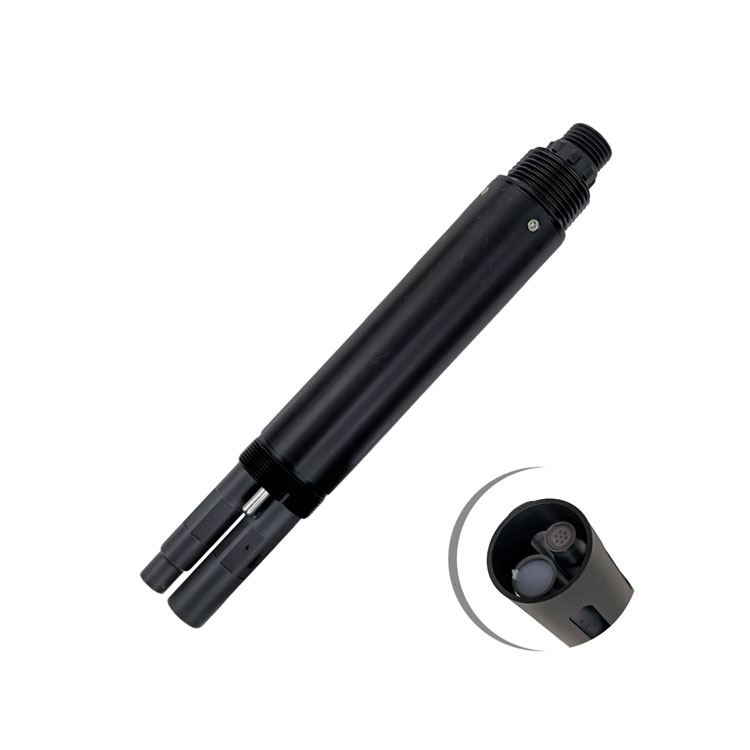 Online Ammonia Nitrogen Sensor (Ammonium ISE) | NBL-WQ-NHN
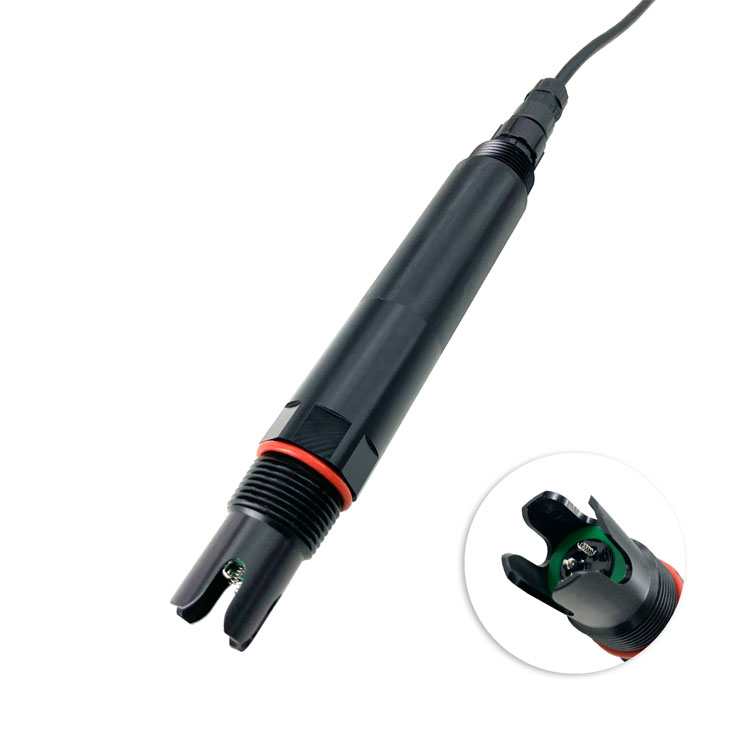 Online Residual Chlorine Sensor (HOCl) RS485 | Water Quality Sensor| NBL-WQ-CL
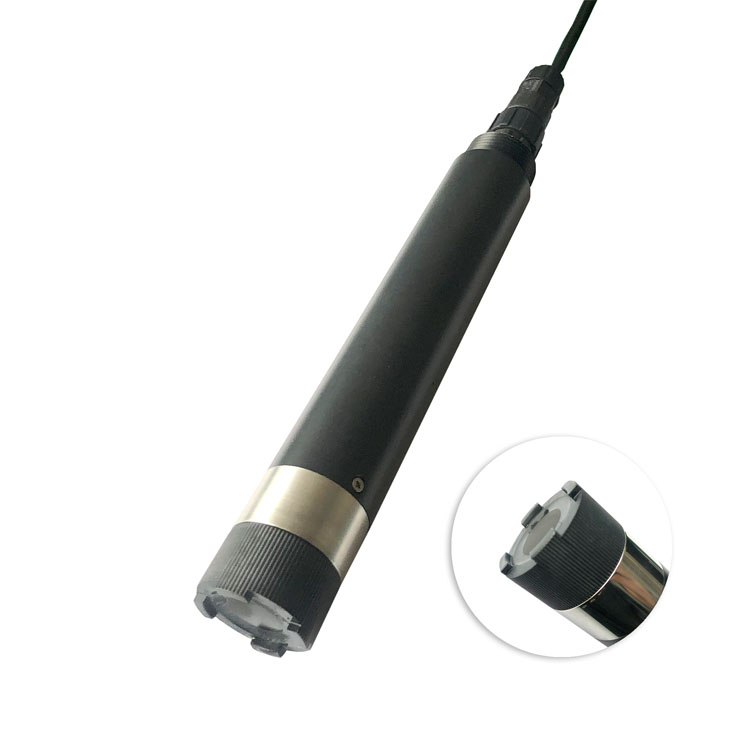 NBL-WQ-DO Online Fluorescence Dissolved Oxygen Sensor
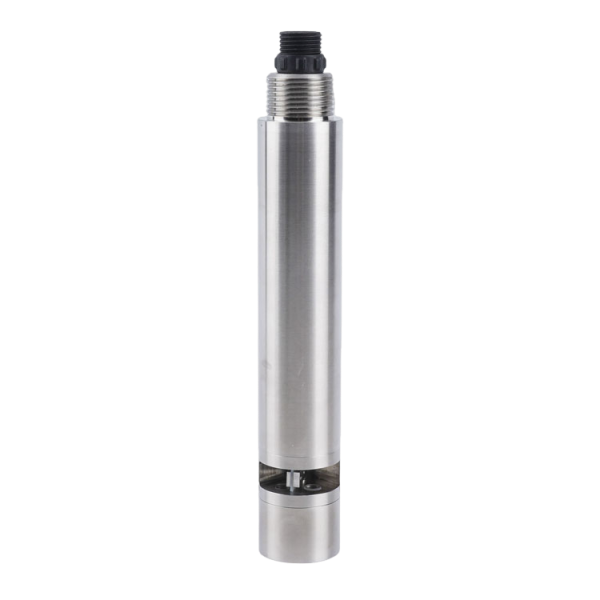 NBL-WQ-COD Online COD Water Quality Sensor
 Water Conductivity EC Sensor RS485 Modbus IP68 | NBL-WQ-EC


Screenshot, WhatsApp to identify the QR code
WhatsApp number:+8615367865107
(Click on WhatsApp to copy and add friends)

