





— Products —
 Consumer hotline +8618073152920
WhatsApp:+8615367865107
Address:Room 102, District D, Houhu Industrial Park, Yuelu District, Changsha City, Hunan Province, China
Water Quality Sensors
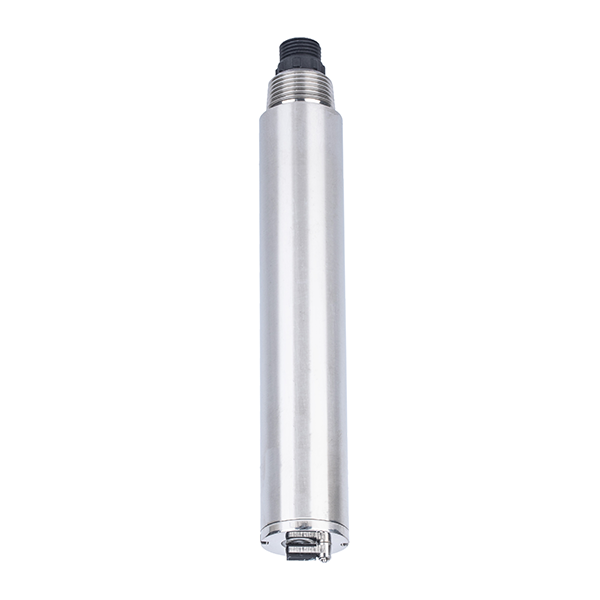
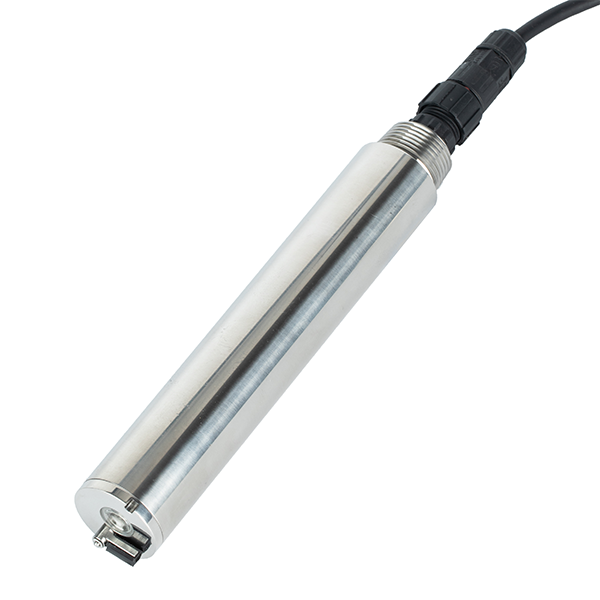
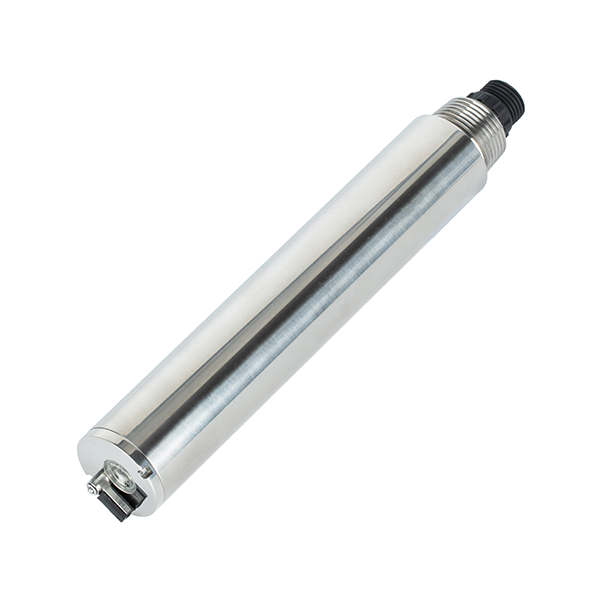
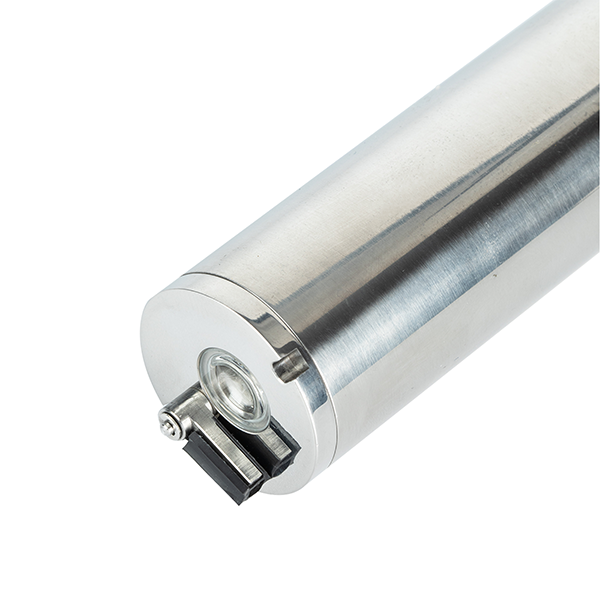
NiuBoL NBL-WQ-OIL-408-S online oil-in-water sensor adopts fluorescence method principle and is specially designed for industrial water quality online monitoring. It can accurately detect soluble oil content in water and supports RS-485 Modbus/RTU protocol for easy integration into SCADA, PLC and IoT systems.
Tel/WhatsApp:+8615367865107
Email:Arvin@niubol.com +Nearly 100 partner companies in more than 75 countries. We are committed to providing high-quality, practical products to meet your needs and help you solve problems. Our products comply with international standards and are certified with ISO, CE and RoHS.Product Details
Product Overview: The NiuBoL NBL-WQ-OIL-408-S is an online oil-in-water sensor using ultraviolet fluorescence technology to detect oil-related fluorescent compounds in water. It provides a measurement range of 0–40.00 mg/L, 0.01 mg/L resolution, a specified detection limit of 0.4 mg/L and RS485 Modbus RTU communication. The sensor features a 316L stainless steel housing, IP68 protection, automatic Pt1000 temperature compensation and an optional 4–20 mA output.
The NBL-WQ-OIL-408-S is intended for continuous monitoring of oil-related changes in suitable industrial wastewater, process water and environmental applications. Measurement response depends on the oil type, fluorescent constituents, calibration conditions and water composition. The sensor does not directly perform laboratory oil-and-grease analysis.
Oil contamination can affect industrial water treatment processes, equipment operation and environmental water quality. Online monitoring can help operators observe changes in oil-related optical signals and identify when further investigation or sampling may be necessary.
The NBL-WQ-OIL-408-S uses a UV LED light source and a fluorescence detection system. Certain oil-related compounds absorb ultraviolet light and emit fluorescence at different wavelengths.
The sensor measures the fluorescence response and processes it using calibration information to generate an oil-in-water concentration estimate expressed in mg/L.
It uses RS485 Modbus RTU for integration with compatible PLCs, RTUs, data loggers and industrial monitoring systems.
The manufacturer specifies a 0–40 mg/L range, T90 response time of less than 30 seconds and a detection limit of 0.4 mg/L. Actual measurement suitability should be evaluated against the target oil and water matrix.

UV fluorescence measurement: Detects fluorescence associated with suitable oil-related compounds.
0–40.00 mg/L measurement range: Designed for oil-related monitoring within the specified range.
0.4 mg/L detection limit: Manufacturer-specified detection limit under its measurement conditions.
Fast optical response: T90 response time of less than 30 seconds.
RS485 Modbus RTU: Enables integration with compatible data acquisition equipment.
Optional 4–20 mA: An analog output configuration is available subject to order confirmation.
Automatic temperature compensation: Uses an integrated Pt1000 element.
316L stainless steel housing: Intended for suitable industrial water applications.
IP68 protection: Supports immersion within the specified operating limits.
Cleaning brush: Listed in the manufacturer specifications; confirm the actual supplied assembly.
Two-point calibration: Supports zero and slope calibration using appropriate reference solutions.
Reagent-free online measurement: Does not consume chemical reagents during normal fluorescence measurement.
| Parameter | Specification |
|---|---|
| Brand | NiuBoL |
| Model | NBL-WQ-OIL-408-S |
| Product Type | Online Oil-in-Water Sensor |
| Measurement Principle | UV Fluorescence Method |
| Light Source | UV LED |
| Measurement Range | 0–40.00 mg/L |
| Resolution | 0.01 mg/L |
| Specified Accuracy | ±3% of reading |
| Detection Limit | 0.4 mg/L |
| Response Time (T90) | <30 seconds |
| Temperature Accuracy | ±0.3°C |
| Temperature Compensation | Automatic, Pt1000 |
| Calibration | Two-point calibration |
| Cleaning | Cleaning brush listed in manufacturer specifications |
| Standard Output | RS485 Modbus RTU |
| Optional Output | 4–20 mA |
| Power Supply | 12–24 VDC |
| Power Consumption | 0.2 W @ 12 V |
| Operating Temperature | 0–50°C |
| Operating Pressure | <0.2 MPa |
| Storage Temperature | -5 to 65°C |
| Housing Material | 316L Stainless Steel |
| Installation | Immersion Installation |
| Mounting Thread | 3/4-inch NPT |
| Dimensions | Approximately Ø32 × 185 mm |
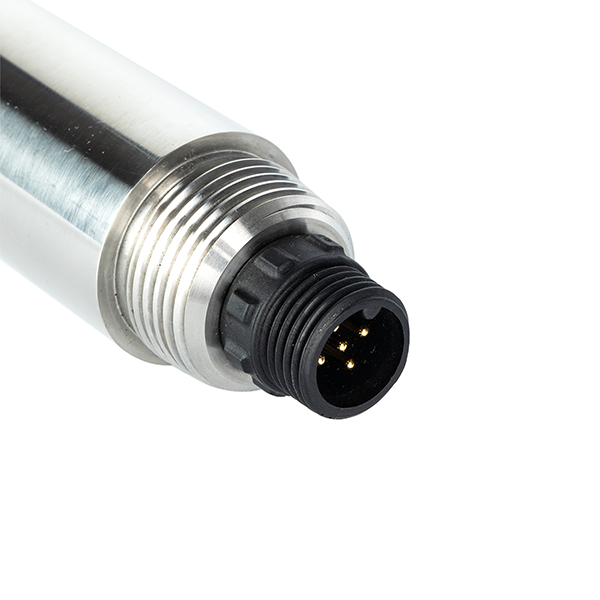
| Connector | M16, 5-core Waterproof Male Connector |
| Standard Cable Length | 5 m |
| Protection Rating | IP68 |
Measurement note: The specified ±3% of reading accuracy is a manufacturer specification. The manual does not provide a complete oil-type-specific accuracy validation matrix. Actual agreement with a required reference method should be evaluated using representative samples.
Output note: The standard digital interface is RS485 Modbus RTU. The optional 4–20 mA output must be confirmed before ordering. Simultaneous availability of the two interfaces should not be assumed.
The NBL-WQ-OIL-408-S measures fluorescence associated with certain oil-related compounds in water.
When ultraviolet light from the sensor illuminates the water sample, suitable fluorescent compounds absorb light energy and emit light at different wavelengths.
The optical detector measures the emitted fluorescence signal. The sensor uses calibration information to convert the signal into an estimated oil-related concentration.
For a consistent oil composition and appropriate calibration conditions, the fluorescence signal can be related to the target oil concentration.
However, different oils have different fluorescent characteristics. Two samples with the same total oil concentration may produce different fluorescence responses.
The sensor's AC-driven optical measurement is designed to reduce some ambient-light interference, but this does not establish complete immunity to external light or other optical interference.

Fluorescence-based oil detection is particularly relevant to oil-related compounds that produce a measurable fluorescence response under the sensor's excitation and detection conditions.
Aromatic hydrocarbons and certain petroleum-related compounds can exhibit ultraviolet fluorescence.
Other compounds, including some predominantly aliphatic hydrocarbons, may produce weak or negligible fluorescence under a particular sensor's optical configuration.
The measurement response depends on factors including oil source, chemical composition, dissolved or dispersed state, droplet characteristics and water composition.
| Oil or Application Type | Selection Consideration |
|---|---|
| Petroleum-Related Wastewater | Evaluate fluorescence response to the actual petroleum constituents. |
| Diesel-Contaminated Water | Confirm response and calibration for the target diesel or fuel composition. |
| Lubricating Oil Contamination | Evaluate the fluorescent response of the actual lubricant formulation. |
| Industrial Cooling Water | Assess the possible oil source, water treatment chemicals and background fluorescence. |
| Vegetable or Animal Oils | Do not assume reliable detection without verifying the specific oil response. |
| Mixed Industrial Oil and Grease | Compare the optical estimate with the required analytical method and sample composition. |
Important: The NBL-WQ-OIL-408-S must not be assumed to measure all oils and greases equally. For applications involving a particular lubricant, hydraulic oil, vegetable oil or other oil type, measurement suitability should be confirmed using representative samples.
The manufacturer specifies three different measurement characteristics that should not be confused.
| Specification | Meaning |
|---|---|
| 0–40.00 mg/L Range | Specified measurement output range. |
| 0.01 mg/L Resolution | Smallest displayed measurement increment. |
| 0.4 mg/L Detection Limit | Manufacturer-specified detection limit under the applicable test conditions. |
| ±3% of Reading | Specified accuracy expression; actual application performance requires verification. |
Resolution is not the detection limit. A display resolution of 0.01 mg/L does not mean that the sensor can reliably detect oil concentrations of 0.01 mg/L.
The manufacturer-specified detection limit is 0.4 mg/L. Applications requiring reliable detection below that concentration should not select the sensor solely on the basis of its displayed resolution.
Likewise, a stated detection limit does not establish a universal quantification limit or guarantee accuracy at every concentration close to the detection limit.
Online fluorescence measurement and laboratory oil-and-grease analysis use different analytical principles.
The NBL-WQ-OIL-408-S detects an optical response associated with fluorescent compounds in water.
Laboratory oil-and-grease methods may use solvent extraction, gravimetric analysis or other procedures defined by the applicable standard.
For example, US EPA Method 1664 uses extraction and gravimetric determination of method-defined n-hexane-extractable material. This is not the same measurement principle as UV fluorescence.
| Comparison | Description |
|---|---|
| Online UV Fluorescence | Optical estimate based on fluorescent oil-related constituents. |
| Laboratory Oil and Grease | Method-defined analytical result using the required laboratory procedure. |
| Main Benefit of Online Monitoring | Continuous observation of changes in the monitored optical response. |
| Reference Verification | Representative samples may be needed to establish the relationship between optical and laboratory results. |
Compliance limitation: The NBL-WQ-OIL-408-S should not automatically be represented as an approved substitute for a laboratory oil-and-grease method or a certified regulatory oil discharge monitor.
If a project requires compliance with a specific discharge limit or approved method, confirm the applicable regulatory requirements and required verification before selecting the instrument.
The fluorescence response depends on the fluorescent constituents in the target oil. Different petroleum products and industrial lubricants may have different responses at the same mass concentration.
Oil may be present in dissolved, dispersed or emulsified forms. Droplet characteristics and sample mixing can influence the measured optical response.
Some naturally occurring dissolved organic compounds also exhibit fluorescence. Their presence may affect the measured signal.
Suspended particles may scatter, absorb or otherwise affect light within the optical measurement region.
Air bubbles and deposits on the optical window may cause unstable or misleading measurements.
A calibration prepared using one oil composition or reference material may not provide equivalent results for another oil source.
For engineering applications, evaluate measurement response using the actual target oil and representative water samples whenever possible.
The sensor may be considered for monitoring changes in fluorescent petroleum-related constituents in compatible refinery and petrochemical wastewater streams.
Oil type, water chemistry, suspended particles and expected concentration should be evaluated before selection.
For regulatory discharge reporting, the required reference measurement method must be separately maintained or validated according to the project requirements.
Oil contamination in cooling water may result from equipment leakage or other process-related sources.
Where the leaking oil exhibits a suitable fluorescence response, online optical measurements may help identify changes requiring inspection or reference sampling.
The sensor does not independently identify the leaking component or determine the mechanical cause of contamination.
The NBL-WQ-OIL-408-S may be evaluated for produced-water monitoring where its measurement range, optical response and material compatibility are suitable.
Produced water may contain varying oil compositions, salts, suspended particles and treatment chemicals that influence fluorescence measurement.
Site-specific comparison with the required reference method is particularly important where the water matrix changes over time.
The sensor may provide continuous oil-related optical monitoring information in compatible industrial wastewater treatment systems.
Potential monitoring points include selected process tanks, treatment stages and water discharge sampling arrangements.
Measurement results can be transmitted to a compatible PLC or data logger. Automatic pumping, oil separation or treatment control requires separate equipment.
Fluorescence monitoring may provide information about changes in oil-related optical signals in selected rivers, port waters and other environmental monitoring locations.
Natural organic matter, suspended sediment, biological activity and other background conditions should be evaluated.
Long-term seawater exposure requires verification of corrosion resistance and the compatibility of the complete sensor assembly.
Fluorescence-based monitoring may be evaluated as a supplementary process-monitoring method where the target oil produces an appropriate optical response.
The NBL-WQ-OIL-408-S is not documented as a certified 15 ppm bilge alarm or an approved oil content meter for statutory marine discharge monitoring.
Projects requiring approved marine oil discharge monitoring equipment must verify the applicable certification and instrument requirements separately.
Before purchasing an oil-in-water sensor, the most important question is whether its measurement principle is suitable for the oil and water actually being monitored.
| Selection Item | Information to Confirm |
|---|---|
| Oil Type | Diesel, lubricant, hydraulic oil, crude oil, mixed petroleum oil or other material. |
| Water Type | Freshwater, wastewater, cooling water, produced water or seawater. |
| Expected Concentration | Normal and maximum expected oil-related concentration. |
| Detection Threshold | Lowest concentration that must be detected reliably. |
| Oil Phase | Dissolved, dispersed, emulsified or mixed oil conditions. |
| Reference Method | Required laboratory oil-and-grease or hydrocarbon test method. |
| Operating Conditions | Water temperature, pressure, salinity and chemical composition. |
| Integration | RS485 Modbus RTU or optional 4–20 mA interface. |
| Installation | Immersion position, mounting, cable length and maintenance access. |
For projects with a specific detection or discharge limit: Provide the required threshold and reference method before selecting the sensor. The 0.4 mg/L specified detection limit and the fluorescence measurement principle must be evaluated against those requirements.
The sensor is designed for immersion installation using its 3/4-inch NPT connection.
The optical measuring end should remain exposed to representative water during operation.
The manufacturer manual specifies the following minimum clearances:
| Installation Requirement | Clearance |
|---|---|
| Distance from Side Wall | More than 2 cm |
| Distance from Bottom | More than 10 cm |
Select a representative measurement location.
Maintain the required minimum clearance from nearby surfaces.
Keep the optical measurement window submerged during normal operation.
Avoid locations with persistent air bubbles.
Reduce sediment accumulation around the optical measurement region.
Secure the sensor to prevent mechanical movement and impact.
Keep operating temperature within 0–50°C.
Maintain operating pressure below 0.2 MPa.
Provide suitable access for cleaning and calibration.
Protect electrical connections from moisture and corrosion.
The sensor has an IP68 rating. This does not establish unlimited immersion depth or resistance to every aggressive liquid.
For seawater or chemically aggressive wastewater, confirm the long-term compatibility of the sensor housing, optical components, seals, connector and cable.

The NBL-WQ-OIL-408-S uses a five-core shielded cable arrangement with an M16 waterproof sensor connector.
The wiring below follows the current NBL-WQ-OIL-408-S user manual.
| Wire Color | Function |
|---|---|
| Red | 12–24 VDC Positive |
| Black | Ground (GND) |
| Blue | RS485 A |
| Green | RS485 B |
| Yellow | Optional Current Output |
Important wiring note: The current NBL-WQ-OIL-408-S manual identifies the green wire as RS485 B. This differs from older webpage descriptions that use a white wire. Confirm the actual supplied cable and connector pinout before applying power.
The yellow conductor is associated with the optional current output. If the output is not used, the manual permits leaving the conductor unconnected and properly insulated.
The standard RS485 and optional analog versions should be ordered according to the required monitoring interface.
Before applying power, verify supply polarity, RS485 connections and the waterproofing of all external cable joints.

The standard digital sensor uses RS485 communication with the Modbus RTU protocol.
| Communication Parameter | Default Setting |
|---|---|
| Interface | RS485 |
| Protocol | Modbus RTU |
| Baud Rate | 9600 bps |
| Data Bits | 8 |
| Parity | None |
| Stop Bits | 1 |
| Default Device Address | 15 (0x0F) |
| Address Range | 1–255 |
| Read Function Code | 03 |
| Write Function Code | 06 |
The receiver must be configured with the correct serial settings, device address and Modbus register map.
The manufacturer manual documents the following main registers.
| Register Address | Function |
|---|---|
| 0x0000 | Oil-Related Measurement Value and Decimal Scaling, 2 Registers |
| 0x1000 | Zero-Point Calibration |
| 0x1004 | Slope Calibration |
| 0x2002 | Device Address Configuration |
| 0x2020 | Restore Default Calibration Values |
Register clarification: The measurement block contains two 16-bit registers: one for the measured value and one for decimal scaling. The current manual does not separately specify a temperature measurement output register for this model.
The integrated temperature element provides compensation, but a separately readable water temperature channel should not be assumed.
The current user manual provides the following request for reading two measurement registers from device address 15.
Request Frame:
0F 03 00 00 00 02 C5 25
Response Frame:
0F 03 04 01 02 00 02 34 0E
In this example, the raw measurement value is 0x0102, equivalent to 258 decimal.
The decimal scaling register is 0x0002, indicating two decimal places.
The decoded oil-related reading is therefore 2.58 mg/L.
This is a communication decoding example, not an actual field measurement or independent laboratory verification.
Modbus calibration commands, address settings and additional information are provided in the official user manual.
The NBL-WQ-OIL-408-S can transmit oil-related measurement values to compatible PLCs, RTUs and data loggers.
Oil-in-Water Sensor → RS485 Modbus RTU → PLC / Data Logger / RTU → Monitoring Software
A compatible external communication gateway may be used when measurements need to be sent to a remote monitoring server.
The sensor itself does not provide built-in 4G communication, cloud storage, automatic alarm delivery or oil separation control.
If the project requires alarm thresholds or automatic process actions, these functions must be implemented and verified using separate compatible equipment and software.
The current manufacturer specifications list a cleaning brush as part of the sensor's cleaning arrangement.
The exact installed brush, cleaning mechanism and supplied components should be checked against the quotation and delivered configuration.
Inspect the optical measuring window for dirt, oil deposits, sediment, biofilm and other contamination.
Rinse the sensor exterior with clean water. If deposits remain, gently wipe the surface with a soft damp cloth.
A suitable mild cleaning agent may be used when compatible with the sensor materials.
Do not scratch or apply excessive force to the optical measurement surface.
Where the supplied sensor incorporates a cleaning brush, inspect the cleaning contact area for dirt, wear and possible damage.
The current manual does not provide complete standalone specifications for brush activation timing or an automatic cleaning interval.
Do not assume a specific cleaning schedule, remote brush command or additional controller function without confirming the actual supplied assembly.
Inspect the sensor cable and housing for mechanical damage, corrosion and moisture ingress.
Keep the cable securely supported and avoid continuous pulling force.
Cleaning and inspection frequency should depend on the oil type, water composition, fouling conditions and required measurement quality.
The sensor is not maintenance-free. A cleaning brush does not eliminate the need for periodic inspection and calibration verification.

The NBL-WQ-OIL-408-S supports zero-point and slope calibration.
The manufacturer manual describes zero calibration using distilled water.
Place the sensor vertically in a sufficiently large calibration container and maintain at least 10 cm between the sensor measuring end and the bottom.
Allow approximately 3–5 minutes for the reading to stabilize before performing the zero-point calibration procedure.
The manual describes slope calibration using a known oil-related reference solution between 10 and 40 mg/L.
Place the sensor in the reference solution, keeping the measuring end at least 10 cm above the bottom of the container.
Allow approximately 3–5 minutes for stabilization before applying the documented slope calibration command.
The manual specifies writing the reference concentration multiplied by 100 to register 0x1004.
For example, a 30 mg/L reference corresponds to a written value of 3000 (0x0BB8).
Important calibration limitation: The manufacturer manual does not fully define the chemical composition of the reference oil standard. The calibration solution must be appropriate for the sensor's fluorescence response and the intended application.
Calibration using one oil type does not automatically guarantee the same concentration response for every other oil type.
Restoring default calibration values using register 0x2020 requires recalibration before the sensor is returned to normal measurement service.
For projects requiring numerical comparison with laboratory oil concentration measurements, the optical sensor should be evaluated using representative samples and a suitable reference procedure.
A practical evaluation may include:
Identify the target oil type and expected concentration range.
Confirm the analytical method required by the project.
Collect representative water samples from the intended monitoring point.
Record the corresponding sensor readings and sampling conditions.
Compare the optical measurements with reference analytical results.
Evaluate changes caused by oil composition and background water characteristics.
Establish a suitable calibration or verification procedure where required.
Repeat verification after substantial changes in the oil source or water composition.
There is no universal fluorescence-to-total-oil conversion that is valid for every type of oil and water sample.
| Problem | Recommended Check |
|---|---|
| No Modbus Communication | Verify power, RS485 wiring, address 15, baud rate and cable condition. |
| Unexpected High Reading | Check optical contamination, fluorescent interference and the actual water composition. |
| Unexpected Low Reading | Verify calibration, target oil fluorescence response and optical window condition. |
| Unstable Readings | Inspect for bubbles, oil droplets, changing sample composition and fouling. |
| Difference from Laboratory Results | Check oil type, reference method and the application-specific measurement relationship. |
| Incorrect Displayed Value | Verify measurement register order and decimal scaling. |
A1. It measures an ultraviolet fluorescence response associated with suitable oil-related compounds in water and reports an estimated concentration in mg/L.
A2. No universal response to all oil types is established. Fluorescence depends on the chemical composition of the oil and the sensor's optical configuration. The target oil should be evaluated before selection.
A3. The specified measurement range is 0–40.00 mg/L, with a resolution of 0.01 mg/L.
A4. The manufacturer specifies a detection limit of 0.4 mg/L. The 0.01 mg/L display resolution does not mean that concentrations of 0.01 mg/L can be reliably detected.
A5. No. It uses UV fluorescence rather than a laboratory extraction or gravimetric method. Agreement with a total oil-and-grease reference method requires application-specific evaluation.
A6. It may be suitable where the target diesel produces a measurable fluorescence response. Calibration and performance should be verified using representative samples.
A7. Suitability depends on the formulation and fluorescent constituents of the actual oil. It should not be assumed without testing or appropriate technical confirmation.
A8. Yes. The default settings are 9600 baud, 8 data bits, no parity, 1 stop bit and device address 15.
A9. The current manufacturer manual lists 4–20 mA as an optional output. Confirm the ordered output configuration and wiring before installation.
A10. The manual lists a cleaning brush. The actual supplied cleaning assembly, its operation and maintenance requirements should be confirmed with the manufacturer before ordering.
A11. Its housing is specified as 316L stainless steel, but long-term seawater suitability depends on corrosion conditions and compatibility of the complete assembly. Seawater use should be verified separately.
A12. The current product documentation does not establish approval as a statutory marine oil content meter or 15 ppm bilge alarm.
A13. Yes. The sensor supports two-point calibration. The reference solution and calibration procedure must be suitable for the target oil and application.
A14. Yes. It can communicate with compatible PLCs, RTUs and data loggers through RS485 Modbus RTU.
A15. The sensor provides measurement data. Automatic separator control requires a separate compatible controller, actuators and appropriate process validation.
A16. Provide the target oil type, water composition, normal and maximum concentration, required detection threshold, reference method, installation conditions, output interface, cable length and quantity.
According to the manufacturer manual, the listed standard supplied items include:
One NBL-WQ-OIL-408-S sensor.
One user manual.
One manufacturer certificate of conformity.
One standard 5-meter cable.
The technical specifications also list a cleaning brush. Its actual configuration and included components should be confirmed in the quotation.
Project-specific calibration reports, oil-type validation data and third-party certifications should be requested and verified separately where required.
The official user manual includes technical specifications, dimensional drawings, installation requirements, wiring instructions, maintenance procedures, calibration information and the Modbus RTU register map.
 NBL-WQ-OIL-408-S Online Oil-in-Water Sensor User Manual.pdf
For product selection, system integration or quotation, please provide the following information:
Target oil: Diesel, lubricant, hydraulic oil, petroleum-derived oil or another specific material.
Water type: Industrial wastewater, cooling water, produced water, freshwater or seawater.
Expected range: Normal and maximum oil concentration in mg/L.
Detection requirement: Minimum concentration or alarm threshold that must be identified.
Reference method: Required laboratory oil-and-grease or hydrocarbon analysis method, if applicable.
Operating conditions: Temperature, pressure, salinity, suspended particles and chemical composition.
Output interface: RS485 Modbus RTU or optional 4–20 mA.
Installation: Immersion arrangement, cable length and required accessories.
Order information: Quantity, destination country and receiving PLC or RTU model.
For projects involving a specific oil type or discharge measurement requirement, NiuBoL can review the application information to determine whether the documented sensor configuration is a suitable candidate for further evaluation.
Contact NiuBoL for product information, technical documentation and quotation.
Explore additional NiuBoL Online Water Quality Sensors for turbidity, suspended solids, dissolved oxygen, pH and other industrial water monitoring applications.
Prev:NBL-WQ-OIL-4S Oil-in-Water Sensor RS485 | NiuBoL
Next:Suspended Solids Sensor by Scattered Light Method: For Wastewater Treatment, RS485 |NBL-WQ-TSS-408S
Sensors & Weather Stations Catalog
 Agriculture Sensors and Weather Stations Catalog-NiuBoL.pdf
Weather Stations Catalog-NiuBoL.pdf
Agriculture Sensors Catalog-NiuBoL.pdf
Water Quality Sensor Catalog-NiuBoL.pdf
Related recommendations
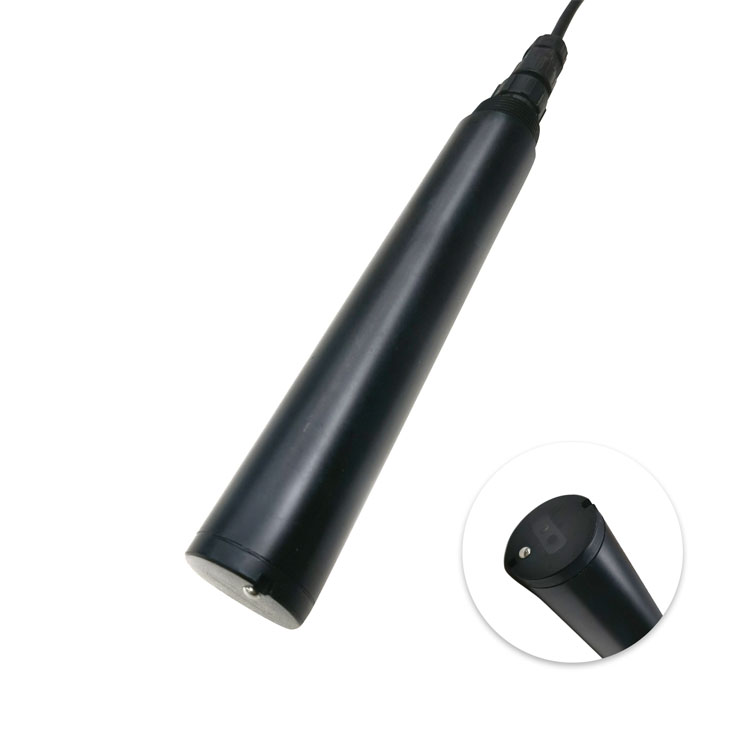 Online Turbidity Sensor RS485 Modbus | NBL-WQ-TS
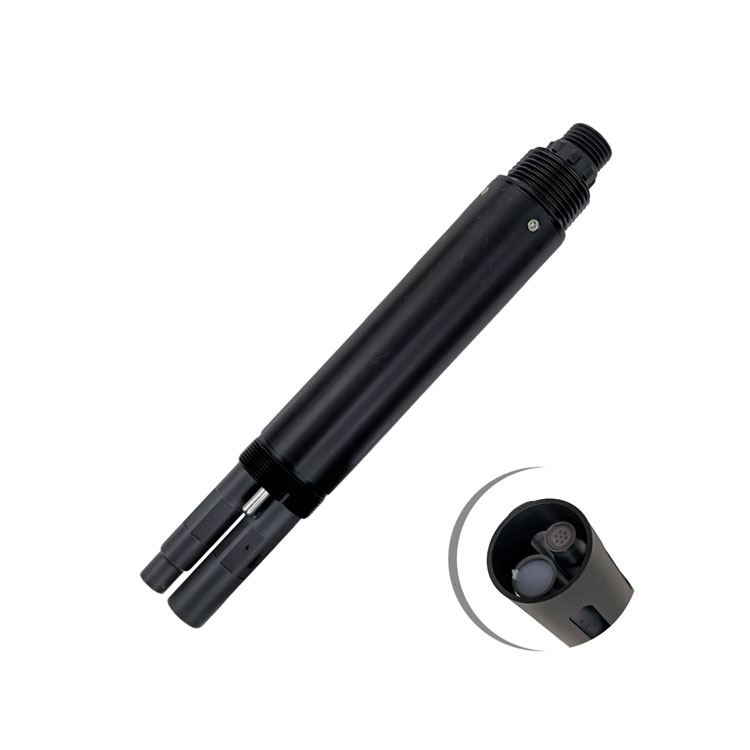 Online Ammonia Nitrogen Sensor (Ammonium ISE) | NBL-WQ-NHN
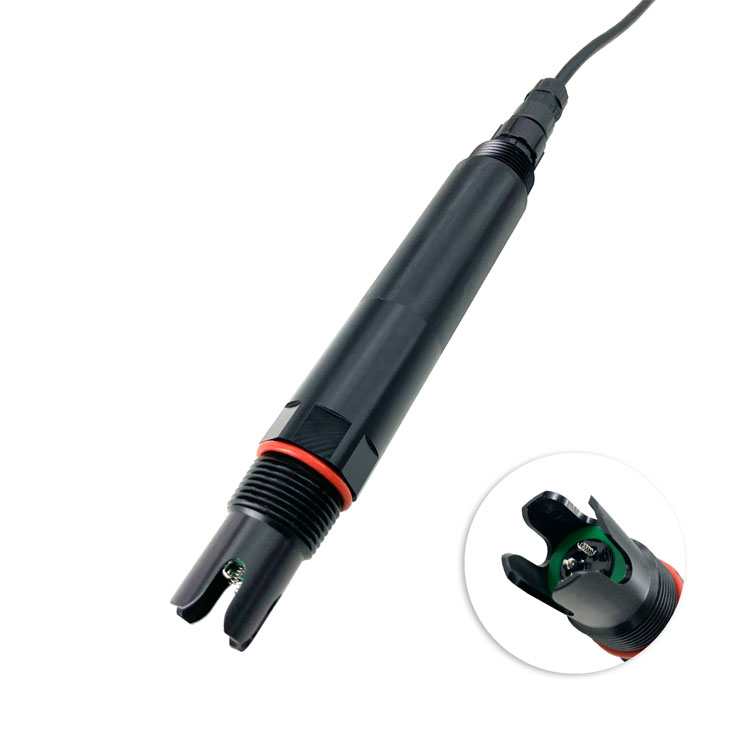 Online Residual Chlorine Sensor (HOCl) RS485 | Water Quality Sensor| NBL-WQ-CL
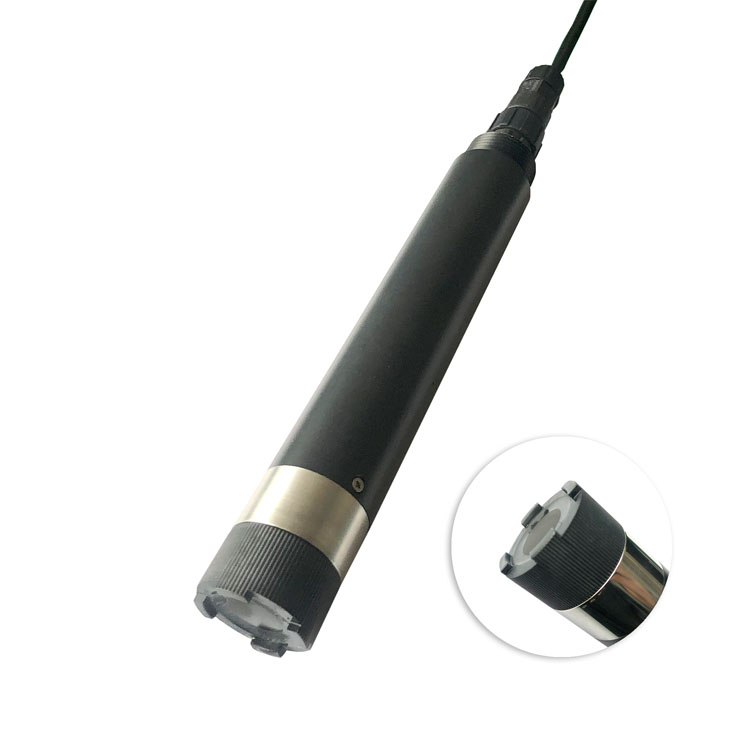 NBL-WQ-DO Online Fluorescence Dissolved Oxygen Sensor
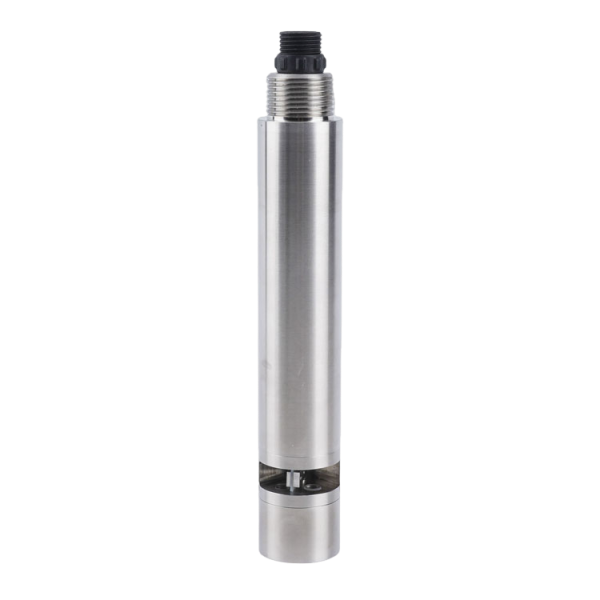 NBL-WQ-COD Online COD Water Quality Sensor
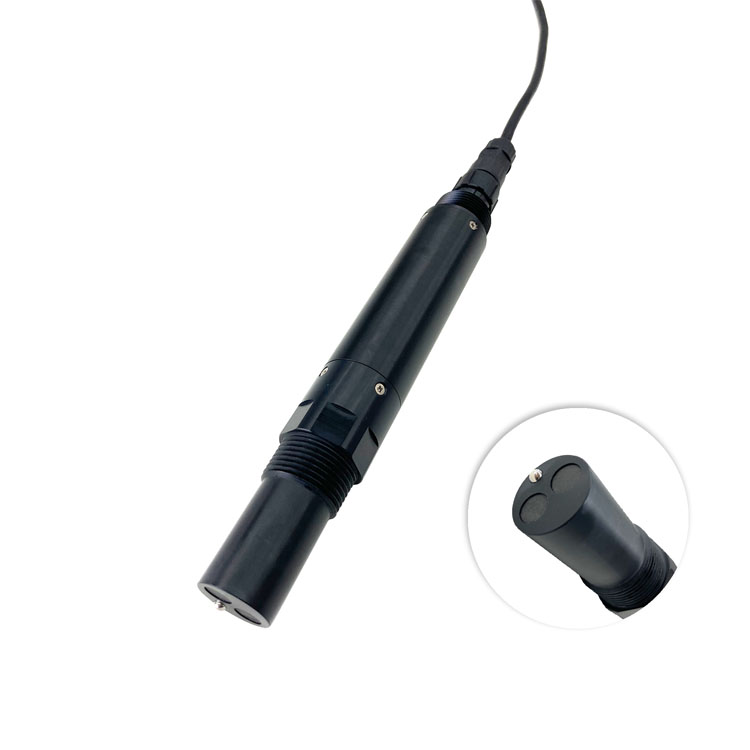 Water Conductivity EC Sensor RS485 Modbus IP68 | NBL-WQ-EC


Screenshot, WhatsApp to identify the QR code
WhatsApp number:+8615367865107
(Click on WhatsApp to copy and add friends)

