





— Products —
 Consumer hotline +8618073152920
 WhatsApp:+8615367865107
Address:Room 102, District D, Houhu Industrial Park, Yuelu District, Changsha City, Hunan Province, China
Pyranometers
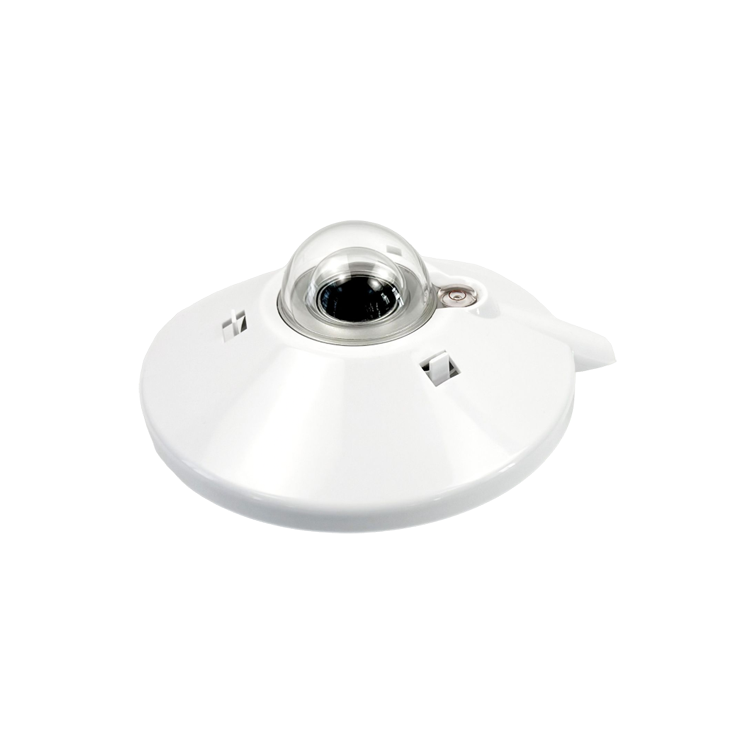
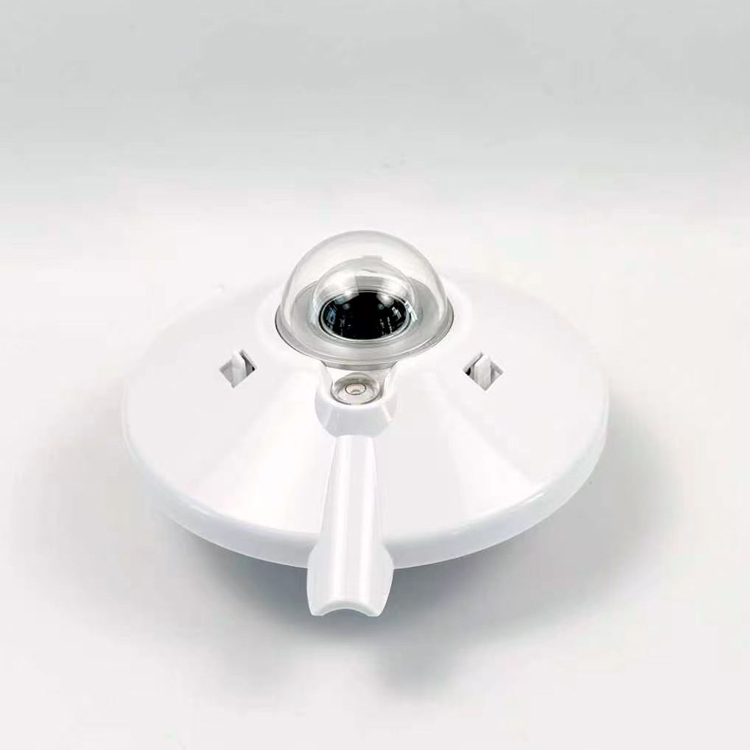
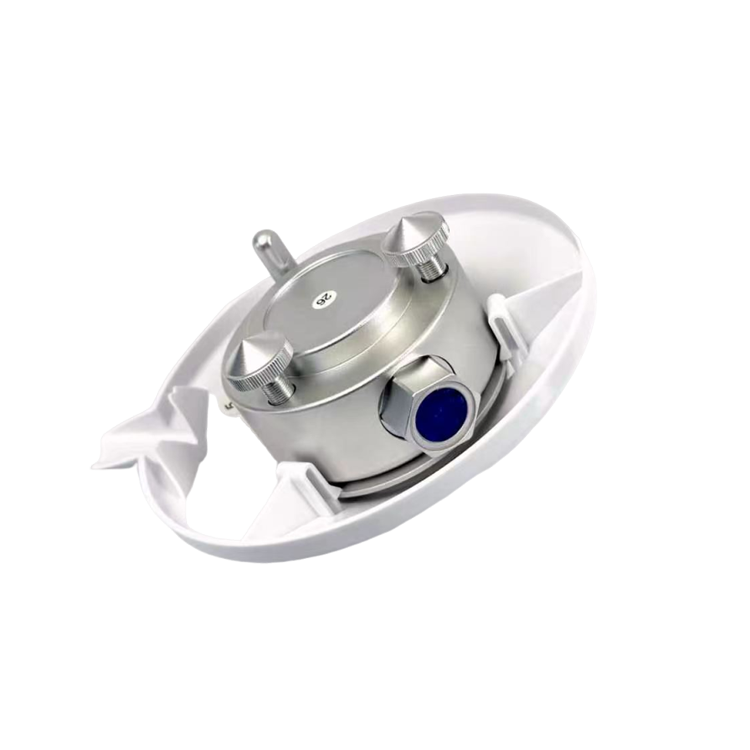
This is a high-precision, passive Class A solar radiation sensor (pyranometer) that features a dual-layer quartz glass dome and thermopile core design, strictly complying with the latest ISO 9060 and WMO Class I standards. It has a measurement range of 0–4000 W/m², response time of <5 seconds, zero offset of <7 W/m², and uncertainty of ±1%. It is suitable for high-demand applications such as meteorological observation, photovoltaic power plants, building energy efficiency···
Tel/WhatsApp:+8615367865107
Email:Arvin@niubol.com +Nearly 100 partner companies in more than 79 countries. We are committed to providing high-quality, practical products to meet your needs and help you solve problems. Our products comply with international standards and are certified with ISO, CE and RoHS.Product Details
Product Name: NBL-W-HPRS-A Solar Radiation Sensor (Total Radiation Meter / Pyranometer)
Brand: NiuBoL
Model: NBL-W-HPRS-A
Product Level: ISO 9060 / WMO Class A (High Quality)
Core Advantages: Passive thermopile design, double quartz glass domes, ultra-low thermal offset, high precision, stable and reliable. Specifically designed for meteorological observation, solar energy projects, building physics, and climate research.
The NBL-W-HPRS-A Solar Radiation Sensor is a shortwave global radiation pyranometer designed to measure solar radiation received over a 2π solid angle (hemispherical field of view) on a horizontal surface, in units of W/m². It strictly complies with the latest ISO 9060 and WMO technical standards and is a true Class A (high-quality) solar radiation sensor.
The sensor operates in a completely passive mode with no external power supply required. Its core component is a thermopile sensor with a black coating that efficiently absorbs solar radiation and converts it into heat, creating a temperature difference across the thermopile ends that generates a voltage output signal proportional to the incident radiant flux. A unique design feature is the use of two layers of spherical quartz glass domes (inner + outer), which significantly reduces measurement errors, especially thermal offset errors, resulting in greatly improved measurement accuracy and exceptional stability.
Compared to ordinary radiation sensors, the NBL-W-HPRS-A achieves top international levels in directional response, nonlinearity, temperature response, and tilt response, making it suitable for demanding applications such as high-precision weather stations, photovoltaic power plants, and building energy efficiency experiments. The sensor housing combines high-strength engineering plastic and metal, is waterproof and dustproof, weighs only 0.8 kg (excluding cable), is easy to install, and simple to maintain—making it the preferred choice for professional meteorological and solar monitoring.
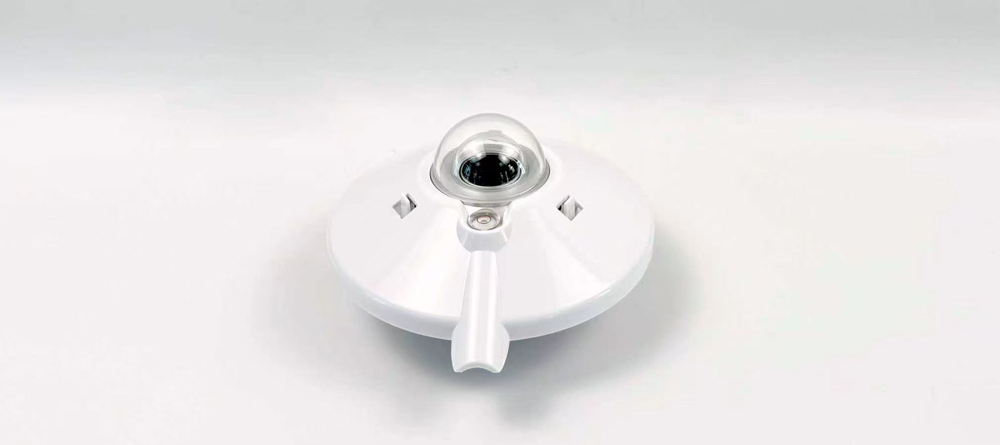
(Product physical image: white circular body, hemispherical transparent glass dome on top, bottom with bubble level and adjustable feet, overall elegant and premium appearance.)
The sensor operates based on the thermoelectric effect: the black coating absorbs shortwave solar radiation and converts it into heat, which enters the sensor interior, creating a temperature difference across the thermopile ends and generating a voltage signal. This voltage signal is strictly proportional to the incident solar radiation intensity.
Structural components (corresponding to Figure 1):
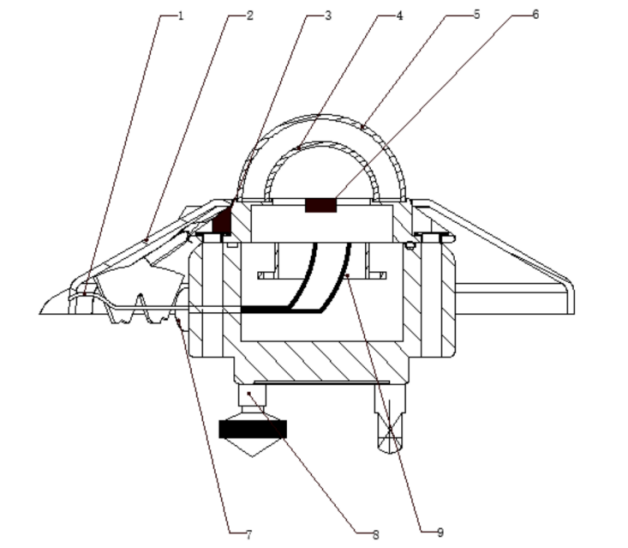
(1) Standard 5-meter cable
(2) Protective cover
(3) Bubble level
(4) Quartz glass inner dome
(5) Quartz glass outer dome
(6) Thermopile sensor with black coating
(7) Waterproof cable gland
(8) Leveling adjustment feet
(9) Printed circuit board
The double-layer quartz glass domes not only protect the internal sensor but also greatly reduce interference from ambient temperature changes, wind speed, and longwave radiation, ensuring truly reliable data.
The NBL-W-HPRS-A is widely used in:
1. Meteorological observation stations (core component of standard weather stations)
2. Solar photovoltaic power plants (real-time irradiance monitoring to optimize power generation efficiency)
3. Building physics and energy-saving experiments (assessment of building daylighting and thermal loads)
4. Climate research and solar collection experiments
5. Agricultural greenhouse lighting monitoring, solar resource assessment by research institutions
Whether outdoors or on rooftop platforms, as long as precise measurement of horizontal plane total solar radiation is required, this sensor delivers stable performance. Paired with a data logger, it enables high-precision acquisition across the full 0~4000 W/m² range.
The following are the core technical specifications of the NBL-W-HPRS-A (fully compliant with ISO 9060 / WMO Class A standards):
| ISO/WMO Technical Parameter | NBL-W-HPRS-A Value |
|---|---|
| Classification | Class A High Quality |
| Response Time (95% response) | <5 s |
| Zero Offset (200 W/m² net thermal radiation, ventilated) | <7 W/m² |
| Stability (annual change, % of full scale) | ±0.5% |
| Non-linearity (100~1000 W/m²) | ±0.2% |
| Directional Response | ±10 W/m² |
| Temperature Response (-10~40°C) | <1% |
| Tilt Response | <0.5% |
| Sensitivity Range | 7-14 μV/(W/m²) |
| Operating Temperature | -40~+80℃ |
| Internal Resistance | <50 Ω |
| Standard Cable Length | 3 m (user replaceable) |
| Measurement Range | 0~4000 W/m² |
| Spectral Range | 280~3000 nm (50% transmittance) |
| Reading Requirement | Differential voltage channel or single-ended voltage channel |
| Leveling | Includes bubble level and adjustable feet |
| Daily Radiation Uncertainty | ±1% |
| Weight (excluding cable) | 0.8 kg |
| Calibration Traceability | ISO9847 traceable to WRR, procedure follows ISO9847 |
| Recommended Calibration Interval | Every two years |
| Output Signal | Raw output 0-20 mV; optional RS485 / 4-20 mA |
Key Parameter Highlights:
Response time <5 s: Captures sudden changes in solar radiation in real time (e.g., cloud passage).
Zero offset <7 W/m²: Minimal baseline drift even at night or on cloudy days.
Sensitivity 7-14 μV/(W/m²): Microvolt-level voltage per 1 W/m², easily readable by data loggers.
Wide temperature range -40~+80℃: Suitable for most extreme climates.
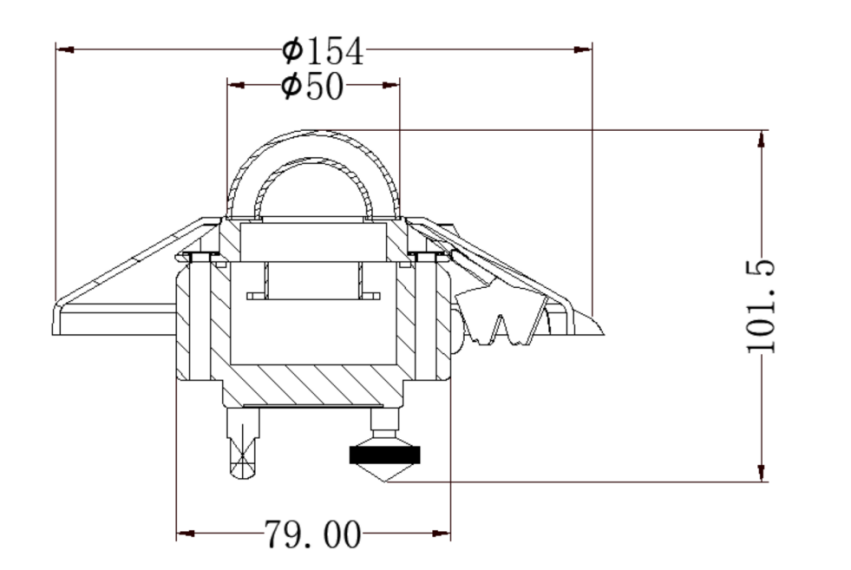
Unit: mm
(Dimension drawing is a precise engineering cross-sectional view, clearly marking mounting holes, adjustment feet, and cable exit positions for easy pre-planning of mounting brackets. The hemispherical top dome ensures 360° shadow-free radiation reception.)
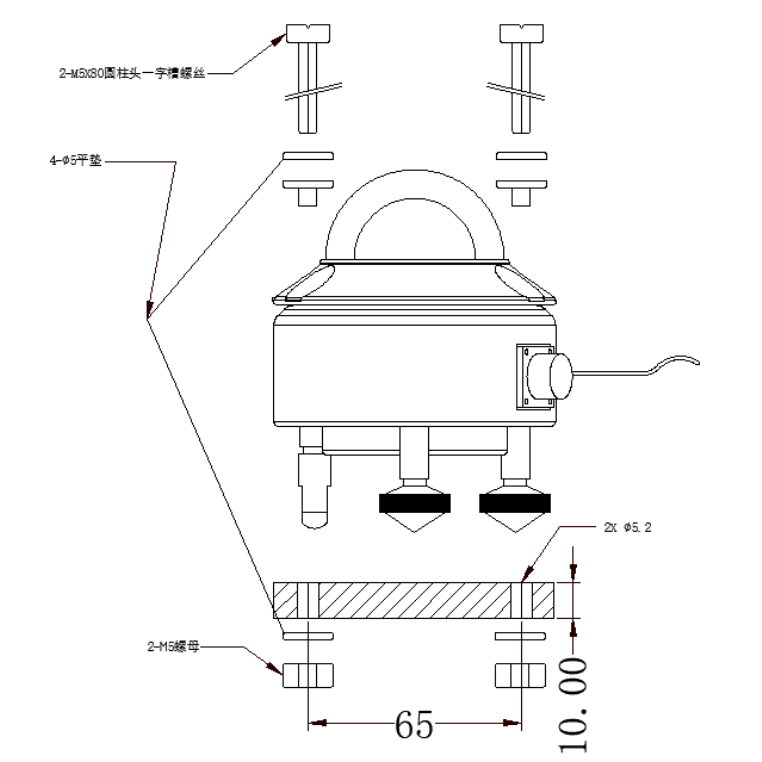
Standard factory package includes:
1 × NBL-W-HPRS-A Solar Radiation Sensor (with standard cable)
1 × Calibration Certificate (please keep safely)
1 × Set of mounting screws
1 × Lens cleaning cloth
1 × User manual
Installation is flexible: primarily horizontal, but also supports tilted or inverted mounting (in all cases, the measuring surface remains parallel to the sensor sensing surface).
Installation Key Points:
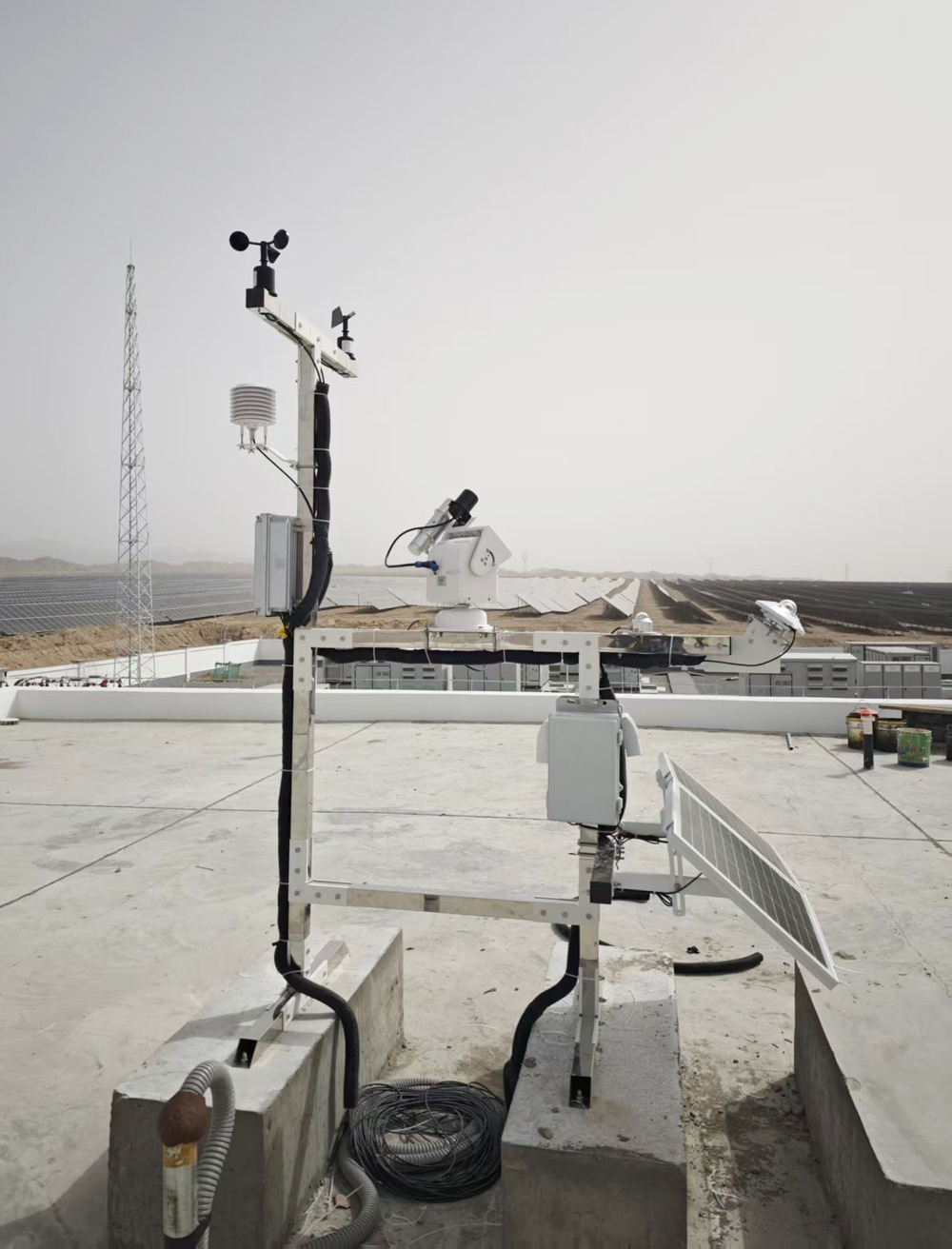
Installation location must have an unobstructed view, with no obstructions greater than 5° in the sunrise-to-sunset direction.
Recommended installation on an independent pole or rooftop platform at least 1.5 m high; base metal plate slightly larger than sensor base and properly insulated.
Sensor terminal box facing north.
Use included bubble level + adjustment feet for precise leveling (multiple fine adjustments recommended).
For higher accuracy, an optional ventilated heating dome is recommended.
Fixed Installation Notes:
Mechanical fixing: Secure with provided screws.
Avoid shadows: No obstructions in the sunlight path to the sensor.
Leveling: Carefully adjust feet until bubble is centered.
Installation orientation: Terminal box facing north.
Inverted installation height: WMO recommends ≥1.5 m.
Tilted application: Can measure radiant flux parallel to any sensing plane.
After installation, tighten the fixing screws to put into operation. The entire process takes 10-15 minutes.
0-20 mV Output Wiring
Sensor output + (red) → Voltage input +
Sensor output - (blue) → Voltage input - or ground
Shield → Ground
RS485 Output Wiring
Power input + (red) → Power output +
Power input - (black) → GND
Signal output (yellow) → RS485-A
Signal output (green) → RS485-B
4-20 mA Output Wiring
Power input + (red) → Power output +
Signal output (yellow) → 4-20 mA input
Power input - (blue) → Power output - or ground
Users can select the appropriate output mode based on the data logger type; wiring is simple and reliable.
Routine Maintenance:
1. When the glass dome is dirty, gently wipe with a soft cloth dampened with clean water or alcohol.
2. Check for condensation inside the spherical dome; if present, return to factory for service.
3. Periodically check level status and readjust feet and tighten screws if necessary.
4. Inspect cable for damage to prevent open circuits.
5. Strictly monitor data anomalies; recalibrate every two years.
Troubleshooting Table:
No output signal:
Measure sensor terminal impedance (should be <200 Ω);
Test response by shining a 100 W incandescent lamp close by;
Use a millivolt source to simulate and test the data logger.
Signal abnormally high/low:
Confirm correct sensitivity coefficient input;
Check algorithm φ=U/E and wiring;
Check for cable breaks;
Verify data logger range.
Signal fluctuation:
Rule out nearby electromagnetic interference sources (radar, radio);
Check shield and cable connections.
By strictly following the above steps, over 99% of common issues can be resolved on-site.
The NBL-W-HPRS-A stands out as a premium choice among similar products with its Class A standard, double glass dome passive design, ultra-wide range, and extremely low uncertainty (±1%). Whether for new weather stations or photovoltaic project upgrades, it significantly improves data accuracy, enabling users to precisely grasp solar radiation resources for higher power generation efficiency or more reliable weather forecasting.
Q1: What level is the NBL-W-HPRS-A? Which international standards does it comply with?
A: It is ISO 9060 / WMO Class A (high quality), fully compliant with the latest ISO 9060 and WMO technical standards. It is professional-grade equipment for meteorology and solar monitoring.
Q2: What is the sensor's measurement range? Can it measure nighttime radiation?
A: Measurement range 0~4000 W/m², covering all scenarios from cloudy to strong sunlight; at night or without solar radiation, output is near 0 with zero offset only <7 W/m².
Q3: Must it be installed horizontally? What about tilted installation?
A: Usually horizontal installation, but supports tilted or inverted mounting as long as the sensing surface is parallel to the plane to be measured. WMO recommends inverted height ≥1.5 m.
Q4: What output signals are available? How to choose?
A: Standard 0-20 mV analog output; optional RS485 digital output or 4-20 mA current output. Choose flexibly based on your data logger type.
Q5: What is the sensitivity? Do I need to input a specific coefficient?
A: Sensitivity range 7-14 μV/(W/m²). Each sensor is individually calibrated at the factory with a specific coefficient that must be entered correctly for guaranteed accuracy.
Q6: What is the cable length?
A: Standard 3 meters.
Q7: How to determine if the sensor is level?
A: The instrument includes a bubble level. During installation, adjust the three base feet until the bubble is centered. Operation is simple; multiple fine adjustments are recommended before locking the screws.
Q8: What is the calibration interval? Does it need to be returned to the factory?
A: Recommended calibration every two years, traceable to ISO 9847. Contact the manufacturer or local metrology agency for specific procedures.
Q9: How to clean a dirty glass dome? What if there is condensation inside?
A: Wipe the outer dome with the provided cleaning cloth dampened with water or alcohol; if condensation appears inside the inner dome, stop use immediately and return to factory for repair.
Q10: What is the most likely cause if the signal suddenly becomes abnormally high or low?
A: The most common causes are incorrect sensitivity coefficient input, cable break, or improper data logger range setting. First check the coefficient and wiring, then verify the data logger with a millivolt source.
Thank you for reading the NBL-W-HPRS-A product details page. For pricing, model selection guidance, or technical drawings, please contact us directly!
 NBL-W-HPRS-A-Solar-Radiation-Sensor-Instruction-Manual.pdf
Prev:PT1000 Temperature Sensor for PV Modules
Next:no more
Sensors & Weather Stations Catalog
Agriculture Sensors and Weather Stations Catalog-NiuBoL.pdf
Weather Stations Catalog-NiuBoL.pdf
Agriculture Sensors Catalog-NiuBoL.pdf
Water Quality Sensor Catalog-NiuBoL.pdf
Related recommendations
 Pyranometer Solar Radiation Sensor 4-20mA/RS485
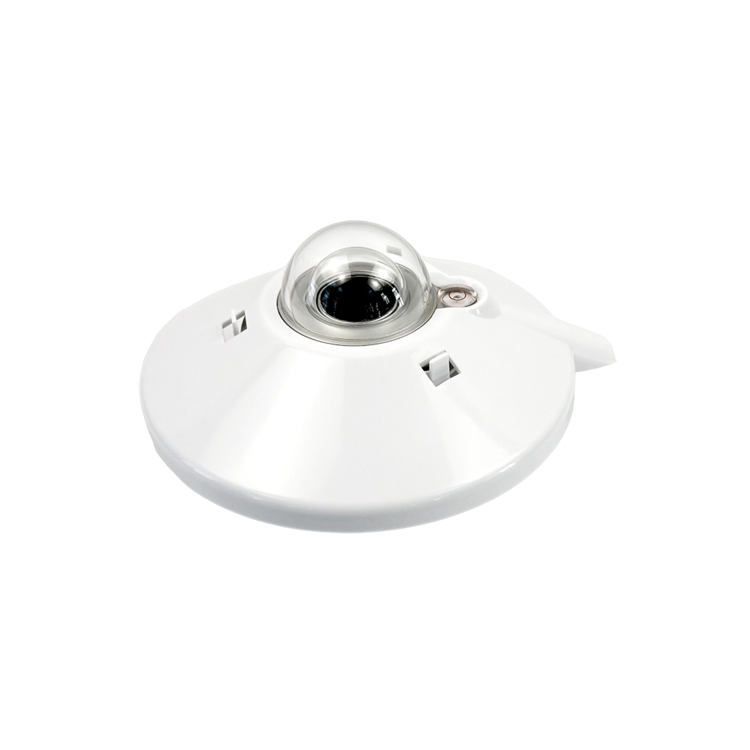 Solar Radiation Sensor (Pyranometer) A-Class
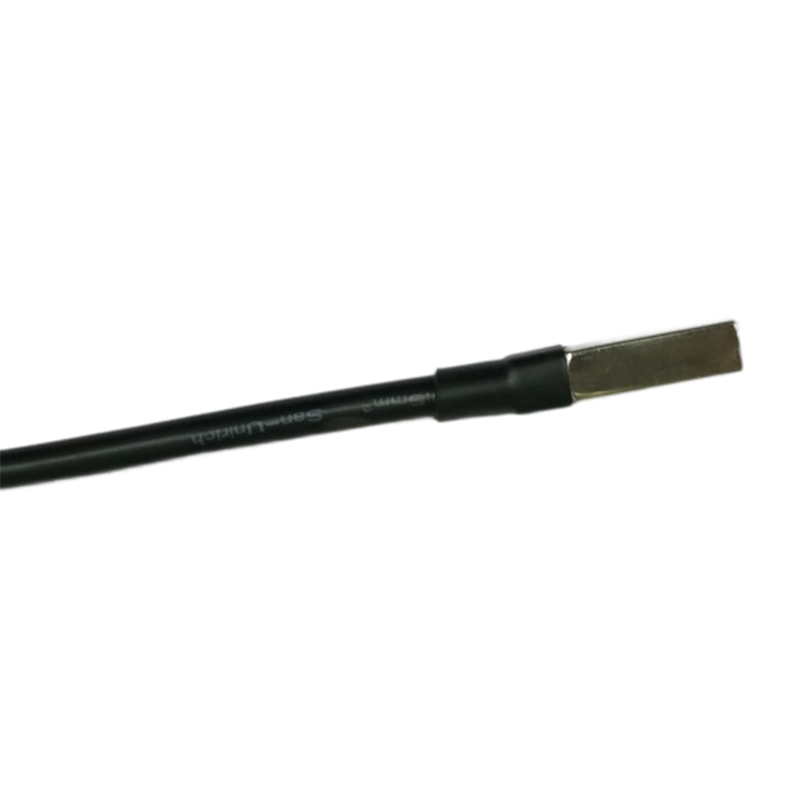 PT1000 Temperature Sensor for PV Modules PT100 Solar Module Temperature Sensor
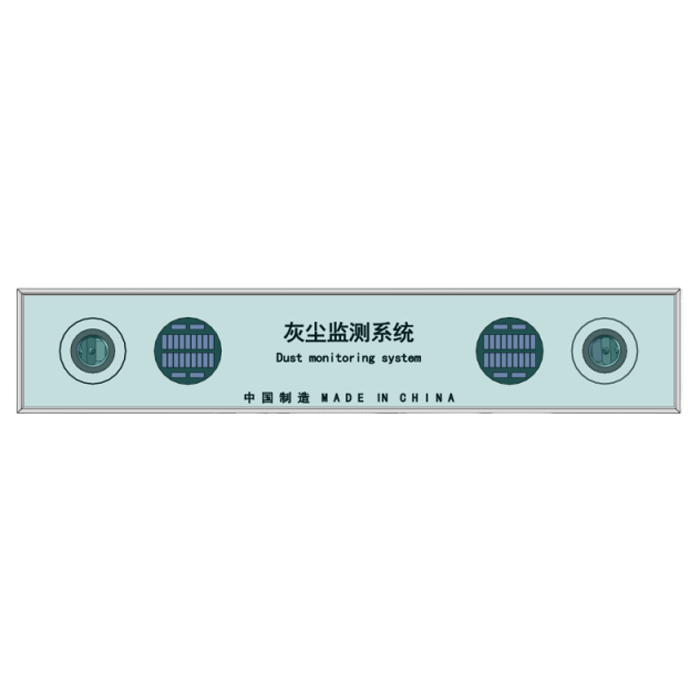 Soiling Sensor Photovoltaic Dust Monitoring Instruments
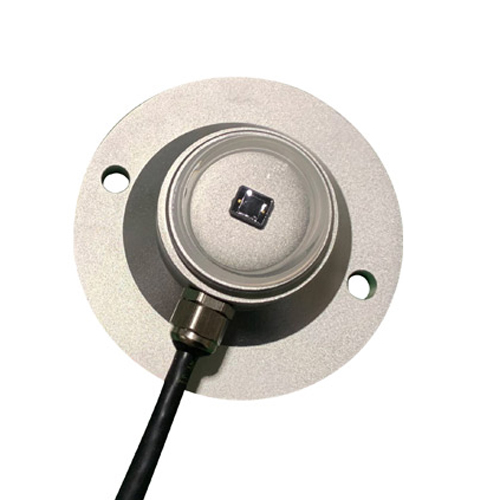 Pyranometer Solar Radiation Sensor for solar energy utilisation, meteorology, agriculture

Screenshot, WhatsApp to identify the QR code
WhatsApp number:+8615367865107
(Click on WhatsApp to copy and add friends)

