





— Download —
 Consumer hotline +8618073152920
 WhatsApp:+8615367865107
Address:Room 102, District D, Houhu Industrial Park, Yuelu District, Changsha City, Hunan Province, China
All products
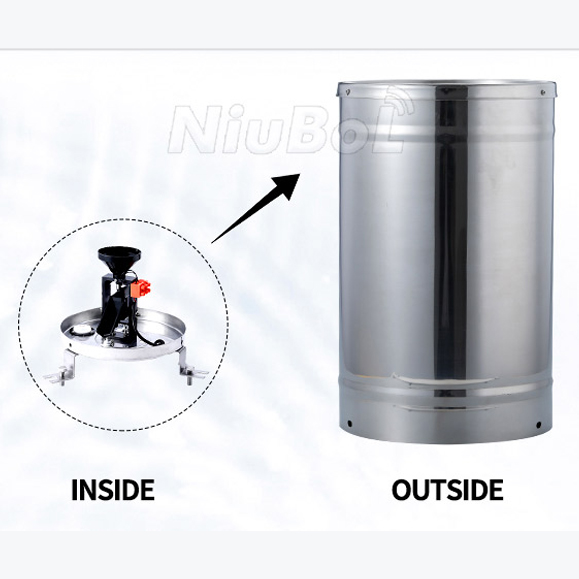
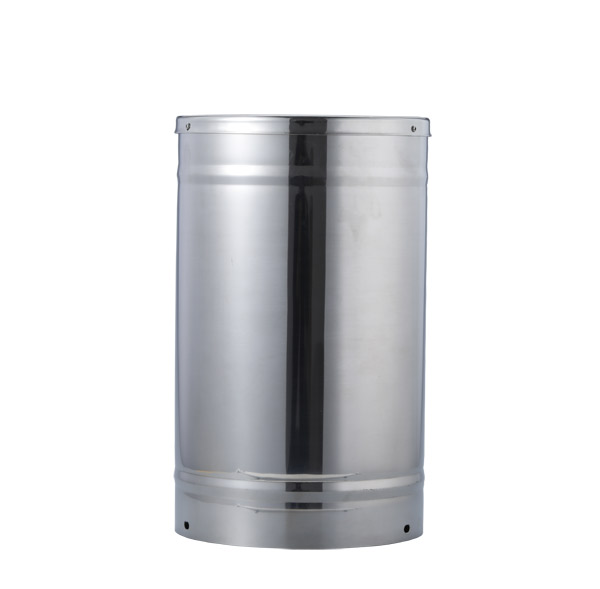
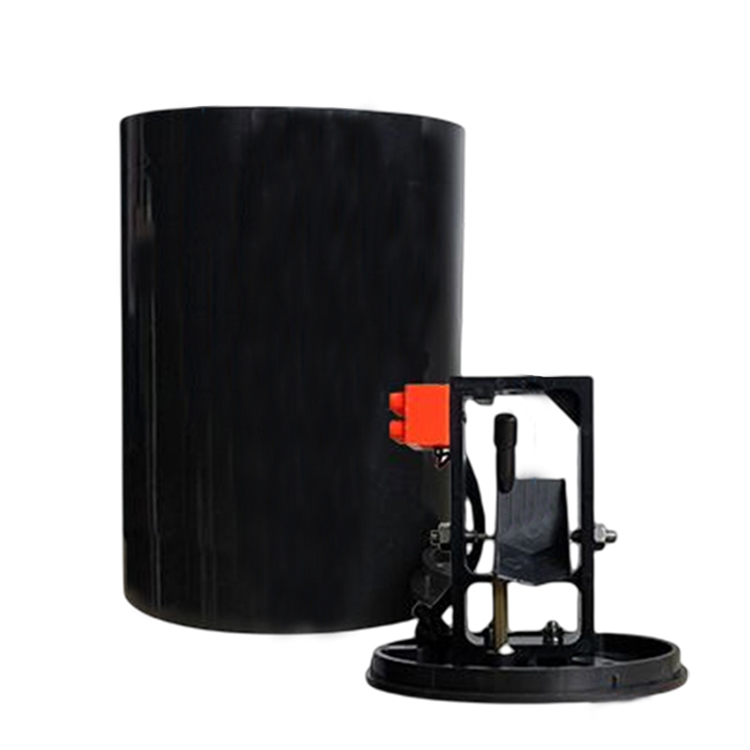
NiuBoL rainfall measuring instrument with Φ200 mm collector, 0.2 mm resolution and RS485 or pulse output for weather stations, hydrology, agriculture and IoT monitoring.
Tel/WhatsApp:+8615367865107
Email:Arvin@niubol.com +Nearly 100 partner companies in more than 75 countries. We are committed to providing high-quality, practical products to meet your needs and help you solve problems. Our products comply with international standards and are certified with ISO, CE and RoHS.Product Details
A rainfall measuring instrument is used to measure the amount of precipitation received at a specific location. For automatic weather stations, agriculture, hydrology and remote environmental monitoring, the tipping bucket rain gauge is one of the most widely used automatic rainfall measurement instruments.
The NiuBoL rainfall sensor collects rain through a Φ200 mm collector and converts each calibrated tipping event into rainfall data. The standard configuration provides 0.2 mm resolution and can be supplied with pulse, voltage or RS485 communication depending on the selected model.
It can be connected to an automatic weather station, PLC, RTU, data logger or IoT gateway for unattended rainfall monitoring and remote data transmission.
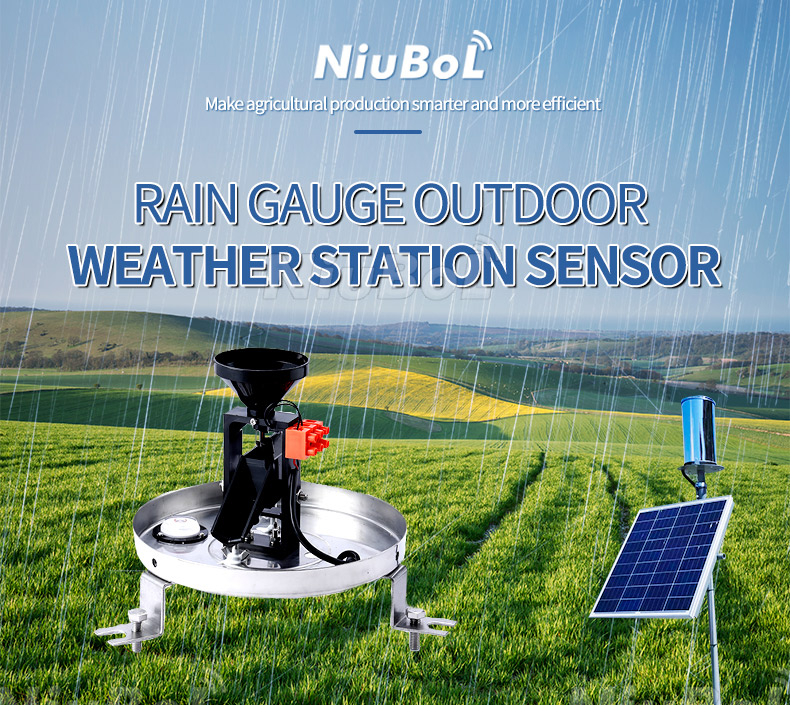
A rainfall measuring instrument measures precipitation as an equivalent water depth, normally expressed in millimeters (mm).
For example:
1 mm rainfall = 1 liter of water per square meter
Rainfall can be measured using several technologies, including manual gauges, tipping bucket gauges, weighing gauges and electronic rainfall sensors. For automatic field monitoring, tipping bucket instruments provide a practical combination of automatic measurement, digital integration and relatively simple maintenance.
The NiuBoL tipping bucket rainfall sensor is designed for automatic measurement of liquid precipitation. Rain enters through the collector and is directed into the internal tipping mechanism.
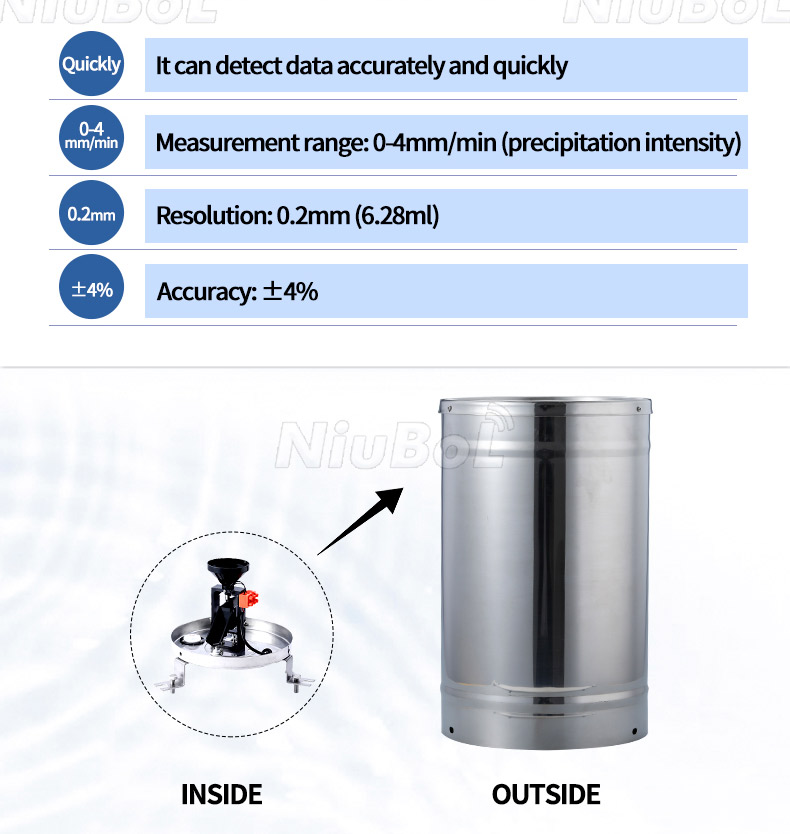
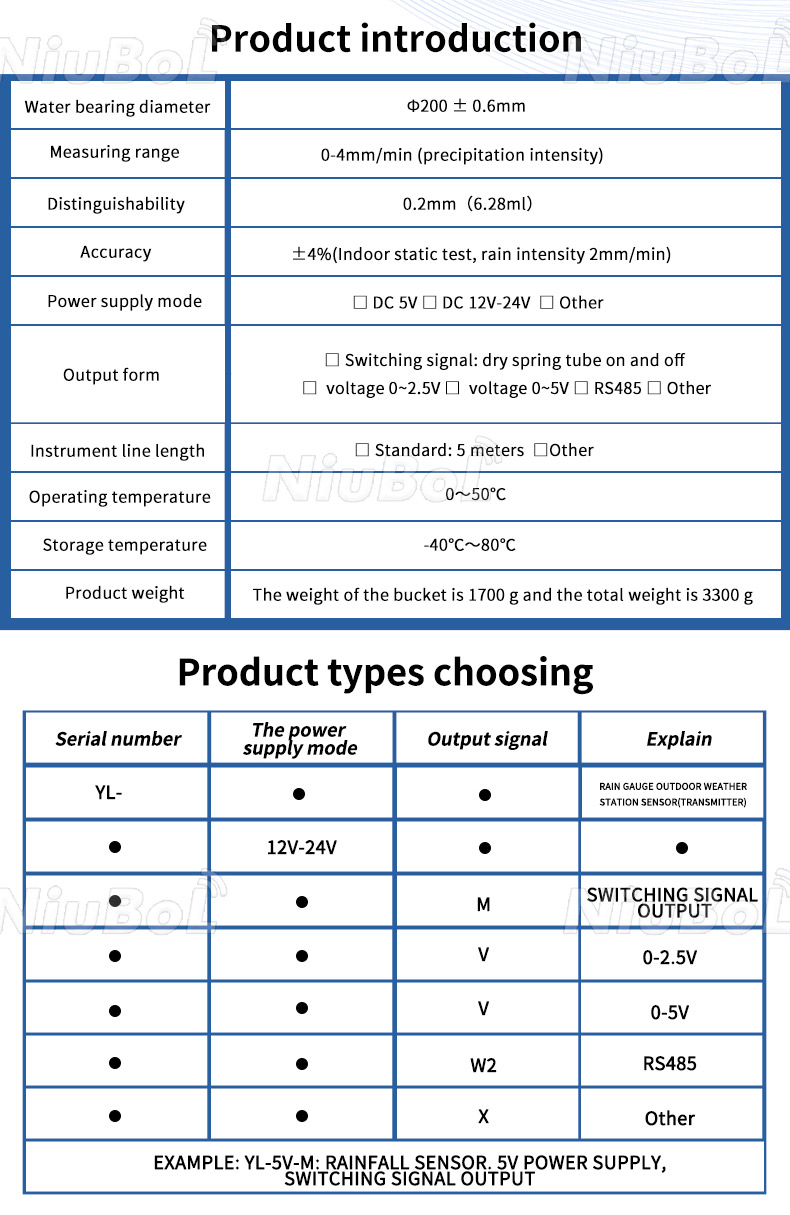
| Measurement | Liquid precipitation |
| Collector Diameter | Φ200 ±0.6 mm |
| Rainfall Intensity Range | 0–4 mm/min |
| Resolution | 0.2 mm |
| Rainwater per Tip | Approx. 6.28 mL for Φ200 mm collector |
| Accuracy | ±4% under specified static test conditions |
| Output Options | Pulse / switch, voltage or RS485 depending on configuration |
| Power Supply | Depends on selected output configuration; RS485 model uses DC power |
| Standard Cable | 5 m |
| Typical Applications | Weather, hydrology, agriculture, reservoirs and environmental monitoring |
Actual specifications and output configuration should be confirmed according to the selected model before ordering.
The instrument contains a collector, funnel and two-sided tipping bucket mechanism.
The measurement process is:
Rain falls into the collector.
The funnel directs the water toward one side of the tipping bucket.
When the calibrated water volume is reached, the bucket tips.
The opposite side moves into the collection position.
The tipping event generates an electrical signal.
The logger counts the number and timing of tipping events.
The system converts those events into accumulated rainfall and rainfall intensity.
For a 0.2 mm tipping bucket instrument:
| Number of Tips | Accumulated Rainfall |
|---|---|
| 1 | 0.2 mm |
| 5 | 1.0 mm |
| 25 | 5.0 mm |
| 50 | 10.0 mm |
These two measurements should not be confused.
| Parameter | Meaning | Typical Unit |
|---|---|---|
| Rainfall Amount | Total accumulated precipitation over a period | mm |
| Rainfall Intensity | Rate at which rainfall is occurring | mm/h or mm/min |
The rain gauge counts tipping events to determine rainfall accumulation. The time interval between tipping events can also be used by the logger or software to calculate rainfall intensity.
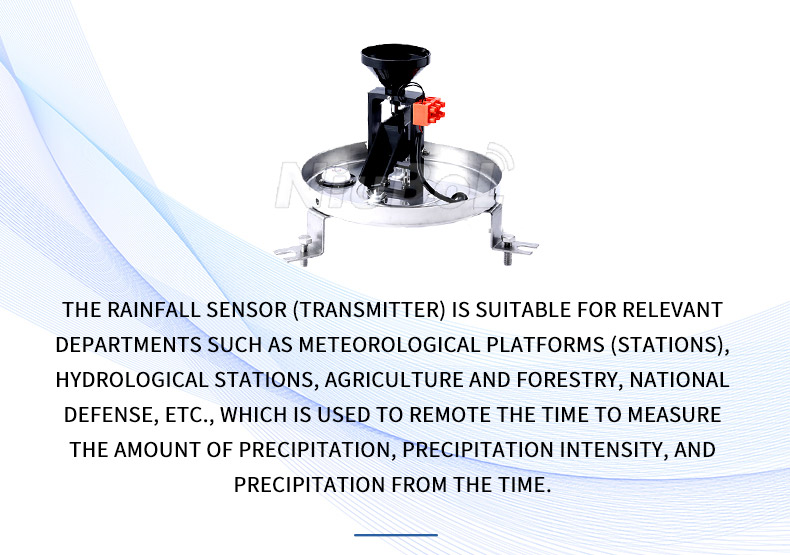
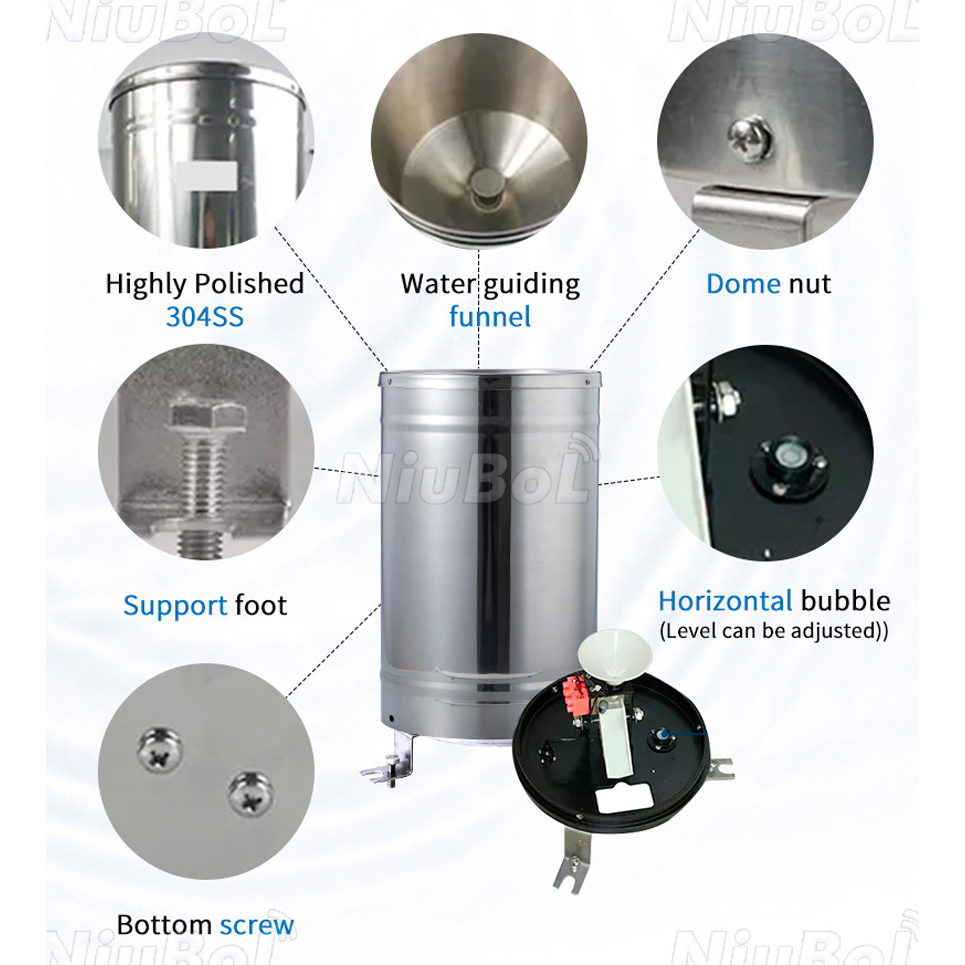
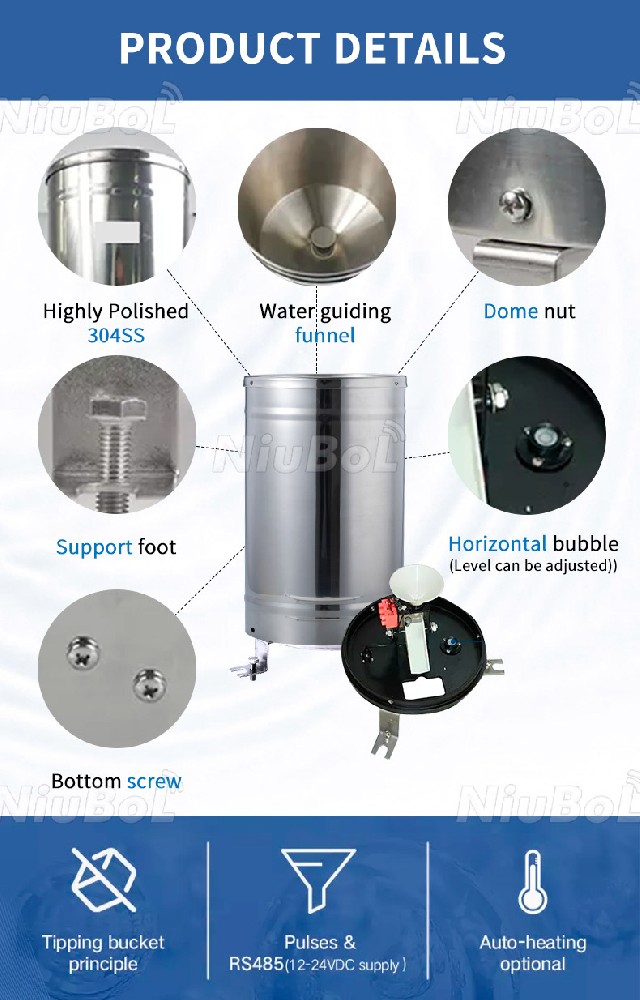
A tipping bucket rainfall measuring instrument normally contains:
Outer protective enclosure
Rainfall collector
Water-guiding funnel
Tipping bucket assembly
Magnetic or switching detection mechanism
Level adjustment system
Drainage outlet
Signal cable or RS485 transmitter
Mounting feet
The collector and internal water path should remain clean so that all collected rain reaches the tipping mechanism correctly.
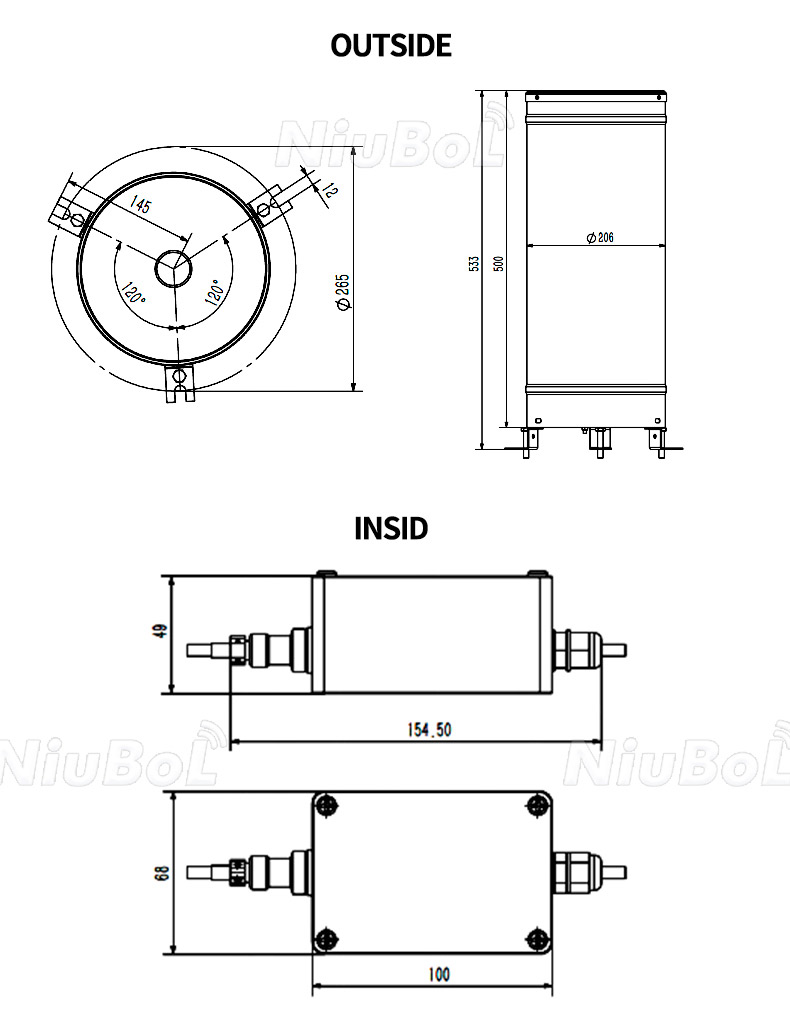
The correct output type depends on the data-acquisition system.
| Output | How It Works | Suitable For |
|---|---|---|
| Pulse / Switch | One electrical event for each bucket tip | Weather loggers and pulse counters |
| RS485 Modbus | Digital communication with compatible controller or logger | PLC, RTU, IoT and automatic monitoring systems |
| Voltage | Analog signal according to selected configuration | Compatible analog acquisition equipment |
For a new IoT project, the output should be selected according to the PLC, RTU, data logger or gateway that will receive the rainfall measurement.
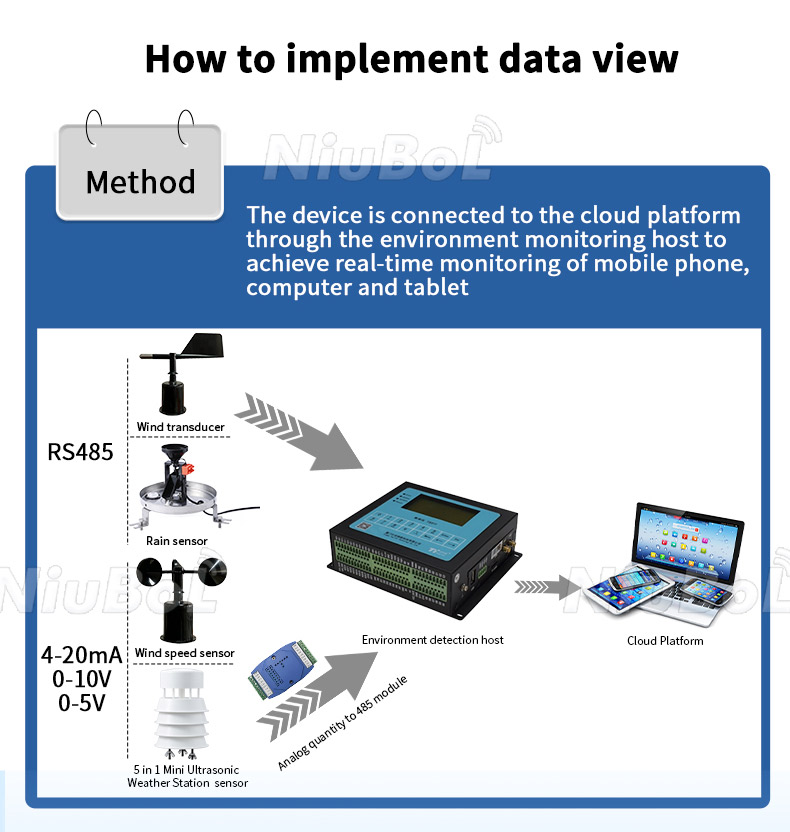
An automatic rain gauge can operate as an independent rainfall sensor or as part of a complete weather monitoring system.
Rain Gauge → Pulse / RS485 → Data Logger → 4G / Ethernet → MQTT / HTTP → Cloud or Private Server
A complete system can also combine rainfall with wind, temperature, humidity, atmospheric pressure, solar radiation and soil measurements.
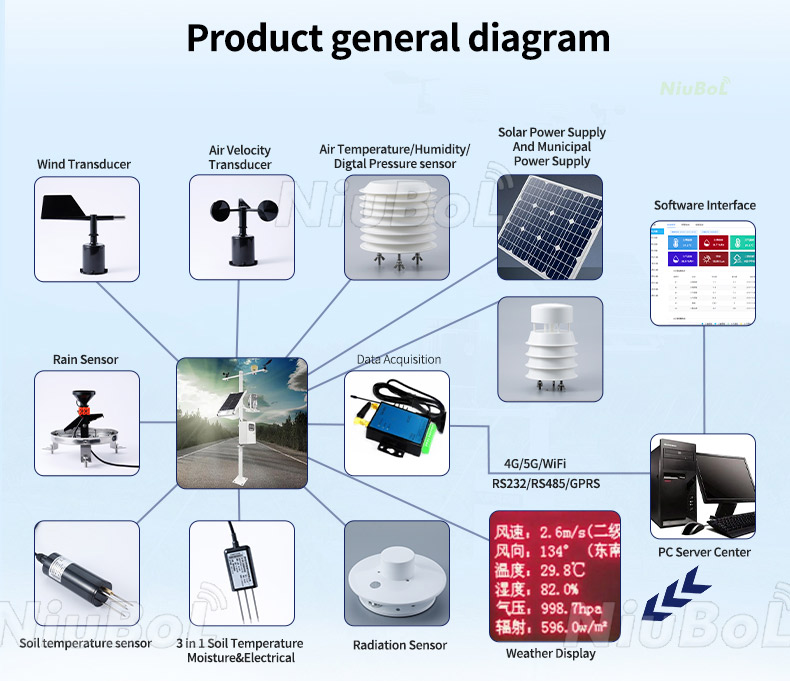
Rainfall is one of the main meteorological parameters measured by an automatic weather station. The rain gauge can operate together with temperature, humidity, wind and pressure sensors.
Rainfall data can be combined with river level, reservoir level and flow measurements to analyse precipitation and catchment response.
Real-time rainfall amount and intensity provide useful inputs for flood-monitoring systems. A rain gauge does not predict flooding by itself; rainfall data normally needs to be combined with water level, previous rainfall, catchment information and hydrological models or warning logic.
Rainfall measurements help determine natural water input to farmland. Rainfall data can be combined with soil-moisture measurements when planning irrigation.
Rain gauges installed across a catchment can provide precipitation data for reservoir inflow analysis, flood-control planning and water-resource management.
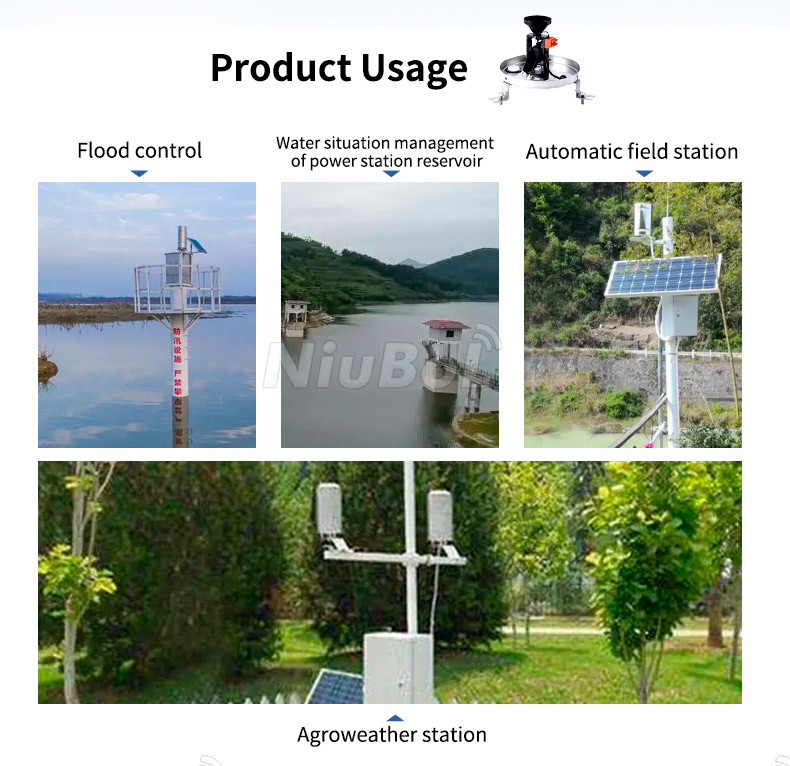
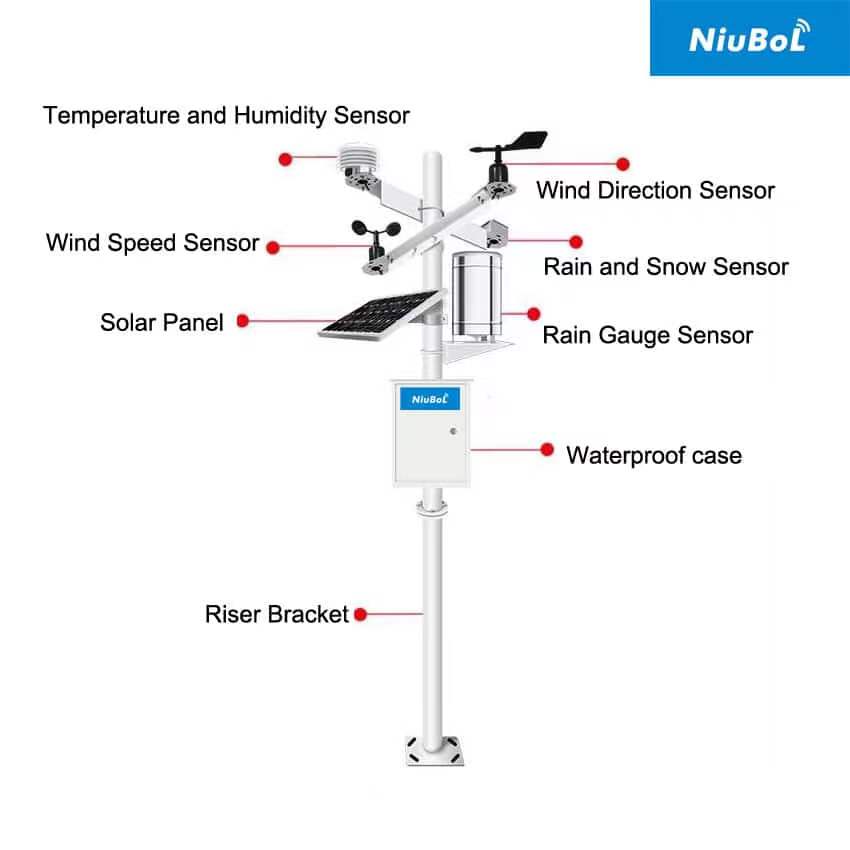
The rainfall measuring instrument can be installed together with other meteorological sensors on a complete automatic weather station.
A typical station may include:
Rain gauge
Data logger
Solar panel and battery
4G or other communication equipment
Install the instrument in a representative open area and minimize interference from nearby buildings, trees and other obstacles.
The tipping mechanism depends on correct leveling. Use the built-in level indicator where provided and adjust the mounting feet before operation.
The support should remain stable during wind and severe weather. Excessive vibration can affect measurement quality.
Avoid installation positions where rainwater can splash from nearby roofs, walls or ground surfaces into the collector.
Route the cable securely and protect it from machinery, rodents, standing water and mechanical damage.
A tipping bucket rain gauge is not maintenance-free and should not be described as permanently self-calibrating.
Periodic inspection is important because outdoor conditions can affect the collector and tipping mechanism.
Remove leaves, insects, dust and mud from the collector.
Check the funnel and drainage path for blockage.
Confirm that the tipping bucket moves freely.
Verify that the instrument remains level.
Inspect cables and connectors.
Compare or calibrate the gauge periodically according to project requirements.
Check measurements if unusually high or low rainfall values appear.
Calibration frequency depends on the monitoring standard, operating environment and project requirements. There is no universal interval suitable for every installation.
| Factor | Possible Effect |
|---|---|
| Gauge not level | Changes tipping balance and measurement response |
| Blocked funnel | Reduces or delays water reaching the bucket |
| Nearby obstruction | Changes rainfall catch due to airflow disturbance |
| Very high rainfall intensity | Can increase dynamic tipping error |
| Strong wind | Can reduce rainfall catch efficiency |
| Snow / freezing precipitation | Standard unheated gauge may not measure correctly |
| Mechanical contamination | Can restrict bucket movement |
A standard unheated tipping bucket rainfall measuring instrument is mainly intended for liquid precipitation.
Snow, freezing rain and other frozen precipitation require an appropriate heated or specialized precipitation gauge. Heating requirements should be confirmed according to local climate and project specifications.
Before ordering, confirm:
Required rainfall resolution
Expected maximum rainfall intensity
Liquid rain only or snow / freezing conditions
Pulse, voltage or RS485 output
PLC, RTU or data logger compatibility
Power supply
Cable length
Installation environment
Quantity
Solar power requirements
4G or other remote communication requirements
Cloud platform or private server requirements
A1. A rain gauge is used to measure rainfall. Automatic systems commonly use tipping bucket rain gauges, weighing gauges or electronic rainfall sensors.
A2. It measures accumulated liquid precipitation. The timing of tipping events can also be used to calculate rainfall intensity.
A3. For this tipping bucket configuration, each completed tip represents 0.2 mm of rainfall.
A4. No. Resolution is the smallest reported rainfall increment. Accuracy describes how close the measured rainfall is to the reference value.
A5. Yes. Rainfall intensity can be calculated from the number and timing of tipping events.
A6. No. Its mechanical structure is calibrated to a defined tipping volume, but installation, contamination and mechanical changes can affect measurements. Periodic inspection and calibration or comparison are recommended according to the project requirements.
A7. Yes. An RS485 configuration is available for integration with compatible PLCs, RTUs, data loggers and IoT gateways.
A8. Yes. Each station can use an appropriate data logger or gateway to send measurements to a centralized cloud platform or private server.
A9. Yes. A complete remote rainfall-monitoring station can use a solar panel and battery. The power system should be sized according to the logger, communication equipment and required autonomy.
A10. A standard unheated tipping bucket is intended mainly for liquid precipitation. Snow and freezing conditions require a suitable heated or specialized instrument.
 NBL-W-ARS-Tipping-bucket-rain-gauge-instruction-manual.pdf
NBL-W-RS-Rain-sensors-instruction-manual-V4.0.pdf
NiuBoL provides tipping bucket rainfall sensors and complete rainfall-monitoring systems for meteorology, agriculture, hydrology, reservoirs and environmental monitoring.
For quotation, provide the required quantity, rainfall resolution, output signal, cable length, installation country and whether you require a data logger, solar power, 4G communication or private-server integration.
Prev:PAR light sensor
Sensors & Weather Stations Catalog
 Agriculture Sensors and Weather Stations Catalog-NiuBoL.pdf
Weather Stations Catalog-NiuBoL.pdf
Agriculture Sensors Catalog-NiuBoL.pdf
Water Quality Sensor Catalog-NiuBoL.pdf
Related recommendations
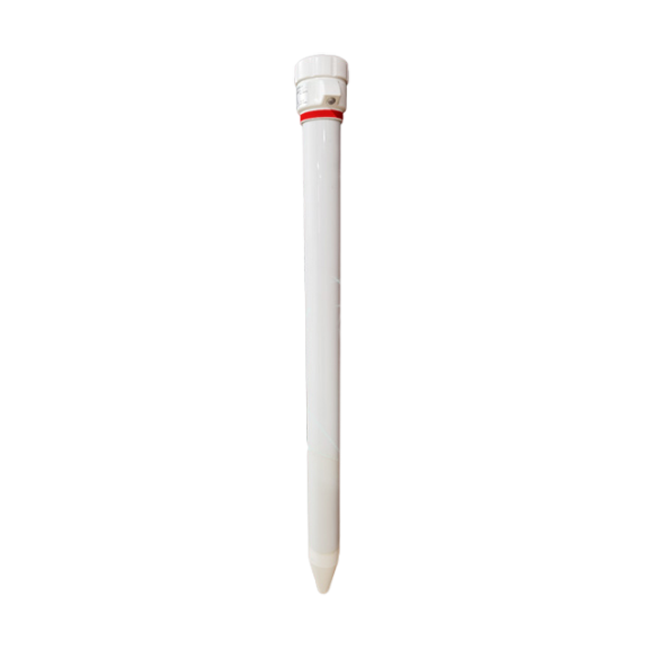 Multi-Depth Soil Sensor RS485
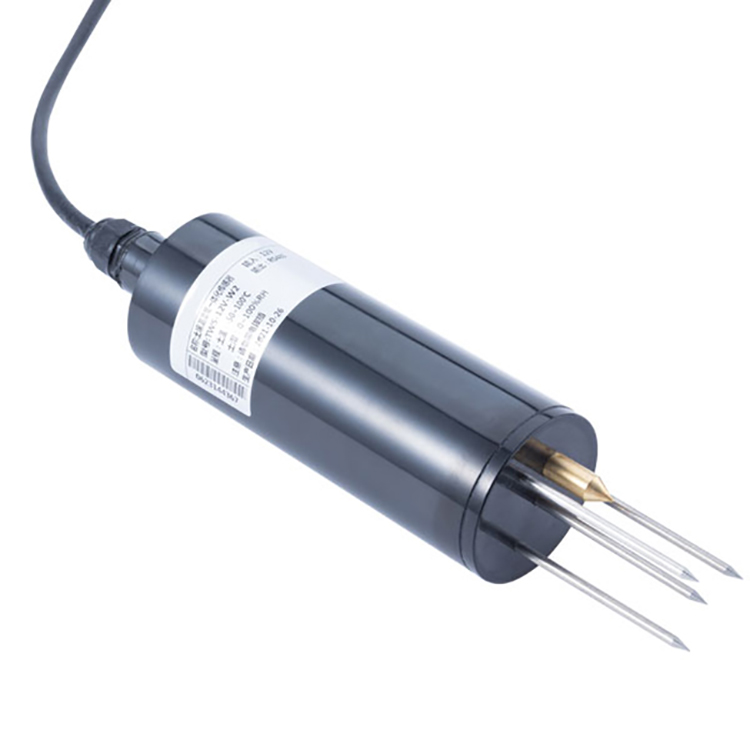 TDR Soil Moisture Sensor
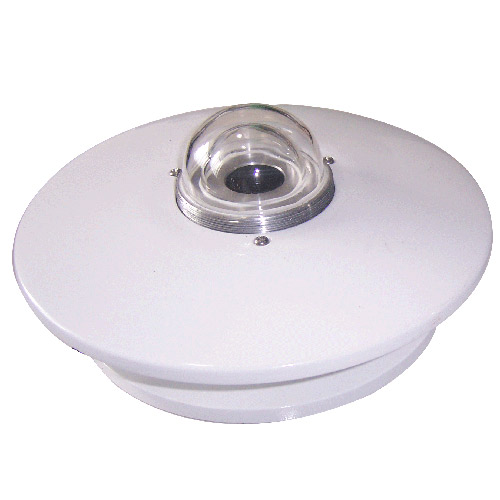 Pyranometer Solar Radiation Sensors
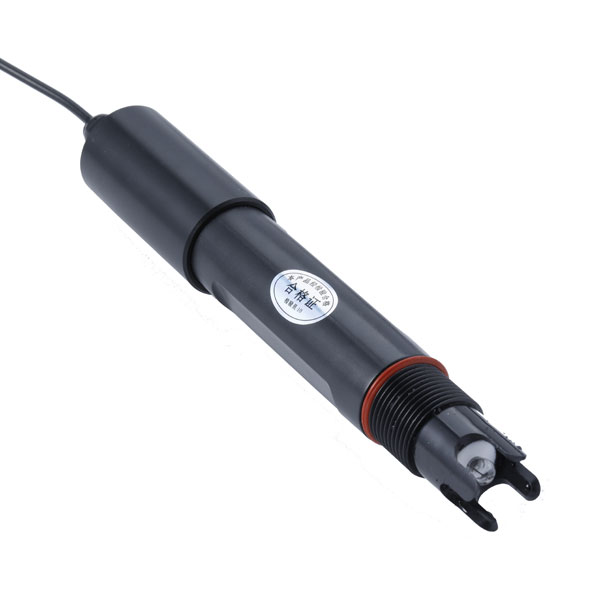 Soil ph sensor
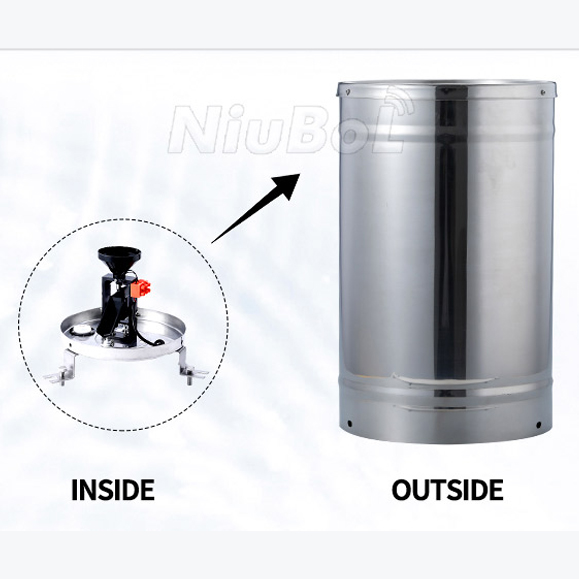 Tipping Bucket Rain Gauge
 Air Temperature and Humidity Sensor

Screenshot, WhatsApp to identify the QR code
WhatsApp number:+8615367865107
(Click on WhatsApp to copy and add friends)

