





— Products —
 Consumer hotline +8618073152920
WhatsApp:+8615367865107
Address:Room 102, District D, Houhu Industrial Park, Yuelu District, Changsha City, Hunan Province, China
Weather Stations


NBL-W-SNOW ultrasonic snow depth sensor measures 0–1000 mm snow depth using 50 kHz ultrasonic technology with RS485 output and automatic low-temperature heating.
Tel/WhatsApp:+8615367865107
Email:Arvin@niubol.com +Nearly 100 partner companies in more than 75 countries. We are committed to providing high-quality, practical products to meet your needs and help you solve problems. Our products comply with international standards and are certified with ISO, CE and RoHS.Product Details
The NiuBoL NBL-W-SNOW Ultrasonic Snow Depth Sensor is designed for automatic and continuous measurement of snow accumulation in meteorological stations, transportation monitoring, airports, ports, agriculture, hydrology and environmental research.
The sensor uses 50 kHz ultrasonic ranging technology. It transmits an ultrasonic pulse toward the snow surface and measures the time required for the echo to return. By comparing the measured distance with the previously established reference distance to the ground surface, the monitoring system calculates the accumulated snow depth.
The standard NBL-W-SNOW provides RS485 communication, a measurement range of 0–1000 mm and automatic low-temperature heating. It is suitable for unattended outdoor snow monitoring and integration with weather-station data loggers, RTUs and IoT gateways.

| Model | NBL-W-SNOW |
| Product Name | Ultrasonic Snow Depth Sensor |
| Measured Parameter | Snow Depth / Snow Thickness |
| Measurement Principle | Ultrasonic Time-of-Flight Ranging |
| Ultrasonic Frequency | 50 kHz |
| Snow Depth Range | 0–1000 mm |
| Measurement Accuracy | ±0.1%FS |
| Power Supply | DC 12 V |
| Communication | RS485 |
| Default Baud Rate | 9600 bps |
| Normal Power Consumption | Approx. 180 mW |
| Heating Power | Approx. 3 W when low-temperature heating is active |
| Heating Reference Temperature | Heating operation associated with temperatures below approximately 5°C |
| Operating Temperature | -40 to 50°C |
| Operating Humidity | ≤100%RH |
| Storage Temperature | -40 to 65°C |
| Protection Rating | IP66 |
| Standard Cable Length | 5 m |
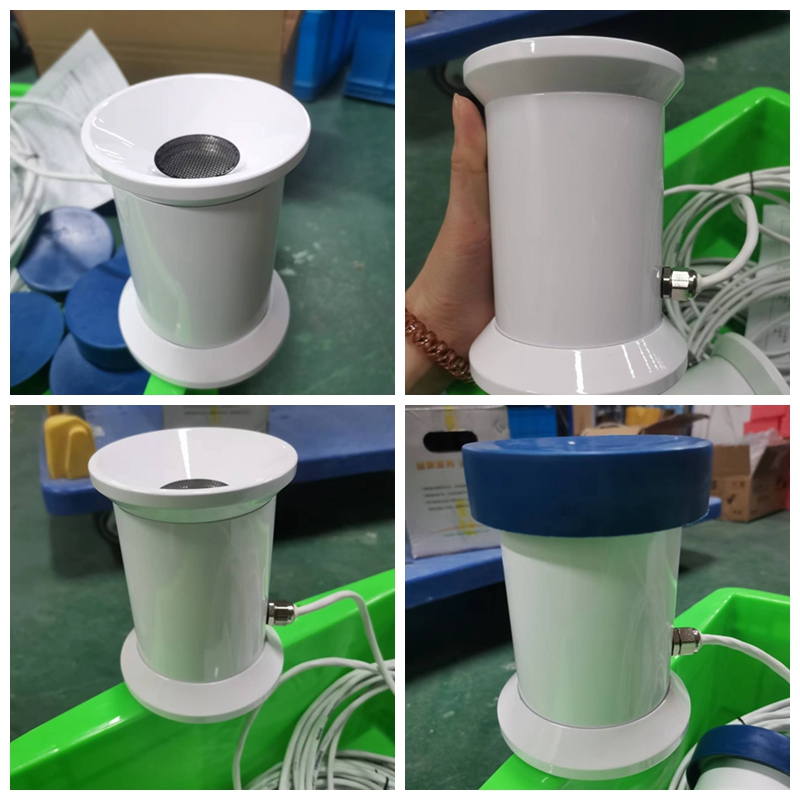
The NBL-W-SNOW determines snow depth without contacting the snow surface. The sensor is mounted above the ground and measures the distance between the ultrasonic transducer and the reflecting surface below.
| 1 | The installation system establishes the reference distance from the sensor to the bare ground surface. |
| 2 | The sensor transmits a 50 kHz ultrasonic pulse toward the surface below. |
| 3 | The ultrasonic signal reflects from the snow surface and returns to the transducer. |
| 4 | The system calculates the current distance from the ultrasonic time-of-flight measurement. |
| 5 | Snow depth is obtained from the difference between the ground reference distance and the current snow-surface distance. |
Snow Depth = Reference Height − Current Distance to Snow Surface
Snow monitoring takes place under low-temperature conditions where frost, ice or accumulated snow around the ultrasonic transducer can interfere with acoustic transmission and reception.
| Operating Condition | Sensor Power | Purpose |
|---|---|---|
| Normal Temperature | Approx. 180 mW | Normal ultrasonic snow-depth measurement |
| Low Temperature | Up to approx. 3 W with heater active | Reduce the influence of frost and icing around the ultrasonic sensing area |
The low-temperature heater increases power consumption significantly, so solar-powered snow-monitoring stations should size the panel and battery according to winter heating demand rather than the 180 mW normal-temperature consumption alone.
The current NBL-W-SNOW instructions specify a typical sensor installation position of approximately 1.3 m ±0.1 m above the reference surface. The exact installation should ensure that the expected snow accumulation remains within the sensor's 0–1000 mm measurement range.
| Installation Item | Recommendation |
|---|---|
| Reference Height | Establish the distance from the ultrasonic transducer to the snow-free ground before the snow season or after changing sensor height. |
| Typical Sensor Height | Approximately 1.3 m ±0.1 m according to the current installation instructions. |
| Vertical Alignment | Aim the ultrasonic measuring surface vertically toward the reference ground area. |
| Clear Measurement Area | Avoid vegetation, stones, equipment and other objects within the ultrasonic measurement footprint. |
| Representative Surface | Select a location representative of local snow accumulation and avoid unusual drifting or scoured areas where possible. |
| Height Changes | Re-establish the reference height whenever the sensor mounting position changes. |

| Wire Color | Function |
|---|---|
| Red | DC 12 V Power + |
| Black | Power - / GND |
| Yellow | RS485 A+ |
| Blue | RS485 B- |
| Interface | RS485 |
| Default Baud Rate | 9600 bps |
| Default Communication | NBL private protocol; protocol can be customized according to project requirements |
| Weather Station Integration | Connect to a compatible NiuBoL data logger or weather-station controller. |
| Third-Party Integration | Confirm communication protocol requirements before ordering or integration. |
Integration note: The current NBL-W-SNOW manual states that the default communication uses the NBL private protocol. Do not automatically describe this model as standard Modbus RTU unless the supplied version has been configured or confirmed for Modbus communication.
NBL-W-SNOW → RS485 → Data Logger / RTU → 4G / Ethernet / LoRaWAN → Cloud or Private Server
| System Component | Function |
|---|---|
| NBL-W-SNOW | Measures snow accumulation depth. |
| Air Temperature Sensor | Provides ambient temperature data and can support low-temperature measurement logic. |
| Data Logger / RTU | Collects and stores snow-depth measurements. |
| Solar Panel + Battery | Provides off-grid power when mains electricity is unavailable. |
| Communication Gateway | Transmits measurements to a remote monitoring platform or private server. |
| Meteorological Stations | Road Snow Monitoring | Airport Runways |
| Railways | Ports & Harbors | Agricultural Monitoring |
| Hydrology | Environmental Research | Snow-Cover Studies |
| Measurement / Decision | NBL-W-SNOW |
|---|---|
| Current Snow Depth | Yes — direct measurement |
| Snow Accumulation Trend | Yes — calculated from historical snow-depth measurements |
| Snowfall Amount | Not directly; fresh snowfall and settled snow depth are not identical quantities |
| Snow Water Equivalent | No — snow density or additional measurements are required |
| Avalanche Prediction | No — snow depth can be one input, but avalanche assessment requires additional snowpack, slope and meteorological information |
| Weather Forecasting | Provides observational data; the sensor itself does not generate weather forecasts |
| Comparison | Ultrasonic Snow Depth Sensor | Laser Snow Depth Sensor |
|---|---|---|
| Measurement Principle | Ultrasonic time-of-flight | Optical / laser distance measurement |
| Moving Parts | None | None |
| Main Consideration | Temperature compensation, acoustic path and snow-surface reflection | Optical surface condition, visibility and laser measurement characteristics |
| Typical Selection | Automatic weather stations and general snow-depth monitoring | Projects specifically requiring optical distance measurement |
| Ultrasonic Transducer | Keep the sensing opening free from ice, debris, leaves and other material that can block the ultrasonic path. |
| Mounting Height | Verify the reference height after installation, maintenance or movement of the support structure. |
| Vertical Alignment | Check that the sensor remains directed toward the intended ground measurement area. |
| Heating Function | Verify winter power capacity and heater operation before the snow season. |
| Cable and Connector | Inspect outdoor cables and connectors for physical damage or water ingress. |
A1. It measures accumulated snow depth or snow thickness above a reference ground surface.
A2. The standard documented snow-depth measurement range is 0–1000 mm.
A3. The NBL-W-SNOW uses approximately 50 kHz ultrasonic ranging.
A4. No. It is a non-contact sensor installed above the snow surface.
A5. Heating helps reduce the influence of frost and icing around the ultrasonic sensing area during low-temperature operation.
A6. Yes. The standard documented version provides RS485 communication with a default baud rate of 9600 bps.
A7. The current product manual states that the default configuration uses the NBL private protocol. If Modbus integration is required, confirm the required protocol before ordering.
A8. It measures snow depth rather than snowfall precipitation directly. Changes in snow depth can be monitored over time, but snow settling, melting and drifting also affect the depth measurement.
A9. Not by itself. Snow water equivalent requires information about snow density or an appropriate dedicated measurement method.
A10. Yes. The RS485 sensor can connect to a compatible data logger or IoT gateway, which can transmit the measurements to a cloud platform or private server using supported communication protocols.
 NBL-W-SNOW-Ultrasonic-Snow-depth-sensor-Manual4.0.pdf
The NBL-W-SNOW Ultrasonic Snow Depth Sensor provides non-contact 0–1000 mm snow-depth measurement for meteorological stations, roads, airports, agriculture and environmental monitoring. RS485 communication and automatic low-temperature heating make it suitable for unattended winter monitoring systems.
For quotation and system configuration, specify the installation height, maximum expected snow depth, power supply, cable length, required communication protocol, quantity and whether a data logger, solar power system or remote communication gateway is also required.
Prev:Ultrasonic wind speed and direction sensor
Next:Tipping bucket rain gauge sensor RS485 output for weather station cheap
Sensors & Weather Stations Catalog
 Agriculture Sensors and Weather Stations Catalog-NiuBoL.pdf
Weather Stations Catalog-NiuBoL.pdf
Agriculture Sensors Catalog-NiuBoL.pdf
Water Quality Sensor Catalog-NiuBoL.pdf
Related recommendations
 Wind Speed sensor Output Modbus/RS485/Analog/0-5V/4-20mA
 Tipping bucket rain gauge for weather monitoring auto rainfall sensor RS485/Outdoor/stainless steel
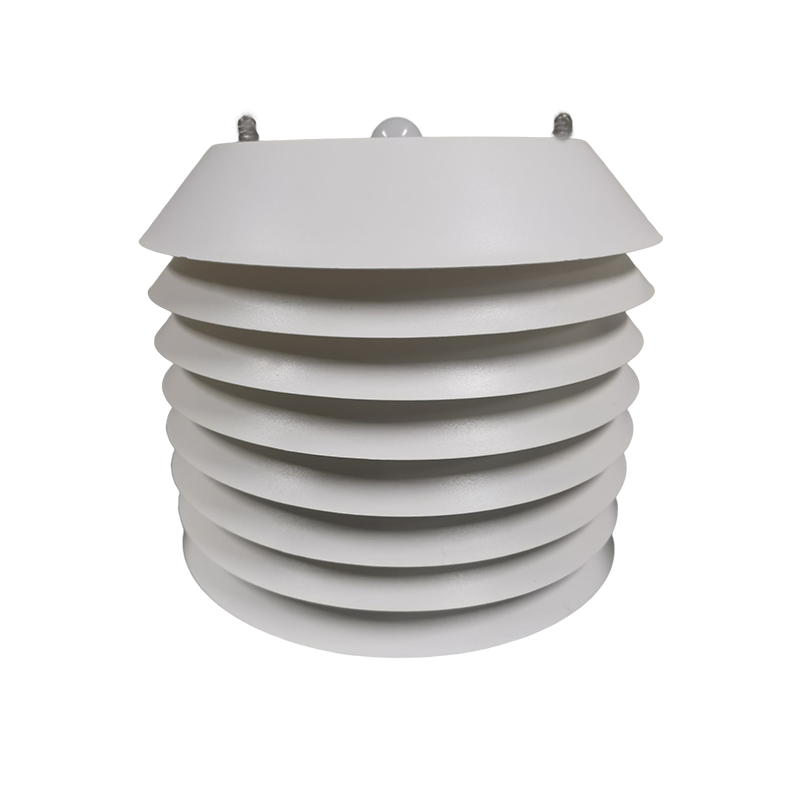 5-in-1 Temperature, Humidity, Air Pressure, Illumination, CO2 Sensor
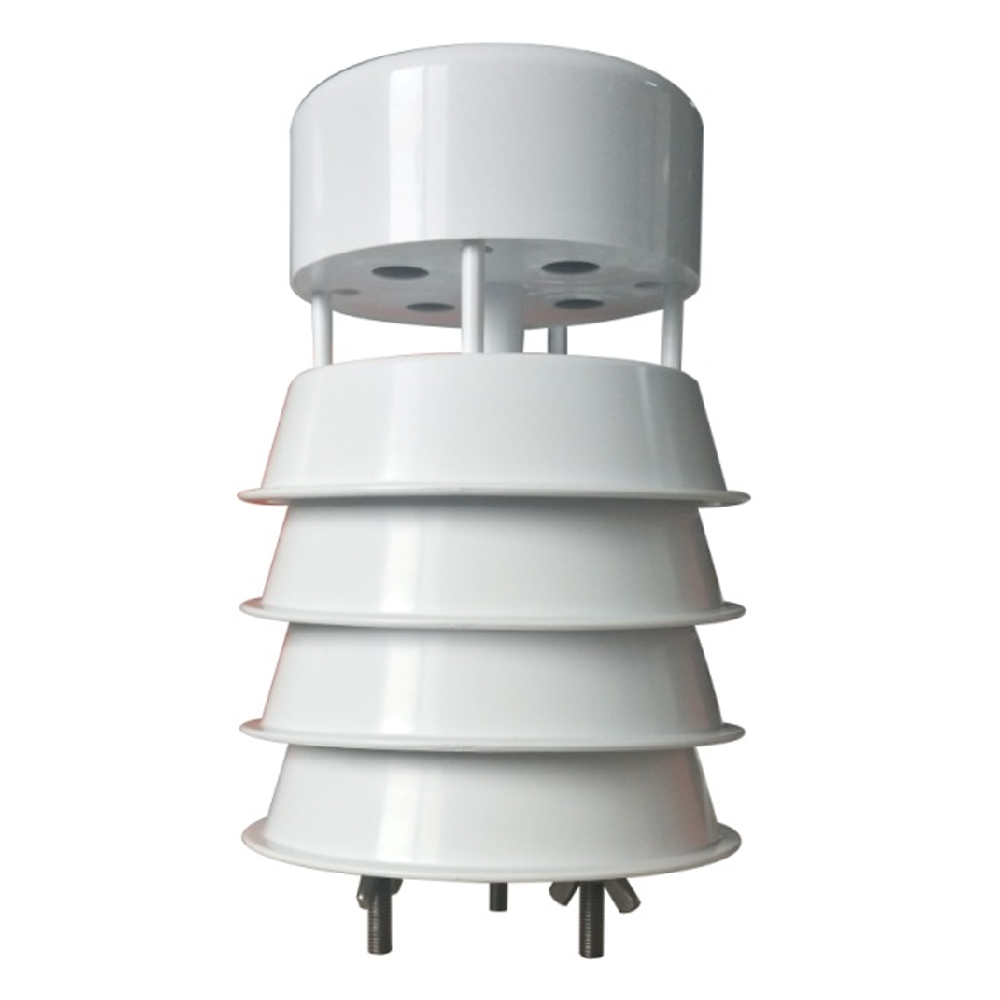 5-in-1 Ultrasonic Weather Station Sensor RS485 | NBL-W-51MUWS
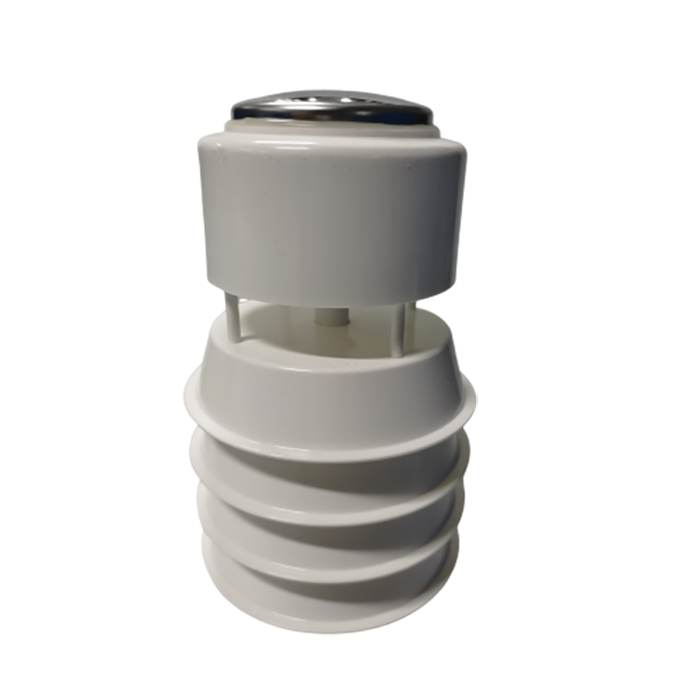 6-in-1 Ultrasonic Weather Station Sensor with Rainfall | NBL-W-61MUWS 7-in-1 Ultrasonic Weather Sensor with Rainfall & illuminance | NBL-W-71MUWS


Screenshot, WhatsApp to identify the QR code
WhatsApp number:+8615367865107
(Click on WhatsApp to copy and add friends)

