





— Blogs —
—Products—
 Consumer hotline +8618073152920
 WhatsApp:+8615367865107
Address:Room 102, District D, Houhu Industrial Park, Yuelu District, Changsha City, Hunan Province, China
Product knowledge
Time:2022-01-01 18:47:01 Popularity:2529
What is a Cup Anemometer and How Does It Work? is useful when the reader needs to match wind measurement equipment to a real field scenario. The correct choice depends on site conditions, required data, installation method and how the data will be used after installation.
For procurement teams and system integrators, the useful question is whether the equipment can produce reliable field data and enter the required data workflow. The purchase decision should include sensor selection, installation structure, output signal, power design, communication method and maintenance responsibility.
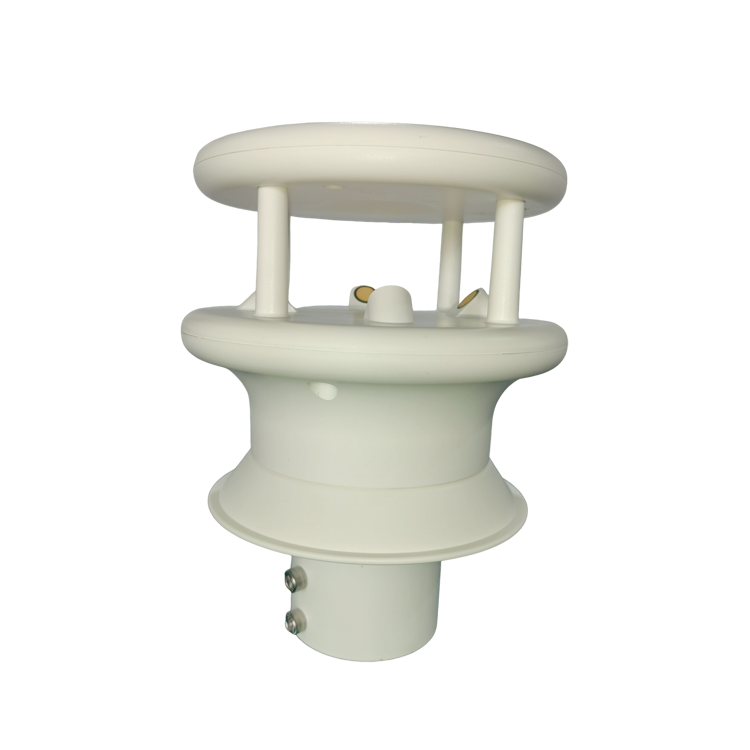
The core problem is how to select wind measurement equipment that fits weather stations, ports, bridges, cranes, solar farms, industrial yards and outdoor safety monitoring. A product name alone is not enough; the configuration must match the measured parameter, site exposure and data receiving method.
Accurate points retained from the original article include: Cup Anemometer, also known as anemoclinometers, is a wind measurement instrument used to determine the wind speed at a particular location. This anemometer consists of three or four cups mounted on a horizontal shaft, which rotate around the vertical axis when exposed to the wind.
The main factors are wind speed, wind direction, output signal, mounting height, cable route and data interface. These items decide whether a simple sensor, an integrated station or a complete monitoring package is more appropriate.
| Item | Project Check | Why It Matters |
|---|---|---|
| Measurement objective | wind speed, wind direction, output signal, mounting height, cable route and data interface | Prevents buying parameters that are not used or missing data needed for acceptance |
| Installation site | Open exposure, mounting height, obstruction, cable route and service access | Determines whether measurements represent the actual field condition |
| Signal and protocol | RS485, Modbus RTU, analog output or station host output when supported by the selected model | Reduces integration risk with PLC, RTU, data logger or gateway |
| Power supply | Mains power, solar power, battery backup or mixed supply | Keeps unattended equipment operating consistently |
| Documentation | Manual, wiring record, protocol file, installation photos and commissioning record | Makes handover, troubleshooting and replacement easier |
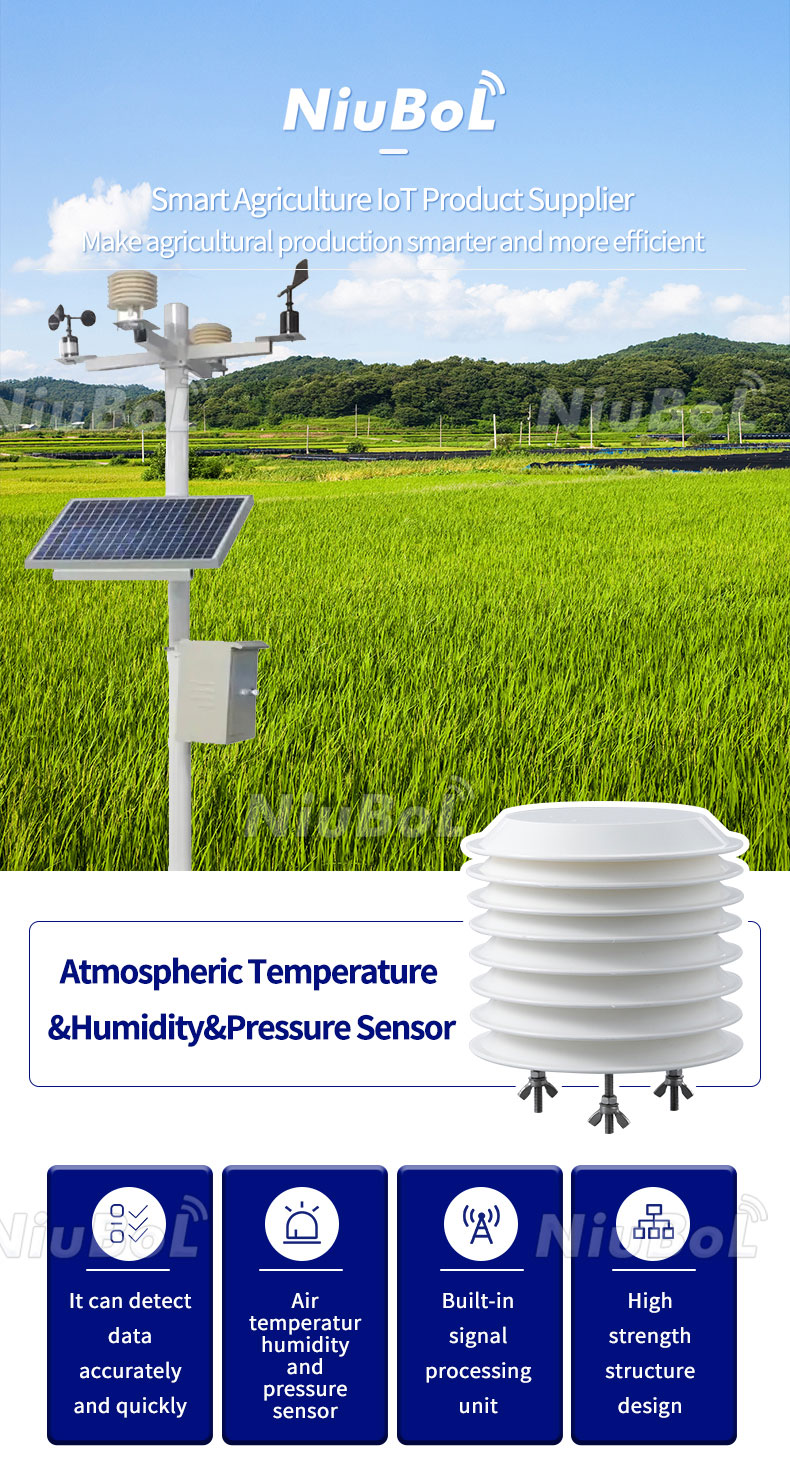
This topic is suitable for weather stations, ports, bridges, cranes, solar farms, industrial yards and outdoor safety monitoring. It is especially relevant when data must be recorded continuously, compared over time, uploaded to a platform or used as evidence for operation and maintenance decisions.
In an agricultural or field monitoring site, wind measurement equipment should be selected around the management decision. The buyer should check whether the measured data will guide irrigation, spraying, frost review, ventilation, safety operation or environmental reporting. If no one will use the data after installation, adding more parameters does not improve project value.
In an industrial or infrastructure site, the main concern is often traceable outdoor evidence. The project team may need records for wind exposure, rainfall events, dust control, equipment operation or maintenance review. In this case, stable data logging, clear time stamps and exportable records are more important than decorative display functions.
For research, education or long-term observation, repeatability matters. The station or sensor should have documented mounting position, sensor height, data interval, unit definition and maintenance history. Without these records, a future data change may be caused by site modification rather than real environmental change.
Do not specify equipment only from a general product title. Check whether the sensor can be mounted in a representative position, whether communication is stable, whether power is available and whether the user can maintain the equipment after installation. If these conditions are weak, the project may need a different mounting method or a simpler configuration.
Compare quotations by the same technical boundary. A complete quote should identify sensor model, measured parameters, output signal, cable length, mounting accessories, data logger or station host, communication device, platform requirement, documents and service responsibility. This is more useful than comparing a sensor price without knowing what is included.
NiuBoL products can be selected around wind measurement, automatic weather station configuration, data acquisition and outdoor monitoring requirements. The relevant product page or manual should be checked before writing any range, accuracy, protocol or protection value into a formal specification.
For compact monitoring points, an integrated station may reduce wiring and mounting work. For projects where each parameter needs a specific position, separate sensors and a data logger may be more suitable. This decision should be made from site layout and data use, not from the number of advertised parameters.
Prepare application background, installation location, photos, required parameters, power condition, communication method, expected data receiver, cable length, mounting height, quantity and documentation needs. If the system connects to an existing platform, include the required protocol or data format.
Installation should be recorded with photos, sensor direction, mounting height, cable route, power connection and communication settings. These records are not only administrative documents; they help future technicians diagnose abnormal data without guessing how the system was built.
Maintenance planning should be realistic. Outdoor sensors may need cleaning, visual inspection, cable checks, bracket tightening, power checks and comparison with nearby reference data. The maintenance interval depends on dust, rain, salt, vegetation, insects, vibration and site access. If the site is difficult to reach, select a configuration that reduces avoidable service visits.
Acceptance should verify the measured values, data upload interval, platform display, historical storage, export function, power status and physical stability. If the project requires integration with a PLC, RTU, data logger or customer platform, acceptance should also include channel mapping and data unit confirmation.
Confirm wind speed, wind direction, output signal, mounting height, cable route and data interface, site exposure, power supply, communication path, data access method and maintenance responsibility.
Yes, when the selected model supports the required output or protocol. Confirm RS485, Modbus RTU, analog output or platform data format before procurement.
Common causes include poor mounting position, obstruction, weak power supply, unstable communication, incorrect channel mapping and missing installation records.
Compare the included scope, not only the product name. Check sensors, cables, brackets, collector, power accessories, communication, software and documents.
Acceptance should include model list, wiring record, communication settings, installation photos, first data screenshot, manuals and maintenance notes.
Contact NiuBoL when a tender requires a specific range, accuracy, interface, cable length, protection level, platform connection or custom mounting condition that must be verified from current product material.
What is a Cup Anemometer and How Does It Work? should help buyers make a practical procurement decision. The correct method is to define the field problem, confirm wind speed, wind direction, output signal, mounting height, cable route and data interface, compare complete system scope and then choose the NiuBoL product or station configuration that fits the installation and data workflow.
Related recommendations
Sensors & Weather Stations Catalog
 Agriculture Sensors and Weather Stations Catalog-NiuBoL.pdf
Weather Stations Catalog-NiuBoL.pdf
Agriculture Sensors Catalog-NiuBoL.pdf
Water Quality Sensor Catalog-NiuBoL.pdf
Related products
 Combined air temperature and relative humidity sensor
 Soil Moisture Temperature sensor for irrigation|NBL-S-THR
 Soil pH sensor RS485 soil Testing instrument soil ph meter for agriculture |NBL-S-PH
 Wind Speed sensor Output Modbus/RS485/Analog/0-5V/4-20mA
 Tipping bucket rain gauge for weather monitoring auto rainfall sensor RS485/Outdoor/stainless steel
 Pyranometer Solar Radiation Sensor 4-20mA/RS485

Screenshot, WhatsApp to identify the QR code
WhatsApp number:+8615367865107
(Click on WhatsApp to copy and add friends)

