





— Blogs —
—Products—
 Consumer hotline +8618073152920
 WhatsApp:+8615367865107
Address:Room 102, District D, Houhu Industrial Park, Yuelu District, Changsha City, Hunan Province, China
Product knowledge
Time:2026-07-13 09:42:15 Popularity:290
Pest monitoring and physical pest control are not the same purchase, but they often belong in one smart agriculture project. A pest forecasting system records pest occurrence and development; an insect trap lamp reduces adult pest pressure in the field. Buyers should decide whether the project needs monitoring evidence, physical control, or both.
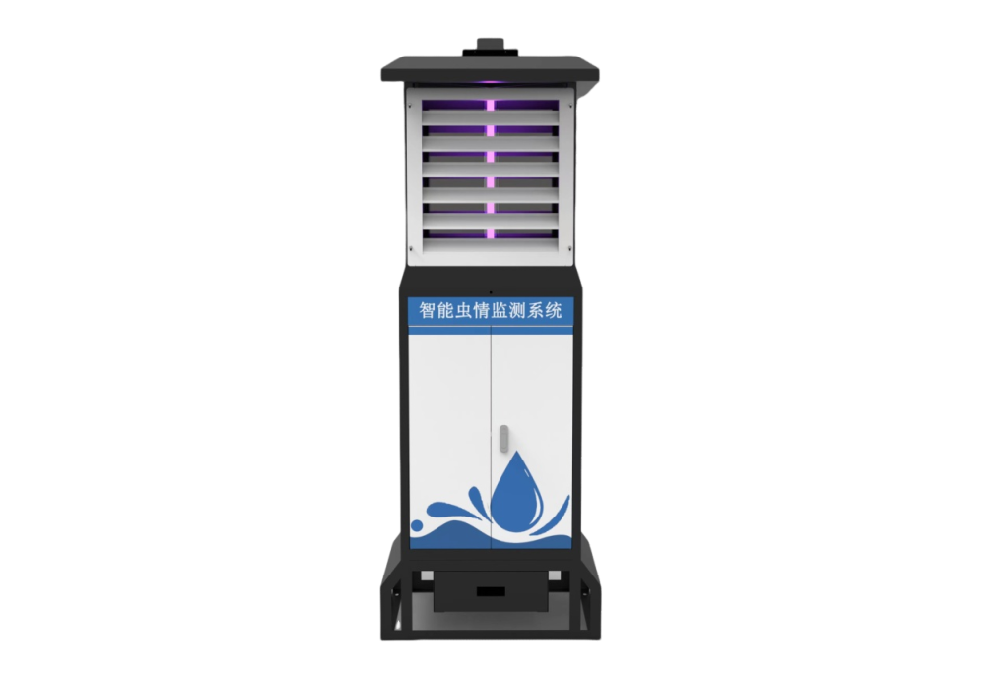
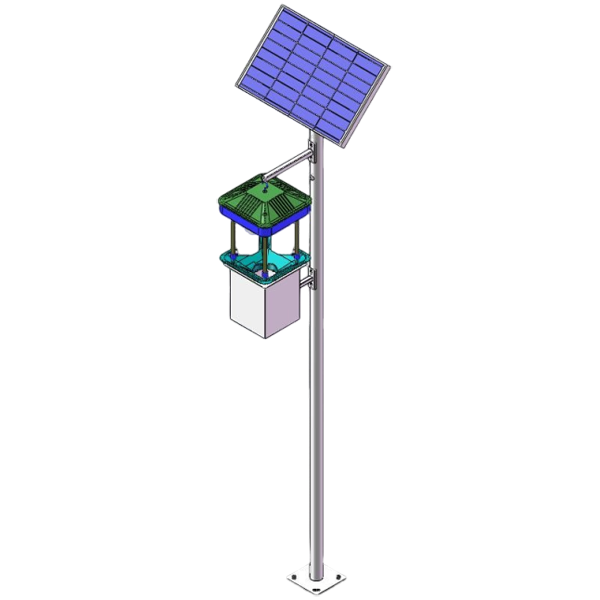
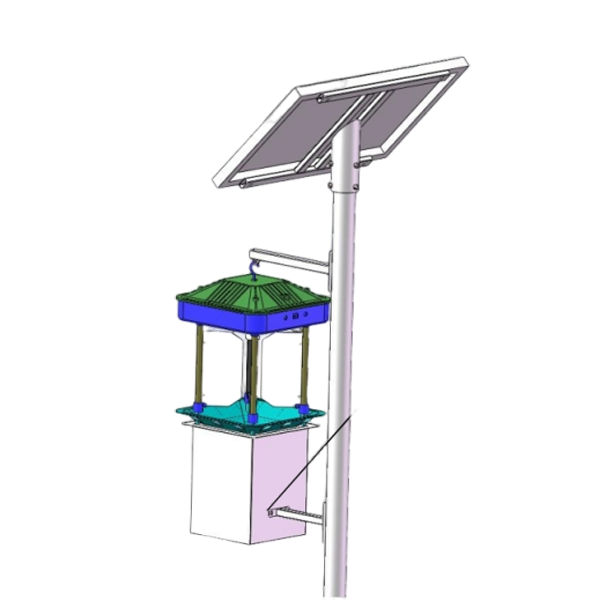
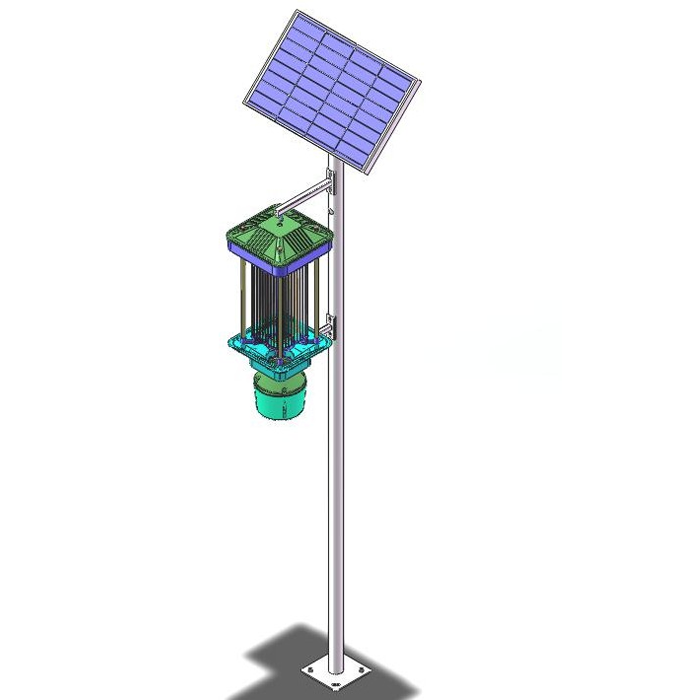
For procurement review, the buyer should separate monitoring functions from control functions. Pest systems may use light control, rain control, time control, 4G or Ethernet transmission, image capture, infrared drying, automatic cleaning and platform reporting. Wind-suction solar insect trap lamps use light attraction and negative pressure airflow to collect insects with low chemical input.
This type of equipment is most useful when the buyer has a clear crop, target pest, installation area, maintenance route and data-use plan. It is weaker when purchased as a single lamp without layout, cleaning plan or seasonal operation rules.
A pest monitoring system is part of the field intelligence layer. It attracts, collects, dries, photographs and reports pest information. An insect trap lamp is part of the physical control layer. Both can feed operational records into a farm platform when the project is planned correctly.
The system can connect with weather and soil monitoring because pest occurrence is often related to temperature, humidity, rainfall, crop stage and field environment. Reserved 485/232 interfaces, 4G or Ethernet communication and platform access make this expansion possible.
| Item | Reference Value | Project Meaning |
|---|---|---|
| Reference standard | GB/T 24689.1-2009 for pest forecasting equipment; GB/T 24689.2-2017 for insecticidal lamps where applicable | Gives procurement and acceptance basis |
| Main structure | Stainless steel and galvanized spray-coated structure | Supports outdoor plant protection operation |
| Power option | AC 220 V or solar system; pest system reference includes 400 W panel and 200 Ah battery | Allows mains or remote field deployment |
| Control modes | Light control, rain control, time control, remote restart and remote debugging | Reduces manual attendance |
| Image capture | Industrial camera, 12 MP reference for pest system | Supports remote pest inspection and records |
| Drying chamber | Infrared drying, 80-90 C chamber range; 85±5 C after 15 minutes in reference material | Keeps insect body condition usable for identification |
| Communication | 4G / Ethernet; reserved 485/232 interface for system expansion | Supports IoT platform and external equipment integration |
| Lamp wavelength | 365-395 nm LED for pest attraction; wind-suction lamp 320-680 nm range | Must match target pest behavior |
| Protection | Rain separation, louver protection and optional lightning protection | Important for unattended outdoor service |
The numbers in the table should be used as engineering checks, not decoration. Range tells whether the device can cover normal and abnormal conditions. Output signal tells whether the device can enter the existing control architecture. Power and enclosure requirements decide whether the product can work at the site without frequent service visits.
For project documents, write the parameter, the unit, the acceptance condition and the responsibility for maintenance. This prevents a common problem: the supplier quotes a device, the installer wires it, but nobody records how it should be operated or checked later.
| Scenario | Field Challenge | Recommended Configuration | User Value |
|---|---|---|---|
| Grain production area | Migratory pests may arrive quickly and damage crops before manual scouting finds them | High-altitude insect monitoring or remote pest forecasting system | Managers receive earlier evidence for regional prevention |
| Orchard and tea garden | Canopy, terrain and residue concerns make repeated spraying difficult | Solar insect trap lamps with planned spacing and maintenance records | Growers reduce chemical pressure and track field pest activity |
| Greenhouse vegetable base | Closed or semi-closed areas need controlled pest observation | Pest monitoring point, time control and platform image records | Operators see pest trends before large outbreaks |
| Research, quarantine or forestry station | Species records, location and timing are important | Image capture, GIS position, rain separation and historical data | Technical teams obtain records for analysis and reporting |
| Option | Suitable Use | Buyer Risk |
|---|---|---|
| Pest monitoring system | Forecasting, images, pest records and platform reports | Does not physically reduce pests by itself |
| Wind-suction solar lamp | Physical pest control with low wiring work | Needs cleaning and correct placement |
| Frequency vibration lamp | Broad agricultural pest attraction projects | Spacing and height decide field coverage |
| IoT platform integration | Large farms and regional management | Data has little value if no one reviews it |
Pest monitoring equipment should be installed on a stable foundation with enough service space for cleaning, inspection and insect drawer removal. Solar brackets and pest lamps need correct orientation, dry concrete foundation and lightning protection in thunderstorm-prone areas.
For IoT deployment, confirm 4G or Ethernet signal, platform account, device location on the map, image upload, operating status, remote restart and alarm notification. Reserved 485/232 interfaces should be documented if weather or soil equipment will be connected later.
Maintenance is not optional. Collection boxes, impact screens, light tubes, fans, rain separation parts, drying chamber and camera surface should be checked on a schedule. If no one reviews the images or cleans the unit, the system loses much of its project value.
Pest-control equipment is easy to misunderstand. A lamp that catches insects is not automatically a forecasting system, and a monitoring system that uploads images is not automatically enough for pest suppression. The article must help the buyer decide which function they need first.
Good procurement content also describes field work: foundation, cleaning, target pest, working time, sunlight, communication, platform review and maintenance. These details decide whether the project is used after installation or only photographed during delivery.
| Acceptance Item | Check Method | Why It Matters |
|---|---|---|
| Power and start-up | Test night start-up, solar charging or AC supply | Confirms unattended field operation |
| Image or collection function | Check pest image upload or insect collection | Confirms the core monitoring/control function |
| Rain and light control | Test control mode and protection response | Reduces outdoor failure risk |
| Platform records | Check map location, status, images and history | Supports regional management |
| Maintenance access | Confirm cleaning route and drawer removal | Keeps the system usable after handover |
A remote pest monitoring system becomes valuable when images, time, location, weather context and operation status are reviewed together. The device can collect and upload pest images, but the buyer still needs a workflow: who checks images, how often records are reviewed, when thresholds trigger field inspection, and how findings are shared with growers.
For regional monitoring, location mapping is important. A single photo is less useful than a time series from several points. When the platform shows monitoring positions and status, managers can compare pest pressure between crop blocks, orchards, forestry belts or quarantine points.
This system is suitable for pest occurrence monitoring, forecasting records and technical decision support. It is not the same as a pesticide sprayer or a stand-alone insect killer lamp. Buyers who need immediate physical pest suppression should add trap lamps or other control measures to the project plan.
A pest monitoring or trap lamp quotation should list device model, power mode, solar panel and battery if included, foundation requirement, communication method, platform access, image function, control modes and maintenance parts. Quantity should be tied to a layout plan rather than a rough equipment count.
The handover file should include device number, map location, operating schedule, cleaning interval, platform account, image review responsibility and spare-part recommendation. For large farms, these records are what allow the system to expand without losing maintenance control.
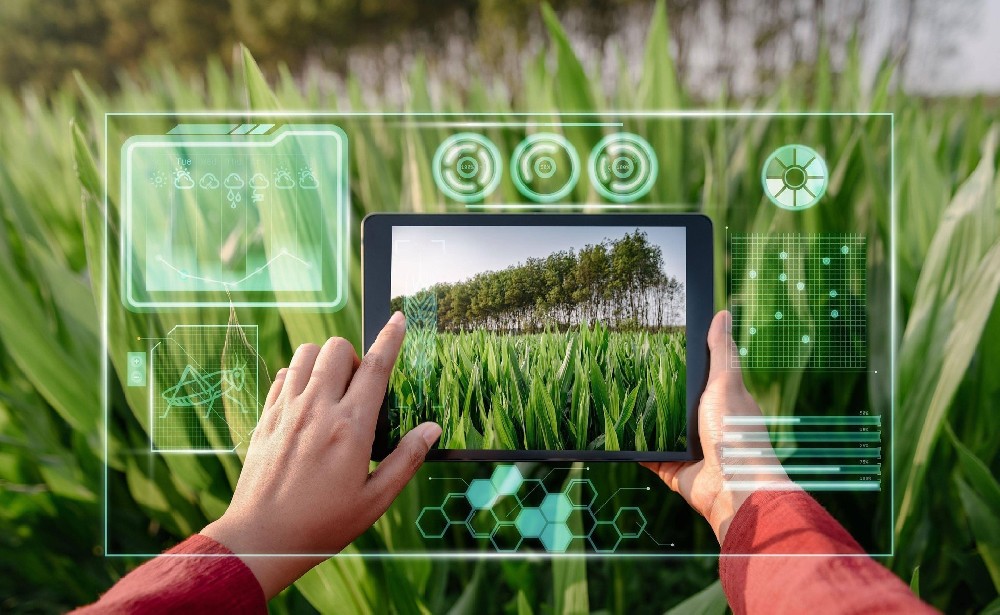
A: Pest monitoring records pest occurrence, images, time and trend information for forecasting. Insect trapping physically reduces adult pest pressure in the field. Many farms need both, but the purchase decision should start with the project goal: evidence and forecasting, physical control, or a combined pest-management layout.
A: Use it when pest timing, species records, image evidence and regional trend judgment are important. It is suitable for agricultural parks, forestry, quarantine, research stations and large crop bases. The system is most valuable when staff review records regularly and connect the findings with field scouting or treatment decisions.
A: Use it when the buyer wants physical pest control with reduced cable work. It is suitable for orchards, vegetable bases, tea gardens, grain areas and remote farm blocks when maintenance can be arranged. It is weaker as a forecasting tool unless paired with monitoring records and field observation.
A: Light control starts night operation, rain control protects equipment under wet conditions, and time control matches the active period of target pests. These controls reduce unnecessary operation, battery consumption and field service risk. They are especially important for unattended solar installations.
A: Yes. Pest systems can upload images, equipment status, location and operating records through 4G or Ethernet. Reserved 485/232 interfaces can support expansion with weather or soil monitoring equipment. Buyers should confirm platform functions, account permissions, data export and map display before ordering.
A: Camera, drying and cleaning mechanism, solar power, communication module, platform functions, foundation, lightning protection, lamp type and installation quantity affect price. A monitoring device with image recognition and platform records is not priced the same as a simple field lamp, so quotations should be compared by function.
A: Prepare concrete foundation, correct orientation, lightning protection where needed, communication signal, maintenance access and equipment numbering. For solar systems, confirm sunlight and battery capacity. For pest monitoring systems, also define the cleaning route and who checks uploaded images during the pest season.
A: Send crop, target pests, field area, terrain, power condition, communication coverage, monitoring purpose, physical control requirement, platform need, expected quantity and installation country. If the buyer has historical pest pressure or regional migration concerns, that information helps decide lamp type, spacing and monitoring density.
Intelligent Remote Pest Monitoring System Selection Guide for Agriculture and Forestry should be evaluated as a project decision, not as a single product name. The useful configuration is the one that matches the site condition, data use, installation method, maintenance capacity and purchasing scope. NiuBoL can support buyers who need practical selection documents for pest forecasting system procurement.
For quotation, send the application, site photos, required parameters, power condition, communication method, installation country, quantity and any platform or reporting requirement. With those details, the supplier can match a complete configuration instead of guessing from a short model name.
Prev:Automatic Weather Station Procurement Guide for Field, Campus and Industrial Projects
Next:Solar Insect Trap Lamp Guide for Crop Protection and Food Security Projects
Related recommendations
Sensors & Weather Stations Catalog
 Agriculture Sensors and Weather Stations Catalog-NiuBoL.pdf
Weather Stations Catalog-NiuBoL.pdf
Agriculture Sensors Catalog-NiuBoL.pdf
Water Quality Sensor Catalog-NiuBoL.pdf
Related products
 Combined air temperature and relative humidity sensor
 TDR Soil Moisture & Temperature Sensor for irrigation| RS485 |4-20mA| NBL-S-THR
 Soil pH sensor RS485 soil Testing instrument soil ph meter for agriculture |NBL-S-PH
 Wind Speed sensor Output Modbus/RS485/Analog/0-5V/4-20mA
 Tipping bucket rain gauge for weather monitoring auto rainfall sensor RS485/Outdoor/stainless steel
 Pyranometer Solar Radiation Sensor 4-20mA/RS485

Screenshot, WhatsApp to identify the QR code
WhatsApp number:+8615367865107
(Click on WhatsApp to copy and add friends)

