





— Blogs —
—Products—
 Consumer hotline +8618073152920
 WhatsApp:+8615367865107
Address:Room 102, District D, Houhu Industrial Park, Yuelu District, Changsha City, Hunan Province, China
Product knowledge
Time:2026-07-13 09:42:18 Popularity:297
Water-fertilizer integration should be selected as a crop production system, not only as a dosing machine. The basic mechanism is simple but often underestimated: fertilizer must dissolve before roots can absorb it, and water carries nutrients into the active root zone. If water movement is poorly managed, fertilizer use becomes inefficient even when fertilizer quality is high.
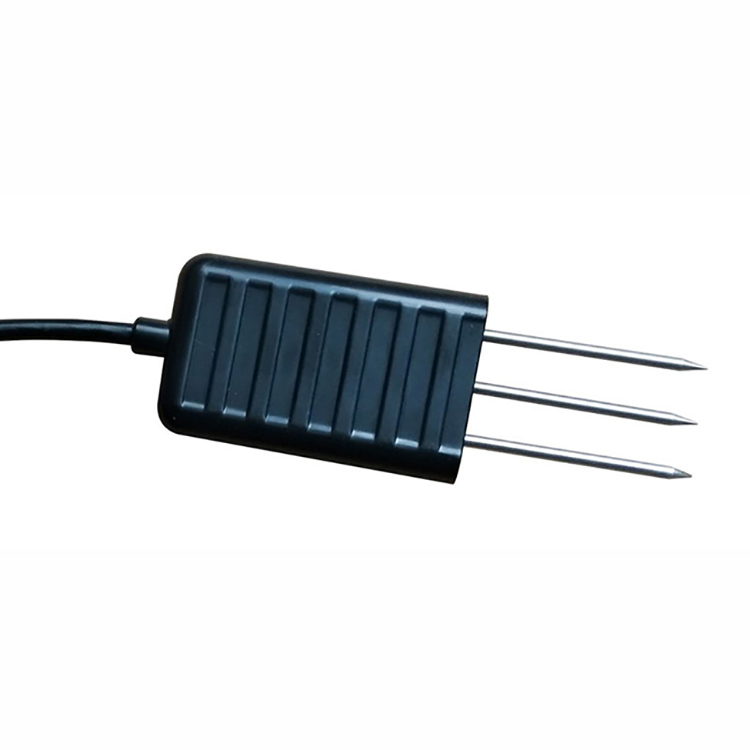
The buyer should compare modes before comparing machine price. Circulation systems, drip fertigation, substrate recovery, gravity-driven micro systems and foliar spraying all solve different problems. A greenhouse strawberry project, a small family farm and a high-value substrate production area should not receive the same quotation.
The procurement value is strongest when the system reduces water waste, fertilizer waste and manual operation while keeping maintenance realistic. Filtration, soluble fertilizer, pump pressure, irrigation zone design and operator training decide whether the equipment produces savings in the field.
The water-fertilizer machine sits between the water source and the irrigation zones. It mixes soluble fertilizer into irrigation water, controls dosing channels, supports local or mobile operation and can connect with field valves through multi-wire, bus or wireless methods.
The machine does not replace hydraulic design. Pump flow, head, pipe diameter, filter selection, fertilizer solubility, valve layout and crop demand must be defined before the buyer selects the number of fertilizer channels or the control mode.
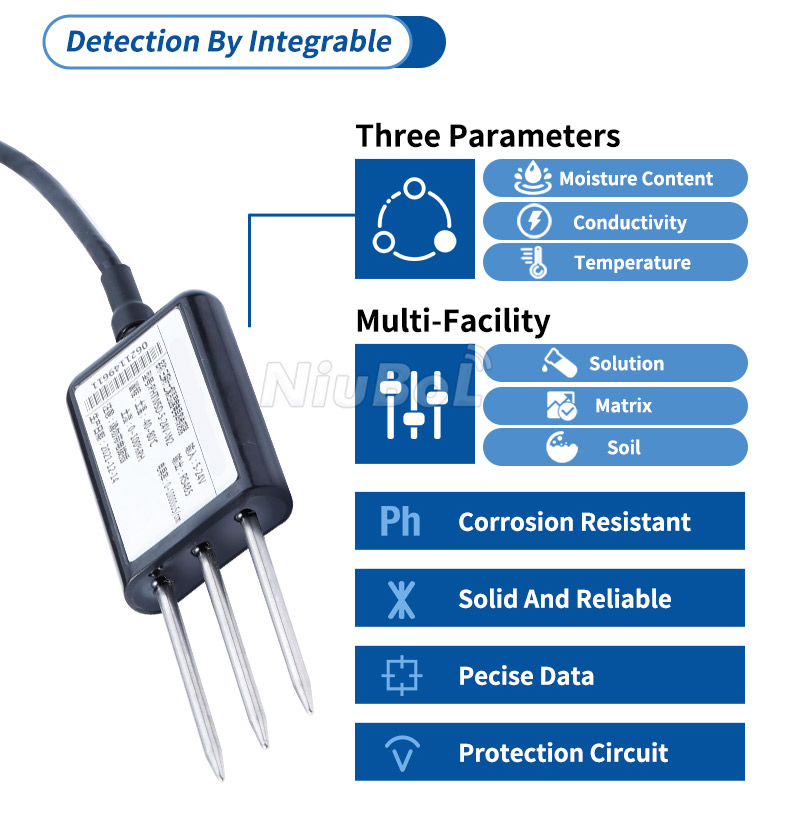
| Item | Reference Value | Buyer Meaning |
|---|---|---|
| Machine size | 60 x 52 x 110 cm | Helps plan pump room or greenhouse equipment space |
| Fertilizer suction pipe | De20 | Defines fertilizer line connection |
| Water inlet / outlet | De32 | Should match irrigation pipe design |
| Flow | 5 m3/h | Must be matched to irrigation zone demand |
| Head | 58 m | Determines pressure support for field distribution |
| Pump power | 1.5 kW | Affects power supply and operating cost |
| Working pressure | Up to 0.5 MPa | Relevant for drip and pipe irrigation design |
| Voltage | 380 V, customizable 220 V | Important for farms with different electrical conditions |
| Fertilizer channels | Three channels, single-channel customization available | Supports one to three fertilizer types per cycle |
| Control | Mobile phone / local control; multi-wire, bus or wireless field control | Defines automation depth and valve expansion |
The numbers in the table should be used as engineering checks, not decoration. Range tells whether the device can cover normal and abnormal conditions. Output signal tells whether the device can enter the existing control architecture. Power and enclosure requirements decide whether the product can work at the site without frequent service visits.
For project documents, write the parameter, the unit, the acceptance condition and the responsibility for maintenance. This prevents a common problem: the supplier quotes a device, the installer wires it, but nobody records how it should be operated or checked later.

| Mode or Scenario | Field Challenge | Recommended Configuration | User Value |
|---|---|---|---|
| Circulation fertigation | High-value crops need repeated nutrient delivery and recovery | Storage tank, circulation loop, control system and crop-stage nutrient formula | Water and fertilizer use can be reduced with strong process control |
| Drip fertigation | Emitters block if water or fertilizer is not clean | Full-soluble fertilizer, filtration and zone control | Growers reduce water and fertilizer waste compared with flood irrigation |
| Substrate recovery mode | Remaining nutrient solution still has value | Recovery device and reuse path for greenhouse edge crops | The farm improves resource use in high-value production |
| Gravity micro mode | Small farms may lack stable pressure or large pump systems | Elevated tank, simple pipe network and selected irrigation method | Small growers can adopt fertigation without complex infrastructure |
| Mode | Suitable Use | Buyer Risk |
|---|---|---|
| Circulation mode | High-value greenhouse crops | Higher investment and stronger technical requirement |
| Drip fertigation | Large strawberry, vegetable and orchard areas | Blockage if fertilizer is not fully soluble |
| Substrate recovery | High-value substrate cultivation | Requires recovery design and operation discipline |
| Foliar spraying | Nutrient supplement and stress recovery | Cannot replace root fertilization |
Fertigation performance depends on filtration. If water quality is poor, filters should be selected before automation functions. Pipe flushing, pressure check and valve testing should be done before fertilizer injection starts.
The commissioning team should test each fertilizer channel, valve zone, pump pressure, mobile control and local control. For bus or wireless field control, number each valve and record the communication method in the handover file.
Maintenance should include filter cleaning, pump inspection, pipe leak check, fertilizer tank cleaning and injector flushing. A water-fertilizer machine that is not maintained may dose accurately at the machine head but still produce uneven crop results in the field.
A fertigation article has value when it prevents a wrong mode selection. A circulation system can save resources in high-value greenhouse projects, but it may be too expensive for small open-field farms. Gravity mode is simple, but it cannot replace a pressure-controlled multi-zone irrigation system in a large commercial base.
The buyer needs practical boundaries: soluble fertilizer for drip irrigation, filter protection for emitters, pump pressure for zone control, and clear operation rules for fertilizer channels. Without these basics, a smart controller cannot create water and fertilizer savings.
| Buyer Condition | Recommended Mode | Reason |
|---|---|---|
| High-value greenhouse crop | Circulation or substrate recovery | Resource recovery can justify higher investment |
| Large strawberry or vegetable base | Drip fertigation | Mature, scalable and efficient with good filtration |
| Small family plot | Gravity micro mode | Lower pressure requirement and simpler infrastructure |
| Late-stage nutrient supplement | Foliar spraying | Fast correction but only auxiliary nutrition |
Circulation mode suits high-value controlled cultivation where recovered nutrient solution can justify investment. Drip fertigation suits larger strawberry, vegetable and orchard production when filtration and soluble fertilizer are available. Substrate recovery mode is useful where remaining nutrient solution can be collected and reused. Gravity mode fits smaller farms that need a simpler pressure requirement. Foliar spraying is a supplement, not a replacement for root-zone fertilization.
The buyer should not pick a mode only because it sounds advanced. The correct mode follows crop value, water source, farm scale, fertilizer type, pipe condition, operator skill and investment capacity. A family farm and an agricultural park may both need fertigation, but they need different designs.
A serious project should record water use, fertilizer use, blocked emitter events, crop growth response, labor hours and maintenance work. These records show whether water-fertilizer integration is actually saving resources. Without records, claims about saving water or fertilizer are weak.
Multi-mode fertigation fits buyers who have crop value, water cost, fertilizer cost or labor pressure high enough to justify system design. It is not suitable as a quick purchase for a farm with unknown water source, no filtration plan or no operator. In that case, the first step should be water source evaluation, pipe repair and filtration design before a higher-level controller is added.
A fertigation quotation should separate the machine head, pump, filter, fertilizer channels, controller, valves, sensors, pipe accessories, platform and training. This prevents a common misunderstanding where the buyer thinks a complete irrigation system is included, while the supplier quoted only the dosing machine.
The handover file should include valve numbering, pump settings, pressure range, fertilizer channel definition, flushing method, filter cleaning interval and emergency manual operation. These details help farm staff keep the system working through a full crop cycle.
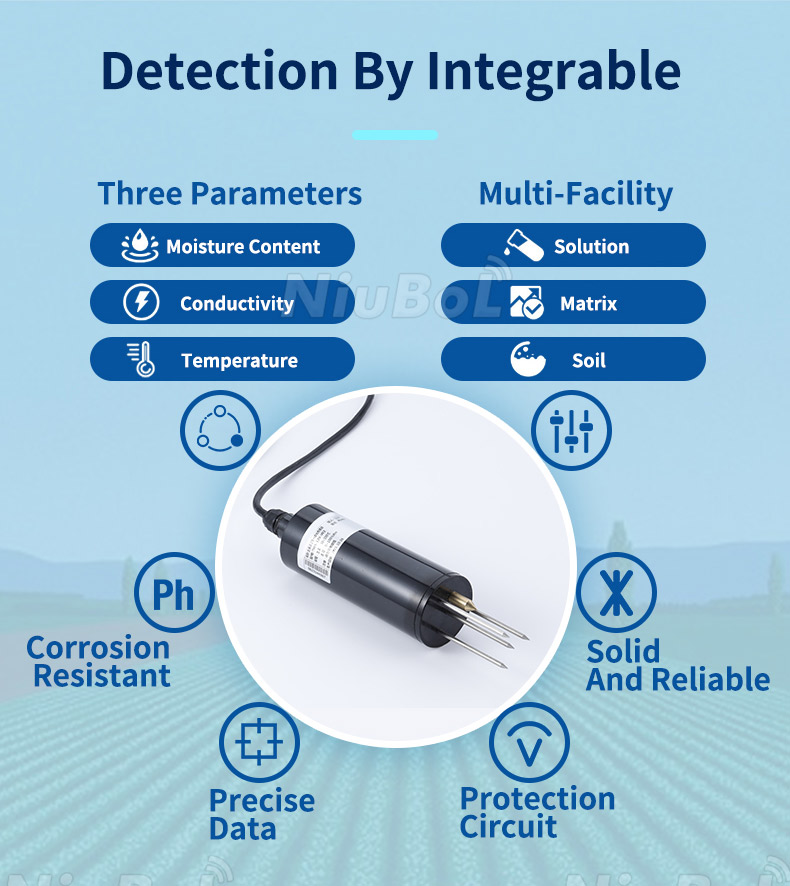
A: It dissolves fertilizer into irrigation water and sends it to the active root zone in controlled timing and quantity. Savings come from better distribution, less runoff and more accurate dosing, not from the machine alone. Pipe design, filtration, crop demand, fertilizer solubility and operator discipline decide the final result.
A: High-value greenhouses can consider circulation or substrate recovery modes because recovered nutrient solution can justify higher investment. Standard vegetable and strawberry production often uses drip fertigation because it is mature, scalable and easier to manage. Small family farms may start with gravity micro-irrigation if pressure control is not available.
A: No. Foliar spraying is a supplement for micronutrients, stress recovery or late-stage nutrition. It can correct certain nutrient issues quickly, but it cannot provide the bulk water and nutrient demand that roots require. Buyers should treat foliar spraying as an auxiliary method, not the main water-fertilizer system.
A: Drip emitters and control components can block when fertilizer is not fully soluble. The buyer should use full-soluble fertilizer and suitable filtration for drip fertigation. If the water source contains sand, organic matter or high mineral content, filtration and flushing rules should be designed before the controller is selected.
A: Pump capacity, flow, pressure, fertilizer channels, filters, valves, controller, field control method, sensors and platform functions all affect cost. A quote for a dosing machine alone is not enough for project comparison. Buyers should ask whether the price includes field valves, pipe fittings, installation guidance and commissioning support.
A: Send crop type, area, water source, irrigation zones, pipe layout, power supply, fertilizer type, pressure requirement and whether local or mobile control is needed. Photos of the pump room and field layout are useful because many problems come from hydraulic design rather than the fertigation controller.
A: Test pump pressure, flow, filter pressure, each fertilizer channel, each valve zone, mobile control, local control and flushing process before crop operation starts. The commissioning record should include set values and actual measured values so the buyer can repeat the same check after maintenance.
A: A farm with unclear water source, poor filtration, unstable pressure or no trained operator should start with a simpler configuration and improve hydraulic stability before adding advanced automation. Expensive control functions cannot compensate for blocked emitters, unstable pressure or incorrect fertilizer preparation.
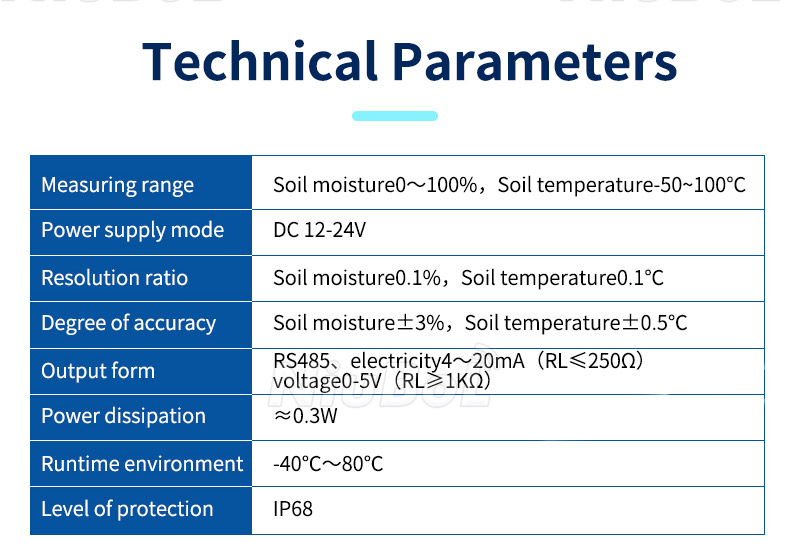
Multi-Mode Water-Fertilizer Integration Selection Guide for Greenhouses and Farms should be evaluated as a project decision, not as a single product name. The useful configuration is the one that matches the site condition, data use, installation method, maintenance capacity and purchasing scope. NiuBoL can support buyers who need practical selection documents for mode comparison and fertigation machine selection.
For quotation, send the application, site photos, required parameters, power condition, communication method, installation country, quantity and any platform or reporting requirement. With those details, the supplier can match a complete configuration instead of guessing from a short model name.
Prev:Solar Insect Trap Lamp Guide for Crop Protection and Food Security Projects
Next:Dust Online Monitoring System Construction Plan for Cities, Factories and Mines
Related recommendations
Sensors & Weather Stations Catalog
 Agriculture Sensors and Weather Stations Catalog-NiuBoL.pdf
Weather Stations Catalog-NiuBoL.pdf
Agriculture Sensors Catalog-NiuBoL.pdf
Water Quality Sensor Catalog-NiuBoL.pdf
Related products
 Combined air temperature and relative humidity sensor TDR Soil Moisture & Temperature Sensor for irrigation| RS485 |4-20mA| NBL-S-THR
 Soil pH sensor RS485 soil Testing instrument soil ph meter for agriculture |NBL-S-PH
 Wind Speed sensor Output Modbus/RS485/Analog/0-5V/4-20mA
 Tipping bucket rain gauge for weather monitoring auto rainfall sensor RS485/Outdoor/stainless steel
 Pyranometer Solar Radiation Sensor 4-20mA/RS485

Screenshot, WhatsApp to identify the QR code
WhatsApp number:+8615367865107
(Click on WhatsApp to copy and add friends)

