— Blogs —
—Products—
 Consumer hotline +8618073152920
 WhatsApp:+8615367865107
Address:Room 102, District D, Houhu Industrial Park, Yuelu District, Changsha City, Hunan Province, China
Product knowledge
Time:2026-07-13 09:42:24 Popularity:283
An online dust monitoring project is not a decorative environmental display. Construction sites, demolition areas, road work, factories, mines, ports and residential boundaries all create dust in different ways. Buyers need a system that can measure particles, upload data, warn site managers and support corrective action when PM values rise.
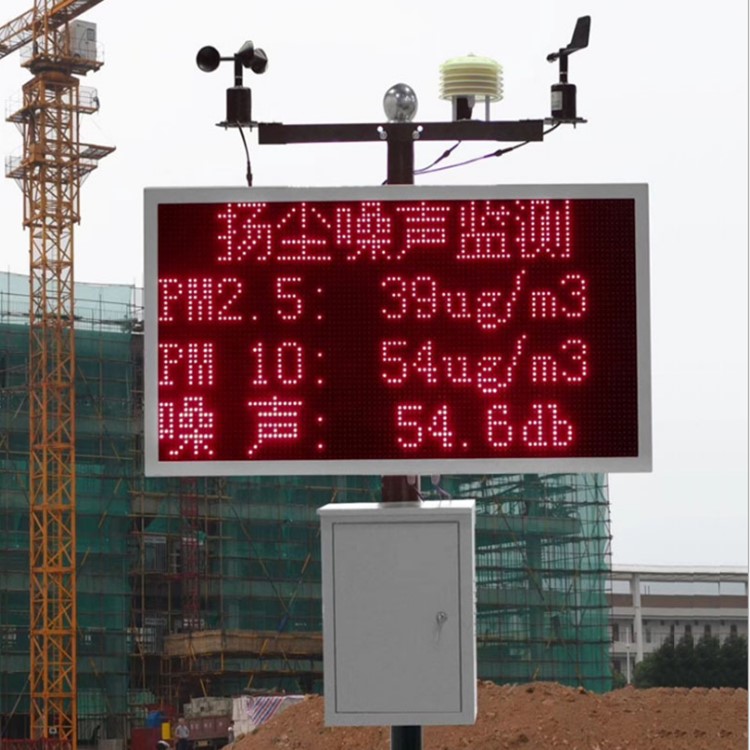
Manual inspection is too slow for dust control. Dust changes with earthwork, truck movement, wind, exposed soil, loading, road cleaning and humidity. A useful online dust monitoring system records PM2.5, PM10, TSP, noise, temperature, humidity, wind speed and wind direction so the project team can connect measured peaks with site activity.
For procurement teams, the buying question is simple: will the system produce usable records after installation? A cheap sensor without platform, display, alarm and maintenance access may show numbers, but it will not support project acceptance, complaint response or linked dust suppression.
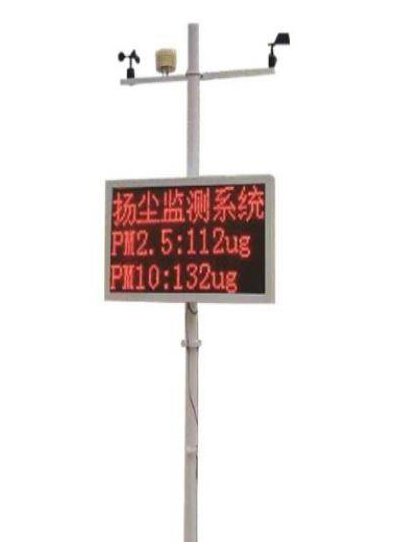
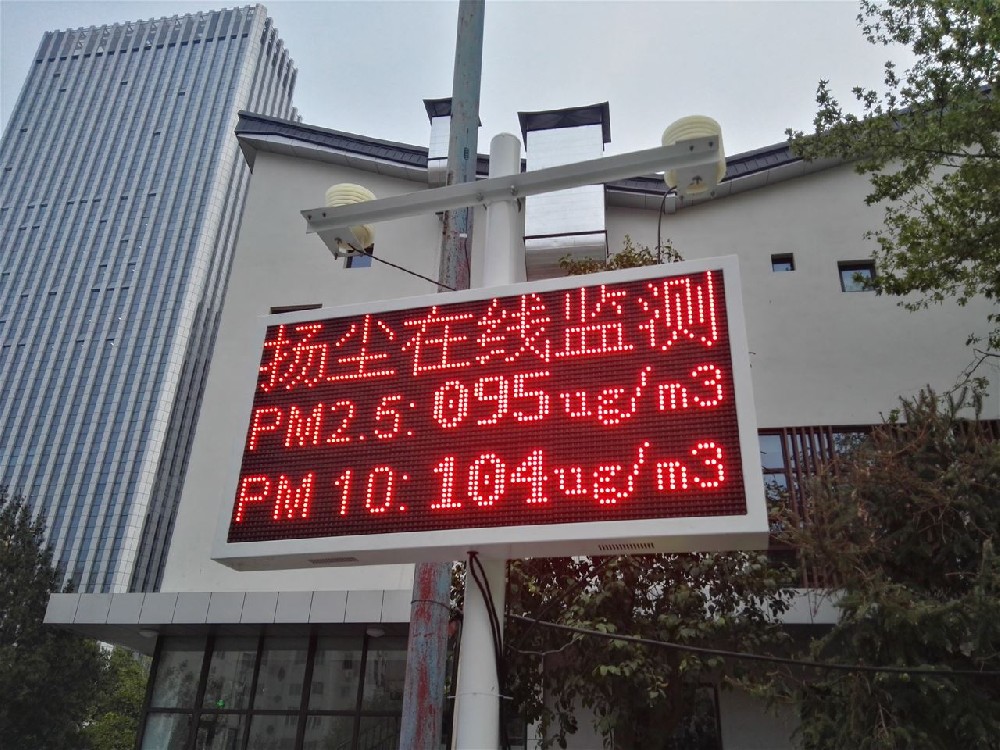
The field layer includes PM sensors, noise sensors, wind sensors, temperature and humidity sensors, optional camera and outdoor LED display. The data acquisition layer collects readings and sends them by wired or wireless communication to the platform. The platform stores history, compares thresholds, sends alarms and can link dust suppression devices.
For system integrators, the important interface is the chain from sensor to decision: sensor, collector, power cabinet, communication module, platform, alarm recipient and control output. If one link is not defined, the project can pass a visual inspection but still fail in operation.
| Parameter | Reference Value | Procurement Meaning |
|---|---|---|
| PM2.5 range | 0-1000 ug/m3 | Covers fine particle trend monitoring at construction and industrial sites |
| PM10 range | 0-2000 ug/m3 | Useful for fugitive dust and site boundary management |
| Relative error | PM2.5 / PM10: ±15% and ±10 ug/m3 max at 25 C, 50% RH | Gives a practical basis for acceptance and comparison |
| Minimum particle size | 0.3 um diameter | Matches fine particulate detection requirements |
| Power supply | DC 12-24 V | Fits field cabinets and monitoring stations |
| Output signal | RS485 | Supports data collector, gateway and platform integration |
| Cable length | Standard 2.5 m | Should be checked against cabinet and pole layout |
| Operating temperature | -20 to +60 C | Suitable for outdoor environmental monitoring |
| Operating humidity | 0-99% RH | Needs enclosure and anti-condensation planning |
| Power consumption | 350 mW | Low enough for remote monitoring cabinets |
The numbers in the table should be used as engineering checks, not decoration. Range tells whether the device can cover normal and abnormal conditions. Output signal tells whether the device can enter the existing control architecture. Power and enclosure requirements decide whether the product can work at the site without frequent service visits.
For project documents, write the parameter, the unit, the acceptance condition and the responsibility for maintenance. This prevents a common problem: the supplier quotes a device, the installer wires it, but nobody records how it should be operated or checked later.
| Scenario | Field Challenge | Recommended Configuration | User Value |
|---|---|---|---|
| Construction site | Earthwork, exposed soil, vehicle movement and intermittent dust peaks | PM2.5, PM10, TSP, noise, wind, LED display, 4G platform and optional camera | Managers receive real-time evidence and can trigger cleaning, covering or spray action |
| Factory or mine yard | Material loading and stockpiles create high particulate load | Outdoor PM station with wind data, platform alarm and maintenance plan | The owner can track high-risk operation periods and reduce blind inspection |
| Urban road or demolition area | Dust affects nearby traffic and residents | Boundary monitoring, noise data, video evidence and public display | Complaints can be handled with time-stamped data and visual records |
| Port or bulk cargo yard | Wind direction changes dust path quickly | PM10/TSP, wind speed, wind direction, camera and control linkage | Operators can connect dust events with loading, unloading and weather conditions |
Define whether the project needs management data, public display, compliance records or linkage control.
Confirm required parameters: PM2.5, PM10, TSP, noise, temperature, humidity, wind speed and wind direction.
Ask whether LED display, camera, 4G communication, platform report and alarm output are included.
Check whether the monitoring point will represent the dust source, boundary or sensitive receptor.
Write maintenance access, sensor cleaning and platform account responsibility into the project file.
| Buying Option | When It Works | Risk if Misused |
|---|---|---|
| PM sensor only | Existing cabinet and platform already exist | No display, alarm or report if used alone |
| Integrated dust station | Construction sites and yards needing quick deployment | Poor location can make the whole station unrepresentative |
| Dust + noise + video | Complaint response and acceptance projects | Needs network bandwidth and correct camera view |
| Dust + linkage control | Sites with spray or fog cannon equipment | Requires safety logic and maintenance |
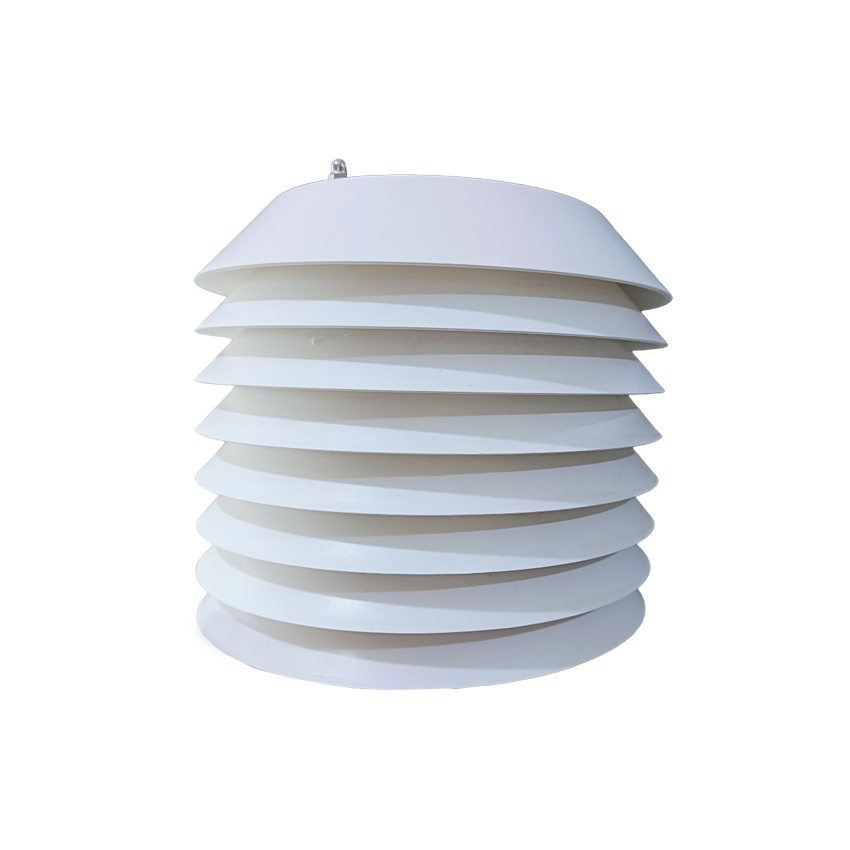
Install PM modules vertically and away from artificial airflow such as fans or direct exhaust. Keep the inlet open so external airflow can enter the sensor path. Avoid sticky particles such as oil mist or plant fibers because they can attach to optical components and cause failure.
Humidity can affect electronic and optical parts, so the enclosure, cable entry and cabinet ventilation should be planned. For construction sites, protect the pole and cabinet from vehicle impact. For platform integration, document RS485 address, data unit, upload interval, alarm thresholds and linkage contacts.
Acceptance should include live data, LED display content, platform upload, alarm test, historical records, video if included and image loading on the public or private platform. If spray linkage is ordered, test manual and automatic trigger logic before handover.
A buyer will keep reading when the article helps compare quotations. For dust monitoring, similar-looking quotations may differ in sensor range, display size, communication method, camera inclusion, platform storage, alarm logic and linkage output. Those differences decide whether the project can be accepted and operated.
The article should also make one boundary clear: monitoring is not dust control by itself. Dust control happens when monitoring data triggers cleaning, covering, watering, spray linkage, work adjustment or management action. That is why procurement documents should include alarm handling and corrective workflow.
| Acceptance Item | Check Method | Why It Matters |
|---|---|---|
| Live PM values | Confirm PM2.5, PM10 and TSP appear on platform and display | Proves sensor and collector communication |
| Noise and weather data | Check noise, wind, temperature and humidity values | Adds explanation context for dust events |
| Alarm function | Simulate threshold or set temporary low threshold | Confirms management response chain |
| Image and video | Check camera angle and over-limit evidence if included | Supports complaint and inspection records |
| Report export | Export history or alarm report | Confirms long-term use after handover |
Construction complaints often involve both dust and noise. If a system records PM but ignores noise, it may miss the real reason residents complain. If it records noise but not wind and dust, it may not explain whether earthwork, truck movement or external sources created the problem. A combined system gives managers a stronger site picture.
For acceptance, the project team should test PM values, noise values, wind direction, wind speed, platform upload, alarm rules, LED display and camera evidence if included. The system should also show whether data can be viewed from PC and mobile devices, because site managers rarely sit in one control room all day.
Write a simple response rule: who receives alarms, who checks the source, which dust suppression method is used, how video evidence is saved and how daily records are reviewed. This rule turns a monitoring station into a management system.
A complete dust monitoring quotation should separate equipment, installation accessories, platform service, display, camera, communication and linkage control. This makes supplier comparison more honest. If two proposals have the same title but one excludes the platform or LED display, the cheaper one is not the same system.
The handover file should include wiring definition, sensor list, platform account, alarm threshold, SIM card or network information, maintenance interval and acceptance photos. These documents are useful later when site staff changes or when a monitoring point must be moved.
A: They are both common sources of site complaints and inspection risk. Dust values show particulate pollution from earthwork, roads and materials, while noise values show construction disturbance. Combining them in one platform reduces separate devices, separate reports and separate maintenance work.
A: A practical configuration often includes PM2.5, PM10, TSP, noise, temperature, humidity, wind speed and wind direction. Some sites add PM1.0, rainfall, atmospheric pressure, camera or LED display depending on local requirements and owner reporting standards.
A: Wind speed and direction help identify whether dust is moving toward the boundary, from a specific work area or from an outside source. This context is useful when deciding whether to stop earthwork, start spray equipment, clean roads or explain an abnormal reading.
A: If the local authority, owner or contractor requires remote supervision, cloud or city-platform upload should be included from the beginning. The buyer must confirm data format, upload frequency, account permissions and whether the supplier can match the required interface.
A: Yes, if the platform supports mobile viewing, alarms and historical records. This is useful because site managers are often away from the office. Mobile access should not replace formal reports, but it helps staff respond quickly when PM or noise exceeds the threshold.
A: Poor microphone placement, shielding by structures, strong vibration, rain exposure and installation too close to machinery can distort readings. The monitoring point should represent boundary or complaint risk rather than the loudest machine inside the site unless internal safety monitoring is the purpose.
A: Check live values, camera view if included, LED display, platform history, alarm push, report export, device status, communication stability and power backup. Acceptance should include a simulated alarm test rather than only confirming the equipment is powered on.
A: Provide site layout, boundary length, work zones, entrances, power points, network condition, authority reporting requirement, desired display size, camera need, noise requirement and expected number of monitoring points. A layout drawing improves quotation accuracy.
Construction Site Dust and Noise Monitoring System Guide for Project Acceptance should be evaluated as a project decision, not as a single product name. The useful configuration is the one that matches the site condition, data use, installation method, maintenance capacity and purchasing scope. NiuBoL can support buyers who need practical selection documents for dust and noise project acceptance.
For quotation, send the application, site photos, required parameters, power condition, communication method, installation country, quantity and any platform or reporting requirement. With those details, the supplier can match a complete configuration instead of guessing from a short model name.
Prev:Online Dust Monitor Guide for Accurate PM2.5, PM10 and TSP Measurement
Next:Agricultural IoT Pest Monitoring System Implementation Guide for Smart Farms
Related recommendations
Sensors & Weather Stations Catalog
 Agriculture Sensors and Weather Stations Catalog-NiuBoL.pdf
Weather Stations Catalog-NiuBoL.pdf
Agriculture Sensors Catalog-NiuBoL.pdf
Water Quality Sensor Catalog-NiuBoL.pdf
Related products
 Combined air temperature and relative humidity sensor
 TDR Soil Moisture & Temperature Sensor for irrigation| RS485 |4-20mA| NBL-S-THR
 Soil pH sensor RS485 soil Testing instrument soil ph meter for agriculture |NBL-S-PH
 Wind Speed sensor Output Modbus/RS485/Analog/0-5V/4-20mA
 Tipping bucket rain gauge for weather monitoring auto rainfall sensor RS485/Outdoor/stainless steel
 Pyranometer Solar Radiation Sensor 4-20mA/RS485

Screenshot, WhatsApp to identify the QR code
WhatsApp number:+8615367865107
(Click on WhatsApp to copy and add friends)