





— Blogs —
—Products—
 Consumer hotline +8618073152920
 WhatsApp:+8615367865107
Address:Room 102, District D, Houhu Industrial Park, Yuelu District, Changsha City, Hunan Province, China
Product knowledge
Time:2026-06-16 14:17:55 Popularity:17
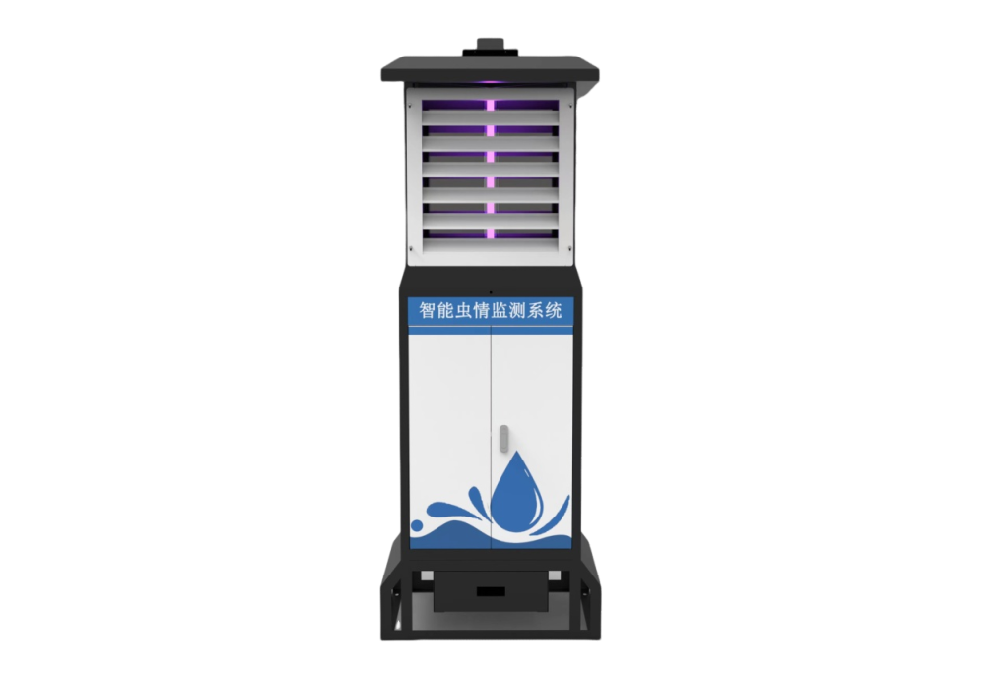
IoT pest control changes insect management from isolated lamps to networked field supervision. For rice fields, orchards, tea gardens and smart farms, remote status, scheduled control and pest data collection help managers respond earlier and reduce blind pesticide use.
Traditional insect lamps often work by simple dusk-to-dawn light control. This can miss pest activity before the lamp turns on, and failures may remain unnoticed in large agricultural areas. A lamp that is not working is a silent gap in the pest control network.
IoT management connects devices with mobile phones, computers and monitoring platforms. Managers can view operating status, adjust schedules, check alarms and build pest control records without walking every field each day.
An intelligent remote pest monitoring system can automatically attract insects, kill or process them, collect samples, separate rainwater, dry insects, capture images and upload data. Reserved external communication interfaces allow connection with wider farm management systems when required.
The system described in the material includes 4G or Ethernet data exchange, a 10-inch touch screen, industrial camera, infrared processing, drying chamber, automatic cleaning and platform-based image viewing. These functions support pest occurrence analysis and forecasting.
Remote control allows operators to match lamp working time with target pest habits. This reduces unnecessary operation, protects beneficial organisms and makes pest control more precise than fixed schedules.
For system integrators, networked pest control should be designed as a data service. Device location, working time, pest images, maintenance records and weather context should be stored together so the owner can understand field risk over time.
| Item | Engineering Reference |
|---|---|
| Device type | Intelligent remote pest monitoring and forecasting system |
| Reference standard | GB/T 24689.1-2009 plant protection machinery insect collection equipment |
| Communication | 4G / Ethernet platform data exchange, with reserved external communication interface for project expansion |
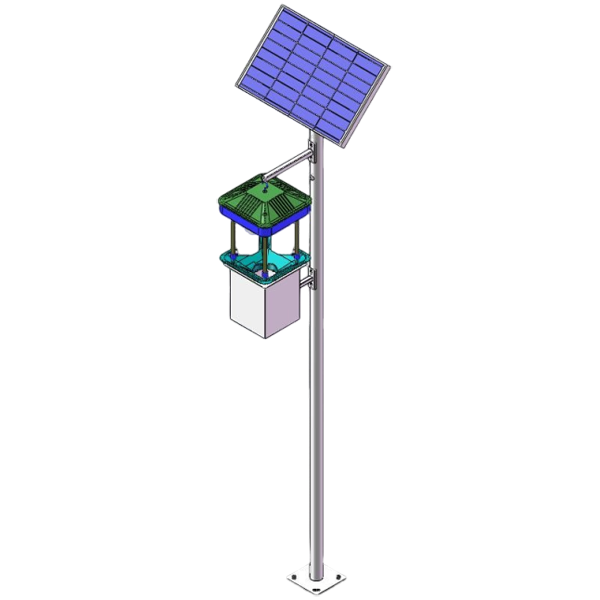
| Power supply | Optional AC 220 V or solar power system with 400 W panel and 200 Ah battery |
| Display | 10-inch color touch screen with Android system |
| Image collection | Industrial camera, 12 megapixels |
| Insect processing | Infrared killing and drying; processing chamber 80 to 90 degC |
| Lamp power | 18 W |
| Power consumption | <=225 W working power; <=15 W standby power |
| Impact screen | Four screens at 90 degrees, 608 mm x 330 mm, thickness >=5 mm |
| Control | Light control, rain control, time control, power-off memory, remote restart |
| Platform | Uploads equipment status and insect images for remote viewing and analysis |
Site environment challenge: Migratory rice pests can appear quickly and require early detection.
System integration scheme: Use IoT pest monitoring lamps with image upload and platform alerts.
User value delivered: Plant-protection staff can respond before pest pressure becomes severe.
Site environment challenge: Large orchards make manual lamp inspection slow.
System integration scheme: Connect lamps to a platform for remote status and schedule management.
User value delivered: Managers reduce missed failures and improve maintenance efficiency.
Site environment challenge: Tea production needs lower chemical dependence and traceable field records.
System integration scheme: Combine networked insect lamps with block management and pest records.
User value delivered: The owner gains ecological prevention evidence.
Site environment challenge: Pest occurrence data must be collected continuously.
System integration scheme: Use image capture, drying and platform statistics for insect forecasting.
User value delivered: Technicians obtain more timely data than manual survey alone.
A networked pest-control proposal should describe how field data will be used. If the system uploads images but no one reviews them, the project becomes expensive storage. If the platform can generate records, alerts and statistics, the system supports plant protection decisions.
Buyers should also check remote restart, power-off memory and troubleshooting access. These functions reduce service cost when devices are distributed across remote farms.
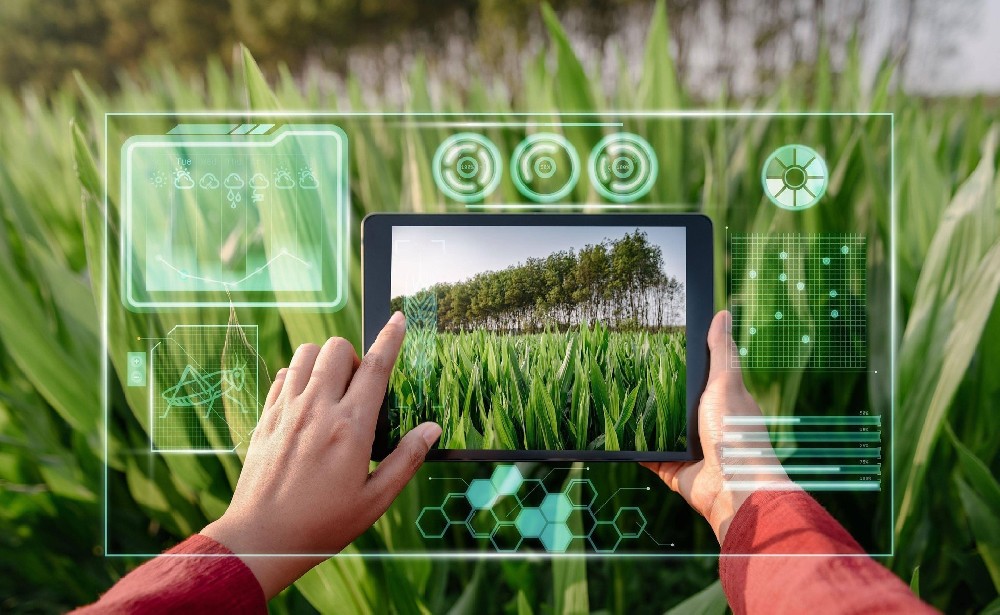
An IoT system supports remote status, scheduled control, platform records, fault awareness and centralized management instead of only local automatic lighting.
It is necessary when farms are large, devices are distributed, manual inspection is difficult or pest-control records are required for management.
Buyers should consider 4G, Ethernet and platform-based data exchange according to field infrastructure, power supply and management distance.
Useful functions include device map, operating status, schedule setting, alarm records, pest image records, user permissions and maintenance history.
Working time should follow target pest activity, crop season and beneficial insect protection requirements rather than a fixed generic schedule.
Acceptance should check remote status, schedule control, image upload if available, fault alarm, power stability, platform access and maintenance record format.
Yes. Remote status and fault records help managers find failed lamps earlier than manual patrol alone.
The owner should define who checks device alarms, cleans collection areas, reviews images, updates schedules and contacts technical service.
The biggest risk is purchasing networked equipment without a platform workflow, leaving remote data unused after installation.
Provide crop type, target pest, field area, number of blocks, communication condition, power supply, platform users and required remote functions.
For a B2B project, documentation is part of the product value. The buyer should keep the product model, installation point, wiring record, communication settings, calibration or inspection method, maintenance interval and acceptance screenshots in one project file.
This documentation helps distributors, system integrators and end users discuss the same technical facts when troubleshooting or expanding the system. It also makes later procurement easier because the original design assumptions are visible.
A quotation should be compared by application fit, not only unit price. Buyers should check whether the supplier has considered the site environment, power supply, communication method, platform requirements, maintenance path and expected service life.
When two proposals use similar product names, the better proposal is usually the one that explains installation, data use and acceptance more clearly. That is the difference between buying a device and buying a usable monitoring point.
Before the iot pest control lamp system project is accepted, the commissioning team should test power supply, equipment start-up, communication, platform display, alarm response and data storage. If the system includes solar power, battery voltage and working schedule should be checked under real field conditions.
Acceptance should include photos of the installation point, screenshots of platform data, a simple fault simulation and confirmation that the end user knows how to clean, inspect or restart the equipment. These small steps reduce later disputes between supplier, contractor and owner.
Monitoring data should be reviewed on a schedule. Daily values help operators see abnormal events, weekly trends help managers evaluate field operation, and seasonal records help the buyer decide whether more monitoring points or control devices are required.
For IoT projects, the platform should not be treated as only a display screen. It should support historical query, data export, alarm review and equipment management so the buyer can convert field measurements into practical decisions.
Every outdoor monitoring or field-control device needs a named maintenance responsibility. The owner should define who checks cables, who cleans the collection or sensing area, who reviews alarm messages and who contacts the supplier when communication fails.
For distributors and project contractors, providing a maintenance schedule improves customer trust because it shows that the system is designed for long-term operation rather than a one-time installation.
Many projects begin with one monitoring parameter or one field-control device, then expand after the buyer sees stable data. The initial design should therefore keep enough space for additional devices, future 4G gateways, platform users and more monitoring points.
A scalable design is especially useful for agricultural parks, construction groups, scenic areas and municipal platforms because they often start with one pilot area and later copy the configuration to other sites. Clear wiring, naming and data rules make this expansion easier.
Outdoor devices are affected by rain, dust, insects, vibration, sunlight, corrosion, human interference and unstable power. The supplier should explain how the selected equipment handles these conditions, and the buyer should check whether the installation method matches the actual site.
If the monitoring point is remote, the project should also define how faults are reported and how quickly maintenance can arrive. A technically suitable product still needs an operating plan that fits the service distance.
Procurement teams often receive several quotations with similar model names but different project assumptions. A useful technical article helps them ask better questions: what is measured, where it is installed, how data is transmitted, who maintains it and what action follows an alarm.
When those questions are answered before purchase, the project is easier to approve internally and easier to implement on site. This is the practical value of writing the specification around engineering use rather than around product labels alone.
The buyer should confirm spare parts, cable length, mounting accessories, platform account permissions and after-sales response before final purchase. These details are small in the quotation but important during operation.
For repeat projects, the same product configuration should be documented so the next site can be deployed faster with fewer communication mistakes between the supplier and the installation team.
If the project is delivered through a contractor, the end user should also receive a simple operating note that explains daily inspection, alarm meaning, cleaning interval and the correct contact path for service questions.
An IoT pest control lamp system makes insect management visible, controllable and recordable. NiuBoL pest monitoring and solar insect trap solutions support smart agriculture projects that need remote field supervision.
Prev:Smart Tea Garden Monitoring Solution: IoT Pest Control, Weather Data and Ecological Field Management
Related recommendations
Sensors & Weather Stations Catalog
 Agriculture Sensors and Weather Stations Catalog-NiuBoL.pdf
Weather Stations Catalog-NiuBoL.pdf
Agriculture Sensors Catalog-NiuBoL.pdf
Water Quality Sensor Catalog-NiuBoL.pdf
Related products
 Combined air temperature and relative humidity sensor
 Soil Moisture Temperature sensor for irrigation|NBL-S-THR
 Soil pH sensor RS485 soil Testing instrument soil ph meter for agriculture |NBL-S-PH
 Wind Speed sensor Output Modbus/RS485/Analog/0-5V/4-20mA
 Tipping bucket rain gauge for weather monitoring auto rainfall sensor RS485/Outdoor/stainless steel
 Pyranometer Solar Radiation Sensor 4-20mA/RS485

Screenshot, WhatsApp to identify the QR code
WhatsApp number:+8615367865107
(Click on WhatsApp to copy and add friends)

