

— Products —
 Consumer hotline +8618073152920
 WhatsApp:+8615367865107
Address:Room 102, District D, Houhu Industrial Park, Yuelu District, Changsha City, Hunan Province, China
Weather Stations
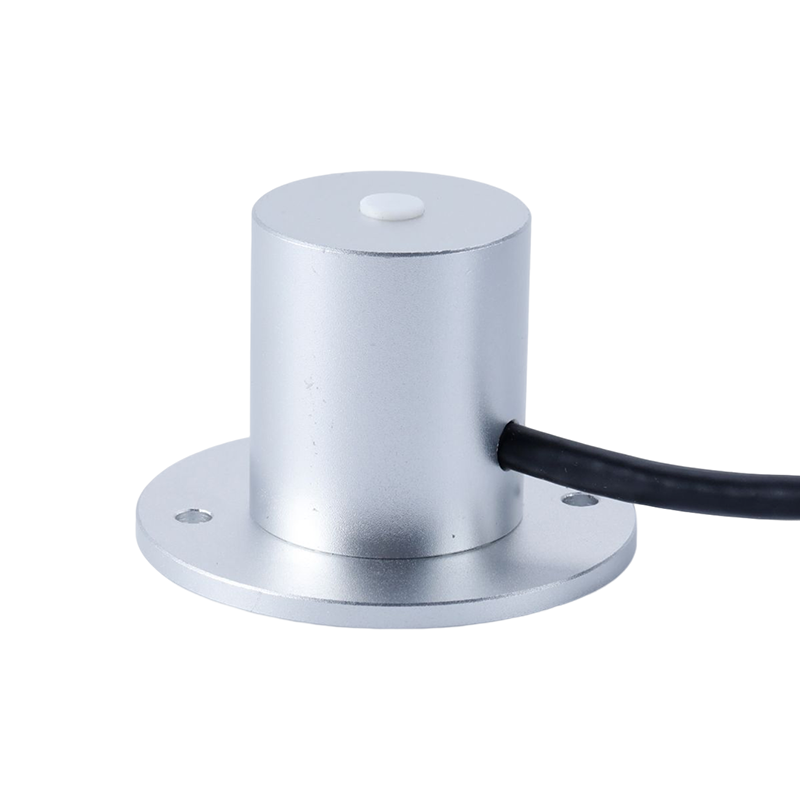
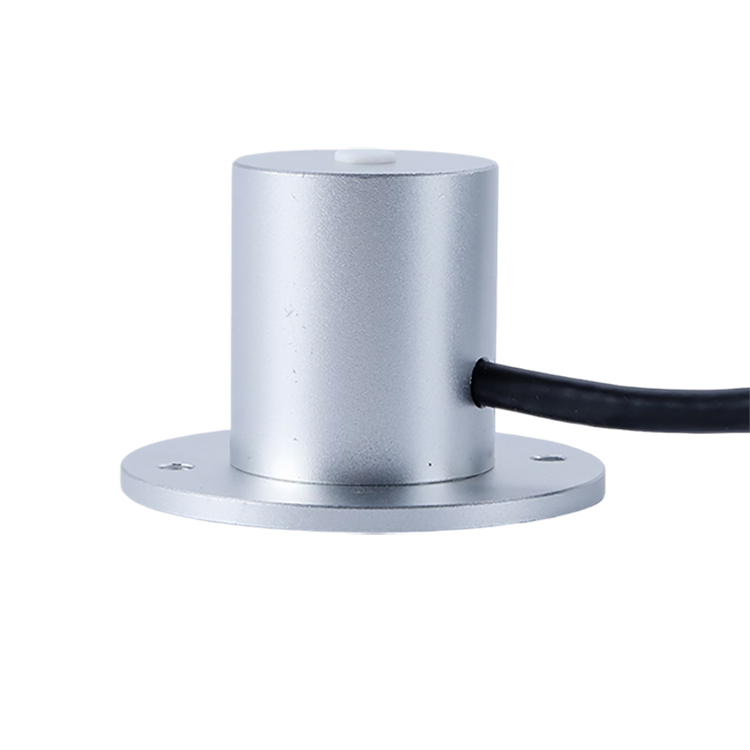
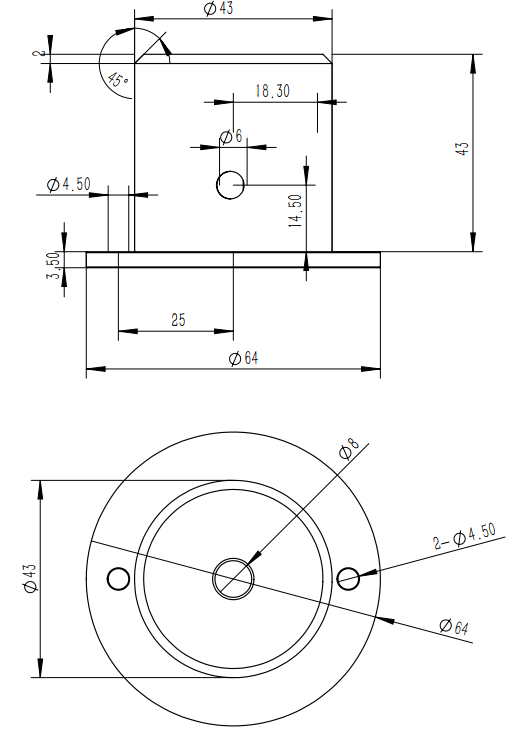
NBL-W-PARS Photosynthetic Active Radiation Sensor(PAR Sensor) also known as the number of light quantum,is mainly used to measure the photosynthetic effective radiation of natural light in the wavelength range from 400 to 700 nm,and it is easy to use, which can be directly connected with digital voltmeters or data collectors and can be used under all-weather conditions.It is important to note that the output of the PAR sensor does not directly represent the photosynthetic rat···
Tel/WhatsApp:+8615367865107
Email:Arvin@niubol.com +Nearly 100 partner companies in more than 75 countries. We are committed to providing high-quality, practical products to meet your needs and help you solve problems. Our products comply with international standards and are certified with ISO, CE and RoHS.Product Details
The NiuBoL NBL-W-PARS Photosynthetically Active Radiation Sensor is designed to measure plant-usable light within the 400–700 nm PAR spectral range. It is suitable for greenhouses, farms, plant-growth research, agricultural meteorology, controlled-environment agriculture and weather monitoring systems.
The sensor uses a silicon photodetector together with an optical filter to respond to radiation within the photosynthetically active wavelength range. A cosine-corrected sensing surface helps account for light arriving from different angles.
The NBL-W-PARS is available with RS485 Modbus, 0–5 V and 0–2.5 V outputs, allowing integration with greenhouse controllers, PLCs, data loggers, agricultural IoT gateways and automatic weather stations.

| Model | NBL-W-PARS |
| Product Name | Photosynthetically Active Radiation Sensor / PAR Sensor |
| Spectral Range | 400–700 nm |
| Specified Measuring Range | 0–2000 W/m² |
| Sensitivity | 5–50 μV per μmol·m⁻²·s⁻¹ |
| Response Time | Approx. 1 s (99%) |
| Temperature Dependence | Maximum 0.05%/°C |
| Cosine Correction | Up to 80° incidence angle |
| Power Supply | DC 12–24 V |
| Output Options | RS485 / 0–5 V / 0–2.5 V |
| Operating Temperature | -40 to 65°C |
| Operating Humidity | 0–100%RH |
| Housing | Aluminum alloy |
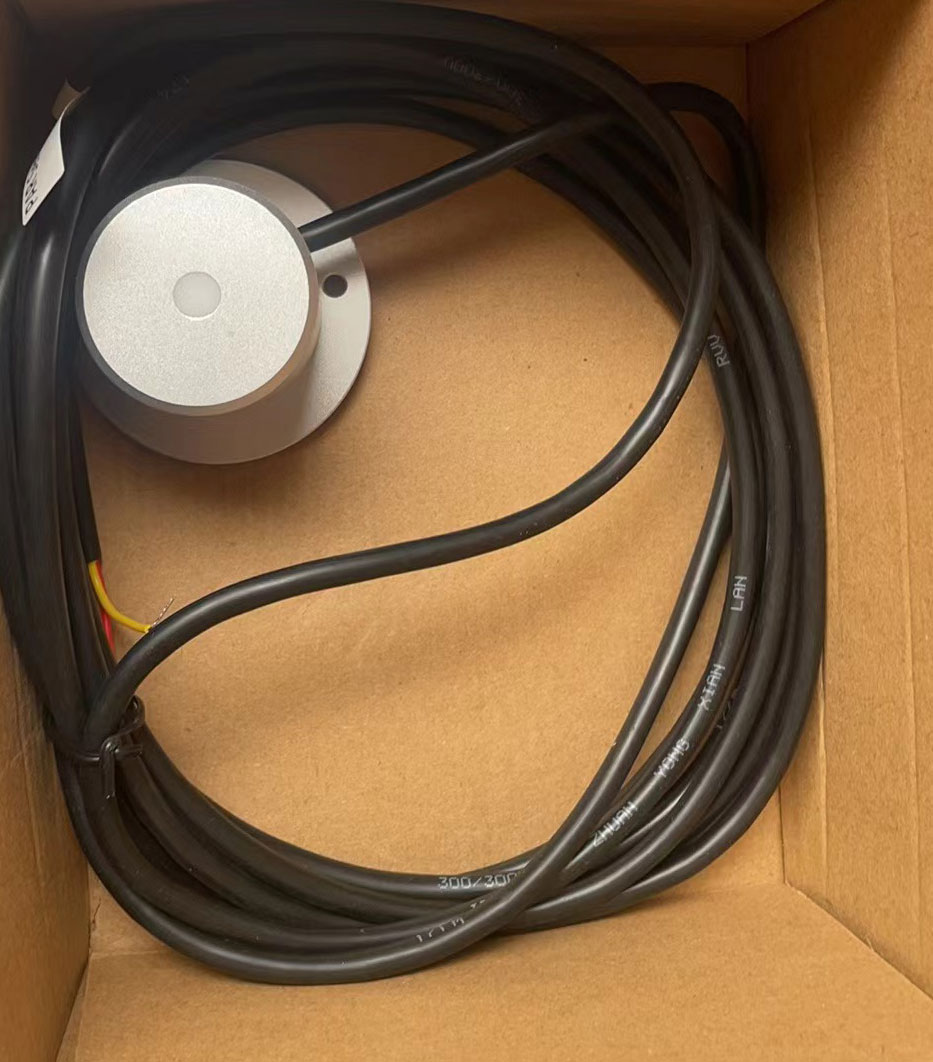
| Standard Cable Length | 2.5 m |
Unit note: PAR can be represented using radiometric units such as W/m² or photon-based units such as μmol·m⁻²·s⁻¹. The current NBL-W-PARS product documentation includes both a W/m² measuring-range specification and a photon-flux sensitivity coefficient. Use the output unit and calibration coefficient supplied with the ordered sensor when configuring the data logger.
Photosynthetically active radiation refers to light within approximately 400–700 nm, the wavelength range commonly associated with plant photosynthesis.
| Measurement | What It Represents | Typical Unit |
|---|---|---|
| PAR | Radiation within the photosynthetically active 400–700 nm wavelength range | W/m² or photon-based units depending on sensor calibration |
| PPFD | Photosynthetic photon flux density reaching a surface | μmol·m⁻²·s⁻¹ |
A PAR sensor measures the light available within the photosynthetically active spectral range. It does not directly measure photosynthesis, crop growth rate or plant health. Those outcomes also depend on temperature, humidity, CO₂, water availability, nutrients, crop species and growth stage.
| Comparison | NBL-W-PARS PAR Sensor | Pyranometer / Solar Radiation Sensor |
|---|---|---|
| Main Measurement | Plant-relevant radiation | Broadband solar irradiance |
| Spectral Range | 400–700 nm | Typically wider shortwave spectrum depending on pyranometer model |
| Typical Application | Greenhouses, crop growth and plant-light research | Weather stations, solar-energy and surface-energy studies |
| Typical Output Quantity | PAR / PPFD-related measurement | Solar irradiance in W/m² |
Choose a PAR sensor when the project is focused on plant-usable light. Choose a pyranometer when the objective is broadband solar radiation, meteorological energy balance or solar-energy monitoring.
The NBL-W-PARS uses a silicon photodetector combined with a spectral filter. The filter limits the sensor response primarily to the 400–700 nm photosynthetically active range.
| Optical Filter | Restricts the sensor response to the required photosynthetically active wavelength range. |
| Silicon Photodetector | Converts incident light into an electrical signal proportional to light intensity. |
| Cosine Corrector | Improves response to light arriving at different incidence angles. |
| Signal Output | Provides digital or voltage output according to the selected configuration. |
Light in a greenhouse or outdoor crop canopy does not always arrive perpendicular to the sensor surface. The sun moves throughout the day, and diffuse sky radiation or artificial grow lights may reach the sensing surface from different directions.
A cosine-corrected sensor is designed so its response changes appropriately with the angle of incoming light. The NBL-W-PARS specifies cosine correction up to approximately an 80° incidence angle.
| Installation Item | Recommendation |
|---|---|
| Measurement Plane | Install the sensing surface horizontally when measuring incident PAR on a horizontal plane. |
| Avoid Shadows | Keep poles, structures, greenhouse frames and other equipment from casting unnecessary shadows on the sensing surface. |
| Representative Location | Place the sensor where the measured light represents the crop or experimental area of interest. |
| Outdoor Site | For outdoor monitoring, provide as clear a view of the sky as practical and avoid obstacles near sunrise and sunset directions. |
| Greenhouse Use | Choose whether PAR should be measured above the crop canopy, within the canopy or at another defined reference height, and keep this position consistent. |
In greenhouse applications, PAR measurement can help quantify the amount of plant-usable light reaching the crop and compare changes caused by weather, glazing, shade curtains and supplemental lighting.
| Monitoring Objective | How PAR Data Can Help |
|---|---|
| Natural Light Monitoring | Observe changes in usable plant light during the day and between weather conditions. |
| Shade Curtain Evaluation | Compare PAR before and after shading to quantify reduction in plant-usable light. |
| Supplemental Lighting | Monitor light contribution from compatible greenhouse grow-light systems. |
| Crop Research | Compare crop responses with measured light conditions and other environmental parameters. |
When PAR is recorded as photosynthetic photon flux density over time, the data can be integrated to calculate Daily Light Integral (DLI), which represents the total number of photosynthetically active photons received by a surface during one day.
DLI is typically expressed in:
mol·m⁻²·day⁻¹
The sensor itself provides the instantaneous light measurement. DLI calculation is performed by a data logger, controller or software using the time-series measurements.
| Output | Typical Connection | Recommended Use |
|---|---|---|
| RS485 Modbus | PLC / greenhouse controller / data logger / IoT gateway | Digital monitoring, remote systems and multi-sensor networks |
| 0–5 V | Analog voltage input | Controllers and acquisition systems with 0–5 V inputs |
| 0–2.5 V | Low-voltage analog input | Embedded and specialized monitoring systems |
NBL-W-PARS → RS485 / Voltage Input → Data Logger / PLC → 4G / Ethernet / LoRaWAN → Cloud or Private Server
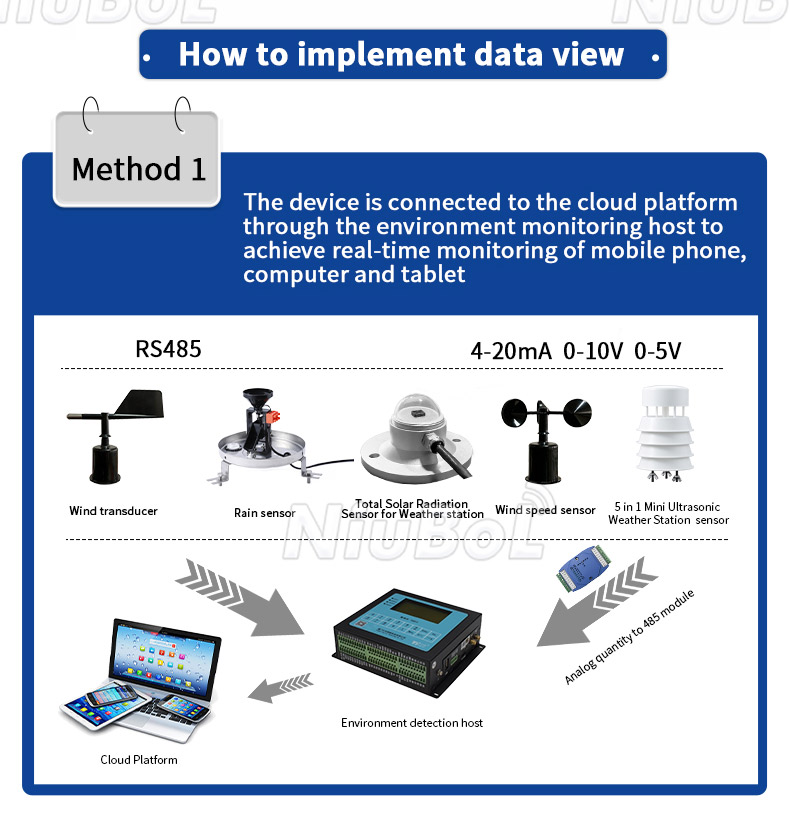
The PAR sensor does not directly connect to the Internet by itself. Remote monitoring requires a compatible data logger or gateway to collect the sensor signal and transmit the data using the communication method selected for the project.
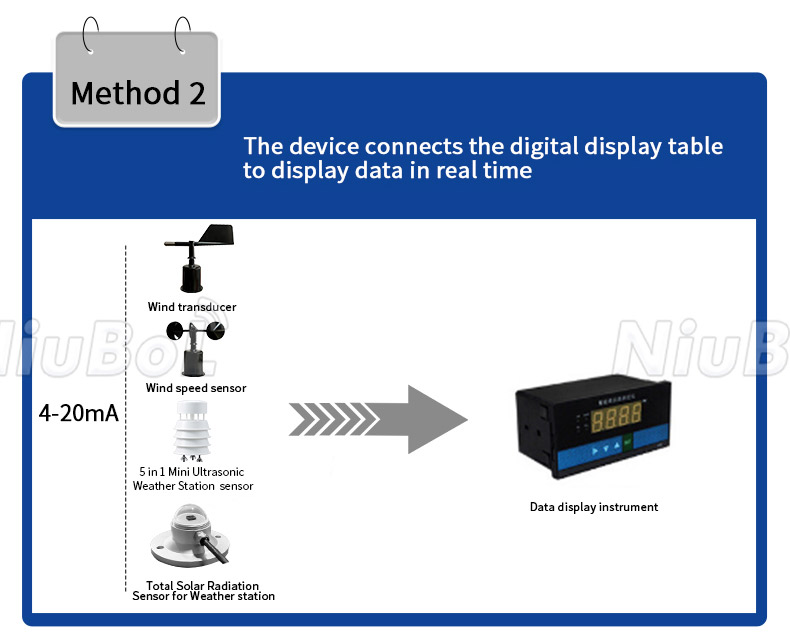
For projects that do not require cloud communication, the analog-output version can also be connected to a compatible local digital display or controller.
| Greenhouse Monitoring | Plant Growth Research | Agricultural Meteorology |
| Crop Research | Supplemental Lighting | Controlled-Environment Agriculture |
| Outdoor Farm Monitoring | Ecological Research | Agricultural IoT |
| Sensing Surface | Keep the cosine-correction surface clean and free from dust, water deposits, snow and other material that blocks incoming light. |
| Shading | Check periodically that new structures, plants or equipment are not casting unintended shadows on the sensor. |
| Mounting Level | Verify the measurement plane after maintenance, storms or movement of the mounting structure. |
| Cable | Inspect outdoor cable sections and connectors for damage or loose connections. |
| Calibration | Use the sensitivity or calibration coefficient supplied with the individual sensor when converting raw analog signals. |
A1. It measures photosynthetically active radiation within the 400–700 nm wavelength range used for plant-light monitoring.
A2. No. A PAR sensor focuses on the 400–700 nm photosynthetically active range, while a pyranometer normally measures a wider broadband solar-radiation spectrum.
A3. PAR describes the photosynthetically active spectral region. PPFD describes the number of photons in that region reaching a unit area per second and is commonly expressed in μmol·m⁻²·s⁻¹.
A4. It can be used to monitor light within its 400–700 nm response range from natural or artificial plant-light sources. Measurement suitability should be evaluated according to the spectral characteristics of the light source.
A5. Yes. An RS485 version is available for connection to compatible PLCs, greenhouse controllers, data loggers and IoT gateways.
A6. The documented output options include 0–5 V and 0–2.5 V in addition to RS485.
A7. Not necessarily. The sensor measures light availability. Actual photosynthesis also depends on crop species, CO₂ concentration, temperature, humidity, water availability, nutrients and plant condition.
A8. Yes, when the system records photon-flux-based PAR measurements at known time intervals. The data logger or software can integrate these readings over the day to calculate DLI.
A9. Yes. The sensor is designed for continuous environmental monitoring when installed correctly and the sensing surface is kept clean and unobstructed.
A10. Yes. The RS485 sensor can connect to a compatible data logger or IoT gateway, which can forward the measurements to a cloud platform or private server using supported communication protocols.
 NBL-W-PARS-RAR-SENSOR-User-Manual.pdf
The NBL-W-PARS PAR Sensor provides 400–700 nm plant-light measurement for greenhouse cultivation, crop research, agricultural meteorology and controlled-environment monitoring. RS485 and voltage-output options allow integration with greenhouse controllers, weather stations, PLC and agricultural IoT systems.
For quotation and model selection, specify the required output signal, power supply, cable length, indoor or outdoor installation, light source, quantity and the data logger or controller that will receive the PAR measurements.
Prev:Mechanical three cup wind speed direction sensor Anemometer for weather station 4-20mA/RS485/Modbus
Sensors & Weather Stations Catalog
 Agriculture Sensors and Weather Stations Catalog-NiuBoL.pdf
Weather Stations Catalog-NiuBoL.pdf
Agriculture Sensors Catalog-NiuBoL.pdf
Water Quality Sensor Catalog-NiuBoL.pdf
Related recommendations
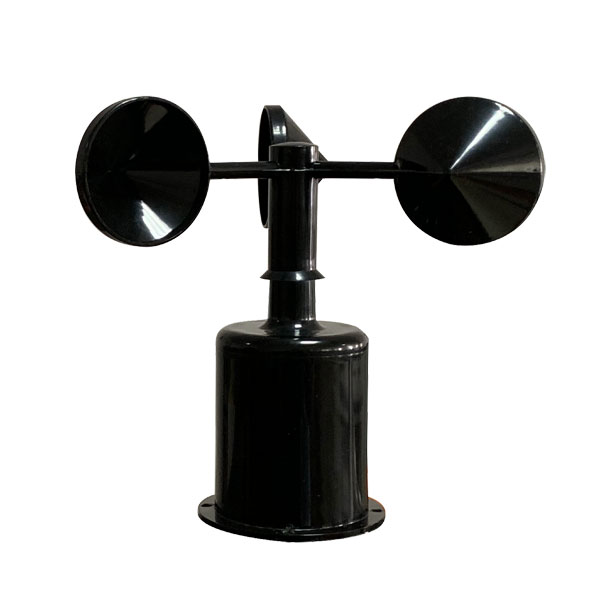 Wind Speed sensor Output Modbus/RS485/Analog/0-5V/4-20mA
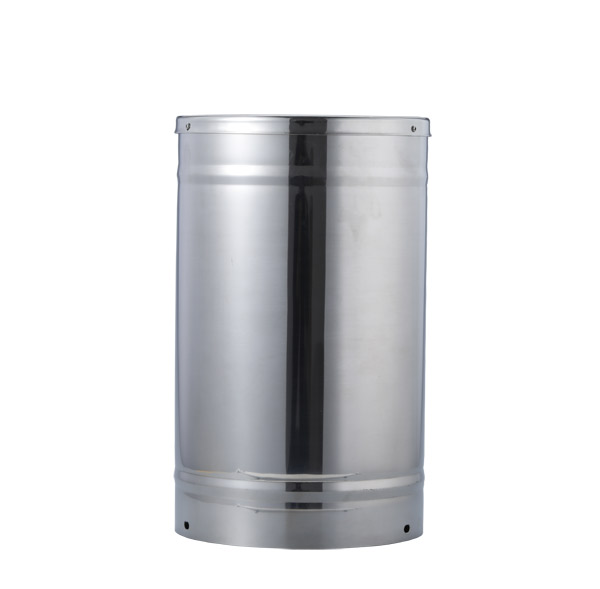 Tipping bucket rain gauge for weather monitoring auto rainfall sensor RS485/Outdoor/stainless steel
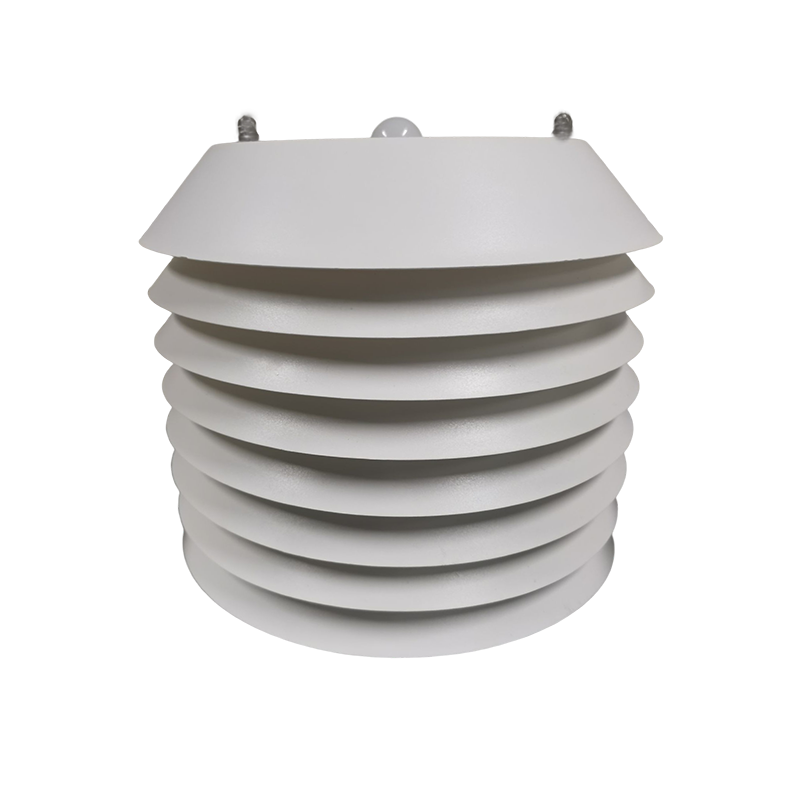 5-in-1 Temperature, Humidity, Air Pressure, Illumination, CO2 Sensor
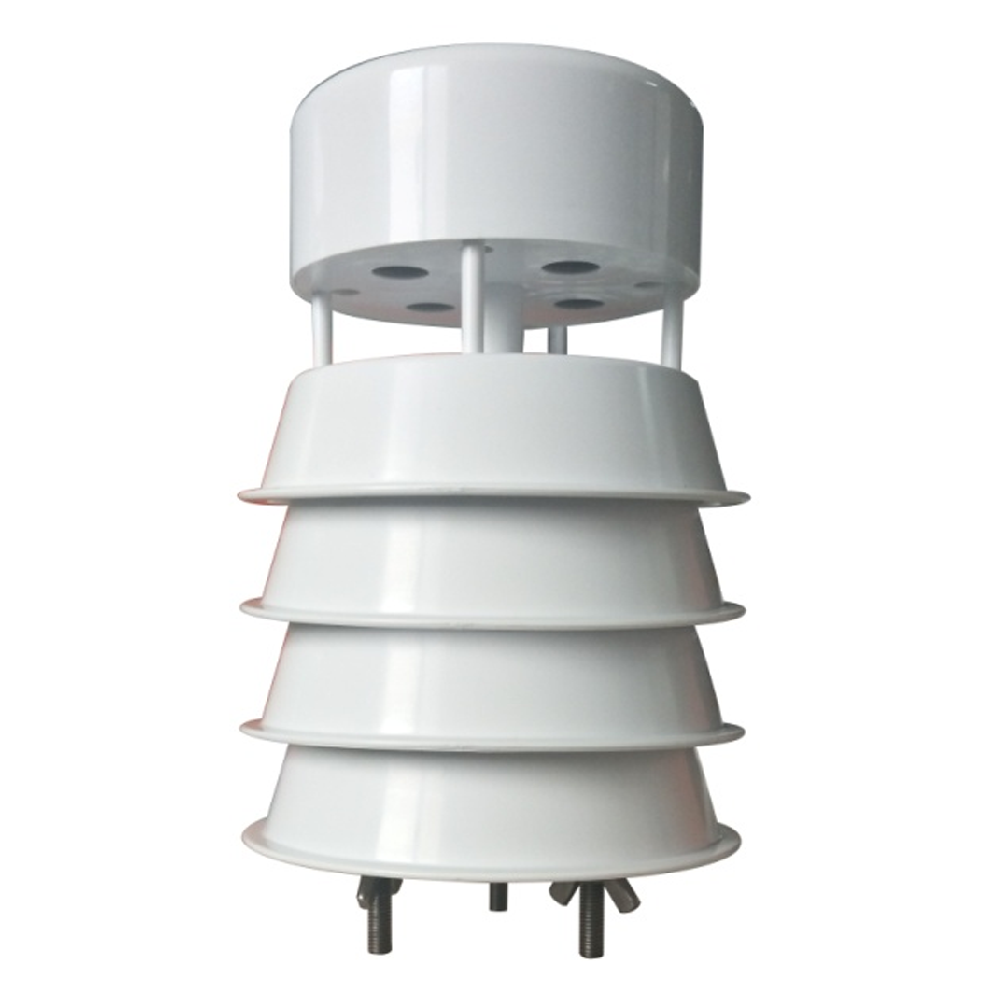 5-in-1 Ultrasonic Weather Station Sensor RS485 | NBL-W-51MUWS
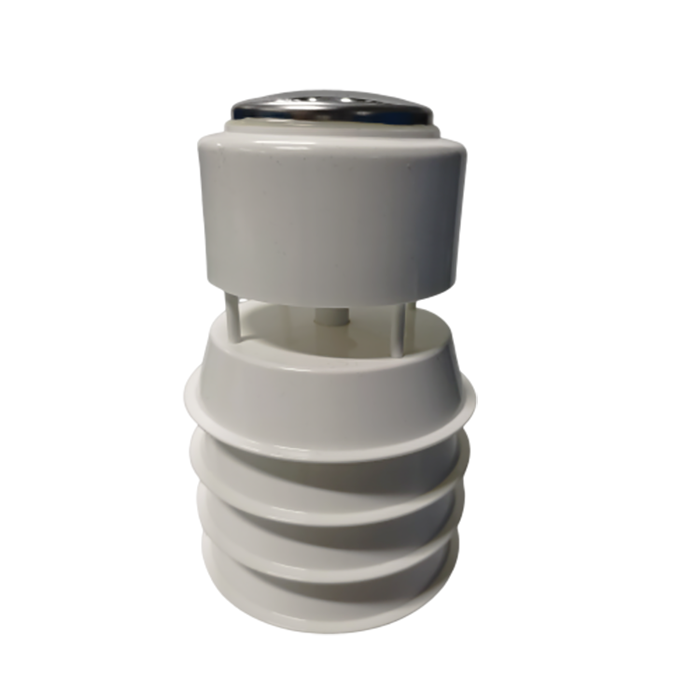 6-in-1 Ultrasonic Weather Station Sensor with Rainfall | NBL-W-61MUWS 7-in-1 Ultrasonic Weather Sensor with Rainfall & illuminance | NBL-W-71MUWS

Screenshot, WhatsApp to identify the QR code
WhatsApp number:+8615367865107
(Click on WhatsApp to copy and add friends)