





— Products —
 Consumer hotline +8618073152920
WhatsApp:+8615367865107
Address:Room 102, District D, Houhu Industrial Park, Yuelu District, Changsha City, Hunan Province, China
Weather Stations

NBL-W-PM PM2.5, PM10, integrated sensor using the laser scattering principle, sensitive detection of PM2.5 and PM10 concentration in the environment, the use of imported lasers and light-sensitive components, stable and reliable data; built-in fan, high integration; can be changed according to the needs of the sensor power supply voltage and the output signal type.
Tel/WhatsApp:+8615367865107
Email:Arvin@niubol.com +Nearly 100 partner companies in more than 75 countries. We are committed to providing high-quality, practical products to meet your needs and help you solve problems. Our products comply with international standards and are certified with ISO, CE and RoHS.Product Details
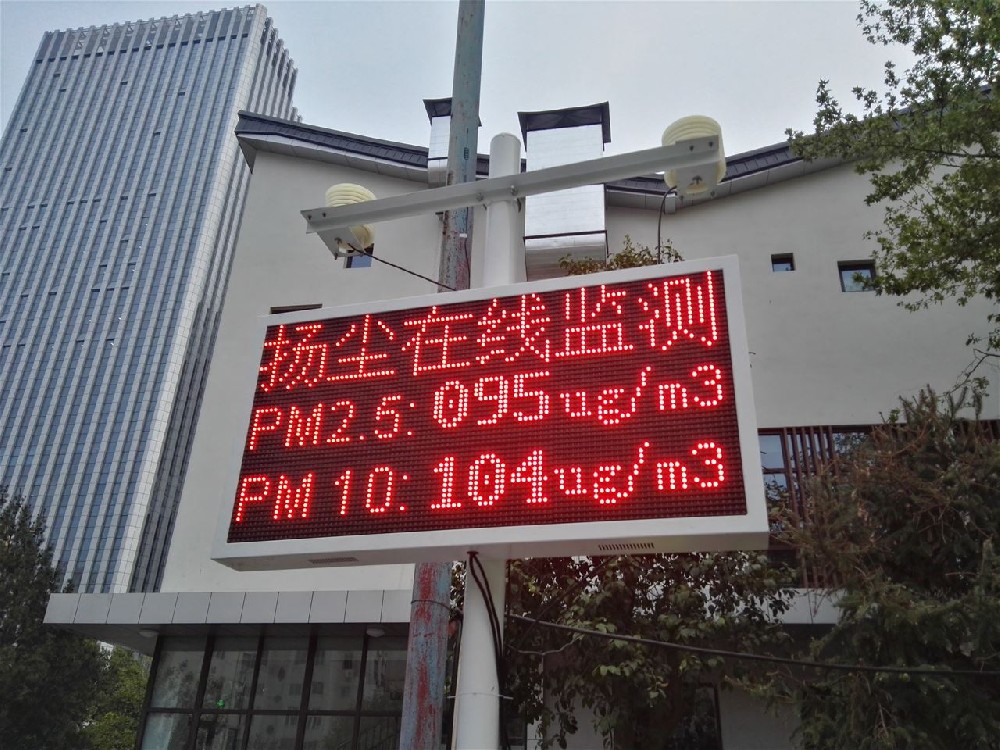
The NiuBoL NBL-W-PM PM2.5 & PM10 Particulate Matter Sensor is an integrated laser-scattering dust sensor designed for continuous monitoring of airborne particulate concentrations in environmental monitoring stations, industrial facilities, construction sites, smart cities and air quality IoT systems.
The sensor measures PM2.5 from 0–1000 μg/m³ and PM10 from 0–2000 μg/m³. A built-in sampling fan draws air through the optical measurement chamber, where laser scattering is used to detect suspended particles and estimate their mass concentrations.
With RS485 Modbus RTU output and a DC 12–24 V power supply, the NBL-W-PM can be connected to PLCs, RTUs, environmental data loggers and IoT gateways. Both PM2.5 and PM10 measurements are available through one digital communication interface.
| Parameter | Specification |
|---|---|
| Model | NBL-W-PM |
| Product Name | PM2.5 & PM10 Particulate Matter Sensor |
| Measurement Principle | Laser Scattering |
| Measured Parameters | PM2.5 and PM10 Mass Concentration |
| PM2.5 Range | 0–1000 μg/m³ |
| PM10 Range | 0–2000 μg/m³ |
| Specified Measurement Error | ±15% or ±10 μg/m³ at 25°C and 50%RH |
| Minimum Detectable Particle Diameter | 0.3 μm |
| Measurement Unit | μg/m³ |
| Sampling Method | Built-in Fan-Assisted Air Sampling |
| Power Supply | DC 12–24 V |
| Power Consumption | Approx. 350 mW |
| Output Interface | RS485 |
| Communication Protocol | Modbus RTU |
| Default Baud Rate | 9600 bps |
| Operating Temperature | -20 to +60°C |
| Operating Humidity | 0–99%RH, Non-Condensing |
| Standard Cable Length | 2.5 m, Customizable |
PM2.5 and PM10 represent two categories of airborne particulate matter, classified by aerodynamic diameter. Their mass concentrations are commonly expressed in micrograms per cubic metre (μg/m³).
| Parameter | Particle Classification | Typical Sources |
|---|---|---|
| PM2.5 | Particles with aerodynamic diameter ≤2.5 μm | Combustion emissions, fine smoke particles, secondary aerosols and industrial processes |
| PM10 | Particles with aerodynamic diameter ≤10 μm | Road dust, soil dust, construction activity, industrial particles and combustion aerosols |
PM10 includes the PM2.5 size fraction. Therefore, the two readings are related rather than two completely separate particle populations. Their difference can provide an approximate indication of the coarse-particle mass fraction between 2.5 μm and 10 μm.
The NBL-W-PM uses an optical particle-detection method. Its internal fan draws ambient air through the sensing chamber, allowing airborne particles to pass through an illuminated measurement region.
| Process | Description |
|---|---|
| Air Sampling | The built-in fan moves ambient air through the sensing chamber. |
| Laser Illumination | Suspended particles interact with the laser beam. |
| Optical Detection | A photosensitive detector measures light scattered by the particles. |
| Signal Processing | The electronics estimate particle mass concentrations using the optical response and internal conversion model. |
| Data Output | PM2.5 and PM10 concentrations are transmitted through RS485 Modbus RTU. |

Dual PM Measurement
PM2.5 and PM10 from one device.
Laser Scattering
Optical particle concentration detection.
Built-In Fan
Active air sampling through the measurement chamber.
RS485 Modbus
Compatible with industrial data acquisition systems.
Low Power
Approximately 350 mW power consumption.
System Integration
Connects to loggers, PLCs, RTUs and IoT gateways.
| Communication Item | Specification |
|---|---|
| Interface | RS485 |
| Protocol | Modbus RTU |
| Default Baud Rate | 9600 bps |
| Data Bits | 8 |
| Parity | None |
| Stop Bits | 1 |
| Normal Device Address Range | 1–255 |
| Read Function | 0x03 |
| Starting Register | 0x0000 |
| Register Quantity | 2 |
| Minimum Polling Interval | 1000 ms |
| Register | Measurement | Unit |
|---|---|---|
| 0x0000 | PM2.5 | μg/m³ |
| 0x0001 | PM10 | μg/m³ |
For a sensor configured with Modbus address 01, both particulate measurements can be read in one command.
Request: 01 03 00 00 00 02 C4 0B
Response: 01 03 04 00 B4 01 10 BA 49
| Parameter | HEX Data | Decoded Value |
|---|---|---|
| PM2.5 | 00 B4 | 180 μg/m³ |
| PM10 | 01 10 | 272 μg/m³ |
The example returns two unsigned 16-bit measurement values, with the high byte transmitted first. The corresponding mass concentrations are expressed directly in μg/m³.

| Wire Color | Function |
|---|---|
| Red | DC Power + |
| Black / Green | Power - / GND |
| Yellow | RS485 A |
| Blue | RS485 B |
For multi-sensor RS485 networks, assign a unique device address to each sensor and use compatible power, communication wiring and polling settings.
Proper installation is important for optical dust measurement. The sensor should be positioned where the sampled air represents the monitored environment, while protecting the sensing chamber from conditions that may affect the optical components.
| Installation Item | Recommendation |
|---|---|
| Orientation | Install the sensor vertically. |
| Airflow | Avoid mounting directly in front of or behind strong artificial airflow sources such as ventilation fans. |
| Air Inlet | Keep the air inlet and outlet unobstructed to maintain representative sampling. |
| Moisture | Prevent liquid water, condensation and direct water spray from reaching the optical chamber. |
| Sticky Particles | Avoid oil mist, adhesive dust, fibers and other contaminants that may accumulate on optical components. |
| Outdoor Enclosure | Provide a suitable ventilated weather-protective enclosure when required by the installation environment. |
| Cable Protection | Secure the cable and protect connectors from water ingress and mechanical damage. |
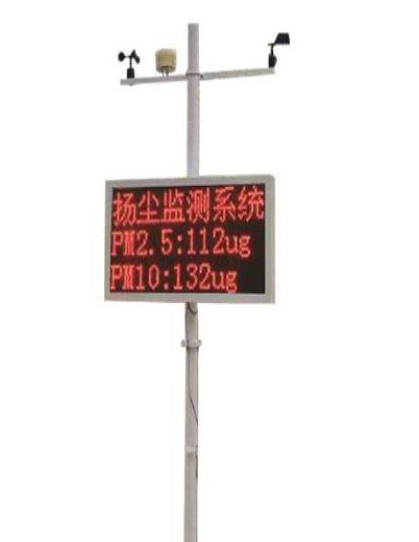
Laser-scattering sensors estimate particulate mass concentration from the optical response of airborne particles. Measurement conditions can influence how closely these estimates represent actual particle mass.
| Factor | Possible Influence |
|---|---|
| High Relative Humidity | Particle water uptake and optical scattering changes may affect estimated mass concentration. |
| Condensation | Water droplets may interfere with optical detection and normal sensor operation. |
| Particle Composition | Different particle densities, shapes and optical properties can influence mass concentration estimates. |
| Heavy Dust Loading | Concentrations exceeding the selected measuring range cannot be reliably quantified within the published range. |
| Optical Contamination | Dust, oil or fibers accumulating in the optical path may reduce measurement reliability. |
| Sampling Position | Strong local air currents or poorly representative placement can distort site-level comparisons. |
The NBL-W-PM can be integrated into a fixed air quality monitoring station with other environmental sensors and a compatible data logger or IoT gateway.
NBL-W-PM → RS485 Modbus → Data Logger / RTU → 4G / Ethernet / LoRaWAN → Cloud or Private Server
| System Component | Function |
|---|---|
| NBL-W-PM Sensor | Measures PM2.5 and PM10 concentrations. |
| Temperature & Humidity Sensor | Provides environmental context for particulate measurements. |
| NBL-W-NS Noise Sensor | Adds environmental noise monitoring when required. |
| Data Logger / PLC | Reads, stores and processes sensor data. |
| Communication Gateway | Transfers data through the selected remote communication network. |
| Cloud / Private Server | Displays historical data, trends and project-specific alarms. |
The sensor supplies particulate measurements. Historical reporting, threshold alerts, automated dust suppression and notifications require corresponding functions in the connected controller or monitoring platform.
Urban Air Quality Stations
Construction Site Dust Monitoring
Industrial Parks
Factories & Workshops
Roadside Monitoring
Smart City Environmental IoT
Public Environmental Monitoring
Air Purification Systems
Environmental Research
| Requirement | Selection Consideration |
|---|---|
| PM2.5 + PM10 Monitoring | NBL-W-PM provides both channels through one sensor. |
| RS485 Integration | Confirm Modbus settings and available RS485 input channels. |
| Outdoor Installation | Provide suitable protection against rain and condensation without obstructing sampling airflow. |
| Severe Dust Environment | Confirm expected maximum concentration and service conditions against the measuring ranges. |
| PM1 / TSP Requirement | Select a sensor configuration that explicitly provides the additional particle measurement channels. |
| Regulatory Monitoring | Confirm required measurement methods, performance verification, calibration documentation and applicable standards. |
| Remote Alerts | Select a compatible logger or platform with threshold and notification functions. |
For projects requiring PM1, PM2.5 and PM10, see the NiuBoL Particulate Matter Sensor Series.
| Problem | Recommended Check |
|---|---|
| No RS485 Response | Check power supply, A/B wiring, device address, baud rate and serial communication settings. |
| Unexpected PM Values | Check for high humidity, condensation, unusual airflow and optical contamination. |
| Airflow Obstruction | Inspect the air inlet and outlet for dust buildup, fibers or debris. |
| Wet Sensor | Disconnect power if necessary and arrange inspection before returning the device to service. |
| Cable Damage | Check connectors, cable routing and terminal integrity. |
| Measurement Verification | Use an appropriate reference method or calibration procedure when required by the monitoring project. |
A1. The NBL-W-PM measures airborne PM2.5 and PM10 mass concentrations using laser scattering technology.
A2. PM2.5 is measured over 0–1000 μg/m³ and PM10 over 0–2000 μg/m³.
A3. Yes. The sensor provides RS485 Modbus RTU output with a default baud rate of 9600 bps.
A4. Yes. The two measurement channels are available in consecutive registers and can be read together using Modbus function code 03.
A5. The NBL-W-PM standard configuration provides PM2.5 and PM10 measurements. For projects requiring PM1, select a compatible particulate matter sensor with a dedicated PM1 output channel.
A6. PM10 and TSP are different measurement categories. For total suspended particulate monitoring, select an instrument or system specifically designed and validated for the required TSP measurement method.
A7. Yes, as part of a properly designed environmental monitoring installation. Suitable protection should prevent rain and condensation from entering the optical chamber while maintaining representative air sampling.
A8. High humidity can change particle optical properties and increase scattering, while condensation can interfere with the sensing chamber. Humidity conditions should be considered when interpreting particulate measurements.
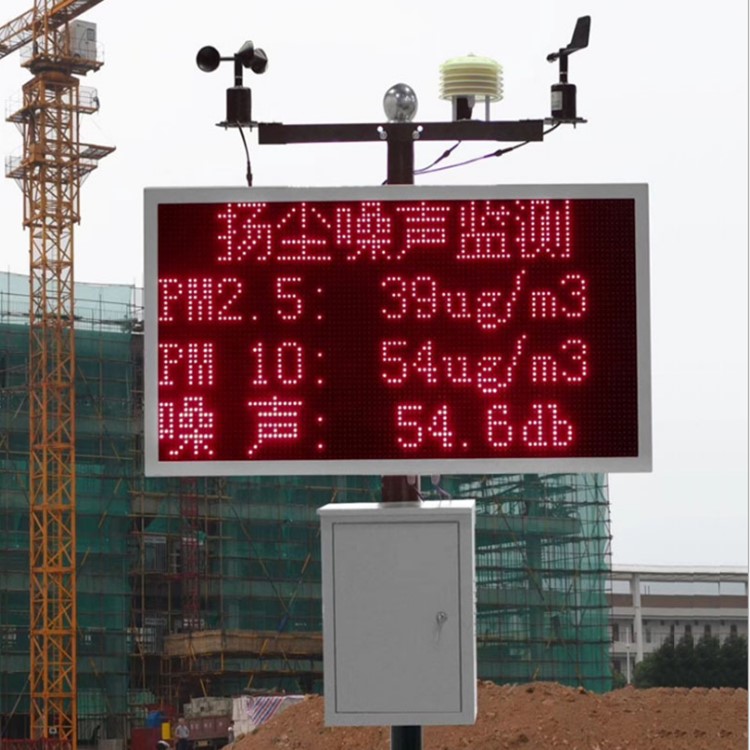
A9. Yes. It can be integrated into a construction-site dust monitoring system to record PM2.5 and PM10 concentrations. The complete station can also include noise, wind, temperature and humidity sensors.
A10. The sensor provides particulate concentration measurements. A connected controller, relay module or IoT platform can use these values to activate dust suppression equipment according to configured thresholds.
A11. Yes. A compatible data logger or IoT gateway can collect RS485 Modbus measurements and transmit them to a cloud platform or private server using the communication protocols supported by the gateway.
A12. The NBL-W-PM is suitable for continuous particulate monitoring and trend observation. Regulatory applications may require specific reference methods, performance verification, calibration procedures and approval documentation according to local requirements.
 NBL-W-PM25-PM10-Integrated-sensors-Manual.pdf
The NBL-W-PM PM2.5 & PM10 Particulate Matter Sensor provides integrated laser-scattering measurement with RS485 Modbus communication for environmental monitoring stations, construction dust monitoring, industrial facilities and air quality IoT projects.
For model selection and quotation, specify the measurement application, expected particulate concentration range, power supply, cable length, installation environment, quantity and the data logger, PLC or gateway that will receive the sensor data.
Prev:PAR Sensor RS485 Modbus for Greenhouse & Plant Growth | NBL-W-PARS
Next:7-in-1 Ultrasonic Weather Sensor with Rainfall & illuminance | NBL-W-71MUWS
Sensors & Weather Stations Catalog
 Agriculture Sensors and Weather Stations Catalog-NiuBoL.pdf
Weather Stations Catalog-NiuBoL.pdf
Agriculture Sensors Catalog-NiuBoL.pdf
Water Quality Sensor Catalog-NiuBoL.pdf
Related recommendations
 Wind Speed sensor Output Modbus/RS485/Analog/0-5V/4-20mA
 Tipping bucket rain gauge for weather monitoring auto rainfall sensor RS485/Outdoor/stainless steel
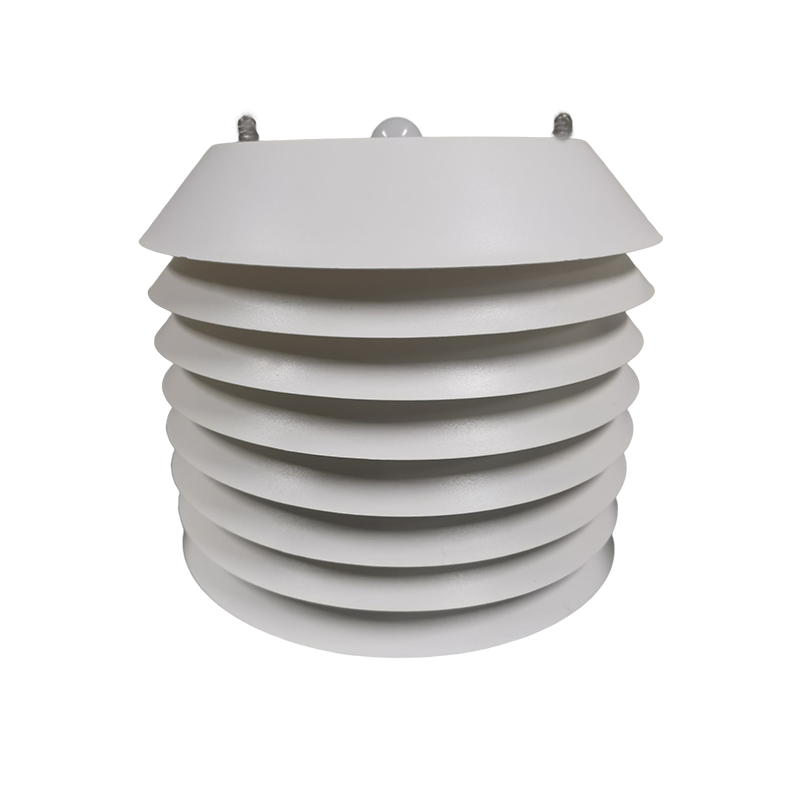 5-in-1 Temperature, Humidity, Air Pressure, Illumination, CO2 Sensor
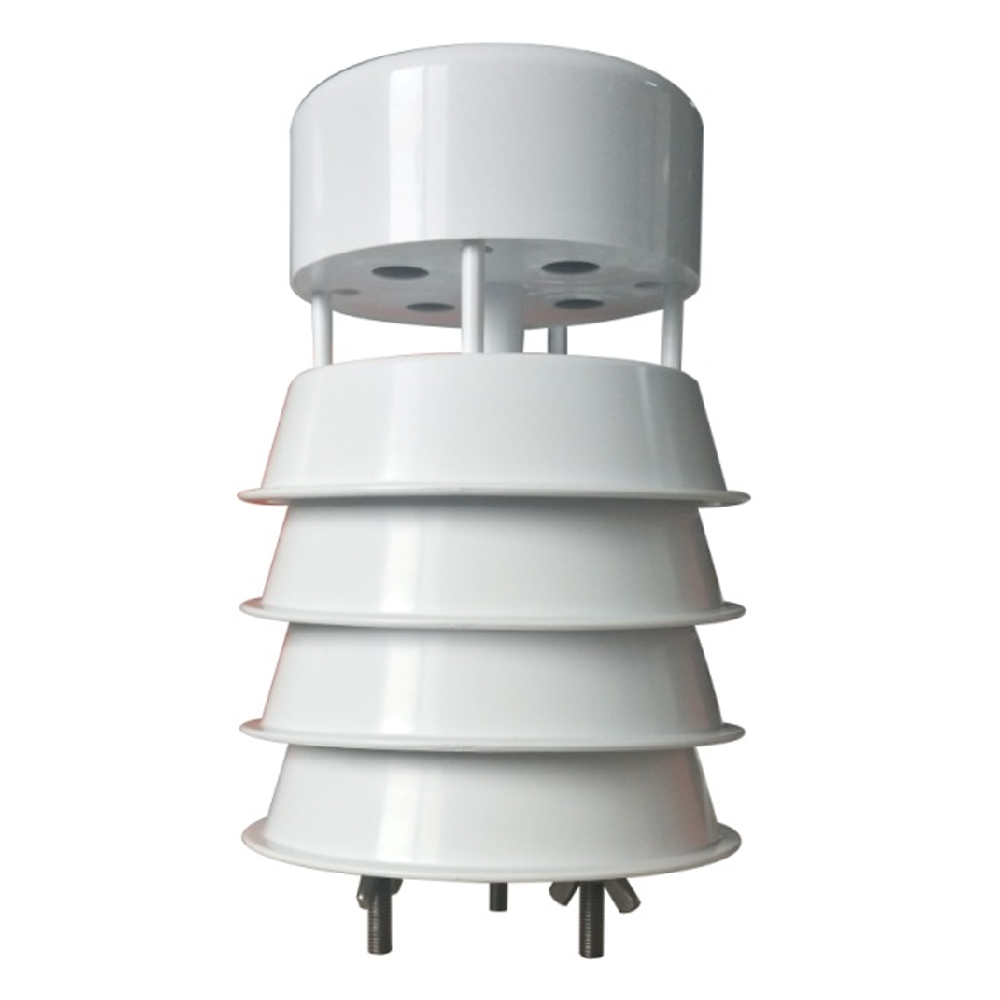 5-in-1 Ultrasonic Weather Station Sensor RS485 | NBL-W-51MUWS
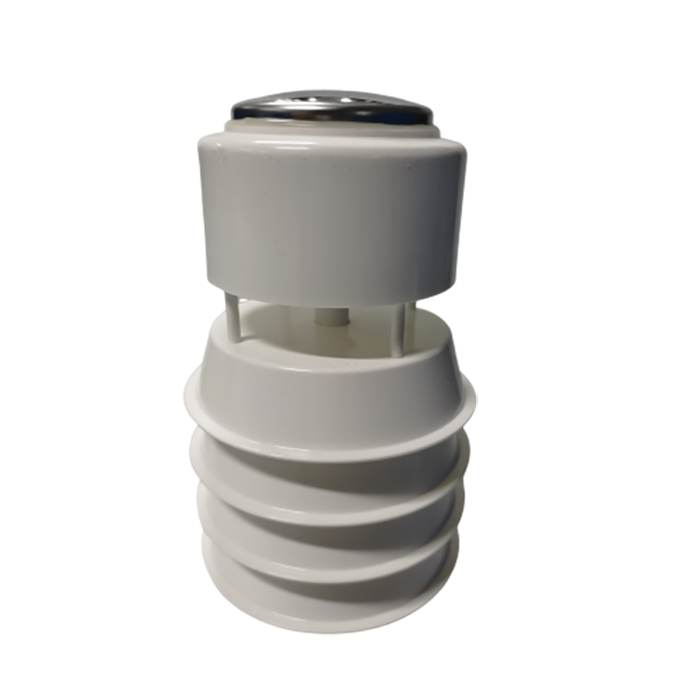 6-in-1 Ultrasonic Weather Station Sensor with Rainfall | NBL-W-61MUWS 7-in-1 Ultrasonic Weather Sensor with Rainfall & illuminance | NBL-W-71MUWS


Screenshot, WhatsApp to identify the QR code
WhatsApp number:+8615367865107
(Click on WhatsApp to copy and add friends)

