

— Blogs —
—Products—
 Consumer hotline +8618073152920
 WhatsApp:+8615367865107
Address:Room 102, District D, Houhu Industrial Park, Yuelu District, Changsha City, Hunan Province, China
Product knowledge
Time:2025-12-04 11:40:37 Popularity:772
Quick Answer: Forest fire weather station readings describe local weather conditions that contribute to wildfire risk assessment. They do not establish whether a fire has started or whether a route is safe. Interpret humidity, rainfall and wind together with observation time, station exposure, fuel conditions and the fire-weather method used by the responsible agency.
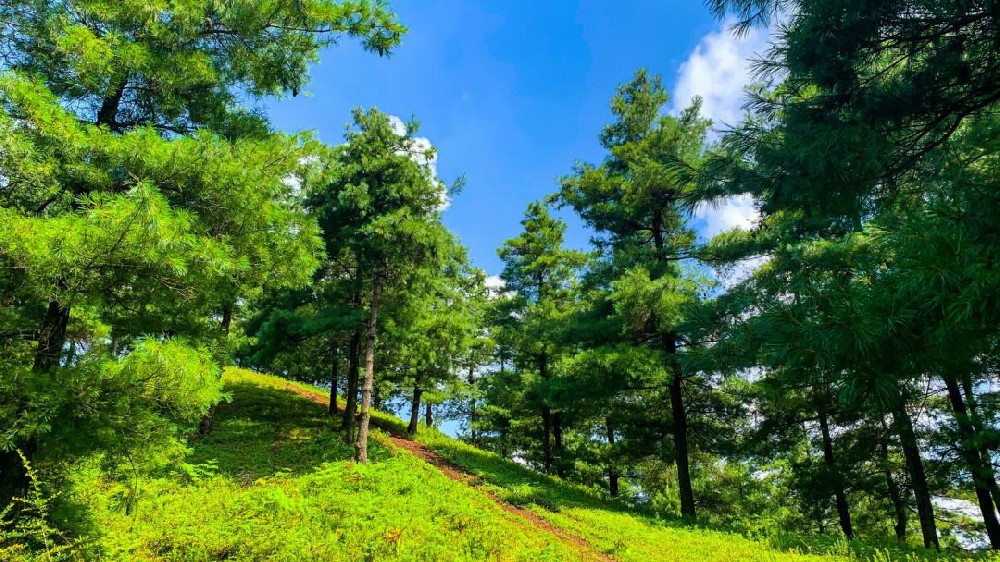
A display showing low humidity and rising wind can help a forest team prioritize attention. Its meaning still depends on whether the measurements are current, where the instruments stand and what assessment method produced the warning. A colored risk indicator without those details can conceal both a data fault and an unsuitable rule.
Separate three layers in the system. Instruments produce fire weather observations. An assessment method combines the required observations with other inputs. An operating procedure decides who reviews the result and what action follows. Keeping these layers separate makes an alert easier to explain and a fault easier to diagnose.
A NiuBoL station can provide configured weather measurements to a data logger and monitoring platform. A model, alarm service or separate detection device must be specified according to the project. Do not infer those functions from a display screen or from a general claim of real-time monitoring.
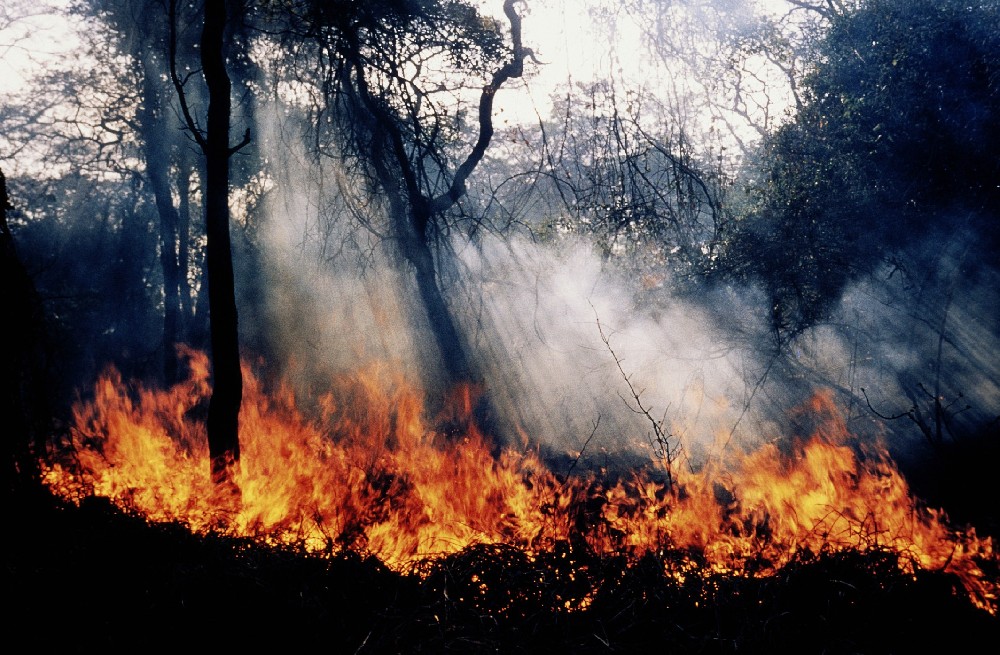
Forest humidity monitoring measures water vapor in air. Fuel moisture concerns water in vegetation or dead material. The quantities are related but are not interchangeable percentages. A reading of 30% RH does not mean that leaves, twigs or litter contain 30% moisture. The National Weather Service fire-weather glossary defines fuel moisture relative to the fuel's dry weight.
Dead fuels respond to moisture exchange and weather exposure; their response varies with the material and conditions. Sunlit and shaded locations can differ. For assessment methods needing a fuel-moisture input, use the required measurement or calculation rather than renaming an air-humidity channel.
Operationally, keep the observed RH separate from any derived fuel-moisture estimate in the dataset. Label the calculation and retain its inputs. This prevents a later report from presenting a modeled value as though a sensor measured it directly.
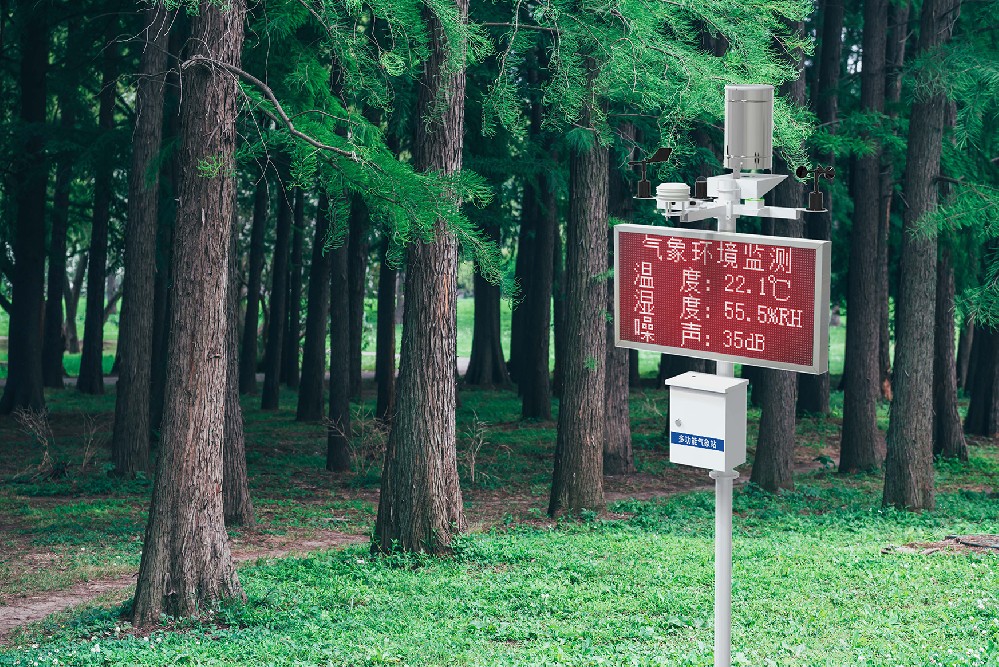
A station among trees may serve an under-canopy observation task, but that does not make it equivalent to an open fire-weather site. Nearby branches can shelter wind, shade instruments and affect rainfall catch. Decide which environment the record represents before comparing it with another station or a model input requirement.
For forest patrol planning, identify each station's location, elevation, surrounding canopy and instrument heights in the operating map. Preserve changes such as tree growth, thinning or relocation. A long-term trend can shift because the exposure changed, even when the sensor and communications remain functional.
Camera images can provide separate context, but their field of view and detection capability need their own assessment. A weather sensor does not detect ignition, and a camera installation does not make the weather measurement representative of every slope it can see.
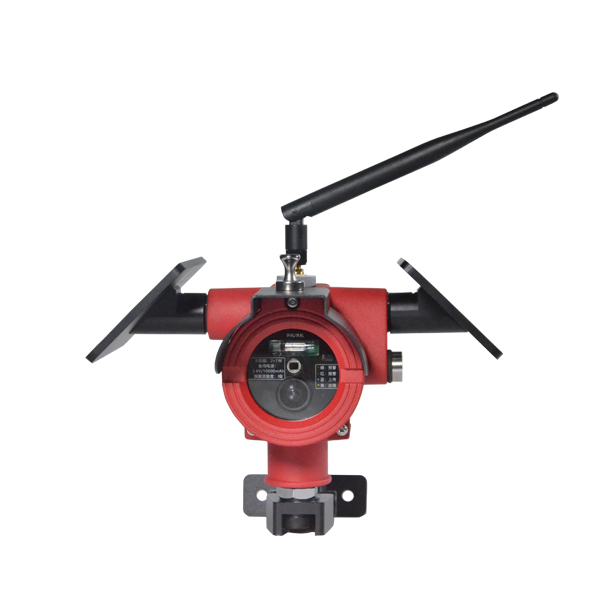
Rainfall history helps explain a weather sequence, but a single gauge describes precipitation at its own collector. It does not prove equal wetting across a forest. An open collector and the litter beneath dense canopy can experience different water input. Keep local inspection and the adopted assessment method in the interpretation.
A zero rainfall total needs a valid operating record. A blocked funnel, disconnected pulse input or missing interval can also produce a flat chart. Check when the gauge was last inspected and whether the logger recorded valid data through the period. Do not automatically convert a communications gap into zero rain.
Accumulation rules matter when data are compared. State the local day boundary, time zone and reset behavior. A storm spanning midnight may be divided between two daily totals, while a cumulative device counter needs interval differences. Mixing those formats can create an incorrect rainfall history without any sensor failure.
A rain-presence switch indicates wetness at the sensing surface; it does not measure accumulated rainfall. Even a measured shower is not, by itself, a universal all-clear condition. The responsible assessment procedure must determine how rainfall, prior conditions and fuel information affect the current risk.
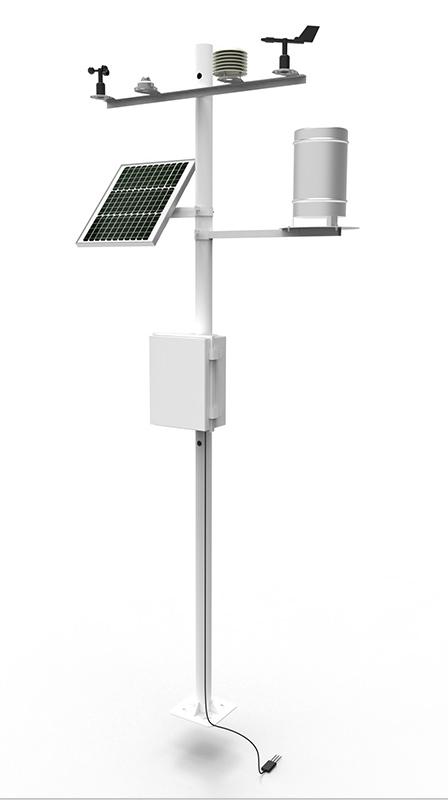
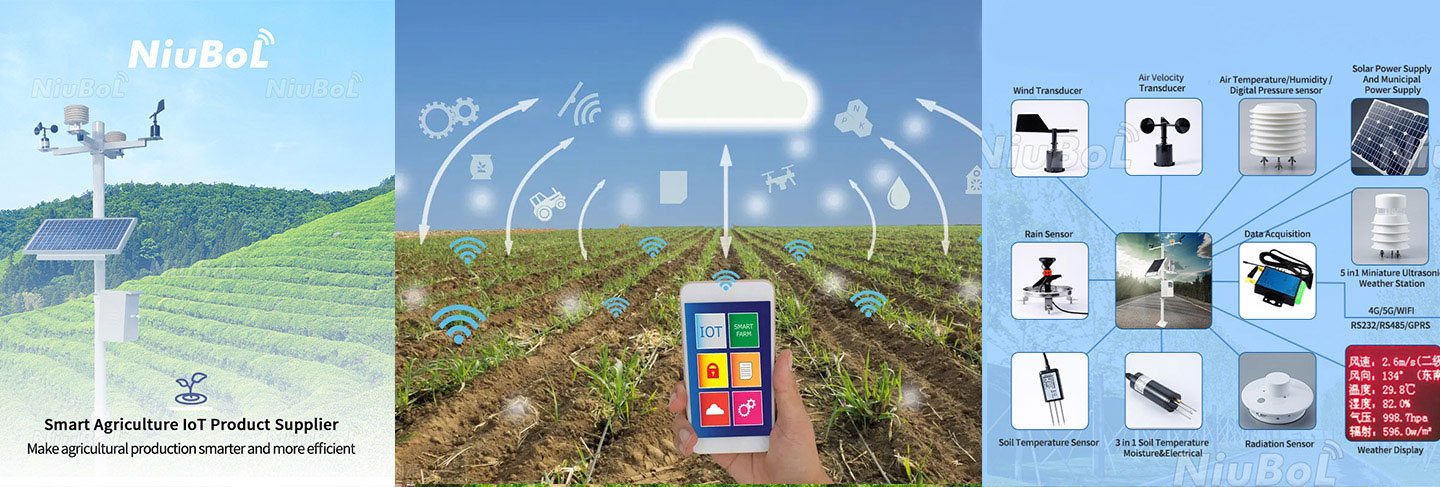
Modular stations can use separate wind, air and rainfall instruments. The following NiuBoL examples show why range, accuracy, output and environmental limits belong to the selected component rather than to a single headline station specification.
| Instrument | Measurement details | Reading consideration |
|---|---|---|
| NBL-W-SS wind speed | 0-45 or 0-70 m/s range; +/- (0.3 + 0.03V) m/s accuracy, where V is wind speed | Select the actual range and output; a display increment is not the full accuracy allowance. |
| NBL-W-LBTH air temperature / RH | -40 to 80 degrees C, +/-0.5 degrees C; 0-100% RH, +/-5% RH | These are air observations, not vegetation temperature or fuel moisture. |
| NBL-W-LBTH pressure | 10-1200 hPa; +/-1.5 hPa | Keep the recorded pressure definition consistent with the receiving method. |
| NBL-W-RS rainfall, 0.2 mm version | 0.2 mm per tip; +/-4% in the stated indoor static test at 2 mm/min; 0-50 degrees C operation | Do not extend the liquid-rain specification to unheated snow measurement. |
| Interfaces | Selected RS485 / Modbus RTU versions; pulse and analog alternatives depend on model | Match the logger to the supplied output rather than assuming all variants are digital. |
| Wind sensor housing | NBL-W-SS and NBL-W-DS: IP65 | Housing protection does not guarantee ice-free or unobstructed operation. |
The LBTH air sensor uses a 12-24 VDC supply configuration. Its serial communication requires the correct settings and register interpretation. Wind and rainfall outputs have their own wiring and supply choices. Confirm these at component level before attributing an implausible reading to weather.
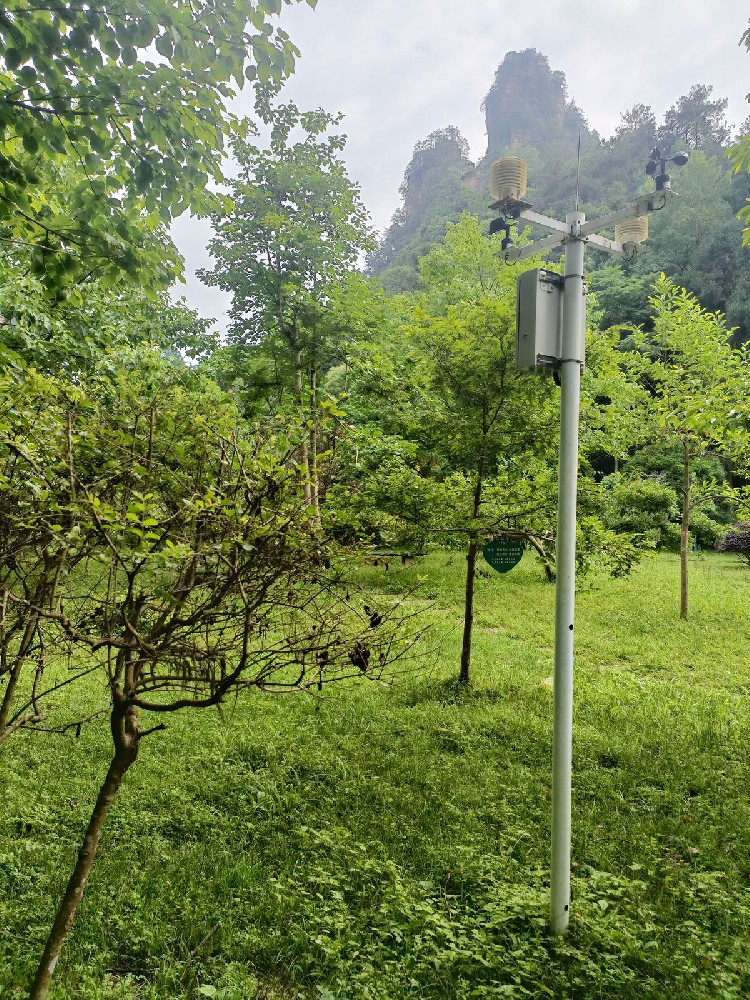
Meteorological wind direction normally states where the wind comes from. An arrow intended to show movement may point the other way. Label the convention in displays and exports so an operator does not reverse the meaning during an incident. The National Weather Service explanation of plotted weather symbols shows the wind-from convention.
Also distinguish a latest sample, a period mean and a gust statistic. A single transmitted sample cannot reconstruct the maximum wind experienced between reports. If the receiving assessment requires a particular averaging or gust method, configure and test that method instead of changing only the chart label.
Very low wind requires care when interpreting direction. A stationary vane is not evidence that meaningful airflow has continued from the same direction all night. Check the speed context and mark unavailable observations rather than allowing a stale direction to look authoritative.
In complex terrain, one station is not a complete map of airflow. Valley, slope and ridge conditions can differ, and local flow can change as heating and larger-scale winds interact. Local heating and cooling can produce slope winds, as defined in the fire-weather glossary. Use relevant forecasts and observations alongside the station record; do not treat one wind arrow as a guaranteed fire-spread direction.
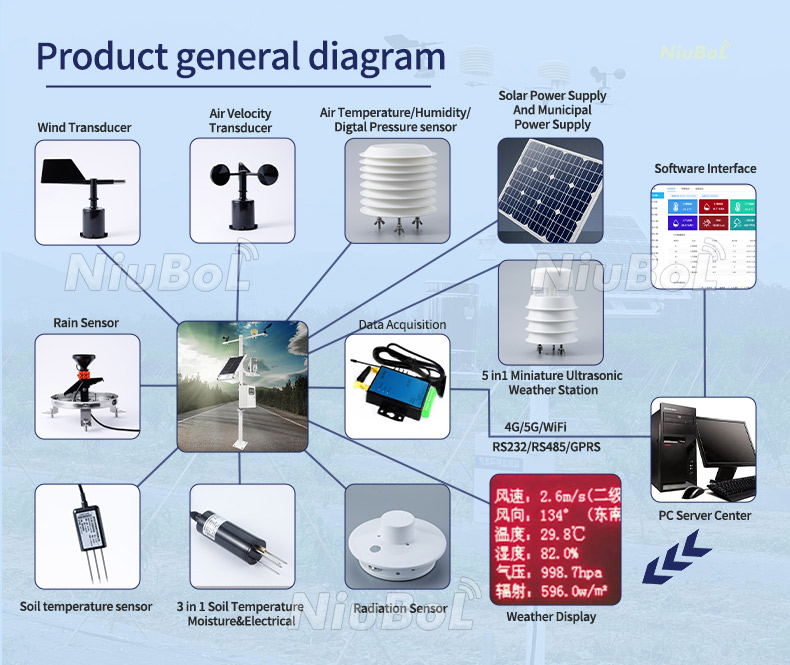
An operational display should make a missing or stale channel obvious. Show acquisition time, communication status and the measurements used in the assessment. If a required input is invalid, the system should identify the assessment as unavailable or degraded according to the adopted procedure, not quietly display a normal risk color.
When a warning appears, first verify the data sequence: is the humidity plausible, did wind change during the same interval, and is the rainfall record complete? Review a sudden step following maintenance or a logger restart before accepting it as an atmospheric change. Keep the measured values separate from threshold states.
For station outages after sunset, check the power sequence as well as cellular reception. Compare battery condition, panel shading and the loads operating overnight, especially any camera or display. A functioning solar panel during the day does not prove adequate overnight reserve. Do not promise a fixed number of autonomous days without the selected load and battery design.
Each alert should identify the station, observation interval, triggering condition and the person or team expected to review it. An acknowledgment confirms receipt, not that conditions have become safe. Keep any follow-up observation or equipment fault associated with the event so the warning history can be interpreted later.
Before deployment, ask the responsible agency which weather inputs, time conventions and assessment method it uses. Provide those requirements to NiuBoL together with site exposure, installation conditions and the destination platform. Select the acquisition and reporting configuration around that method. Software access, camera integration and custom interfaces belong in the agreed project scope, not in an assumed universal package.
No. Weather readings describe conditions relevant to risk. Fire detection needs a separately specified observation or detection process. A weather threshold alone is not proof of ignition.
No. Air humidity and fuel moisture are different quantities. Use the input required by the selected method and label any derived estimate separately from measured weather data.
No. Use the responsible agency's assessment procedure, including rainfall validity and the relevant preceding conditions. A wetness switch or isolated gauge total is not a universal all-clear signal.
Send the statistic the receiving method requires, with its observation period and direction convention. If gust information is needed, the logger must calculate or retain it appropriately; an occasional sample cannot replace it.
They may differ in canopy shelter, slope, elevation, exposure, instrument height or observation timing. Check those factors and instrument condition before treating the difference as a calibration fault.
Flag the observation and assessment according to the agreed operating procedure. Do not silently substitute zero or continue presenting an unchanged warning level as a current, complete assessment.
Provide the required observations and statistics, site map, exposure, power and communications conditions, destination interface and any separate camera requirement. State the intended assessment method so acquisition is configured correctly.
No. Local weather is only one input to operational judgment. Route decisions require the responsible emergency team's procedures and current incident information; a station reading cannot provide that guarantee.
Forest fire weather station readings are useful when their location, timing, validity and physical meaning remain clear. Interpret humidity, rainfall history and wind as observations, apply the appropriate assessment method separately, and give forest staff enough information to distinguish a genuine weather concern from a missing or faulty input.
Prev:Ultrasonic Weather Station for Transmission Line Monitoring
Next:Definition and Working Principle of Regional Automatic Weather Stations
Related recommendations
Sensors & Weather Stations Catalog
 Agriculture Sensors and Weather Stations Catalog-NiuBoL.pdf
Weather Stations Catalog-NiuBoL.pdf
Agriculture Sensors Catalog-NiuBoL.pdf
Water Quality Sensor Catalog-NiuBoL.pdf
Related products
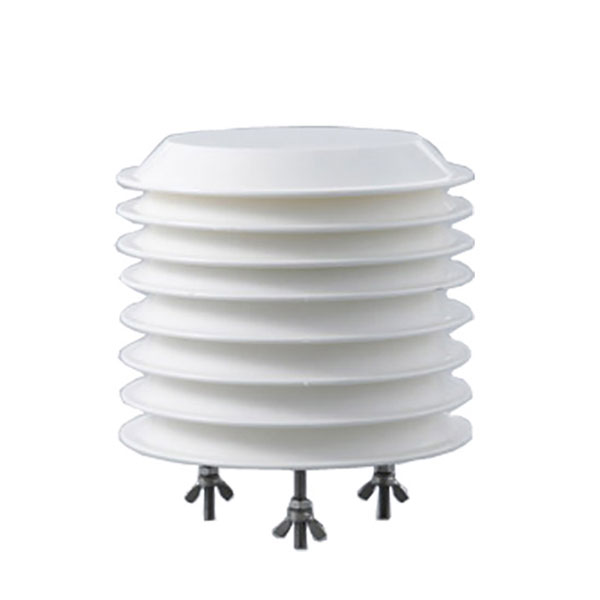 Combined air temperature and relative humidity sensor
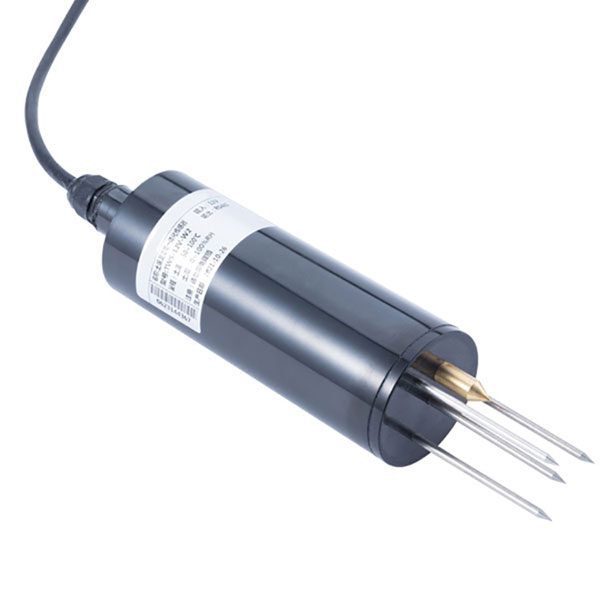 TDR Soil Moisture & Temperature Sensor for irrigation| RS485 |4-20mA| NBL-S-THR
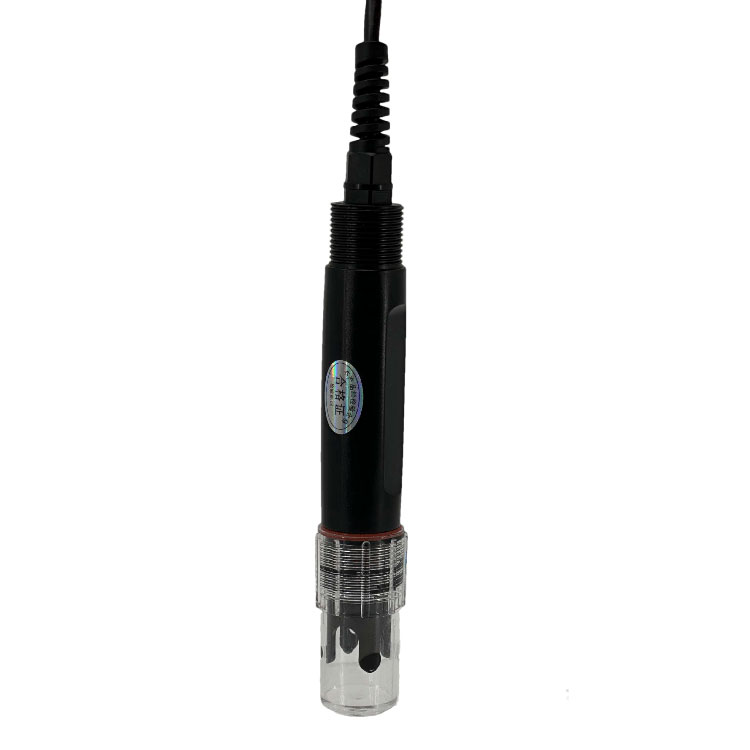 Soil pH sensor RS485 soil Testing instrument soil ph meter for agriculture |NBL-S-PH
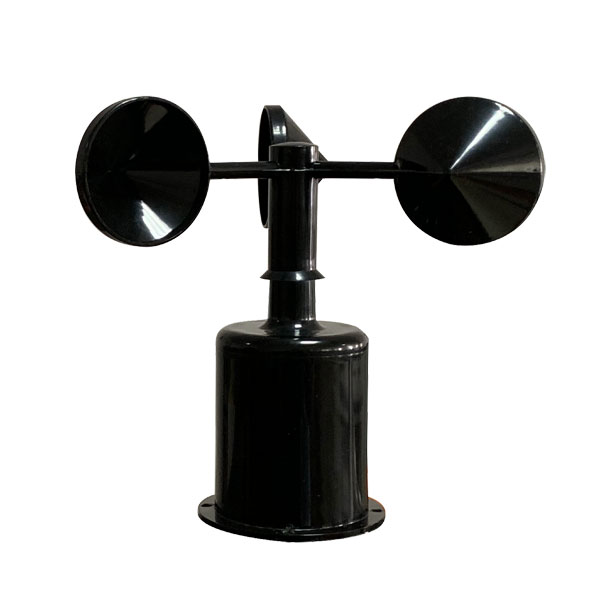 Wind Speed sensor Output Modbus/RS485/Analog/0-5V/4-20mA
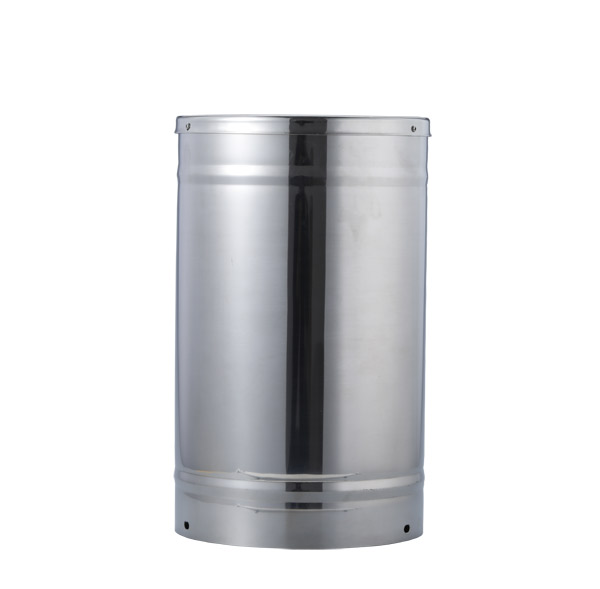 Tipping bucket rain gauge for weather monitoring auto rainfall sensor RS485/Outdoor/stainless steel
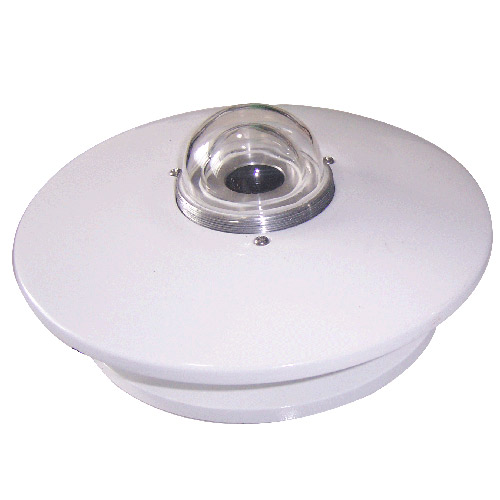 Pyranometer Solar Radiation Sensor 4-20mA/RS485
Screenshot, WhatsApp to identify the QR code
WhatsApp number:+8615367865107
(Click on WhatsApp to copy and add friends)