





— Blogs —
—Products—
 Consumer hotline +8618073152920
 WhatsApp:+8615367865107
Address:Room 102, District D, Houhu Industrial Park, Yuelu District, Changsha City, Hunan Province, China
Product knowledge
Time:2026-09-02 17:00:00 Popularity:192
The purchasing risk around online pH monitoring is easy to miss because industrial neutralization and irrigation management use pH for different decisions and expose probes to different matrices.
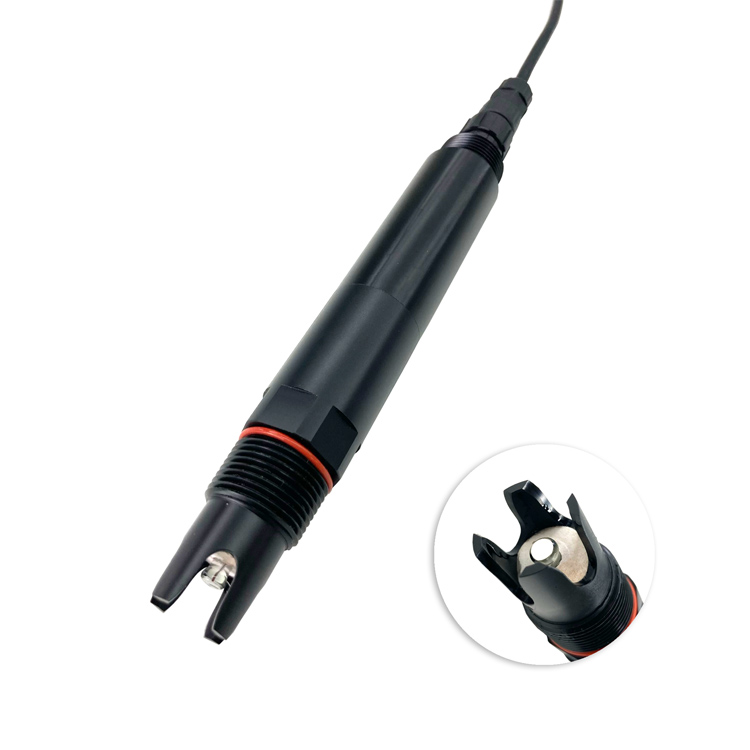
Procurement should enable the team to specify chemical compatibility, flow condition, soil or fertilizer influence and control output by application. That requires a clear measuring point, integration boundary and acceptance method, while recognizing that one alarm range should not be copied across process water, irrigation and aquaculture projects.
Industrial systems may need rapid response near dosing while protecting the sensor from unmixed chemical slugs.
Agricultural water decisions often combine pH with conductivity, temperature and fertilizer concentration.
Maintenance frequency depends on coating, biological growth and mineral deposition at the actual site.
Together, these conditions define the engineering question for industrial and agricultural water: whether the proposed measurement and system scope can specify chemical compatibility, flow condition, soil or fertilizer influence and control output by application.
| Project item | What the specification should state |
|---|---|
| Operating problem | Industrial neutralization and irrigation management use pH for different decisions and expose probes to different matrices. |
| Required decision | Specify chemical compatibility, flow condition, soil or fertilizer influence and control output by application. |
| Method boundary | One alarm range should not be copied across process water, irrigation and aquaculture projects. |
| Minimum evidence for online pH monitoring | Matched readings, installation record, units, timestamps and a documented acceptance method for the operational monitoring point. |
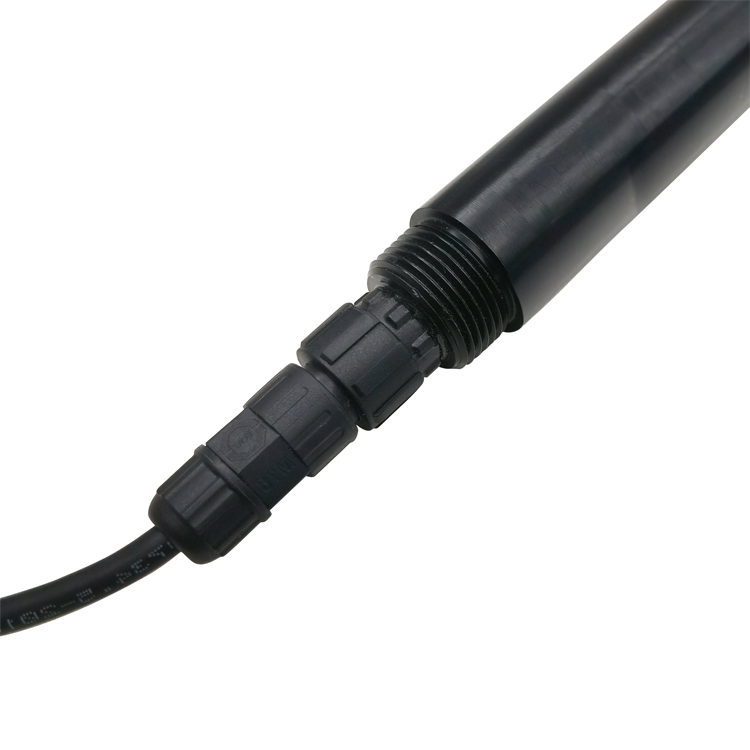
Field challenge: Industrial systems may need rapid response near dosing while protecting the sensor from unmixed chemical slugs. At this stage, the engineering risk is that industrial neutralization and irrigation management use pH for different decisions and expose probes to different matrices.
Selection of Online pH Monitoring for Industrial and Agricultural Water should begin with the measurement duty, site condition and receiving-system interface. System integration: The integrator and owner need to measure the water before local treatment or storage changes it and record the operating cycle that explains normal variation.
User value: The owner receives a baseline that separates incoming and local causes. This creates a documented basis for the decision to specify chemical compatibility, flow condition, soil or fertilizer influence and control output by application.
Field challenge: Agricultural water decisions often combine pH with conductivity, temperature and fertilizer concentration. At this stage, the engineering risk is that site conditions can alter the operational monitoring point before the operator sees it.
System integration: The integrator and owner need to put the sensor where its result can still help the operator to specify chemical compatibility, flow condition, soil or fertilizer influence and control output by application, with access for cleaning and a reference sample.
User value: The owner receives data connected to a practical operating action. This reduces exposure to the stated problem: industrial neutralization and irrigation management use pH for different decisions and expose probes to different matrices.
Field challenge: Maintenance frequency depends on coating, biological growth and mineral deposition at the actual site. At this stage, the engineering risk is that one alarm range should not be copied across process water, irrigation and aquaculture projects.
The required class of Online pH Monitoring for Industrial and Agricultural Water depends on whether the project needs continuous data, remote alarms or documented handover records. System integration: The integrator and owner need to test the alarm during the seasonal, loading or weather condition most likely to create the stated project risk.
User value: The owner receives an alarm plan tested against credible site conditions. The conclusion remains subject to this stated constraint: one alarm range should not be copied across process water, irrigation and aquaculture projects.
For online pH monitoring, the table uses the current NBL-WQ-pH pH sensor manual as a verified reference. It defines a realistic engineering option for industrial and agricultural water; it does not remove the project constraint described above. In the Online pH Monitoring for Industrial and Agricultural Water acceptance plan, model approval, range and accessories should be confirmed against the quotation and project water data.
| Parameter | Verified reference |
|---|---|
| Reference model | NBL-WQ-pH |
| Range / resolution | 0-14 pH / 0.01 pH |
| Accuracy — online pH monitoring | +/-0.1 pH; temperature +/-0.3 deg C |
| Compensation — online pH monitoring | NTC automatic temperature compensation |
| Output | RS485, Modbus RTU |
| Power | 12-24 VDC; 0.2 W at 12 V |
| Working condition — online pH monitoring | 0-65 deg C; below 0.2 MPa |
| Protection / material — online pH monitoring | IP68; POM wetted body |
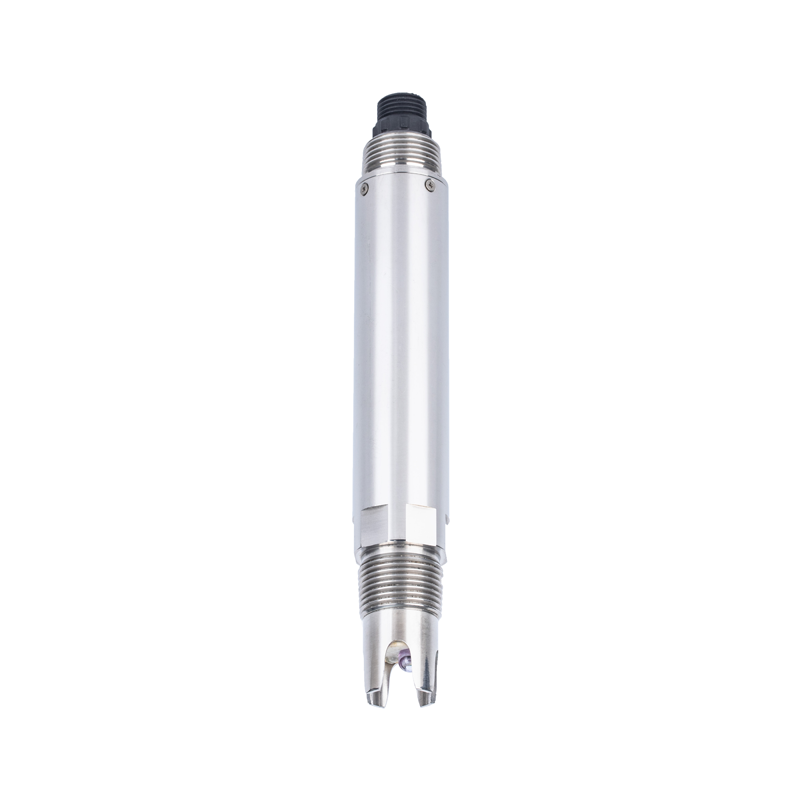
| Installation | Immersion, 3/4 NPT |
| Cable | 5 m standard; customizable |
For work in industrial and agricultural water, nominal accuracy is only one part of suitability.
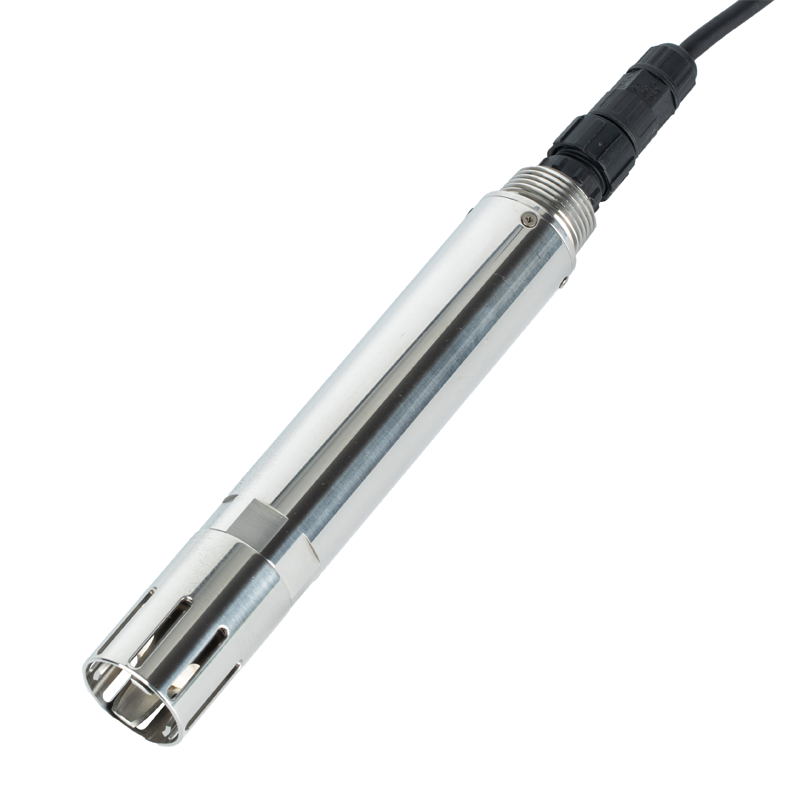
In a NiuBoL project, the pH electrode creates the field value. For the Online pH Monitoring for Industrial and Agricultural Water measuring point, the controller applies units and scaling, while the PLC, RTU or logger transfers status and readings to the operating platform. The purchase order for online pH monitoring should assign every system layer to a named supplier.
When integrating Online pH Monitoring for Industrial and Agricultural Water, a Modbus connection is complete only after the integrator verifies serial settings, register meaning, units and timeout behavior. Cable routing, earthing and surge protection for the industrial and agricultural water point remain field-installation responsibilities.
At transfer to operations, read one value at the sensor, controller and platform. Matching units and timestamps across all three points is a simple but effective integration test.
Before comparing models, classify the point as an indicator, alarm, compliance-support or control measurement. Add expected values and matrix conditions from industrial and agricultural water rather than relying on a generic application label.
The proposed scope has one unresolved constraint: one alarm range should not be copied across process water, irrigation and aquaculture projects. Within the Online pH Monitoring for Industrial and Agricultural Water supply scope, close that gap with the appropriate reference method, companion parameter, sample conditioning or operating procedure before hardware approval.
Normalize the commercial comparison around one complete measuring point. List sensor, mechanical installation, panel interface, calibration accessories, spares and support separately before comparing totals. Installation quality is part of measurement quality for Online pH Monitoring for Industrial and Agricultural Water, so exposure and service access must be checked together.
Define the complete duty for the pH electrode: matrix and range, location, mechanical arrangement, electrical interface, communication, quantity and acceptance purpose. The online pH monitoring offer should identify every missing site input as an explicit assumption.
State Incoterm or destination expectation, quantity, document set, spare policy and whether remote or site commissioning is required. In the Online pH Monitoring for Industrial and Agricultural Water acceptance plan, supplier lead time should identify any custom cable, material or output option. At this industrial and agricultural water point, remember that industrial neutralization and irrigation management use pH for different decisions and expose probes to different matrices.
The main commercial risk is not simply an inaccurate reading. If industrial neutralization and irrigation management use pH for different decisions and expose probes to different matrices, the owner may approve a design or operating response that cannot specify chemical compatibility, flow condition, soil or fertilizer influence and control output by application.
For online pH monitoring, a repeat order is reliable only when range, material, output, cable and accessories match the original duty.
A neutralization loop needs fast feedback after adequate mixing, protection from concentrated dosing slugs and a documented control fallback. Irrigation water is usually assessed with conductivity, temperature and fertilizer context, and its acceptable operating band depends on crop, substrate and nutrient program. The same 0-14 pH range does not make the two installations equivalent.
For industrial acceptance, test response after a controlled dosing change and verify output scaling at the PLC. For agricultural use, compare representative source and mixed-fertilizer water and document seasonal cleaning caused by biofilm or mineral deposition. Quotations should separate these accessories and commissioning duties.
A1: The data should help the site to specify chemical compatibility, flow condition, soil or fertilizer influence and control output by application. Each alarm needs an owner, a response time and a follow-up check; otherwise the parameter adds maintenance without a defined project benefit.
A2: Place them before and after the treatment or storage step that can change the water, then add a downstream risk point. Hydraulic representativeness matters more than cabinet convenience.
A3: Temperature, pressure, salinity, solids, biofouling, sunlight, access, power stability and cleaning opportunity can change the sensing method, body material, enclosure and maintenance plan.
A4: Verify the online pH monitoring interface end to end: wiring, device address, baud rate, parity, register address, data type, scaling and engineering unit. During online pH monitoring acceptance, compare the local value with the PLC, RTU or logger value and retain the tested register map.
A5: For Online pH Monitoring for Industrial and Agricultural Water, use the same location and time after stabilization. When integrating Online pH Monitoring for Industrial and Agricultural Water, record sample handling, temperature, units, method and uncertainty; one unmatched grab sample is not enough to approve or reject an online point. The acceptance record must also state this project constraint: one alarm range should not be copied across process water, irrigation and aquaculture projects.
A6: The cited product family includes 0-14 pH / 0.01 pH. This is a manual-based reference, not automatic model approval; routine values, credible peaks and the water matrix still control final selection. For context, Industrial systems may need rapid response near dosing while protecting the sensor from unmixed chemical slugs.
A7: Within the Online pH Monitoring for Industrial and Agricultural Water supply scope, separate the sensor, holder or flow cell, cable options, controller, gateway, cabinet, calibration items, consumables, spares, documentation, commissioning and freight. This prevents a smaller supply scope from appearing cheaper than a complete point. This requirement helps the team specify chemical compatibility, flow condition, soil or fertilizer influence and control output by application.
A8: In the Online pH Monitoring for Industrial and Agricultural Water acceptance plan, send water data, photographs or drawings, required output, cable distance, quantity, destination and schedule. Include the current problem: industrial neutralization and irrigation management use pH for different decisions and expose probes to different matrices. For the Online pH Monitoring for Industrial and Agricultural Water measuring point, that detail lets engineering review suitability before price is issued.
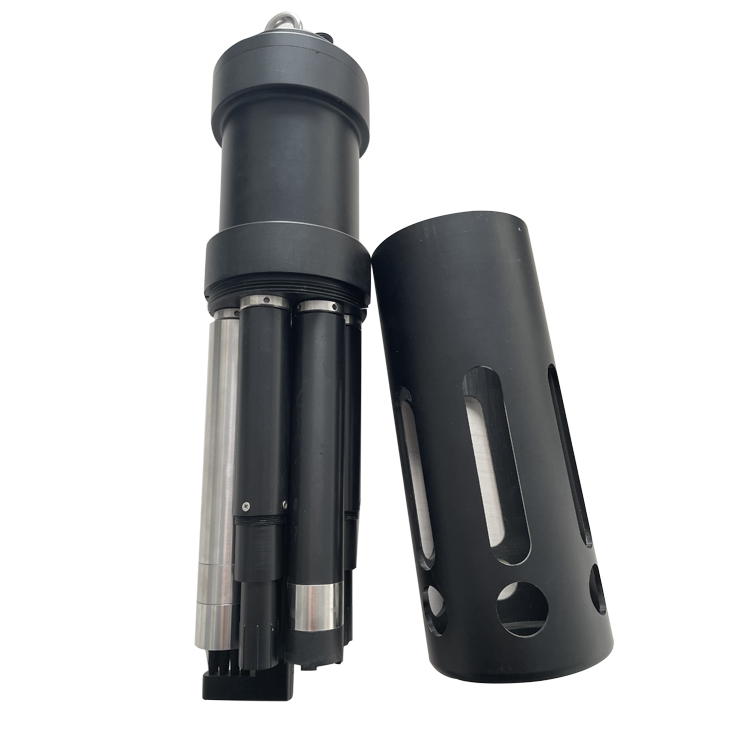
A final specification addressing online pH monitoring should connect site conditions to an operator decision and an acceptance test. Its purpose is to specify chemical compatibility, flow condition, soil or fertilizer influence and control output by application; its limit is that one alarm range should not be copied across process water, irrigation and aquaculture projects.
When integrating Online pH Monitoring for Industrial and Agricultural Water, to obtain a project-specific NiuBoL offer, attach representative water data and the intended installation and control boundary. Separate hardware, accessories, spares and support so the commercial comparison remains traceable. This requirement helps the team specify chemical compatibility, flow condition, soil or fertilizer influence and control output by application.
Prev:Online Water pH Meter Selection: Electrode, Range, Output and Maintenance
Next:Water Supply Network Monitoring: Instrument Layout and Data Integration
Related recommendations
Sensors & Weather Stations Catalog
 Agriculture Sensors and Weather Stations Catalog-NiuBoL.pdf
Weather Stations Catalog-NiuBoL.pdf
Agriculture Sensors Catalog-NiuBoL.pdf
Water Quality Sensor Catalog-NiuBoL.pdf
Related products
 Combined air temperature and relative humidity sensor
 TDR Soil Moisture & Temperature Sensor for irrigation| RS485 |4-20mA| NBL-S-THR
 Soil pH sensor RS485 soil Testing instrument soil ph meter for agriculture |NBL-S-PH
 Wind Speed sensor Output Modbus/RS485/Analog/0-5V/4-20mA
 Tipping bucket rain gauge for weather monitoring auto rainfall sensor RS485/Outdoor/stainless steel
 Pyranometer Solar Radiation Sensor 4-20mA/RS485

Screenshot, WhatsApp to identify the QR code
WhatsApp number:+8615367865107
(Click on WhatsApp to copy and add friends)

