





— Products —
 Consumer hotline +8618073152920
WhatsApp:+8615367865107
Address:Room 102, District D, Houhu Industrial Park, Yuelu District, Changsha City, Hunan Province, China
Water Quality Sensors
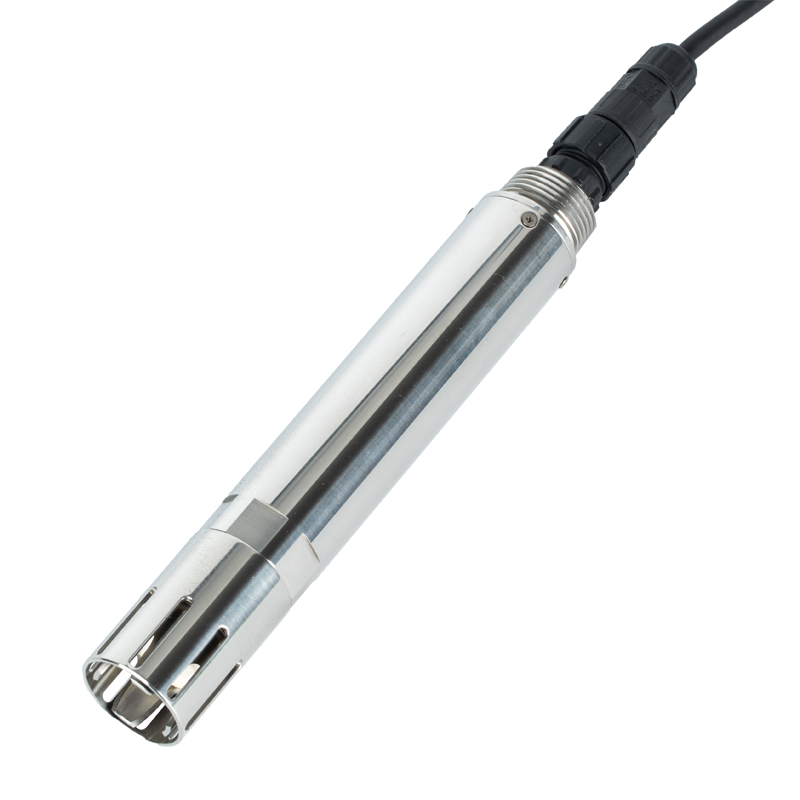
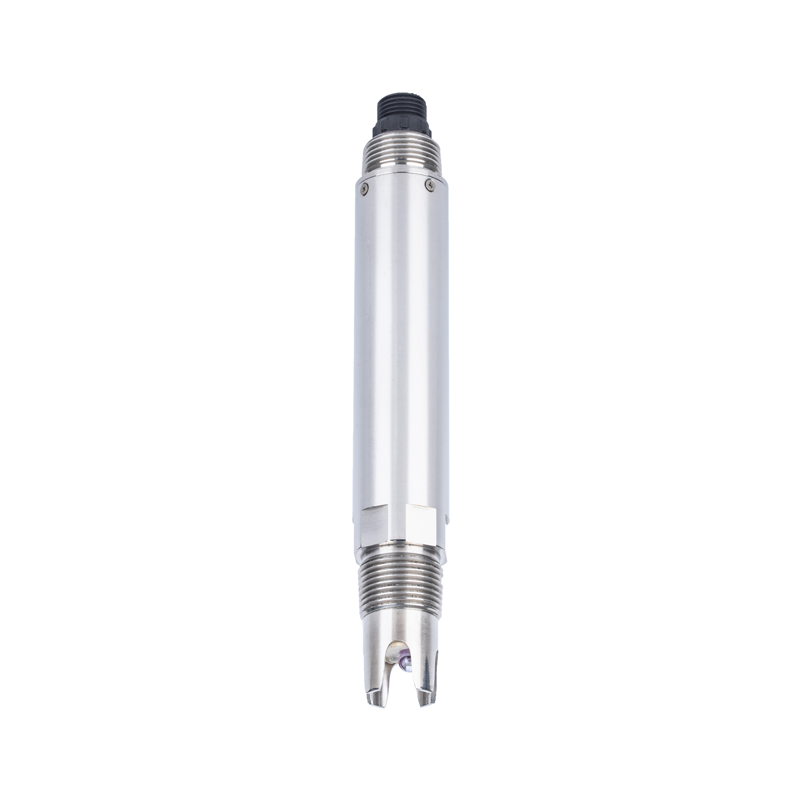
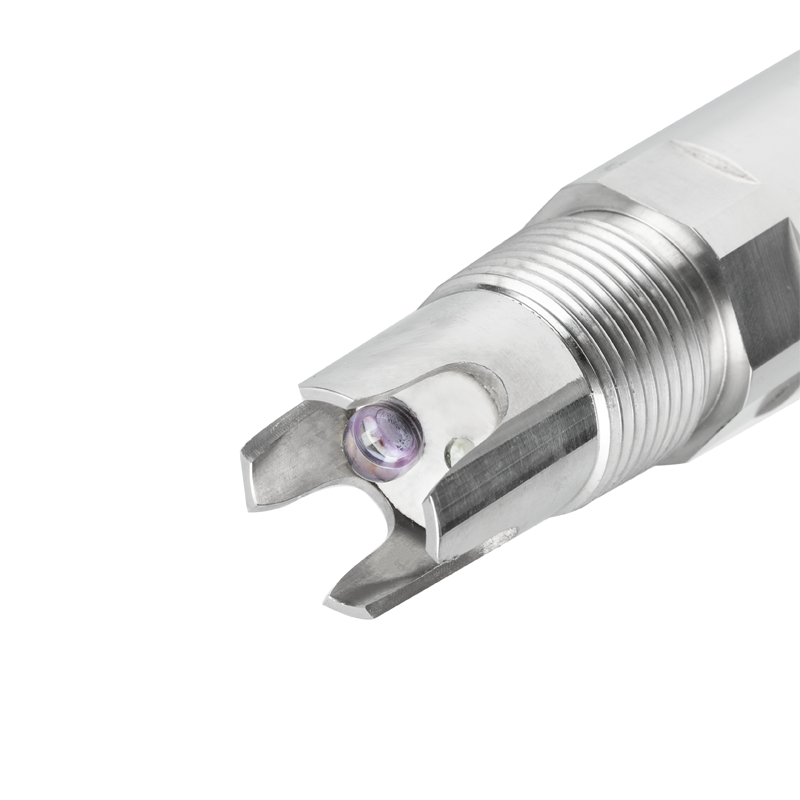
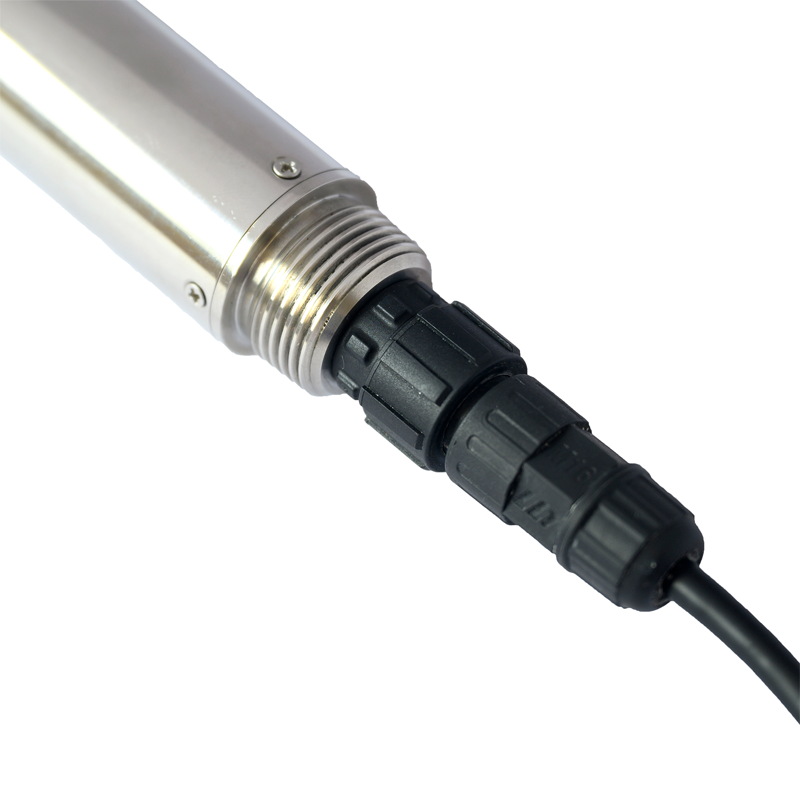
NiuBoL NBL-WQ-PH-4 online pH sensor adopts glass electrode method with a patented reference system that lasts more than 20 months. It supports RS-485 Modbus/RTU protocol and is easy to integrate into PLC, DCS and IoT systems. It is suitable for online pH monitoring in industrial water treatment, wastewater treatment and chemical processes.
Tel/WhatsApp:+8615367865107
Email:Arvin@niubol.com +Nearly 100 partner companies in more than 75 countries. We are committed to providing high-quality, practical products to meet your needs and help you solve problems. Our products comply with international standards and are certified with ISO, CE and RoHS.Product Details
The NiuBoL NBL-WQ-PH-4 is an industrial online pH sensor designed for continuous water quality monitoring in wastewater treatment, industrial process water, chemical production, environmental monitoring and acid-base neutralization systems.
Based on the glass electrode measurement principle, the sensor measures pH from 0 to 14.00 with 0.01 pH resolution and ±0.1 pH accuracy. It incorporates automatic NTC temperature compensation and an RS485 Modbus RTU interface for integration with compatible PLCs, DCS systems, RTUs and data loggers.
The NBL-WQ-PH-4 series includes two configurations: NBL-WQ-PH-4A with POM wetted materials and NBL-WQ-PH-4S with POM and 316L stainless steel construction. Both configurations support 12–24 VDC power, IP68 protection and a 3/4-inch NPT mounting connection.

Glass electrode measurement: Designed for continuous pH monitoring in suitable water and industrial process applications.
Wide pH measurement range: 0–14.00 pH with 0.01 pH resolution.
Specified accuracy: ±0.1 pH, with temperature measurement accuracy of ±0.3°C.
Microporous salt-bridge reference system: Supports the electrochemical reference measurement used by the glass electrode.
High-impedance signal processing: Dual high-impedance differential amplifier design for processing the electrode signal.
Automatic temperature compensation: Integrated NTC temperature sensing element.
RS485 Modbus RTU: Digital communication for compatible PLCs, DCS systems, RTUs and data loggers.
Optional 4–20 mA output: Available as an alternative output configuration.
Two housing configurations: NBL-WQ-PH-4A and NBL-WQ-PH-4S for different material requirements.
IP68 protection: Suitable for compatible immersion installations within the operating limits.
Two-point calibration: Supports pH 6.86 zero-point calibration and pH 4.00 or 9.18 slope calibration.
Industrial power supply: 12–24 VDC with 0.2 W power consumption at 12 VDC.
| Technical Parameter | Specification |
|---|---|
| Product Identification and Measurement | |
| Brand | NiuBoL |
| Model | NBL-WQ-PH-4A / NBL-WQ-PH-4S |
| Product Type | Industrial Online Water Quality pH Sensor |
| Measurement Principle | Glass Electrode Method |
| Measurement Range | 0–14.00 pH |
| pH Resolution | 0.01 pH |
| pH Accuracy | ±0.1 pH |
| Temperature Accuracy | ±0.3°C |
| Temperature Compensation | Automatic, NTC |
| Calibration | Two-Point Calibration |
| Calibration Buffer Solutions | pH 6.86, 4.00 and 9.18 |
| Electrical and Communication Specifications | |
| Standard Signal Output | RS485 Modbus RTU |
| Optional Signal Output | 4–20 mA |
| Power Supply | 12–24 VDC |
| Power Consumption | 0.2 W @ 12 VDC |
| Default Modbus Address | 3 |
| Default Baud Rate | 9600 bps |
| Serial Format | 8 Data Bits, No Parity, 1 Stop Bit |
| Modbus Read Function | 03 |
| Modbus Write Function | 06 |
| Configurable Device Address | 1–255 |
| Mechanical and Environmental Specifications | |
| Operating Temperature | 0–65°C |
| Operating Pressure | <0.2 MPa |
| Storage Temperature | −5 to 65°C |
| NBL-WQ-PH-4A Wetted Material | POM |
| NBL-WQ-PH-4S Housing Materials | POM and 316L Stainless Steel |
| Protection Rating | IP68 |
| Installation Method | Immersion or Compatible Threaded Installation |
| Mounting Connection | 3/4-inch NPT |
| Installation Orientation | At Least 15° Inclination; Not Horizontal or Inverted |
| Electrical Connector | M16, 5-Core Waterproof Male Connector |
| Standard Cable Length | 5 m, Customizable |
Measurement accuracy: The pH accuracy is ±0.1 pH, while 0.01 pH represents the measurement resolution. The resolution does not indicate a measurement accuracy of ±0.01 pH.
Output configuration: RS485 Modbus RTU is the standard output. A 4–20 mA output is optional. Specify the required output interface when ordering.
The NBL-WQ-PH-4 series includes two housing configurations. Both models use the glass electrode measurement principle and share the principal measurement, communication and environmental specifications.
| Parameter | NBL-WQ-PH-4A | NBL-WQ-PH-4S |
|---|---|---|
| Product Type | Online pH Sensor | Online pH Sensor |
| Housing / Wetted Materials | POM | POM and 316L Stainless Steel |
| pH Range | 0–14.00 | 0–14.00 |
| pH Accuracy | ±0.1 pH | ±0.1 pH |
| Temperature Compensation | NTC | NTC |
| RS485 A Wire | Blue | Blue |
| RS485 B Wire | White | Green |
| Protection Rating | IP68 | IP68 |
| Standard Output | RS485 Modbus RTU | RS485 Modbus RTU |
The appropriate model should be selected according to the water composition, housing-material compatibility, mounting arrangement and project requirements.
The NBL-WQ-PH-4 uses a glass electrode and a reference electrode system to measure the acidity or alkalinity of an aqueous solution.
The pH-sensitive glass membrane develops an electrochemical potential associated with hydrogen ion activity in the measured liquid. The sensor measures the potential difference between the glass sensing electrode and the reference electrode.
Its electronic circuit processes the electrode signal and converts it into a calibrated pH value.
The reference electrode incorporates a microporous salt-bridge arrangement to maintain the electrochemical reference connection with the measured liquid.
A dual high-impedance differential amplifier design is used for processing the electrode signal. Appropriate cable routing, shielding and grounding are important for installation in electrically noisy industrial environments.
The sensor also incorporates an NTC temperature element for automatic temperature compensation.
Temperature compensation corrects the temperature-dependent electrode response. It does not mean that the actual pH of every solution remains constant when the temperature changes.

Continuous pH monitoring is used in wastewater treatment processes to observe acidity and alkalinity conditions.
The NBL-WQ-PH-4 can provide pH and temperature measurements to a compatible monitoring system at suitable treatment locations, including neutralization tanks, process tanks and selected water outlets.
When integrated with an appropriate controller, pH measurements may be used as an input for acid or alkaline dosing control.
The sensor itself provides measurement data. Automatic dosing requires a separate controller, dosing equipment and suitable process safeguards.
Industrial chemical processes may require continuous pH observation during neutralization, mixing and reaction stages.
The NBL-WQ-PH-4 can be used where the process temperature, pressure and chemical conditions are compatible with the selected sensor configuration.
Before installation in aggressive chemicals, evaluate the chemical compatibility of the glass membrane, reference system, seals and housing materials.
pH is a fundamental water quality parameter in rivers, lakes, reservoirs and environmental monitoring systems.
The sensor can connect to an RS485-compatible data logger or RTU for continuous data acquisition.
Suitable installation locations should provide representative water conditions and allow access for cleaning, inspection and calibration.
pH monitoring may be relevant to fermentation, process-water treatment and selected food and beverage production operations.
The appropriate sensor configuration depends on the liquid composition, cleaning requirements, operating temperature and applicable hygiene conditions.
Specialized sanitary or hygienic process requirements must be evaluated separately.
pH is one of the parameters monitored in industrial circulating-water and cooling-water systems.
The NBL-WQ-PH-4 can provide online pH data at compatible sampling points.
For high-temperature or high-pressure process streams, use a suitable sampling arrangement that maintains the sensor within its specified operating limits.
Wastewater from papermaking, textile manufacturing and dyeing processes can experience significant pH changes.
The NBL-WQ-PH-4 can support continuous pH observation in compatible treatment systems, helping operators evaluate process conditions and treatment adjustments.
The NBL-WQ-PH-4 supports compatible immersion, tank and threaded installation arrangements using a 3/4-inch NPT connection.
The sensor must not be installed horizontally or upside down. Maintain an inclination of at least 15 degrees from horizontal, with the sensing end directed downward.
The glass measuring membrane and reference junction must remain in contact with representative water during normal measurement.
Select a representative monitoring location.
Maintain an installation inclination of at least 15 degrees.
Do not install the sensor horizontally or inverted.
Keep the glass electrode and reference junction sufficiently immersed.
Ensure that approximately one-third of the probe is immersed where the installation arrangement permits.
Avoid trapped air bubbles around the sensing membrane.
Protect the glass electrode against mechanical impact.
Keep operating temperature within 0–65°C.
Maintain operating pressure below 0.2 MPa.
Provide suitable mounting hardware and access for maintenance.
Prevent excessive tension on the electrical cable.
Waterproof all external electrical connections.
For pressurized process installations, confirm the pressure acting on the sensor. A threaded connection does not increase the stated pressure rating.
Both models use a 12–24 VDC power supply and provide RS485 Modbus RTU communication as the standard interface.
The RS485 B wire color differs between the two models. Use the connection assignment for the actual sensor model.
| Function | NBL-WQ-PH-4A | NBL-WQ-PH-4S |
|---|---|---|
| Power Positive | Red | Red |
| Ground | Black | Black |
| RS485 A | Blue | Blue |
| RS485 B | White | Green |
| Optional Current Output | Yellow | Yellow |
Check the power and signal connections before applying voltage. Incorrect wiring may prevent communication or damage the connected equipment.
The yellow conductor is associated with the optional current-output configuration. When unused, leave it electrically unconnected and properly insulated.
The standard cable length is 5 meters. External connections should be protected against water ingress, corrosion and mechanical damage.

The NBL-WQ-PH-4 communicates with compatible PLCs, RTUs, DCS controllers and data loggers through RS485 Modbus RTU.
| Communication Parameter | Default Setting |
|---|---|
| Interface | RS485 |
| Protocol | Modbus RTU |
| Default Slave Address | 3 |
| Baud Rate | 9600 bps |
| Data Bits | 8 |
| Parity | None |
| Stop Bits | 1 |
| Read Function Code | 03 |
| Write Function Code | 06 |
| Configurable Device Address | 1–255 |
The primary measurement block starts at Modbus address 0x0000 and contains four consecutive 16-bit registers.
| Register Address | Function | Access |
|---|---|---|
| 0x0000 | pH Measurement Integer | Read |
| 0x0001 | pH Decimal-Place Count | Read |
| 0x0002 | Temperature Measurement Integer | Read |
| 0x0003 | Temperature Decimal-Place Count | Read |
Each measured parameter is transmitted as an integer and a decimal-place count. The receiving controller applies the decimal scaling to calculate the pH and temperature values.
Typical monitoring arrangement: NBL-WQ-PH-4 Sensor → RS485 Modbus RTU → PLC / RTU / Data Logger → Monitoring System.
For remote monitoring, the controller can be connected to an external compatible communication gateway.
For system integration products, see the NiuBoL RTU Data Collectors.
The NBL-WQ-PH-4 supports two-point pH calibration. The sensor is calibrated before shipment, and additional calibration should be performed when measurement verification indicates that adjustment is necessary.
Prepare a suitable pH 6.86 buffer solution.
Rinse the electrode sensing area with distilled or deionized water.
Place the glass electrode in the buffer solution.
Allow approximately 3–5 minutes for stabilization.
Compare the displayed value with the buffer's temperature-corrected pH value.
Perform zero-point calibration if adjustment is necessary.
For acidic measurement applications, pH 4.00 buffer can be used for slope calibration.
For alkaline measurement applications, pH 9.18 buffer can be used.
Prepare the required buffer solution.
Rinse the electrode before transferring it to the solution.
Place the sensing end into the buffer.
Allow approximately 3–5 minutes for the reading to stabilize.
Check the result against the appropriate buffer value.
Perform slope calibration when necessary.
Verify the result after adjustment.
Buffer pH values can change with temperature. Use the appropriate reference value for the actual calibration temperature.
Incorrect calibration may affect subsequent measurements. Avoid unnecessary calibration when the sensor is operating within the required measurement tolerance.
Correct electrode cleaning and storage help maintain the response of the glass membrane and the reference junction.
Rinse the sensing electrode with distilled or deionized water.
Gently remove excess rinse water using suitable clean filter paper.
Inspect the glass membrane for contamination or deposits.
Avoid scratching, rubbing or striking the glass sensing surface.
Use a suitable cleaning procedure for deposits on the electrode.
Check the cable and connector for moisture or mechanical damage.
Verify the measurement with an appropriate buffer solution when required.
For certain mineral deposits, a compatible dilute hydrochloric acid cleaning procedure may be used, followed by thorough rinsing. Cleaning chemicals and contact time should be appropriate for the electrode materials and the type of deposit.
When the electrode is not in use, rinse the sensing area and store it in a protective cap containing 3.5 mol/L potassium chloride (KCl) solution.
The sensing electrode can also be placed in a suitable storage container containing the same solution.
Avoid prolonged storage in distilled or deionized water. Avoid contact with silicone grease and unnecessary prolonged exposure to protein-containing solutions.
Electrode service life depends on the measured liquid, temperature, chemical exposure, contamination and maintenance conditions.
If appropriate cleaning, conditioning and calibration cannot restore acceptable performance, replacement of the sensing electrode may be necessary.
| Problem | Possible Cause | Recommended Check |
|---|---|---|
| No RS485 Response | Power or communication wiring issue | Check Power, Address 3, 9600 8N1 and Model-Specific RS485 B Wire |
| Incorrect pH Reading | Calibration or buffer condition | Verify Using Suitable pH Buffer Solutions |
| Slow Measurement Response | Contaminated or aged glass electrode | Inspect, Clean and Condition the Electrode |
| Unstable Measurement | Reference junction contamination or electrical interference | Check the Reference System, Installation and Cable Shielding |
| Temperature Reading Error | Temperature element or data interpretation issue | Check NTC Compensation and Modbus Scaling |
| Calibration Cannot Stabilize | Unsuitable buffer or deteriorated electrode | Check the Buffer, Electrode Condition and Storage History |
Before ordering the NBL-WQ-PH-4, consider the monitored liquid, process conditions, required output and preferred housing materials.
| Selection Item | Project Information Required |
|---|---|
| Application | Wastewater, Process Water, Chemical Treatment or Environmental Monitoring |
| Expected pH Range | Normal and Maximum pH Conditions |
| Water Chemistry | Acids, Alkalis, Salts and Other Relevant Chemicals |
| Temperature | Normal and Maximum Operating Temperature |
| Pressure | Pressure at the Sensor Installation Point |
| Sensor Model | NBL-WQ-PH-4A or NBL-WQ-PH-4S |
| Output | RS485 Modbus RTU or Optional 4–20 mA |
| Installation | Immersion, Tank or Compatible Threaded Mounting |
| Controller | PLC, DCS, RTU, Data Logger or Other Receiving Device |
| Ordering Details | Cable Length, Quantity and Destination Country |
For additional measurement parameters, explore the NiuBoL Water Quality Sensor Range, including conductivity, dissolved oxygen, turbidity and other online sensors.
A1. The NBL-WQ-PH-4 uses the glass electrode method with a microporous salt-bridge reference system for online pH measurement.
A2. The sensor measures 0–14.00 pH with 0.01 pH resolution and ±0.1 pH accuracy.
A3. NBL-WQ-PH-4A uses POM wetted materials, while NBL-WQ-PH-4S uses POM and 316L stainless steel construction. The RS485 B wire is white on 4A and green on 4S.
A4. Yes. The standard output is RS485 Modbus RTU, with factory-default settings of address 3, 9600 bps and 8N1.
A5. Yes. A 4–20 mA output is available as an optional configuration. Specify the required output when ordering.
A6. The NBL-WQ-PH-4A and NBL-WQ-PH-4S use automatic NTC temperature compensation.
A7. The specified operating temperature range is 0–65°C, with operating pressure below 0.2 MPa.
A8. The sensor supports two-point calibration using pH 6.86 for the zero point and pH 4.00 or 9.18 for slope calibration.
A9. Store the electrode in 3.5 mol/L potassium chloride (KCl) solution when not in use. Avoid prolonged storage in distilled water.
A10. Compatible threaded and sampling-line installations are possible. Maintain the required sensor inclination and ensure operating pressure remains below 0.2 MPa.
A11. The sensor provides pH measurement data. Automatic dosing requires a separate compatible controller, dosing pump and appropriate control safeguards.
A12. Suitability depends on the complete wetted-material assembly, liquid composition, temperature and pressure. Check chemical compatibility before selecting the model.
A13. Yes. Routine cleaning, correct KCl storage and calibration verification are important for maintaining measurement performance.
A14. Yes. The standard RS485 Modbus RTU interface allows integration with compatible industrial controllers and data acquisition equipment.
A15. Please provide the application, liquid composition, expected pH range, operating temperature and pressure, preferred model, output interface, installation method, cable length and quantity.
Download the appropriate technical manual for product specifications, dimensions, electrical wiring, installation, calibration, maintenance and Modbus RTU communication information.
 NBL-WQ-PH-4S online Water Quality pH Sensor.pdf
NBL-WQ-PH-4A online Water Quality pH Sensor.pdf
The NBL-WQ-PH-4 series provides online pH measurement for compatible industrial and environmental water monitoring applications. Choose between the 4A and 4S configurations according to the monitored liquid, installation conditions and material requirements.
For technical information or a quotation, please provide the water or process application, expected pH range, operating temperature, pressure, relevant chemicals, required output interface, installation arrangement, cable length and quantity.
Please contact NiuBoL with your project requirements to discuss the appropriate NBL-WQ-PH-4 configuration.
Sensors & Weather Stations Catalog
 Agriculture Sensors and Weather Stations Catalog-NiuBoL.pdf
Weather Stations Catalog-NiuBoL.pdf
Agriculture Sensors Catalog-NiuBoL.pdf
Water Quality Sensor Catalog-NiuBoL.pdf
Related recommendations
 Online Turbidity Sensor RS485 Modbus | NBL-WQ-TS
 Online Ammonia Nitrogen Sensor (Ammonium ISE) | NBL-WQ-NHN
 Online Residual Chlorine Sensor (HOCl) RS485 | Water Quality Sensor| NBL-WQ-CL
 NBL-WQ-DO Online Fluorescence Dissolved Oxygen Sensor
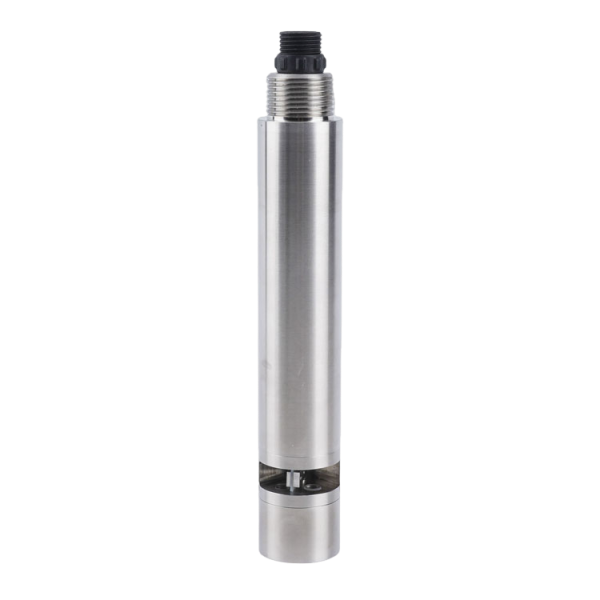 NBL-WQ-COD Online COD Water Quality Sensor
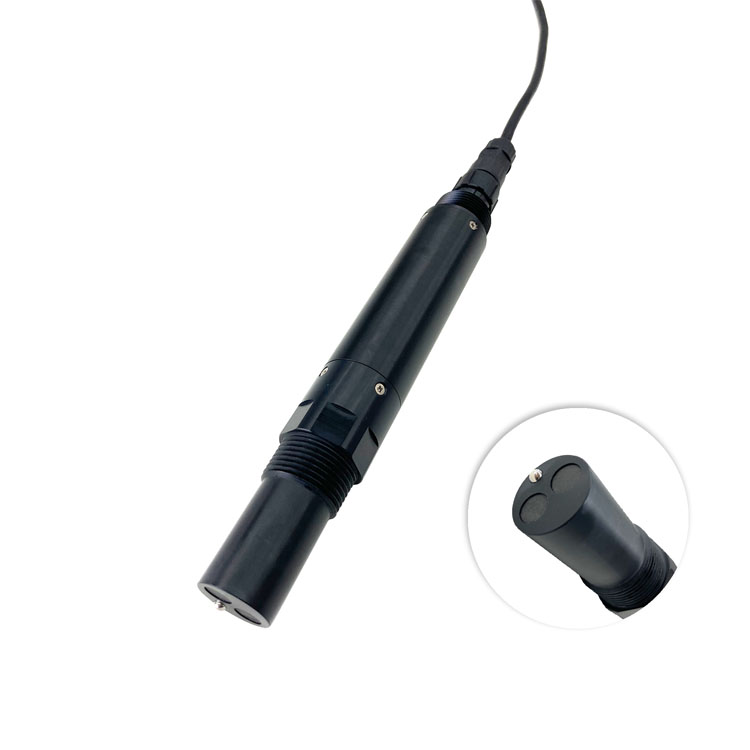 Water Conductivity EC Sensor RS485 Modbus IP68 | NBL-WQ-EC


Screenshot, WhatsApp to identify the QR code
WhatsApp number:+8615367865107
(Click on WhatsApp to copy and add friends)

