





— Products —
 Consumer hotline +8618073152920
 WhatsApp:+8615367865107
Address:Room 102, District D, Houhu Industrial Park, Yuelu District, Changsha City, Hunan Province, China
Water Quality Sensors
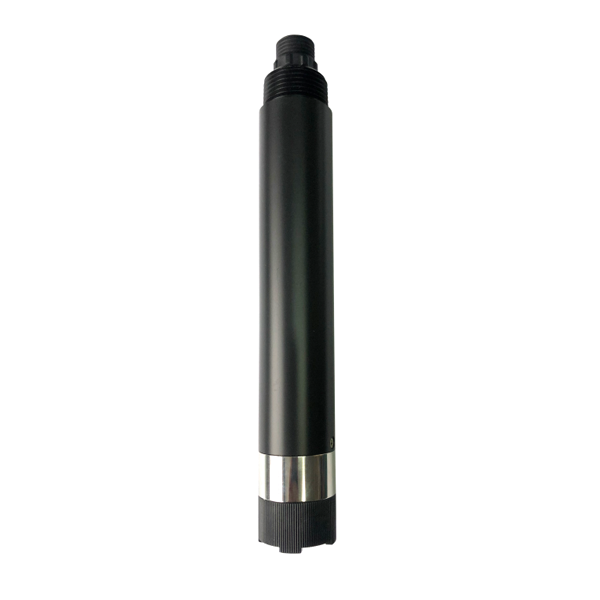
NiuBoL NBL-WQ-DO-4A online fluorescence dissolved oxygen sensor adopts the physical quenching principle, solving the engineering pain points of traditional electrochemical sensors that require frequent electrolyte replacement, are limited by flow rate, and are prone to polarization. The sensor features built-in temperature and salinity compensation, supports RS485 Modbus-RTU digital protocol, has IP68 protection rating and extremely low maintenance cost. It is an ideal choice···
Tel/WhatsApp:+8615367865107
Email:Arvin@niubol.com +Nearly 100 partner companies in more than 75 countries. We are committed to providing high-quality, practical products to meet your needs and help you solve problems. Our products comply with international standards and are certified with ISO, CE and RoHS.Product Details
Optical Physical Measurement: No electrolyte required, no oxygen consumption, still maintains extremely high precision in still water bodies.
Dual Intelligent Compensation: Built-in Pt1000 temperature compensation and flexible salinity compensation algorithm eliminate measurement deviations caused by complex water quality.
Low-Cost Operation and Maintenance: Fluorescent membrane head life up to one year, supports digital RS485 output, significantly reducing after-sales operation and maintenance pressure after system integration.
In modern water quality monitoring and industrial process control, dissolved oxygen (DO) is the core indicator for measuring water self-purification capacity and biological activity. However, traditional membrane electrochemical sensors (polarographic method) have always been limited by technical constraints such as “requiring stable flow rate”, “requiring regular addition of electrolyte” and “susceptible to sulfide interference”, resulting in large maintenance volume and high failure rate on engineering sites.
The NiuBoL NBL-WQ-DO-4 integrated online fluorescence dissolved oxygen sensor is based on the physical fluorescence quenching principle in physics. It converts oxygen concentration into digital signals by measuring the phase difference between excitation light and fluorescence. This measurement method does not consume oxygen molecules, so there is no need for stirring or specific flow rate. For system integrators (SI), this means simpler mechanical installation requirements and higher system robustness. Combined with NiuBoL’s anti-interference circuit design, the product can achieve all-weather precise monitoring in a low-power state.
1. Fluorescence Quenching Technology: No Polarization or Electrolyte Required
NBL-WQ-DO-4 abandons the path of chemical consumption. Its measurement core lies in the active substance on the fluorescent membrane head. When specific blue light irradiates, fluorescence is generated; oxygen molecules in water will “quench” this process. Since no chemical reaction is involved, the sensor does not require “preheating polarization” and will not fail due to electrolyte depletion, greatly extending the calibration cycle.
2. Environmental Adaptability: Not Affected by Flow Rate or Chemical Substances
Still Water Measurement: Traditional electrodes will continuously decrease readings in still water (because they consume oxygen themselves), while NiuBoL fluorescence method is not affected and can accurately measure even in ponds or deep groundwater with extremely slow flow rates.
Chemical Resistance: Traditional membrane electrodes are extremely susceptible to “poisoning” interference from gases such as hydrogen sulfide (H₂S), while fluorescence sensors have extremely strong immunity to chemical substances such as sulfides and carbonates, making them very suitable for harsh industrial wastewater environments.
3. Fully Automatic Intelligent Compensation System
The sensor has a built-in high-precision temperature sensor and integrates salinity compensation parameter setting function. In seawater aquaculture or salt chemical industries, users can remotely write the current salinity value through Modbus protocol, and the sensor will automatically correct it to ensure that the output mg/L or saturation percentage data is true and reliable.
4. Industrial-grade Hardware Specifications and Integration Convenience
Reliable Materials: Provides multiple housing options including POM/ABS, 316L stainless steel and even TC4 titanium alloy (custom version) to cope with various corrosive environments from freshwater to high-salt seawater.
Open Protocol: Standard RS485 Modbus-RTU protocol with wide compatibility. At the same time, 4-20mA analog output is optional, suitable for upgrading old systems.
Excellent Protection: IP68 encapsulation, can work continuously for a long time in 20-meter water depth environment.
| Parameter Item | NBL-WQ-DO-4A (Standard Version) | NBL-WQ-DO-4S (Enhanced/Custom Version) |
|---|---|---|
| Brand | NiuBoL | |
| Housing Material | POM, ABS/PC alloy | 316L stainless steel / TC4 titanium alloy |
| Measurement Principle | Fluorescence Method | Fluorescence Method |
| Range | 0~20.00 mg/L / 0~200% saturation | 0~50.00 mg/L / 0~500% saturation |
| Resolution | 0.01 mg/L;0.1℃ | 0.01 mg/L;0.1℃ |
| Accuracy | ±2% of reading;±0.3℃ | ±2% of reading;±0.3℃ |
| Response Time (T90) | <30s | |
| Minimum Detection Limit | 0.08 mg/L | |
| Temperature/Salinity Compensation | Automatic temperature compensation (Pt1000) / Built-in salinity compensation | Automatic temperature compensation (Pt1000) / Built-in salinity compensation |
| Output Interface | RS-485 (Modbus-RTU) / 4-20mA (optional) | RS-485 (Modbus-RTU) / 4-20mA (optional) |
| Protection Rating | IP68 | |
| Working Conditions | 0~50℃;≤0.2 MPa | |
| Membrane Head Life | Approximately 1 year (under normal use) | Approximately 1 year (under normal use) |
| Power Consumption / Power Supply | 0.2W @12V / 12~24V DC | |
Smart Aquaculture: Monitor dissolved oxygen levels in high-density aquaculture ponds and fish pond circulating water systems. Since no flow rate support is required, it can be directly installed in still water areas to link with aerators in real time, achieving energy saving and consumption reduction.
Municipal Wastewater Treatment (Aeration Tanks): In the aeration tanks of sewage plants, precise dissolved oxygen data can guide the operating frequency of blowers. Fluorescence sensors can withstand the complex chemical background of sewage and reduce misoperations caused by probe polarization.
Surface Water and Environmental Monitoring: Applied to river channels and lake automatic monitoring stations. Due to its long-term stability, it greatly reduces the frequency of manual maintenance inspections at remote sites.
Industrial Production Process Control: In fermentation processes, industrial circulating cooling water systems and other processes that require real-time monitoring of oxygen concentration, it provides high-response-speed digital feedback.
Obstacle avoidance principle: During installation, ensure the sensor is completely submerged below the water surface and fixed firmly. Avoid physical collision or scratching on the fluorescent membrane head surface.
Anti-sedimentation: The sensor should be suspended or installed vertically to avoid the membrane head directly touching bottom sediment.
Storage tip: The sensor comes with a rubber protective cover from the factory. Please remove it before use. If not used for a long time, place a wet sponge inside the protective cover to keep the membrane head moist.
NBL-WQ-DO-4 adopts 5-core twisted shielded wire to provide excellent anti-noise capability:
Red wire: Power positive (12~24V DC)
Black wire: Power negative (GND)
Blue wire: RS485-A
White wire: RS485-B
Yellow wire: Current output (optional function; insulate and leave floating if not used)
Wiring tip: Strictly prohibit live operation. In outdoor or industrial sites, all cable branch points must undergo secondary waterproof treatment (such as heat shrink tubing or sealed junction boxes) to prevent water vapor intrusion caused by capillary effect.
Q1: What are the core advantages of fluorescence sensors compared with traditional polarographic electrodes?
A: Fluorescence sensors do not require preheating, do not require electrolyte, do not require flow rate (measurable in still water), and are not affected by sulfide interference. For engineering projects, this means simpler installation and less maintenance.
Q2: Is the fluorescent membrane head used permanently?
A: The fluorescent membrane is a consumable part, but its life is much longer than traditional membranes. Under normal water quality conditions, it is recommended to replace the fluorescent membrane head once a year to maintain optimal accuracy.
Q3: Why does my sensor not read zero in air?
A: This is normal. Air contains about 21% oxygen. The sensor measures oxygen partial pressure, and fluorescence quenching also occurs in air. During calibration, we usually use “air-saturated water” or “water-saturated air” for the slope point calibration.
Q4: Is salinity compensation really necessary?
A: It is very necessary. At the same oxygen partial pressure, the higher the salinity, the lower the absolute mass (mg/L) of dissolved oxygen. For seawater aquaculture integrators, enabling salinity compensation is the prerequisite for ensuring data accuracy.
Q5: Does the sensor need frequent cleaning?
A: Because it does not consume oxygen, as long as there is no obvious biological attachment (such as moss or heavy oil scale) on the membrane head surface, there is no need for frequent cleaning like traditional probes. It is usually recommended to check once every 30 days.
Q6: What happens if the fluorescent membrane is scratched?
A: Minor scratches may affect local fluorescence reflection, causing reading fluctuations. If the scratch is severe and causes coating peeling, the membrane head must be replaced; otherwise, the data will become invalid.
Q7: What integration protocols does NiuBoL sensor support?
A: It natively supports the industrial standard Modbus-RTU protocol. Dissolved oxygen value, temperature value can be read and remote calibration can be performed through simple register instructions.
Q8: Why is the sensor reading unstable after long-term dry storage?
A: The fluorescent membrane head needs to be kept moist. If it has been dry for too long, please soak it in water for 48 hours before use for “revival”. After that, the reading will return to stability.
NiuBoL NBL-WQ-DO-4 is a representative product in the evolution of industrial water quality monitoring toward digitalization and maintenance-free direction. The essence of its “physical measurement” determines its high robustness in complex working conditions.
If you are looking for a dissolved oxygen solution that can solve the problem of frequent on-site maintenance, or need to obtain detailed embedded integration protocols, please contact our technical engineers immediately. We are committed to providing every integrator with full-chain support from sensor selection to cloud data docking to help your project be delivered efficiently!
 NBL-WQ-DO-4A Online Water Quality Fluorescence Dissolved Oxygen Sensor.pdf
Sensors & Weather Stations Catalog
Agriculture Sensors and Weather Stations Catalog-NiuBoL.pdf
Weather Stations Catalog-NiuBoL.pdf
Agriculture Sensors Catalog-NiuBoL.pdf
Water Quality Sensor Catalog-NiuBoL.pdf
Related recommendations
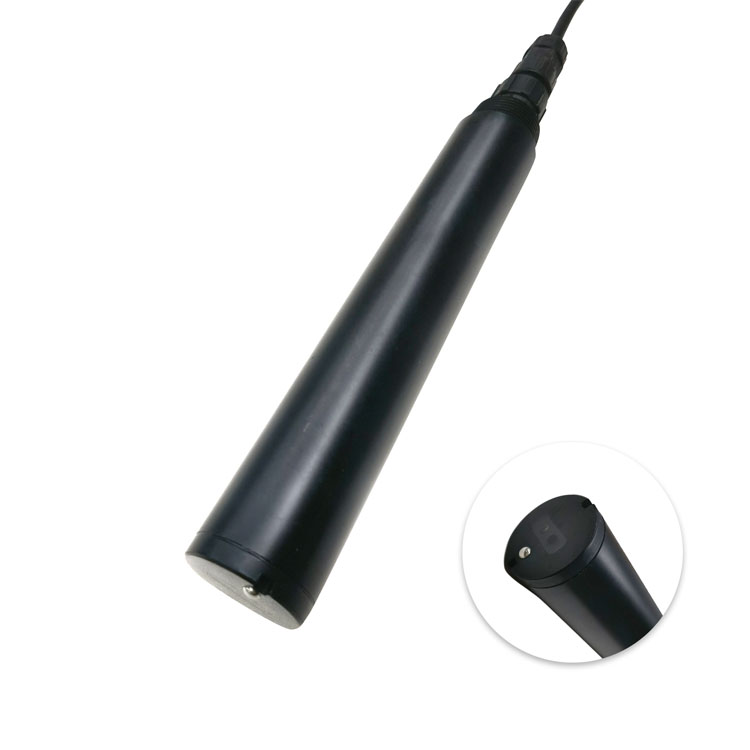 NBL-WQ-TS Online Turbidity Water Quality Sensor
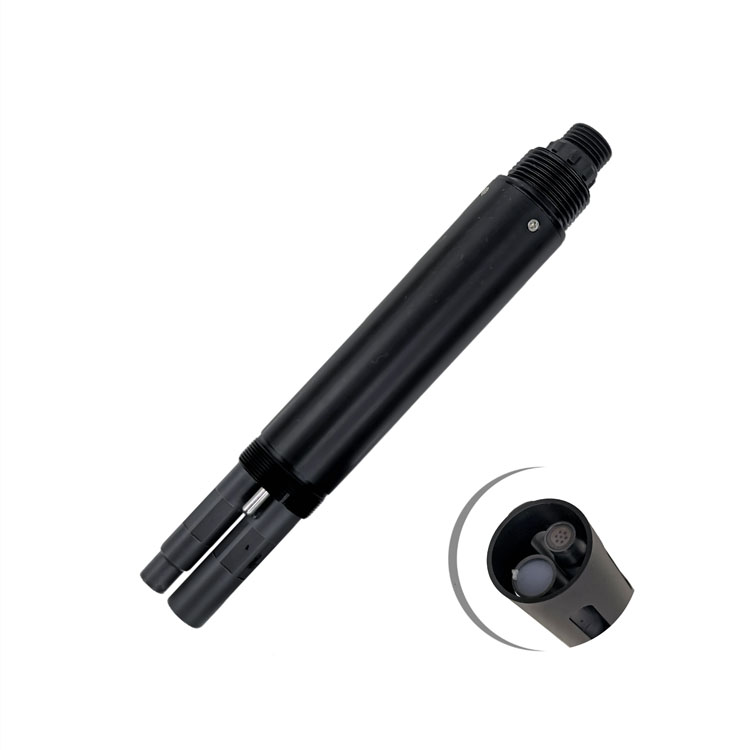 NBL-WQ-NHN Online Water Quality Ammonia Nitrogen Sensor
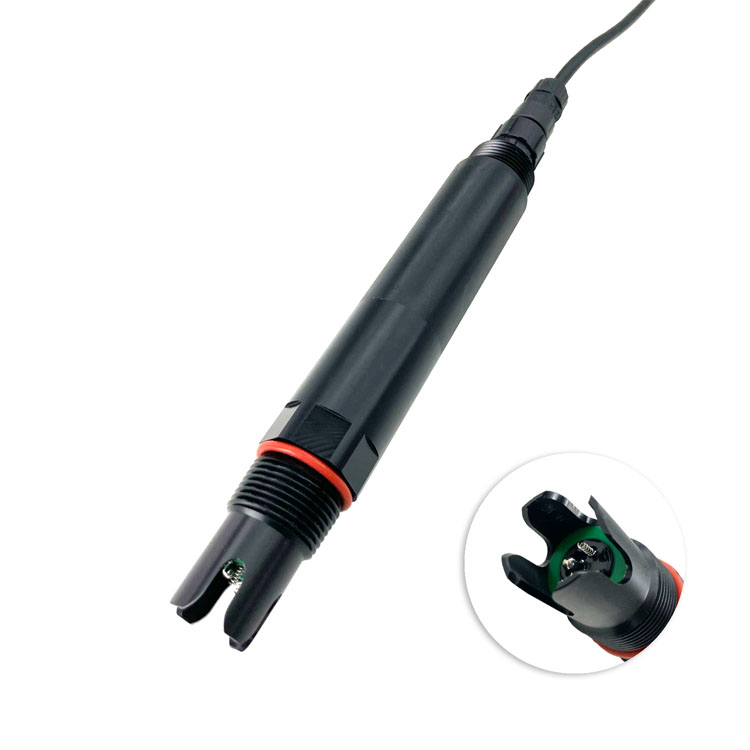 NBL-WQ-CL Water Quality Sensor Online Residual Chlorine Sensor
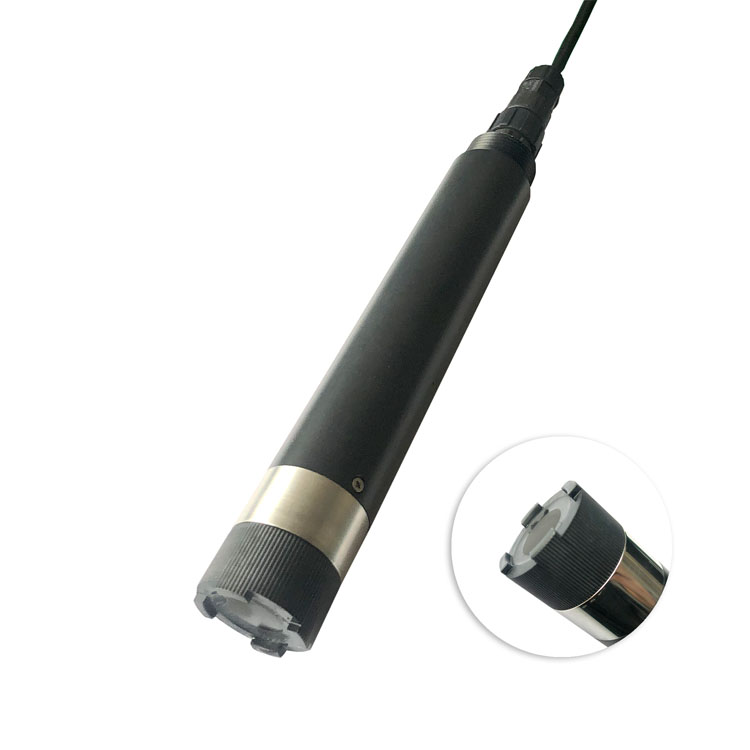 NBL-WQ-DO Online Fluorescence Dissolved Oxygen Sensor
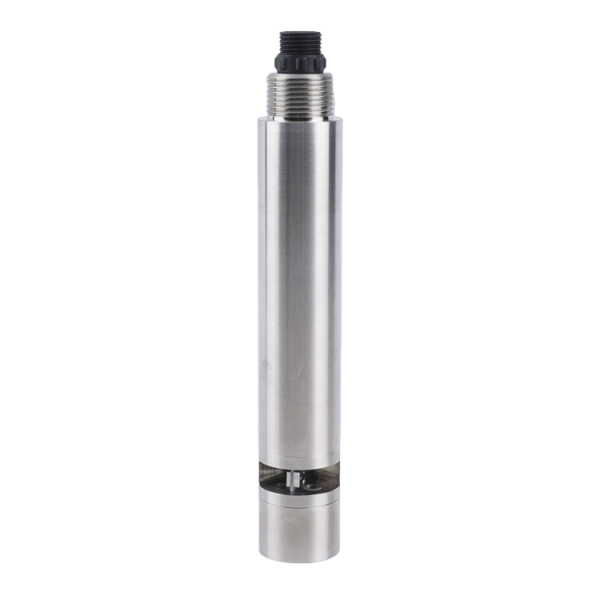 NBL-WQ-COD Online COD Water Quality Sensor
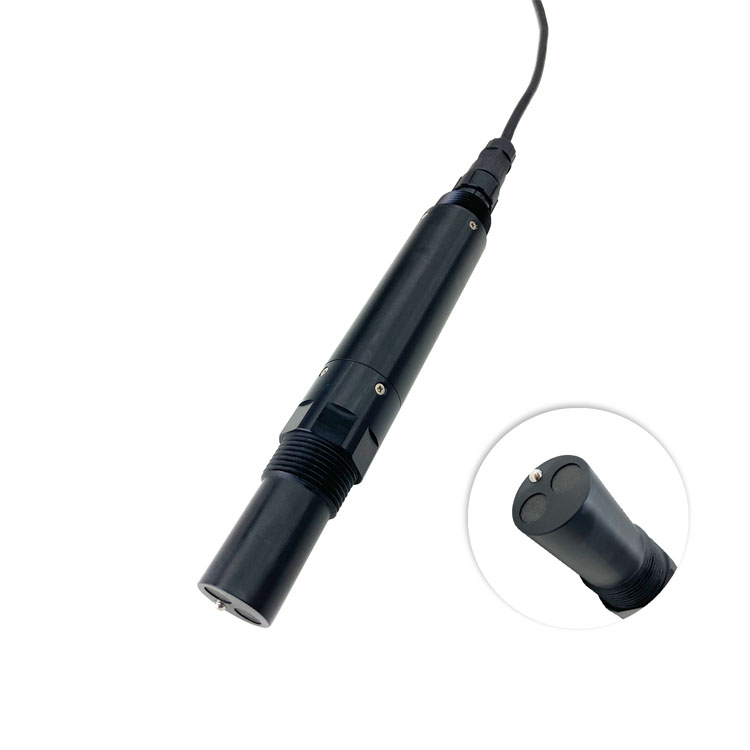 NBL-WQ-EC Online Water Quality Conductivity Sensor

Screenshot, WhatsApp to identify the QR code
WhatsApp number:+8615367865107
(Click on WhatsApp to copy and add friends)

