





— Products —
 Consumer hotline +8618073152920
WhatsApp:+8615367865107
Address:Room 102, District D, Houhu Industrial Park, Yuelu District, Changsha City, Hunan Province, China
Water Quality Sensors
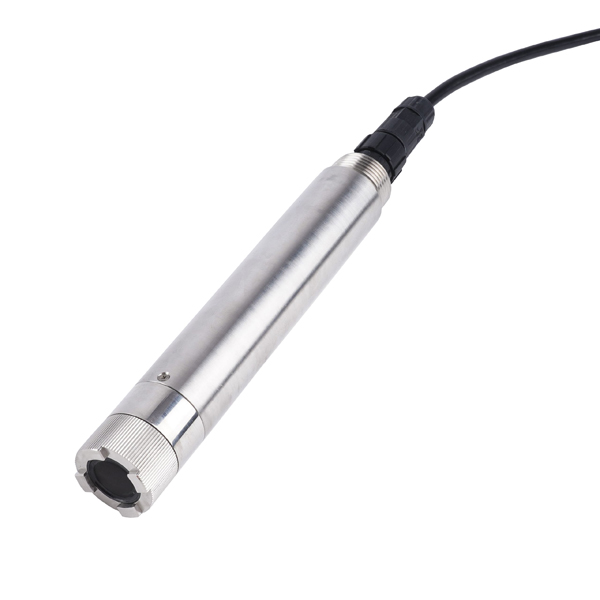
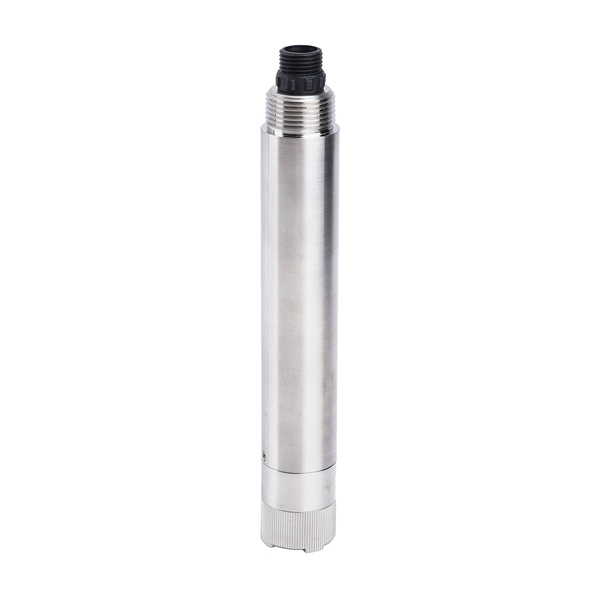
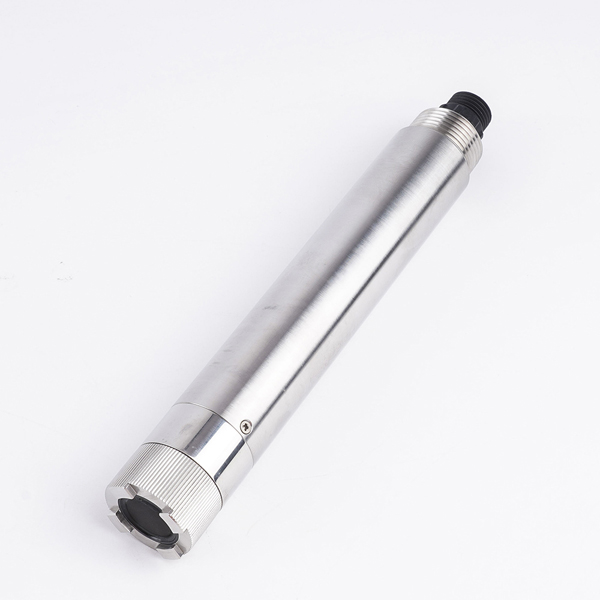
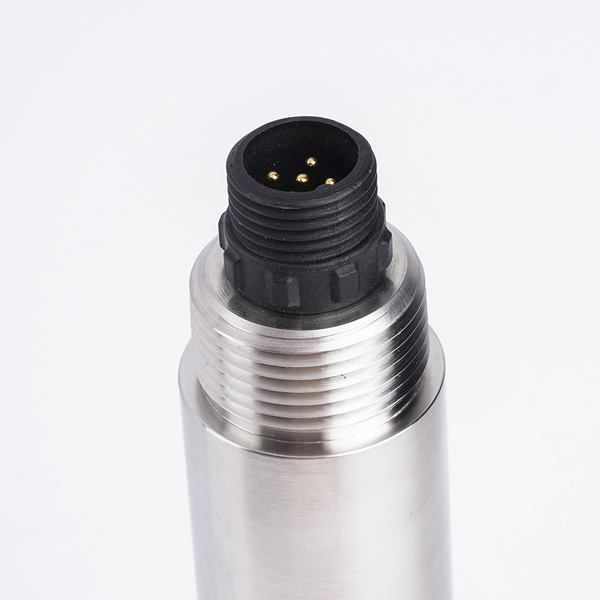
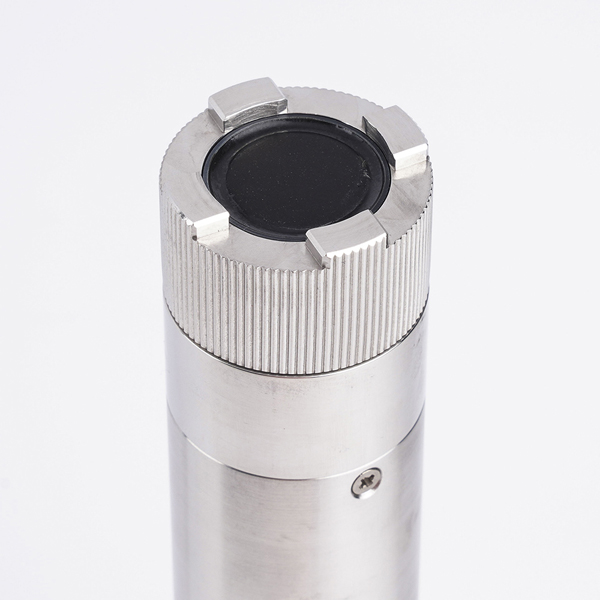
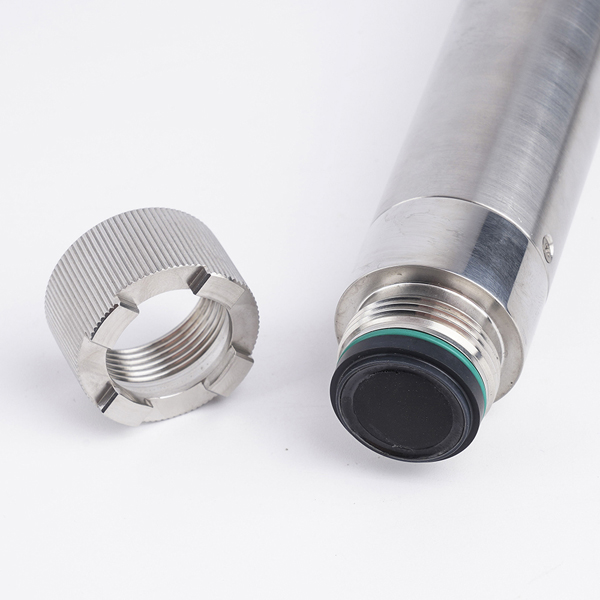
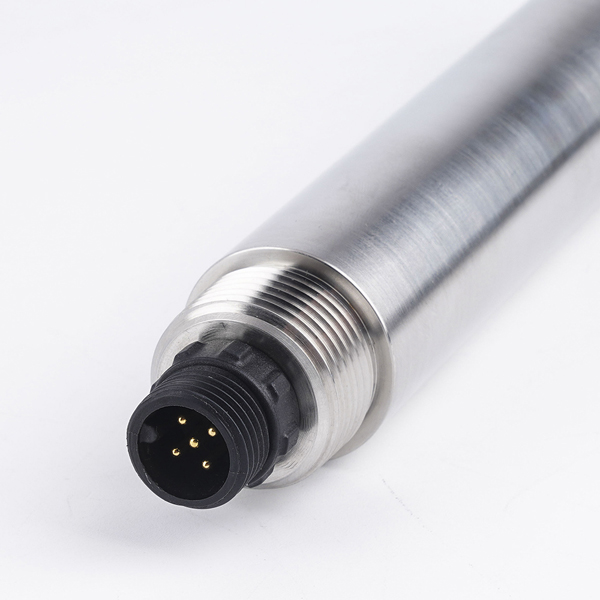
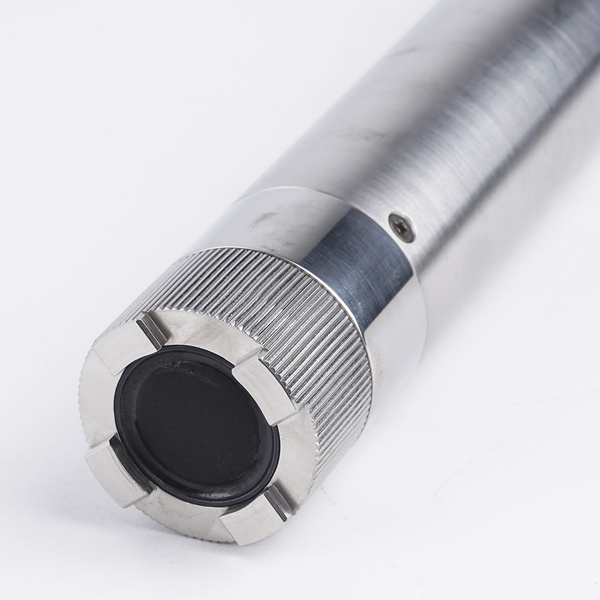
NiuBoL NBL-WQ-DO-4S online fluorescence dissolved oxygen sensor adopts the fluorescence quenching principle, requires no electrolyte and consumes no oxygen. It supports RS-485 Modbus/RTU protocol and is easy to integrate into PLC, SCADA and IoT systems. It is suitable for industrial water treatment, wastewater treatment and environmental monitoring.
Tel/WhatsApp:+8615367865107
Email:Arvin@niubol.com +Nearly 100 partner companies in more than 75 countries. We are committed to providing high-quality, practical products to meet your needs and help you solve problems. Our products comply with international standards and are certified with ISO, CE and RoHS.Product Details
The NiuBoL NBL-WQ-DO-4S is an online fluorescence dissolved oxygen sensor designed for continuous DO monitoring in wastewater treatment, aquaculture, surface water and compatible industrial water applications. It uses the optical fluorescence quenching principle to measure dissolved oxygen without consuming oxygen or requiring electrolyte replacement.
The sensor measures dissolved oxygen from 0–20.00 mg/L and provides a dissolved oxygen saturation range of 0–200%. It features automatic Pt1000 temperature compensation, configurable salinity compensation, a replaceable fluorescence sensing cap and a 316L stainless steel housing.
The standard communication interface is RS485 Modbus RTU, with 4–20 mA available as an optional output configuration. The NBL-WQ-DO-4S can be integrated with compatible PLCs, RTUs, data loggers and water quality monitoring systems.

Optical fluorescence quenching: Measures dissolved oxygen without consuming oxygen or requiring electrode polarization.
0–20.00 mg/L measurement range: Suitable for compatible wastewater, aquaculture and environmental monitoring applications.
DO saturation measurement: Supports a 0–200% saturation range.
Specified accuracy: ±2% of full scale for dissolved oxygen concentration.
Automatic temperature compensation: Integrated Pt1000 temperature element.
Configurable salinity compensation: User-adjustable salinity setting from 0 to 50.0 PSU.
RS485 Modbus RTU: Standard digital interface for compatible industrial monitoring systems.
Optional 4–20 mA: Alternative analog output configuration for suitable receiving equipment.
316L stainless steel housing: Designed for compatible industrial water-monitoring environments.
IP68 protection: Supports immersion installations within the specified environmental limits.
Replaceable fluorescence sensing cap: Approximately annual replacement recommended under normal operating conditions.
Two-point calibration: Supports zero-point and slope calibration.
| Technical Parameter | Specification |
|---|---|
| Product Identification and Measurement | |
| Brand | NiuBoL |
| Model | NBL-WQ-DO-4S Online Fluorescence Dissolved Oxygen Sensor |
| Product Type | Online Optical Dissolved Oxygen Sensor |
| Measurement Principle | Fluorescence Quenching |
| Dissolved Oxygen Range | 0–20.00 mg/L |
| DO Saturation Range | 0–200% (25°C Reference) |
| DO Resolution | 0.01 mg/L |
| DO Accuracy | ±2% F.S. |
| Temperature Resolution | 0.1°C |
| Temperature Accuracy | ±0.3°C |
| Temperature Compensation | Automatic, Pt1000 |
| Salinity Compensation | Configurable, 0–50.0 PSU |
| Calibration Method | Two-Point Calibration |
| Electrical and Communication Specifications | |
| Standard Output | RS485 Modbus RTU |
| Optional Output | 4–20 mA |
| Power Supply | 12–24 VDC |
| Power Consumption | 0.2 W @ 12 VDC |
| Default Modbus Address | 5 (0x05) |
| Default Baud Rate | 9600 bps |
| Serial Format | 8 Data Bits, No Parity, 1 Stop Bit |
| Modbus Read Function | 03 |
| Modbus Configuration Function | 06 |
| Configurable Device Address | 1–255 |
| Mechanical and Environmental Specifications | |
| Operating Temperature | 0–45°C |
| Operating Pressure | <0.2 MPa |
| Storage Temperature | −5 to 65°C |
| Housing Material | 316L Stainless Steel |
| Protection Rating | IP68 |
| Installation Method | Immersion Installation |
| Nominal Dimensions | Ø30 × 185 mm |
| Mounting Thread | 3/4-inch NPT |
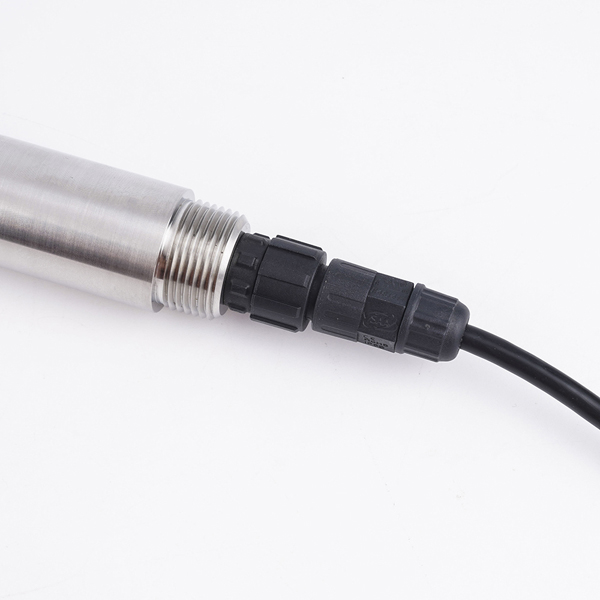
| Electrical Connector | M16, 5-Core Waterproof Male Connector |
| Standard Cable | 5 m, Customizable |
| Fluorescent Sensing Cap | Replaceable; Approximately 1 Year Under Normal Use |
Measurement accuracy: The specified DO accuracy is ±2% of full scale. For the 0–20 mg/L measurement range, this corresponds to ±0.4 mg/L. The 0.01 mg/L resolution represents the smallest output increment, not the measurement accuracy.
Output selection: RS485 Modbus RTU is the standard configuration. A 4–20 mA analog output is available as an option. Specify the required interface when ordering; simultaneous RS485 and analog output should not be assumed.
The NBL-WQ-DO-4S uses the optical fluorescence quenching principle to determine dissolved oxygen concentration.
The replaceable fluorescent sensing cap contains a material that emits fluorescence when illuminated by an excitation light source. Oxygen molecules interact with this material and influence the fluorescence decay characteristics.
The sensor measures the relationship between excitation and emitted light. Signal processing converts the optical response into dissolved oxygen data using calibration information and compensation settings.
Because the optical method does not consume oxygen during measurement, it does not require water flow to replace oxygen consumed by the sensing process.
Unlike conventional electrochemical dissolved oxygen probes, the fluorescence method does not require electrolyte replacement or electrode polarization.
Optical measurement still requires appropriate installation and maintenance. Deposits, attached bubbles, damaged sensing caps and unrepresentative sampling locations can affect the resulting measurements.

Optical and electrochemical dissolved oxygen sensors use different measurement principles and have different maintenance requirements.
| Feature | Optical DO Sensor | Electrochemical DO Sensor |
|---|---|---|
| Measurement Principle | Fluorescence Quenching | Electrochemical Oxygen Reduction |
| Oxygen Consumption | No | Yes, During Measurement |
| Electrolyte Replacement | Not Required | Required for Many Traditional Designs |
| Electrode Polarization | Not Required | Required for Some Electrochemical Designs |
| Routine Maintenance | Optical Cap Cleaning and Replacement | Electrode, Membrane and Electrolyte Maintenance Depending on Design |
The optical method can reduce several maintenance tasks associated with electrochemical probes. However, regular cleaning, inspection and calibration verification remain necessary.
Dissolved oxygen can be reported as concentration in mg/L or saturation in percent.
The NBL-WQ-DO-4S provides separate measurement channels for these quantities.
| Measurement | Unit | Meaning |
|---|---|---|
| DO Concentration | mg/L | Mass of Dissolved Oxygen per Liter of Water |
| DO Saturation | % | Dissolved Oxygen Relative to an Applicable Saturation Condition |
The DO concentration range is 0–20.00 mg/L, while the saturation range is 0–200%.
Oxygen saturation depends on the water temperature, salinity and atmospheric pressure. Therefore, 100% saturation does not correspond to one fixed oxygen concentration under every environmental condition.
Water temperature affects the solubility of oxygen and the optical sensing response.
The NBL-WQ-DO-4S includes a Pt1000 temperature element for automatic temperature compensation and temperature measurement.
The specified temperature accuracy is ±0.3°C.
Salinity affects the solubility of dissolved oxygen. Compensation is particularly relevant when monitoring brackish water, seawater and other saline environments.
The NBL-WQ-DO-4S supports a configurable salinity setting from 0 to 50.0 PSU.
| Parameter | Setting |
|---|---|
| Salinity Compensation Range | 0–50.0 PSU |
| Factory-Default Salinity | 0 PSU |
| Modbus Register | 0x1020 |
| Register Scaling | Salinity in PSU × 10 |
For example, a salinity compensation setting of 35.0 PSU corresponds to a register value of 350.
The NBL-WQ-DO-4S does not independently measure salinity. The compensation setting should be based on an appropriate salinity value obtained from a separate measurement or a defined water condition.
Dissolved oxygen is an important water quality parameter in aquaculture ponds, fish tanks and recirculating aquaculture systems.
The NBL-WQ-DO-4S can provide continuous DO concentration and saturation data for monitoring changing oxygen conditions.
When connected to a compatible monitoring system, these measurements can support evaluation of aeration conditions and water quality trends.
Automatic aerator operation requires a separate controller and suitable control equipment.
Biological wastewater treatment processes require suitable oxygen conditions for microbial activity.
The NBL-WQ-DO-4S can provide continuous dissolved oxygen measurements in compatible aeration tanks and wastewater treatment monitoring locations.
Measurements can be transmitted through RS485 Modbus RTU for integration with process monitoring and control equipment.
For automatic aeration management, the PLC or control system must implement the required control logic and safety limits.
Industrial wastewater treatment systems may require dissolved oxygen monitoring in biological treatment stages or selected process-water streams.
The NBL-WQ-DO-4S can be used where the water chemistry, temperature, pressure and materials are compatible with the sensor.
For chemically aggressive wastewater, evaluate the complete wetted assembly and the expected maintenance conditions before installation.
Dissolved oxygen is commonly monitored in rivers, lakes and reservoirs to observe changing water quality conditions.
Oxygen concentration may vary with temperature, biological activity, water circulation and organic matter decomposition.
The sensor can be connected to a data logger or RTU for continuous monitoring at a representative depth.
The salinity compensation function allows the NBL-WQ-DO-4S to be configured for suitable saline-water monitoring applications.
Its 316L stainless steel housing provides mechanical protection and corrosion resistance in compatible environments.
For long-term seawater exposure, consider chloride corrosion, the condition of mounting hardware, cable connectors, seals and the complete wetted assembly. A stainless steel housing alone does not establish suitability for every marine deployment.
The NBL-WQ-DO-4S is designed for immersion installation. The fluorescent sensing cap should remain submerged during normal measurement.
Remove the protective rubber cover before use. Select a monitoring position that is representative of the intended water conditions.
Secure the sensor using suitable mounting equipment.
Keep the fluorescence sensing cap submerged during measurement.
Avoid trapped air bubbles on the optical sensing surface.
Prevent the sensing cap from contacting sediment deposits.
Avoid scratching or applying mechanical pressure to the fluorescent sensing material.
Keep water temperature within 0–45°C.
Maintain operating pressure below 0.2 MPa.
Use the 3/4-inch NPT mounting connection with compatible installation hardware.
Protect external cable joints against moisture ingress.
Prevent excessive cable tension or abrasion.
Allow access for cleaning, calibration and cap replacement.
The sensor has a nominal diameter of approximately 30 mm and a nominal body length of 185 mm. Its electrical connector is an M16 five-core waterproof male connector.

The NBL-WQ-DO-4S uses a five-core shielded cable for power, digital communication and the optional analog output connection.
| Wire Color | Function | Connection |
|---|---|---|
| Red | Power Positive | 12–24 VDC + |
| Black | Ground | GND |
| Blue | RS485 A | Controller RS485 A |
| Green | RS485 B | Controller RS485 B |
| Yellow | Optional Current Output | 4–20 mA Configuration |
The yellow wire is associated with the optional analog output configuration. When it is not used, leave it electrically unconnected and properly insulated.
Check all cable assignments before powering the sensor. External electrical joints should be waterproofed, and the cable should be protected against corrosion, mechanical damage and excessive tension.
Output configuration: Select RS485 Modbus RTU or the required analog output option when ordering. Use the correct wiring arrangement and receiving equipment for the selected configuration.

The standard digital interface supports Modbus RTU communication over RS485.
| Communication Parameter | Default Setting |
|---|---|
| Interface | RS485 |
| Protocol | Modbus RTU |
| Default Device Address | 5 (0x05) |
| Baud Rate | 9600 bps |
| Data Bits | 8 |
| Parity | None |
| Stop Bits | 1 |
| Read Function | 03 |
| Write Function | 06 |
| Configurable Device Address | 1–255 |
The NBL-WQ-DO-4S provides Modbus registers for dissolved oxygen concentration, temperature, oxygen saturation and supported configuration functions.
| Register Address | Function | Access |
|---|---|---|
| 0x0000 | DO Concentration and Temperature, 4 Registers | Read |
| 0x0004 | DO Saturation and Decimal Scaling, 2 Registers | Read |
| 0x1000 | Zero-Point Calibration | Read / Write |
| 0x1004 | Slope Calibration | Read / Write |
| 0x1010 | Temperature Correction | Read / Write |
| 0x1020 | Salinity Compensation | Read / Write |
| 0x1100 | Measurement Enable / Disable | Write |
| 0x2002 | Modbus Device Address | Read / Write |
| 0x2020 | Restore Default Calibration Values | Write |
The measurement block beginning at 0x0000 contains four consecutive 16-bit registers:
| Register | Parameter |
|---|---|
| 0x0000 | DO Measurement Integer |
| 0x0001 | DO Decimal-Place Count |
| 0x0002 | Temperature Measurement Integer |
| 0x0003 | Temperature Decimal-Place Count |
The measurement integer and decimal-place count are transmitted separately. The engineering value is calculated as:
Engineering Value = Raw Integer / (10 raised to Decimal Places)
For example, a DO measurement integer of 258 with two decimal places represents 2.58 mg/L. A temperature integer of 176 with one decimal place represents 17.6°C.
The oxygen saturation value is available through the two-register block beginning at address 0x0004.
A typical water monitoring connection is:
NBL-WQ-DO-4S Sensor → RS485 Modbus RTU → PLC / RTU / Data Logger → Monitoring System
For remote communication, a compatible external gateway can transfer the collected data to a monitoring platform.
The sensor provides dissolved oxygen measurements; automatic aerator or blower control requires separate control equipment.
The NBL-WQ-DO-4S supports zero-point and slope calibration to maintain measurement performance.
Calibration frequency depends on the monitored water, the condition of the sensing cap and the measurement requirements.
Zero-point calibration uses a suitable oxygen-depleted reference solution, such as a prepared sodium sulfite solution.
Prepare a suitable oxygen-depleted calibration solution.
Immerse the fluorescent sensing cap in the solution.
Remove attached bubbles from the optical sensing surface.
Allow approximately three minutes for the reading to stabilize.
Perform zero-point calibration using the appropriate sensor function.
Verify the result after adjustment.
Slope calibration can be performed using appropriately prepared air-saturated water or a suitable water-saturated air arrangement.
Prepare the required saturation reference condition.
Ensure that the fluorescent sensing surface is clean and undamaged.
Position the sensor correctly in the reference environment.
Remove any bubbles or droplets that could interfere with the sensing surface.
Allow approximately three minutes for stabilization.
Perform slope calibration when adjustment is necessary.
Verify the reading after calibration.
Temperature and salinity compensation settings should match the calibration conditions.
The NBL-WQ-DO-4S does not require electrolyte replacement, but the fluorescence sensing cap and sensor housing require periodic inspection.
| Maintenance Task | Recommended Frequency |
|---|---|
| Clean Sensor Exterior | Approximately Every 30 Days |
| Inspect Sensor and Fluorescent Cap | Approximately Every 30 Days |
| Replace Fluorescent Cap | Approximately Once Per Year |
| Calibration Verification | According to Monitoring Requirements |
Maintenance intervals should be adjusted according to fouling, biological growth, sediment and the required measurement reliability.
Rinse the sensor exterior with clean water.
Remove deposits gently using a soft, damp cloth.
Avoid abrasive materials or excessive mechanical force.
Do not scratch or touch the fluorescent sensing material directly.
Check the sensing cap for physical damage.
Inspect the cable and waterproof connector for wear.
Verify the measurement after cleaning when required.
When the sensor is not in use, place a damp sponge inside the protective rubber cover to maintain moisture around the fluorescent sensing cap.
If the sensing surface has remained dry for an extended period, immerse the sensor in water for approximately 48 hours before returning it to service.
Protect the cap from scratches, direct mechanical pressure and unnecessary exposure of its inner surface to sunlight.
| Problem | Possible Cause | Recommended Check |
|---|---|---|
| No Modbus Response | Incorrect power, wiring or communication settings | Check 12–24 VDC, Address 5, 9600 8N1 and RS485 A/B |
| Unstable DO Readings | Air bubbles, deposits or sensing cap damage | Inspect and Clean the Fluorescent Cap |
| Unexpected DO Value | Calibration or compensation settings | Check Temperature, Salinity and Calibration |
| Slow Temperature Response | Deposits on the Temperature-Sensing Area | Gently Clean the Stainless Steel Surface |
| Unstable Reading After Storage | Dry Fluorescent Sensing Cap | Condition the Cap in Water Before Measurement |
| Damaged Sensing Surface | Scratches or Mechanical Impact | Replace the Fluorescent Cap and Verify Performance |
Before ordering the NBL-WQ-DO-4S, confirm the water conditions, target measurement range and required output interface.
| Selection Item | Project Information Required |
|---|---|
| Water Application | Aquaculture, Wastewater, Surface Water or Industrial Water |
| DO Measurement Range | Normal and Maximum Dissolved Oxygen Concentration |
| Measurement Unit | mg/L, Saturation % or Both |
| Water Temperature | Normal and Maximum Operating Temperature |
| Salinity | Freshwater, Brackish Water or Seawater Conditions |
| Output Interface | RS485 Modbus RTU or Optional 4–20 mA |
| Housing Requirements | 316L Stainless Steel Compatibility with the Water |
| Installation | Immersion Depth, Mounting Method and Maintenance Access |
| System Integration | Receiving PLC, RTU, Data Logger or Other Controller |
| Ordering Details | Cable Length, Quantity and Destination Country |
For a different optical dissolved oxygen sensor configuration, see the NBL-WQ-DO-4A Fluorescence Dissolved Oxygen Sensor.
Explore the complete NiuBoL Water Quality Sensor Range for dissolved oxygen, pH, conductivity, turbidity, salinity and other online monitoring parameters.
A1. The sensor measures dissolved oxygen concentration from 0–20.00 mg/L, oxygen saturation from 0–200% and water temperature.
A2. The specified accuracy is ±2% F.S., equivalent to ±0.4 mg/L over the 0–20 mg/L range.
A3. No. The fluorescence quenching measurement principle does not consume oxygen during measurement.
A4. No. Optical dissolved oxygen measurement does not require electrolyte replacement or electrode polarization.
A5. Yes. The factory-default settings are device address 5, 9600 bps and 8N1.
A6. Yes, 4–20 mA is an optional configuration. Specify the required interface before ordering.
A7. No. It supports configurable salinity compensation from 0 to 50.0 PSU, but an independent salinity measurement is required when the actual water salinity must be monitored.
A8. Yes. Replacement approximately once per year is recommended under normal operating conditions.
A9. Yes, for compatible aquaculture systems within its measurement and operating limits. Appropriate installation and maintenance are important.
A10. The sensor supports salinity compensation, but the long-term suitability of the 316L housing, connectors, seals and mounting hardware depends on the marine environment and corrosion conditions.
A11. It supports two-point calibration using oxygen-depleted water for the zero point and a suitable oxygen-saturated reference for the slope.
A12. Yes. The standard RS485 Modbus RTU interface supports connection to compatible industrial controllers, RTUs and data loggers.
A13. The sensor provides measurement data. Automatic aeration requires a separate compatible controller, control logic and aeration equipment.
A14. Provide the water type, expected dissolved oxygen range, salinity, temperature, installation conditions, required output interface, cable length, receiving controller and quantity.
Download the technical manual for product specifications, sensor dimensions, electrical wiring, maintenance, calibration and RS485 Modbus RTU communication information.
 NBL-WQ-DO-4S Online Fluorescence Dissolved Oxygen Sensor.pdf
Choosing a suitable online dissolved oxygen sensor requires consideration of the water conditions, measurement range, output interface, installation requirements and system integration.
For wastewater treatment, aquaculture, environmental monitoring and compatible industrial water projects, NiuBoL can assist with product selection and integration information.
For technical information or a quotation, please provide your water application, expected dissolved oxygen range, temperature, salinity, required output interface, receiving PLC or data logger, installation method, cable length and quantity.
Please contact NiuBoL with your project requirements to discuss the appropriate NBL-WQ-DO-4S configuration.
Sensors & Weather Stations Catalog
 Agriculture Sensors and Weather Stations Catalog-NiuBoL.pdf
Weather Stations Catalog-NiuBoL.pdf
Agriculture Sensors Catalog-NiuBoL.pdf
Water Quality Sensor Catalog-NiuBoL.pdf
Related recommendations
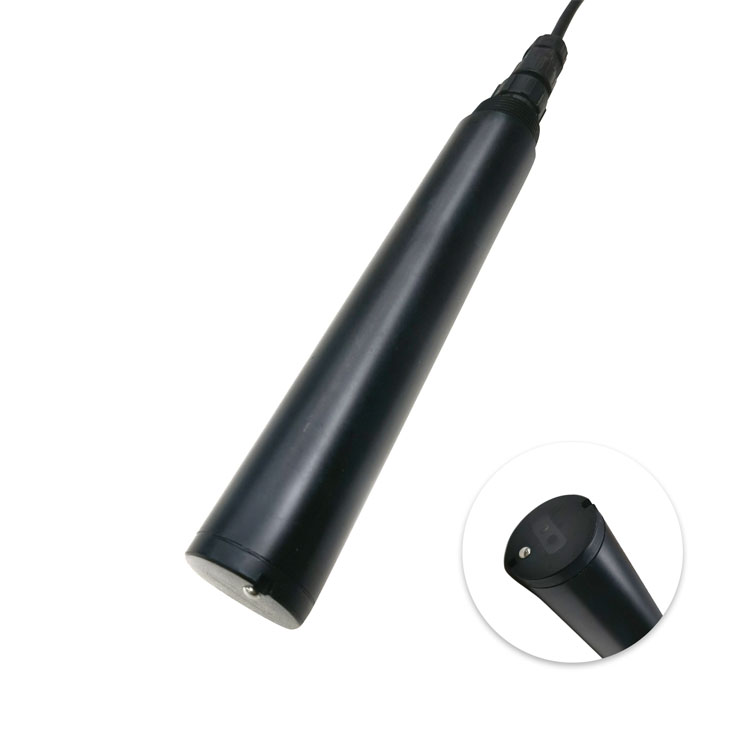 Online Turbidity Sensor RS485 Modbus | NBL-WQ-TS
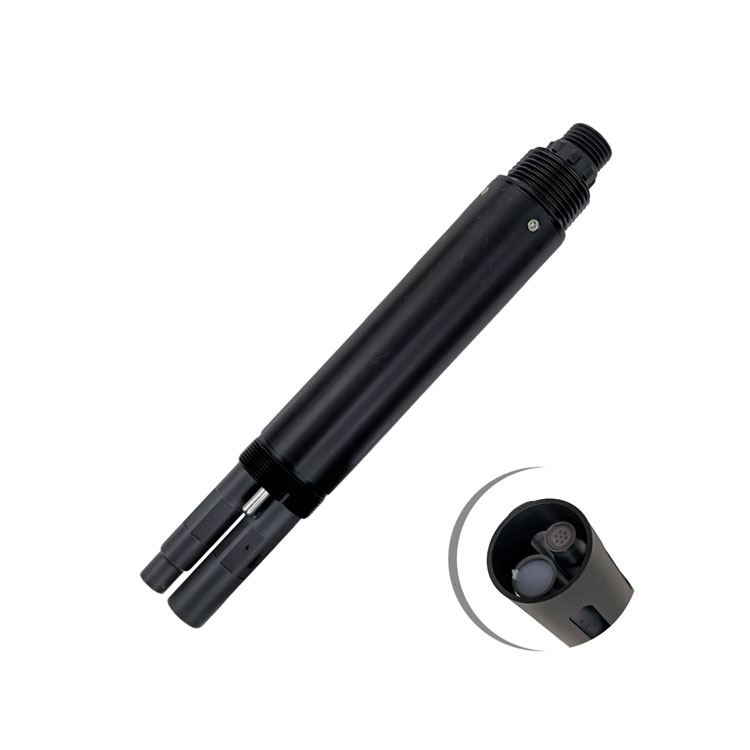 Online Ammonia Nitrogen Sensor (Ammonium ISE) | NBL-WQ-NHN
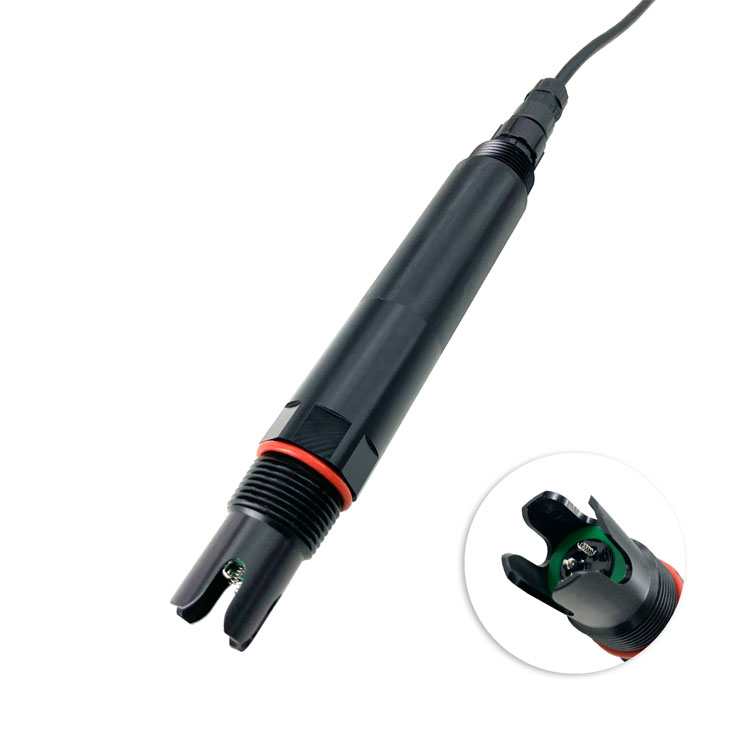 Online Residual Chlorine Sensor (HOCl) RS485 | Water Quality Sensor| NBL-WQ-CL
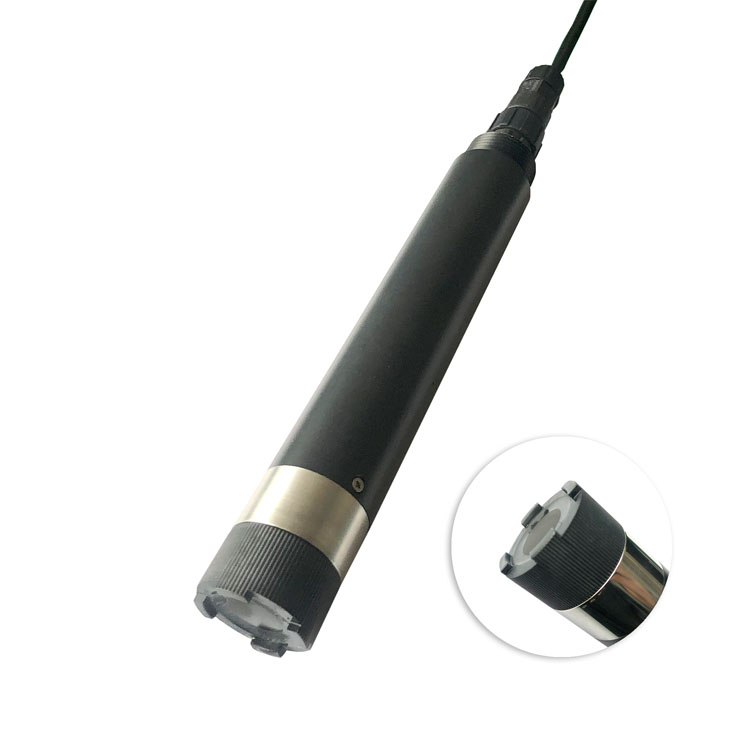 NBL-WQ-DO Online Fluorescence Dissolved Oxygen Sensor
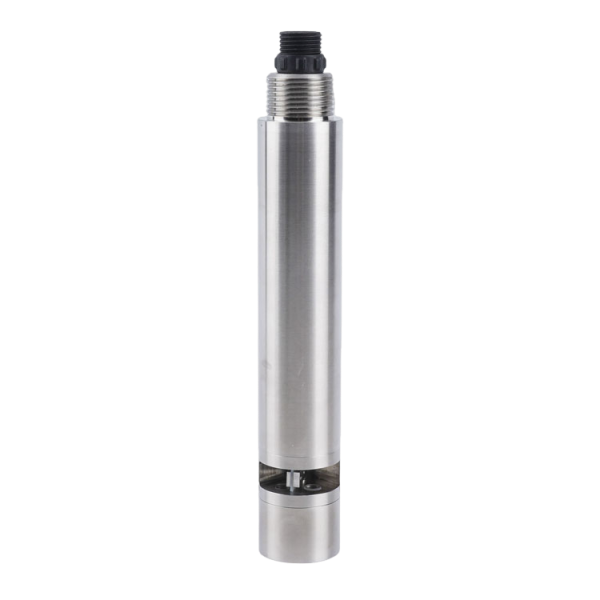 NBL-WQ-COD Online COD Water Quality Sensor
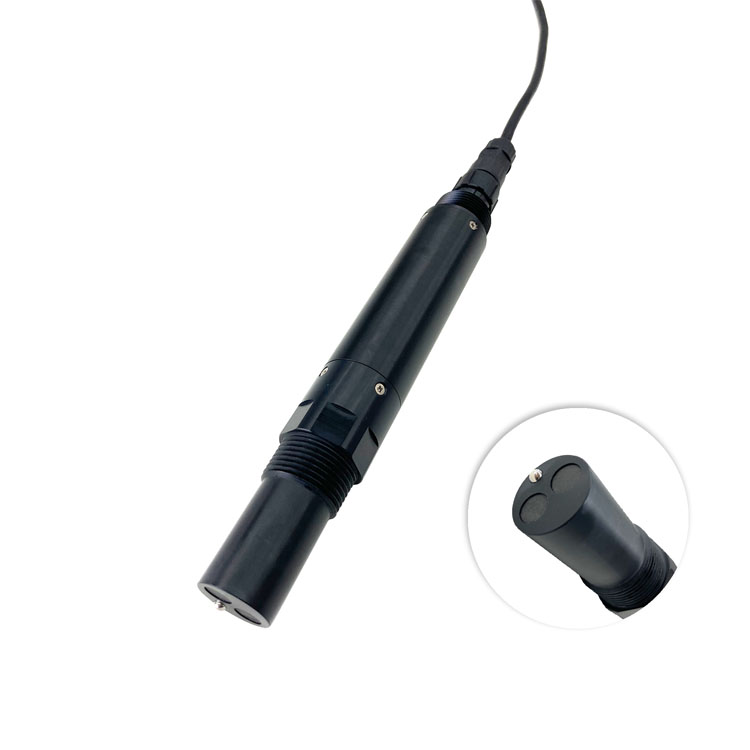 Water Conductivity EC Sensor RS485 Modbus IP68 | NBL-WQ-EC


Screenshot, WhatsApp to identify the QR code
WhatsApp number:+8615367865107
(Click on WhatsApp to copy and add friends)

