





— Products —
 Consumer hotline +8618073152920
WhatsApp:+8615367865107
Address:Room 102, District D, Houhu Industrial Park, Yuelu District, Changsha City, Hunan Province, China
Water Quality Sensors
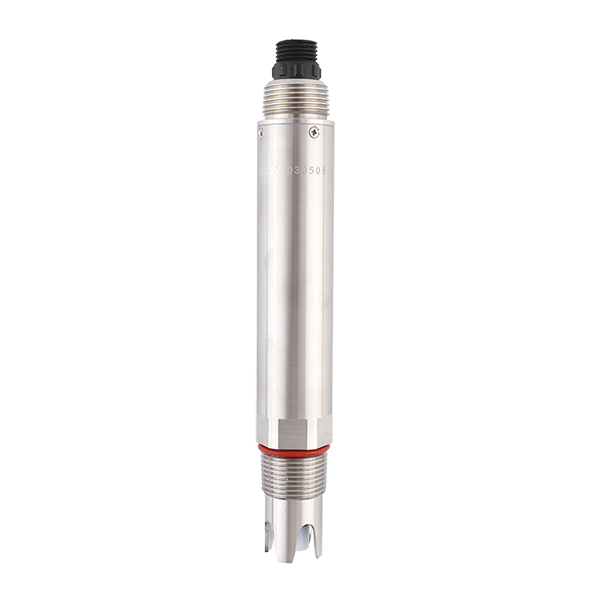
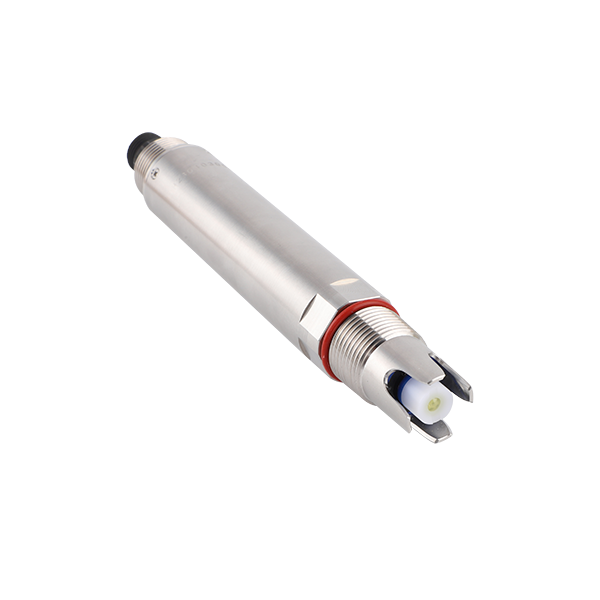
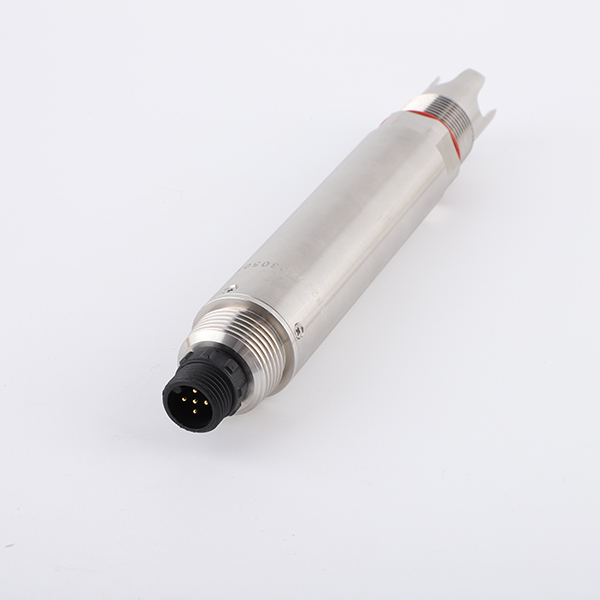
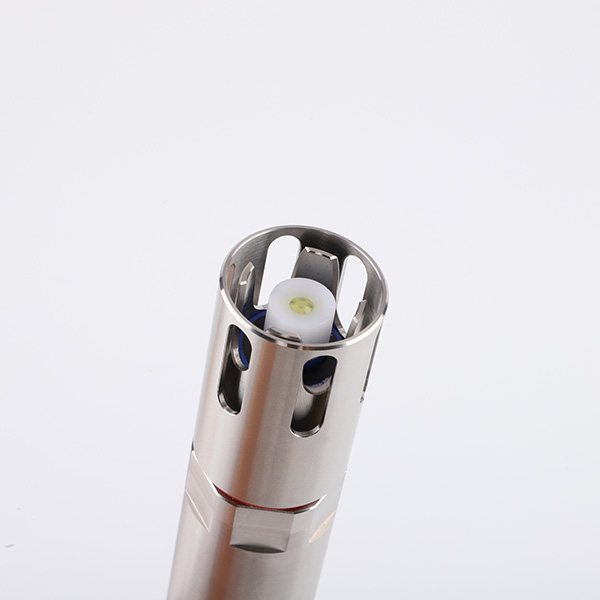
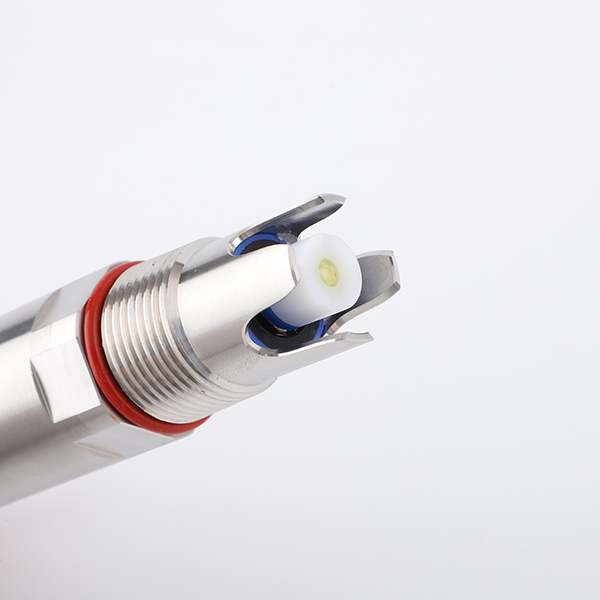
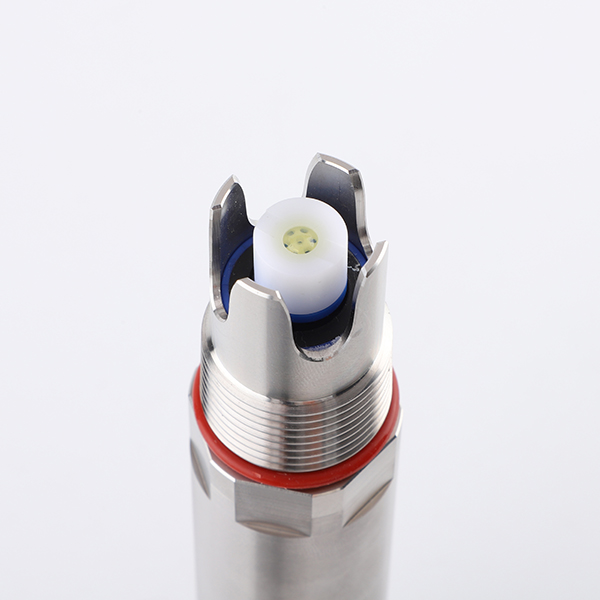
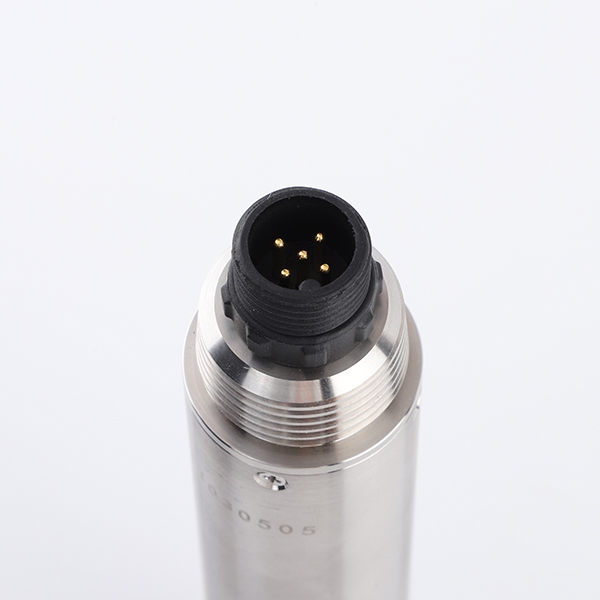
NBL-WQ-TH-4S online total hardness sensor, 0–1000 mg/L as CaCO3, calcium/magnesium ISE, RS485 Modbus RTU, Pt1000 compensation and IP68 protection.
Tel/WhatsApp:+8615367865107
Email:Arvin@niubol.com +Nearly 100 partner companies in more than 75 countries. We are committed to providing high-quality, practical products to meet your needs and help you solve problems. Our products comply with international standards and are certified with ISO, CE and RoHS.Product Details
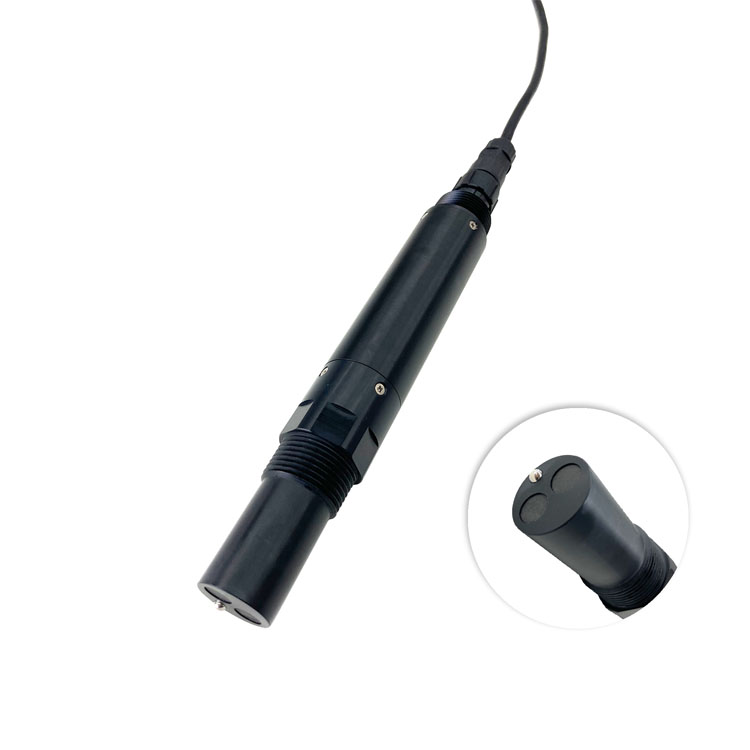
The NiuBoL NBL-WQ-TH-4S is an online total hardness sensor designed for continuous monitoring of calcium- and magnesium-related water hardness in industrial water treatment, cooling water systems, water softening processes and environmental water monitoring.
The sensor uses a PVC-membrane calcium and magnesium ion-selective electrode (ISE) system. It reports total hardness as calcium carbonate equivalent (mg/L as CaCO3), with a measurement range of 0–1000.0 mg/L and a resolution of 0.1 mg/L.
The NBL-WQ-TH-4S provides automatic Pt1000 temperature compensation and standard RS485 Modbus RTU communication. An optional 4–20 mA output configuration is available. Its POM and 316L stainless steel construction, IP68 protection and 3/4-inch NPT connection support compatible water-monitoring installations.

Calcium and magnesium ISE measurement: PVC-membrane electrode system for total water hardness monitoring.
0–1000.0 mg/L measurement range: Total hardness reported as CaCO3 equivalent.
0.1 mg/L resolution: Provides digital hardness readings within the selected measurement range.
Specified measurement accuracy: ±10% of reading.
Automatic temperature compensation: Integrated Pt1000 temperature element.
RS485 Modbus RTU: Standard interface for compatible PLCs, RTUs and data loggers.
Optional 4–20 mA: Alternative output configuration for suitable industrial monitoring equipment.
316L stainless steel housing: POM and stainless steel construction for compatible water-monitoring environments.
Two-point calibration: Supports zero and slope adjustment using hardness reference solutions.
Replaceable sensing electrode: Allows electrode replacement when measurement performance deteriorates.
IP68 protection: Suitable for immersion within the specified operating limits.
Standard 5-meter cable: Custom cable lengths are available for project installations.
| Technical Parameter | Specification |
|---|---|
| Product Identification and Measurement | |
| Brand | NiuBoL |
| Model | NBL-WQ-TH-4S Online Total Hardness Sensor |
| Product Type | Online Calcium and Magnesium Total Hardness Sensor |
| Measurement Principle | PVC-Membrane Calcium/Magnesium Ion-Selective Electrode |
| Measured Parameter | Total Water Hardness as CaCO3 Equivalent |
| Measurement Range | 0–1000.0 mg/L as CaCO3 |
| Hardness Resolution | 0.1 mg/L |
| Hardness Accuracy | ±10% of Reading |
| Temperature Accuracy | ±0.3°C |
| Temperature Compensation | Automatic, Pt1000 |
| Calibration Method | Two-Point Calibration |
| Electrical and Communication Specifications | |
| Standard Output | RS485 Modbus RTU |
| Optional Output | 4–20 mA |
| Power Supply | 12–24 VDC |
| Power Consumption | 0.2 W @ 12 VDC |
| Default Modbus Address | 17 (0x11) |
| Default Baud Rate | 9600 bps |
| Serial Format | 8 Data Bits, No Parity, 1 Stop Bit |
| Modbus Read Function | 03 |
| Modbus Write Function | 06 |
| Configurable Device Address | 1–255 |
| Mechanical and Environmental Specifications | |
| Operating Temperature | 0–40°C |
| Storage Temperature | −5 to 40°C |
| Operating Pressure | <0.1 MPa |
| Medium pH Range | 4–10 pH |
| Housing Materials | POM and 316L Stainless Steel |
| Protection Rating | IP68 |
| Installation Method | Immersion or Compatible Threaded Installation |
| Installation Orientation | Minimum 15° Inclination; Not Horizontal or Inverted |
| Mounting Thread | 3/4-inch NPT |
| Main Body Diameter | Approximately 30 mm |
| Nominal Overall Length | Approximately 200.5 mm |
| Electrical Connector | M16, 5-Core Waterproof Male Connector |
| Standard Cable Length | 5 m, Customizable |
Accuracy and resolution: The specified accuracy is ±10% of the reading. For example, at a hardness reading of 200 mg/L, the 10% term corresponds to 20 mg/L. A resolution of 0.1 mg/L does not establish a measurement accuracy of ±0.1 mg/L.
Low-hardness applications: The stated range, resolution and accuracy do not establish a verified detection limit for trace residual hardness. When the required decision threshold is very low, the measurement method must be evaluated for that specific requirement.
Output configuration: RS485 Modbus RTU is standard. The 4–20 mA interface is optional and should be specified when ordering. Simultaneous availability of both outputs should not be assumed.
Total hardness describes the combined contribution of dissolved multivalent metal ions in water, primarily calcium (Ca2+) and magnesium (Mg2+).
Water containing higher concentrations of these ions is commonly described as hard water. Under suitable chemical and temperature conditions, hardness-related minerals can form scale on heat-transfer surfaces, pipes and water treatment equipment.
Total hardness is commonly expressed in milligrams per liter as calcium carbonate equivalent, written as mg/L as CaCO3.
The expression "as CaCO3" is an equivalent concentration basis. It does not mean that all dissolved hardness is physically present as calcium carbonate.
When calcium and magnesium concentrations are measured separately, their approximate hardness contributions can be calculated as:
Total Hardness (mg/L as CaCO3) = 2.497 × Calcium (mg/L) + 4.118 × Magnesium (mg/L)
The NBL-WQ-TH-4S reports a combined total hardness value. It does not provide separate calcium and magnesium concentration channels.
| Total Hardness as CaCO3 | General Classification |
|---|---|
| 0–60 mg/L | Soft |
| 61–120 mg/L | Moderately Hard |
| 121–180 mg/L | Hard |
| Above 180 mg/L | Very Hard |
These classifications provide general context. Industrial treatment systems, boiler water and membrane processes may require different hardness limits according to their operating requirements.
The NBL-WQ-TH-4S uses a potentiometric measurement principle based on a calcium- and magnesium-sensitive PVC membrane.
When the electrode is immersed in water, dissolved calcium and magnesium ions affect the electrochemical potential of the ion-sensitive membrane.
The sensor measures the potential difference between the sensing and reference electrode systems. Calibration information is used to convert the electrochemical response into a total hardness reading expressed as CaCO3 equivalent.
The sensing assembly incorporates a reference electrode and a microporous salt-bridge structure. Correct electrode conditioning and installation orientation help maintain suitable measurement conditions.
Ion-selective electrode measurement is affected by ion activity, water temperature, ionic strength, calibration and the composition of the sample.
Automatic temperature compensation helps account for temperature-related electrode effects but does not eliminate interference from other dissolved ions.

Electrode-based water hardness measurements depend on the condition of the sensing system and the chemistry of the monitored water.
The main factors that may influence measurement performance include:
Changes in the relative concentrations of calcium and magnesium ions.
Differences in ionic strength and dissolved salt composition.
Interfering ions in industrial or environmental water.
Water pH outside the specified range of 4–10.
Temperature outside the supported operating conditions.
Deposits or damage on the PVC sensing membrane.
Insufficient electrode conditioning after storage.
Incorrect or deteriorated calibration reference solutions.
Changes in the composition of the monitored water.
For applications requiring strict measurement agreement, compare online hardness readings with a suitable laboratory or reference method using representative water samples.
Industrial water treatment systems may require continuous hardness measurements to observe changes in incoming water quality or treatment performance.
The NBL-WQ-TH-4S can provide hardness and temperature readings to compatible industrial data acquisition equipment.
The appropriate monitoring point depends on the expected hardness range, water chemistry, operating temperature and pressure.
Water softening systems reduce calcium- and magnesium-related hardness through ion exchange or other treatment methods.
The NBL-WQ-TH-4S can be considered for monitoring incoming water hardness where the concentration range and required accuracy are compatible.
Continuous inlet measurements can provide information about changes in the water supply and help operators evaluate treatment conditions.
Softener outlet applications may require detection of very low residual hardness concentrations.
Although the NBL-WQ-TH-4S has a nominal resolution of 0.1 mg/L, its specifications alone do not establish reliable detection of trace hardness.
For softener breakthrough alarms, compare the required alarm threshold with the measurement method's verified performance at that concentration.
Where very low hardness must be detected reliably, a dedicated low-range hardness analyzer or suitable reference method may be necessary.
Calcium and magnesium compounds can contribute to scale formation in boiler systems under suitable operating conditions.
The NBL-WQ-TH-4S may be considered for raw-water or pretreatment hardness monitoring where the specified range and accuracy meet the application requirements.
For softened boiler makeup water requiring stringent trace-hardness detection, a dedicated low-range analyzer is generally more appropriate unless suitability has been established for the required threshold.
Hardness is one of several water quality parameters relevant to scale formation in industrial cooling water systems.
Online hardness measurements can provide additional information when evaluated together with pH, conductivity, temperature and other process conditions.
The sensor supplies measurement data through RS485 Modbus RTU. Automatic chemical dosing, blowdown or other process control functions require separate controllers and actuators.
Calcium and magnesium concentrations are relevant to evaluating scaling conditions in reverse osmosis pretreatment.
The NBL-WQ-TH-4S may be used for compatible upstream hardness monitoring where its operating range, accuracy and water chemistry requirements are satisfied.
Hardness alone does not determine membrane scaling risk. Other water parameters, concentration factors and operating conditions must also be considered.
In rivers, reservoirs and other surface waters, total hardness can provide information about mineral-related water quality.
The sensor can be connected to an external data logger or RTU for continuous measurement and trend recording.
Installation should account for water-level changes, sediment, fouling and access for electrode maintenance.
Different water treatment applications may require different measurement ranges and minimum detection thresholds.
| Application | Selection Consideration |
|---|---|
| Raw Water Monitoring | Expected Hardness Range and Water Composition |
| Water Softener Inlet | Incoming Hardness and Required Trend Accuracy |
| Softener Outlet | Verified Sensitivity at the Breakthrough Threshold |
| Boiler Makeup Water | Required Low-Hardness Detection and Applicable Acceptance Criteria |
| Cooling Water | Chemical Compatibility, Temperature and Pressure |
| RO Pretreatment | Hardness Range and Other Scaling-Related Water Parameters |
| Environmental Monitoring | Water Chemistry, Fouling and Reference Measurement Method |
Before selecting a sensor, identify both the expected maximum hardness and the lowest concentration that must be measured reliably.
The NBL-WQ-TH-4S supports immersion and suitable threaded mounting arrangements using its 3/4-inch NPT connection.
The electrode must not be installed horizontally or upside down. Maintain an inclination of at least 15 degrees from horizontal, with the sensing end positioned downward.
Correct orientation helps maintain suitable conditions for the reference electrode system.
Select a location with representative water conditions.
Maintain the required minimum installation inclination of 15 degrees.
Do not mount the sensor horizontally or upside down.
Keep the sensing electrode adequately immersed during measurement.
Prevent trapped air around the sensing region.
Protect the electrode from sediment accumulation and mechanical impact.
Keep water temperature within 0–40°C.
Maintain operating pressure below 0.1 MPa.
Keep the medium pH within 4–10.
Provide access for electrode inspection, calibration and replacement.
Secure the cable to prevent excessive mechanical tension.
Waterproof external electrical connections.
The 3/4-inch NPT connection permits compatible mechanical mounting but does not increase the operating pressure limit.
For pressurized industrial pipelines, the pressure acting on the sensor must remain below 0.1 MPa.
A bypass sampling line with suitable pressure reduction may be necessary when the process pressure exceeds the sensor's operating limit.
For boiler pretreatment or cooling-water installations, consider the complete sampling arrangement rather than installing the electrode directly into an unsuitable high-pressure line.

The NBL-WQ-TH-4S uses a five-core shielded cable for power supply, RS485 communication and the optional current-output connection.
| Wire Color | Function | Connection |
|---|---|---|
| Red | Power Positive | 12–24 VDC + |
| Black | Power Ground | GND |
| Blue | RS485 A | Controller RS485 A |
| Green | RS485 B | Controller RS485 B |
| Yellow | Optional Current Output | 4–20 mA Configuration |
Important wiring detail: RS485 B uses the green wire on the NBL-WQ-TH-4S.
The yellow conductor is associated with the optional current output. If the optional function is not installed or the conductor is unused, leave it electrically unconnected and properly insulated.
Verify wiring and output configuration before connecting power. External cable joints must be waterproofed and protected against corrosion.

The standard digital output communicates through RS485 Modbus RTU and can be connected to compatible PLCs, RTUs, data loggers and industrial controllers.
| Communication Parameter | Default Setting |
|---|---|
| Interface | RS485 |
| Protocol | Modbus RTU |
| Default Device Address | 17 (0x11) |
| Default Baud Rate | 9600 bps |
| Data Bits | 8 |
| Parity | None |
| Stop Bits | 1 |
| Read Function Code | 03 |
| Write Function Code | 06 |
| Configurable Device Address | 1–255 |
The sensor provides measurement registers for total hardness and water temperature, together with calibration and device configuration registers.
| Holding Register | Hex Address | Function | Access |
|---|---|---|---|
| 40001 | 0x0000 | Total Hardness and Temperature, 4 Registers | Read |
| 44097 | 0x1000 | Zero-Point Calibration | Read / Write |
| 44101 | 0x1004 | Slope Calibration | Read / Write |
| 44113 | 0x1010 | Temperature Calibration | Read / Write |
| 48195 | 0x2002 | Device Address | Read / Write |
| 48225 | 0x2020 | Restore Default Calibration Values | Write |
The 4xxxx numbers are conventional holding-register references, while the hexadecimal addresses are zero-based Modbus register offsets.
The primary measurement block contains four consecutive 16-bit registers.
| Hex Address | Register Content |
|---|---|
| 0x0000 | Total Hardness Measurement Integer |
| 0x0001 | Hardness Decimal-Place Count |
| 0x0002 | Temperature Measurement Integer |
| 0x0003 | Temperature Decimal-Place Count |
Each measurement is represented by an integer value and a separate decimal-place count.
Engineering Value = Raw Integer / (10 raised to Decimal Places)
For example, a raw hardness integer of 85 with two decimal places represents 0.85 mg/L as CaCO3. A temperature integer of 280 with one decimal place represents 28.0°C.
These values illustrate the register decoding method. The sensor's nominal hardness resolution is 0.1 mg/L; an additional displayed decimal place does not independently establish trace-hardness accuracy.
The NBL-WQ-TH-4S can provide hardness and temperature data to an industrial monitoring system through RS485 Modbus RTU.
Typical connection: NBL-WQ-TH-4S Sensor → RS485 Modbus RTU → PLC / RTU / Data Logger → Monitoring System.
Remote monitoring can be implemented using a separate compatible communication gateway.
The sensor supplies measurement data. Water softener regeneration, chemical dosing, valve operation and alarm logic require separate compatible controllers and equipment.
Proper conditioning of the ion-selective electrode is important before initial measurement or when returning the electrode to service after prolonged storage.
Inspect the electrode, housing and protective cap for visible damage.
Remove the protective cap from the sensing electrode.
Immerse the electrode in clean tap water for approximately 24 hours.
After conditioning, rinse the electrode with deionized water.
Install the sensor in the required orientation.
Connect the power and communication cable.
Allow the measurement to stabilize under representative water conditions.
Verify the result using a suitable hardness reference if required.
Insufficient conditioning may cause unstable or inaccurate readings.

The NBL-WQ-TH-4S is calibrated before delivery and supports zero-point and slope calibration.
Recalibration should be performed when measurement verification indicates that adjustment is necessary.
Prepare a suitable lower-concentration hardness reference solution.
Rinse the electrode carefully.
Place the sensing electrode in the reference solution.
Allow approximately 10 minutes for the reading to stabilize.
Compare the reading with the reference concentration.
Perform zero-point calibration if the difference exceeds the applicable tolerance.
Check the result after calibration.
Prepare an appropriate higher-concentration hardness reference solution.
Rinse the electrode before placing it in the solution.
Ensure the sensitive membrane is fully exposed to the reference solution.
Allow approximately 10 minutes for stabilization.
Compare the result with the reference concentration.
Perform slope calibration when required.
Verify the measurement after adjustment.
Hardness reference solutions used for calibration may include 10 mg/L, 100 mg/L and 1000 mg/L, depending on the calibration range and procedure.
For lower calibration ranges, the numerical write value uses the reference concentration multiplied by 100. For the 0–1000 mg/L calibration range, the applicable scaling is the reference concentration multiplied by 10.
Use the calibration standard and scaling corresponding to the sensor configuration. Incorrect calibration values can affect subsequent hardness measurements.
Restoring default calibration values requires a new calibration before the sensor is returned to normal measurement operation.
The PVC sensing membrane and reference electrode assembly require appropriate cleaning, conditioning and measurement verification.
Inspect the sensing membrane for deposits, discoloration or damage.
Check the electrode housing and protective structure.
Rinse deposits carefully using distilled or deionized water.
Avoid abrasive cleaning or aggressive rubbing of the PVC membrane.
Inspect the electrical connector and cable for moisture or mechanical damage.
Check electrode conditioning after prolonged storage.
Verify measurements against a suitable reference when necessary.
If the electrode will not be used for more than two weeks, store it dry with the sensitive element protected by its protective cap.
Avoid prolonged immersion in distilled water or protein-containing solutions and prevent contact with silicone grease.
Before returning the sensor to operation, condition the electrode and verify its measurement performance.
The sensing electrode is a replaceable component. Its performance may deteriorate due to aging, contamination or chemical exposure.
Replacement may be necessary when cleaning, conditioning and calibration cannot restore the required measurement performance.
Electrode service life depends on water chemistry, operating conditions and maintenance. It should not be assumed to be identical across different monitoring environments.


| Problem | Possible Cause | Recommended Check |
|---|---|---|
| No Modbus Response | Power, wiring or communication settings | Check 12–24 VDC, Address 17, 9600 8N1 and RS485 A/B |
| Unstable Hardness Reading | Insufficient conditioning, membrane deposits or changing sample conditions | Inspect the electrode, installation orientation and water chemistry |
| Unexpected High Reading | Interfering ions, sample composition or calibration changes | Compare with a suitable reference method |
| Unexpected Low Reading | Electrode condition, reference system or register scaling | Check conditioning, calibration and Modbus decoding |
| Incorrect Displayed Value | Wrong register offset or decimal-place conversion | Check the holding registers and CaCO3 reporting unit |
| Calibration Cannot Stabilize | Unsuitable standards or electrode deterioration | Check reference solutions and electrode condition |
| Reading Changes After Electrode Replacement | New electrode conditioning or calibration differences | Complete conditioning and verify calibration |
Before ordering a total hardness sensor, identify the intended application, water chemistry and minimum hardness level that must be detected.
| Selection Item | Project Information Required |
|---|---|
| Water Application | Raw Water, Water Softening, Boiler Pretreatment, Cooling Water or Environmental Water |
| Normal Hardness | Typical Concentration in mg/L as CaCO3 |
| Maximum Hardness | Expected Highest Concentration |
| Detection Threshold | Minimum Concentration That Must Be Detected Reliably |
| Water Chemistry | Calcium, Magnesium and Possible Interfering Substances |
| Operating Conditions | Temperature, pH and Pressure |
| Output Interface | RS485 Modbus RTU or Optional 4–20 mA |
| Installation | Immersion, Threaded Mounting or Pressure-Controlled Sampling Line |
| System Integration | PLC, RTU, Data Logger or Other Compatible Controller |
| Ordering Details | Cable Length, Quantity and Destination Country |
For projects requiring other water quality parameters, explore the NiuBoL Water Quality Sensor Range, including online pH, conductivity, dissolved oxygen and ion-selective sensors.
A1. It measures total water hardness using a calcium and magnesium ion-selective electrode system. The result is expressed in mg/L as CaCO3.
A2. The specified range is 0–1000.0 mg/L as CaCO3, with a nominal resolution of 0.1 mg/L.
A3. The specified accuracy is ±10% of reading. The 0.1 mg/L resolution is not equivalent to measurement accuracy.
A4. No. The NBL-WQ-TH-4S reports combined total hardness as CaCO3 equivalent. It does not provide separate calcium and magnesium concentration channels.
A5. The application depends on the required residual hardness threshold. For very low breakthrough concentrations, the sensor's low-range performance must be established against the project requirements.
A6. It may be considered for raw-water or pretreatment hardness monitoring. Stringent trace-hardness monitoring generally requires a suitable dedicated low-range analyzer.
A7. Yes. Its standard digital output is RS485 Modbus RTU with factory-default settings of address 17, 9600 bps and 8N1.
A8. Yes. A 4–20 mA output is available as an optional configuration. Specify the required output interface when ordering.
A9. The sensor operates at 0–40°C, pH 4–10 and pressure below 0.1 MPa.
A10. A suitable threaded or bypass installation may be used, provided pressure at the sensing assembly remains below 0.1 MPa and all other operating conditions are satisfied.
A11. The sensor must not be installed horizontally or upside down. Maintain a minimum inclination of 15 degrees with the sensing end directed downward.
A12. Yes. Immerse the sensing electrode in tap water for approximately 24 hours before initial measurement, then rinse it with deionized water.
A13. The sensor is calibrated before delivery and supports two-point calibration. Additional calibration should be performed when measurement verification indicates that adjustment is necessary.
A14. Yes. The sensing electrode can be replaced when its measurement performance cannot be restored through appropriate cleaning, conditioning and calibration.
A15. Yes, when the PLC supports RS485 Modbus RTU. The controller must use the correct register addresses, decimal scaling and reporting units.
A16. The sensor provides hardness measurement data. Automatic regeneration, chemical dosing and valve control require separate compatible controllers and actuators.
A17. Provide the water application, normal and maximum hardness, required minimum detection threshold, pH, temperature, pressure, expected interfering substances, output interface, cable length and quantity.
The product manual includes technical specifications, dimensional drawings, electrode installation, wiring, maintenance, calibration procedures and Modbus RTU communication information.
 NBL-WQ-TH-4S Online Total Hardness Sensor User Manual.pdf
Choosing a suitable online hardness sensor requires consideration of the expected concentration range, required measurement accuracy, minimum detection threshold, water chemistry and operating conditions.
For industrial water treatment, water softening, boiler pretreatment, cooling water and environmental monitoring projects, NiuBoL can review the appropriate sensor configuration and integration requirements.
Please provide the normal and maximum water hardness in mg/L as CaCO3, the lowest concentration that must be detected, temperature, pH, pressure, water composition, required output interface, installation arrangement, cable length and quantity.
Please contact NiuBoL with your project requirements to discuss the NBL-WQ-TH-4S sensor and request a quotation.
Sensors & Weather Stations Catalog
 Agriculture Sensors and Weather Stations Catalog-NiuBoL.pdf
Weather Stations Catalog-NiuBoL.pdf
Agriculture Sensors Catalog-NiuBoL.pdf
Water Quality Sensor Catalog-NiuBoL.pdf
Related recommendations
 Online Turbidity Sensor RS485 Modbus | NBL-WQ-TS
 Online Ammonia Nitrogen Sensor (Ammonium ISE) | NBL-WQ-NHN
 Online Residual Chlorine Sensor (HOCl) RS485 | Water Quality Sensor| NBL-WQ-CL
 NBL-WQ-DO Online Fluorescence Dissolved Oxygen Sensor
 NBL-WQ-COD Online COD Water Quality Sensor
 Water Conductivity EC Sensor RS485 Modbus IP68 | NBL-WQ-EC


Screenshot, WhatsApp to identify the QR code
WhatsApp number:+8615367865107
(Click on WhatsApp to copy and add friends)

