





— Blogs —
—Products—
 Consumer hotline +8618073152920
 WhatsApp:+8615367865107
Address:Room 102, District D, Houhu Industrial Park, Yuelu District, Changsha City, Hunan Province, China
Product knowledge
Time:2025-12-04 11:55:22 Popularity:949
A regional automatic weather station is an intelligent monitoring device capable of all-weather, stable, reliable, unmanned automatic collection and transmission of meteorological information. It integrates high-precision sensors and advanced data processing systems to achieve automated measurement, recording, and transmission of various meteorological elements such as wind speed, wind direction, rainfall, temperature, and more.
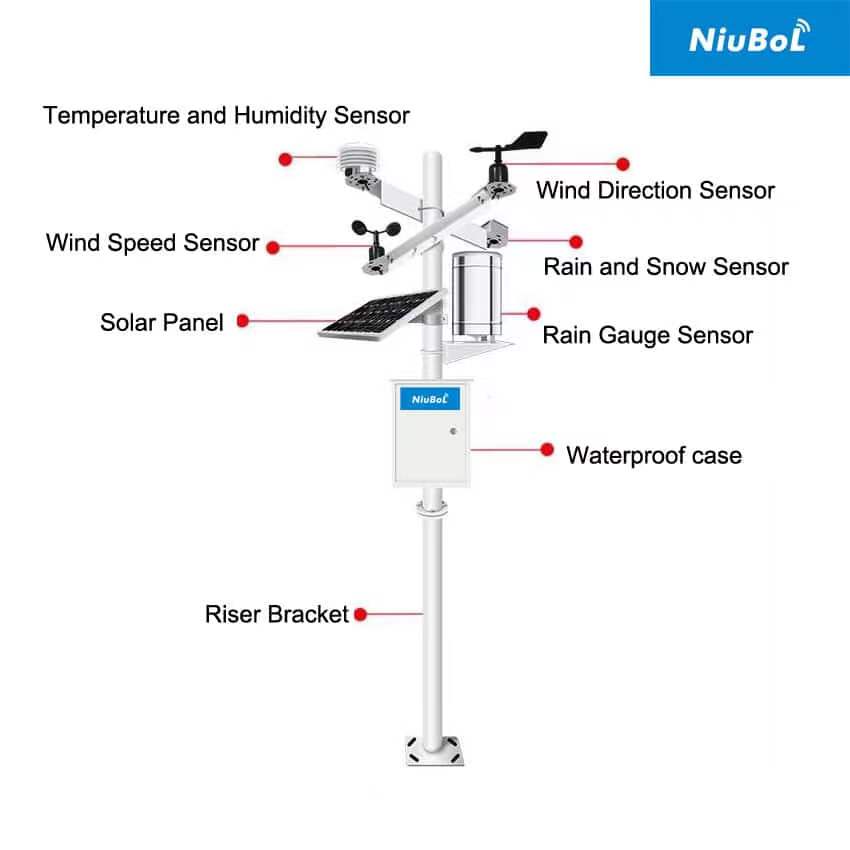
The operation of a regional automatic weather station is highly automated, relying primarily on the coordinated functioning of its core components:
1. Data Collection (Sensing and Quantification): Sensors measure meteorological factors in real-time and convert physical quantities (e.g., temperature, pressure) into electrical signals.
2. Data Processing (Brain Function): The main collector receives sensor signals, digitizes them via analog-to-digital (A/D) conversion circuits, and performs data quality checks and control calculations.
3. Storage and Communication (Recording and Transmission): Data is stored in the collector's large-capacity storage and transmitted in real-time via communication modules (wired or wireless) to remote data centers or computer terminals.
4. Intelligent Applications (Analysis and Decision-Making): Cloud platforms and professional analysis software receive data for in-depth analysis, report generation, and use in weather forecasting, agricultural guidance, disaster warnings, and more.
This operating mode makes automatic weather stations an indispensable tool in meteorological monitoring and warning systems.
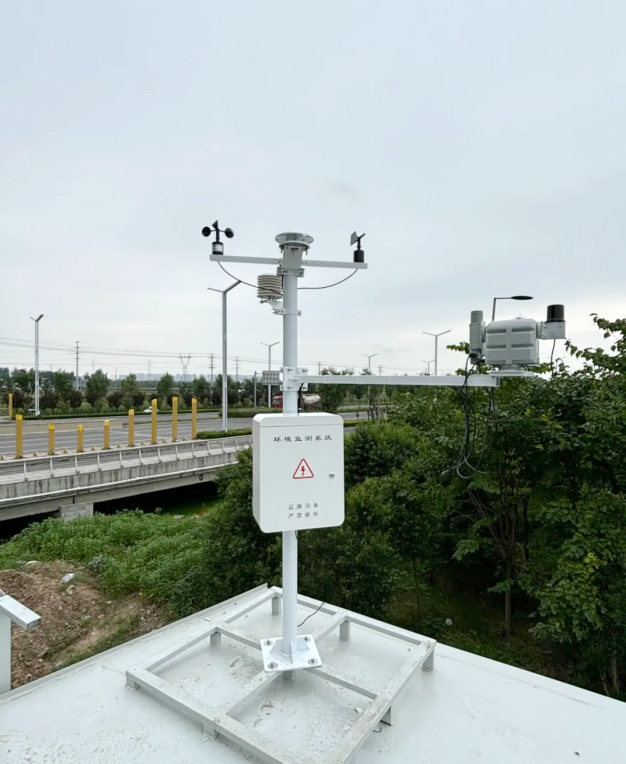
The NiuBoL regional automatic weather station features an exquisite and stable structure, primarily consisting of six core parts, with the main collector rightfully being its "heart."
Hardware Configuration: The main collector has a high-performance, highly integrated hardware foundation, ensuring stable operation of embedded real-time operating systems:
- High-performance embedded processor: Provides powerful computation and control capabilities.
- Precision circuits: Including A/D conversion circuits for signal digitization and accurate real-time clock circuits for precise data timestamps.
- Storage and Interfaces: Equipped with large-capacity program and data storage, multi-channel sensor interfaces, communication interfaces, external storage interfaces, advanced CAN bus interfaces, and Ethernet interfaces to meet complex network data interaction needs.
- Self-Diagnosis: Built-in monitoring circuits and status indicators for real-time equipment status monitoring and troubleshooting.
1. Data Processing and Storage: Collects raw data from sensors, performs control calculations, data processing, quality checks, recording, and storage.
2. Network and System Management: As the "brain," manages potential sub-collectors or slave devices, including network management, operation management, configuration management, and clock synchronization, ensuring efficient coordinated operation of the entire station.
| Component | Function Description | Technical Highlights |
| Various Sensors | Real-time measurement of different meteorological parameters, such as temperature, humidity, wind speed, wind direction, air pressure, rainfall, etc. | High-precision, high-stability industrial-grade sensors. |
| Data Logger | Physically stores meteorological information collected by the main collector. | Large-capacity, low-power storage media. |
| Communication Module | Transmits data to remote data centers or user terminals. | Supports wired (e.g., RS485, Ethernet) and wireless (e.g., 4G, 5G, GPRS) methods |
| Power Supply System | Provides continuous power to meteorological equipment. | Optional solar power system (including panels, charge protectors, batteries) or direct AC adapter (mains). |
| Physical Support/Protection | Includes brackets and protective enclosures. | Bracket material (stainless steel or carbon steel) and height customized by application; enclosures protect against harsh weather. |
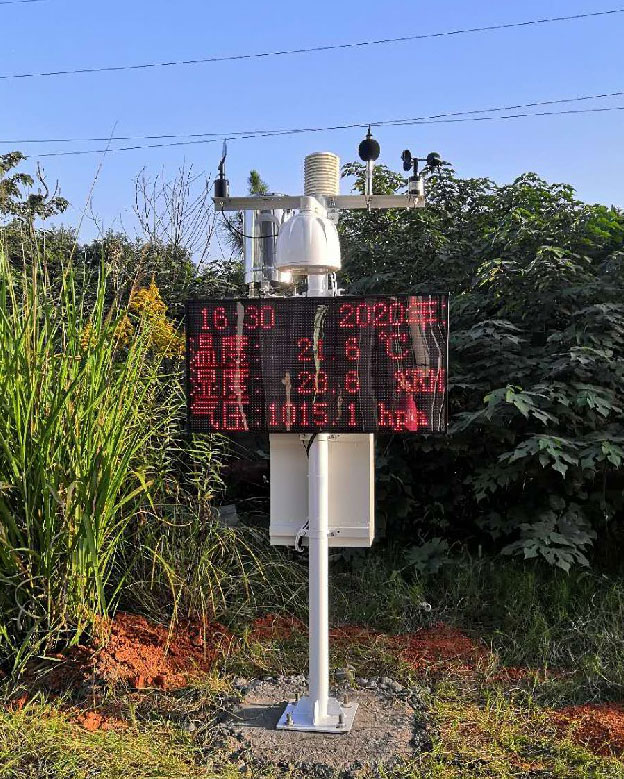
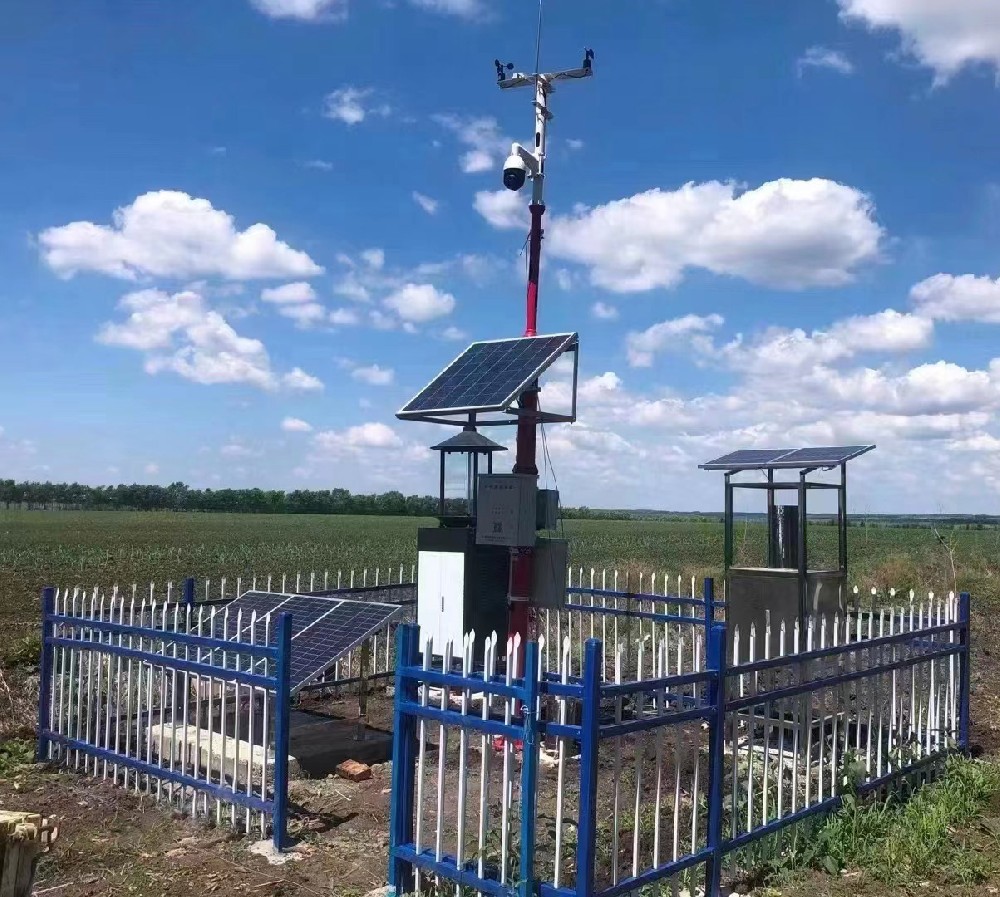
Regional automatic weather stations can be flexibly classified and configured based on user needs and scenarios, demonstrating high customization.
Classified by monitoring objects and methods:
- Soil Moisture Monitoring Station: Focuses on soil moisture, temperature, etc.
- Automatic Rainfall Station: Focuses on precipitation.
- Multi-Element Automatic Weather Station: Simultaneously monitors multiple conventional elements.
- Handheld Weather Station: Portable for temporary or mobile monitoring.
- Vehicle-Mounted Weather Station: For traffic inspections or rapid coverage.
- Wireless/Wired Telemetry Weather Station: Refers to specific data transmission technologies.
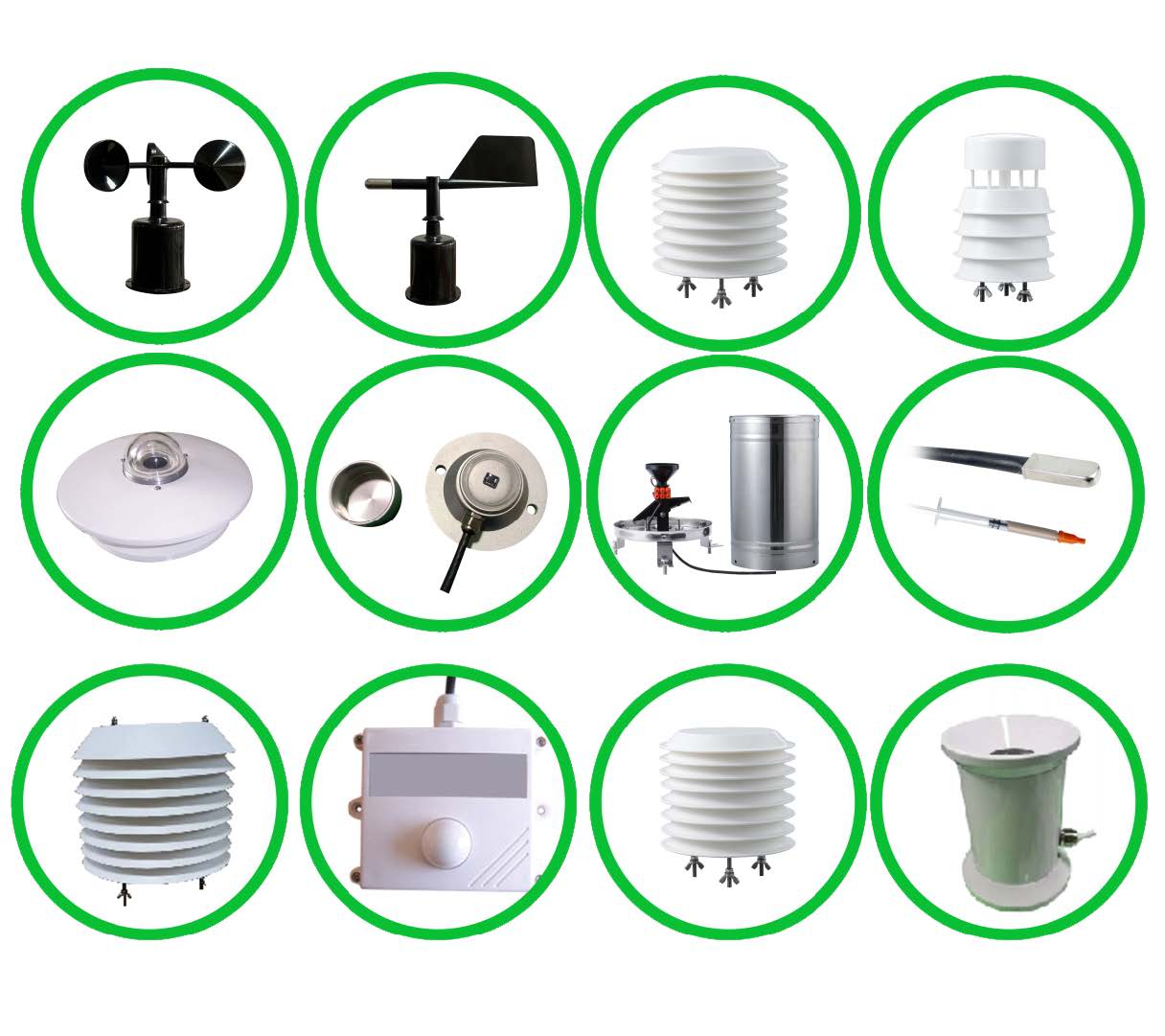
Regional automatic weather stations have extensive applications due to the high decision-making value of real-time data:
1. Weather Forecasting and Warnings: Provides foundational, dense ground observation data for regional, short-term forecasting and disaster warnings.
2. Agriculture and Water Resources: Guides production (e.g., sowing, irrigation, fertilization) and supports water management, flood/drought decisions.
3. Transportation and Engineering: Used in traffic weather stations (highways, railways), ensuring aviation, aerospace, and construction safety.
4. Scientific Research and Environmental Protection: Supplies precise data for research; monitors environmental elements for air quality assessment.
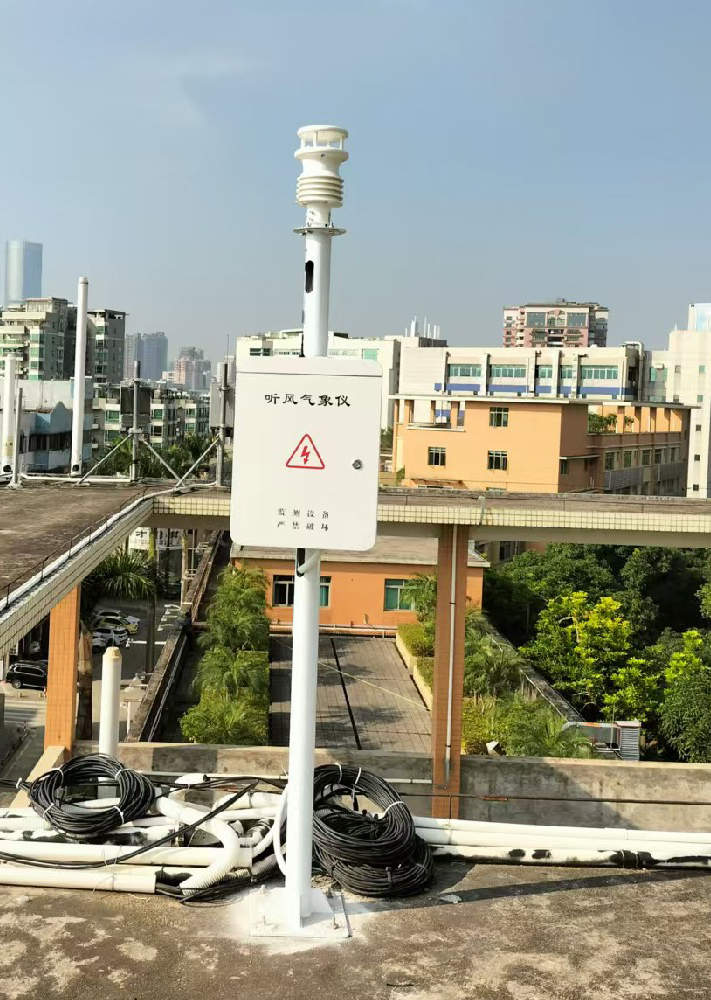
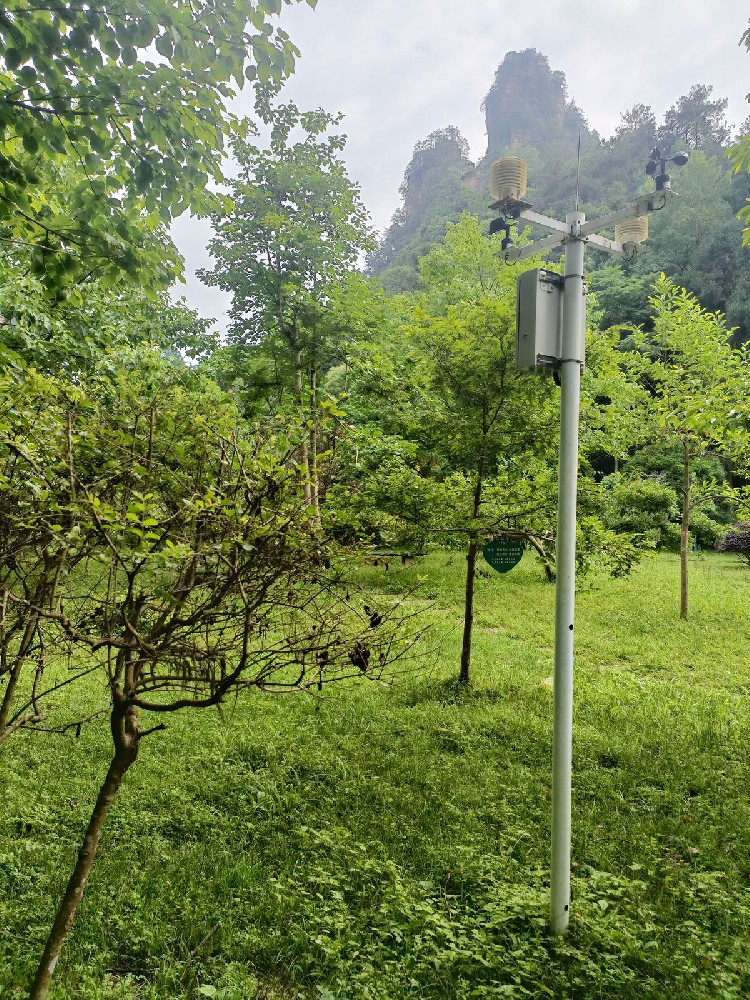
1. Site Selection Principles: Choose representative, open, flat areas without obvious interference (e.g., tall buildings, strong electromagnetic radiation).
2. Bracket Installation: Select appropriate height and material (stainless steel/carbon steel) based on needs; use solid foundations for wind resistance and long-term stability.
3. Sensor Layout: Install at standard heights/orientations, avoiding mutual obstruction. E.g., wind sensors away from obstacles.
4. Power and Communication:
For solar: Ensure optimal panel angle, regular battery checks.
For wired (RS485/Ethernet): Protect and secure cables; for wireless (4G): Ensure stable signal.
| Fault Phenomenon | Possible Causes | Troubleshooting and Solutions |
| Data Transmission Interruption | 1. Communication module failure; 2. RS485 line disconnection; 3. Weak 4G signal or arrears. | Check communication indicators and network; inspect connections; contact operator or recharge. |
| Large Real-Time Clock Deviation | Low RTC battery in main collector. | Check/replace RTC battery; synchronize via cloud platform. |
| No Sensor Data Output | 1. Poor sensor interface contact; 2. Sensor damage; 3. Main collector A/D circuit failure. | Check wiring; test with replacement sensor; inspect collector status. |
| Frequent Restarts | Unstable power (e.g., insufficient solar or faulty battery). | Check panel efficiency and charge protector; replace aging battery. |
| Unable to View Data on User Interface | Failed connection to interface/software. | Verify communication protocol and software config; ensure module started. |
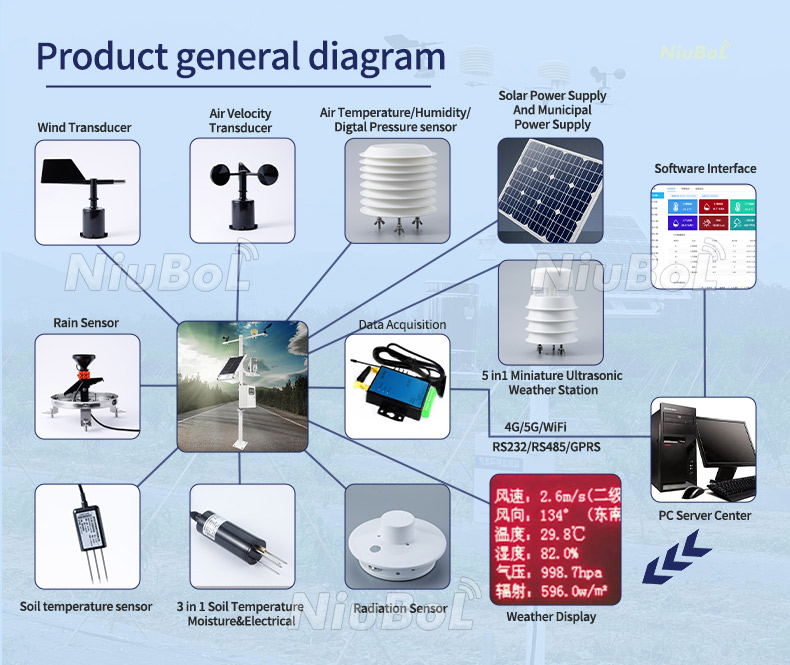
A: The main collector. It features a high-performance processor, precise A/D circuits, real-time clock, and storage, handling data processing, storage, communication, and system management.
A: Primarily wired (RS485, Ethernet) and wireless (4G/5G/GPRS).
A: Commonly used in industrial control and vehicle systems; in weather stations, it connects/manages multiple sub-collectors or industrial sensors for reliable communication.
A: Built-in accurate RTC in the main collector, with synchronization for sub-collectors, ensuring precise timestamps.
A: Yes, with protective enclosures and professional hardware for all-weather reliability.
A: One that simultaneously monitors multiple elements (e.g., wind speed/direction, temperature/humidity, pressure, rainfall).
A: No, customized based on monitoring elements, hardware (e.g., collector level), services, and communication needs.
A: Via communication modules to terminals or remote centers; accessed/analyzed/stored via cloud platforms and software.
A: Primarily solar panels, charge protector (controller), and batteries for continuous supply.
A: Allows on-site viewing of real-time data and equipment settings for debugging and maintenance.
A: CE, ISO9001, RoHS, and nationally recognized meteorological calibration certificates.
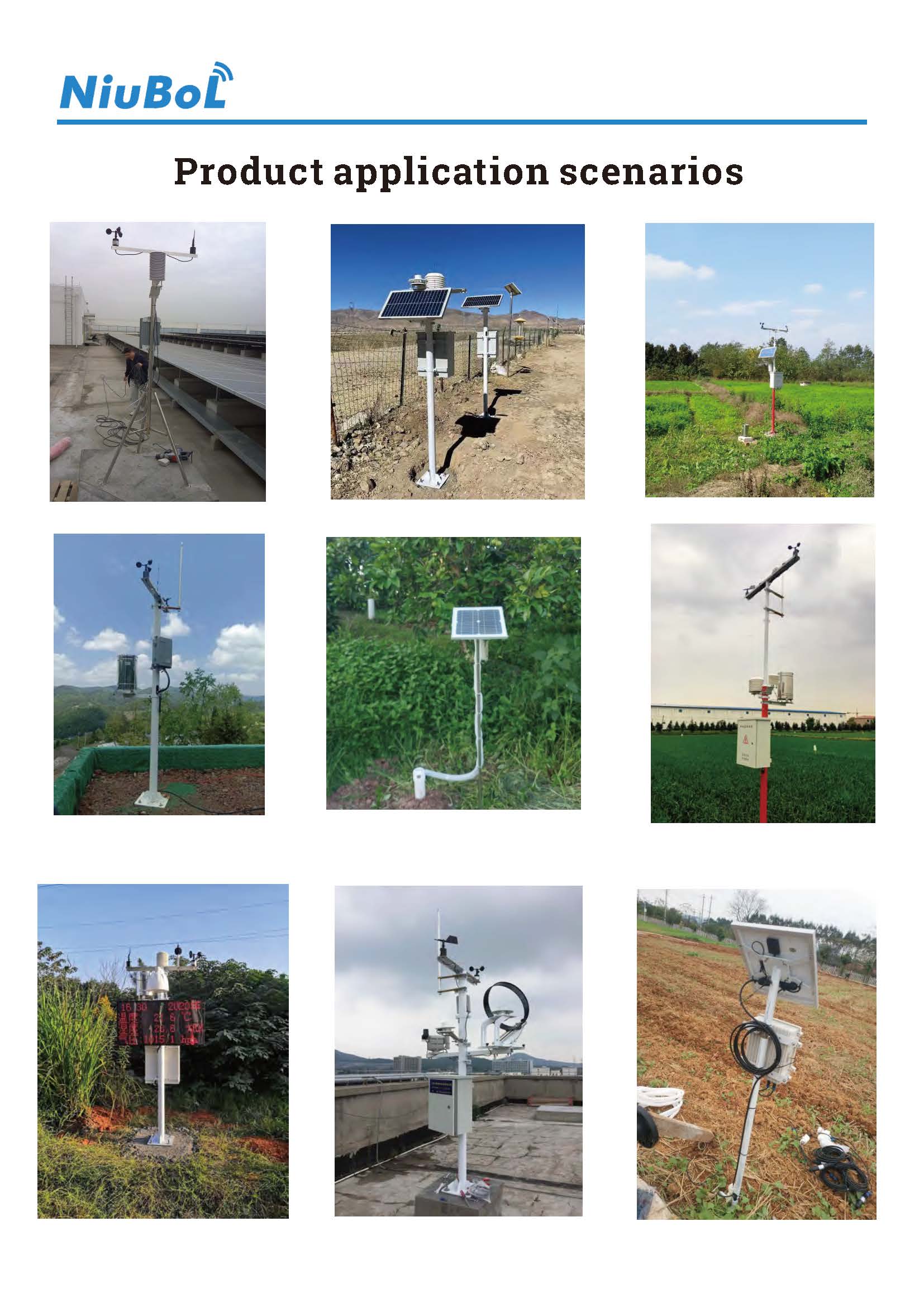
With its powerful main collector architecture, flexible sensor configuration, and reliable multi-channel data transmission, the NiuBoL regional automatic weather station provides real-time, precise, all-weather meteorological data support across industries. It is no longer just a simple measurement device but an intelligent system integrating sensing, computation, communication, and management.
Choosing NiuBoL means selecting a stable, reliable, powerful, and customizable meteorological monitoring solution, powerfully advancing scientification and automation in weather forecasting, agriculture, transportation, and more.
Do you need a customized configuration plan and quotation for a NiuBoL regional automatic weather station based on your specific application scenario (e.g., transportation, forest fire prevention, urban environmental monitoring, or agricultural production)?
Prev:Forest Fire Weather Station Readings: Humidity, Rain and Wind
Next:What is a Weather Station? The "Neural Center" for Precise Environmental Monitoring
Related recommendations
Sensors & Weather Stations Catalog
 Agriculture Sensors and Weather Stations Catalog-NiuBoL.pdf
Weather Stations Catalog-NiuBoL.pdf
Agriculture Sensors Catalog-NiuBoL.pdf
Water Quality Sensor Catalog-NiuBoL.pdf
Related products
 Combined air temperature and relative humidity sensor
 TDR Soil Moisture & Temperature Sensor for irrigation| RS485 |4-20mA| NBL-S-THR
 Soil pH sensor RS485 soil Testing instrument soil ph meter for agriculture |NBL-S-PH
 Wind Speed sensor Output Modbus/RS485/Analog/0-5V/4-20mA
 Tipping bucket rain gauge for weather monitoring auto rainfall sensor RS485/Outdoor/stainless steel
 Pyranometer Solar Radiation Sensor 4-20mA/RS485

Screenshot, WhatsApp to identify the QR code
WhatsApp number:+8615367865107
(Click on WhatsApp to copy and add friends)

