





— Blogs —
—Products—
 Consumer hotline +8618073152920
 WhatsApp:+8615367865107
Address:Room 102, District D, Houhu Industrial Park, Yuelu District, Changsha City, Hunan Province, China
Product knowledge
Time:2025-12-05 11:36:05 Popularity:838
A weather station, particularly the modern meteorological monitoring system developed by NiuBoL, is an automated observation device that integrates various high-precision meteorological sensors, data acquisition, storage, and communication modules. Its core function is to acquire data on various meteorological elements in the atmospheric environment in real-time and continuously, providing scientific basis for climate research, environmental assessment, agricultural production, transportation safety, and daily forecasting.
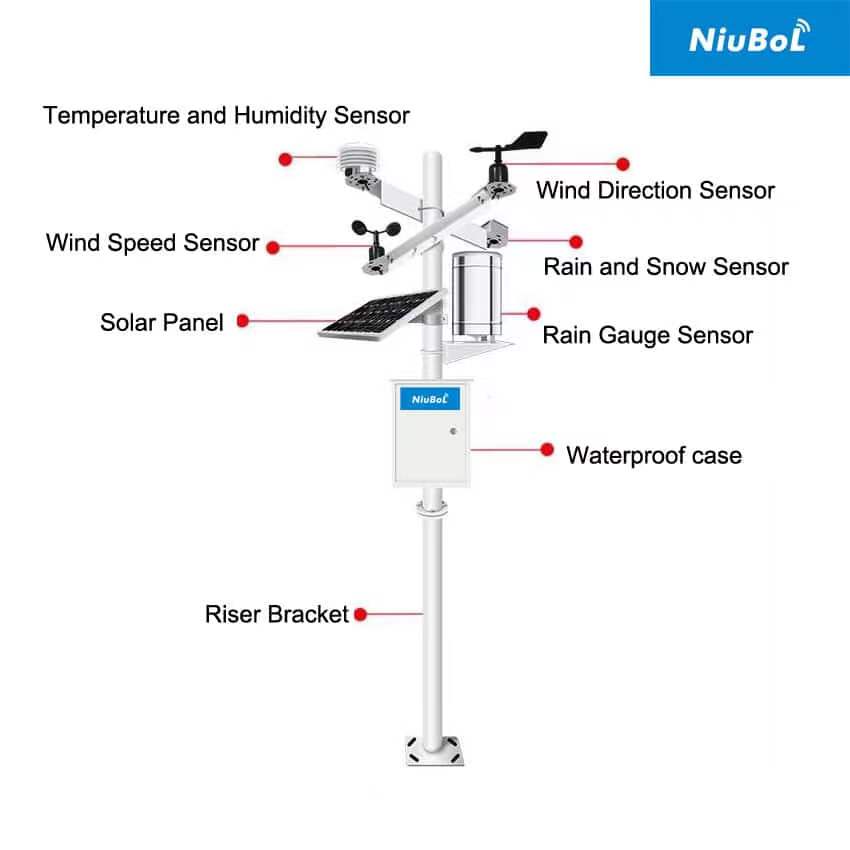
Weather stations have a high degree of customization, allowing flexible configuration of monitoring parameters and functional features based on specific needs and application scenarios.
A standard weather station system mainly consists of the following three major modules:
1. Sensor Array (Perception Layer): Includes various high-precision physical sensors responsible for converting meteorological elements (such as temperature sensors, wind speed sensors, wind direction sensors, rain gauges, solar radiation sensors, etc.) into electrical signals.
2. Meteorological Data Collector (Processing and Storage Layer): The system's control core, responsible for receiving, digitizing, calibrating, storing raw data from sensors, and controlling data transmission.
3. Data Transmission and Monitoring Platform (Transmission and Application Layer): Uses GPRS/4G/5G and other network technologies to remotely send data to cloud servers or monitoring platforms, enabling real-time display, analysis, historical storage, and remote parameter adjustments.
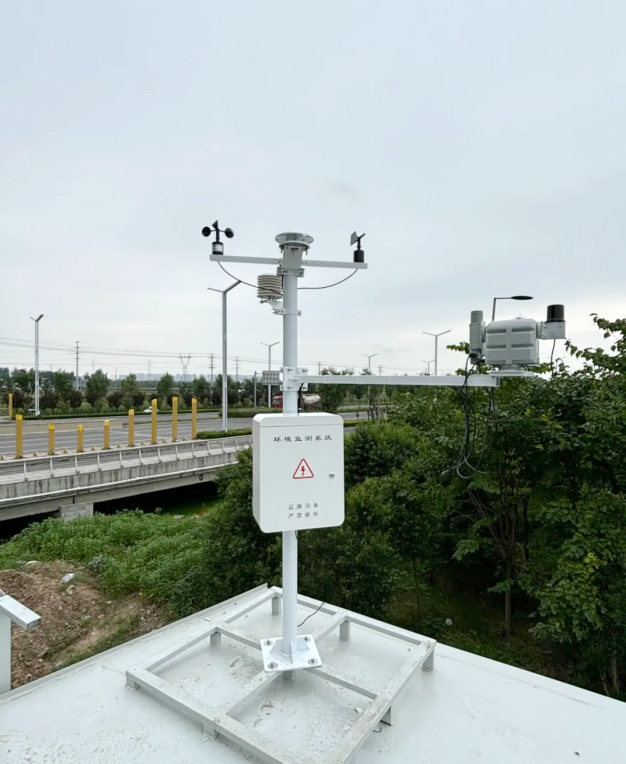
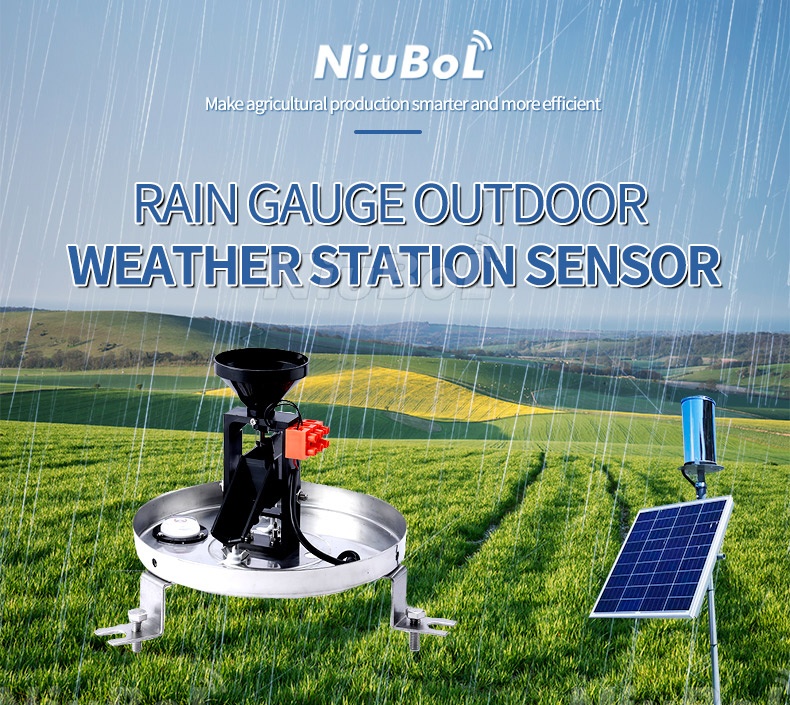
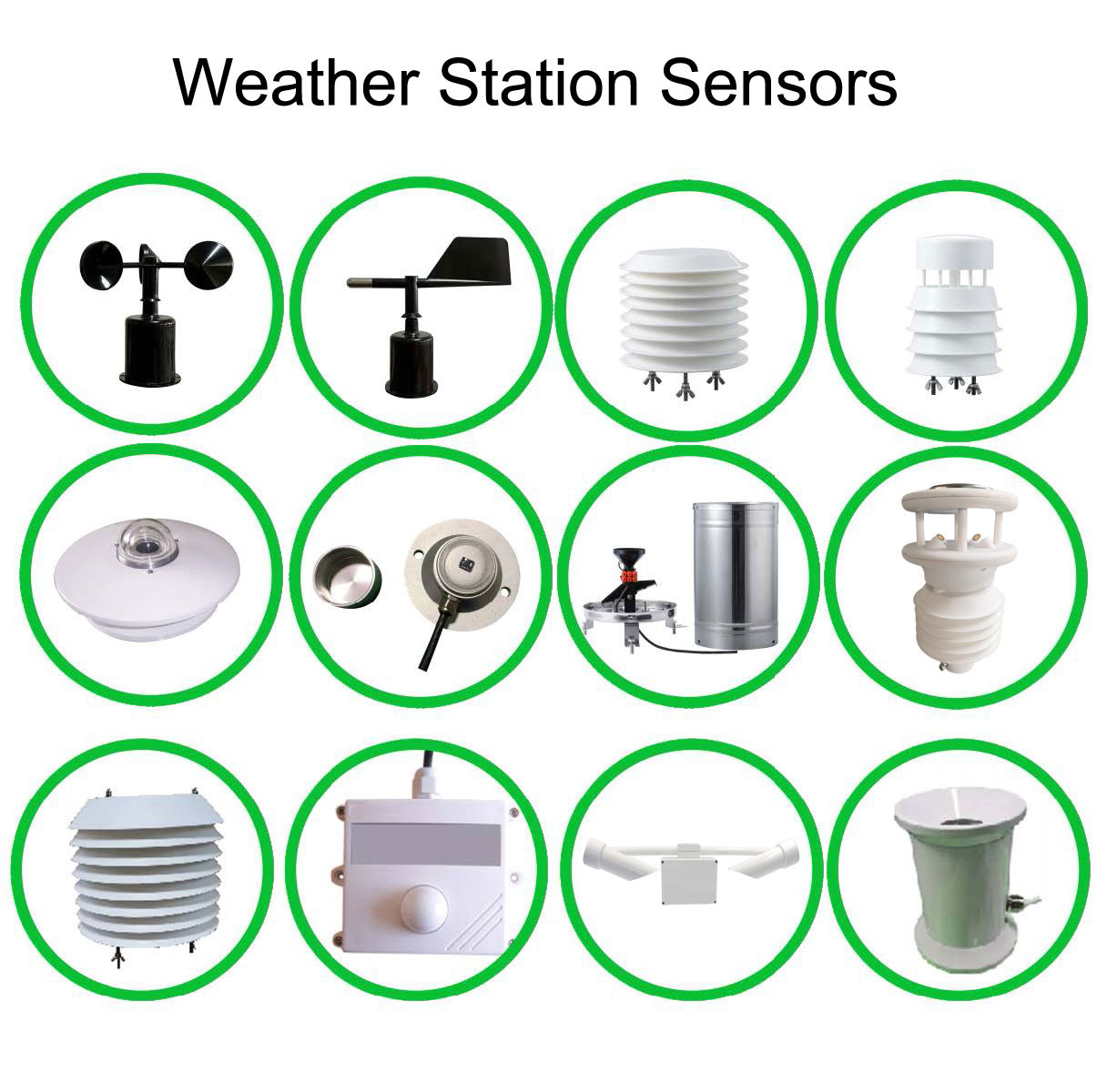
The monitoring accuracy and reliability of a weather station depend entirely on the performance of its various sensors. NiuBoL weather stations select a variety of sensors, each undertaking unique measurement tasks.
Function: Measures actual ambient air temperature. Temperature is one of the most basic parameters of atmospheric conditions.
Working Principle: Commonly uses thermistors and platinum resistance (Pt100/Pt1000). They utilize the characteristic that material resistance changes with temperature. For example, platinum resistance uses the principle of linear increase in resistivity with rising temperature to calculate precise temperature by measuring resistance.
Measurement Method: The sensor is placed in a well-ventilated radiation shield to ensure measurements are not affected by direct sunlight or thermal radiation.
Function: Measures relative humidity (RH) in the air, i.e., the ratio of water vapor content to saturated water vapor content.
Working Principle: Mostly uses capacitive humidity sensors. These sensors use a polymer film as the medium; when water vapor enters the film, the dielectric constant changes, causing a change in capacitance. Humidity is derived by measuring this capacitance change.
Measurement Method: Avoid condensation and perform regular dust removal and calibration to maintain accuracy.
Function: Measures atmospheric pressure. Changes in pressure are closely related to weather system movement and altitude calculations.
Working Principle: Modern weather stations mostly use piezoresistive or capacitive silicon MEMS sensors. These utilize an elastic diaphragm (e.g., silicon, silicon diaphragm); when atmospheric pressure changes, the diaphragm deforms slightly, altering resistance or capacitance for precise pressure measurement.
Measurement Method: Results are usually corrected to sea-level pressure for meteorological analysis and comparison.
Function: Anemometer measures airflow speed; wind vane indicates airflow direction.
Working Principle:
- Anemometer: Commonly three-cup (mechanical rotation) or ultrasonic. Ultrasonic type calculates wind speed by measuring changes in sound wave propagation time affected by wind, with no inertia and fast response.
- Wind Vane: Traditional mechanical uses tail fin pointing; modern stations mostly use ultrasonic or magnetic encoders for 360-degree dead-zone-free high-precision measurement.
Measurement Method: Must be installed in open areas away from obstacles, typically at 10-meter standard height.
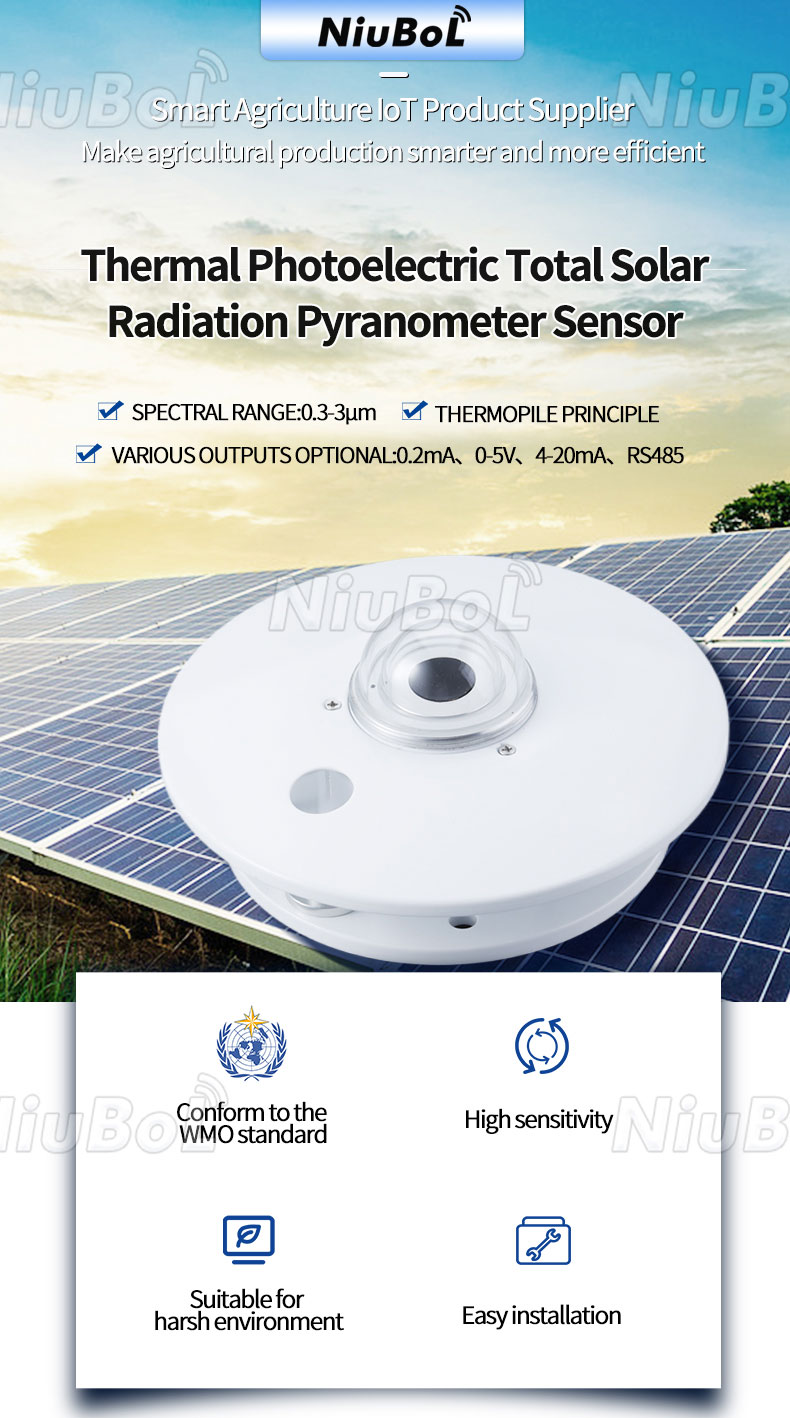
Function: Measures shortwave solar radiation or specific bands (e.g., UV intensity). Crucial for climate change research, photosynthesis, and energy utilization.
Working Principle: Usually based on thermoelectric effect (thermoelectric pile) or photoelectric effect (photosensitive elements). For example, thermoelectric pile pyranometers absorb radiation energy, convert it to measurable temperature difference, and generate voltage signals.
Measurement Method: Sensor must be kept level and lens cleaned regularly.
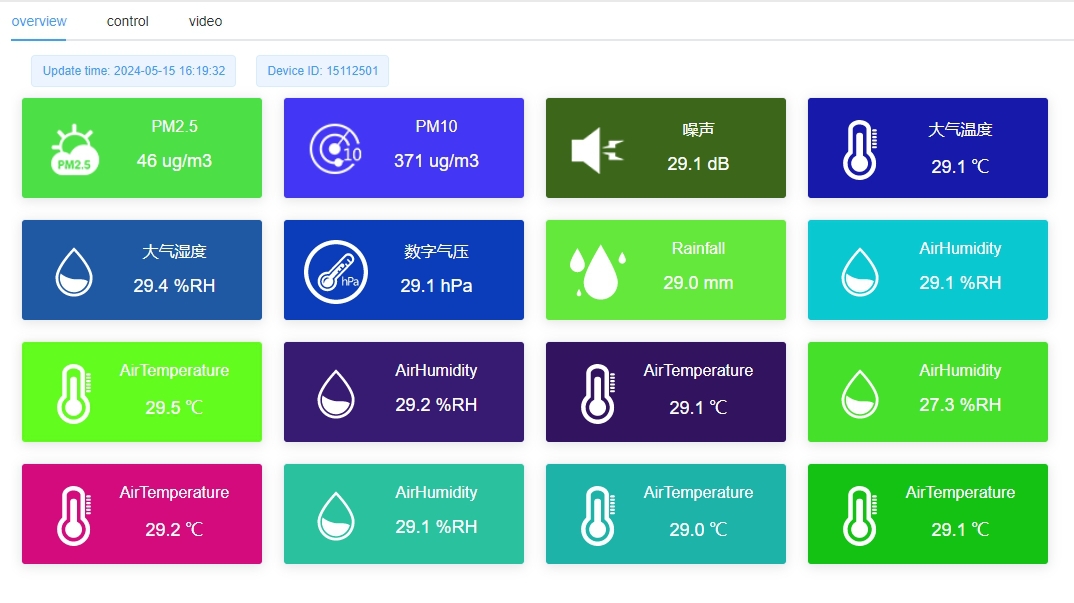
| Equipment Name | Measured Parameter | Brief Principle and Function |
| Rain Gauge | Precipitation | Mainly tipping bucket type; precisely calculates rainfall by collecting rainwater and measuring bucket flips. |
| Evaporation Sensor | Evaporation Amount | Simulates water surface or wetland moisture loss rate; significant for hydrological and meteorological research. |
| Soil Moisture Sensor | Soil Water Content | Often uses time-domain reflectometry (TDR) or frequency-domain reflectometry (FDR); infers moisture content by measuring soil dielectric constant. |
| Camera | Real-time Video Images | Used for remote observation of weather phenomena, cloud forms, visibility, etc., as auxiliary visual evidence for data analysis. |
Intelligent Communication and Data Applications: Building a Remote Monitoring Ecosystem
NiuBoL weather stations are not only data producers but also builders of intelligent data ecosystems.
Data Acquisition and Transmission Mechanism
The meteorological data collector is the system's "brain." It receives analog signals from sensors, digitizes them via high-precision A/D conversion, performs unit conversion and calibration, and stores valid data in internal memory.
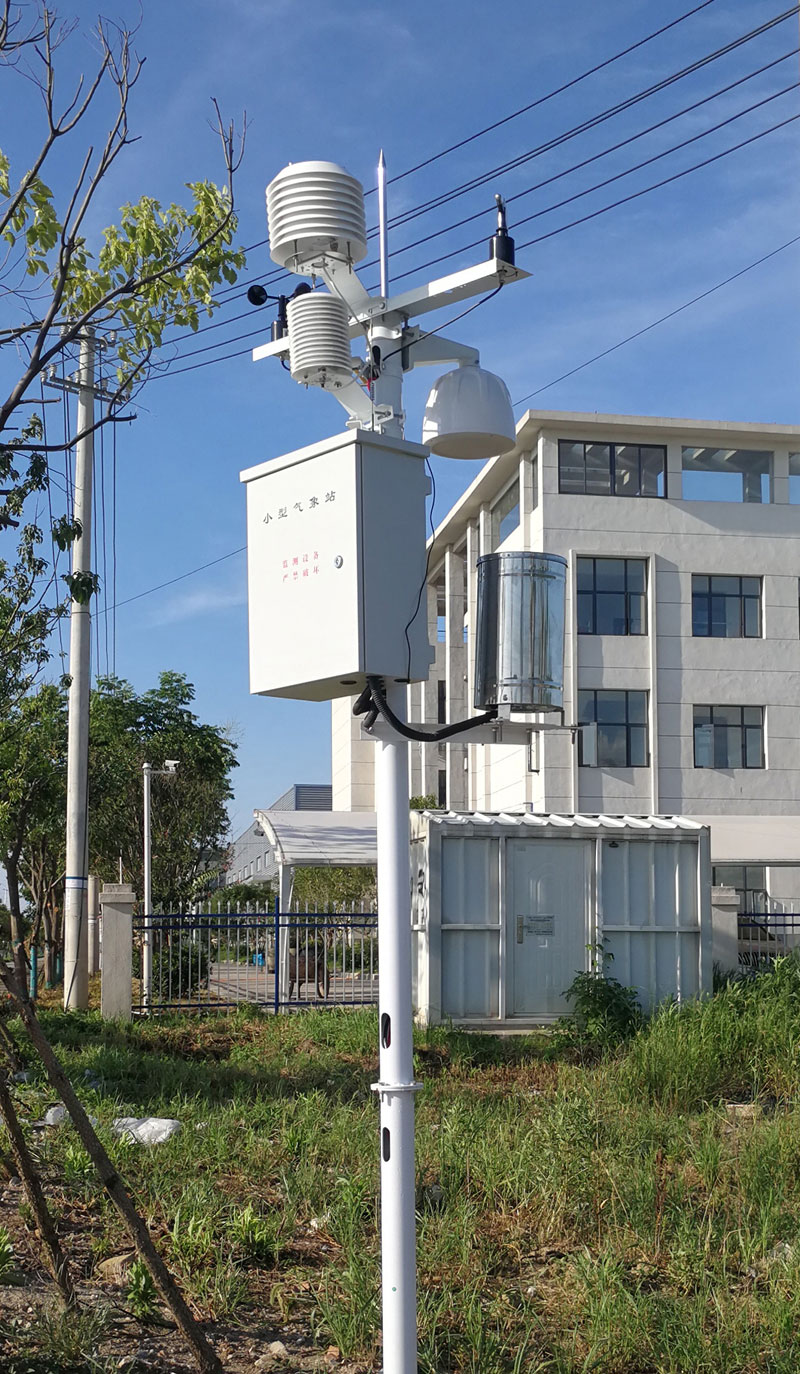
1. Network Access: Insert SIM card into the acquisition device; ensure GPRS/4G/5G antenna is placed outside the waterproof box for signal strength.
2. Data Sending: Device can be configured with intervals (1 second to 10,000 seconds) for automatic timed transmission of real-time data packets to the monitoring platform.
3. Platform Integration: Monitoring platform receives, decodes, displays data in real-time, and stores history. Even in remote scenic areas, farmlands, or wilderness, users can remotely log in via web, mobile apps, or social media platforms to view data or adjust parameters.
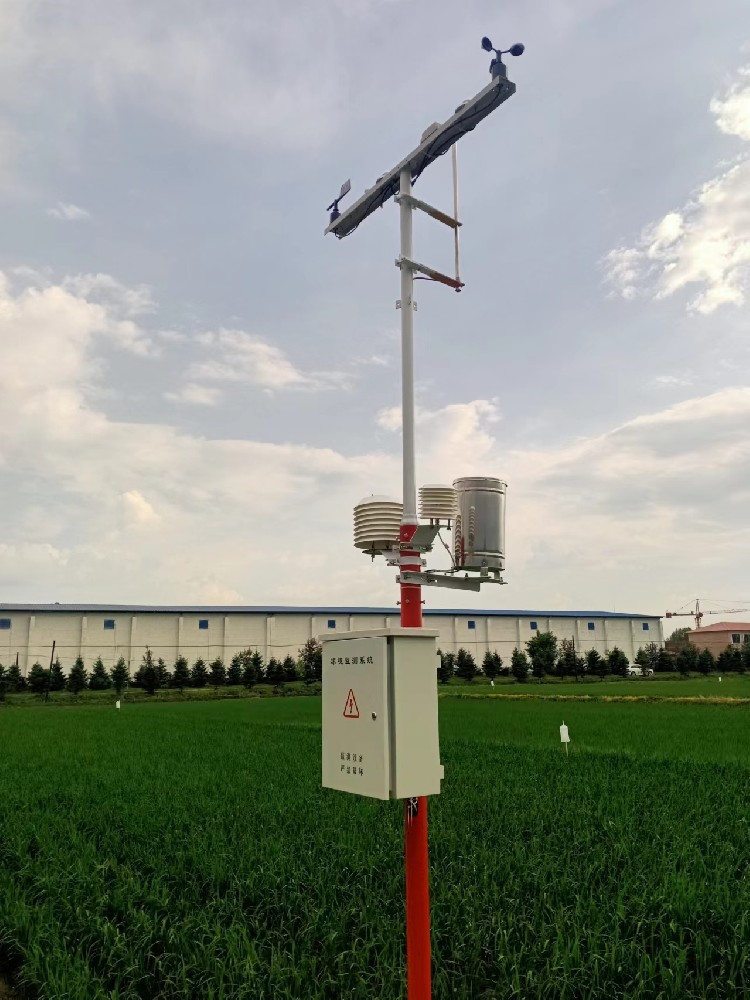
Data collected by weather stations is key input for multi-industry decision-making:
- Smart Agriculture: Precisely guides irrigation (based on soil moisture/evaporation), pest warning (based on temperature/humidity), and crop selection.
- Environmental Monitoring: Combined with wind direction/speed, tracks pollutant diffusion paths and ranges.
- Hydrology and Water Resources: Monitors precipitation for flood warnings and reservoir scheduling.
- Transportation Meteorology: Provides visibility, wind speed, water accumulation info for roads, railways, aviation safety.
- New Energy: Assesses solar radiation intensity to optimize photovoltaic efficiency.
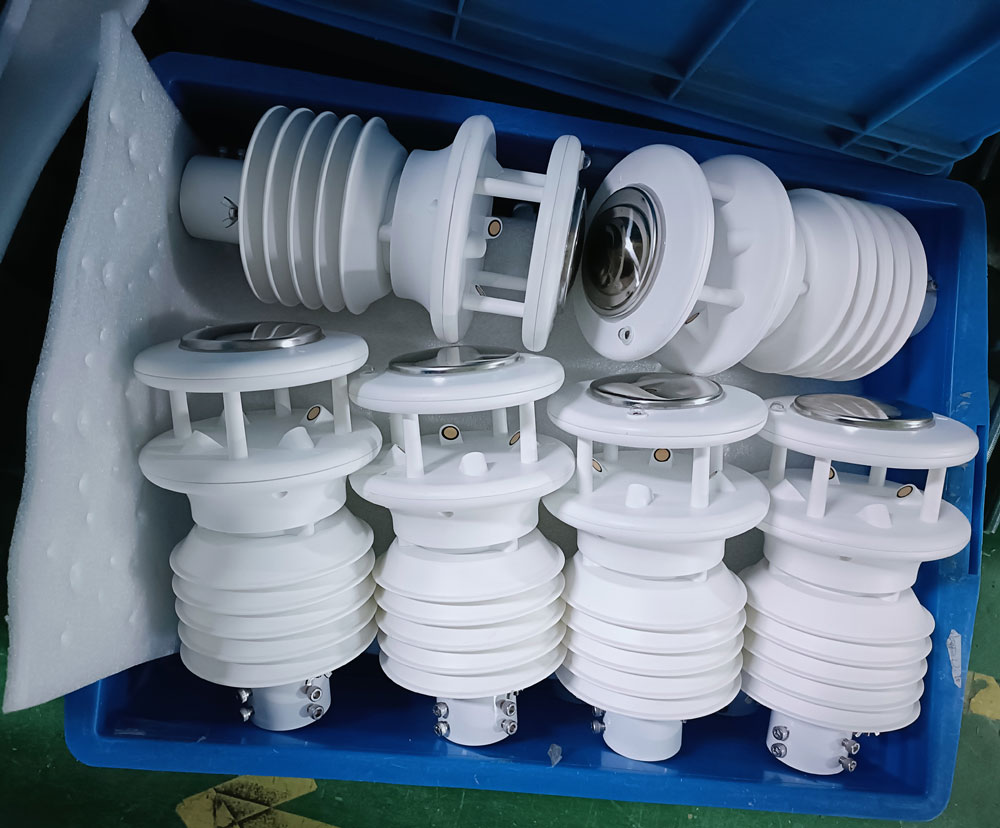
To ensure data continuity and accuracy, maintenance of weather stations is crucial.
| Common Fault Phenomenon | Possible Causes | Troubleshooting and Solutions |
| Data not updated for long time | 1. SIM card arrears or weak signal. 2. GPRS/4G antenna loose or faulty. 3. Collector crashed. | 1. Check SIM card status and fees. 2. Check antenna connection; move to stronger signal area. 3. Remote restart or on-site power cycle collector. |
| Abnormal reading from a sensor | 1. Sensor physically damaged or blocked. 2. Terminal corrosion or loose. 3. Needs recalibration. | 1. Clean or check for damage. 2. Inspect and tighten wiring. 3. Use standard instruments for on-site comparison and calibration. |
| Anemometer not rotating/reading 0 | 1. Mechanical stuck (dust/ice). 2. Bearing damaged. 3. Cable open circuit. | 1. Clean or thaw mechanical parts. 2. Replace damaged bearing or sensor. 3. Check cable continuity. |
| Rain gauge reading low | 1. Funnel or filter net blocked by leaves. 2. Tipping bucket calibration drift. | 1. Clear funnel and filter. 2. Calibrate bucket capacity with standard water volume. |
| Large deviation in temperature/humidity readings | 1. Radiation shield polluted or damaged. 2. Sensor condensation or radiation affected. | 1. Clean or replace shield. 2. Check installation complies with norms. |
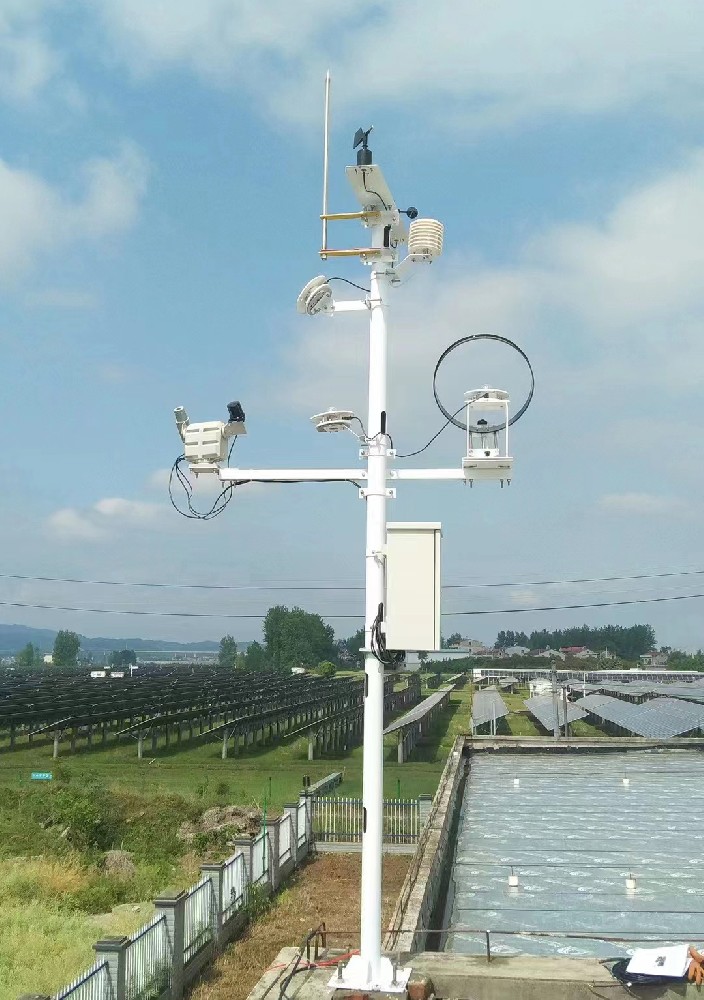
A: Most modern weather stations (including NiuBoL products) use solar panels and batteries for complete self-sufficiency, no external power needed, especially suitable for field monitoring.
A: Yes, intervals range from 1 second to 10,000 seconds; users can flexibly set via monitoring platform or local software based on needs.
A: Recommend at least one full on-site inspection and cleaning every 6 months; annual professional calibration, especially for wind speed, radiation, etc.
A: Sensors must be installed in open, obstacle-free areas at standard height (e.g., 10 meters), with regular bearing and ultrasonic probe cleaning checks.
A: Monitoring parameter selection, sensor precision levels, data storage capacity, transmission methods (GPRS/4G/5G/LoRa), power supply, and system integration interfaces.
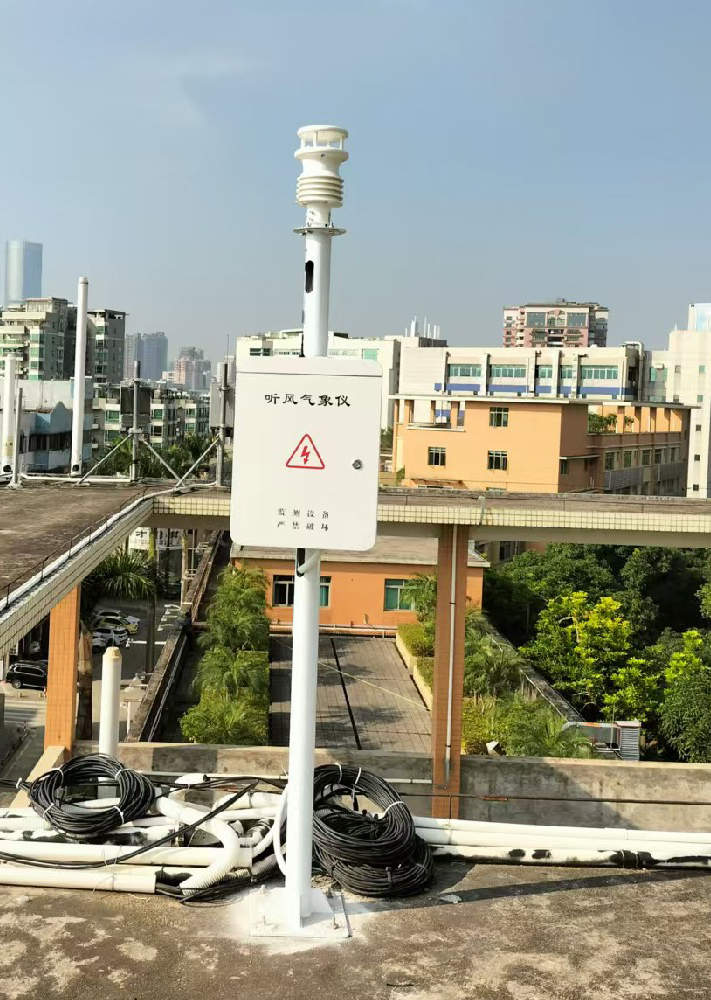
A: Built-in large-capacity storage (e.g., SD card or Flash); data cached locally during network interruptions, auto-resynced upon recovery.
A: Multiple sensors can be configured for different depths, e.g., 10cm, 20cm, 40cm, 60cm.
A: Yes, but professional pyranometers are typically for solar or UV intensity. Indoor lighting may require dedicated illuminance meters.
A: NiuBoL monitoring platforms usually have offline alerts. If no upload exceeds preset interval (e.g., 1 hour), automatic notifications are sent.
A: Professional industrial-grade (e.g., NiuBoL series) typically IP65 or higher, with excellent waterproof, dustproof, corrosion-resistant, and high/low-temperature endurance for deserts, mountains, coasts, etc.
A: CE, ISO9001, RoHS, and nationally recognized meteorological calibration certificates.
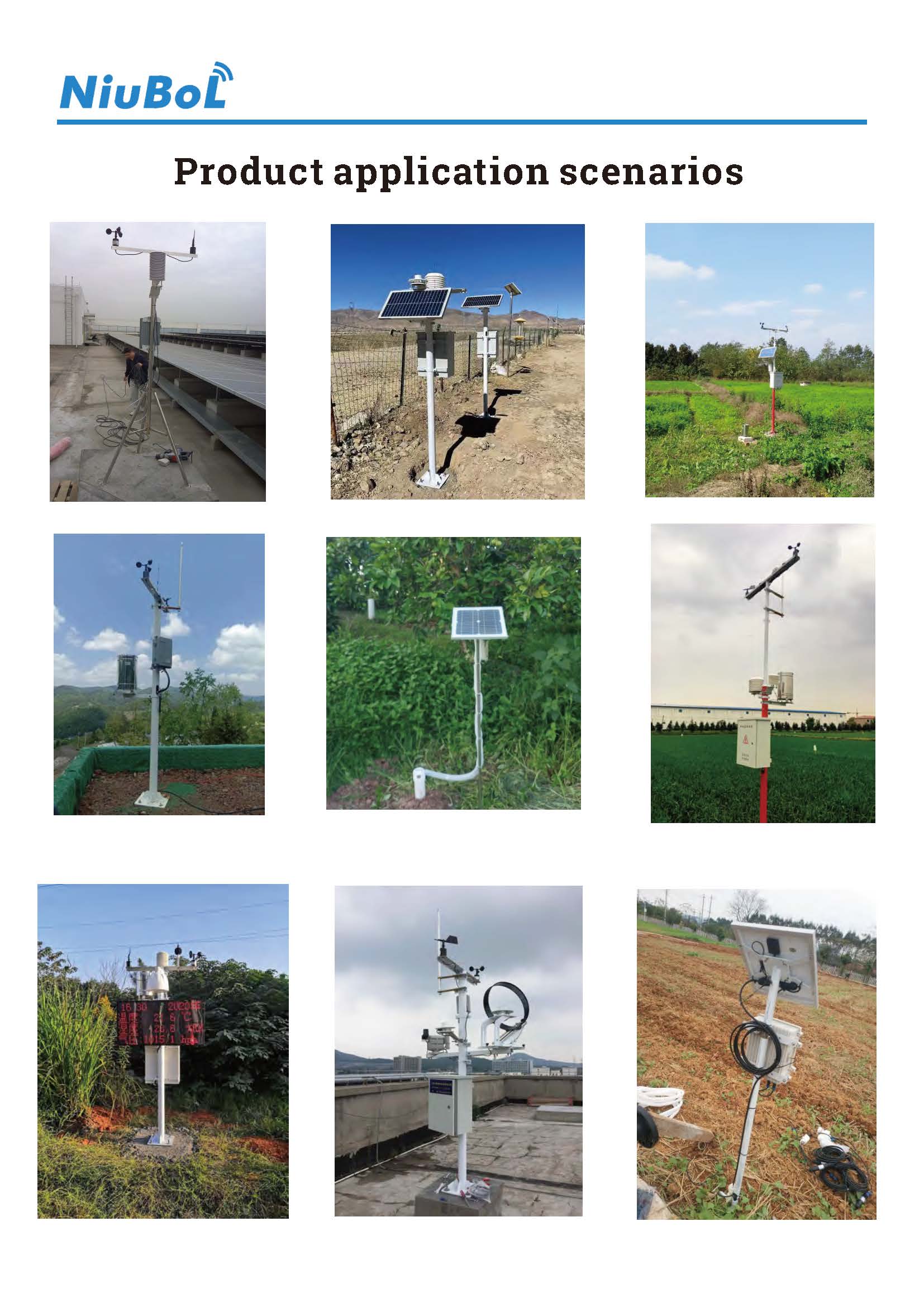
With integrated multi-parameter sensor arrays, efficient intelligent data acquisition and transmission, and flexible customization, NiuBoL weather stations have become indispensable tools in precise environmental monitoring.
From core sensor physical principles to GPRS/4G/5G cloud real-time transmission, and deep empowerment in multi-industry scenarios, NiuBoL provides not just equipment but a stable, reliable, intelligent meteorological data ecosystem. Facing increasingly complex environmental challenges, precise meteorological data will drive smart cities, smart agriculture, and green energy development.
Contact NiuBoL immediately to customize your exclusive high-precision meteorological monitoring solution!
Prev:Definition and Working Principle of Regional Automatic Weather Stations
Next:In-Depth Analysis of Common Meteorological Monitoring Equipment Types and Principles
Related recommendations
Sensors & Weather Stations Catalog
 Agriculture Sensors and Weather Stations Catalog-NiuBoL.pdf
Weather Stations Catalog-NiuBoL.pdf
Agriculture Sensors Catalog-NiuBoL.pdf
Water Quality Sensor Catalog-NiuBoL.pdf
Related products
 Combined air temperature and relative humidity sensor
 TDR Soil Moisture & Temperature Sensor for irrigation| RS485 |4-20mA| NBL-S-THR
 Soil pH sensor RS485 soil Testing instrument soil ph meter for agriculture |NBL-S-PH
 Wind Speed sensor Output Modbus/RS485/Analog/0-5V/4-20mA
 Tipping bucket rain gauge for weather monitoring auto rainfall sensor RS485/Outdoor/stainless steel
 Pyranometer Solar Radiation Sensor 4-20mA/RS485

Screenshot, WhatsApp to identify the QR code
WhatsApp number:+8615367865107
(Click on WhatsApp to copy and add friends)

