





— Blogs —
—Products—
 Consumer hotline +8618073152920
 WhatsApp:+8615367865107
Address:Room 102, District D, Houhu Industrial Park, Yuelu District, Changsha City, Hunan Province, China
Product knowledge
Time:2025-12-05 11:51:55 Popularity:891
Against the backdrop of global warming, the threat of meteorological disasters is becoming increasingly severe. These disasters exhibit characteristics such as high frequency, wide distribution, diverse types (e.g., typhoons, heavy rain, ice and snow storms, dust storms), and severe losses. In the face of such uncontrollable natural forces, timely preparation and appropriate measures at critical moments are the core of disaster prevention and mitigation.
Meteorological monitoring equipment serves as the "eyes" and "ears" of the disaster prevention and mitigation system, playing a crucial role. They can capture and record key meteorological parameters in real-time and accurately, providing solid data support for weather forecasting and timely disaster warnings, making them an indispensable component in safeguarding people's lives and property.
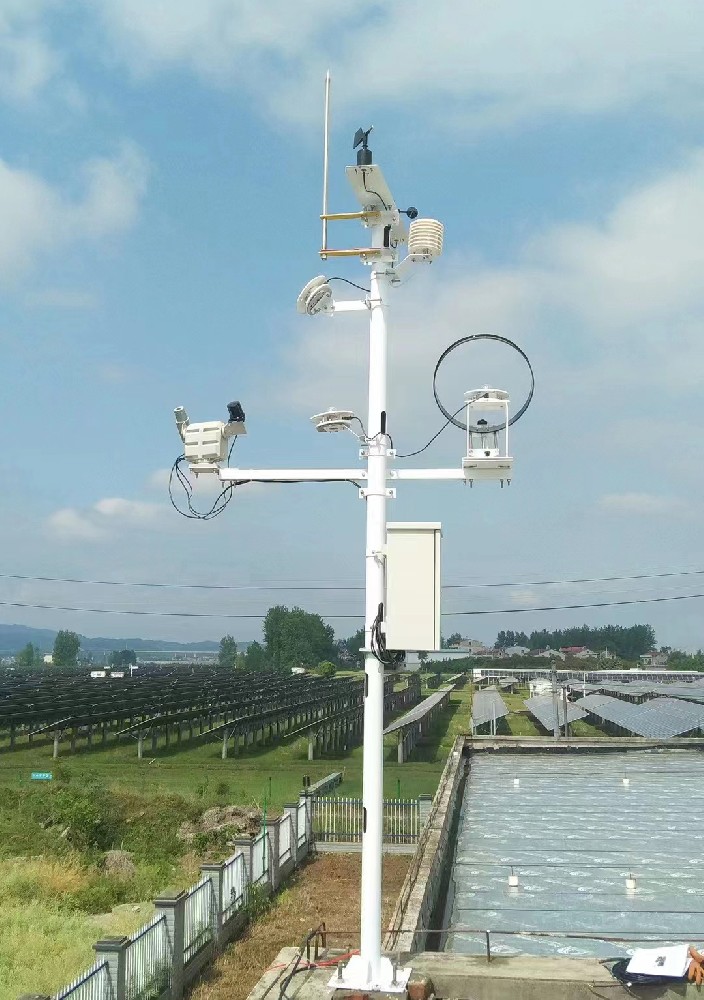
NiuBoL has developed a series of professional meteorological monitoring equipment tailored to different application needs and environmental scenarios. The following are several common and important types:
Definition and Functions: Ultrasonic weather stations use ultrasonic technology to measure wind speed and direction, typically featuring an integrated design with no mechanical rotating parts.
Working Principle: Based on the ultrasonic time-difference method. The sensor emits ultrasonic pulses and measures the time required for sound waves to propagate in different directions through the air. Since sound speed is affected by airflow (wind), wind speed and direction can be precisely calculated by measuring the time difference.
Structural Analysis: Primarily composed of three or four mutually perpendicular or inclined ultrasonic probes integrated into a compact housing.
Core Advantages: High precision, high stability, no inertial errors (fast response), maintenance-free (no wear parts).
Application Scenarios: Ports, wind farms, highways, high-precision scientific research monitoring.
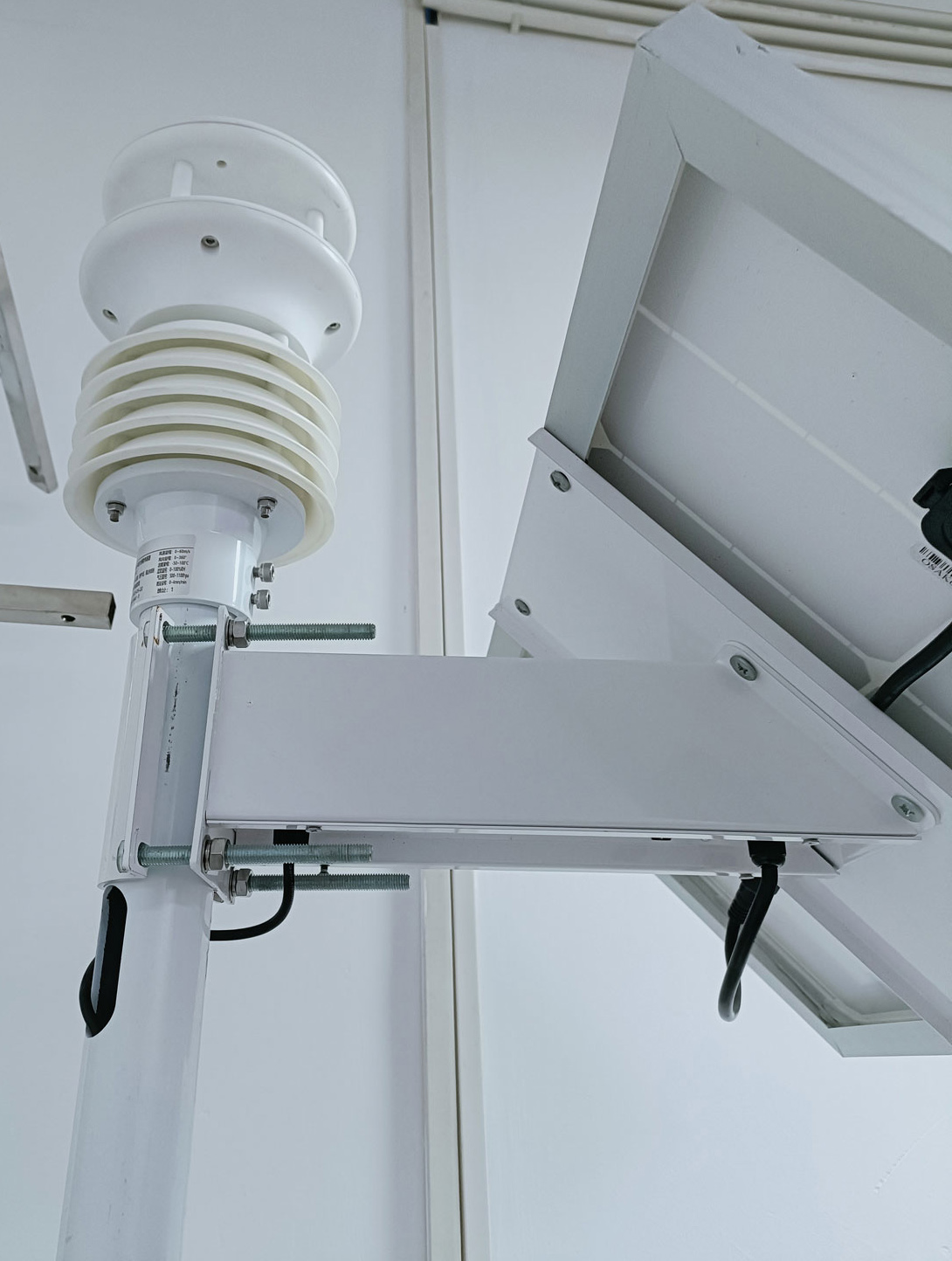
Definition and Functions: Integrates multiple sensors to automatically and continuously collect meteorological data and transmit it wirelessly, suitable for unattended remote monitoring sites.
Structural Analysis: Composed of sensor arrays, data collector/host, communication unit (4G/5G/LoRa), power supply system (solar + battery), and observation brackets.
Measurement Method: The collector periodically activates sensors to acquire data, converts analog signals to digital signals, performs calibration, and uploads via wireless network to the cloud platform.
Application Scenarios: Meteorological observation networks, hydrological monitoring, forest fire prevention, long-term environmental monitoring in remote areas.
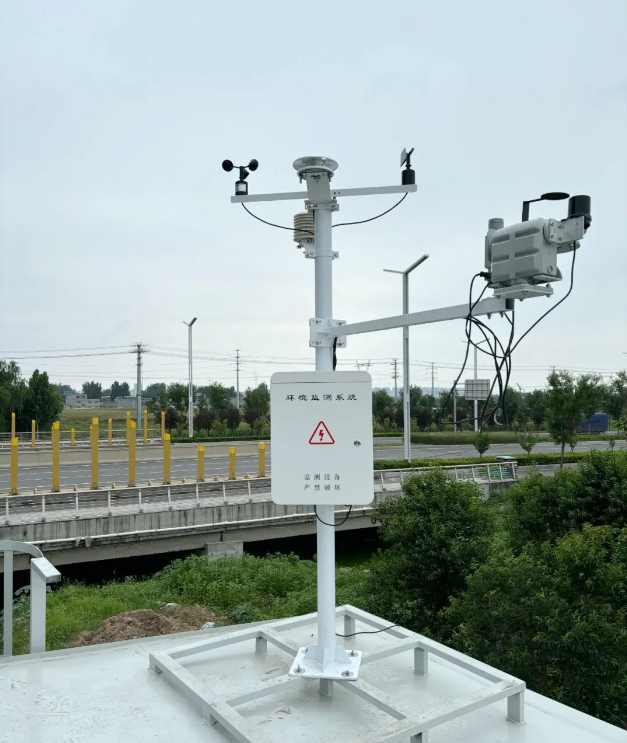
Definition and Functions: Compact size for easy carrying and installation (miniature); or lightweight design for quick deployment (portable), ideal for temporary or mobile monitoring.
Structural Analysis: Highly integrated, typically consolidating multiple sensors (temperature/humidity, air pressure, partial wind speed) into a small housing. Portable versions usually include tripods and carrying cases.
Installation Method: Miniature stations can be fixed with pole clamps or simple brackets; portable stations can be deployed in minutes using quick-setup tripods.
Application Scenarios: Emergency monitoring, field expeditions, temporary geological disaster monitoring, small-scale agricultural microclimate assessment.
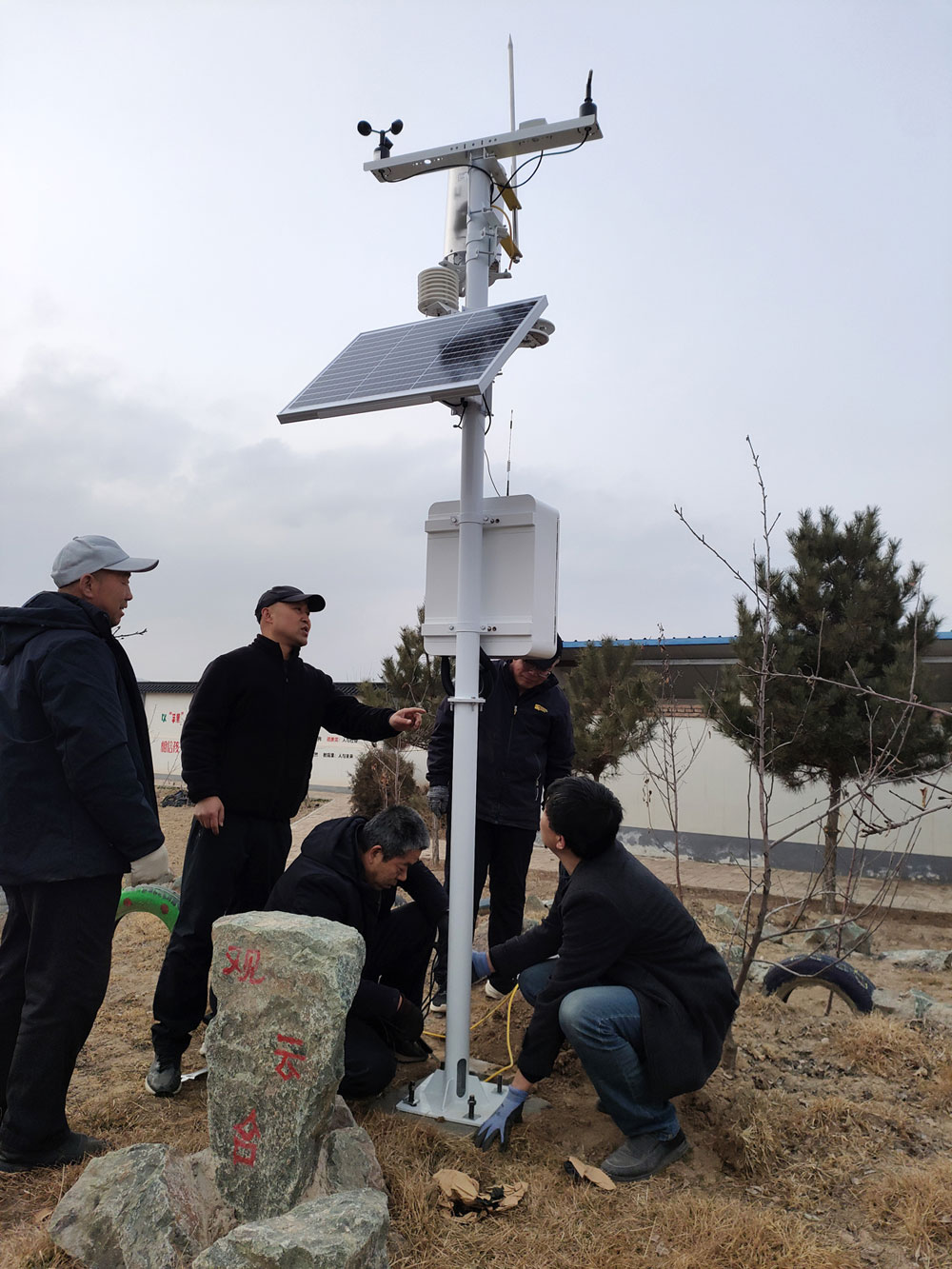
Definition and Functions: Specifically designed for educational institutions to facilitate learning and research, helping students understand meteorology and climate change.
Core Requirements: Intuitive data, safe operation, user-friendly platform (easy for students to view and analyze data).
Application Scenarios: Meteorological science popularization in primary and secondary schools, university environmental science experiments, climate change-related research projects.
High-Precision Weather Station: Employs research-grade sensors and advanced acquisition equipment, suitable for scientific research and professional meteorological services, pursuing ultimate data accuracy and reliability.
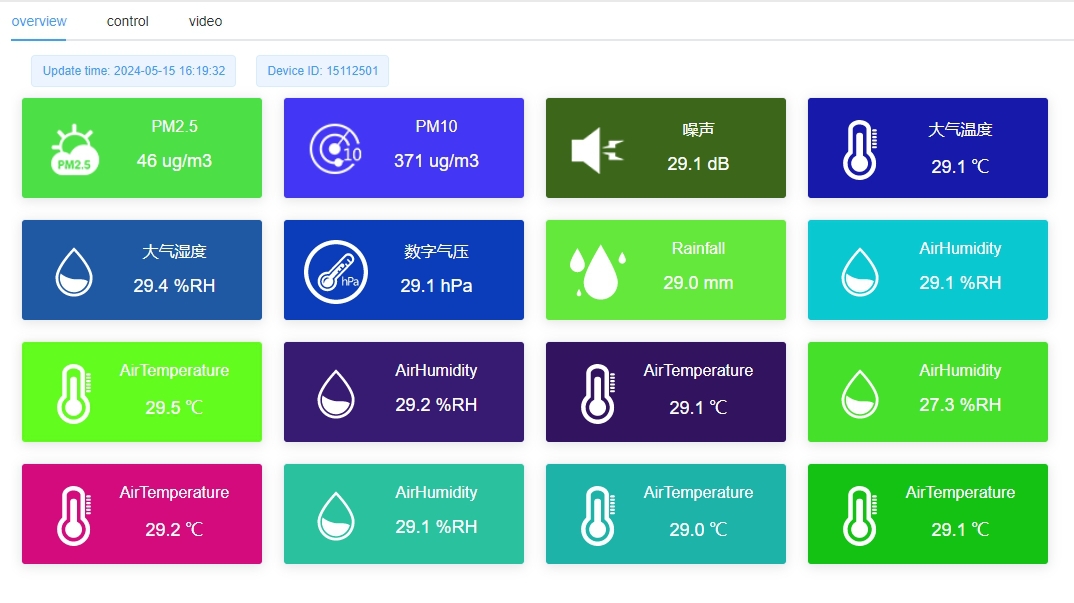
Environmental Monitoring Station: In addition to basic meteorological parameters, monitors air quality (PM2.5/PM10, SO2, NO2, etc.), radiation levels, noise, and other environmental factors, providing comprehensive environmental assessment data.
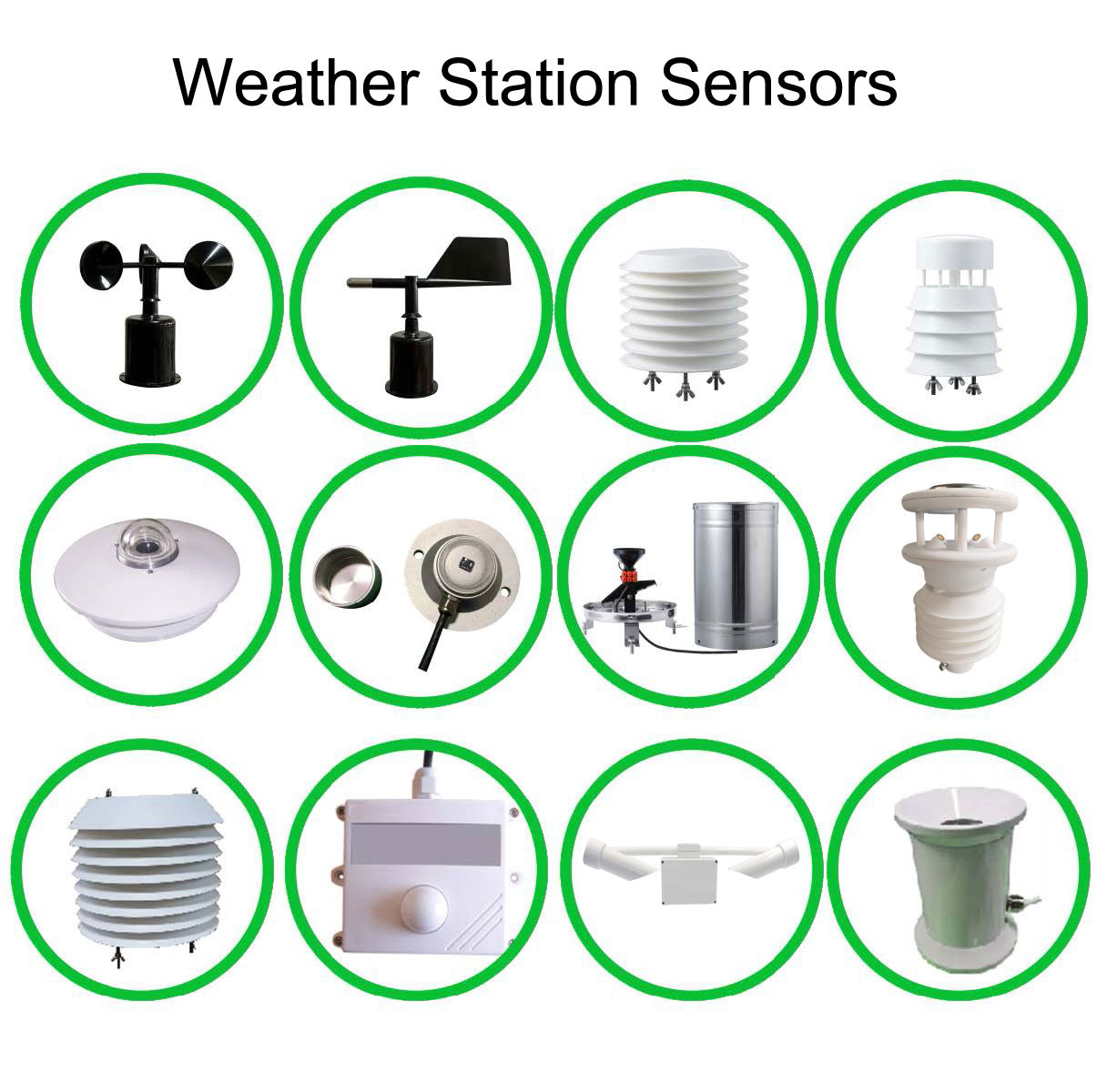
1. Site Selection: Choose open, flat areas to ensure wind speed, direction, precipitation, and other parameters are not interfered with by buildings, trees, or other obstacles.
2. Sensor Height: Must comply with standards (e.g., wind speed sensors typically installed at 10-meter standard height).
3. Radiation Protection: Temperature and humidity sensors must be placed in radiation shields to avoid direct sunlight and ground thermal radiation effects.
4. Power Supply and Protection: Ensure solar panels face south without shading; equipment enclosures are securely fixed with IP65 or higher protection rating.
| Fault Phenomenon | Possible Causes | Troubleshooting and Solutions |
| Data not updated for long time | SIM card arrears, weak signal, collector crash. | Check SIM card status and fees; inspect antenna connection; remote or on-site restart collector. |
| Wind speed reading zero (except ultrasonic) | Mechanical parts stuck, bearing damage. | Clean mechanical components (e.g., three-cup), check bearing flexibility. |
| Large temperature reading deviation | Radiation shield polluted or damaged; non-standard installation. | Clean or replace shield; ensure sensor away from heat sources or reflective surfaces. |
| Frequent false alarms on platform | Unreasonable threshold settings; transient sensor interference. | Adjust alarm thresholds; check sensor wiring stability. |
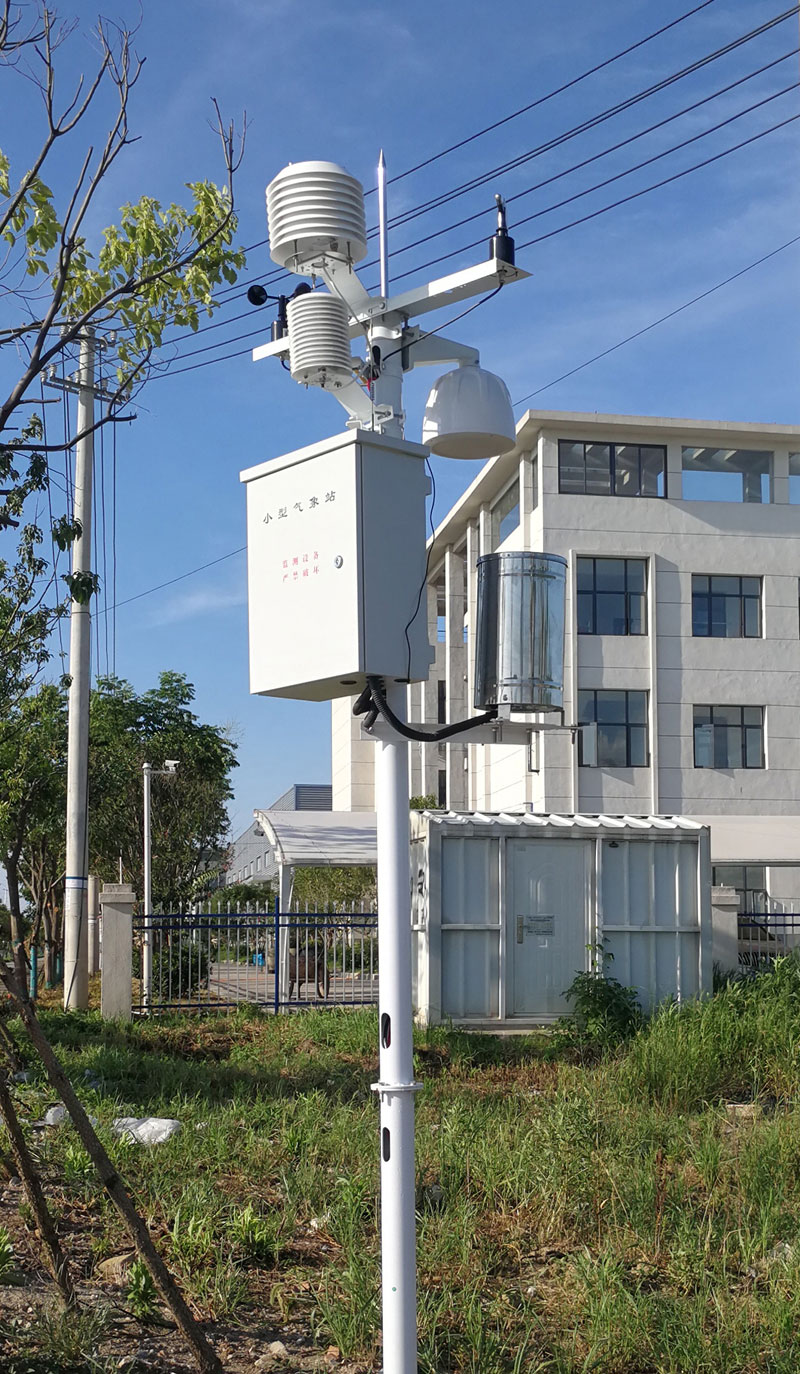
When selecting NiuBoL meteorological monitoring equipment, decisions should be based on project core objectives, budget, and environmental conditions:
| Monitoring Station Type | Core Application Scenarios | Selection Focus Recommendations |
| Ultrasonic Weather Station | Ports, high-precision research, maintenance-free sites. | Focus: Measurement response speed, no mechanical wear, anti-interference capability. |
| Automatic Weather Station | Meteorological network construction, hydrology, forestry unattended monitoring. | Focus: Power endurance, communication stability, data acquisition reliability. |
| Miniature/Portable Weather Station | Emergency response, short-term expeditions, small-scale agricultural monitoring. | Focus: Portability, deployment speed, battery life (for mobile monitoring). |
| Campus Weather Station | Educational popularization, student research. | Focus: Data intuitiveness, platform user-friendliness, data security. |
| Environmental Monitoring Station | Urban environmental assessment, industrial park monitoring. | Focus: Types and precision of gas/particulate sensors, comprehensive data analysis capability. |
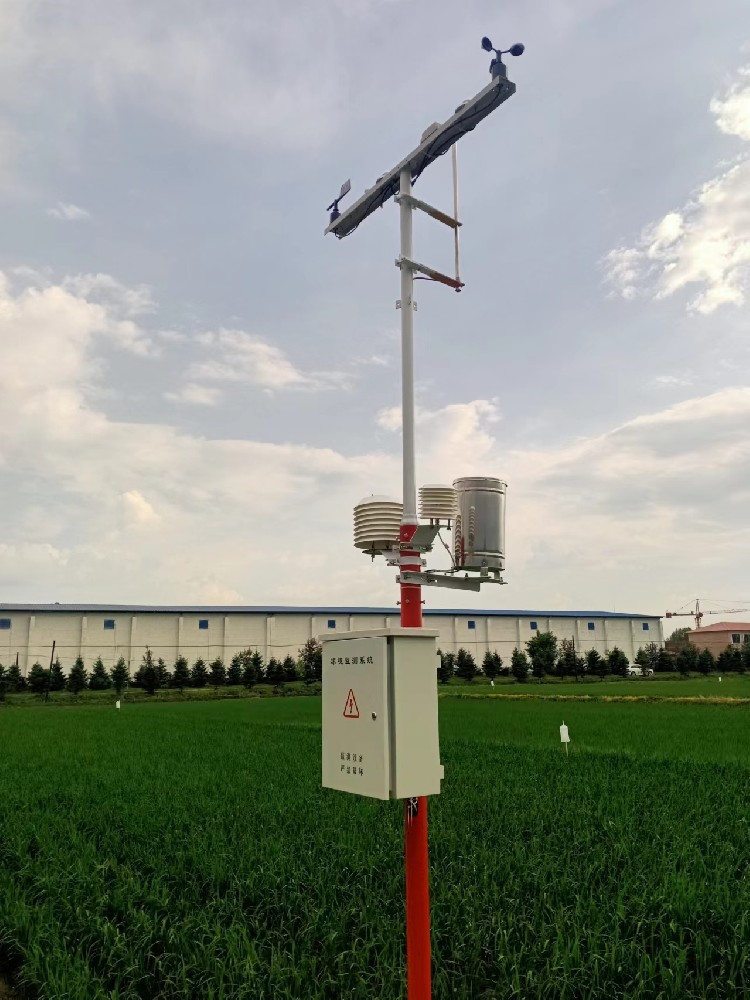
A: NiuBoL automatic weather stations typically use solar panels with high-capacity lithium or lead-acid batteries, combined with low-power design for long-term unattended operation.
A: Professional-grade ultrasonic stations feature automatic heating and software compensation to mitigate rain/snow effects on sound speed, maintaining high measurement accuracy.
A: Primarily for education and local microclimate monitoring. Data precision is sufficient for localized analysis but cannot replace professional meteorological bureau wide-area forecasts.
A: Mainly wireless (Bluetooth, WiFi, 4G/5G) and local storage (SD card). Miniature stations often use Bluetooth/WiFi to transmit to mobile apps or gateways.
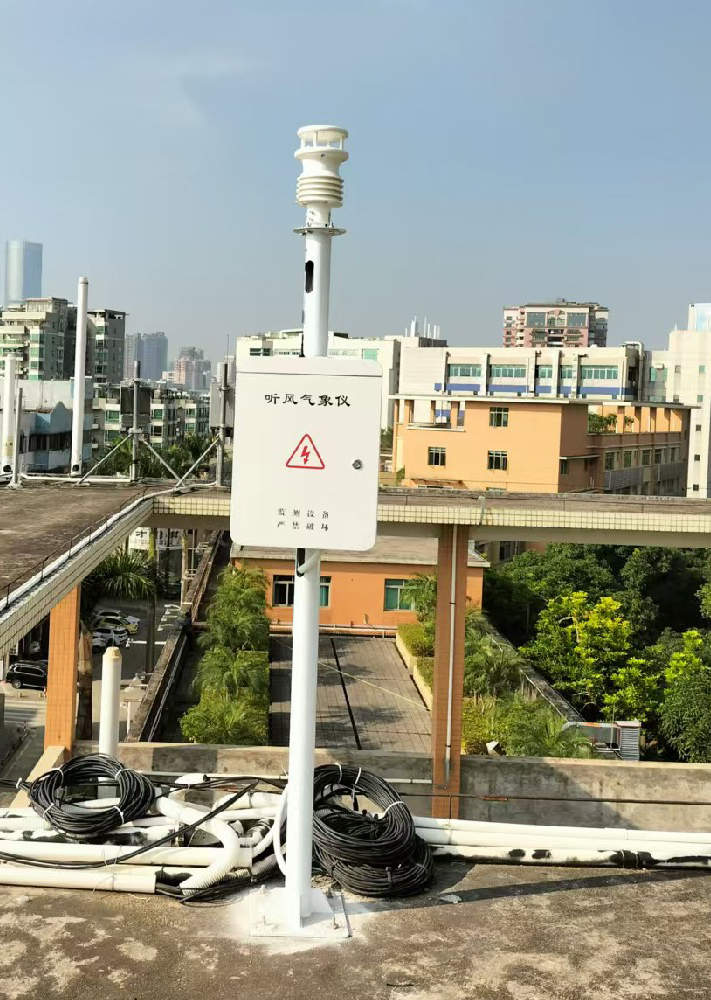
A: NiuBoL equipment uses modular design with detailed guides. Portable stations deploy in minutes; automatic stations require professional pole mounting and wiring.
A: Yes, significant. High-precision stations use research-grade sensors and collectors with strict factory calibration, costing far more than conventional ones.
A: Using industrial-grade 4G/5G modules, watchdog mechanisms (auto-restart), and breakpoint resume (local caching) greatly enhance stability and reliability.
A: High-precision laser scattering sensors are used, with regular calibration against national standard instruments to meet environmental monitoring requirements.
A: NiuBoL cloud platforms typically offer remote diagnostics, viewing voltage, signal strength, sensor status, and supporting remote restarts or parameter adjustments.
A: Yes. Users can remotely configure collector parameters via cloud platform or local software, adjusting to second-level, minute-level, or hour-level.
A: CE, ISO9001, RoHS, and nationally recognized meteorological calibration certificates.
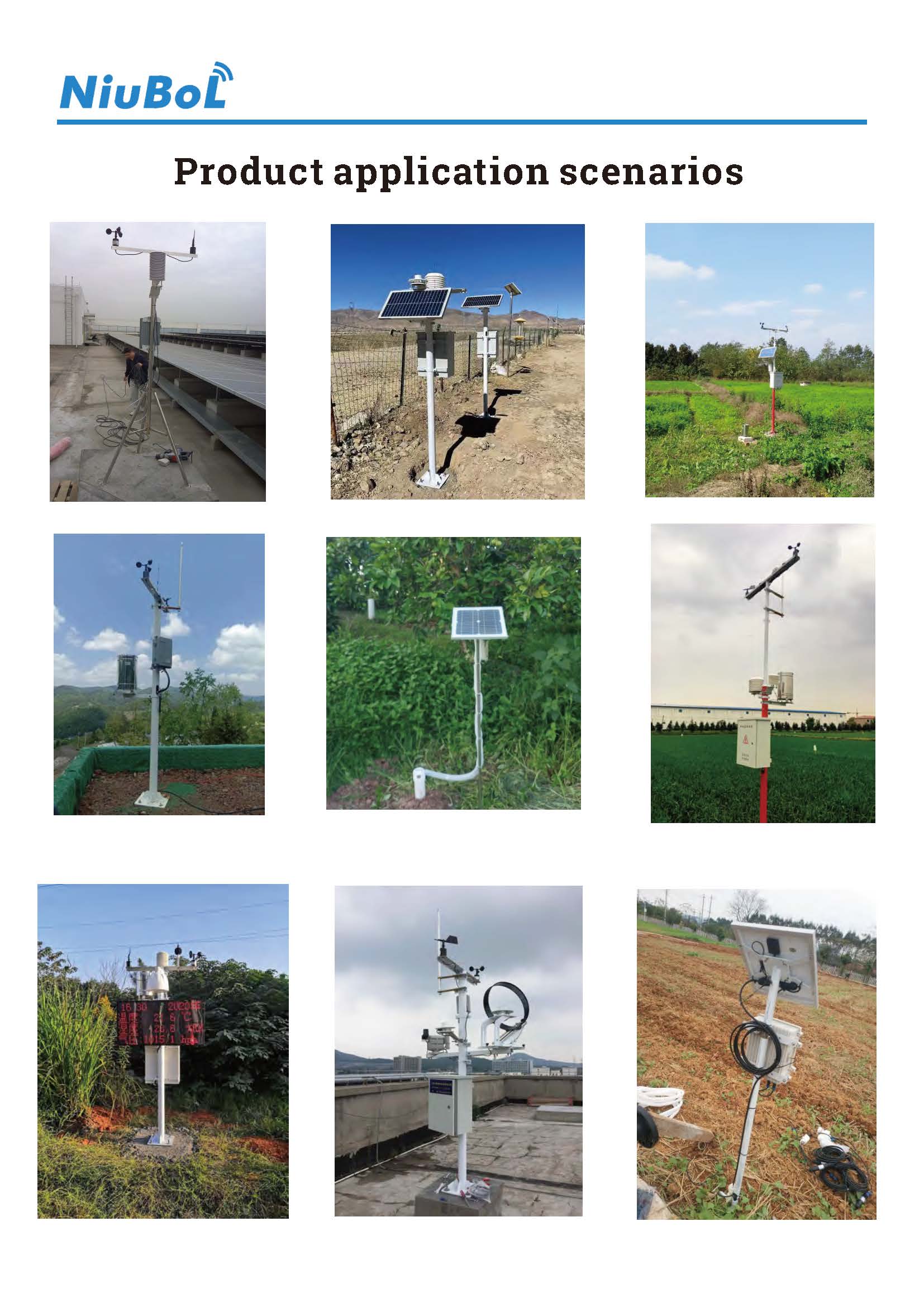
In the face of severe meteorological disaster challenges posed by climate change, NiuBoL meteorological monitoring equipment offers powerful solutions with its diverse types and professional technical capabilities. Whether high-precision ultrasonic weather stations or unattended automatic ones, NiuBoL is committed to real-time capture of key parameters, ensuring timeliness and accuracy of warning information.
Choosing the right NiuBoL monitoring equipment is like installing a reliable intelligent "watchtower" for your project and community, effectively preventing and mitigating disaster impacts, safeguarding lives and property.
Choose NiuBoL now—build a solid meteorological defense line with precise data!
Prev:What is a Weather Station? The "Neural Center" for Precise Environmental Monitoring
Next:Smart Agriculture Weather Station: Functions, Technical Principles, and Application Scenarios
Related recommendations
Sensors & Weather Stations Catalog
 Agriculture Sensors and Weather Stations Catalog-NiuBoL.pdf
Weather Stations Catalog-NiuBoL.pdf
Agriculture Sensors Catalog-NiuBoL.pdf
Water Quality Sensor Catalog-NiuBoL.pdf
Related products
 Combined air temperature and relative humidity sensor
 TDR Soil Moisture & Temperature Sensor for irrigation| RS485 |4-20mA| NBL-S-THR
 Soil pH sensor RS485 soil Testing instrument soil ph meter for agriculture |NBL-S-PH
 Wind Speed sensor Output Modbus/RS485/Analog/0-5V/4-20mA
 Tipping bucket rain gauge for weather monitoring auto rainfall sensor RS485/Outdoor/stainless steel
 Pyranometer Solar Radiation Sensor 4-20mA/RS485

Screenshot, WhatsApp to identify the QR code
WhatsApp number:+8615367865107
(Click on WhatsApp to copy and add friends)

