





— Blogs —
—Products—
 Consumer hotline +8618073152920
 WhatsApp:+8615367865107
Address:Room 102, District D, Houhu Industrial Park, Yuelu District, Changsha City, Hunan Province, China
Product knowledge
Time:2025-12-05 12:02:50 Popularity:813
In recent years, frequent global climate anomalies—such as droughts, floods, and strong winds—have significantly impacted agricultural production worldwide. According to statistics, from 1990 to 2021, China experienced an average annual crop disaster area of 39 million hectares due to meteorological disasters, resulting in direct economic losses exceeding 150 billion RMB. These figures highlight the immense threat climate uncertainty poses to sustained agricultural growth.
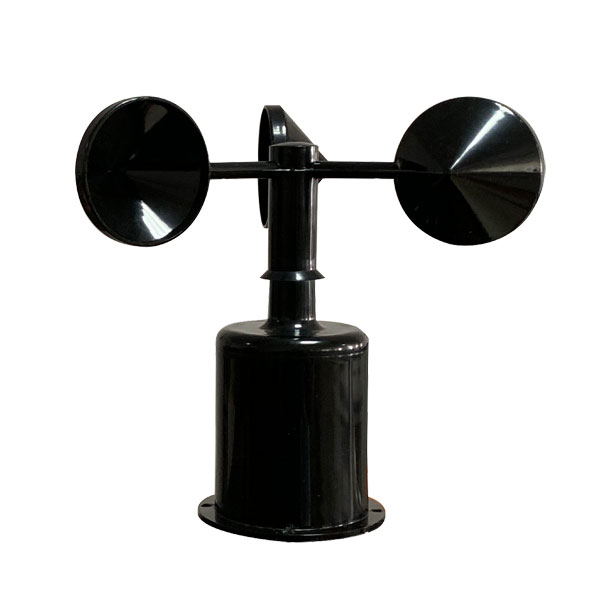 | 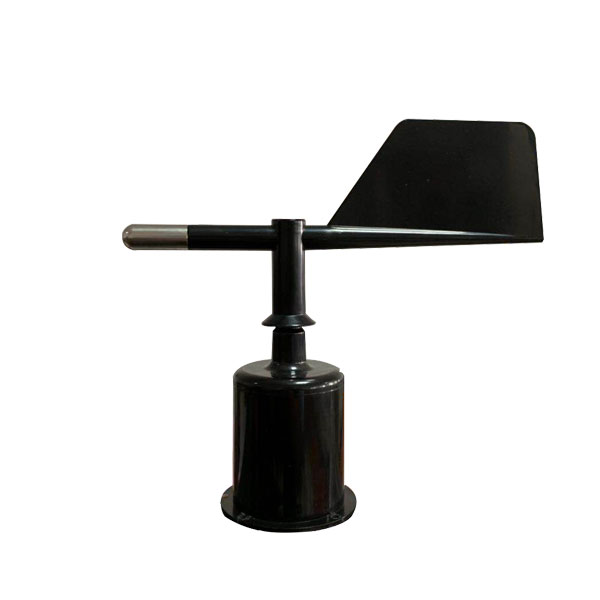 | 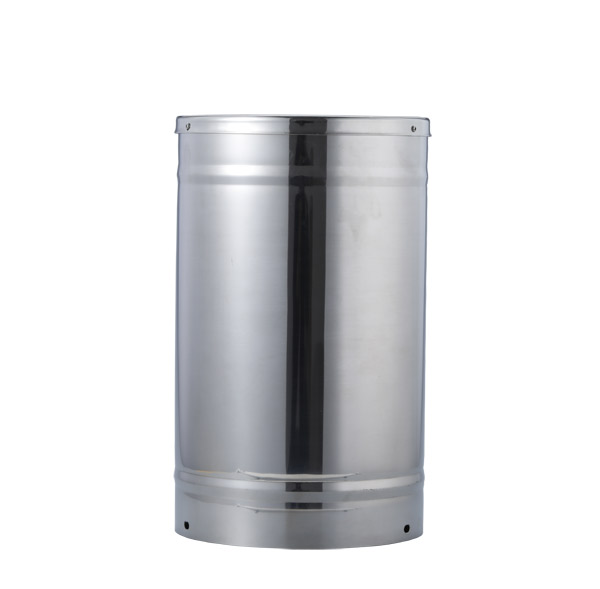 | 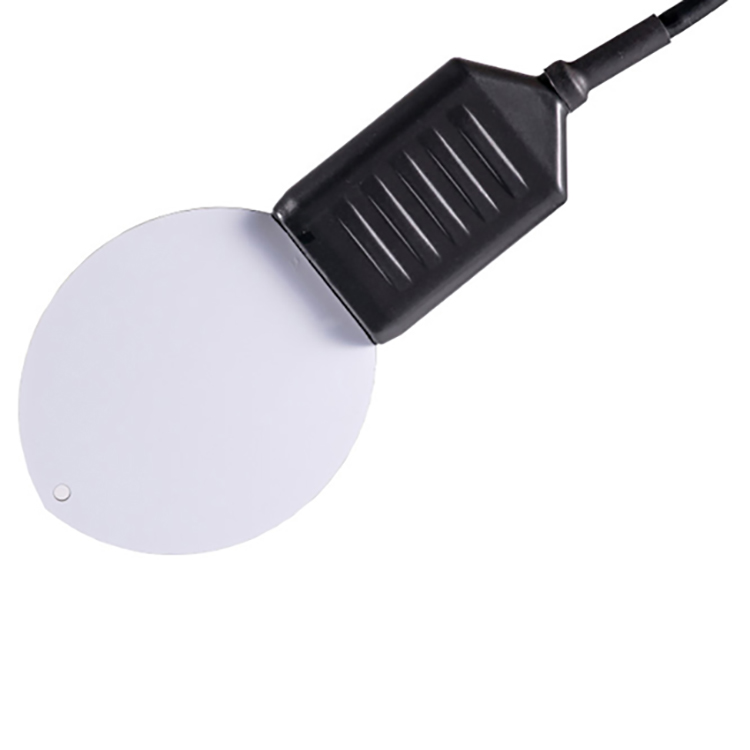 | 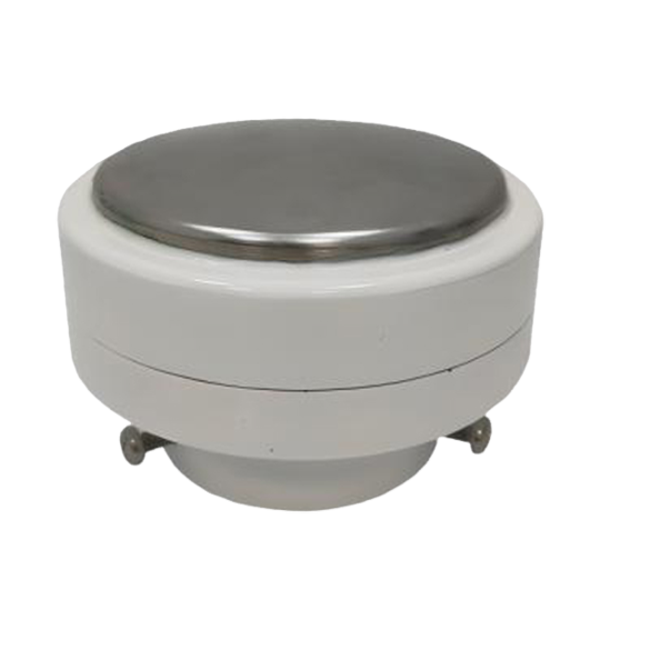 |
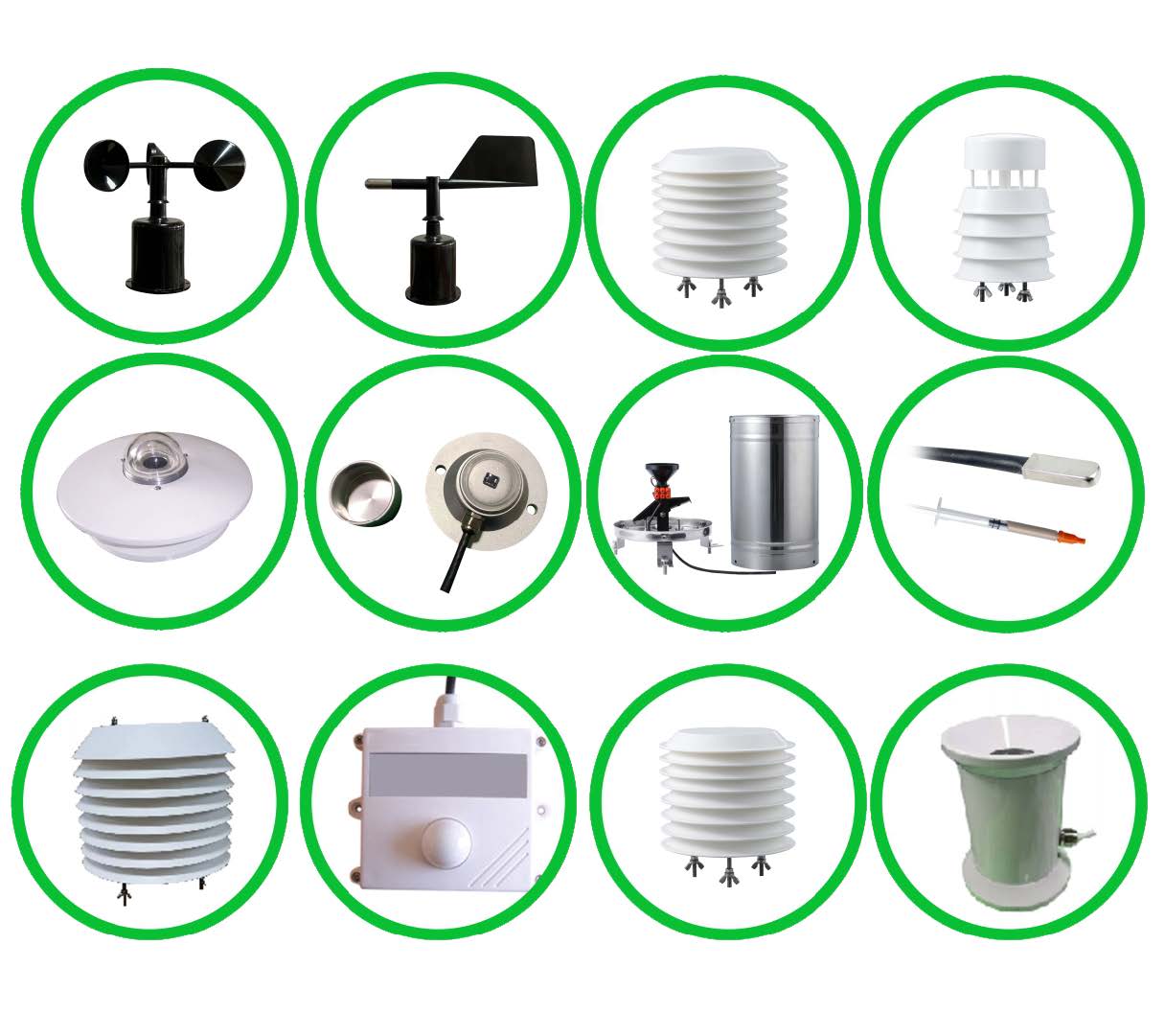
| Anemometer Wind Speed sensor | Wind direction sensor | Tipping bucket rain gauge sensor | Leaf Wetness Sensor | Piezoelectric Rain Gauge |
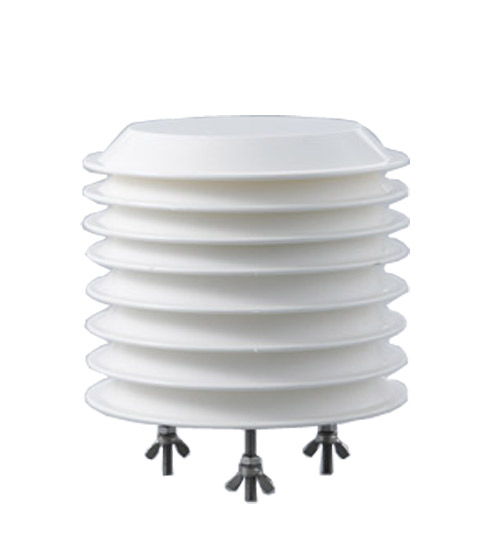 | 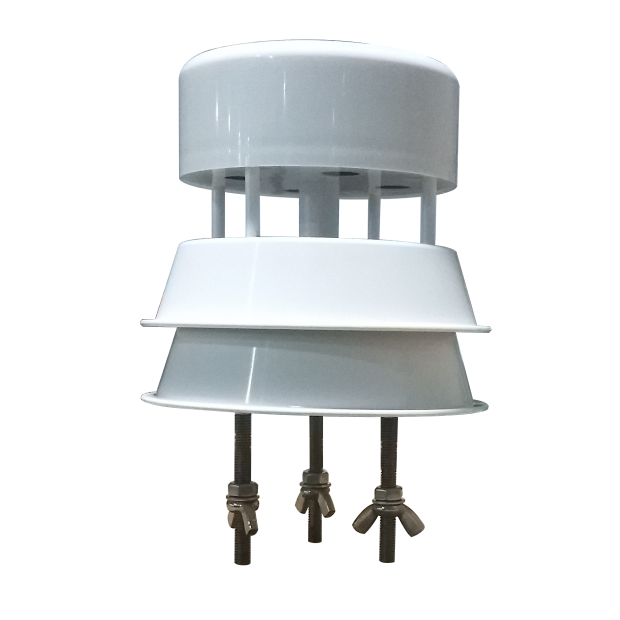 | 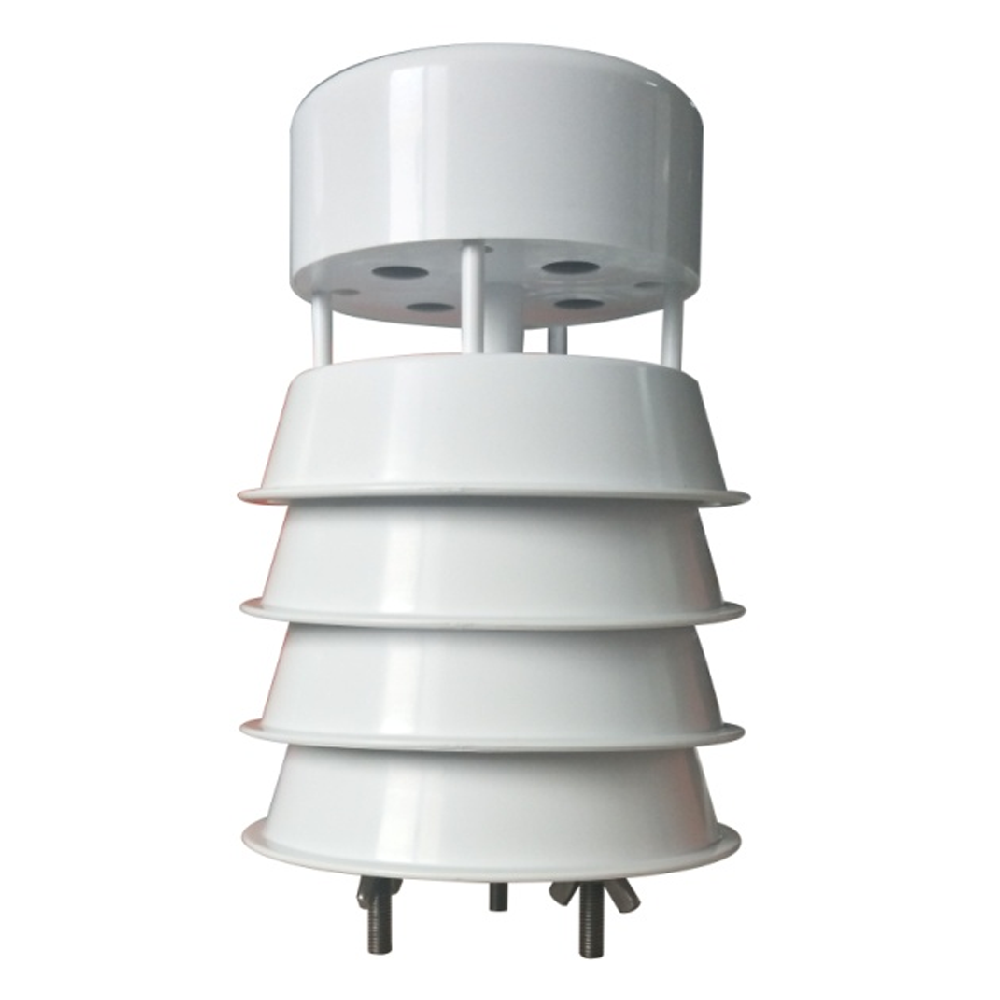 | 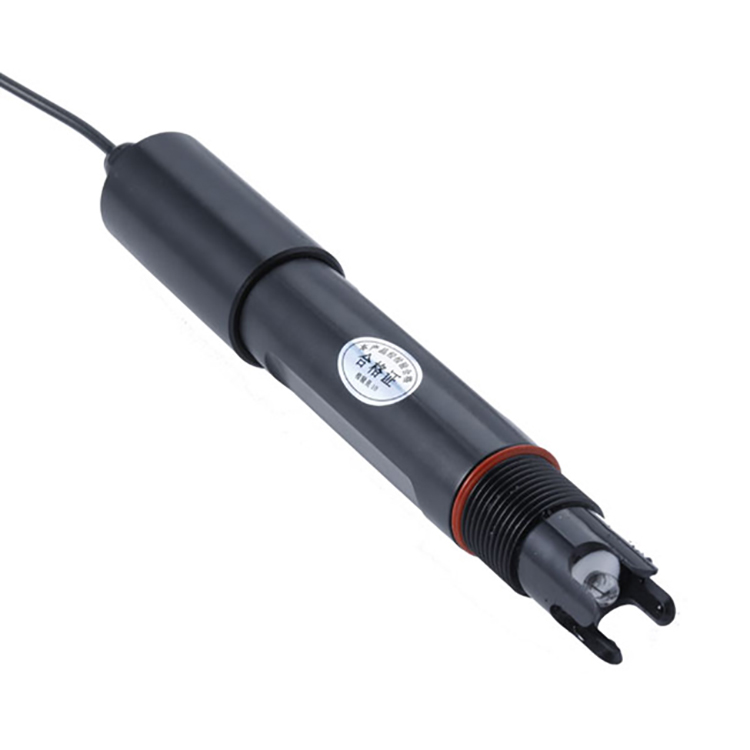 | 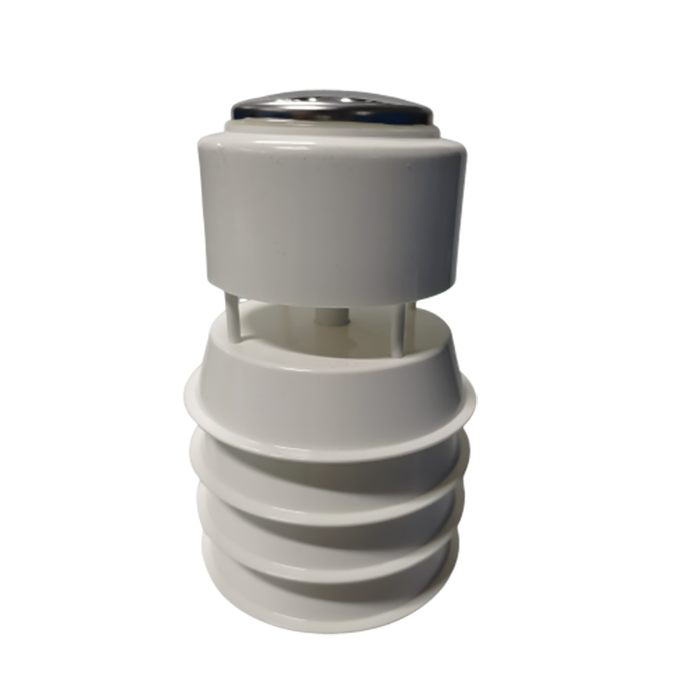 |
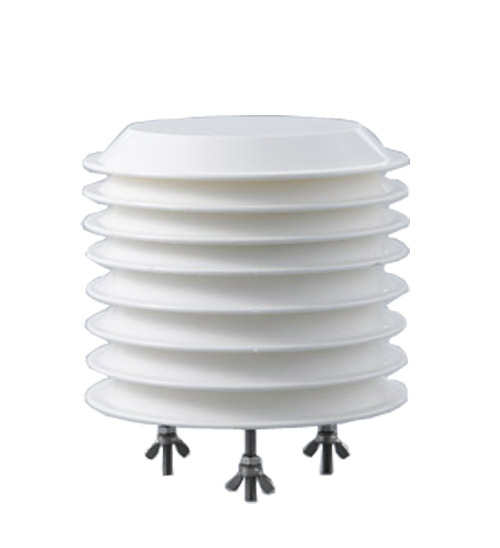
| Atmospheric Temperature Humidity air pressure Sensor | ultrasonic wind speed and direction sensor | 5 in1 Ultrasonic Weather Station Sensor | Soil pH sensor | 7 in1 Ultrasonic Weather Station Sensor |
 | 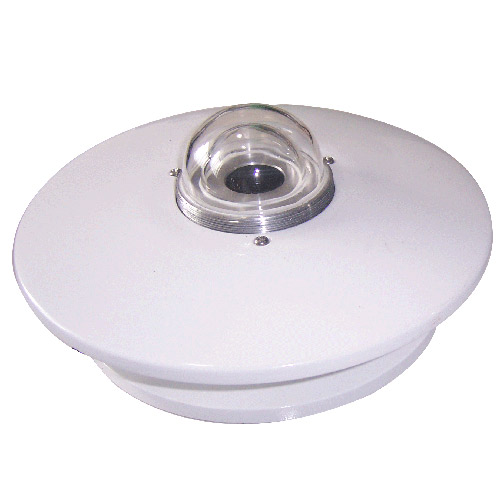 | 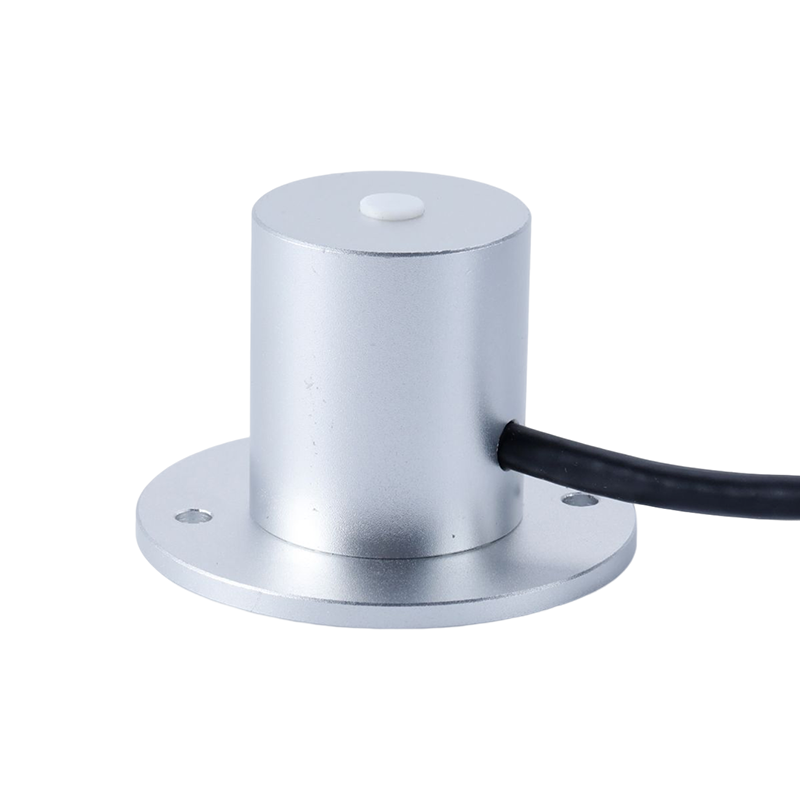 | 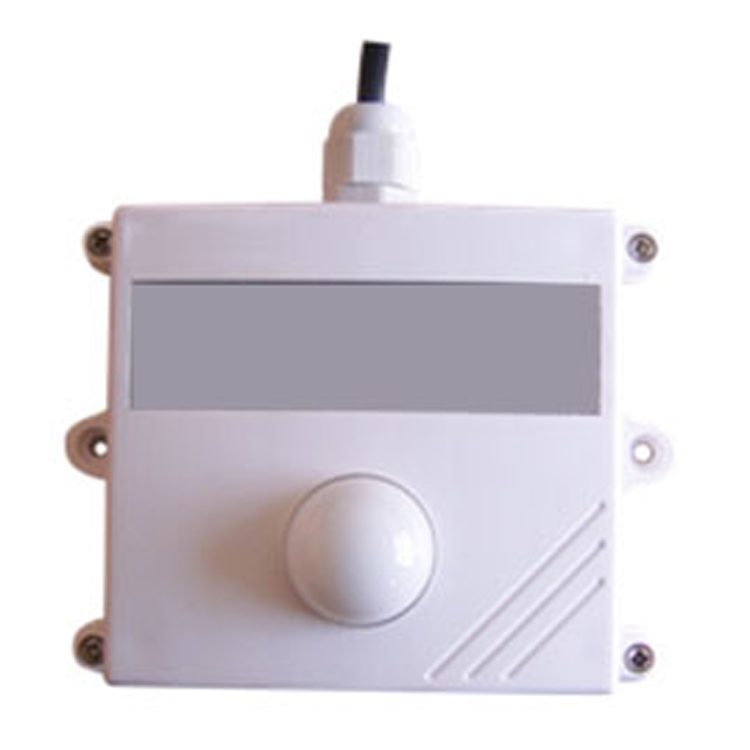 | 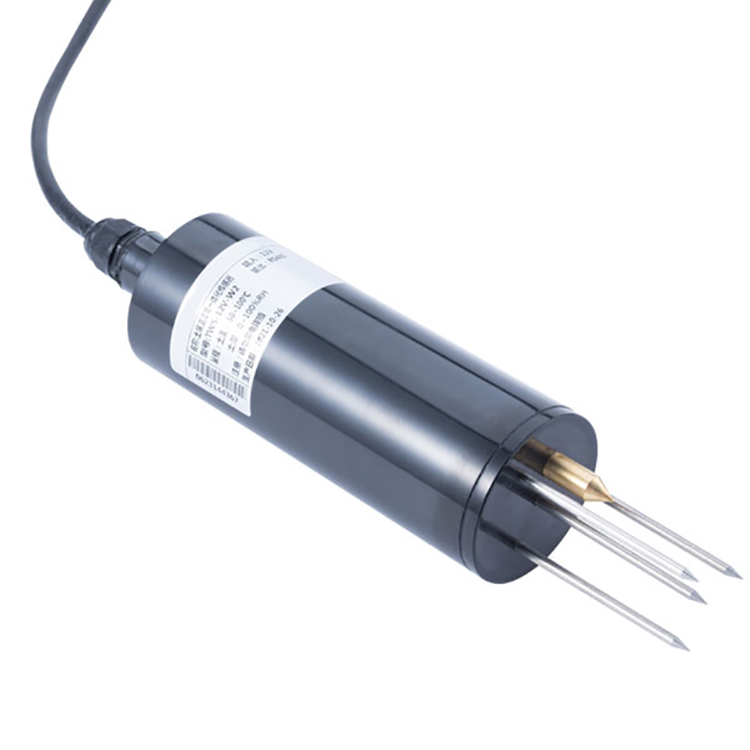 |
| Carbon dioxide sensor | Solar Radiation Sensor | Photosynthetically Active Radiation Sensor; | illumination sensor | Soil Moisture Temperature sensor |
Against this backdrop, building a modern intelligent agricultural system is urgently needed. Real-time, high-precision meteorological monitoring has become a key link in helping agriculture resist natural disasters and improve production efficiency. The NiuBoL Smart Agriculture Weather Station is an advanced monitoring solution designed to address this pain point, deeply integrating traditional meteorological monitoring with IoT and cloud computing technologies to elevate farmland environmental parameter acquisition to unprecedented levels of precision and efficiency.
With the continuous growth of the global population, demand for safe and healthy food is rising. The introduction of IoT technology is expected to significantly boost farmers' planting efficiency by 2050, addressing core issues like precise watering, fertilization, crop care, and planting decisions. The NiuBoL Smart Agriculture Weather Station serves as a practical demonstration of IoT in agriculture, propelling agricultural technology into a new era of intelligence.
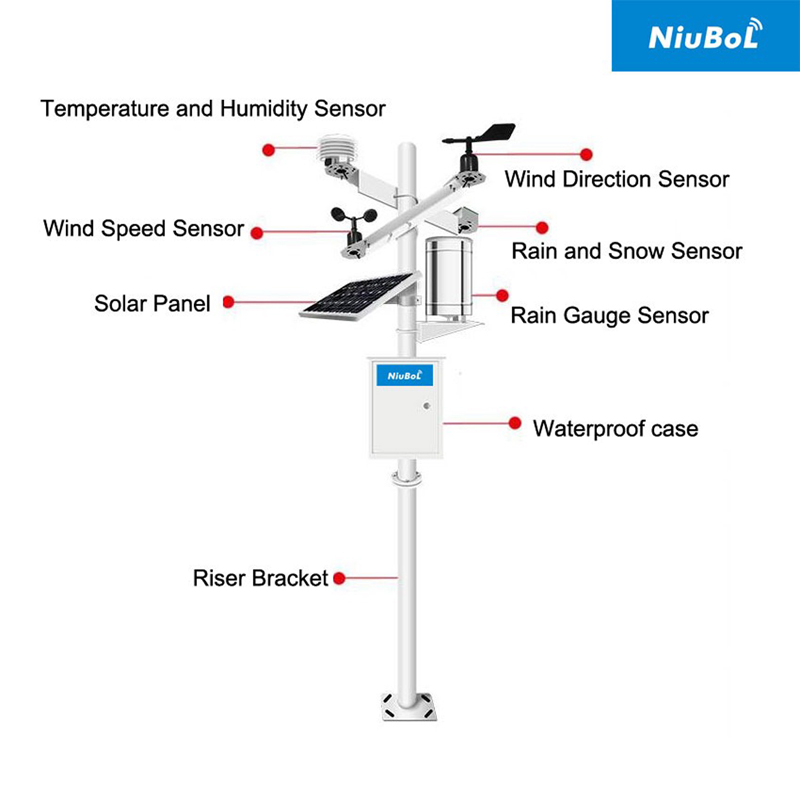
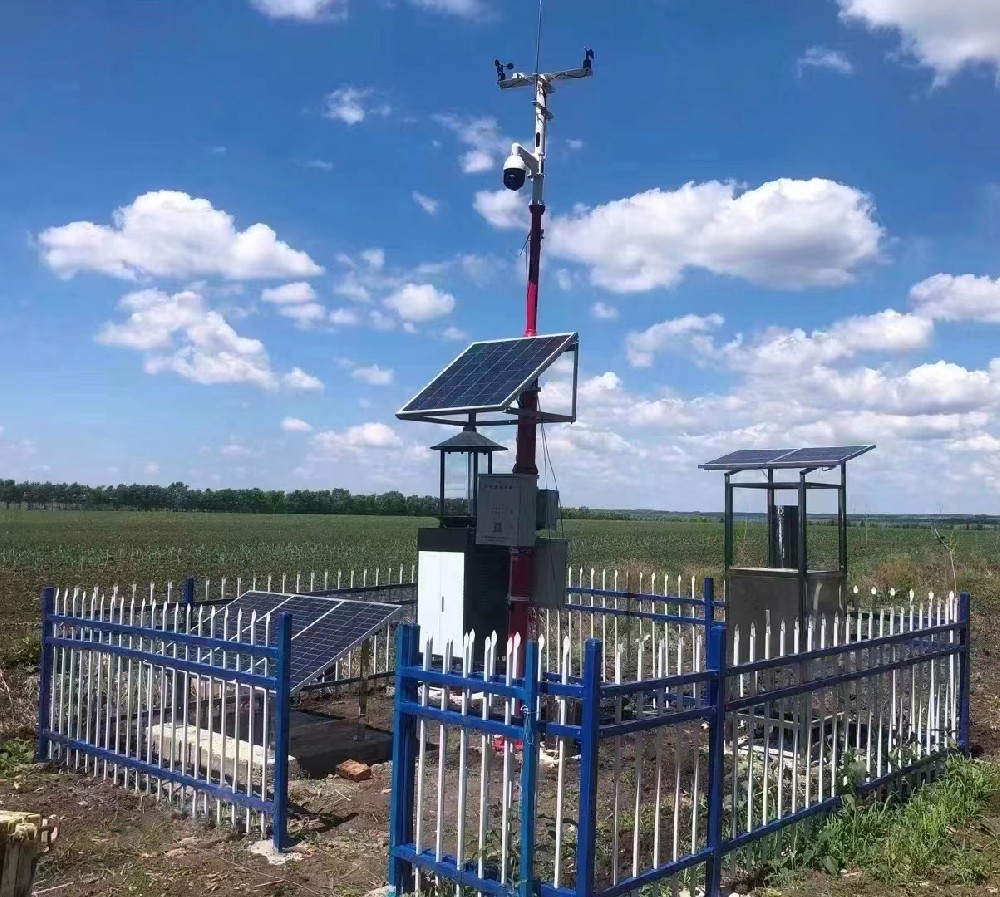
The NiuBoL Smart Agriculture Weather Station is a highly automated environmental monitoring system integrating multifunctional sensors, data acquisition modules, wireless communication units, and cloud platform services. It acts as the "eyes" and "nerves" of modern intelligent agricultural systems, capable of real-time, continuous monitoring and feedback of key parameters in crop growth environments.
The station is designed with full consideration of complex field environments, featuring low power consumption, high stability, and high precision, supporting unattended operation.
The weather station offers strong scalability, allowing customization of various sensors based on crop types and planting needs. Main monitoring parameters are divided into two categories:
Meteorological Environmental Parameters: Air temperature, wind speed and direction, light intensity, rainfall, air humidity, solar radiation, etc.
Soil Environmental Parameters: Soil temperature, soil moisture, soil electrical conductivity (EC, reflecting salinity), and key nutrient indicators like nitrogen, phosphorus, potassium (NPK) content.
| Monitoring Parameter | Key Functional Role | Adopted Sensor Technology/Measurement Method |
| Air Temperature/Humidity | Predict pest and disease occurrence probability; guide spraying and ventilation. | High-precision platinum resistance/capacitive sensors: Fast response for microclimate monitoring. |
| Wind Speed/Direction | Warn of strong wind disasters; guide pesticide spraying direction. | Ultrasonic or three-cup anemometers: Adapt to harsh field environments, measure airflow dynamics. |
| Light Intensity | Assess photosynthesis efficiency; guide shading and supplemental lighting. | Silicon photocell or thermoelectric pile sensors: Accurately quantify effective light energy received by crops. |
| Rainfall | Assist irrigation decisions; warn of flooding disasters. | Tipping bucket rain gauge: Precisely measure rainfall intensity and total amount. |
| Soil Moisture/EC | Core indicators for precise irrigation; monitor salinity levels to prevent secondary soil salinization. | TDR/FDR dielectric constant method: Real-time, efficient monitoring of soil water content and salinity. |
| Soil NPK | Basis for precise fertilization; avoid nutrient loss and environmental pollution. | Ion-selective electrode or chemical colorimetry: Directly quantify key soil nutrients. |
The station supports wired power and the most common field solar power mode, ensuring long-term stable operation in remote areas.
Data Transmission: Using IoT technology, the collector transmits data in real-time via GPRS/4G/5G wireless networks to the cloud platform.
Remote Access: Users can log in remotely via the cloud platform (web) or mobile app to view multi-site data in real-time, perform historical data comparison analysis, and make informed decisions quickly.
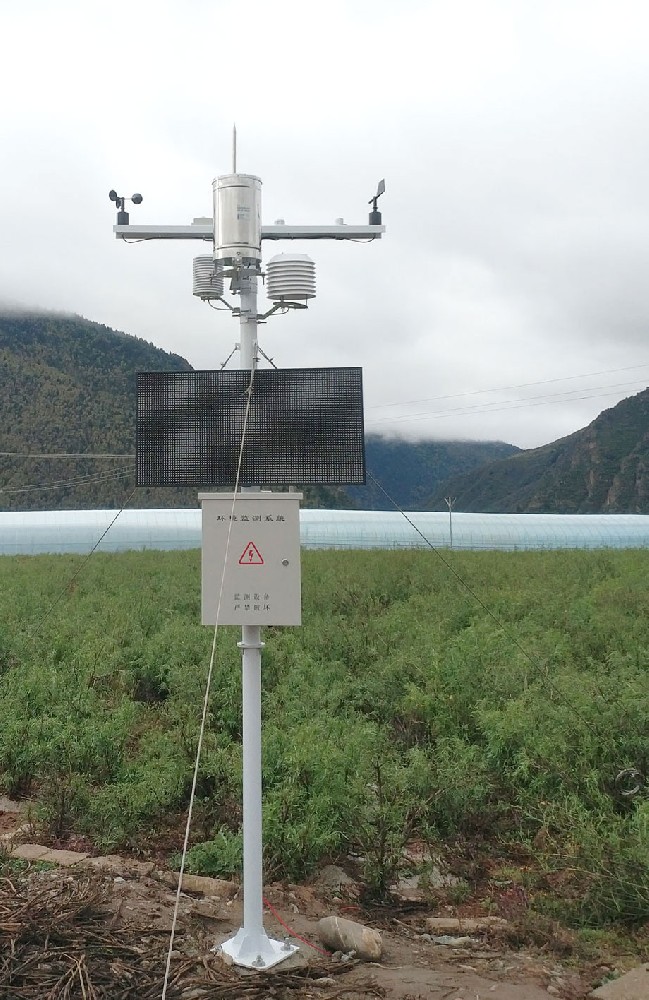
The NiuBoL Smart Agriculture Weather Station forms the foundation of crop condition monitoring systems, with data value reflected in every aspect of agricultural production:
Soil conditions are crucial for crop growth and harvest timing. Traditional "experience-based" watering often leads to water waste or crop water deficiency.
Solution: By real-time monitoring soil moisture, the system provides scientific guidance on when and how much to irrigate. When soil moisture falls below set thresholds, alerts are issued immediately, helping farmers schedule watering rationally for water savings and yield increases.
The station monitors key soil nutrients like nitrogen, phosphorus, and potassium in real-time, ensuring crops receive optimal nutrition.
Solution: Combined with crop growth cycles and soil NPK levels, farmers can apply fertilizers on demand and in precise quantities, avoiding waste, environmental pollution, and seedling burn from over-fertilization.
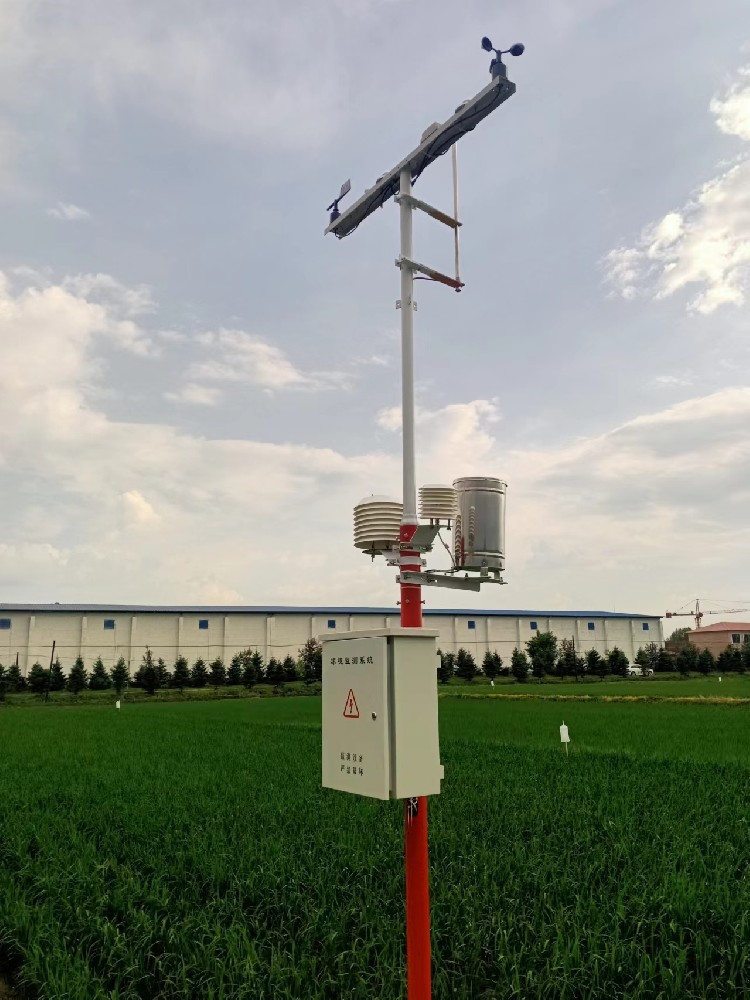
Crop yields are heavily influenced by environmental factors, which also accelerate pest and disease spread.
Solution: Real-time tracking of temperature, precipitation, humidity, and solar radiation enables building pest/disease models. For example, high humidity and temperature signal increased fungal risk, prompting timely notifications for preventive measures to minimize losses. Real-time warnings for extreme weather like strong winds or heavy rain enhance resilience against natural disasters.
Collected key data not only supports daily management but also serves as valuable assets for long-term planting decisions.
Solution: Through multi-site data comparison and historical accumulation, farmers gain insights into environmental differences and yield performance across plots and techniques, continuously optimizing schemes and promoting standardized, traceable modern agriculture.
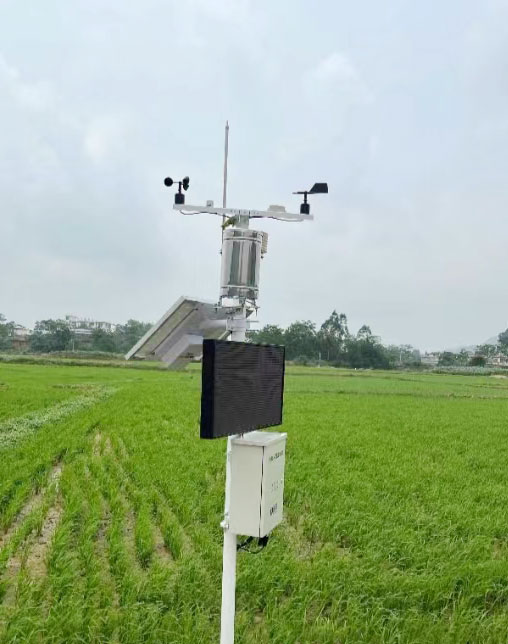
When choosing a smart agriculture weather station, avoid one-size-fits-all approaches and base decisions on crop types, monitoring needs, and budget.
1. Clarify Monitoring Objectives: Determine key parameters. For example, greenhouses may prioritize temperature/humidity, light, and CO₂; field crops focus on wind speed/direction, rainfall, and deep soil moisture.
2. Sensor Precision and Stability: Agricultural applications demand long-term stability and anti-interference. Select industrial-grade, high-protection (e.g., IP65) products.
3. Expansion and Customization Capabilities: Ensure good sensor expansion interfaces for future additions like leaf wetness or stem micro-changes.
4. Cloud Platform Functions: Quality platforms should offer data comparison, chart analysis, remote parameter adjustments, and multi-level alerts.
A: Smart agriculture stations focus more on core agricultural parameters (e.g., soil NPK, leaf wetness) and deeply integrate IoT/cloud technologies for remote control, precise decisions, and agronomic model integration.
A: In solar mode, ultra-low power design uses batteries mainly for nights/rainy days. Under normal sunlight, it achieves unlimited endurance and unattended operation.
A: Besides 4G/5G, NiuBoL supports LoRaWAN and other low-power, long-range transmission for remote areas.
A: NiuBoL uses modular design with detailed guides/videos. General users can install quickly; complex sensors (e.g., soil NPK) include detailed deployment norms.
A: Uploaded to professional clouds with multi-encryption and backups, ensuring privacy, integrity, and security.
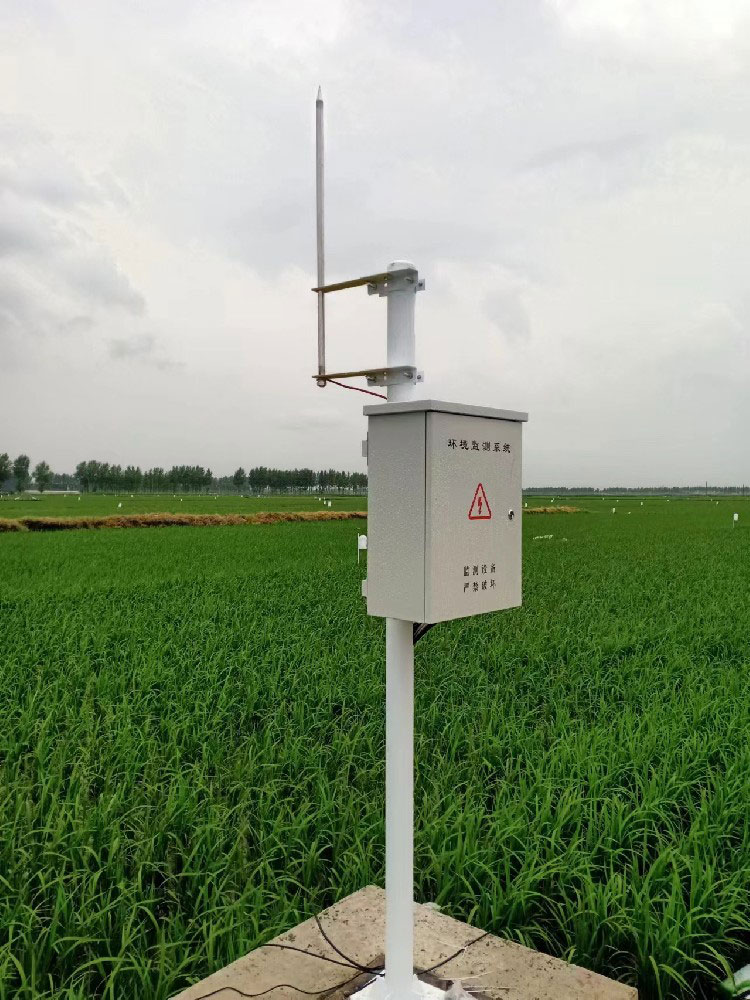
A: Yes. For example, rice is sensitive to water depth and soil pH; fruit trees to air temperature/humidity and deep soil moisture. Systems offer customized configurations.
A: Yes. Log in via cloud platform/app to adjust sensor data collection and upload frequencies.
A: NiuBoL provides standard API/MQTT interfaces for easy integration and control with third-party devices like smart irrigation controllers.
A: Enclosures typically IP65, with excellent UV/water/dust resistance and structures designed to endure high wind speeds.
A: Soil temperature/moisture/EC sensors are stable long-term; check every 6-12 months. Soil NPK may require periodic maintenance or calibration fluid replacement based on usage.
A: CE, ISO9001, RoHS, and nationally recognized meteorological calibration certificates.
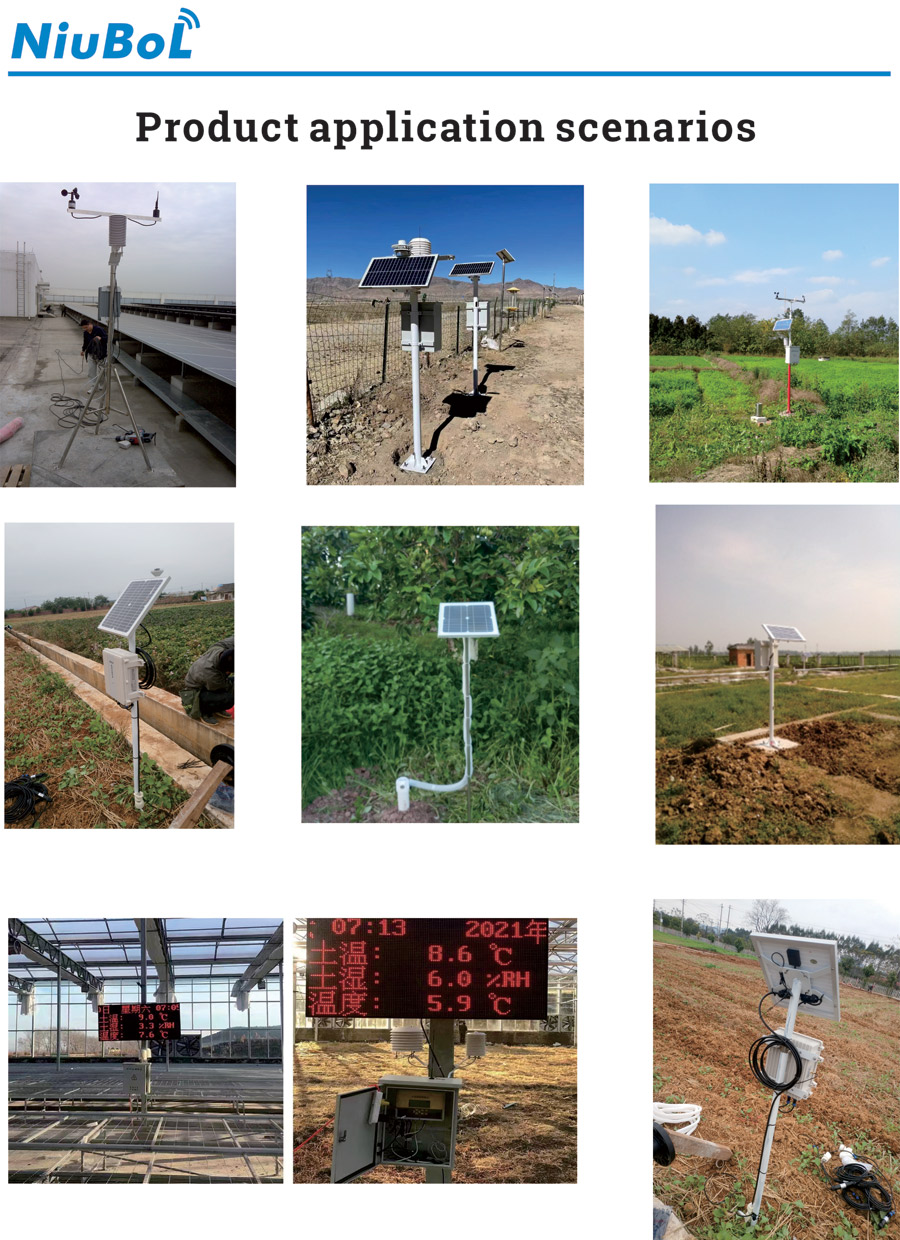
Facing escalating climate uncertainty, the NiuBoL Smart Agriculture Weather Station is more than a measurement tool—it is an integrated precision agriculture solution encompassing perception, decision-making, and warning. It presents field environmental changes as real-time, precise data to growers, shifting from "experience-based" to "data-driven" practices.
Through real-time, multi-dimensional crop condition monitoring, NiuBoL helps producers improve resource efficiency, enhance disaster resilience, and elevate product quality, ultimately securing food safety and economic benefits. Investing in smart meteorological monitoring is investing in the future stability and sustainability of agriculture.
Upgrade your farm now with NiuBoL technology to tackle future climate challenges!
Prev:In-Depth Analysis of Common Meteorological Monitoring Equipment Types and Principles
Next:Small Weather Station: Definition, Core Advantages, and System Structure
Related recommendations
Sensors & Weather Stations Catalog
 Agriculture Sensors and Weather Stations Catalog-NiuBoL.pdf
Weather Stations Catalog-NiuBoL.pdf
Agriculture Sensors Catalog-NiuBoL.pdf
Water Quality Sensor Catalog-NiuBoL.pdf
Related products
 Combined air temperature and relative humidity sensor
 TDR Soil Moisture & Temperature Sensor for irrigation| RS485 |4-20mA| NBL-S-THR
 Soil pH sensor RS485 soil Testing instrument soil ph meter for agriculture |NBL-S-PH
 Wind Speed sensor Output Modbus/RS485/Analog/0-5V/4-20mA
 Tipping bucket rain gauge for weather monitoring auto rainfall sensor RS485/Outdoor/stainless steel
 Pyranometer Solar Radiation Sensor 4-20mA/RS485

Screenshot, WhatsApp to identify the QR code
WhatsApp number:+8615367865107
(Click on WhatsApp to copy and add friends)

