





— Blogs —
—Products—
 Consumer hotline +8618073152920
 WhatsApp:+8615367865107
Address:Room 102, District D, Houhu Industrial Park, Yuelu District, Changsha City, Hunan Province, China
Product knowledge
Time:2026-03-02 13:52:43 Popularity:555
Compact weather station maintenance starts with an inventory of the installed sensing technologies. Cup anemometers, ultrasonic wind paths, tipping buckets and optical precipitation sensors need different checks. A visit based only on cleaning the housing can leave the measurement fault untouched. Plan access, service parts and post-maintenance tests around the actual station configuration and the decisions its data supports.
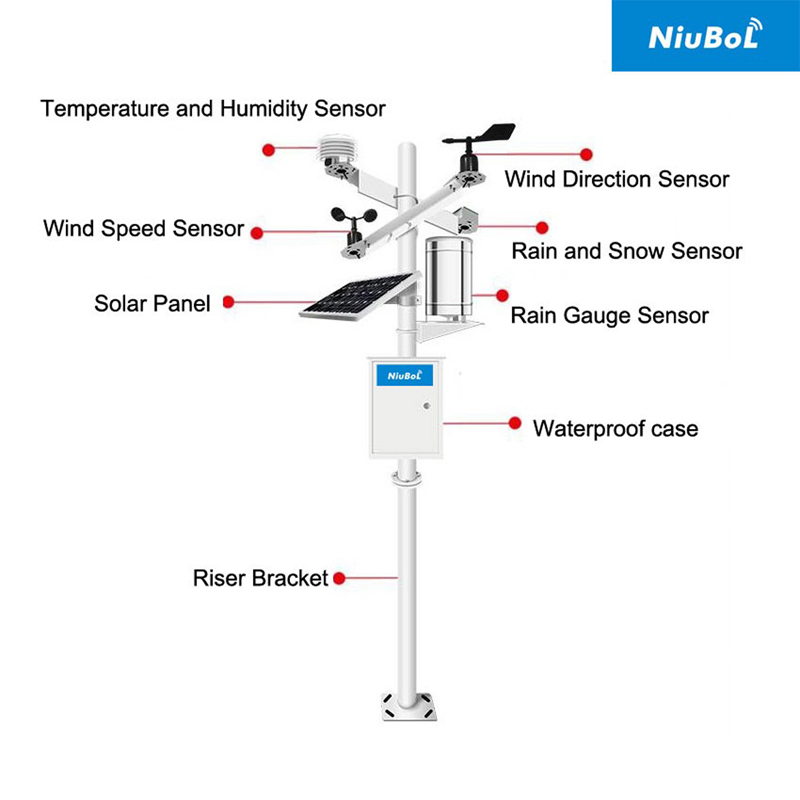
Review recent traces, communication faults, restarts and operator reports before sending a technician. Note whether a fault affects one channel or the whole station, whether it follows rain or a power cycle, and whether it appears only at certain times of day. Bring the exact wiring and register documents, the correct tools, approved cleaning materials and any identified spare rather than replacing parts speculatively.
Record the maintenance start time and mark affected channels under service. Keep their original values and quality flags. A disconnected sensor or bucket test must not trigger an operational weather alarm or become an unexplained rainfall total. Coordinate any temporary control inhibition with the site operator and restore it after the test.
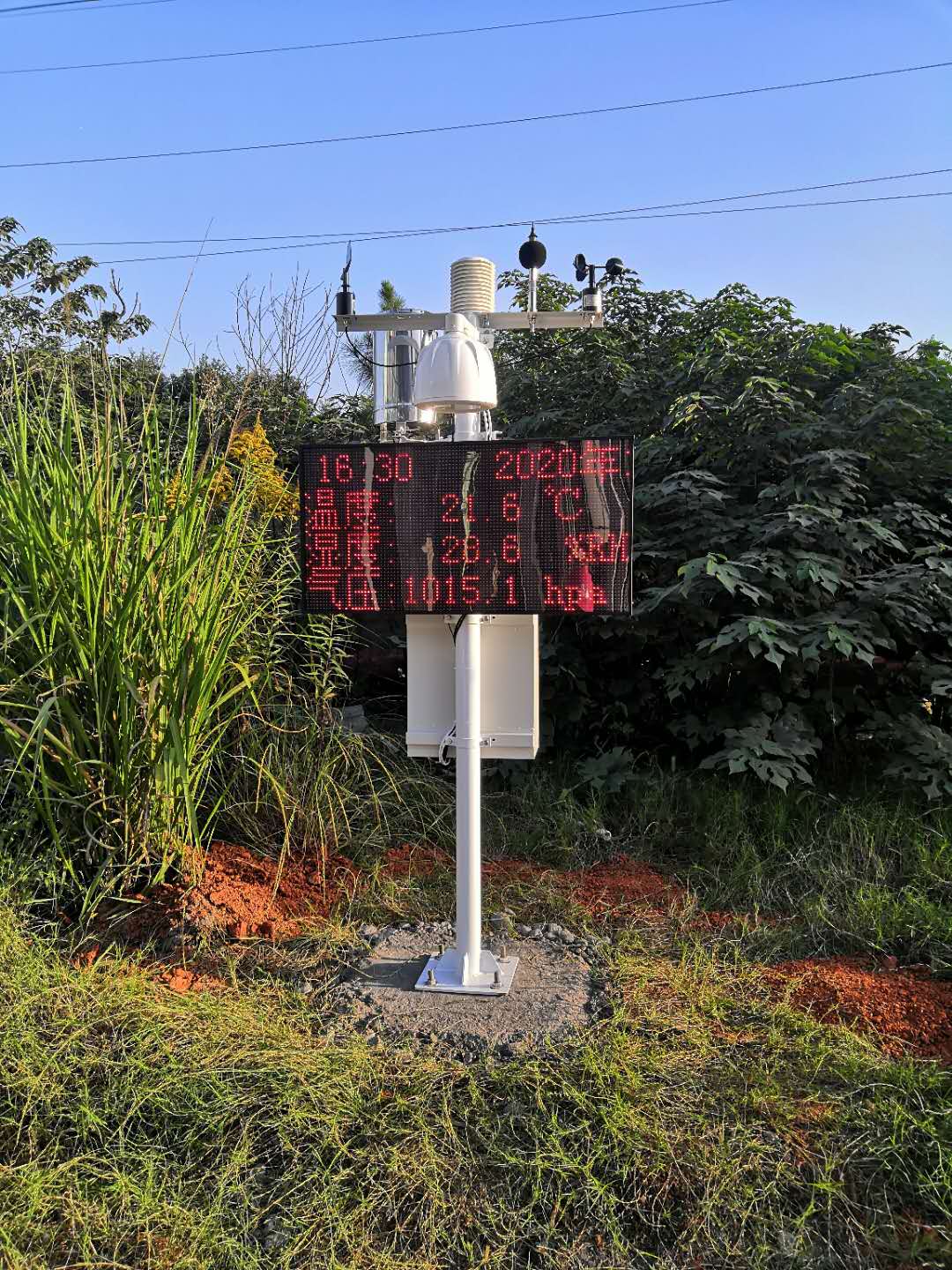
| Assembly | Useful service action | Check before returning to operation |
|---|---|---|
| Temperature/humidity shield | Remove debris from ventilation paths; inspect filter and shield damage. | Air path is open; shield and sensor are returned to the original exposure. |
| Cup and vane wind sensors | Inspect cups, vane and rotation using the approved procedure. | No binding or damaged parts; north reference and offset verified. |
| Ultrasonic wind head | Inspect acoustic paths for deposits, insects and physical damage. | Orientation and local data are checked; no bearing lubricant applied. |
| Tipping-bucket rain gauge | Clear funnel and drains; inspect level and bucket movement. | Controlled test confirms tips and millimetre conversion. |
| Radiation sensor | Clean optical surface with appropriate materials; inspect mounting. | Level or module-plane angle is restored as required by the measurement. |
| Cabinet and cable route | Inspect seals, glands, strain relief and signs of water or abrasion. | Entries are closed and voltage is adequate under operating load. |
Do not transfer a cleaning method between surfaces without checking compatibility. Abrasives can damage optics; solvents can damage seals; direct water jets can force contamination into connectors. Maintenance intervals should follow observed fouling, exposure and consequence of data loss. A coastal pole, a dusty construction site and a protected farm installation will not necessarily need the same service frequency.
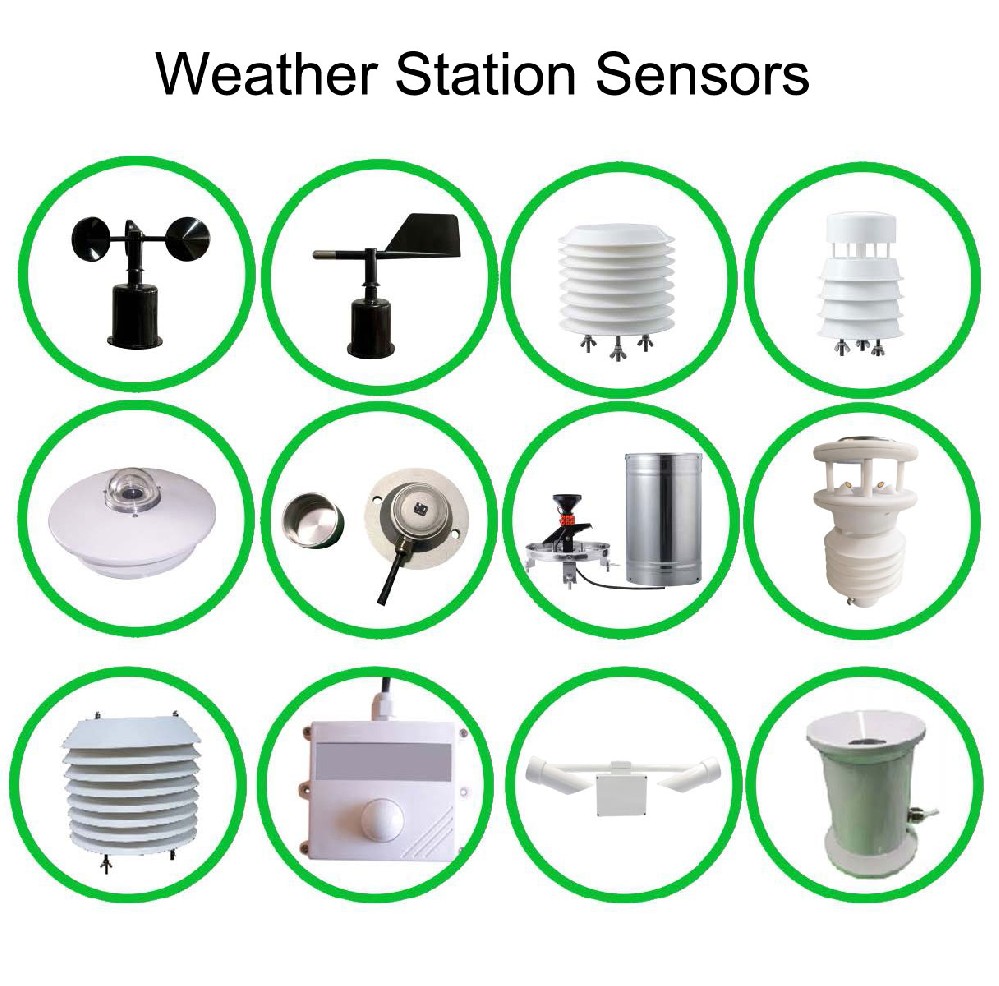
A radiation shield must admit representative air while limiting solar heating. Check insect nests, deposits and damaged plates before assessing sensor drift. Do not brush or solvent-clean the humidity element unless the model procedure permits it. After replacement, allow the assembly to equilibrate before comparing it with a maintained reference under equivalent exposure.
Inspect the pressure inlet or vent arrangement where present; obstruction can isolate the sensor from ambient pressure. Also check the logger's pressure convention. Station pressure and sea-level-corrected pressure differ, so changing an offset to match an app can corrupt a healthy channel. Preserve the station elevation and correction configuration when replacing a logger.
For cup and vane instruments, inspect for distortion, fouling and restricted movement. Use the prescribed bearing or assembly service method rather than adding lubricant by habit. NiuBoL wind-speed and wind-direction sensors should be specified as IP65. Mounting and connector care remain necessary, and that ingress rating does not establish resistance to icing or salt corrosion.
After moving a wind-direction sensor, re-establish its north reference and confirm the configured offset. For ultrasonic units, maintain the acoustic clearance and verify orientation after work. No cup bearings are present to inspect; a checklist that assumes every compact head has rotating parts wastes the visit and can cause damage.
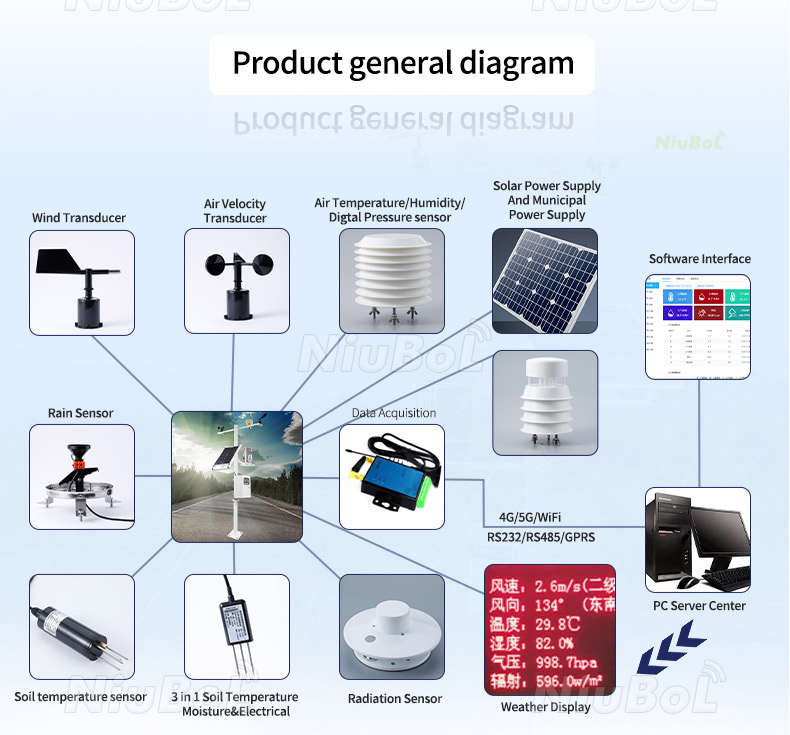
A tipping bucket measures collected liquid precipitation through a defined volume per tip. It does not determine rain from droplet size, and an unheated version does not automatically measure snow. Inspect the funnel and drain, verify leveling, then use the specified controlled check. An optical rain sensor has another principle and requires its own procedure. Keep test rainfall out of operational totals with a recorded service flag or approved counter adjustment.
Read a known channel locally after maintenance, then compare the logger and final platform values. For RS485 Modbus RTU, verify address, register mapping, scale, unit and channel labels. For a replacement head, do not assume the old map applies because the same connector fits. Save the original configuration before any authorized change and confirm it persists after restart.
A cloud connection can appear healthy while carrying stale measurements. Check acquisition time, upload time and data age separately. During a controlled disconnection test, the platform should indicate a missing or invalid channel. Restore the connection and confirm normal updates; a successful network login is insufficient evidence that each measurement recovered.
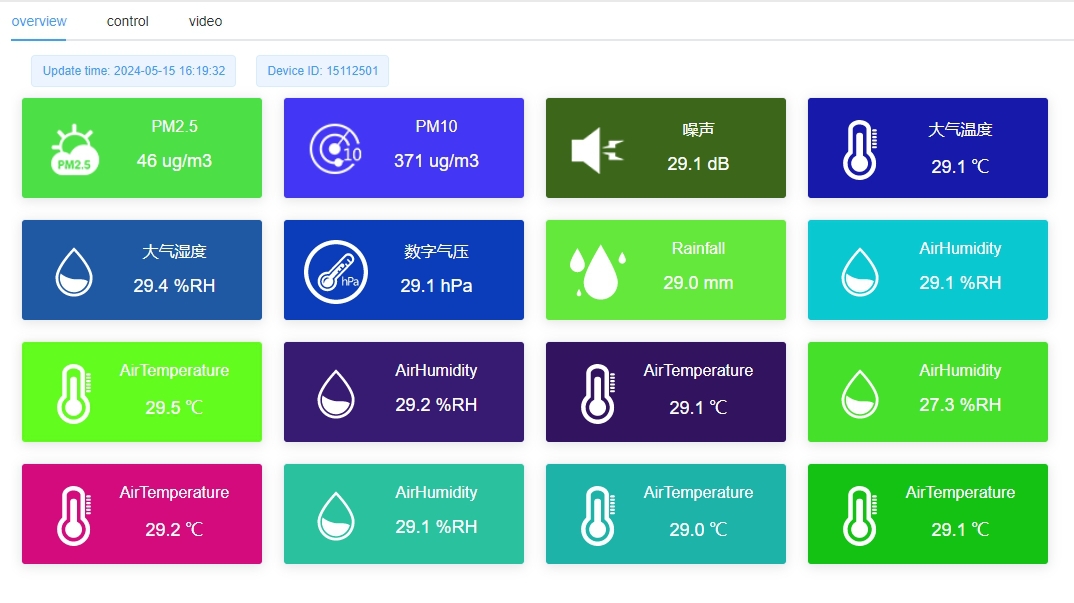
Measure supply voltage with the station operating, particularly during radio transmissions or other intermittent loads. Inspect the solar panel for new shade, damaged wiring and secure attachment. Review battery condition with limits appropriate to its chemistry and charge controller; a generic replacement based only on nominal voltage may be incompatible.
Follow the site's lightning and surge-protection drawings for bonding, conductors and protective devices. Inspect accessible connections and any surge-device indicators. Do not infer the adequacy of the whole protection system from one grounding-resistance measurement or from the sensor's IP rating. After a lightning-related fault, inspect the acquisition and communication path as well as the failed sensing element.
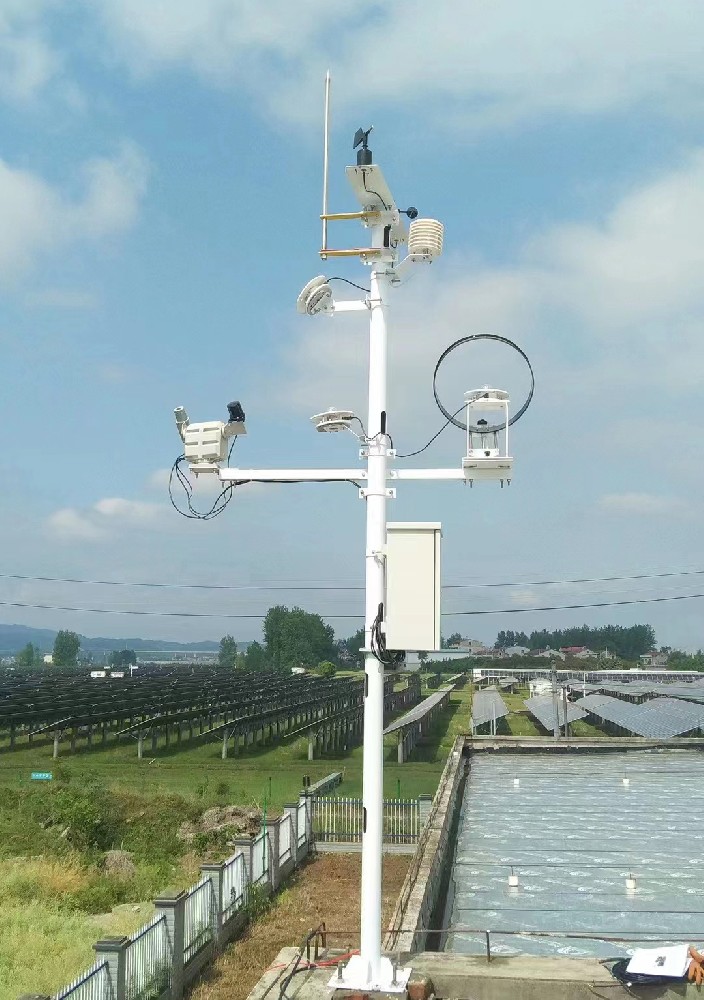
Record as-found condition, cleaned or replaced parts, settings changed, reference checks and as-left readings. Note any remaining site problem such as a new obstruction, poor access or a damaged bracket that needs a separate repair. Restore alarm and control permissions, check timestamps and confirm that the operator can see fresh values from each serviced channel.
A NiuBoL service or spare-parts request should identify station and sensor models, cable and connector details, power arrangement, fault history and photographs of the actual installation. Separate calibration work, consumables, replacement hardware and site labour in the quotation. This helps the operator compare an on-site repair with replacement without assuming a fixed service life for every sensor.
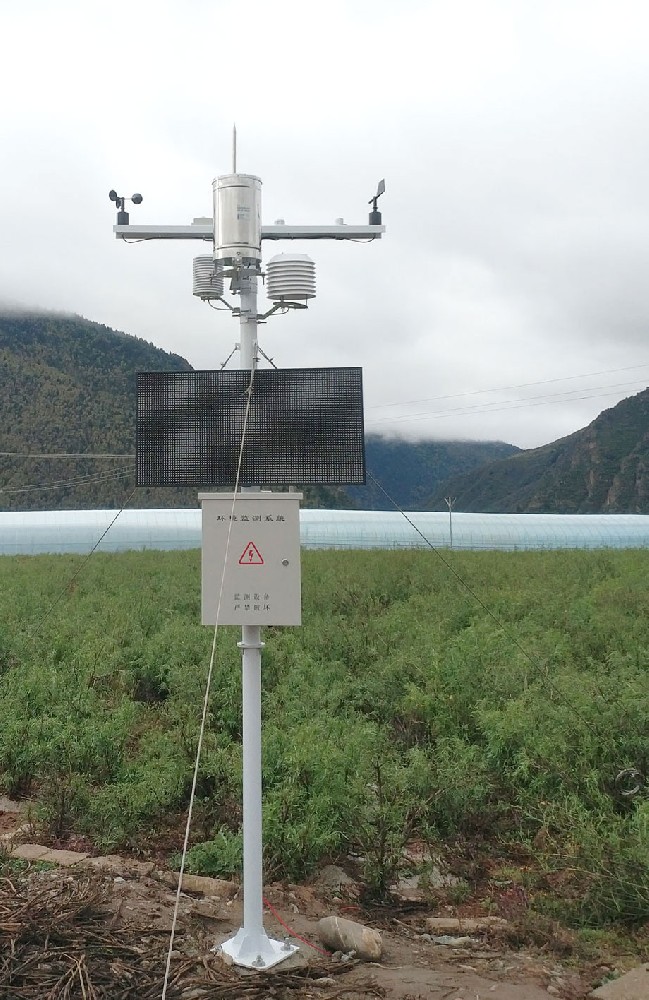
For a dispersed network, use the maintenance history to decide which sites deserve earlier visits. Repeated contamination, storm damage or unstable power is more useful for planning than the age of the station alone. Keep the same checks after a change of technician so a gradual deterioration is visible across successive visits.
Q1. How often does a compact weather station need maintenance?
A1. Establish an initial interval from sensor instructions and site exposure, then revise it using fouling, fault and verification records. Storms, construction dust or a failed check can require an additional visit.
Q2. Can the whole integrated head be washed?
A2. Follow its approved cleaning procedure. Ingress protection does not authorize pressure-washing optical paths, humidity filters or connectors, and different surfaces may need different cleaning materials.
Q3. Should ultrasonic wind sensors receive bearing service?
A3. No. Inspect acoustic paths, mounting and orientation. Mechanical bearing checks apply to the installed cup or vane design, not to every weather sensor.
Q4. How can maintenance create false rainfall?
A4. Cleaning and test water can produce real bucket pulses. Record the service period and apply the agreed data-quality or counter procedure so those pulses do not enter the operational rainfall record unnoticed.
Q5. When is replacement justified?
A5. Replace damaged or persistently faulty parts after checking power, wiring, exposure and the approved verification method. A general three-to-five-year interval is insufficient to condemn a working instrument.
Q6. What proves that remote monitoring has recovered?
A6. Fresh measurements with correct channel identity, units and timestamps at the final platform. Verify the local reading first, then the logger and upload path, including stale-data indication.
Compact weather station maintenance should restore a defined measurement, not merely leave a clean housing. Use the installed sensor technology to plan each task, preserve evidence of the original fault and verify fresh data at the operator's display before closing the visit.
Related recommendations
Sensors & Weather Stations Catalog
 Agriculture Sensors and Weather Stations Catalog-NiuBoL.pdf
Weather Stations Catalog-NiuBoL.pdf
Agriculture Sensors Catalog-NiuBoL.pdf
Water Quality Sensor Catalog-NiuBoL.pdf
Related products
 Combined air temperature and relative humidity sensor
 TDR Soil Moisture & Temperature Sensor for irrigation| RS485 |4-20mA| NBL-S-THR
 Soil pH sensor RS485 soil Testing instrument soil ph meter for agriculture |NBL-S-PH
 Wind Speed sensor Output Modbus/RS485/Analog/0-5V/4-20mA
 Tipping bucket rain gauge for weather monitoring auto rainfall sensor RS485/Outdoor/stainless steel
 Pyranometer Solar Radiation Sensor 4-20mA/RS485

Screenshot, WhatsApp to identify the QR code
WhatsApp number:+8615367865107
(Click on WhatsApp to copy and add friends)

