





— Blogs —
—Products—
 Consumer hotline +8618073152920
 WhatsApp:+8615367865107
Address:Room 102, District D, Houhu Industrial Park, Yuelu District, Changsha City, Hunan Province, China
Product knowledge
Time:2025-12-05 13:59:28 Popularity:757
Before 2009, agricultural meteorological observation relied heavily on cumbersome manual operations: data recording used paper forms, processing depended on calculators, and transmission required manually compiled reports. This inefficient, time-consuming approach severely limited the informatization of agricultural meteorological data, posing numerous challenges for scientific research and data services.
With the rapid development of IoT, wireless communication, and sensor technologies, the emergence of agricultural small weather stations (microclimate observation stations) has completely revolutionized this landscape. The NiuBoL agricultural meteorological monitoring station, as a high-tech automatic monitoring device, achieves unattended multi-element automatic meteorological monitoring, becoming an indispensable high-tech assistant in modern agriculture.
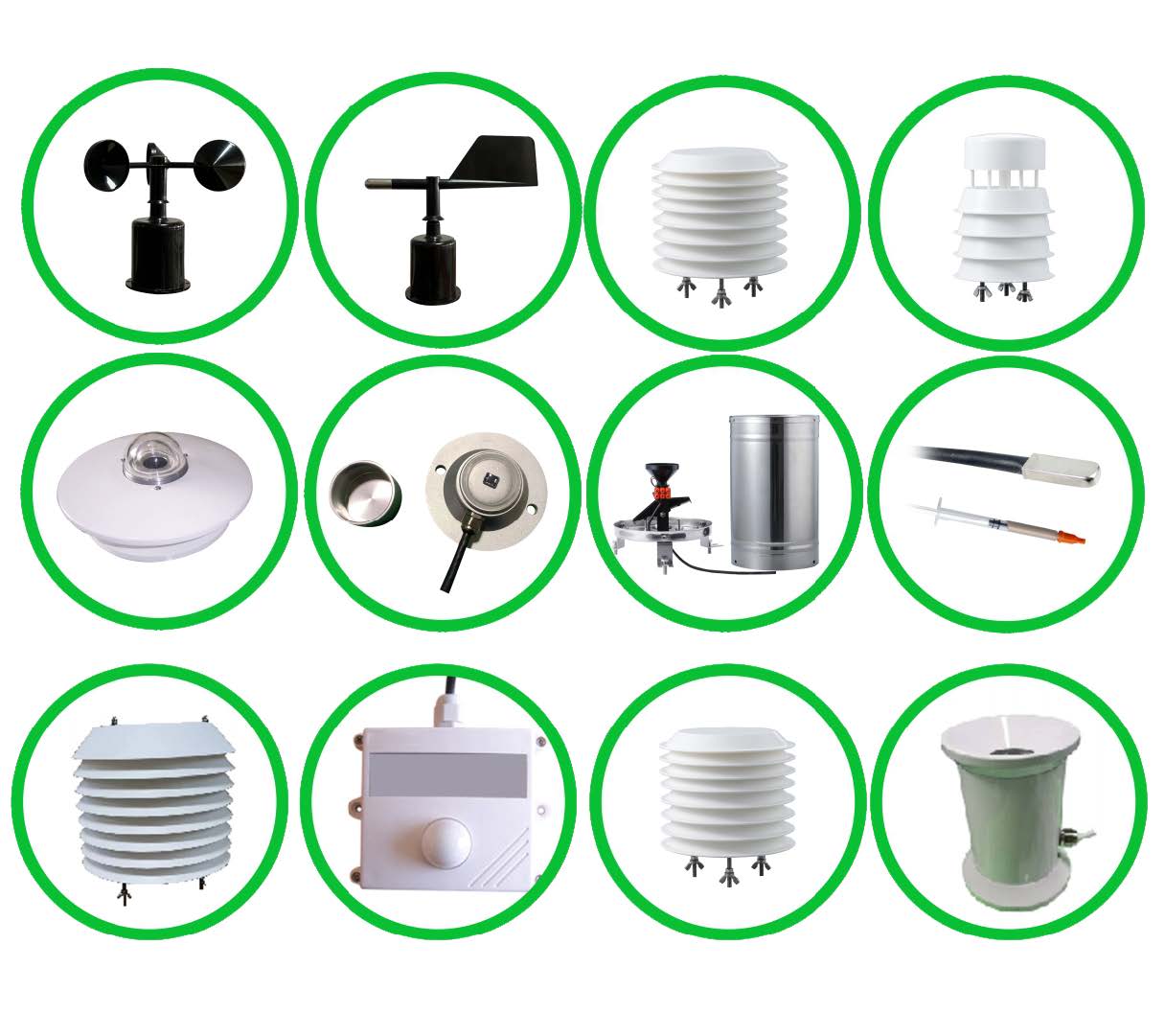
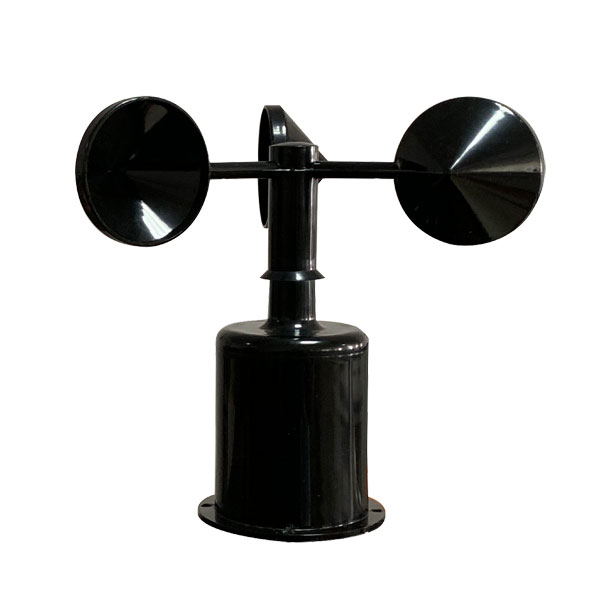 | 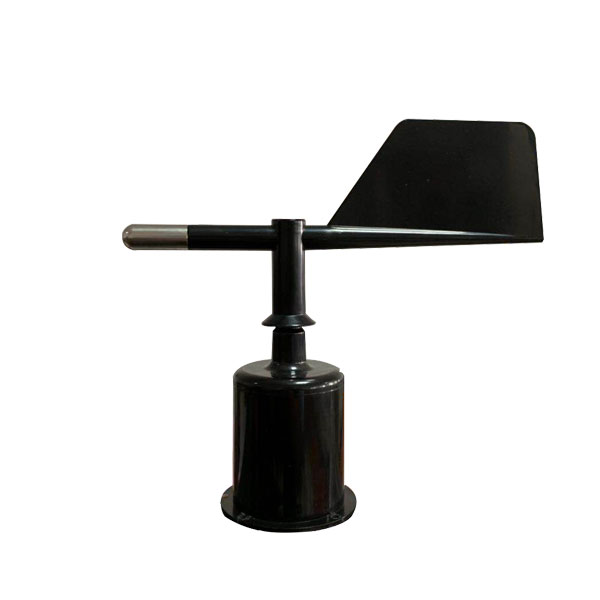 | 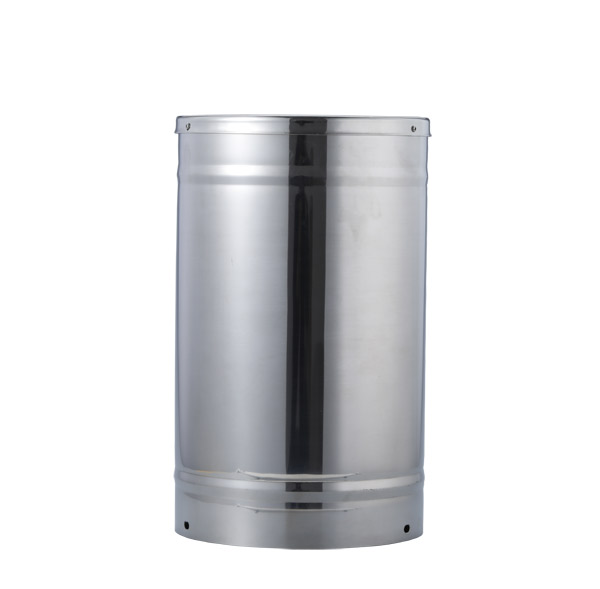 | 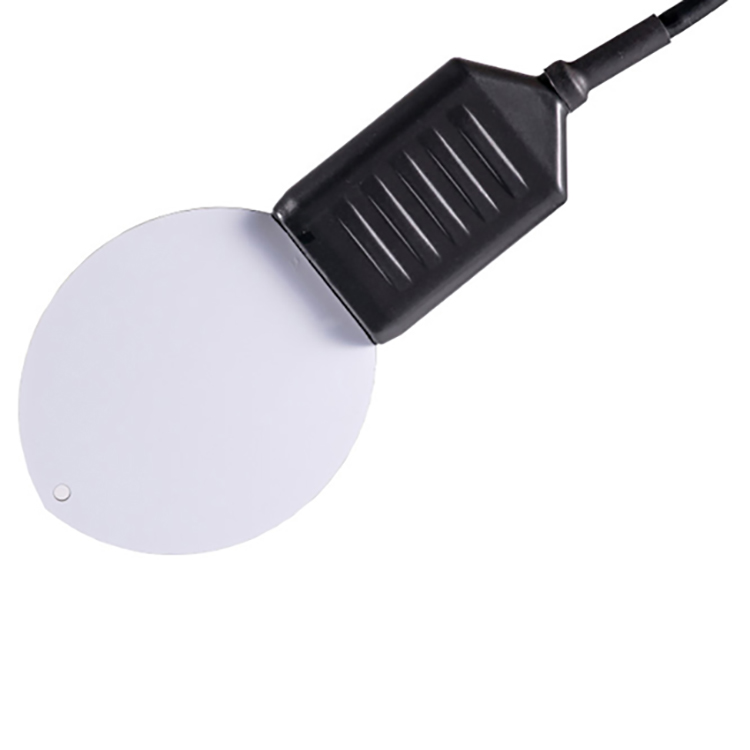 | 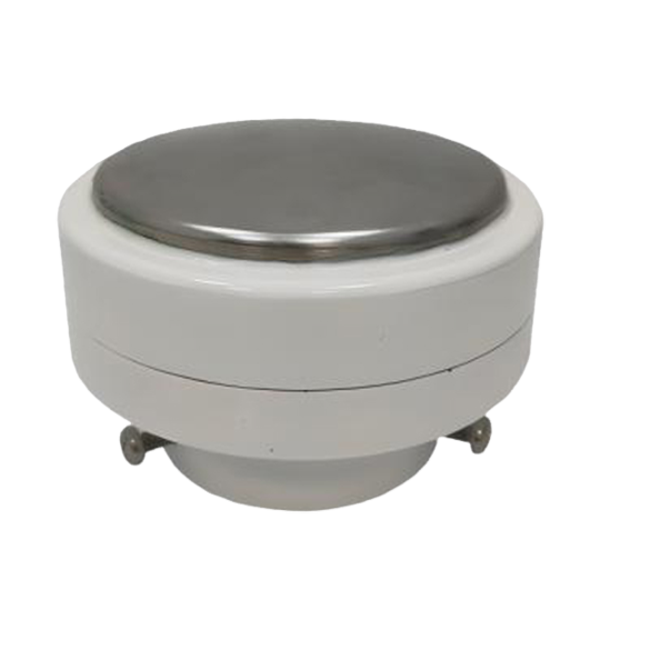 |
| Anemometer Wind Speed sensor | Wind direction sensor | Tipping bucket rain gauge sensor | Leaf Wetness Sensor | Piezoelectric Rain Gauge |
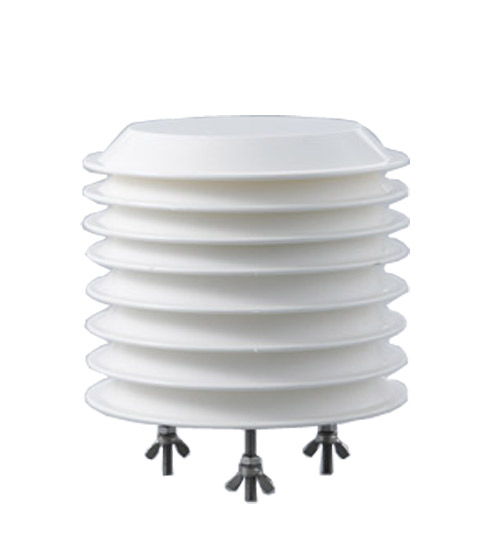 | 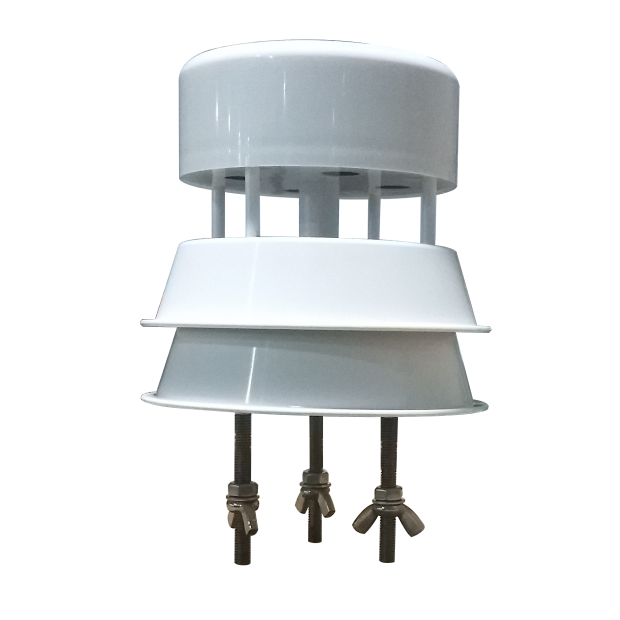 | 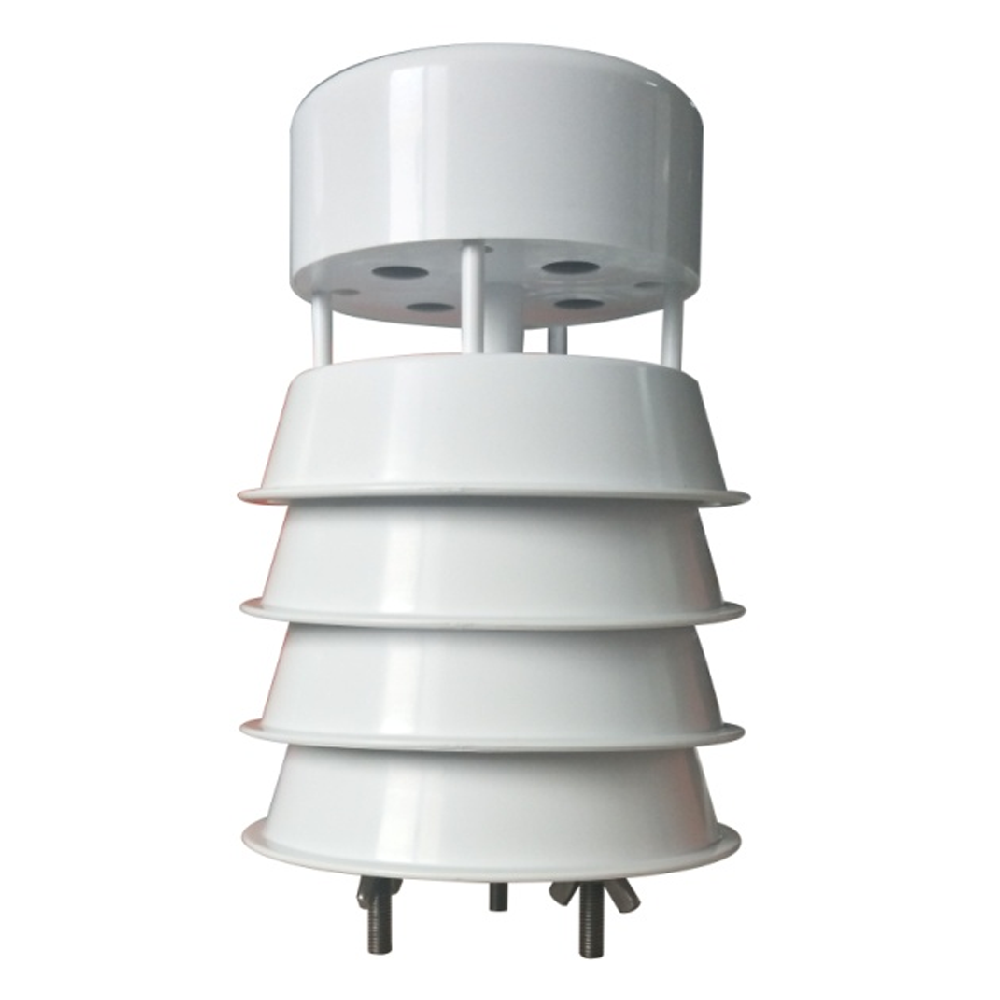 | 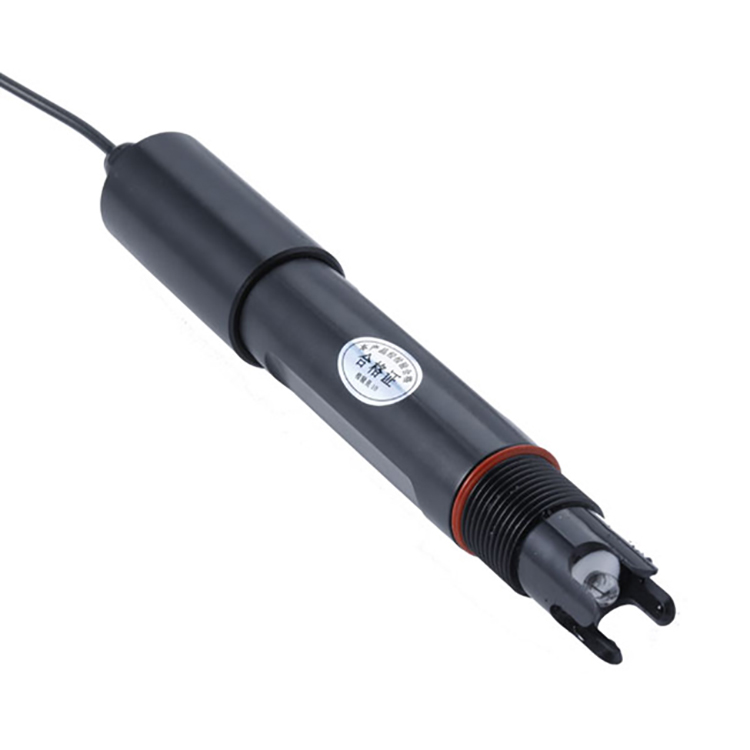 | 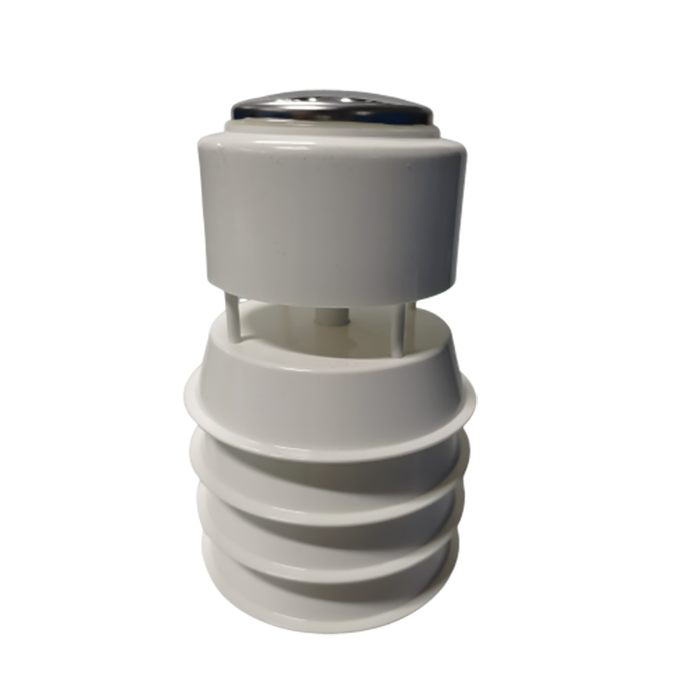 |
| Atmospheric Temperature Humidity air pressure Sensor | ultrasonic wind speed and direction sensor | 5 in1 Ultrasonic Weather Station Sensor | Soil pH sensor | 7 in1 Ultrasonic Weather Station Sensor |
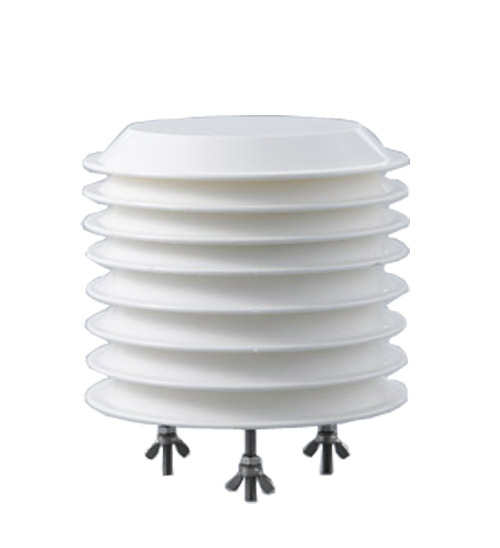 | 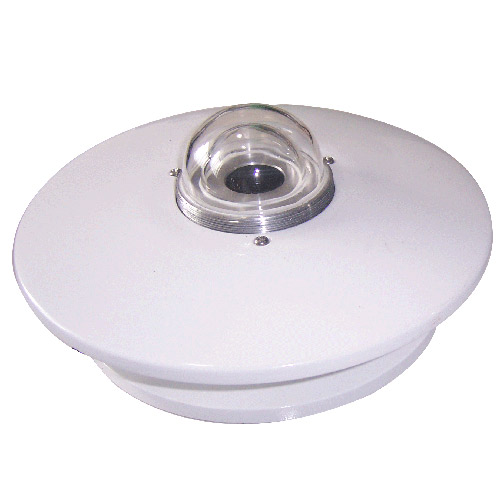 | 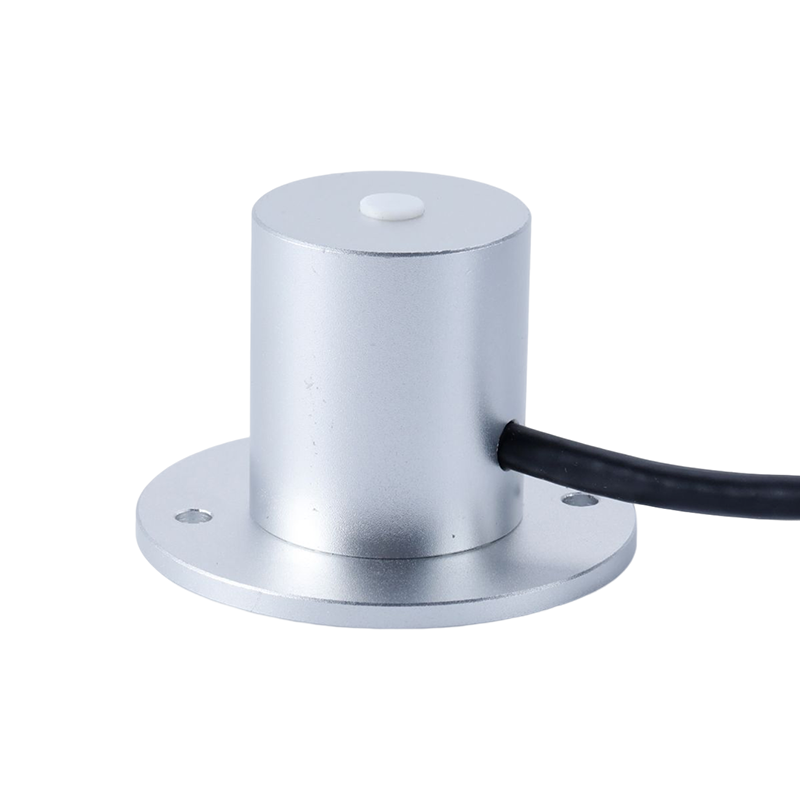 | 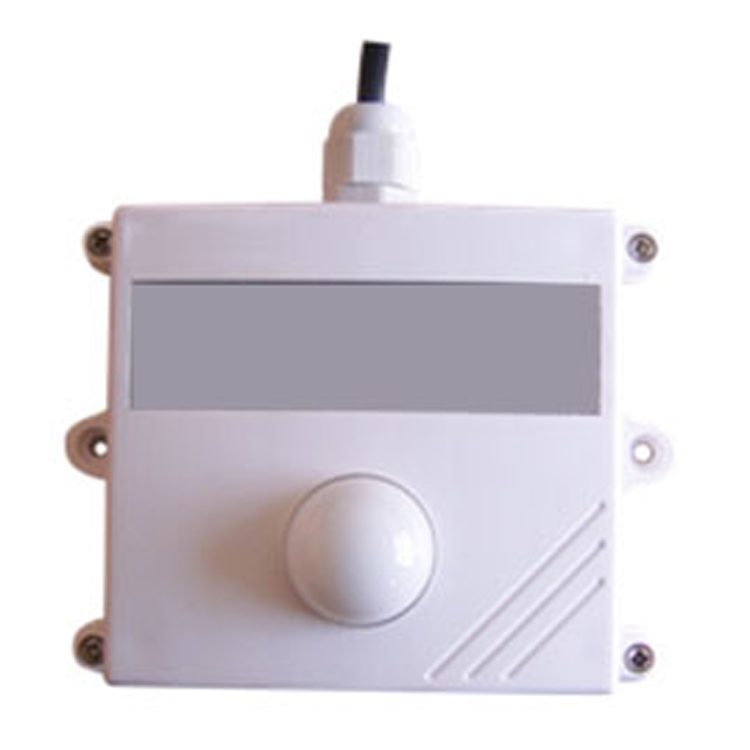 | 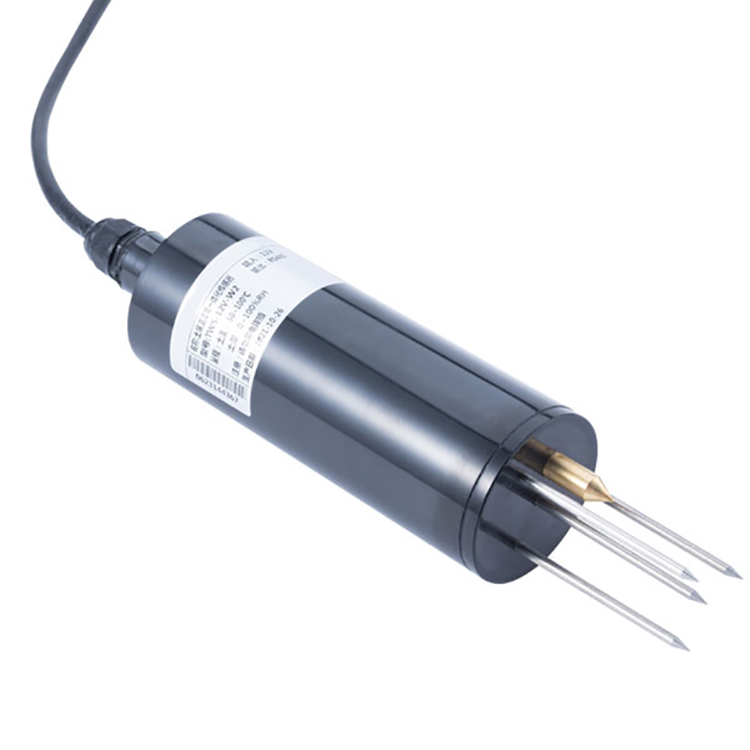 |
| Carbon dioxide sensor | Solar Radiation Sensor | Photosynthetically Active Radiation Sensor; | illumination sensor | Soil Moisture Temperature sensor |
An agricultural small weather station is a convenient, efficient solution tailored for field climate monitoring. It prioritizes ultimate portability and compact size, allowing easy deployment in any corner of farmland to capture key meteorological variables affecting crop growth in real-time.
- Easy Deployment: Simply connect to power or rely on solar energy for quick monitoring startup.
- Remote Monitoring: Transmit data in real-time to cloud platforms and mobile devices via wireless or wired networks.
- Intelligent Warnings: Predict climate changes based on data trends and send timely notifications.
- Centralized Management: Enable monitoring of multiple stations from a single control center, greatly enhancing management efficiency.
- Energy Adaptability: Support traditional wired power while compatible with green energy sources like solar, ensuring stable field operation.
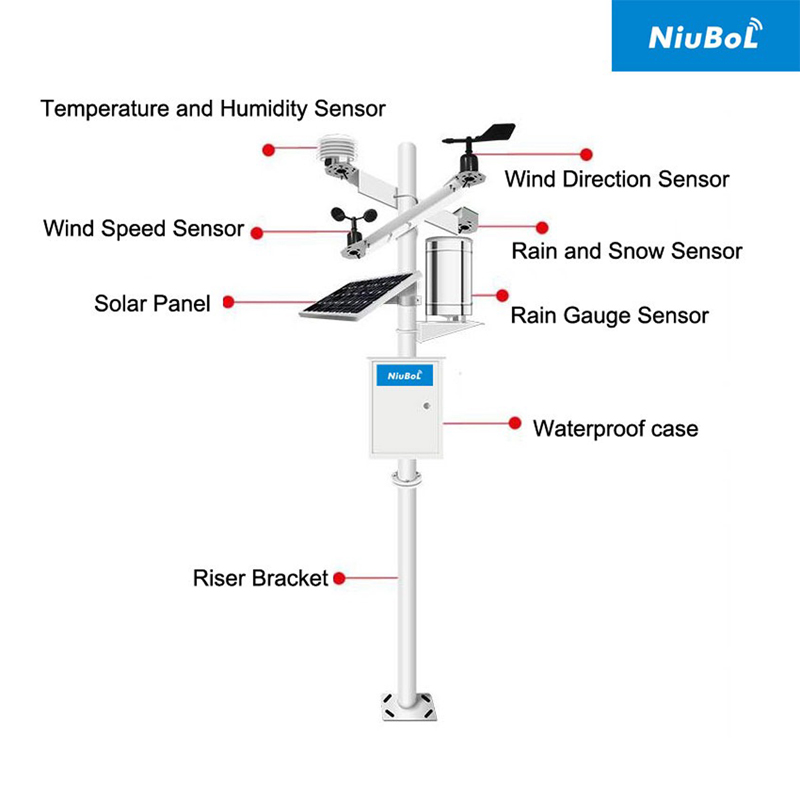
The NiuBoL agricultural meteorological monitoring station is a highly integrated automated system consisting of three main components: meteorological sensors, data logger, and management cloud platform/APP.
Sensors serve as the system's "senses," converting various meteorological elements into recognizable electrical signals.
| Sensor Name | Measured Elements | Functional Role and Brief Principle Description |
| Air Temperature and Humidity Sensor | Air Temperature, Relative Humidity | Function: Monitor key crop growth parameters; warn of high temperature/humidity stress; guide ventilation and pest prediction. Principle: Uses thermistor (temperature) and capacitive (humidity); resistance/capacitance changes with environment. |
| Soil Temperature and Moisture Sensor | Soil Moisture, Soil Temperature | Function: Precisely guide irrigation plans; monitor root zone temperature. Principle: TDR/FDR dielectric constant method for moisture; thermistor or thermocouple for temperature. |
| Wind Speed and Direction Sensor | Wind Speed, Wind Direction | Function: Assess strong wind disaster risks; assist pesticide spraying direction for even application. Principle: Wind speed: Three-cup or ultrasonic; Wind direction: Magnetic encoder or ultrasonic orientation. |
| Rainfall Sensor | Precipitation | Function: Monitor rainfall intensity and total; provide basis for drainage and drought decisions. Principle: Primarily tipping bucket; measures accumulated precipitation via bucket flips. |
| Light Intensity Sensor | Light Intensity | Function: Evaluate photosynthesis intensity; guide shading or supplemental lighting. Principle: Uses silicon photocell etc., converting light energy to current signals. |
| Atmospheric Pressure Sensor | Atmospheric Pressure | Function: Provide basic data for weather forecasting; assist altitude correction. Principle: MEMS piezoresistive sensor; measures resistance or capacitance changes due to pressure. |
The data logger is the system's "brain," responsible for collecting and preliminarily processing sensor data.
- Data Acquisition and Processing: Receives analog or digital signals from sensors; performs A/D conversion, linearization, unit conversion, and calibration correction.
- Storage: Features internal storage for automatic data saving, ensuring no loss during network interruptions (breakpoint resume).
- Communication: Integrates wireless modules (e.g., 4G/5G, LoRa) for wireless transmission of data packets to the cloud platform.
The NiuBoL cloud platform and APP provide an intuitive graphical user interface, serving as the hub for remote management and data analysis.
- Real-Time Acquisition and Display: Receive and display multi-station meteorological data in real-time.
- Automatic Storage and Query: Automatically store historical data; users can query and export by time or station.
- Threshold Exceedance Warnings and Alarms: Set thresholds; system automatically notifies users via SMS or app if data exceeds safe ranges.
- Data Analysis and Processing: Supports curve analysis, multi-station comparison, report generation, etc., aiding agricultural decisions.
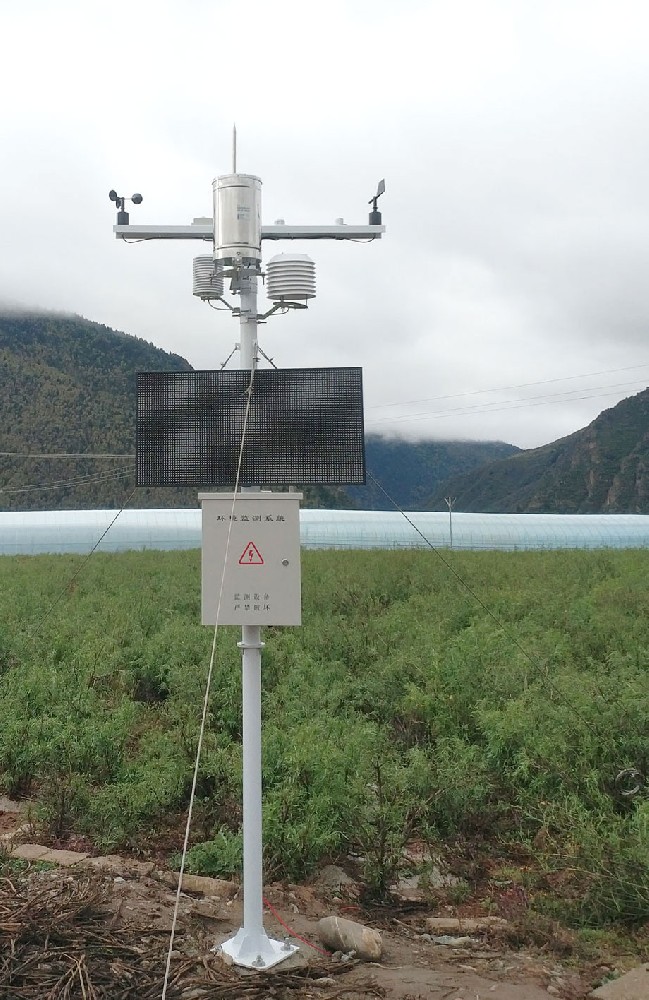
To ensure data accuracy and representativeness, installation and measurement of agricultural weather stations must follow specific standards.
Key Points for Agricultural Small Weather Station Installation Standards
1. Site Selection: Choose open, flat areas without tall buildings, trees, or obstacles to avoid interference with wind speed, direction, and light sensors.
2. Wind Speed/Direction Sensors: Typically installed at 2 meters or 10 meters above ground (based on monitoring purpose).
3. Temperature/Humidity Sensors: Must be placed in radiation shields to avoid direct sunlight and ground radiation, ensuring true air temperature measurement.
4. Rainfall Sensor: Install horizontally to prevent water accumulation affecting accuracy.
5. Soil Sensors: Bury at required depths (e.g., 10cm, 20cm); ensure full contact with soil for accurate moisture and temperature data.
6. Power Supply and Protection: Orient solar panels south for maximum charging; securely fix equipment enclosures with IP-rated waterproof sealing.
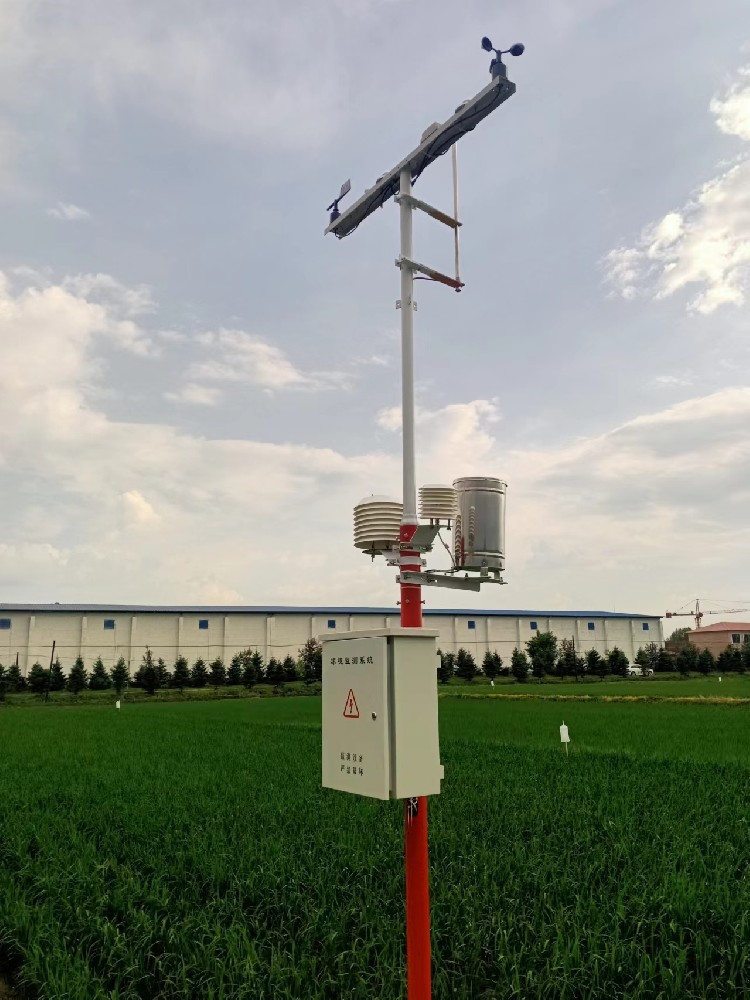
Compared to traditional manual observation, small weather stations greatly improve data quality through high-frequency, continuous automatic measurement:
- Continuous Sampling: Sensors can be set for per-second or higher frequency sampling to capture instantaneous changes.
- Timed Upload: Data logger uploads processed packets at preset intervals (e.g., 5 minutes, 1 hour) for timeliness.
- Remote Calibration: Some high-end sensors support remote diagnostics and simple parameter adjustments, reducing on-site maintenance.
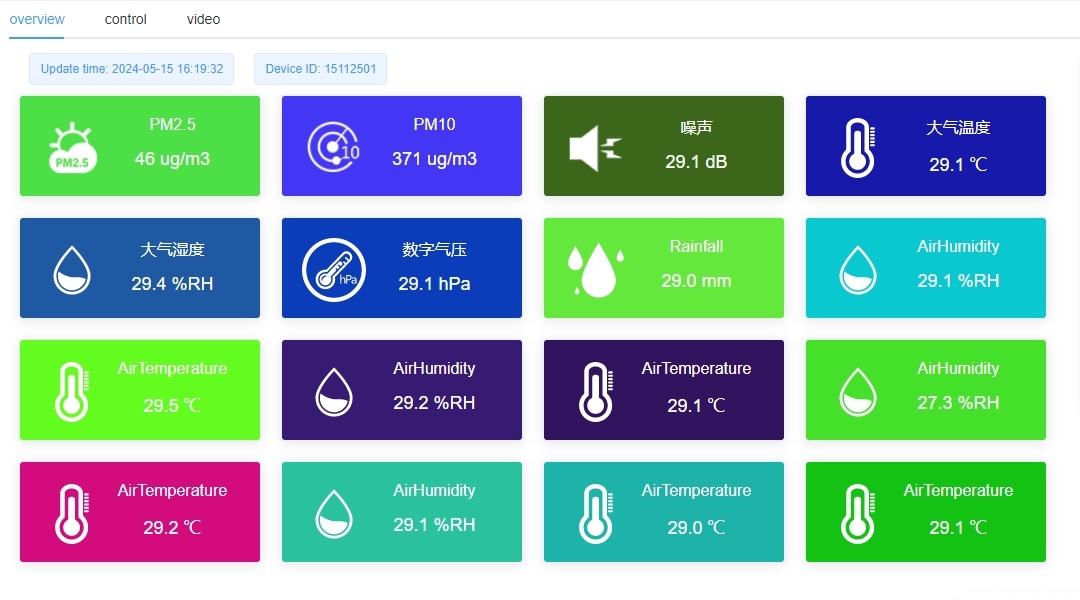
With their precision and convenience, agricultural small weather stations are widely used in various fields, especially those requiring fine-grained microclimate management.
- Agricultural Production: In orchards, tea plantations, greenhouses, and open fields; provide accurate temperature/humidity, light, and rainfall data to guide precise irrigation, fertilization, and pest control.
- Forestry and Grasslands: Monitor forest fire risk levels and grassland ecosystems; assess vegetation growth.
- Pest Forecasting: Combine temperature/humidity, rainfall, etc., to build pest occurrence models for early warnings and scientific pesticide use.
- Scientific Research and Education: Supply high-precision, continuous microclimate data for agricultural institutes and universities; support research on climate change impacts on crops.
- Ecological Environment Monitoring: Monitor microclimates in specific areas (e.g., nature reserves, wetlands); provide basis for ecological protection decisions.
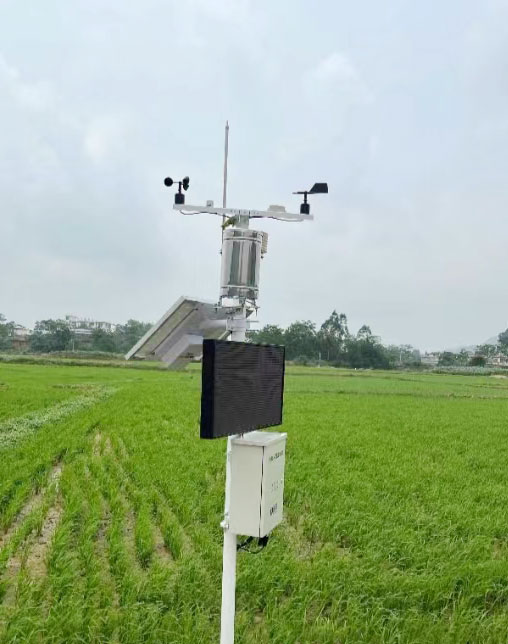
A: Yes. Our small weather stations are equipped with solar power systems and efficient batteries, fully supporting unattended, self-sufficient continuous operation in the wild.
A: No. NiuBoL stations are designed for easy deployment with highly simplified processes. Detailed graphic/video tutorials are provided, allowing even non-professionals to complete installation and basic maintenance.
A: Strictly follow installation standards in open areas away from obstacles. Regularly check sensor blades or probes for dust or icing.
A: Yes. The cloud platform allows one-click export of historical data in Excel or CSV formats by time period and station for secondary analysis or archiving.
A: Users set upper/lower thresholds for parameters (e.g., temperature, soil moisture) on the cloud platform or APP. Exceedances trigger automatic SMS or app alarms.
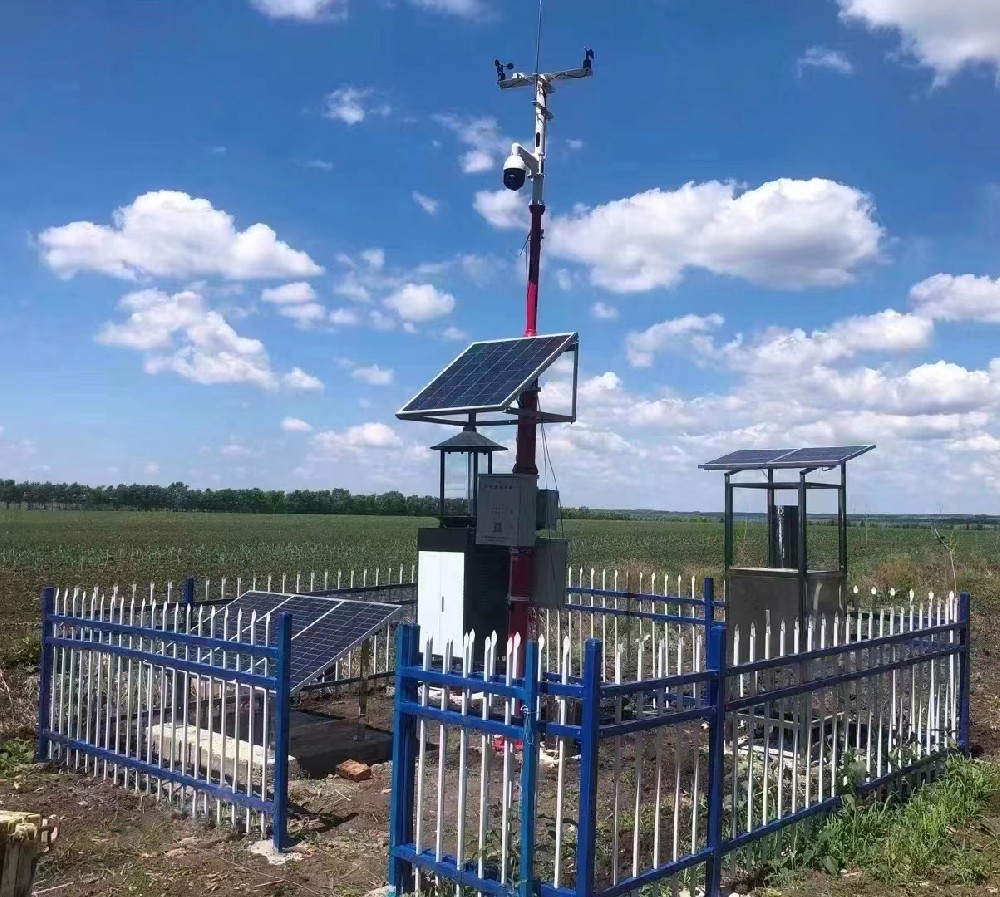
A: NiuBoL loggers offer excellent scalability, typically supporting 8 to 32 channels; customizable based on needs.
A: No. The data logger has local caching; upon network recovery, it automatically resumes transmission.
A: Depths are customizable, commonly 10cm, 20cm, 40cm, or deeper to meet various crop root monitoring needs.
A: Regular cleaning of anemometers, rain gauges, and radiation shields; checking solar panels/battery connections; inspectingure cable integrity; and annual professional calibration.
A: Bind all NiuBoL station IDs to one cloud platform account; switch, compare, and analyze data from all stations in a single interface for efficient regional management.
A: CE, ISO9001, RoHS, and nationally recognized meteorological calibration certificates.
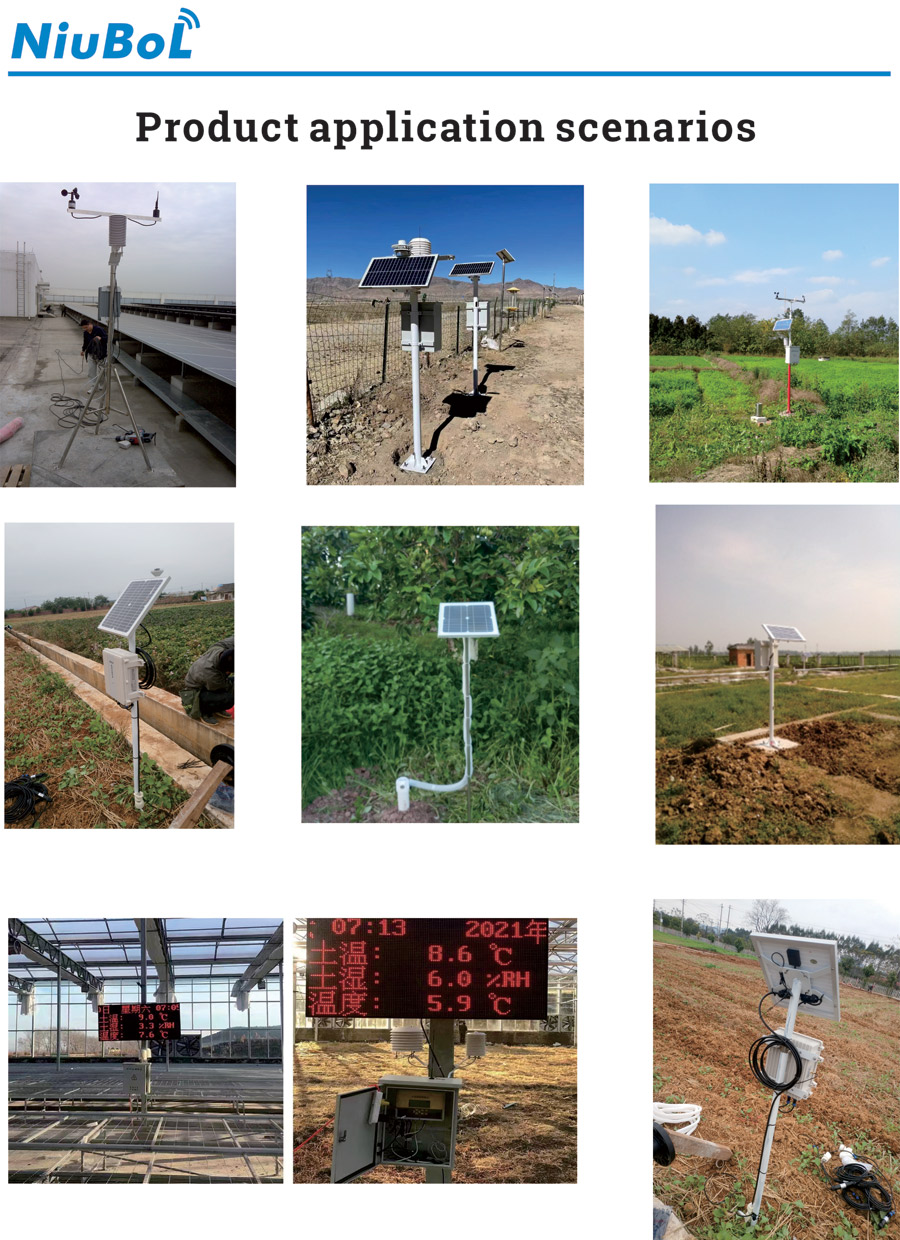
The NiuBoL agricultural small weather station is a key tool for modern agriculture to move beyond "weather-dependent farming." Through high-precision sensor arrays, it upgrades traditional paper-based, manual observation to an unattended, electronic, remotely managed intelligent monitoring system.
Microclimate observation stations not only provide precise meteorological data but also empower farmers with intelligent warnings and analysis for accurate agricultural decisions. Whether improving water efficiency, optimizing fertilization, or enabling early pest warnings, NiuBoL delivers a solid data foundation for high-quality, efficient, sustainable agriculture.
Choose NiuBoL now—let data become the powerful driving force for your field management!
Prev:Smart Agriculture Weather Station: Functions, Technical Principles, and Application Scenarios
Next:Agricultural Meteorological Observation Instruments OEM Customization
Related recommendations
Sensors & Weather Stations Catalog
 Agriculture Sensors and Weather Stations Catalog-NiuBoL.pdf
Weather Stations Catalog-NiuBoL.pdf
Agriculture Sensors Catalog-NiuBoL.pdf
Water Quality Sensor Catalog-NiuBoL.pdf
Related products
 Combined air temperature and relative humidity sensor
 TDR Soil Moisture & Temperature Sensor for irrigation| RS485 |4-20mA| NBL-S-THR
 Soil pH sensor RS485 soil Testing instrument soil ph meter for agriculture |NBL-S-PH
 Wind Speed sensor Output Modbus/RS485/Analog/0-5V/4-20mA
 Tipping bucket rain gauge for weather monitoring auto rainfall sensor RS485/Outdoor/stainless steel
 Pyranometer Solar Radiation Sensor 4-20mA/RS485

Screenshot, WhatsApp to identify the QR code
WhatsApp number:+8615367865107
(Click on WhatsApp to copy and add friends)

