





— Blogs —
—Products—
 Consumer hotline +8618073152920
 WhatsApp:+8615367865107
Address:Room 102, District D, Houhu Industrial Park, Yuelu District, Changsha City, Hunan Province, China
Product knowledge
Time:2025-12-05 14:16:11 Popularity:696
Agriculture is at a critical juncture, transitioning from traditional experience-driven practices to modern, intelligent, and sustainable precision agriculture. Ancient agricultural wisdom relied on accumulated experience over generations, while modern breakthroughs stem from the deep application of information technology.
Smart agriculture leverages modern technologies such as IoT, big data analytics, and artificial intelligence to automate production process management. Precision agriculture focuses on every detail of production to maximize crop quality and yield. In this transformation, precise, real-time monitoring of production environmental parameters forms the foundation for all intelligent decisions.
In the era of traditional agriculture, crop planting and harvesting were heavily constrained by natural factors like climate and soil. Today, IoT-based agricultural meteorological observation instruments are breaking these limitations. By comprehensively monitoring multiple environmental parameters—such as air temperature, humidity, soil moisture, wind direction, wind speed, light intensity, and gas concentrations—they provide essential data support for refined irrigation management, pest control, and environmental monitoring.
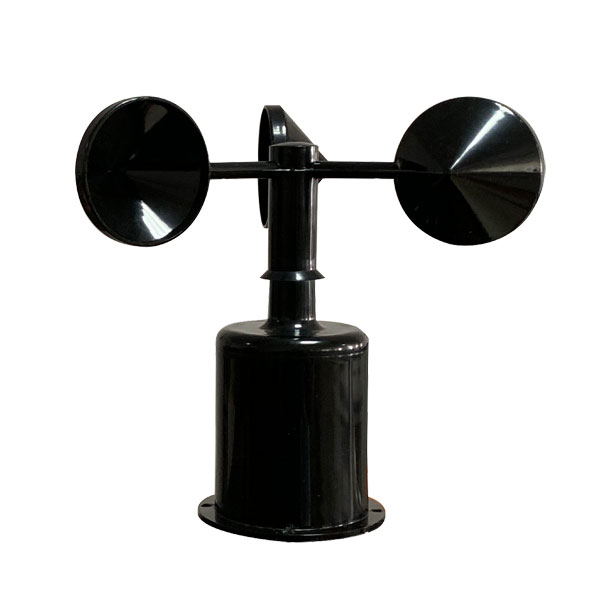 | 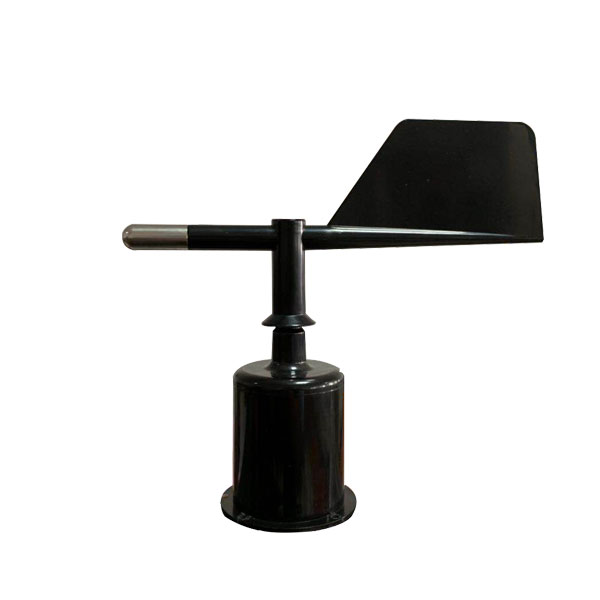 | 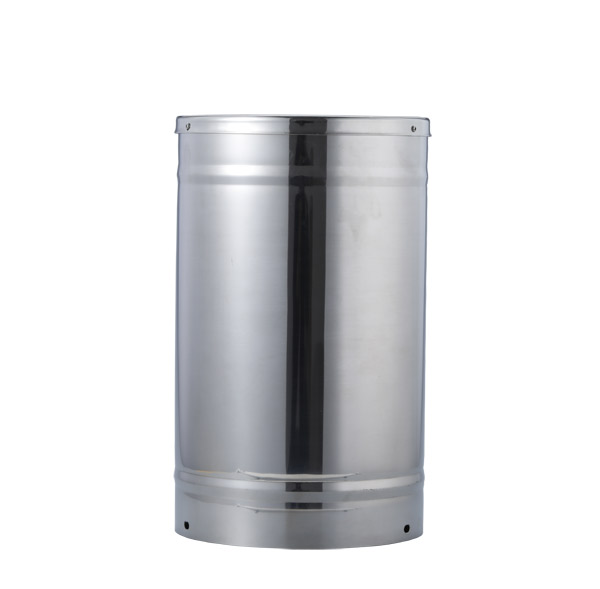 | 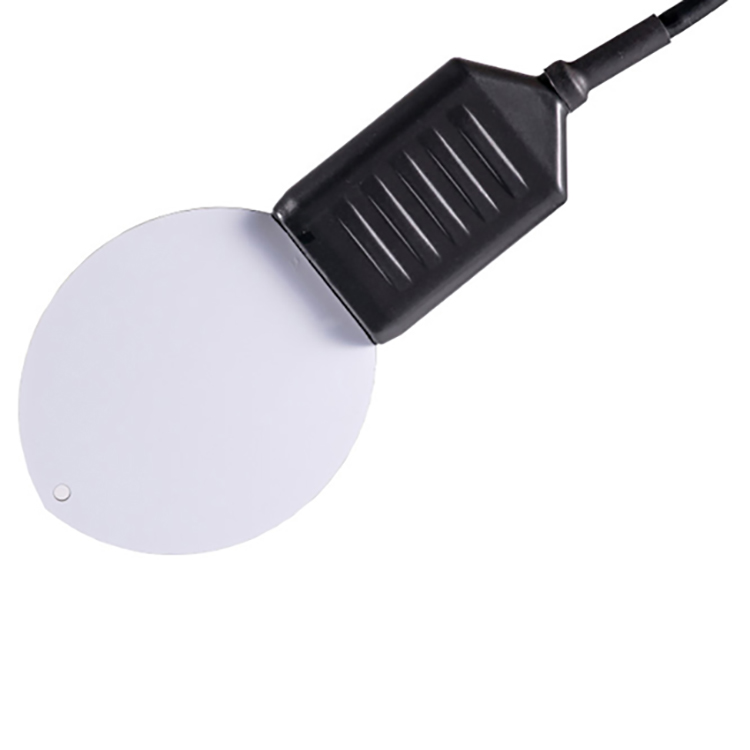 | 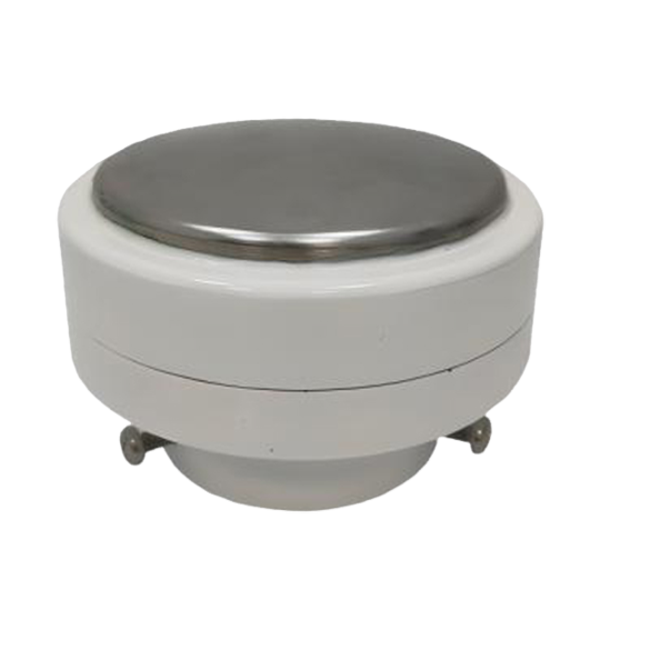 |
| Anemometer Wind Speed sensor | Wind direction sensor | Tipping bucket rain gauge sensor | Leaf Wetness Sensor | Piezoelectric Rain Gauge |
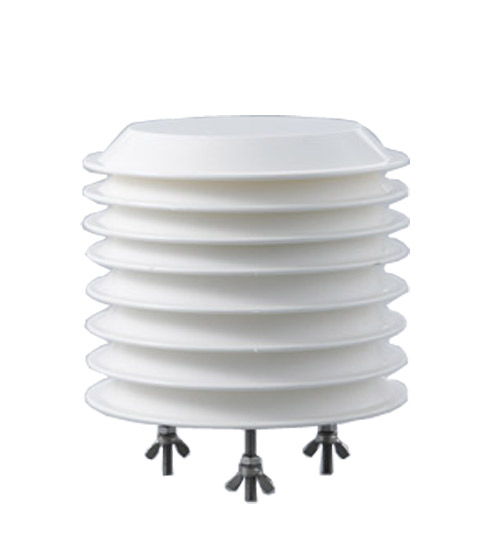 | 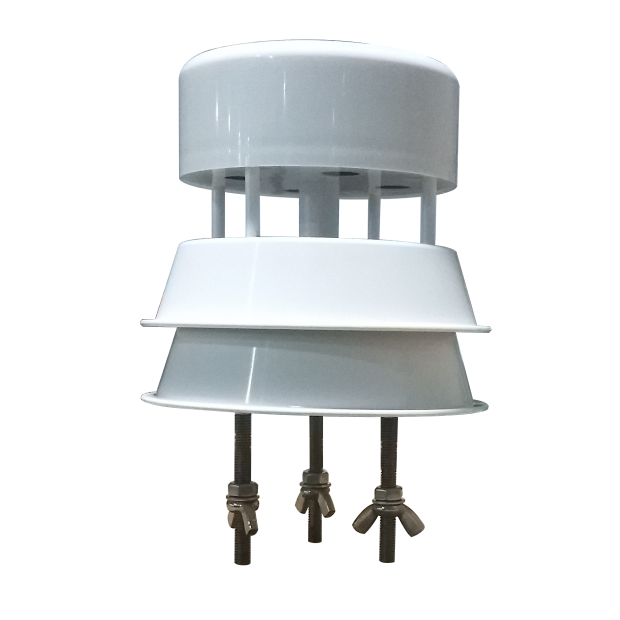 | 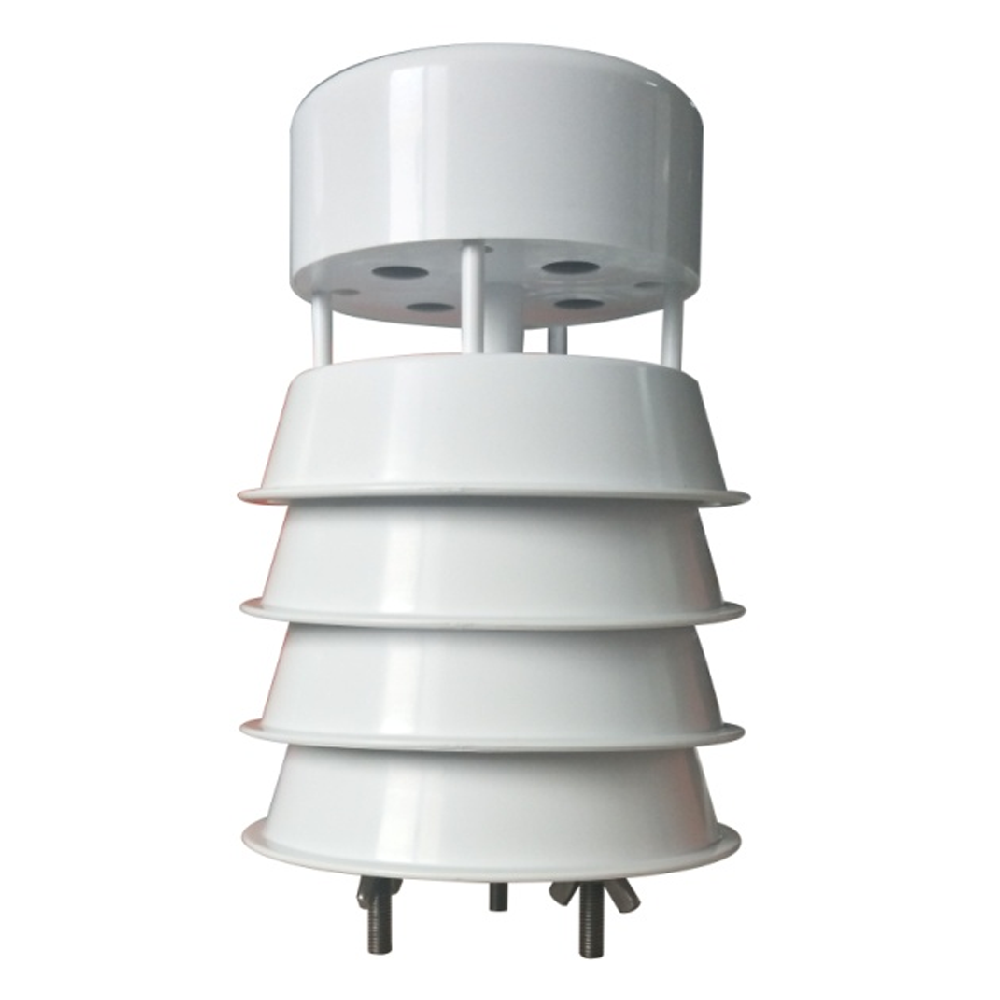 | 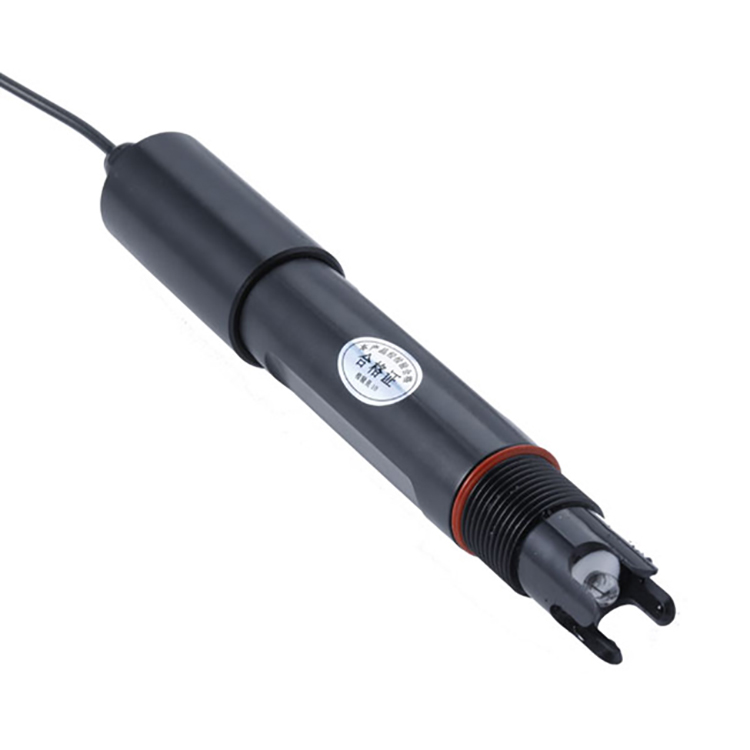 | 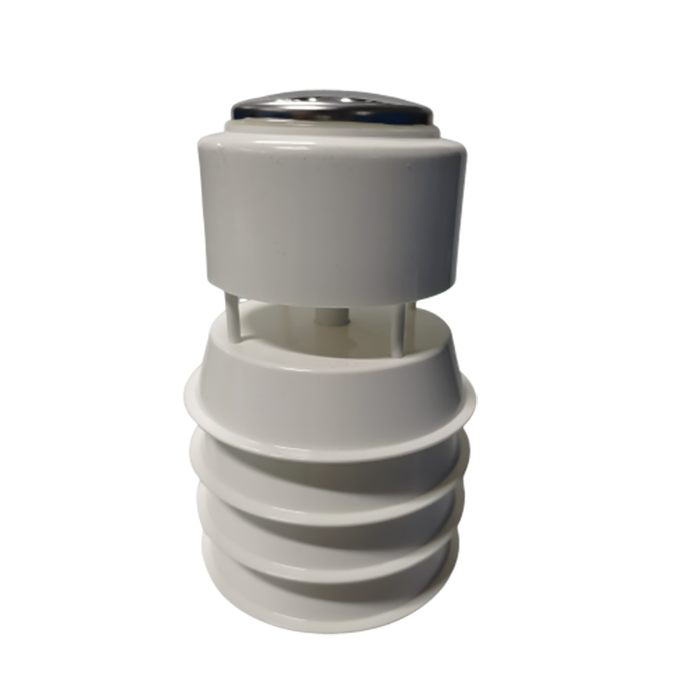 |
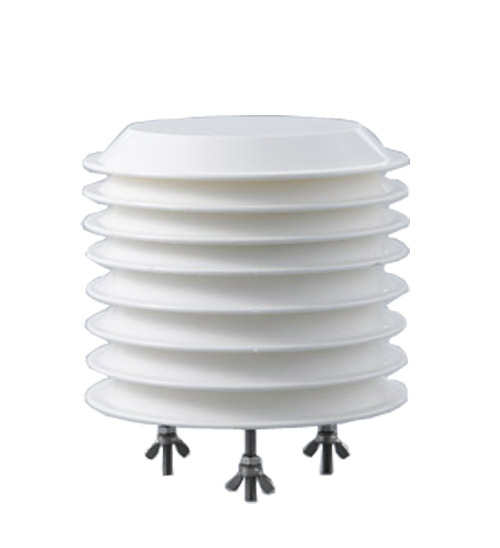
| Atmospheric Temperature Humidity air pressure Sensor | ultrasonic wind speed and direction sensor | 5 in1 Ultrasonic Weather Station Sensor | Soil pH sensor | 7 in1 Ultrasonic Weather Station Sensor |
 | 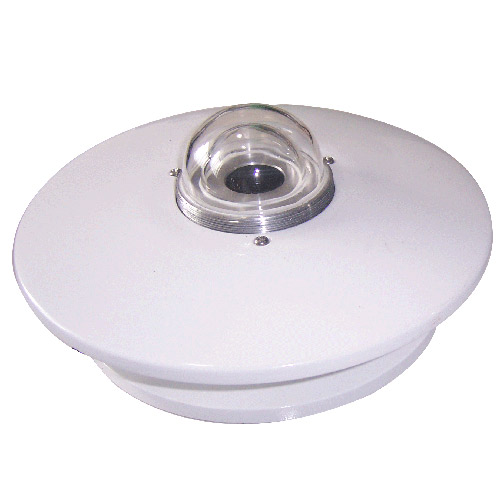 | 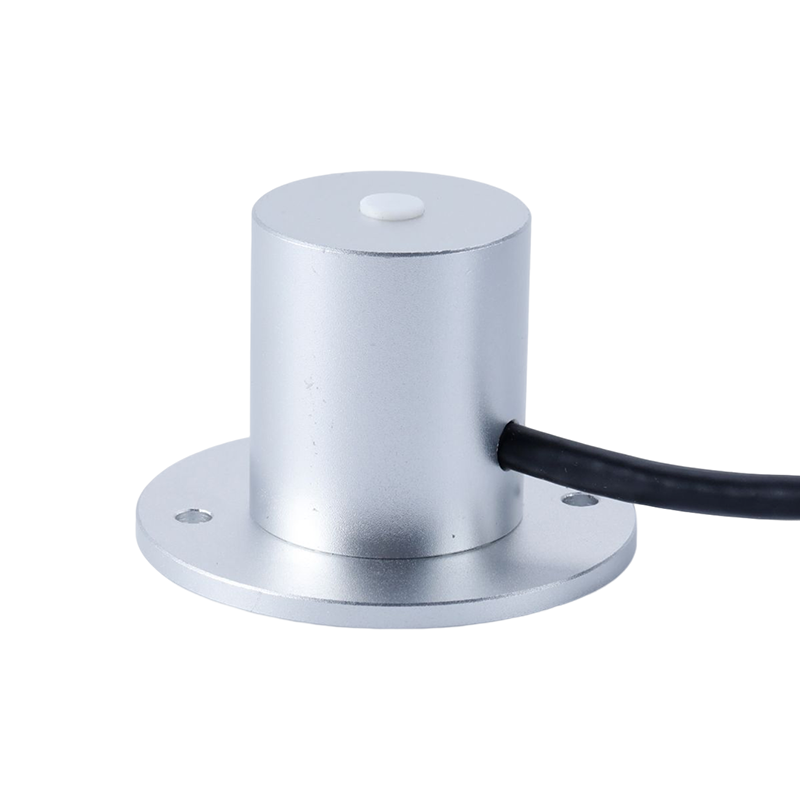 | 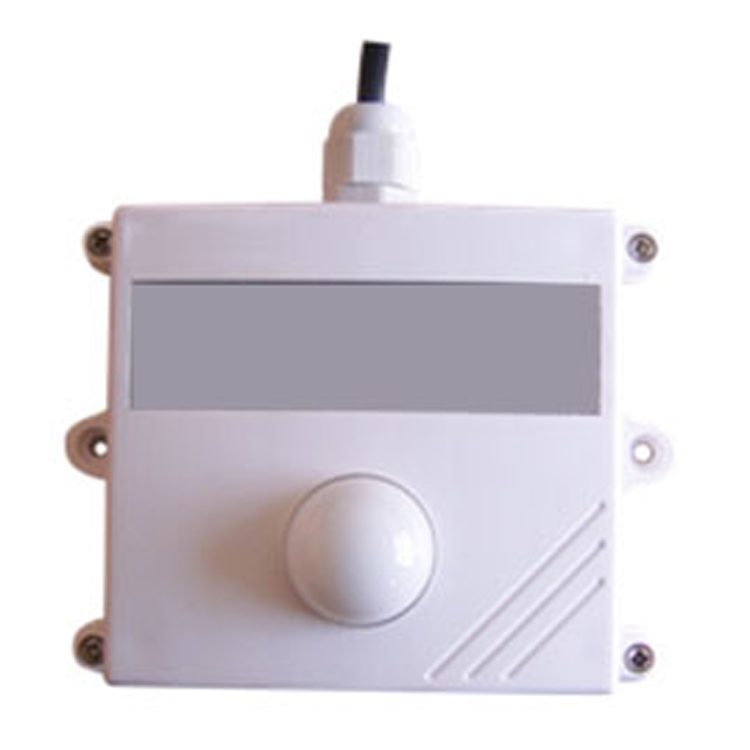 | 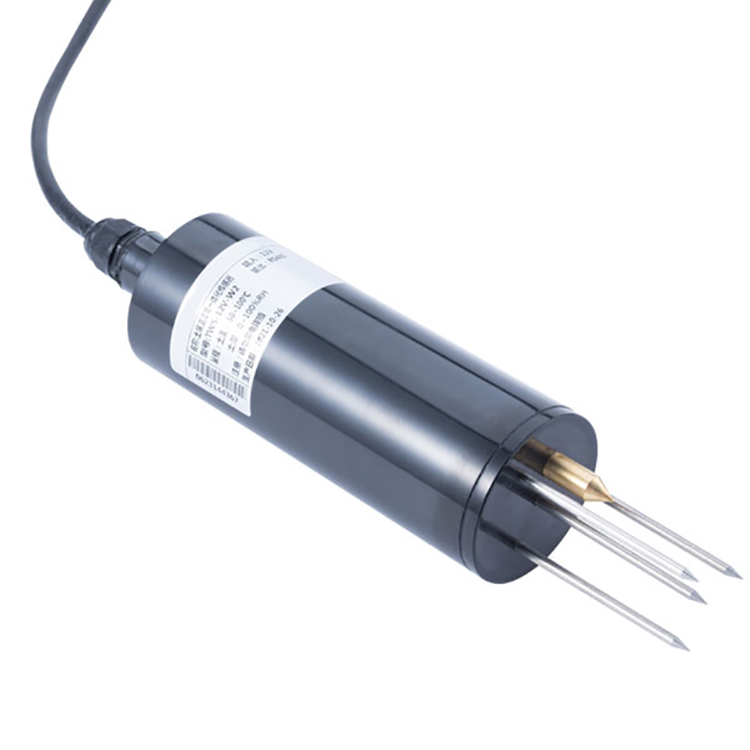 |
| Carbon dioxide sensor | Solar Radiation Sensor | Photosynthetically Active Radiation Sensor; | illumination sensor | Soil Moisture Temperature sensor |
NiuBoL's agricultural meteorological observation instruments OEM solutions are professional customization services targeted at system integrators and partners. Their core value lies in high integration, compatibility, and reliable data transmission.
The observation instrument system is built on IoT technology, primarily consisting of the following core modules working in synergy:
- Data Acquisition Sensors: Convert various environmental parameters into electrical signals.
- Monitoring Host (Data Logger): The system's control center, responsible for processing, storing data, and managing communication.
- Power Module: Provides stable power support (including grid power or solar/battery supply).
- Communication Unit: Typically equipped with built-in GPRS/4G/5G modules for remote data transmission.
- Optional Accessories: Such as LED displays for local data viewing or cameras for environmental video monitoring.
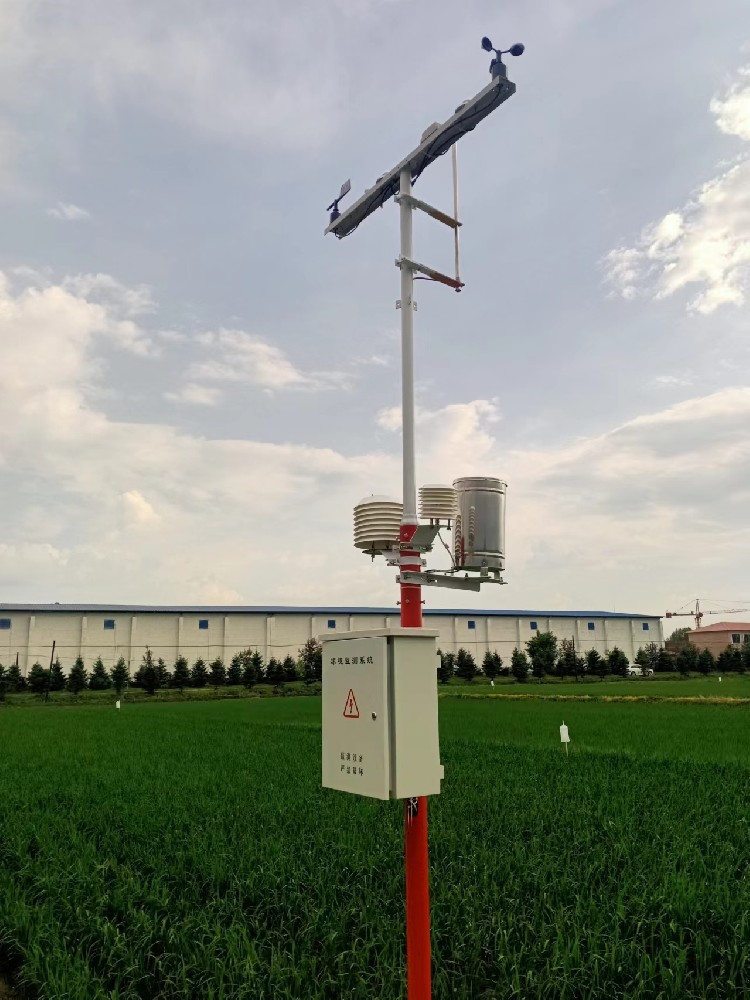
The equipment's strength lies in its openness and compatibility. It features a ModBus-RTU master interface, capable of integrating and managing various sensors using the RS485 communication protocol.
Advantages of ModBus-RTU / RS485:
- High Compatibility: Nearly all industrial-grade sensors support RS485 interfaces and ModBus protocol, ensuring system accessibility.
- Long-Distance Transmission: RS485 offers excellent anti-interference and long-range capabilities, ideal for field and large-farm applications.
- Multi-Point Networking: Allows multiple sensors (slaves) to connect to a single monitoring host (master), simplifying wiring and maintenance.
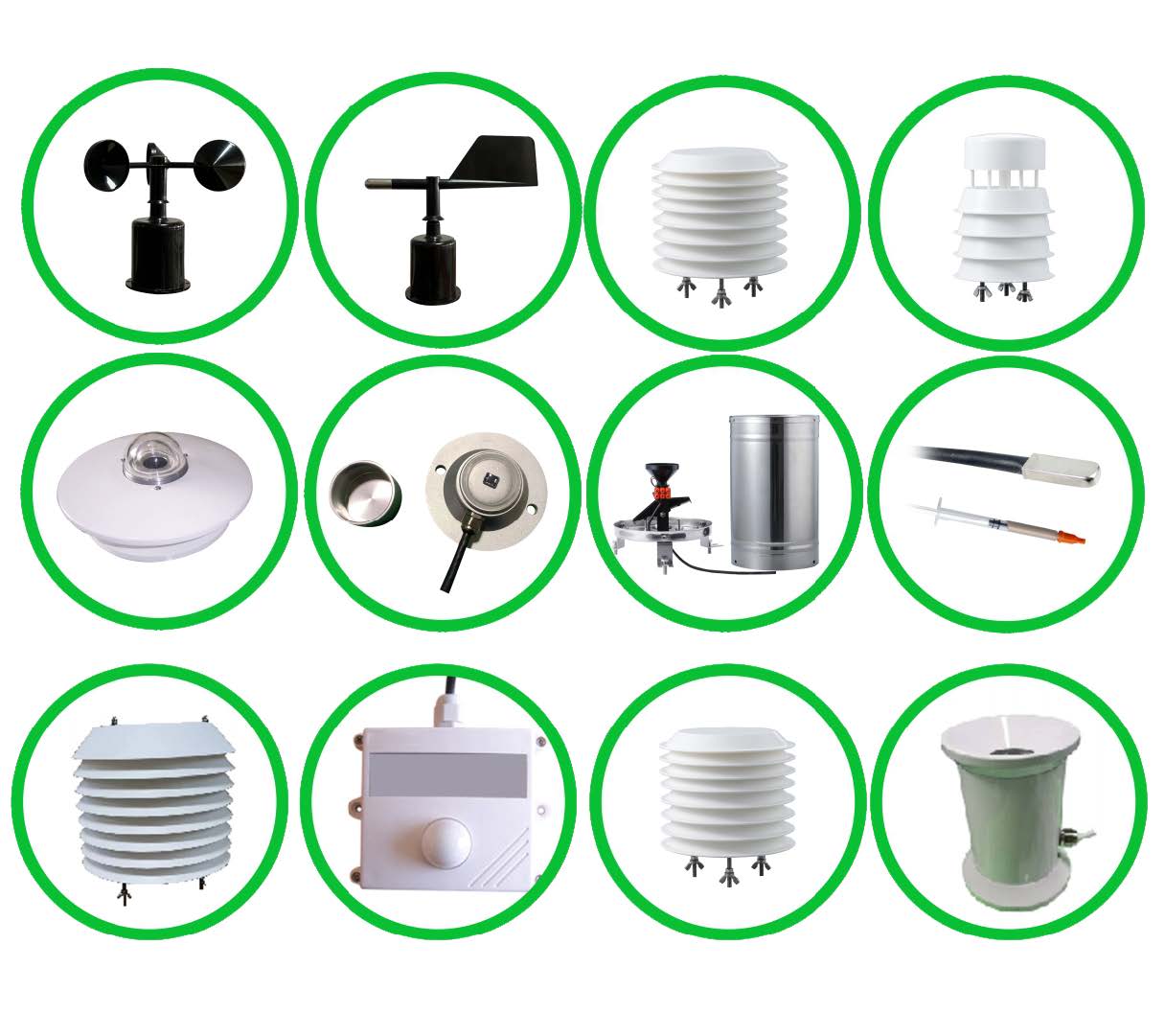
NiuBoL observation instruments can comprehensively monitor a wide range of environmental parameters. Users can flexibly select monitoring items based on specific needs (e.g., open fields, greenhouses, or livestock farms).
| Monitoring Parameter | Common Sensor Types | Functional Role and Agricultural Value |
| Air Temperature/Humidity | Platinum resistance/capacitive sensors | Function: Basic crop growth parameters; Value: Guide greenhouse ventilation, predict pest outbreaks (e.g., powdery mildew). |
| Wind Speed/Direction | Ultrasonic/three-cup, magnetic encoder | Function: Assess disaster risks, track air pollutants and pesticide drift. Value: Precise pesticide application, strong wind warnings. |
| Precipitation | Tipping bucket rain sensor | Function: Measure accumulated rainfall and intensity. Value: Assist irrigation decisions, soil and water conservation assessment. |
| Atmospheric Pressure | MEMS piezoresistive sensor | Function: Basis for weather change forecasting, assist altitude meteorological parameter correction. Value: Aid short-term weather prediction. |
| Carbon Dioxide (CO₂) Concentration | NDIR (Non-Dispersive Infrared) sensor | Function: Monitor CO₂ levels in greenhouses. Value: CO₂ is key for photosynthesis; guide supplementation or ventilation to boost yields. |
| PM2.5, PM10 | Laser scattering sensor | Function: Monitor particulate matter concentration in air. Value: Assess air quality, guide farming operations (e.g., spraying), protect farmer health. |
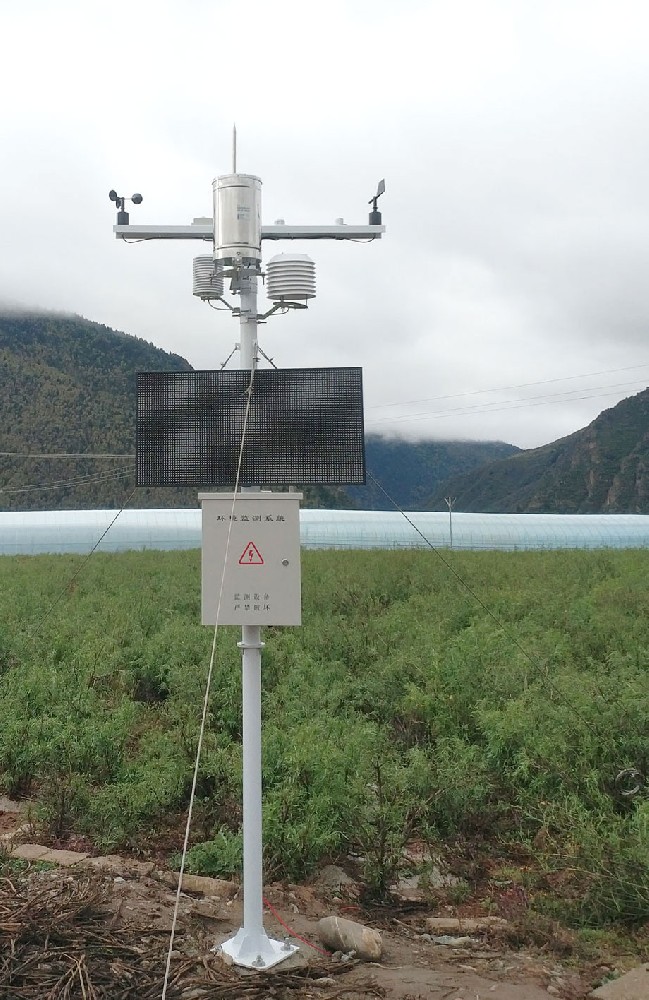
NiuBoL's agricultural meteorological observation instruments OEM customization solutions provide partners with highly flexible, rapidly deployable systems, covering a wide range of agricultural scenarios.
In greenhouse environments, minor parameter fluctuations can impact crop yields.
Value: Real-time monitoring of temperature/humidity and CO₂ concentration enables automatic linkage with ventilation, rolling curtains, and CO₂ generators for fully automated, refined environmental control, achieving optimal crop growth models.
In open-field planting, the equipment provides a data foundation for unpredictable natural conditions.
Value: Monitoring wind speed/direction and precipitation offers short-term weather change warnings. Real-time data guides farmers to take protective measures before heavy rain or strong winds, reducing economic losses.
As consumer demands for food safety and production environments rise, monitoring data becomes crucial traceability evidence.
Value: Monitoring PM2.5/PM10 and other air quality indicators, combined with geographic information, provides environmental certification for premium agricultural products, enhancing credibility and market competitiveness.
Selection Recommendations for Agricultural Meteorological Observation Instruments and Cooperation Process
For system integrators and brands aiming to quickly enter the smart agriculture market, OEM customization is an efficient cooperation model.
1. Clarify Target Market and Functions: Determine primary applications (open fields, greenhouses, or livestock), which will dictate core parameters (e.g., need for CO₂ or PM sensors).
2. Communication Needs: Confirm network coverage in target areas and select appropriate modules (GPRS/4G/5G). For high-data-volume or real-time applications, recommend 4G/5G.
3. Software Platform Compatibility: Ensure NiuBoL data interfaces (e.g., MQTT/HTTP protocols) integrate seamlessly with partners' own cloud platforms or apps.
4. Customization Needs: NiuBoL offers deep customization from product appearance (Logo, colors) to software interfaces and protocol command sets to build partners' unique brand competitiveness.
- Professional Technical Expertise: Years of R&D experience in meteorological instruments deliver stable, reliable hardware and software solutions.
- Rapid Delivery Capability: Standardized modules and flexible production lines ensure quick market response.
- Open Compatible Ecosystem: Powerful ModBus-RTU compatibility guarantees system scalability.
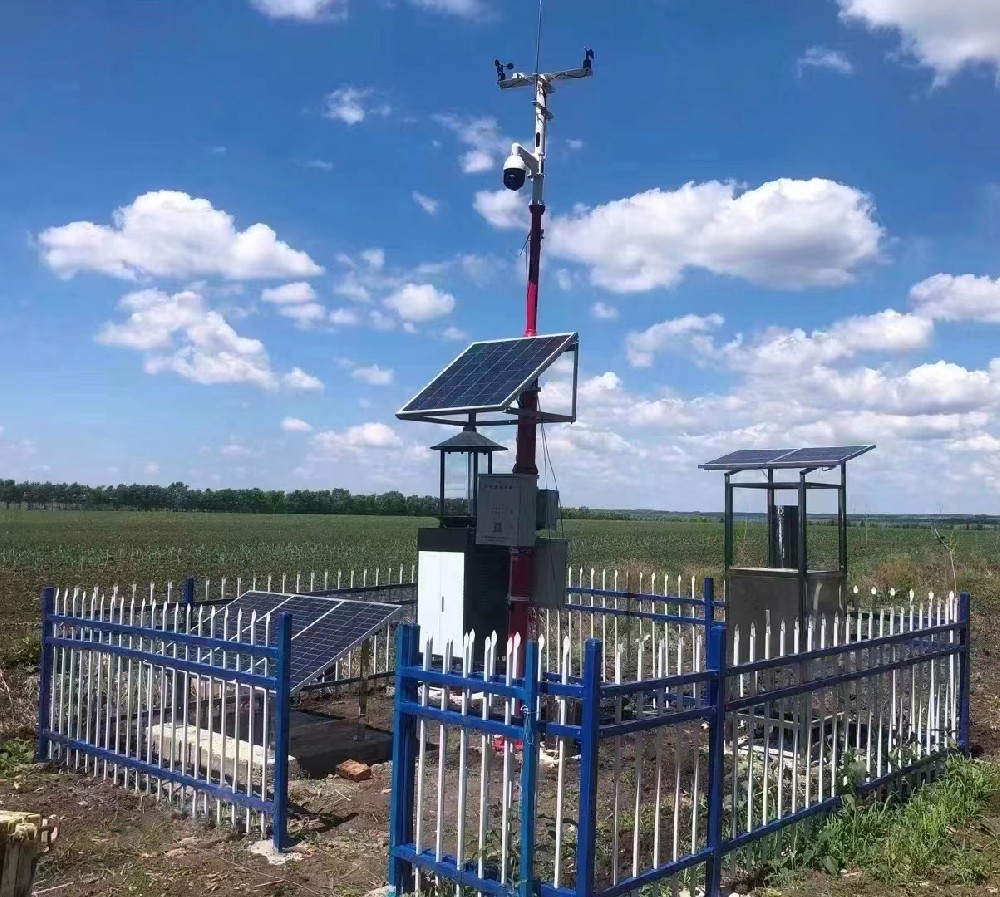
A: OEM (Original Equipment Manufacturer) means NiuBoL produces products branded with partners' identifiers. Options include: appearance design, Logo printing, parameter combinations, communication protocol interfaces, and UI customization for cloud platforms/apps.
A: Devices use GPRS or 4G/5G wireless networks, configurable for as short as 1-second sampling and upload intervals. 4G/5G offers lower latency and higher stability than GPRS.
A: In theory, yes. However, different manufacturers' sensors may vary in ModBus addresses and function codes. NiuBoL hosts have strong protocol parsing capabilities and can be adapted/configured based on provided sensor documentation.
A: Professional CO₂ sensors (e.g., NDIR principle) require installation in waterproof enclosures with regular cleaning/calibration. Design lifespan is typically several years, but avoid high-humidity condensation environments.
A: Yes. Soil NPK sensors usually use RS485 interfaces and ModBus protocol. NiuBoL hosts can easily integrate them via configuration.
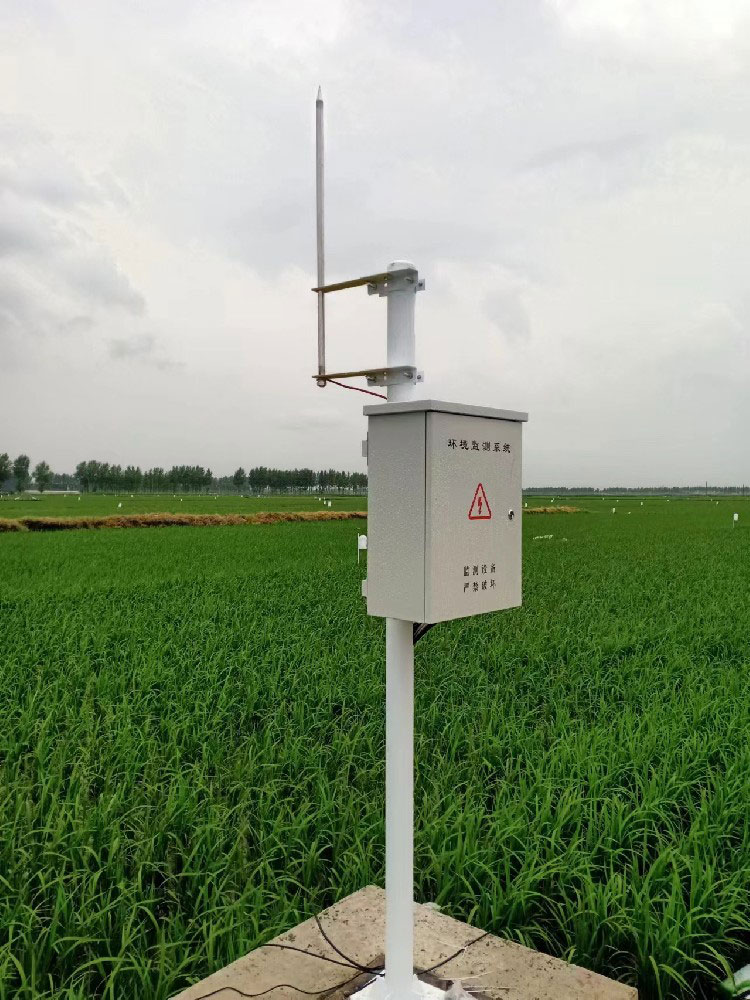
A: No. The monitoring host has built-in storage; data is cached locally during outages or network interruptions and automatically uploaded upon recovery for continuity.
A: Via the cloud platform, users can remotely access each station's host to centrally set/modify data acquisition frequency, upload intervals, alarm thresholds, etc.
A: Mainly to monitor air quality, especially during pesticide spraying or dusty operations, assessing impacts on operators and surroundings. It's also a key indicator for premium product environmental traceability.
A: MOQ depends on customization depth. For simple customizations like Logo printing on standard configurations, MOQ is low; deeper hardware/software changes increase MOQ. Specifics to be negotiated with NiuBoL sales.
A: Yes. NiuBoL offers comprehensive technical training, remote debugging support, hardware maintenance, and firmware upgrades for OEM products, ensuring partners have no worries.
A: CE, ISO9001, RoHS, and nationally recognized meteorological calibration certificates.
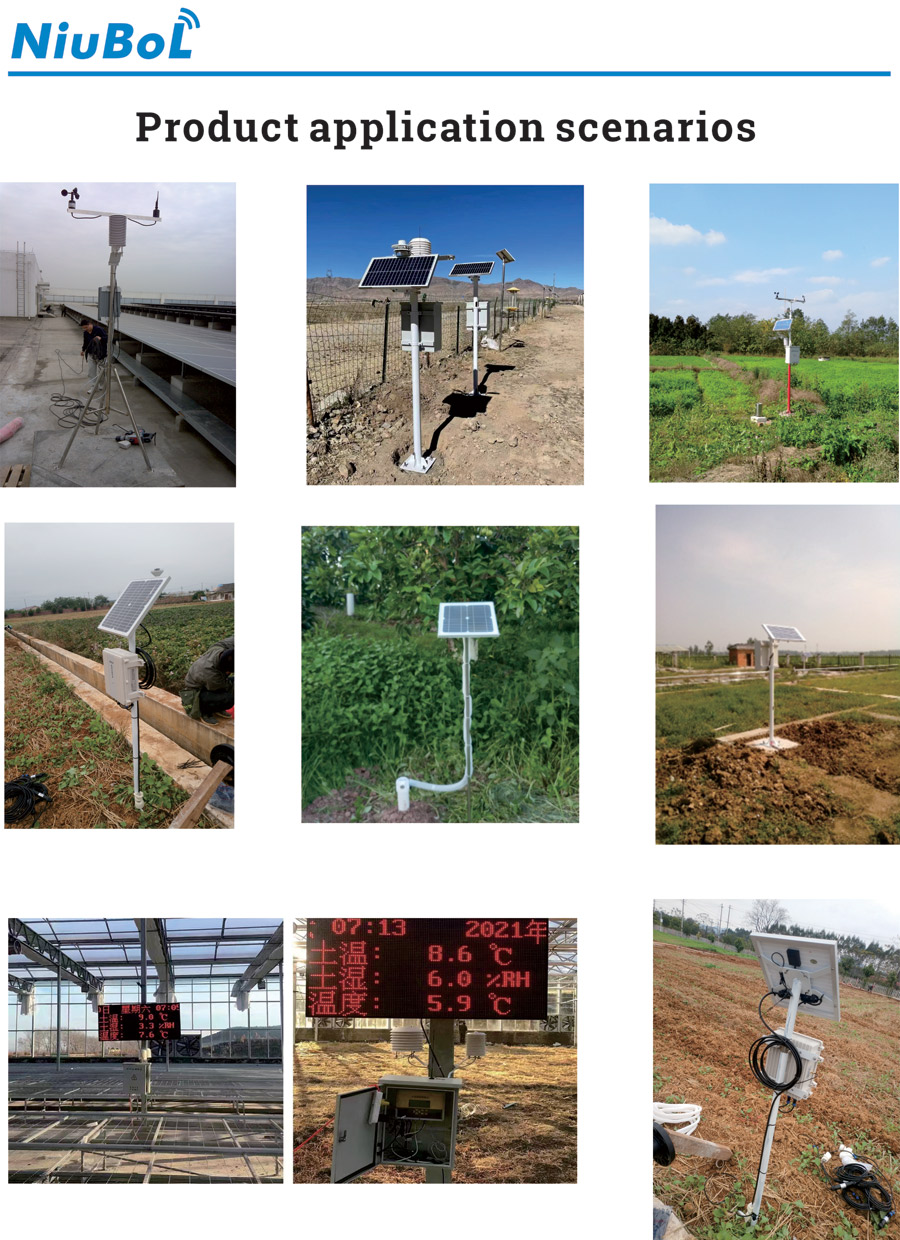
NiuBoL's agricultural meteorological observation instruments OEM customization solutions serve as an ideal springboard for partners to seize smart agriculture opportunities. We provide not only high-precision IoT hardware but also an open ecosystem based on ModBus-RTU/RS485 high compatibility and multi-parameter monitoring capabilities.
By standardizing and modularizing complex environmental monitoring technology, NiuBoL helps system integrators rapidly create branded agricultural meteorological products with unique features. Leveraging real-time, accurate data on CO₂, PM2.5, wind speed, etc., we jointly drive China's agriculture toward automation, precision, and sustainable transformation.
Establish OEM cooperation with NiuBoL now—together define the future standards of precision agriculture!
Prev:Small Weather Station: Definition, Core Advantages, and System Structure
Next:Top Recommended List of Farmland Microclimate Weather Station Manufacturers
Related recommendations
Sensors & Weather Stations Catalog
 Agriculture Sensors and Weather Stations Catalog-NiuBoL.pdf
Weather Stations Catalog-NiuBoL.pdf
Agriculture Sensors Catalog-NiuBoL.pdf
Water Quality Sensor Catalog-NiuBoL.pdf
Related products
 Combined air temperature and relative humidity sensor
 TDR Soil Moisture & Temperature Sensor for irrigation| RS485 |4-20mA| NBL-S-THR
 Soil pH sensor RS485 soil Testing instrument soil ph meter for agriculture |NBL-S-PH
 Wind Speed sensor Output Modbus/RS485/Analog/0-5V/4-20mA
 Tipping bucket rain gauge for weather monitoring auto rainfall sensor RS485/Outdoor/stainless steel
 Pyranometer Solar Radiation Sensor 4-20mA/RS485

Screenshot, WhatsApp to identify the QR code
WhatsApp number:+8615367865107
(Click on WhatsApp to copy and add friends)

