





— Blogs —
—Products—
 Consumer hotline +8618073152920
 WhatsApp:+8615367865107
Address:Room 102, District D, Houhu Industrial Park, Yuelu District, Changsha City, Hunan Province, China
Product knowledge
Time:2025-12-05 14:26:52 Popularity:763
Modern facility agriculture is developing at an astonishing pace, with expanding scale and improved modernization levels bringing significant economic and social benefits. However, achieving high yield and quality in facility agriculture relies fundamentally on precise monitoring of the growth environment for animals and plants.
The farmland microclimate weather station is a professional-grade monitoring infrastructure designed to achieve this goal. It can automatically observe and record a series of key meteorological parameters such as wind speed, wind direction, rainfall, temperature, humidity, and light intensity, providing indispensable scientific data support for facility agriculture and agroforestry production.
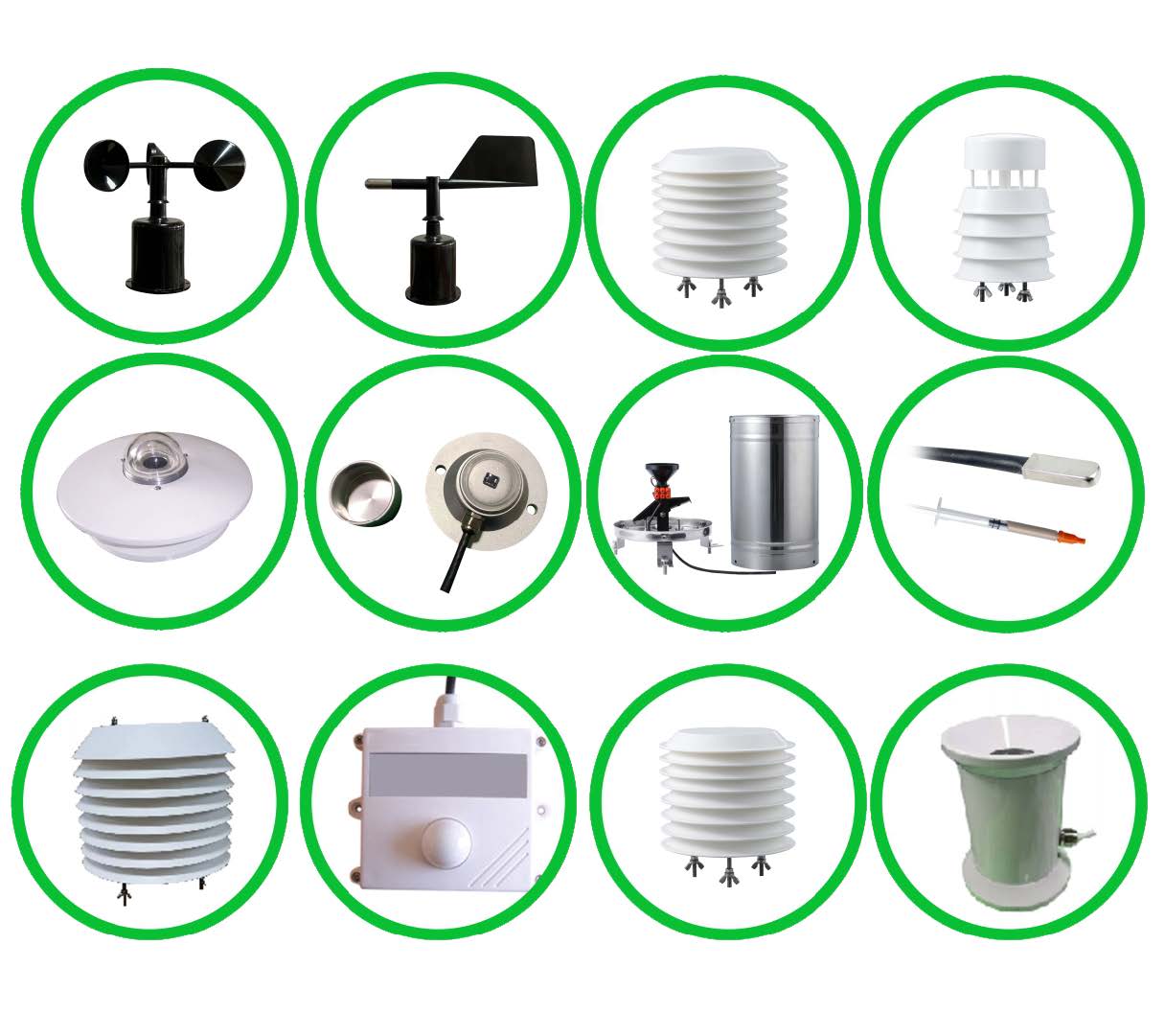
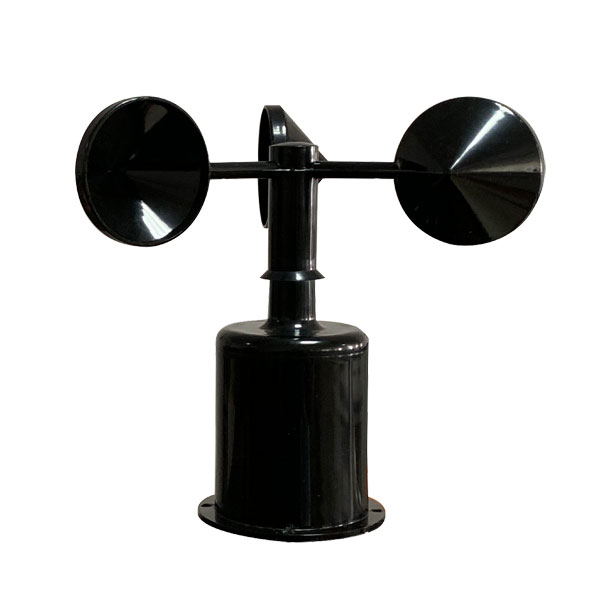 | 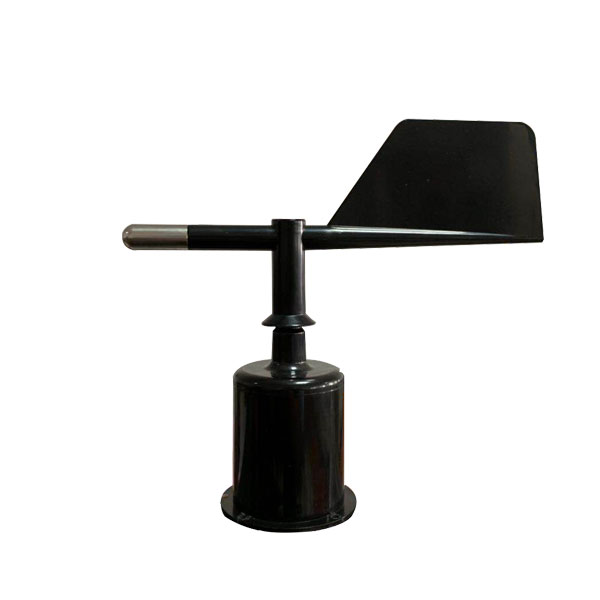 | 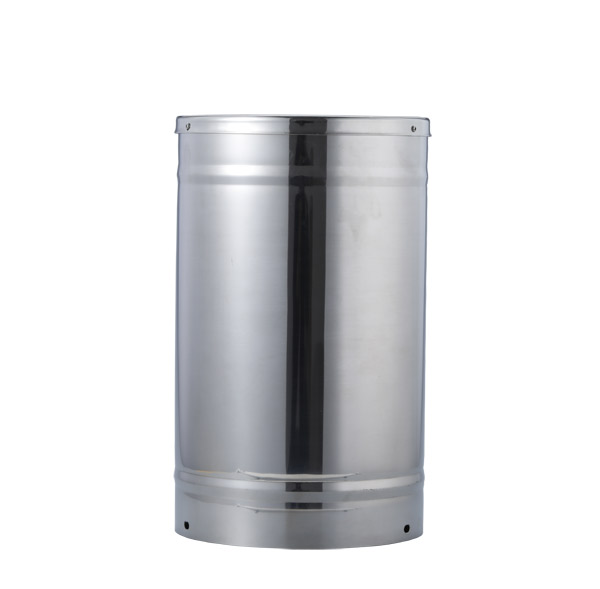 | 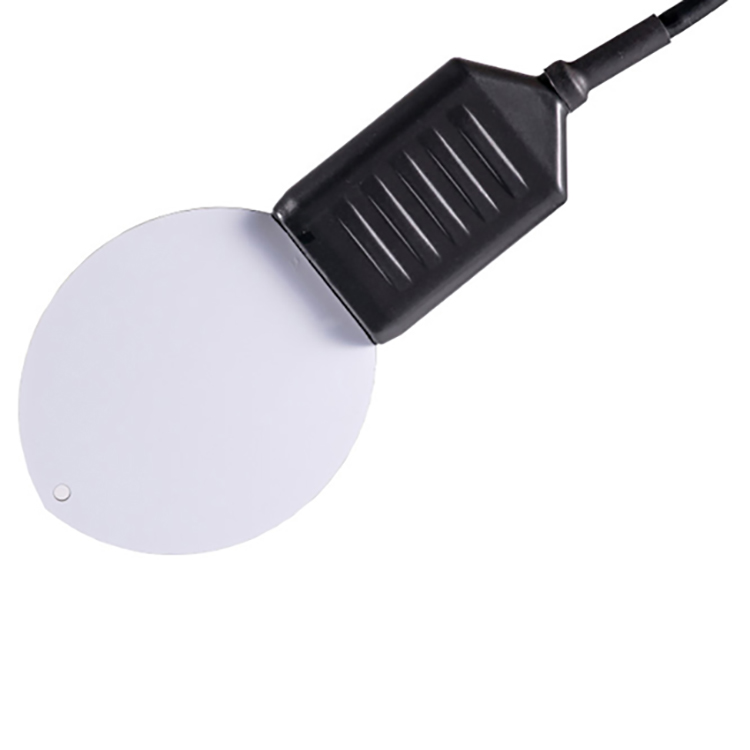 | 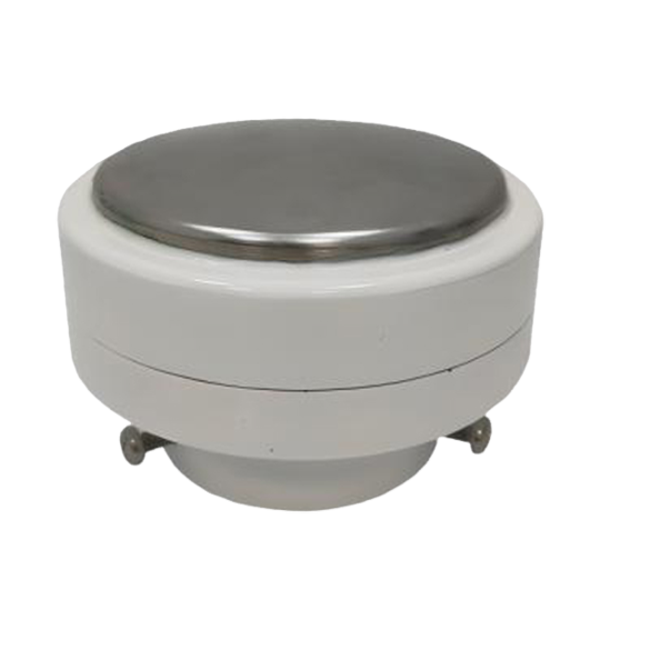 |
| Anemometer Wind Speed sensor | Wind direction sensor | Tipping bucket rain gauge sensor | Leaf Wetness Sensor | Piezoelectric Rain Gauge |
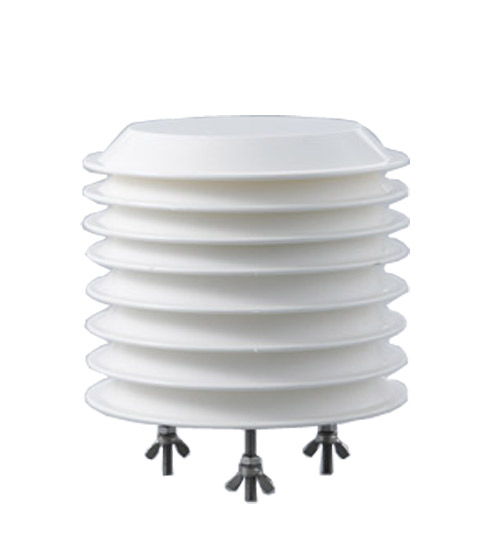 | 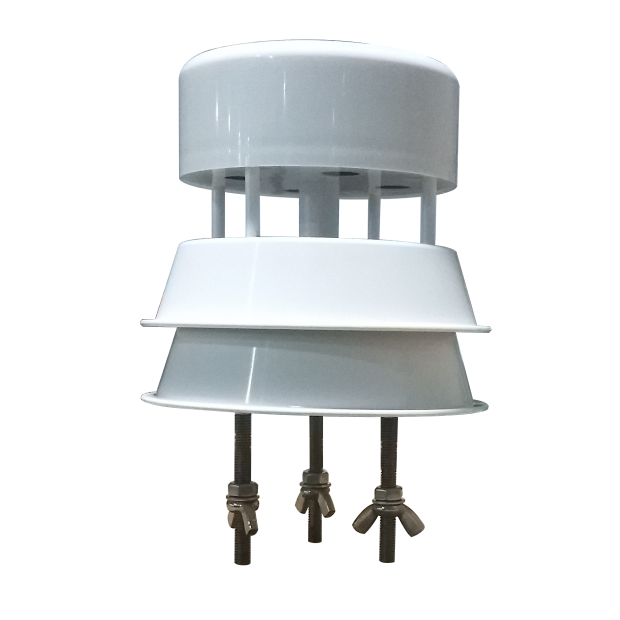 | 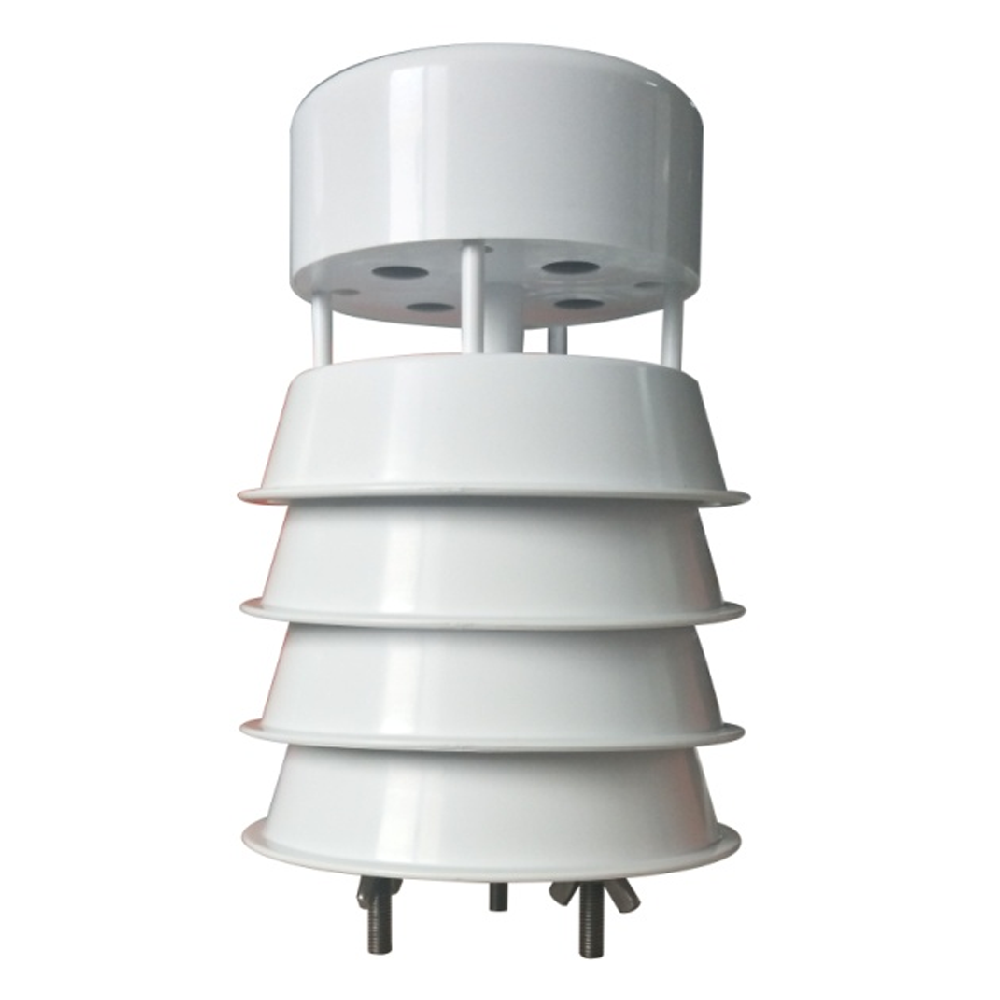 | 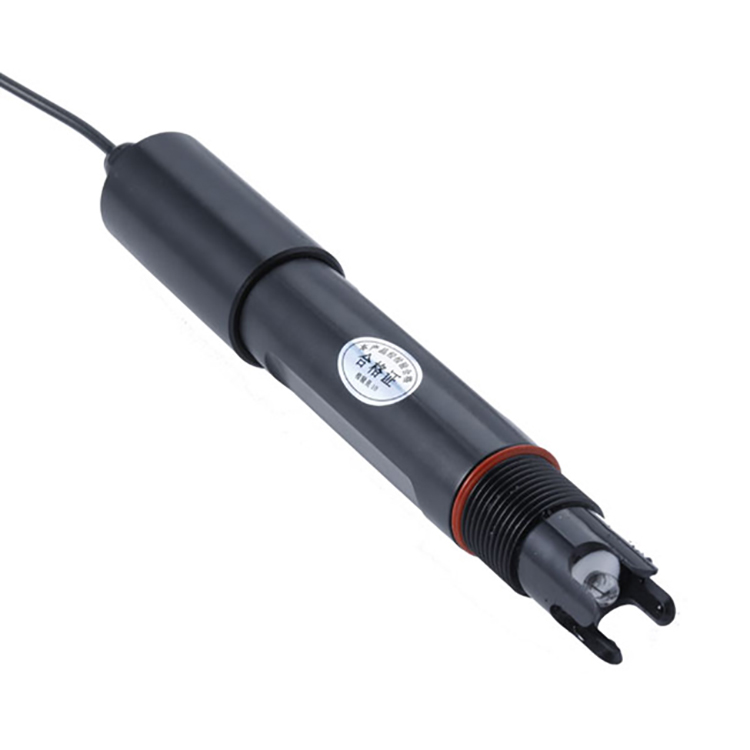 | 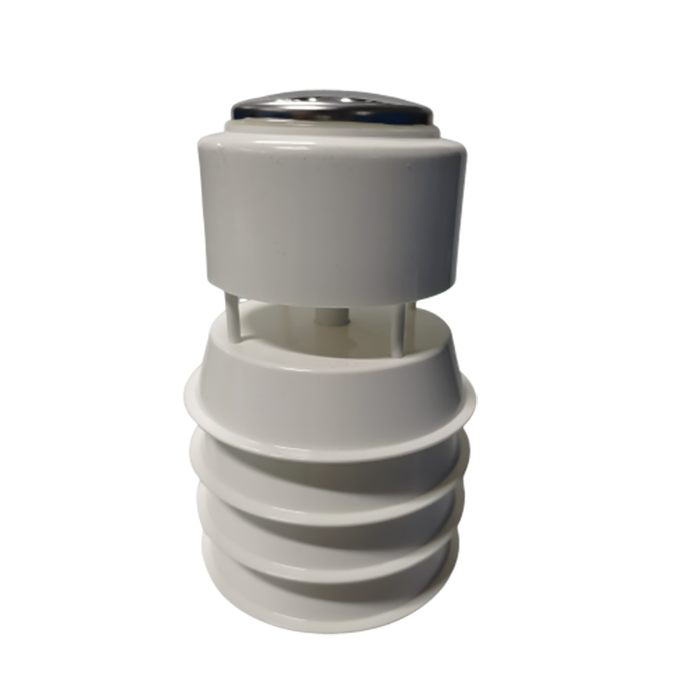 |
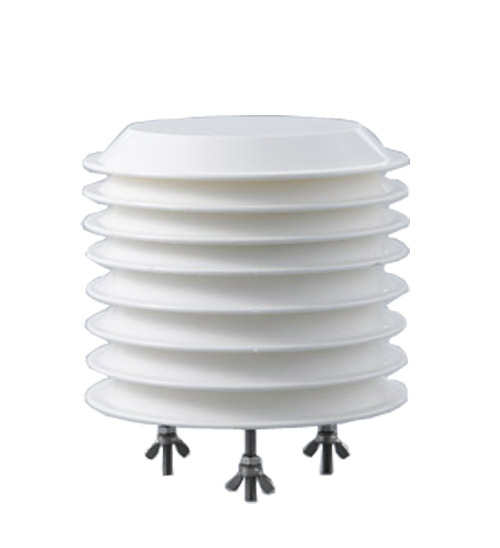
| Atmospheric Temperature Humidity air pressure Sensor | ultrasonic wind speed and direction sensor | 5 in1 Ultrasonic Weather Station Sensor | Soil pH sensor | 7 in1 Ultrasonic Weather Station Sensor |
 | 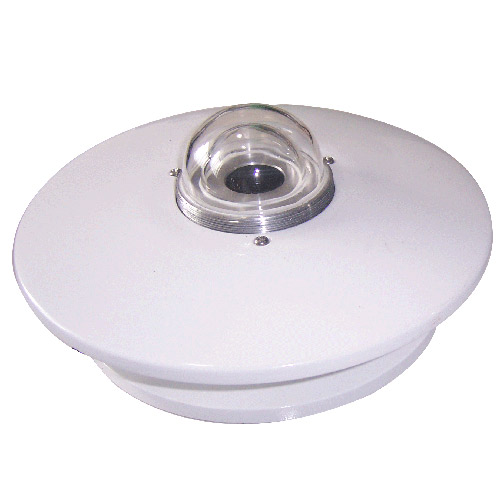 | 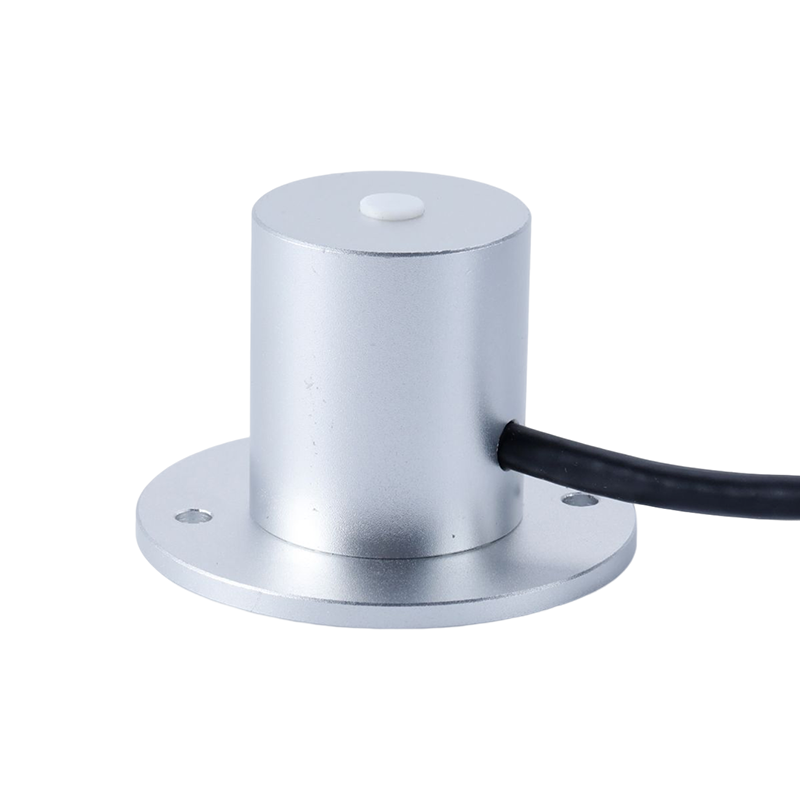 | 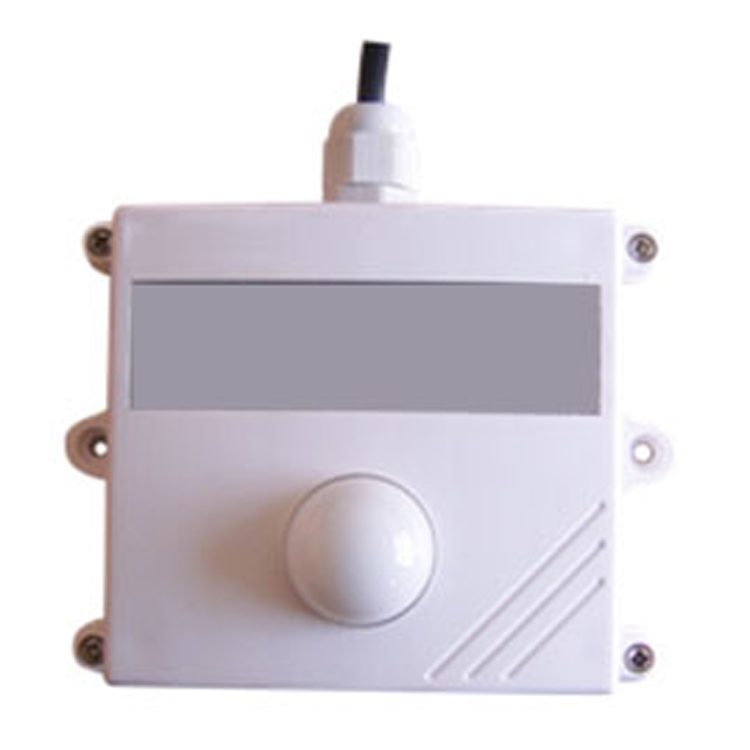 | 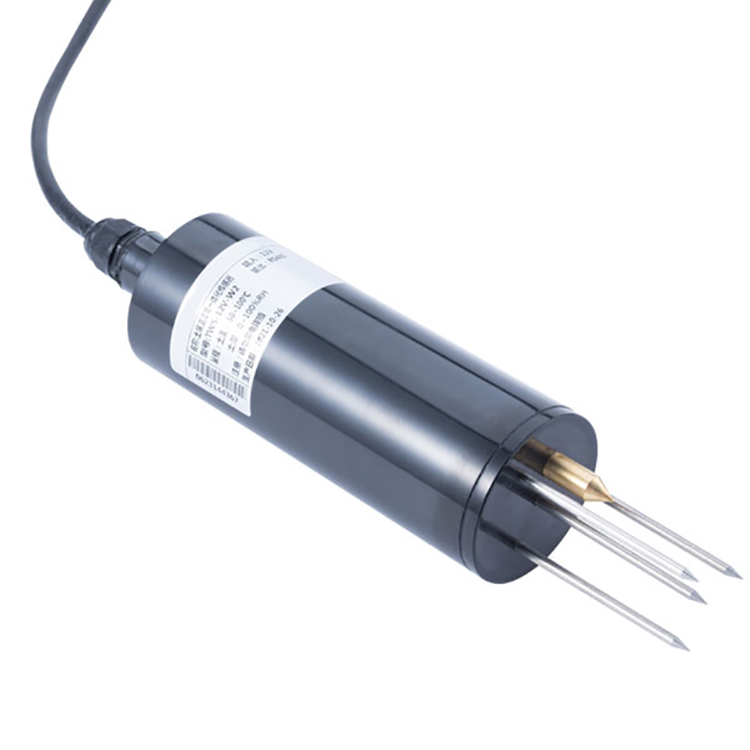 |
| Carbon dioxide sensor | Solar Radiation Sensor | Photosynthetically Active Radiation Sensor; | illumination sensor | Soil Moisture Temperature sensor |
Farmland microclimate refers to the special climatic environment formed within the crop layer of farmland. It not only has natural attributes but is also significantly influenced by human agricultural activities (such as irrigation, planting structure adjustments, and soil management), hence known as an artificial microclimate.
In-Depth Research Purpose: To better understand the mechanisms by which microclimates affect crop growth, development, yield, and pest occurrence.
Regulatory Value: Through effective agricultural technical measures, these microclimate conditions can be optimized to create a more suitable growth environment for crops, significantly improving yield and quality while ensuring the stability and sustainability of agricultural production.
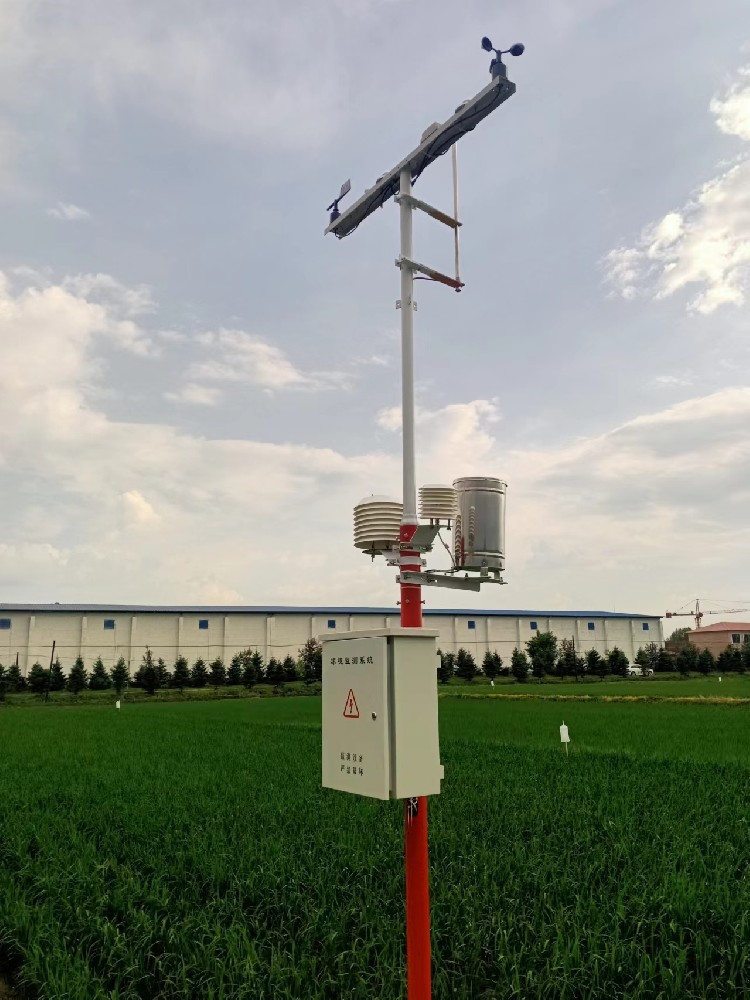
Among numerous meteorological environmental monitoring equipment suppliers, NiuBoL stands out with its unique technical advantages and integrated operation model, becoming a leading brand and top recommendation in the field of farmland microclimate weather stations.
As a professional manufacturer, NiuBoL has established a complete system covering R&D, production, sales, and services, ensuring high product quality and market share:
- Professional R&D and Integrated Operations: NiuBoL boasts a professional R&D team and integrated operation model, enabling products to quickly respond to market demands and integrate the latest sensor technologies and IoT applications into small weather stations.
- High Precision and Stability: NiuBoL farmland microclimate weather stations are strictly designed to national standards, featuring high-precision detection and excellent anti-interference capabilities. This ensures data stability and accuracy in complex field and farmland environments.
- Unattended and Efficient Convenience: The equipment achieves automatic observation and recording of meteorological elements, requiring no manual attendance, greatly improving monitoring efficiency and reducing workload for observers.
- Feature-Rich Software Support: NiuBoL's cloud platform and APP provide abundant functions, supporting real-time data viewing, historical data analysis, remote alarms, and multi-station centralized management.
- Promoting Industry Standardization: NiuBoL's observation stations are essential infrastructure for plant protection departments in pest forecasting, achieving visualization, networking, standardization, and automation.
Understanding major competitors in the market helps better appreciate NiuBoL's unique position and advantages in farmland microclimate monitoring.
| Manufacturer/Brand Category | Representative Brand | Focus Areas and Features |
| International High-End Sensors | Vaisala | Focus: Core sensor technology, industrial-grade applications. Features: Globally leading, excellent product performance, widely used in national meteorology, environmental monitoring, aviation, etc., with higher costs and longer customization cycles. |
| Research-Grade Data Acquisition | Campbell Scientific | Focus: Environmental monitoring, research-grade weather stations and data acquisition systems. Features: Renowned for high reliability and extreme precision, suitable for demanding research and long-term monitoring projects |
| Professional Radiation and Meteorological Instruments | Kipp & Zonen | Focus: High-precision radiometers, professional meteorological instruments. Features: Leadership in solar radiation measurement instruments, primarily serving research institutions. |
| Domestic Industrial-Grade/IoT Brands | Renke | Focus: Domestic industrial IoT, sensors, and acquisition equipment. Features: High recognition in the domestic market, rich product lines covering various sensors and data acquisition devices. |
| Agricultural Meteorology Experts | NiuBoL | Focus: Farmland microclimate, facility agriculture, customized solutions. Features: With integrated operations, significant advantages in cost-effectiveness, customized services, and domestic market response speed for farmland microclimate monitoring, providing superior overall solutions. |
Compared to international brands (e.g., Vaisala, Campbell) with high costs and research-grade complexity, and other domestic IoT brands' broad coverage strategies, NiuBoL focuses on the niche of farmland microclimate monitoring. Leveraging integrated and localized advantages, it offers superior overall solutions:
- Cost-Effectiveness and Customization: Compared to international high-end brands, NiuBoL ensures required precision for agricultural applications while offering competitive pricing. With strong R&D capabilities, it achieves deep customization of sensor parameters and communication interfaces, quickly meeting differentiated needs of farmers and system integrators.
- Domestic Market Response Speed: NiuBoL has stronger localized rapid response capabilities, whether in on-site technical support, after-sales maintenance, or rapid iteration and integration of hardware/software, ensuring smooth project implementation for customers.
The system structure and workflow of NiuBoL farmland microclimate weather stations ensure efficient data collection and transmission:
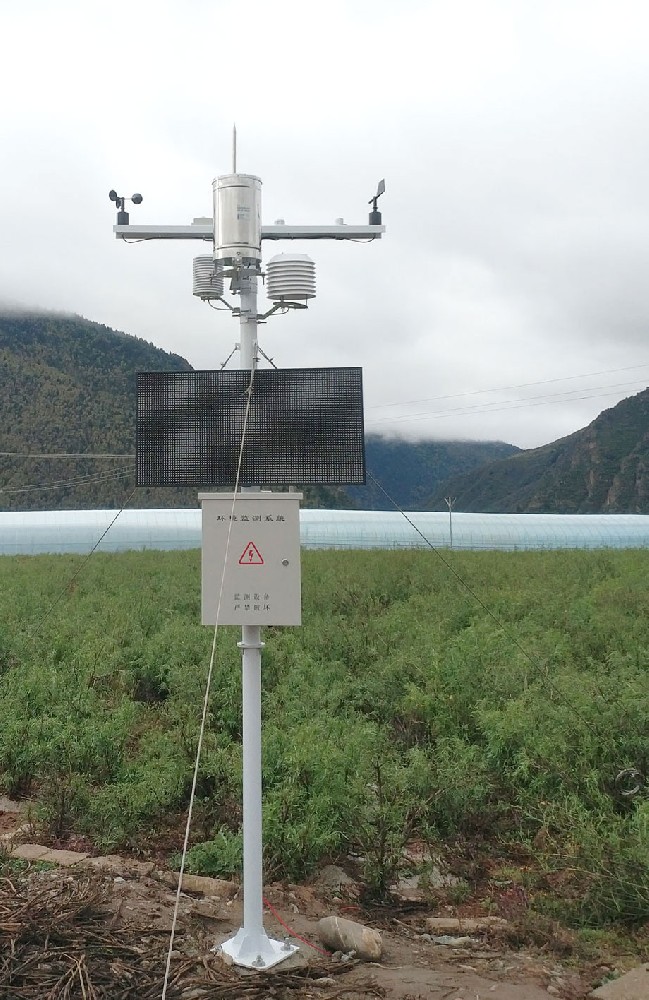
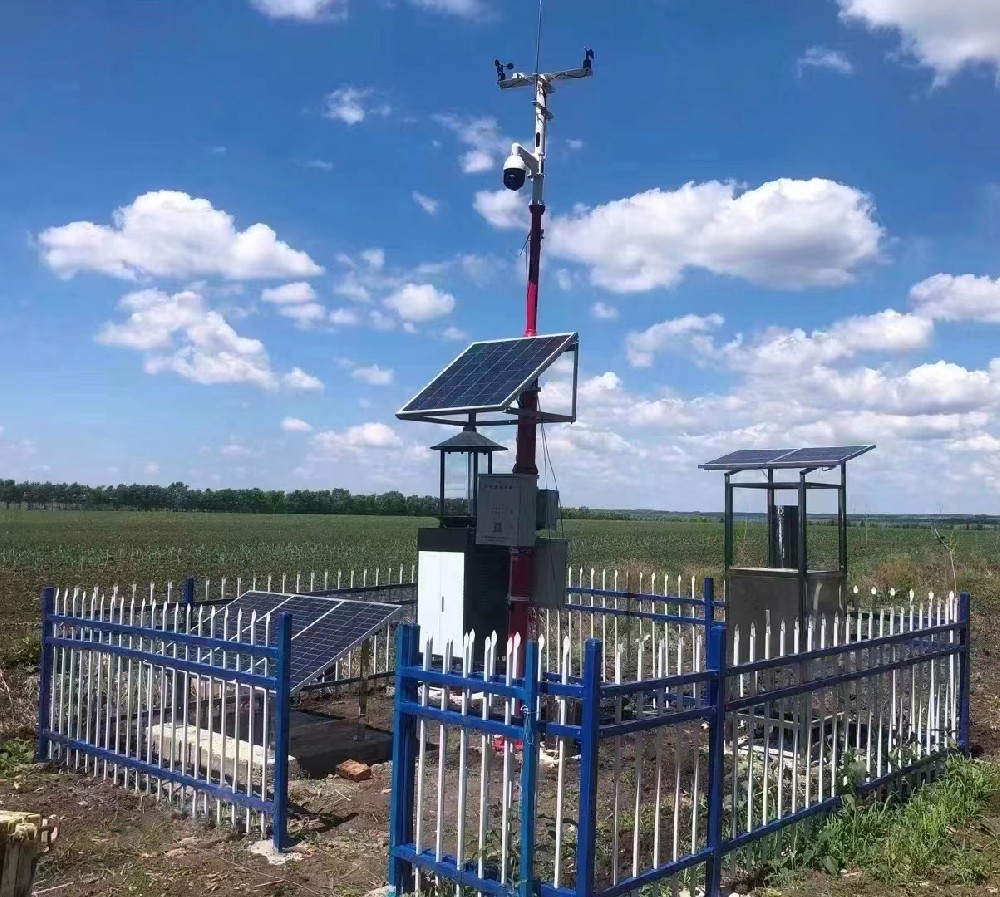
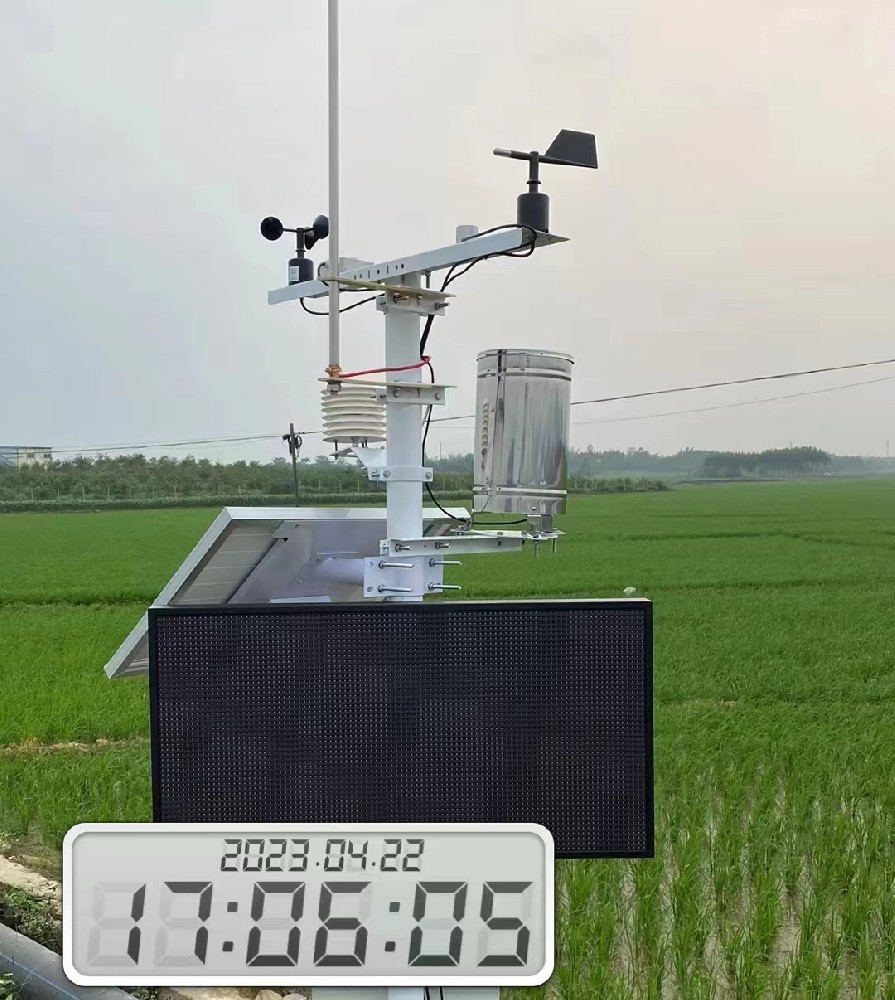
The weather station mainly consists of the following key parts:
- Meteorological Sensors: For real-time monitoring of meteorological elements such as wind speed, wind direction, rainfall, temperature, humidity, and light intensity.
- Data Logger: The core brain of the system, converting analog/digital signals received from sensors into standard data formats.
- Communication Interfaces: Including RS485 interfaces for sensor access and wireless modules (GPRS/4G/5G) for remote data transmission.
- Power Supply: Batteries and charging control modules, often paired with solar panels for field self-powering.
- Real-Time Monitoring: Sensor arrays continuously sample the farmland microclimate environment at high frequency.
- Signal Conversion: The logger receives signals, performing digitization, linearization processing, and calibration.
- Wireless Transmission: The logger sends data packets to the NiuBoL cloud platform via wireless modules.
- Remote Applications: Users receive and view data on the cloud platform or mobile APP, download historical records, and perform decision analysis.
Choosing the right weather station is crucial for precision agriculture. Key considerations during selection:
- Matching Degree of Monitoring Elements: Ensure the station can monitor the most important meteorological elements for target crop growth (e.g., greenhouses prioritize CO₂ and light intensity).
- Environmental Adaptability and Protection Rating: Farmland environments are complex; select products with IP65 or higher protection ratings and strong anti-interference, such as NiuBoL's industrial-grade design.
- Data Transmission and Platform Functions: Evaluate transmission stability and latency, as well as whether the cloud platform offers threshold alarms, multi-station centralized management, data download, and analysis.
- Manufacturer Strength and Services: Prioritize professional manufacturers like NiuBoL with integrated operations, complete after-sales service, and technical support.
A: NiuBoL weather stations are designed and manufactured to national standards, using high-precision sensors with excellent stability and repeatability, far surpassing traditional manual observation precision.
A: Through solar power systems, low-power design, and automatic data collection/transmission functions, the equipment operates 24/7 long-term automatically without human intervention.
A: Yes. NiuBoL provides supporting mobile APP and cloud platform; with network access, users can remotely view real-time meteorological data and historical records anytime, anywhere.
A: Yes. Stations continuously monitor key factors like temperature/humidity and rainfall; plant protection departments can build pest forecasting models based on this data for early, visualized warnings.
A: NiuBoL products fully consider electromagnetic interference in farmland environments, using professional shielding and surge protection designs to ensure data acquisition reliability.
A: Of course. NiuBoL's cloud platform supports multi-station centralized management; users can easily view, compare, and analyze data from all stations in a unified interface.
A: NiuBoL weather stations feature modular design, greatly simplifying installation. We provide detailed guidance; non-professionals can complete deployment quickly.
A: Transmission speed depends on user-set upload frequency and network conditions, typically configurable every 1 or 5 minutes for timeliness.
A: With sufficient solar power, stations operate stably for years. Batteries only need replacement at design lifespan end; no daily concerns.
A: Yes. NiuBoL offers flexible customization; users can tailor meteorological sensor combinations for different crops (e.g., vegetables, fruit trees, rice).
A: CE, ISO9001, RoHS, and nationally recognized meteorological calibration certificates.
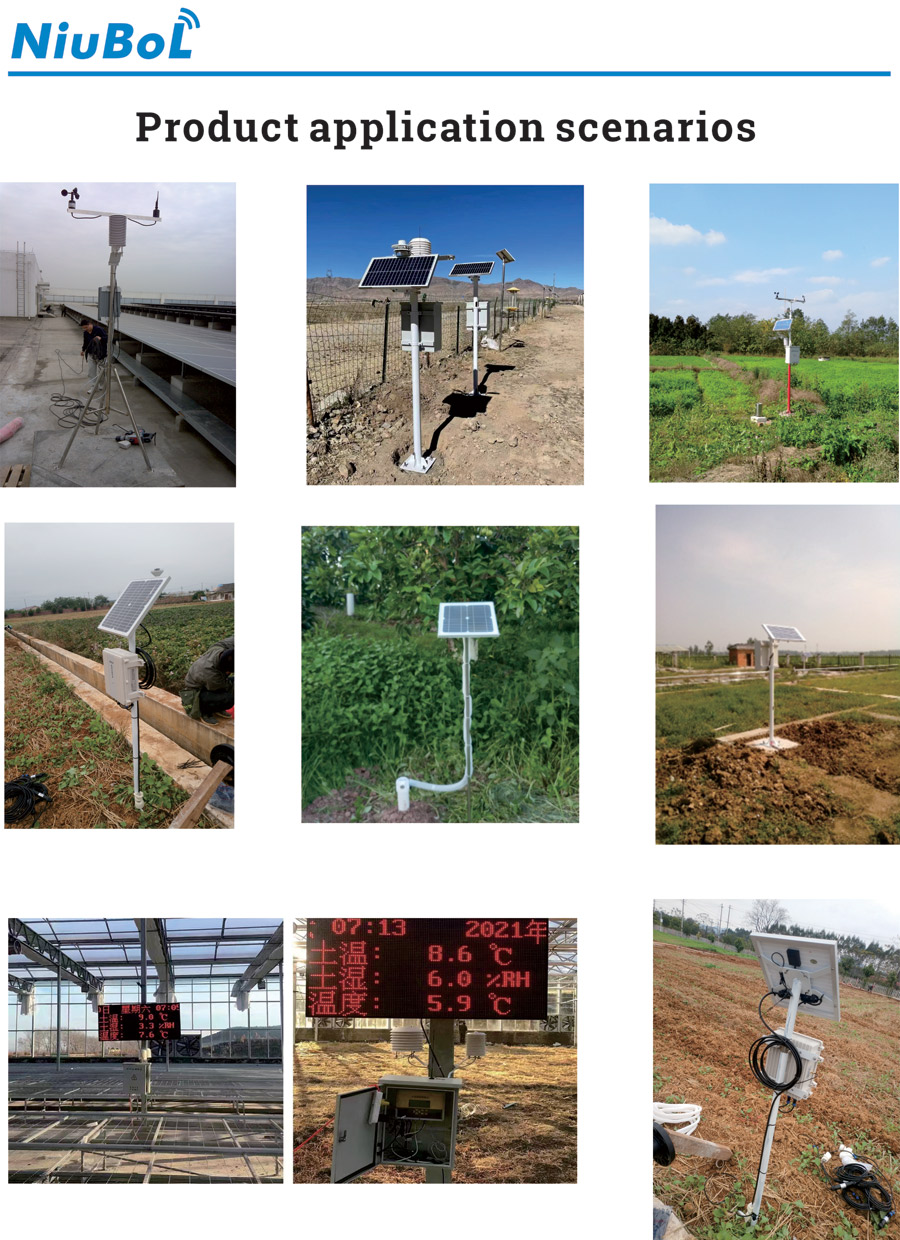
Farmland microclimate weather stations have become core infrastructure for facility and precision agriculture. Selecting a manufacturer like NiuBoL—with professional R&D strength, high-precision standards, and complete integrated services—is key to ensuring efficient, sustainable agricultural production.
NiuBoL farmland microclimate observation stations, with unattended operation, high stability, and rich features, not only reduce farmers' workload but also empower microclimate regulation, scientific farming planning, and precise pest forecasting through accurate data.
Choose NiuBoL now—gain insights into your fields with data and step toward efficient, sustainable smart agriculture!
Prev:Agricultural Meteorological Observation Instruments OEM Customization
Next:NiuBoL Automatic Weather Station and Agro-Meteorological Monitoring Instrument
Related recommendations
Sensors & Weather Stations Catalog
 Agriculture Sensors and Weather Stations Catalog-NiuBoL.pdf
Weather Stations Catalog-NiuBoL.pdf
Agriculture Sensors Catalog-NiuBoL.pdf
Water Quality Sensor Catalog-NiuBoL.pdf
Related products
 Combined air temperature and relative humidity sensor
 TDR Soil Moisture & Temperature Sensor for irrigation| RS485 |4-20mA| NBL-S-THR
 Soil pH sensor RS485 soil Testing instrument soil ph meter for agriculture |NBL-S-PH
 Wind Speed sensor Output Modbus/RS485/Analog/0-5V/4-20mA
 Tipping bucket rain gauge for weather monitoring auto rainfall sensor RS485/Outdoor/stainless steel
 Pyranometer Solar Radiation Sensor 4-20mA/RS485

Screenshot, WhatsApp to identify the QR code
WhatsApp number:+8615367865107
(Click on WhatsApp to copy and add friends)

