





— Blogs —
—Products—
 Consumer hotline +8618073152920
 WhatsApp:+8615367865107
Address:Room 102, District D, Houhu Industrial Park, Yuelu District, Changsha City, Hunan Province, China
Product knowledge
Time:2026-02-18 10:25:35 Popularity:554
In the critical stage of agriculture transitioning from traditional to modern and intelligent, data has become the core element determining production efficiency and sustainability. NiuBoL Technology focuses on the R&D and production of IoT monitoring equipment for the “four agricultural conditions” (soil moisture, crop seedling condition, pest & disease condition, disaster condition), and has launched a series of industrial-grade solutions. These help system integrators, agricultural engineering general contractors, and planting bases to achieve a full closed-loop chain of environmental perception, real-time early warning, and precise decision-making. This article systematically reviews the core value of four-conditions monitoring, the technical characteristics of typical NiuBoL equipment, multi-scenario applications, and its actual contribution to promoting smart agriculture.
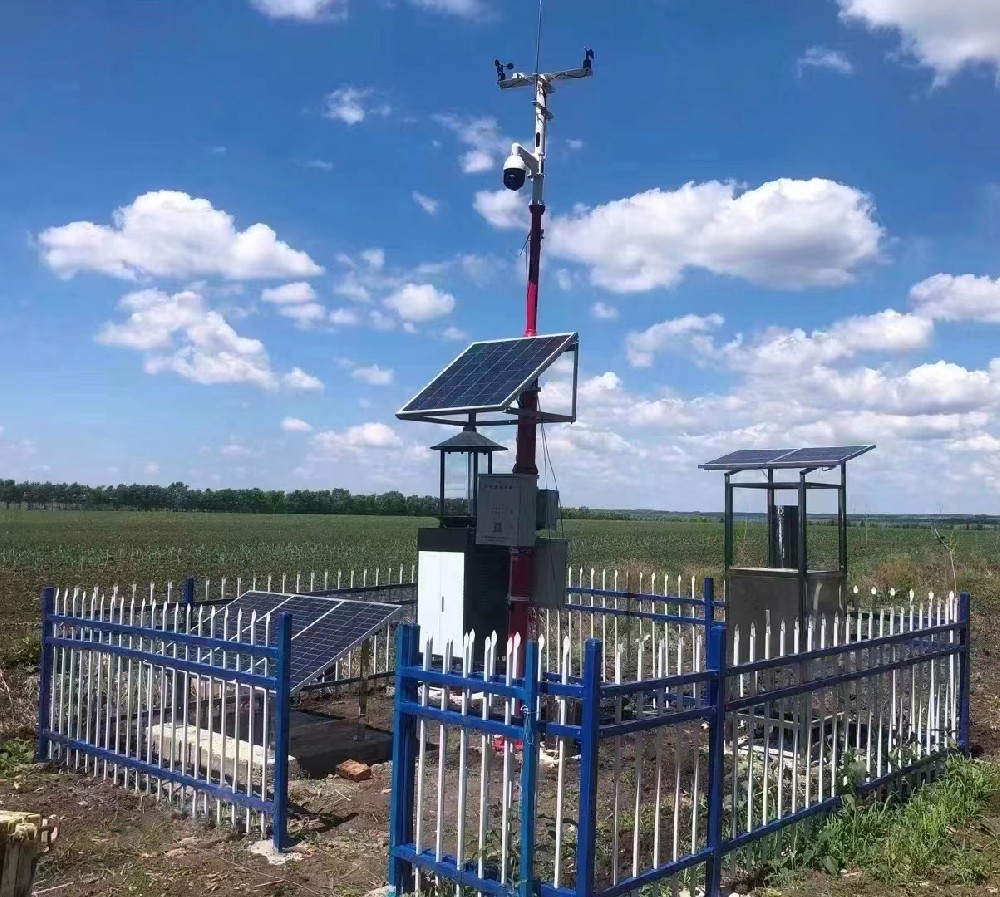
The “four agricultural conditions” concept originates from China’s agricultural science and technology practice and precisely summarizes the most critical ecological factors affecting crop growth, development, yield, and quality: soil moisture condition (soil water and nutrient status), seedling condition (dynamic crop growth status), pest & disease condition (occurrence patterns of pathogens and pests), disaster condition (real-time impact of meteorological disasters). These four dimensions are interrelated and indispensable. By achieving simultaneous monitoring and integrated analysis through IoT devices, it can significantly improve resource utilization efficiency, reduce risk losses, and ensure the quality of agricultural products.
Traditional agriculture relies on experience and manual patrols, making it difficult to cope with the intensified challenges of climate change and labor shortage. The emergence of IoT monitoring equipment has turned data from “passive collection” into “active guidance”, providing a reliable basis for water-saving irrigation, pesticide reduction with efficiency improvement, and disaster prevention. The NiuBoL series products are typical representatives of this transformation. They combine high-stability sensors, edge computing, and cloud analysis to build perception networks suitable for multiple scenarios such as open fields, protected agriculture, orchards, and forest areas.
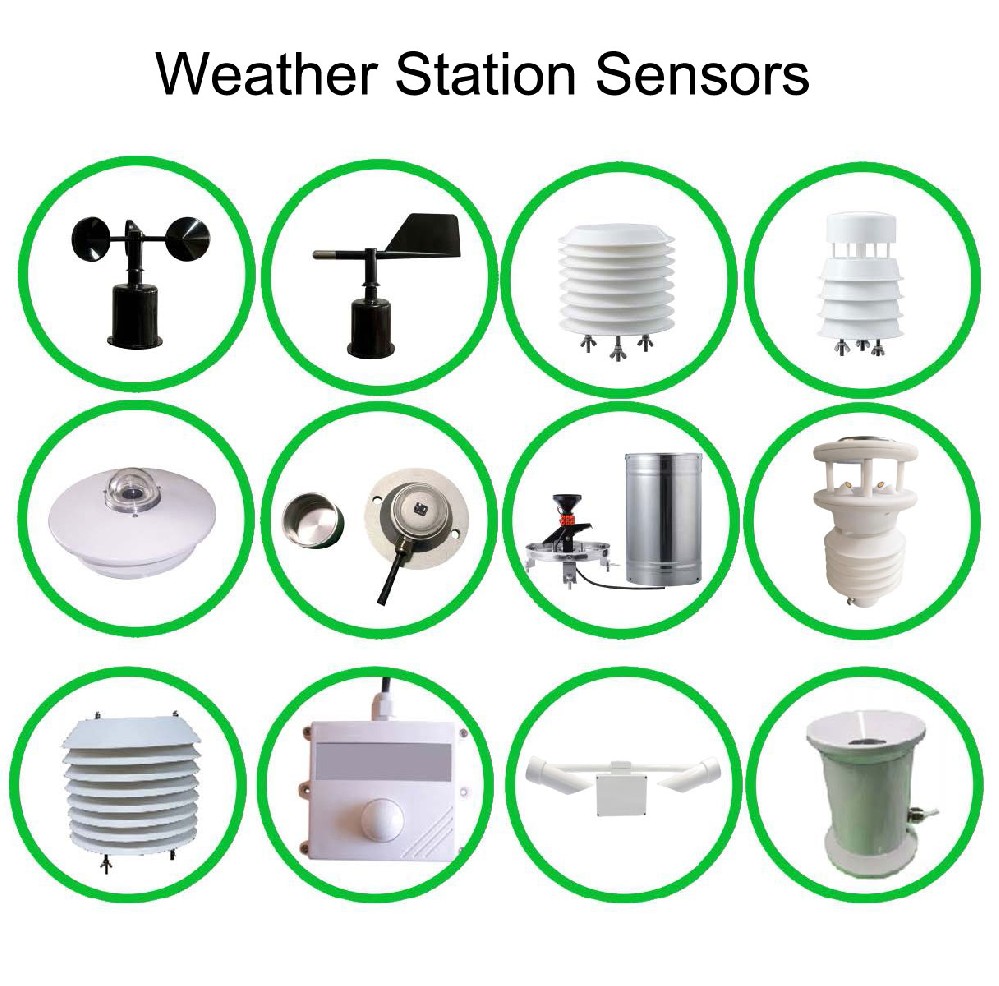
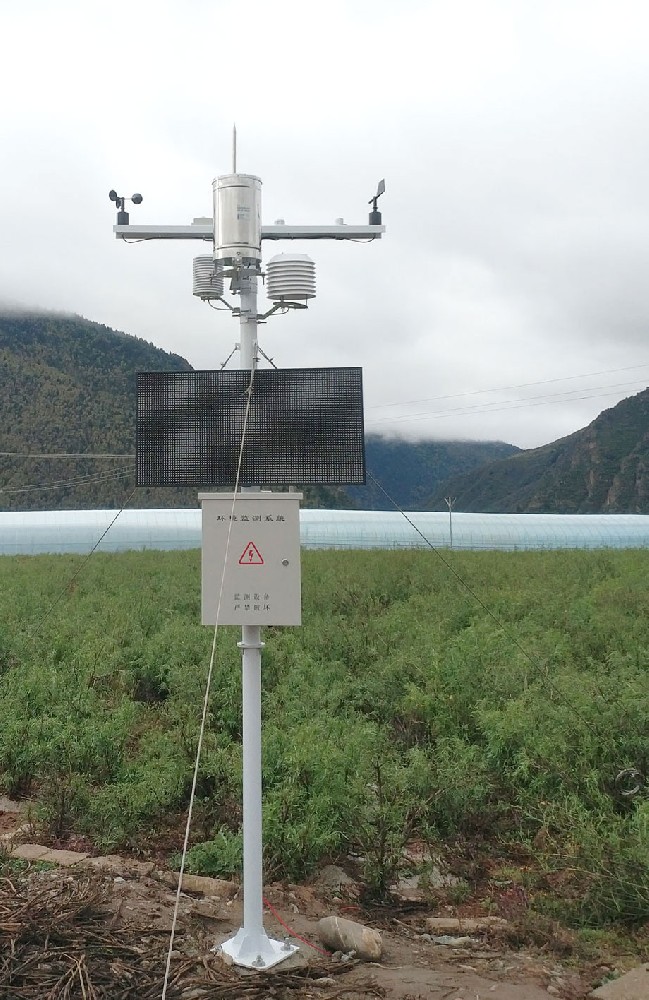
The field weather station serves as the “meteorological hub” of the four-conditions system. The NiuBoL field weather station integrates more than ten element sensors, including air temperature, humidity, wind speed & direction, barometric pressure, rainfall, photosynthetically active radiation (PAR), UV intensity, carbon dioxide concentration, soil temperature / moisture / conductivity / pH value, etc. It supports multiple protocols such as Modbus RTU and MQTT, and can seamlessly connect to smart agriculture platforms.
The device adopts a low-power design, powered by solar energy + lithium iron phosphate battery, with protection rating IP65 or higher, and can operate in environments from -20℃ to 60℃. The data sampling interval is configurable from 1 minute to 1 hour. The edge gateway supports local threshold alarming and offline caching to ensure data is not lost under extreme weather conditions.
In practical applications, the weather station provides the foundation for irrigation scheduling, fertilization timing, and disaster early warning. For example, in southern rice-growing areas, combining rainfall and soil moisture data can predict flood risks in advance; in northern orchards, PAR and temperature monitoring are used to optimize supplemental lighting and frost protection measures. These real-time microclimate data enable planting management to shift from “relying on the sky” to “speaking with data”.
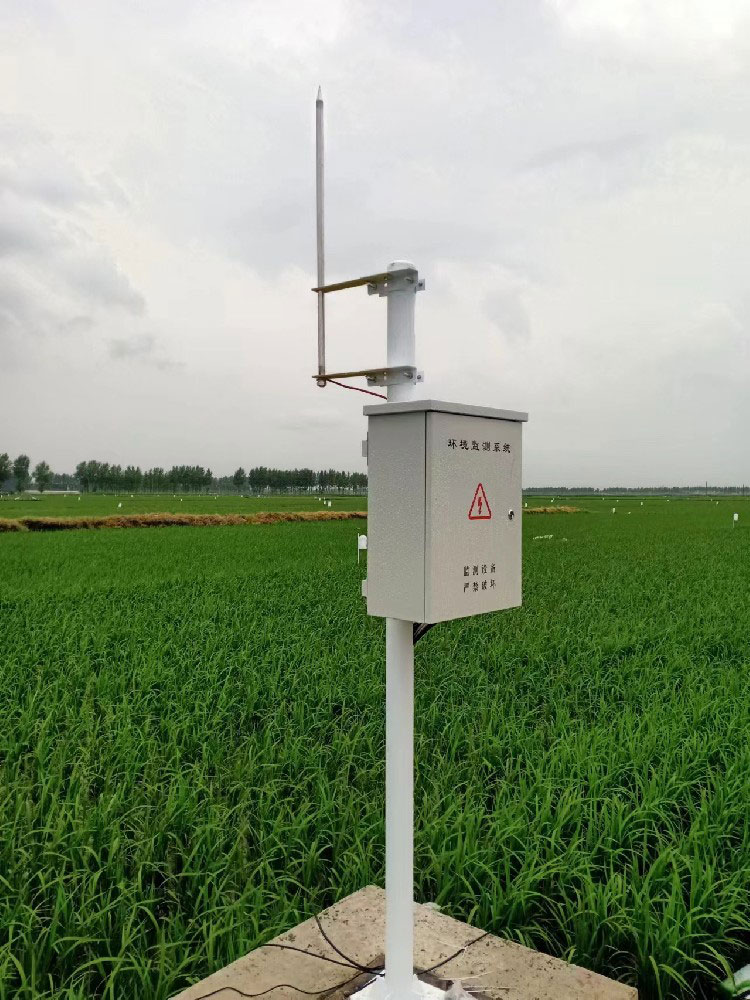
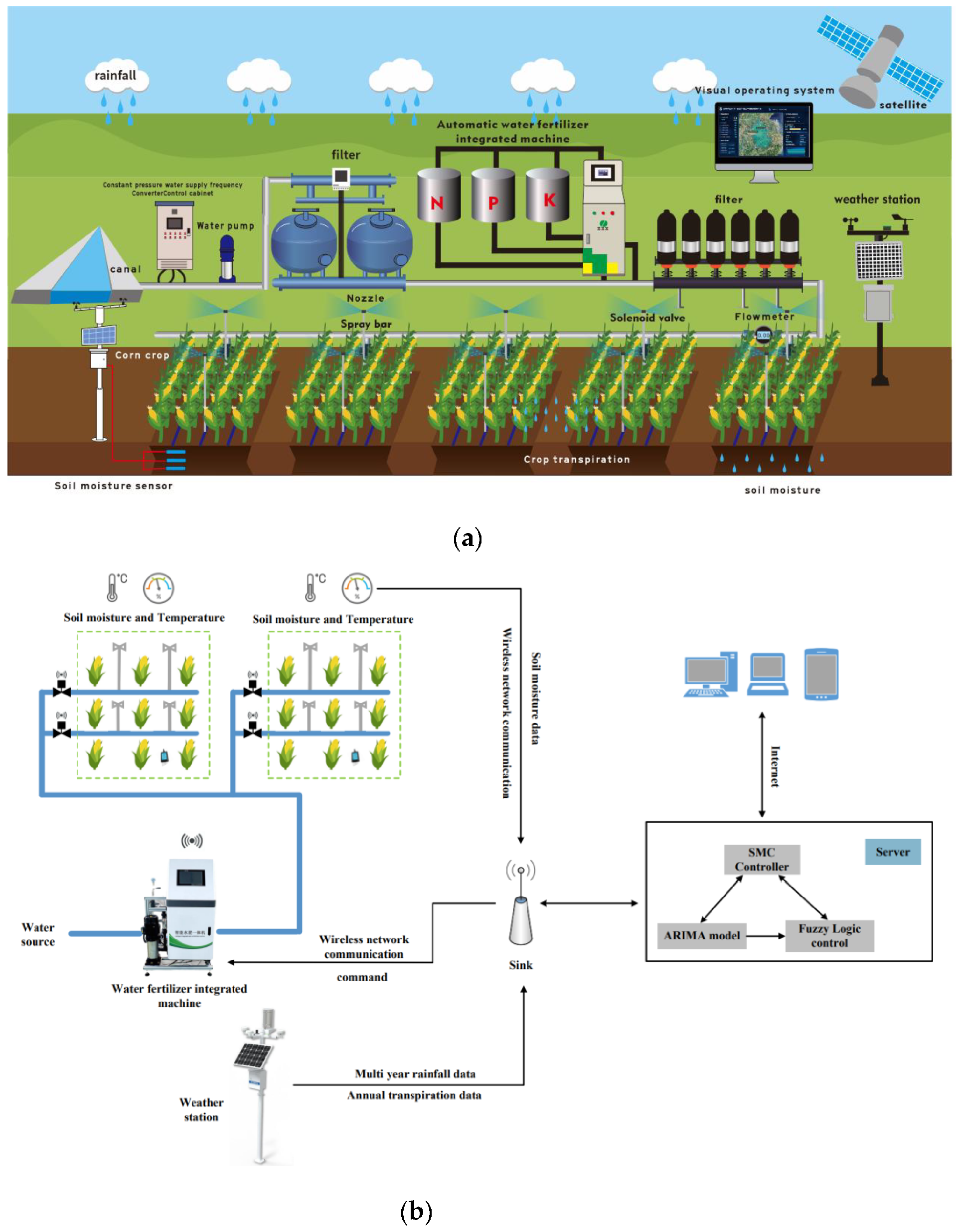
Soil moisture directly determines crop root vitality and nutrient absorption efficiency. The NiuBoL integrated soil moisture monitor addresses the common problems of traditional multi-probe devices such as “inaccurate measurement, multi-channel drift, complex installation”. It adopts dual high-frequency tuning circuit + time-division multiplexing detection + de-redundancy circuit technology to realize synchronous measurement of multiple parameters with a single probe: soil volumetric water content, electrical conductivity, NPK content, pH value, soil temperature, etc.
The probe is encapsulated with polymer materials, corrosion-resistant and anti-polarization, with high long-term stability. The device supports wireless LoRa / NB-IoT transmission, with adjustable burial depth (10–100 cm multi-layer optional), which is convenient for layered monitoring in open fields or precise drip irrigation control in greenhouses. The cloud platform can generate dynamic soil moisture curves and nutrient heat maps to visually guide variable-rate fertilization and water-saving irrigation.
In water-saving agriculture projects, this device helps users reduce irrigation water consumption by 15–30%, while avoiding the risk of soil salinization caused by excessive fertilization, becoming an indispensable “soil doctor” in precision agriculture.
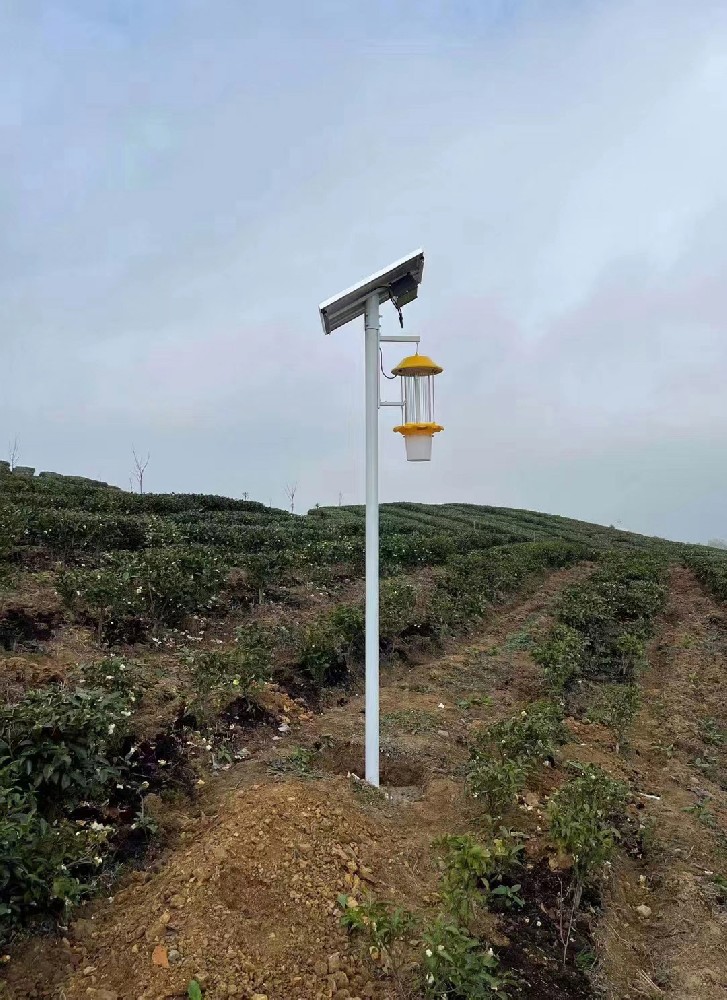
Pests and diseases are one of the biggest uncertainties in agricultural production. NiuBoL has a complete layout in this field, with two flagship products: intelligent remote insect pest forecasting lamp and intelligent spore capturer.
The intelligent insect pest forecasting lamp complies with GB/T 24689.1-2009 standard. It uses 365–395 nm LED insect-attracting light source + far-infrared killing + 12-megapixel industrial camera to realize automatic trapping, killing & drying, vibration spreading, high-definition photography, AI recognition, and 4G upload. The system can identify nearly one hundred common pests (such as fall armyworm, Asian corn borer, rice leaf roller), with recognition accuracy >90%, and supports multi-point regional networking and trend forecasting.
The intelligent spore capturer focuses on disease early warning. It has a built-in high-magnification microscopic imaging module that collects spore images around the clock. Through deep learning algorithms, it counts spore species and quantity changes, and combines meteorological data to predict disease occurrence windows (such as high-risk periods of rice blast and downy mildew). The device is chemical-free and pollution-free, especially suitable for organic bases and green food production.
The combination of the two forms a “pest + disease” dual monitoring network, greatly reducing control costs and promoting pesticide reduction with efficiency improvement.
The seedling growth monitor builds a farmland visualization system through high-definition night-vision camera + edge AI analysis. The device supports 4G/5G video transmission, multi-angle pan-tilt control, scheduled/event-triggered photography, and real-time transmission of crop plant height, leaf color, coverage and other indicators.
The system can automatically identify abnormalities such as lodging, missing seedlings, yellowing, and disease spots, and generate growth curves and heat maps. Once a sudden event is detected (such as lodging after heavy rain), it immediately pushes alarms and records video evidence, providing proof for insurance claims and production scheduling.
In large-scale planting bases, this system allows managers to “view the entire field without leaving home”, greatly improving patrol efficiency and decision-making timeliness.
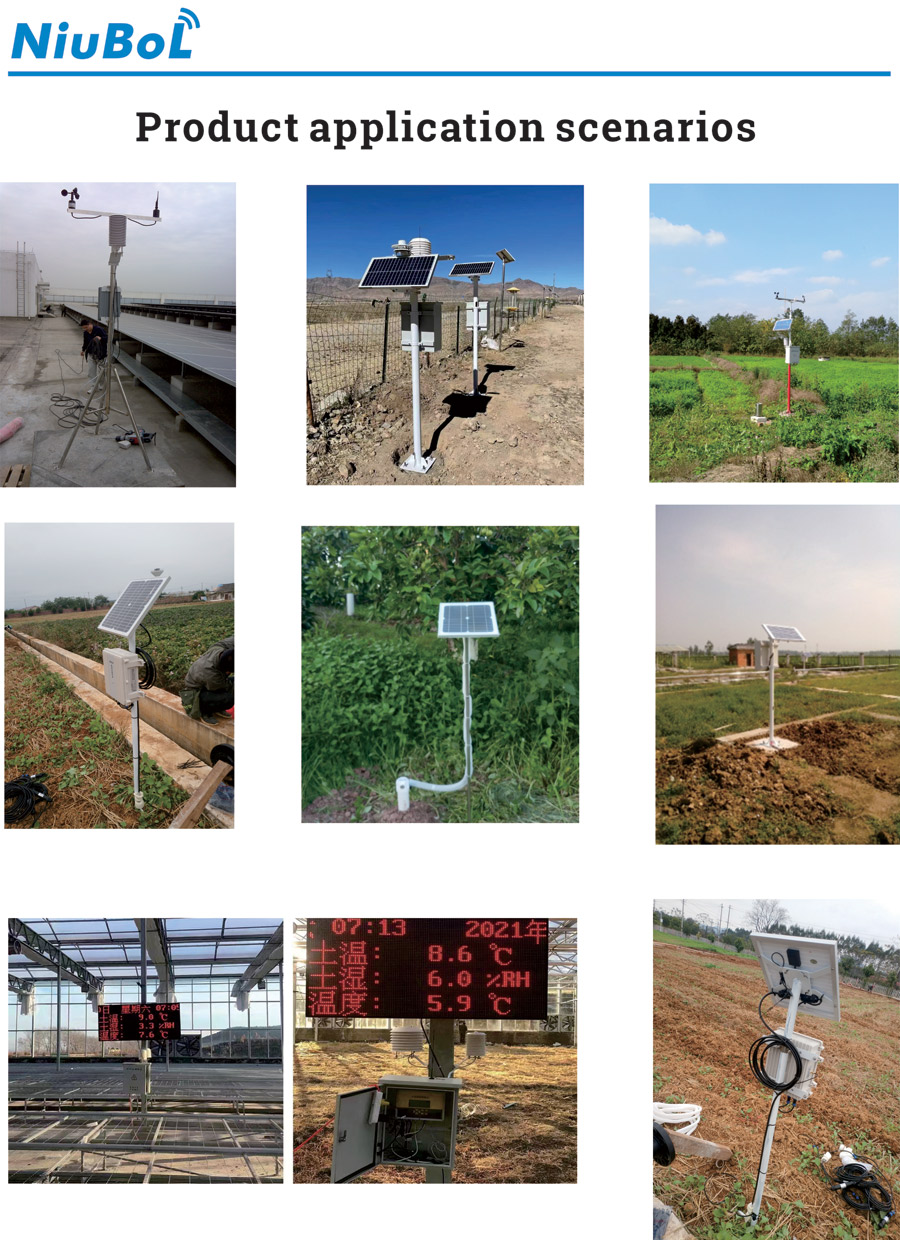
NiuBoL agricultural four-conditions monitoring equipment has been validated in various typical scenarios:
Large-field grain bases: meteorology + soil moisture + pest condition linkage to achieve integrated water-fertilizer management and unified pest & disease control;
Facility vegetables/fruit greenhouses: precise temperature & humidity control + seedling video + spore early warning to support high-quality off-season production;
Economic orchards: multi-parameter soil + insect lamp + weather station to guide organic certification and quality improvement;
Modern agricultural demonstration zones: multi-station networking + cloud platform integration to form a “one-screen view of the whole area” management dashboard.
These applications collectively demonstrate that four-conditions monitoring not only reduces input costs and improves yield and quality, but also provides a data foundation for agricultural carbon sink assessment and green certification.
| Question | Answer |
|---|---|
| Q1. How does the agricultural four-conditions monitoring system achieve data fusion? | Through a unified IoT gateway and cloud platform, supporting Modbus and MQTT protocols, multi-source data is aggregated in real time and subjected to correlation analysis. |
| Q2. How is the equipment powered in remote areas without electricity? | It uses a combination of solar panels + lithium iron phosphate batteries, which can maintain normal operation for 7–15 days under continuous cloudy and rainy conditions. |
| Q3. What is the measurement accuracy and stability of the soil moisture instrument? | Volumetric water content accuracy ±2%, conductivity ±3%, long-term no drift, using de-redundancy circuit and automatic calibration mechanism. |
| Q4. Which pests does the insect pest forecasting lamp AI recognition support? | It covers nearly one hundred common agricultural pests such as fall armyworm, Asian corn borer, diamondback moth, etc., with recognition rate >90%, and the model supports continuous iteration. |
| Q5. How does the spore capturer predict disease occurrence? | By combining the daily change curve of spore quantity with meteorological data such as temperature, humidity, and wind speed, it predicts high-risk windows and pushes early warnings. |
| Q6. Is the video transmission of the seedling monitor stable? | It supports 4G/5G, with edge caching + breakpoint resume, ensuring complete recording of key events even during network fluctuations. |
| Q7. Does the system support third-party platform integration? | Yes, it provides standard API and SDK, supporting integration with mainstream platforms such as public IoT platforms and custom agricultural brains. |
| Q8. What is the project deployment cycle and maintenance cost? | Single-point deployment is usually completed in 1–2 weeks. The designed service life of the equipment is more than 5 years. Annual maintenance cost mainly involves regular cleaning and battery inspection. |
With high-reliability perception, high-precision analysis, and strong compatibility integration as its core, the NiuBoL agricultural four-conditions IoT monitoring system fully covers the four major dimensions of soil moisture, seedling condition, pest & disease condition, and disaster condition, providing a solid data foundation for modern agriculture. It enables growers to shift from experience dependence to data-driven decision-making, making agricultural production more precise, efficient, and green. With the deep integration of IoT, big data, and AI technologies, such solutions are accelerating the transformation of Chinese agriculture toward intelligence and sustainability, contributing to food security and enhanced agricultural resilience. In the future, four-conditions monitoring will become an indispensable “digital assistant” for every agricultural practitioner.
Related recommendations
Sensors & Weather Stations Catalog
 Agriculture Sensors and Weather Stations Catalog-NiuBoL.pdf
Weather Stations Catalog-NiuBoL.pdf
Agriculture Sensors Catalog-NiuBoL.pdf
Water Quality Sensor Catalog-NiuBoL.pdf
Related products
 Combined air temperature and relative humidity sensor
 TDR Soil Moisture & Temperature Sensor for irrigation| RS485 |4-20mA| NBL-S-THR
 Soil pH sensor RS485 soil Testing instrument soil ph meter for agriculture |NBL-S-PH
 Wind Speed sensor Output Modbus/RS485/Analog/0-5V/4-20mA
 Tipping bucket rain gauge for weather monitoring auto rainfall sensor RS485/Outdoor/stainless steel
 Pyranometer Solar Radiation Sensor 4-20mA/RS485

Screenshot, WhatsApp to identify the QR code
WhatsApp number:+8615367865107
(Click on WhatsApp to copy and add friends)

