





— Blogs —
—Products—
 Consumer hotline +8618073152920
 WhatsApp:+8615367865107
Address:Room 102, District D, Houhu Industrial Park, Yuelu District, Changsha City, Hunan Province, China
Product knowledge
Time:2024-06-23 10:12:10 Popularity:1600
Agricultural planting weather station is a kind of facility specialized in monitoring the meteorological conditions in the agricultural planting area, and its main role is to monitor and obtain the meteorological factors affecting the growth of crops, so that the farmers and agricultural technicians can scientifically arrange the agricultural activities and improve the efficiency of agricultural production and the yield and quality of crops.
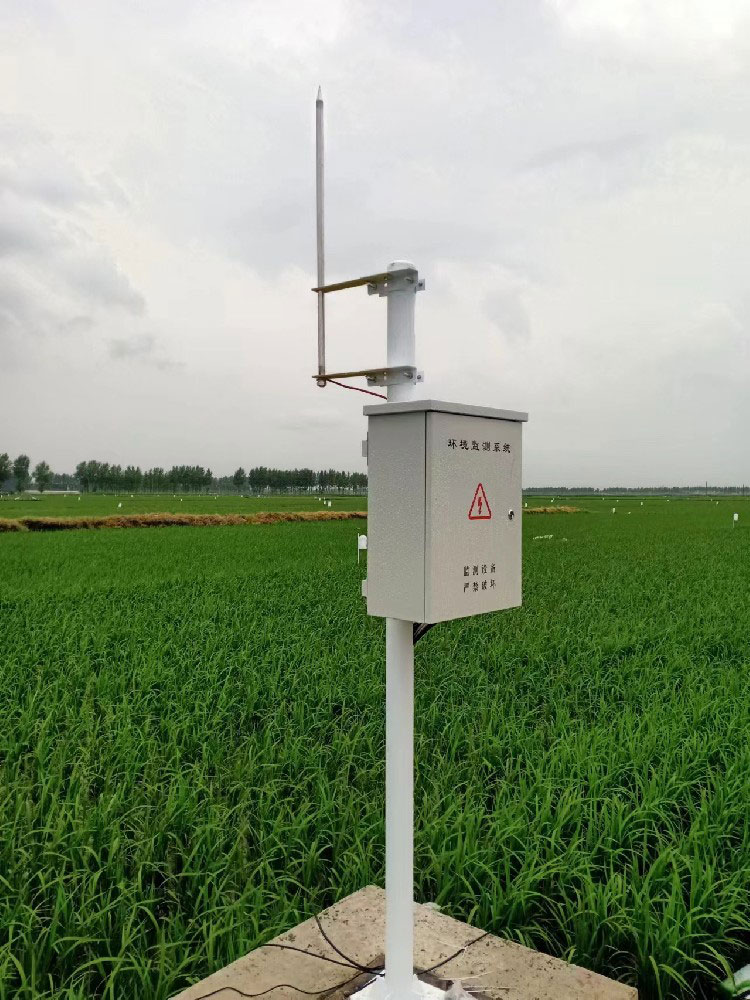
1. temperature sensor: used to monitor air temperature, which is essential for understanding the temperature requirements for crop growth and preventing meteorological disasters such as frost.
2. humidity sensor: used to measure the relative humidity in the air, which is important for understanding crop transpiration and regulating irrigation.
3. Rainfall Sensor: Used to monitor rainfall and provide data support for irrigation and drainage management of crops.
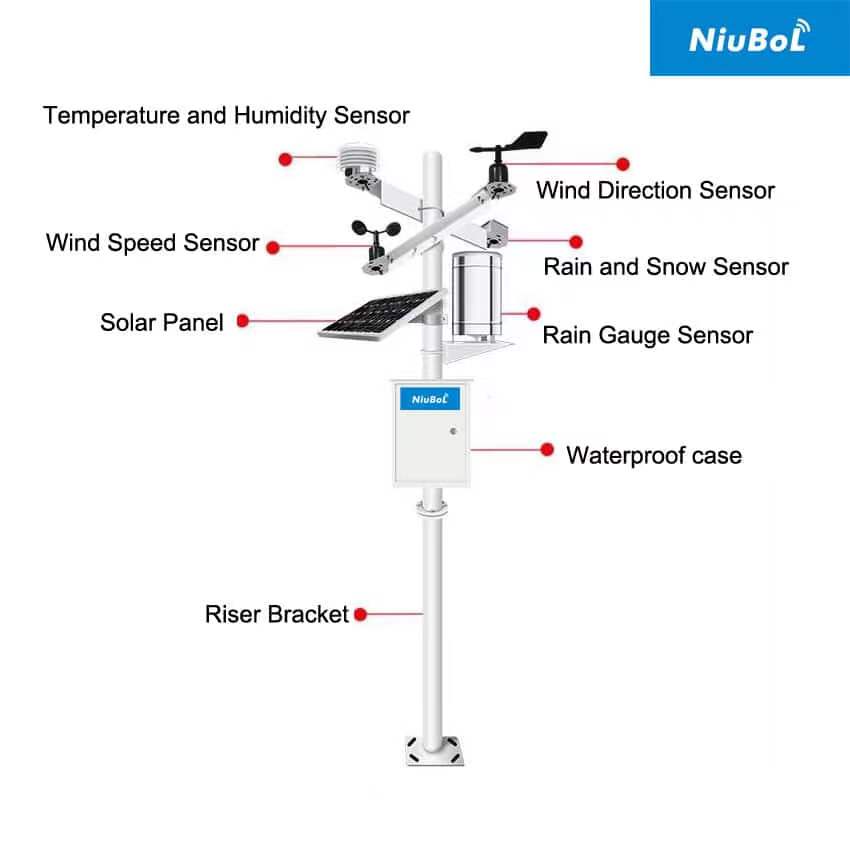
4. Wind speed and direction sensor: It is used to monitor wind speed and direction, which is important for crop growth and prevention of meteorological disasters.
5. Light intensity sensor: Used to monitor light intensity, which is an important influence factor of photosynthesis, which is very important for understanding the photosynthesis of crops and formulating measures for shading or supplementing light, and has an important influence on the growth and yield of crops.
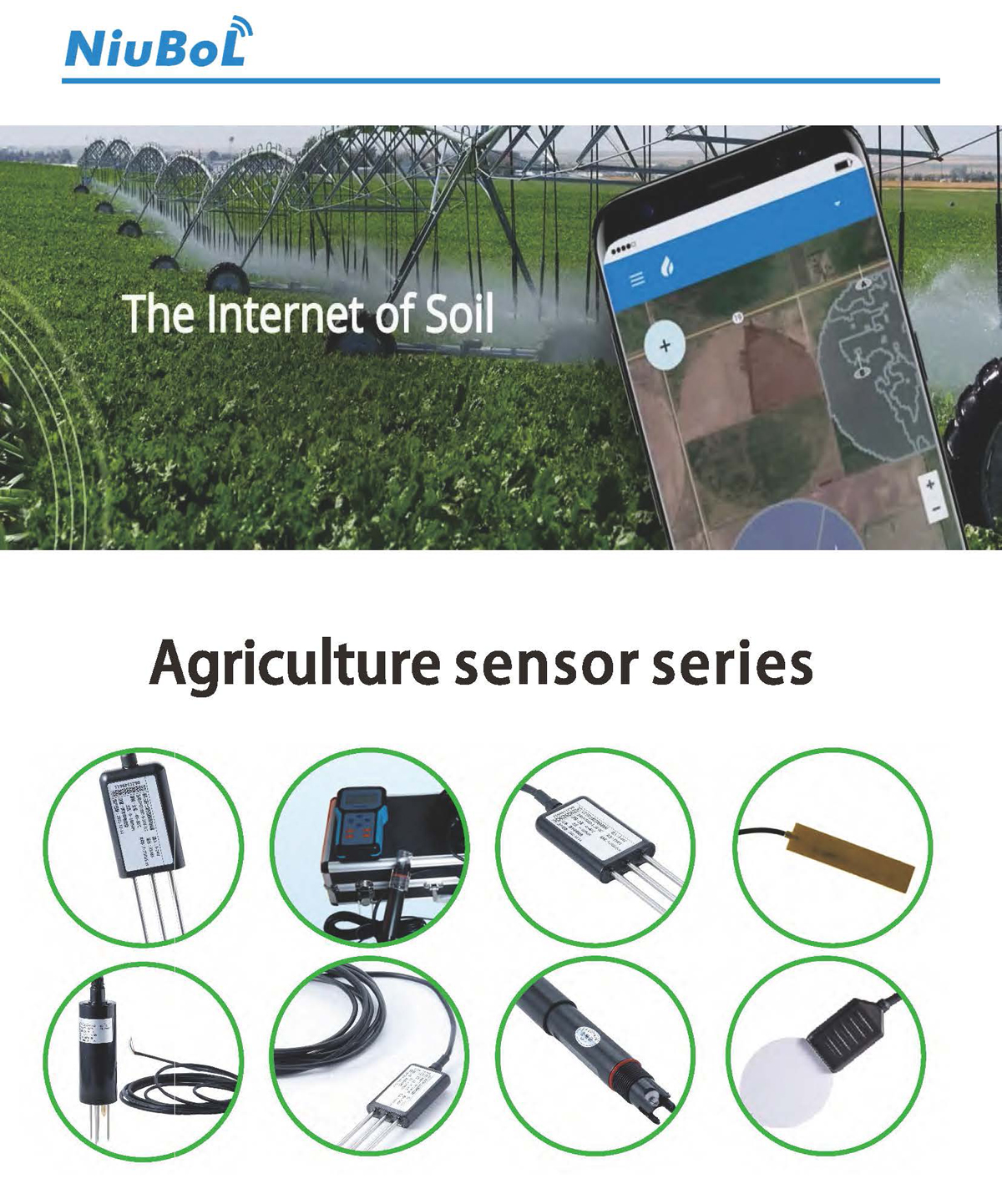
6. Soil Moisture Sensor: Used to monitor soil moisture status, which is essential for rational irrigation and agricultural water management.
In addition, other sensors such as barometric pressure sensors, carbon dioxide concentration sensors, etc. may be included depending on specific needs.
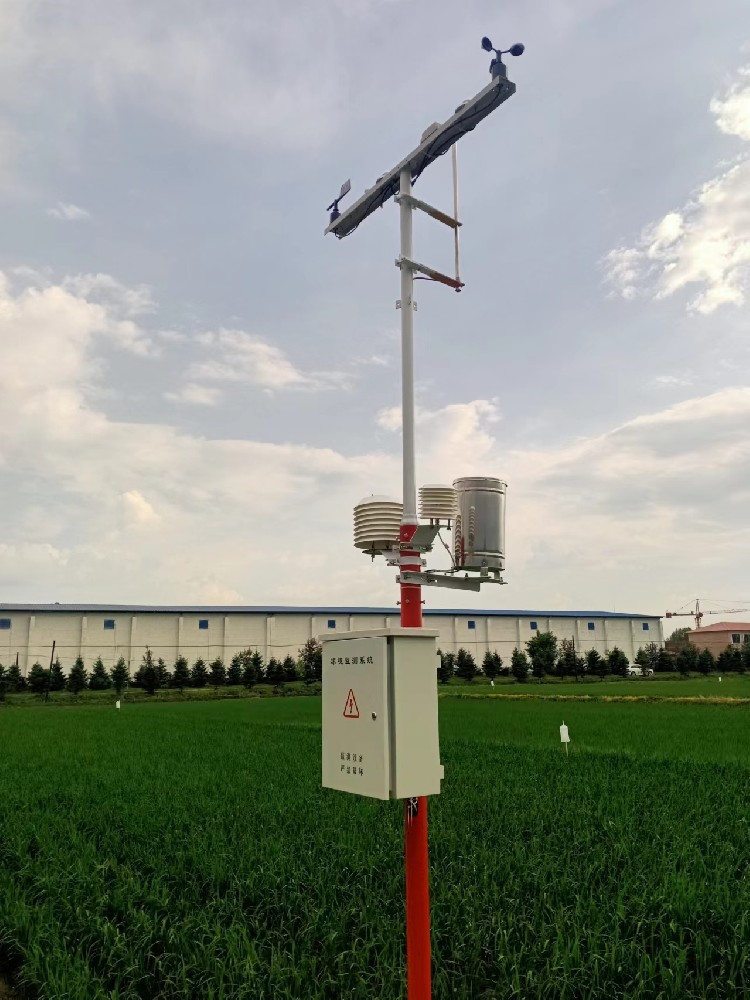
The importance of meteorological data to agriculture is self-evident, mainly reflected in the following aspects:
1. Guiding agricultural production: meteorological data directly affect the growth and development of crops. For example, temperature, humidity, rainfall, light and other meteorological elements are all key factors for crop growth. With accurate meteorological data, farmers can rationally arrange farming activities such as sowing, fertilizing, and irrigating, so as to improve the yield and quality of crops.
2. Early warning of meteorological disasters: Meteorological disasters such as heavy rainfall, floods, droughts, frosts, etc. are extremely destructive to agricultural production. Meteorological data can help farmers to warn of these disasters in time and take precautionary measures in advance to reduce the losses caused by the disasters.
3. Optimize resource allocation: meteorological data provide a scientific basis for agricultural production and help farmers optimize resource allocation. For example, according to meteorological data can reasonably arrange the operation time and location of agricultural equipment, to avoid the waste of resources.
4. Improve the ability of agricultural disaster resistance: through monitoring and analyzing meteorological data, we can understand the growth status of crops and the occurrence of meteorological disasters, and provide data support for the development of scientific disaster prevention and mitigation measures, so as to improve the ability of agricultural disaster resistance.
Other important roles of meteorology in agriculture
1. Promote the development of agricultural research: meteorological data is one of the important basic data for agricultural research. Through the analysis and research of meteorological data, we can gain an in-depth understanding of the laws and mechanisms of crop growth and development, and provide scientific basis for cultivating new varieties and optimizing planting techniques.
2. Promote agricultural modernization: the application of meteorological data can promote the process of agricultural modernization. Through the use of modern information technology and intelligent equipment, it can realize the precision, intelligence and high efficiency of agricultural production, and improve the efficiency and competitiveness of agricultural production.
3. Serving rural economic development: meteorological service is one of the important supports for rural economic development. By providing accurate meteorological information and early warning services, it can help farmers rationally arrange agricultural production activities, reduce disaster risks and improve agricultural production income. At the same time, meteorological services can also provide strong support for rural tourism, transportation and other industries, and promote the overall development of rural economy.
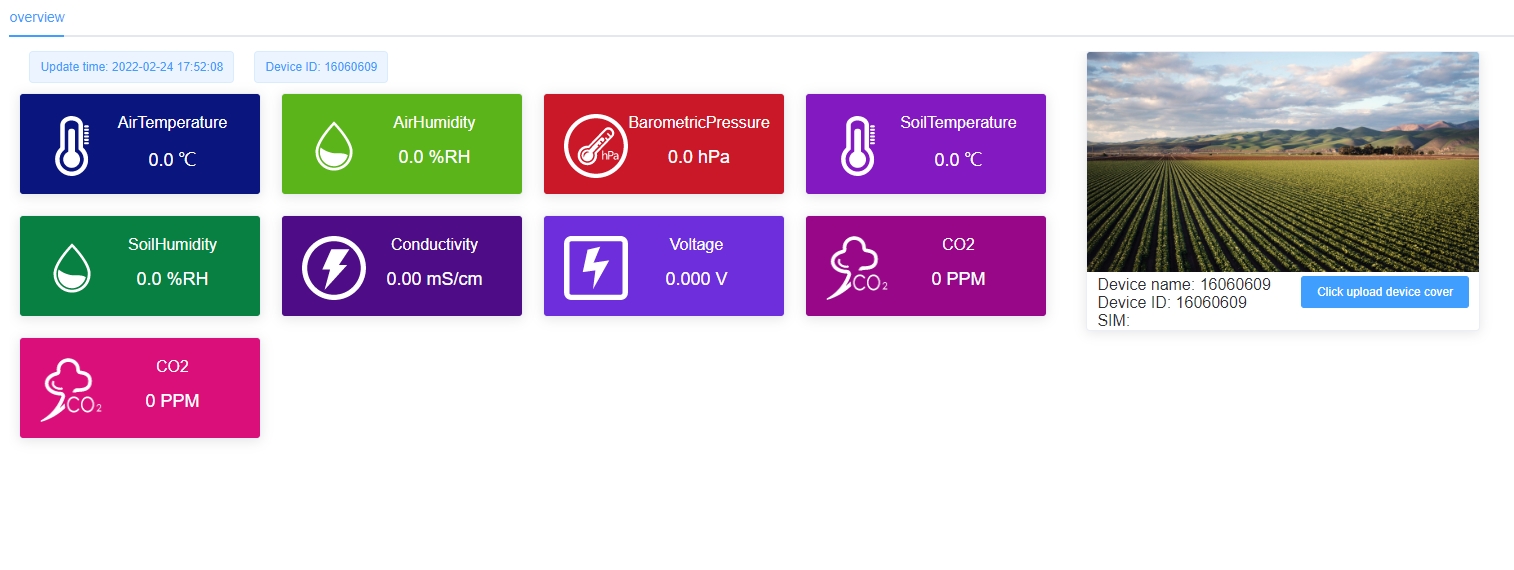
1. Multi-factor observation: Agricultural planting weather station can simultaneously measure a variety of meteorological elements, such as temperature, humidity, rainfall, wind speed, etc., providing comprehensive meteorological information for agricultural production.
2. High protection: Adopting high quality materials and manufacturing process, it can adapt to all kinds of harsh environmental conditions and ensure the stability and accuracy of meteorological data.
3. Wireless data transmission: wireless transmission technology is adopted to facilitate the movement and sharing of data, enabling farmers to obtain meteorological data anytime and anywhere.
4. Environmental monitoring cloud platform view: the data can be uploaded to the environmental monitoring cloud platform, where farmers can view and analyze the meteorological data in real time to make more scientific and reasonable agricultural production decisions.
1. Higher cost: Due to the use of advanced technology and equipment, the construction cost of agricultural planting weather station is higher, which may be difficult to be borne by some small farms or regions with poor economic conditions.
2. High maintenance requirements: Since weather stations need to operate stably for a long time, they need to be maintained and serviced regularly, which increases the workload and cost of farmers.
3. High technical requirements: Agricultural planting weather stations require farmers to have certain technical knowledge and operating ability, otherwise they may not be able to give full play to their role.
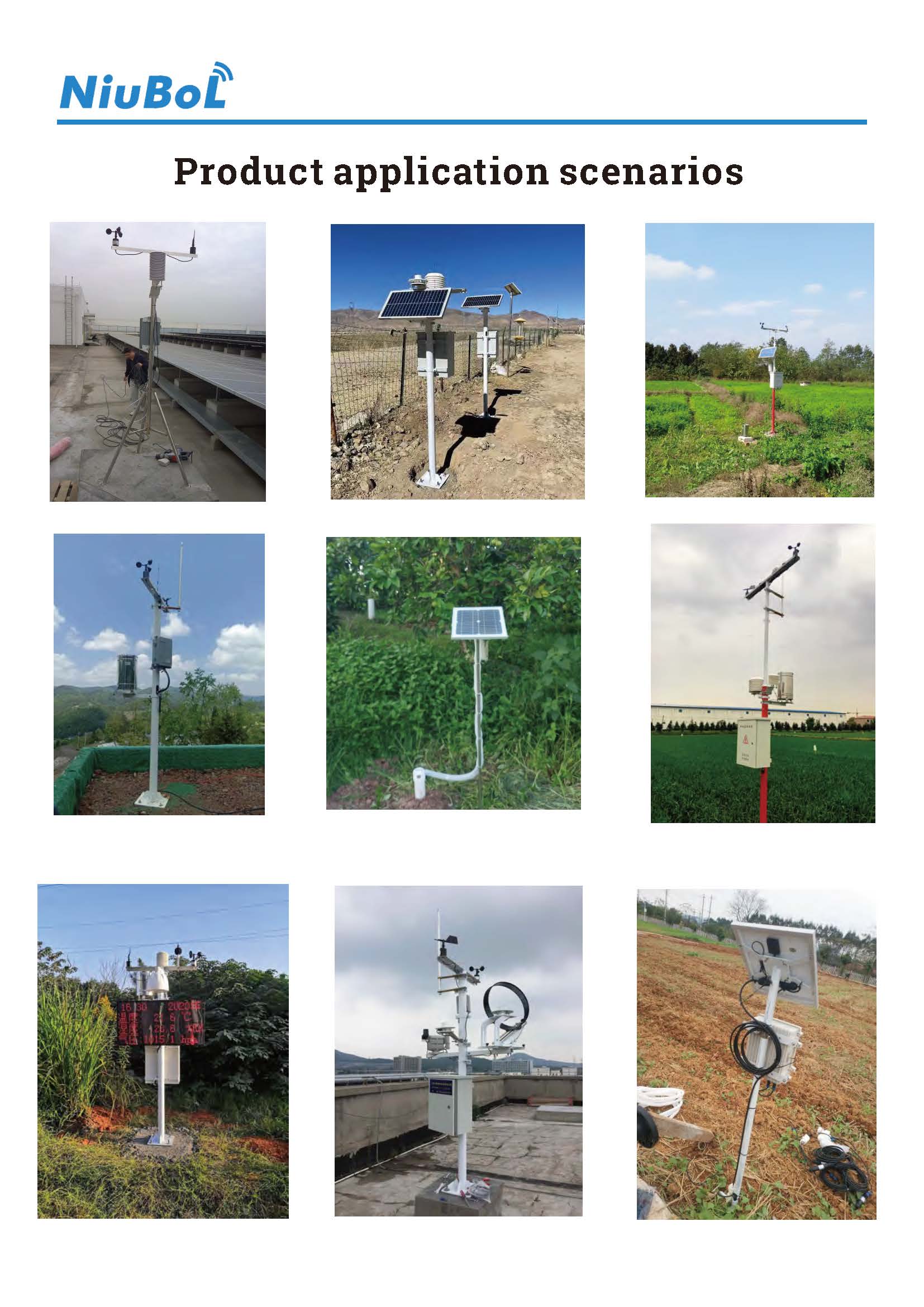
In short, by providing key meteorological data, agricultural planting weather stations help agricultural producers to better understand and utilize natural environmental conditions, improve the modernization of agricultural production, and guarantee food security and farmers' increased income.
Prev:Traffic visibility monitoring weather station
Next:How do agricultural weather stations help producers prevent weather disasters?
Related recommendations
Sensors & Weather Stations Catalog
 Agriculture Sensors and Weather Stations Catalog-NiuBoL.pdf
Weather Stations Catalog-NiuBoL.pdf
Agriculture Sensors Catalog-NiuBoL.pdf
Water Quality Sensor Catalog-NiuBoL.pdf
Related products
 Combined air temperature and relative humidity sensor
 TDR Soil Moisture & Temperature Sensor for irrigation| RS485 |4-20mA| NBL-S-THR
 Soil pH sensor RS485 soil Testing instrument soil ph meter for agriculture |NBL-S-PH
 Wind Speed sensor Output Modbus/RS485/Analog/0-5V/4-20mA
 Tipping bucket rain gauge for weather monitoring auto rainfall sensor RS485/Outdoor/stainless steel
 Pyranometer Solar Radiation Sensor 4-20mA/RS485

Screenshot, WhatsApp to identify the QR code
WhatsApp number:+8615367865107
(Click on WhatsApp to copy and add friends)

