





— Blogs —
—Products—
 Consumer hotline +8618073152920
 WhatsApp:+8615367865107
Address:Room 102, District D, Houhu Industrial Park, Yuelu District, Changsha City, Hunan Province, China
Product knowledge
Time:2026-01-09 16:52:01 Popularity:717
In modern agricultural and forestry production, timely grasping pest dynamics is the premise for achieving precise control. NiuBoL automatic pest monitoring lamp is specially developed for unattended environments, integrating pest attraction, killing, collection, packaging, and drainage. The system not only supports the expansion of various meteorological elements such as wind speed and direction, temperature and humidity, but also uploads real-time data to the cloud through GPRS/4G/5G wireless communication technology, revealing the deep logic between environmental factors and pest outbreaks.
This equipment is widely used in agriculture, forestry, animal husbandry, tea, Chinese medicinal materials, and urban greening fields. To ensure the equipment maintains high efficiency under high-intensity operation, scientific maintenance and upkeep are crucial.
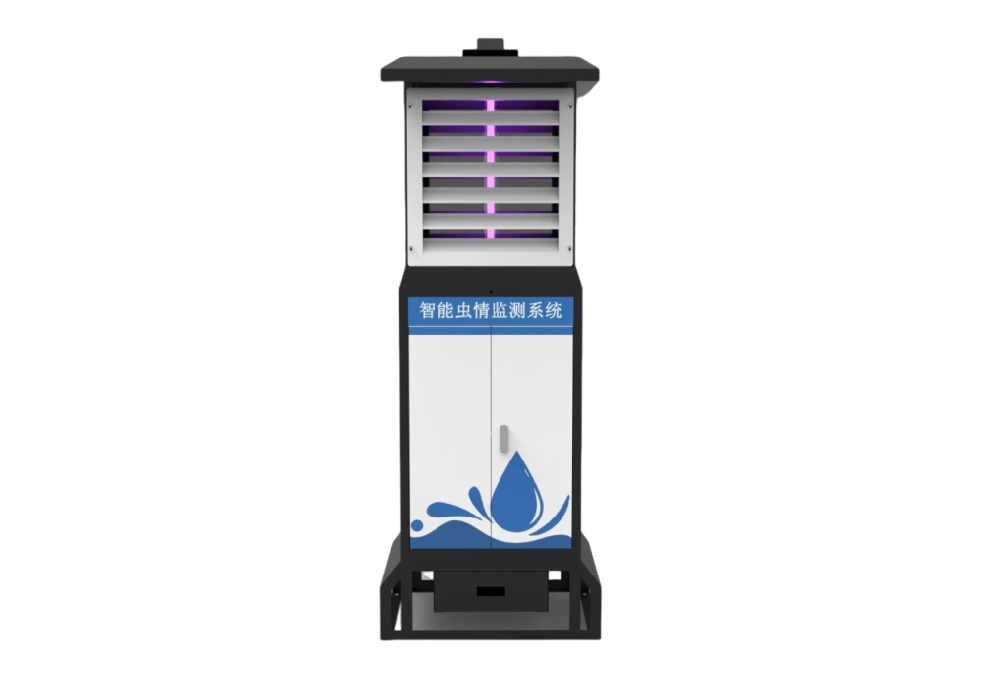
High-quality maintenance not only extends equipment lifespan but also ensures the continuity and accuracy of monitoring data.
1. Mastering Rain Control System and Lamp Tube Update
The rain control system is the protective umbrella for the monitoring lamp's survival in the field, while the black light tube is the core of pest attraction.
Rain Control Probe Maintenance: Frequently clean dirt on the rain control probe at the top of the lamp to ensure smooth drainage. After the rain stops, the water traces on the probe need to dry quickly to resume operation.
Track Lubrication: Regularly check the sliding flexibility of the rain-catching slide plate, clean track debris, and add a small amount of lubricating oil to the track.
Special Climate Handling: During key lighting periods encountering continuous rainy days, unplug the rain control plug to force operation, but the next morning must promptly collect pests, clean accumulated water and residual pests in the box.
Lamp Tube Decay Update: Long-term operation of black light tubes leads to reduced luminous brightness and frequency decay. It is recommended to replace with a new lamp tube every 6 months to maintain efficient trapping capability.
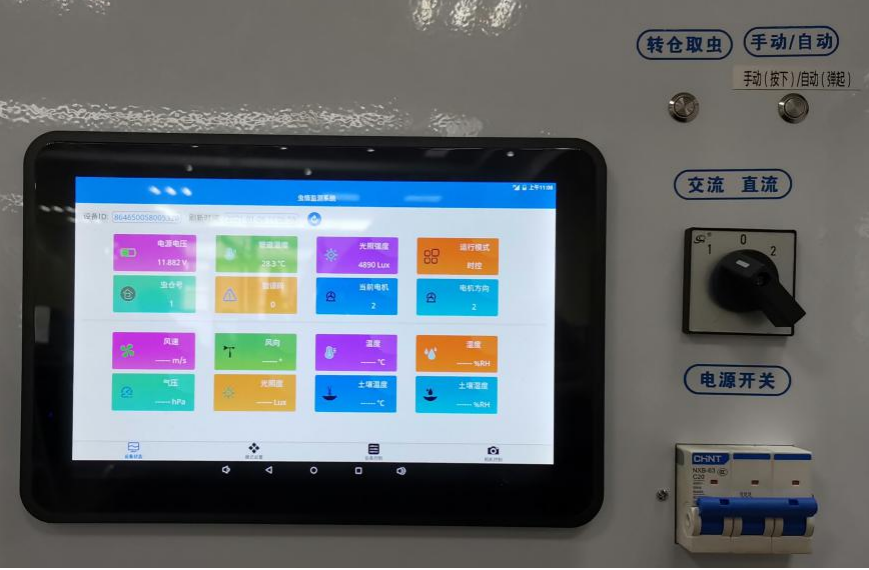
2. Preventing Ant Damage, Timely Pest Collection
Ants not only bite through collection bags but also feed on small and medium-sized insect samples (such as borers, planthoppers), leading to severely distorted monitoring data.
Physical Protection: If conditions allow, build water troughs around the box to prevent ants.
Chemical Protection: Regularly spray sanitary insecticides (such as pyrethroids) inside and outside the box.
High-Frequency Cleaning: Although the system supports 8-day collection, pests decay rapidly in high temperature or rainy weather. It is recommended to clean residual pests inside and outside the box every 1~2 days and remove them from the monitoring lamp. Generally, pest collection and sorting within 2 days yields the best results.
3. Structural Optimization: Adding Protective Net Cover
To reduce pest inspection workload and protect small-bodied pest samples, it is recommended to add a barrel-shaped net cover around the pest-killing lamp.
Filtering Principle: Mesh side length preferably 0.5~1.0cm. Large insects (such as hawk moths, scarab beetles) entering the collection bag may still be alive, and their agitation can damage small pest forms. Adding a net cover can block large non-target insects, improving sample integrity.
4. Digital Upgrade: Installing Remote Monitoring System
By installing a remote monitoring system, managers can achieve "control the overall situation without leaving home".
Real-Time Monitoring: View the monitoring lamp's operating status at any time.
Image Recognition Foundation: The lens aims at the pest-blocking glass plate to automatically take timed photos, analyzing insect nocturnal activity patterns and daily quantity changes.
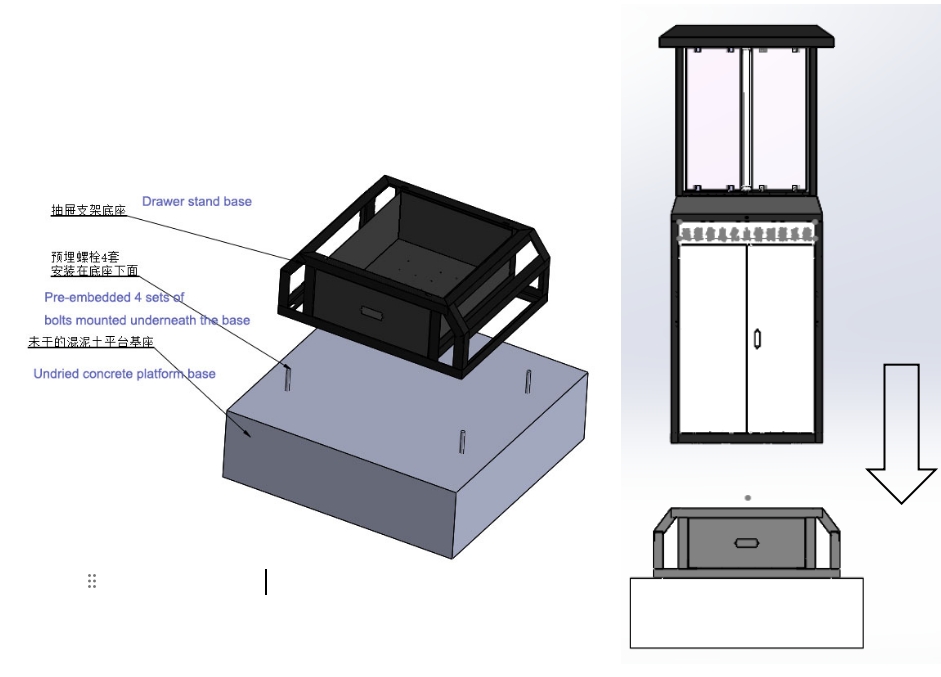
Q1: What are the special requirements for the installation environment of the monitoring lamp?
A: It should be installed in open fields with no tall buildings or strong artificial light source interference around. At the same time, stable 4G/5G signals are required to ensure timely data upload to the cloud platform.
Q2: What is the biggest difference between infrared pest killing and fumigation pest killing?
A: The main advantage of infrared pest killing is "sample fidelity." High temperature instantly kills to maintain complete insect body forms without chemical residues. Fumigation emphasizes "zero escape," widely used in large-scale surveys.
Q3: Why does the lamp tube appear bright, but the pest attraction effect worsens?
A: This may be a manifestation of lamp tube luminous frequency decay. Although visible to the naked eye, the effective wavelength may have shifted. It is recommended to replace the lamp tube every six months.
Q4: Can the height of the pest attraction lamp mouth of the monitoring lamp be adjusted? Does it affect monitoring for different crops?
A: Very important. It is usually recommended that the center height of the pest attraction mouth be slightly higher than the average crop canopy by 20-50cm. For low-stem crops like rice, standard installation is fine; but for orchards (such as citrus, apples), if the lamp position is too low, the pest attraction effect will be greatly reduced. NiuBoL recommends targeted setup based on the flight height layer of target pests to obtain the most representative pest data.
Q5: During the non-monitoring period in winter, does the equipment need to be powered off and moved indoors?
A: NiuBoL equipment adopts industrial-grade stainless steel and anti-corrosion coating, supporting outdoor overwintering. But to extend lifespan, it is recommended:
1. Cut off the main power;
2. Remove the black light tube and store properly;
3. Empty the collection box and thoroughly clean internal residues to prevent mold corrosion. If using solar power, ensure the solar panel surface is clean to maintain minimal battery recharging, preventing lead-acid or lithium battery damage from over-discharge.
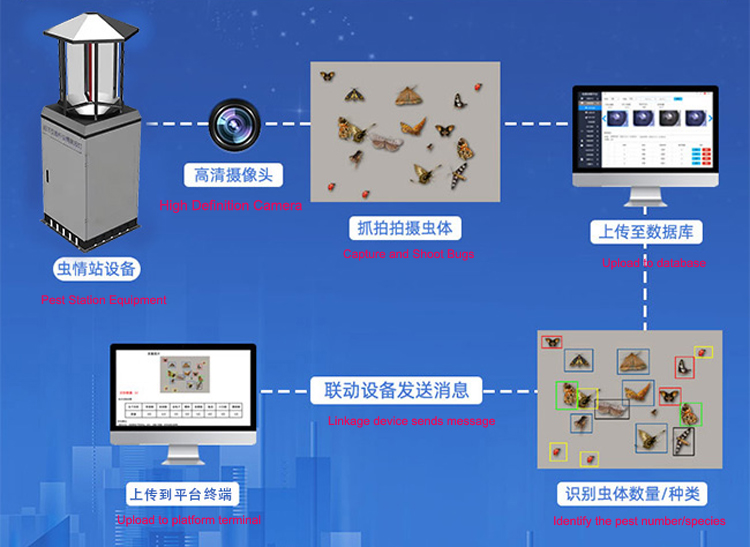
The automatic pest monitoring lamp is not only hardware equipment but also the "nerve endings" of agricultural disaster prevention and mitigation. Through standardized daily maintenance—maintaining the rain control system, regularly replacing lamp tubes, preventing ant damage—we can ensure NiuBoL equipment is always in optimal readiness.
In the wave of plant protection informatization, the leap from manual sorting to digital warning not only reduces the workload of grassroots personnel but also makes pest control evidence-based. Scientific operation and maintenance is an important cornerstone for ensuring abundant harvests in modern agriculture.
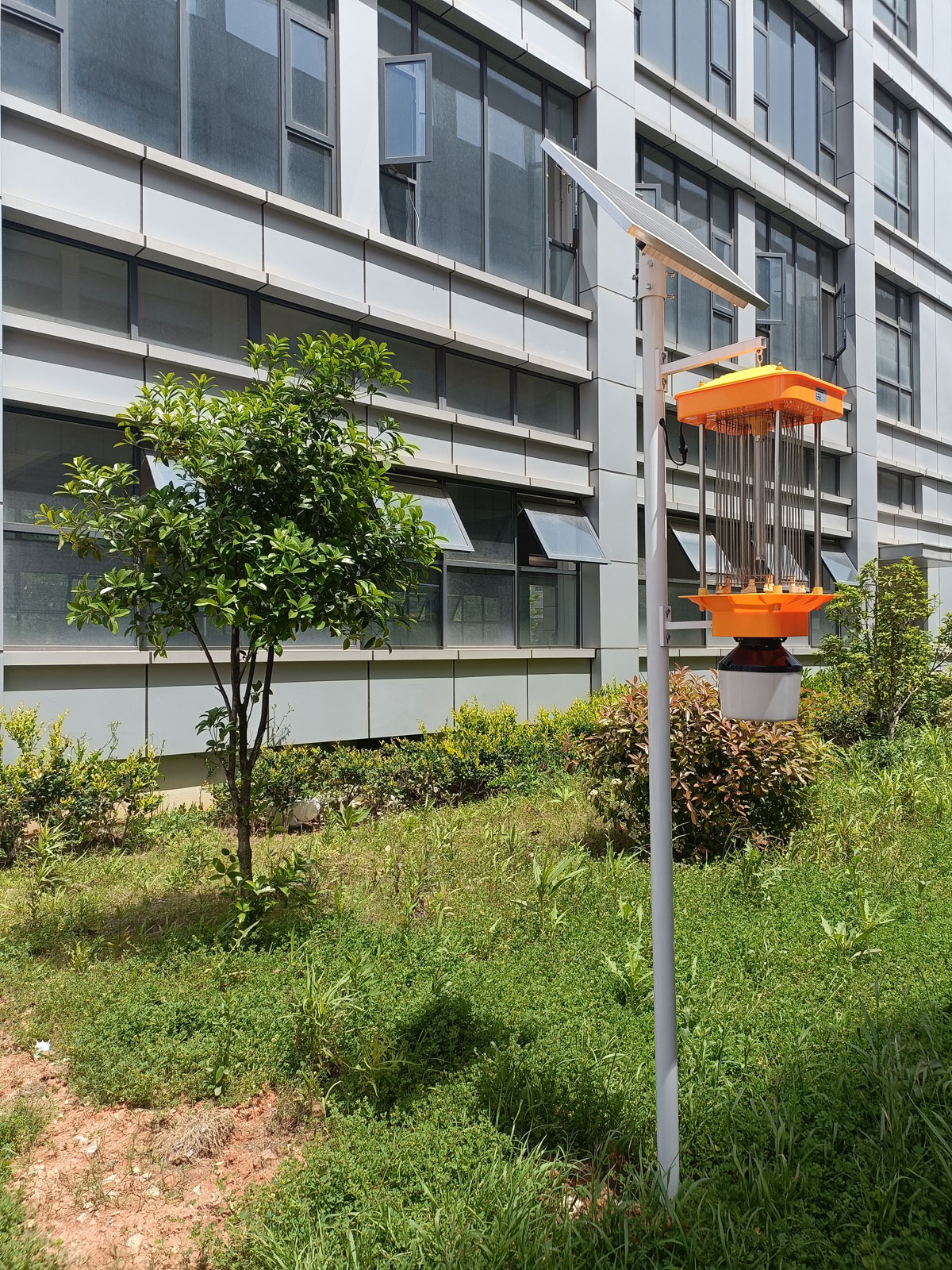
Pest Attraction Light Source: 20W Black Light Tube (Main Wavelength 365nm).
Replacement Cycle: Lamp Tube 6 Months; Rain Control Probe Weekly Cleaning.
Pest Killing Method: Far-Infrared High-Temperature Treatment (Temperature > 85°C) or Fumigation Treatment.
Communication Protocol: Modbus-RTU / GPRS / 4G / 5G.
Protection Level: Integrated Structure IP65.
Prev:Necessity of Deploying Online Water Quality Monitoring Stations in Urban Sewage Pumping Stations
Related recommendations
Sensors & Weather Stations Catalog
 Agriculture Sensors and Weather Stations Catalog-NiuBoL.pdf
Weather Stations Catalog-NiuBoL.pdf
Agriculture Sensors Catalog-NiuBoL.pdf
Water Quality Sensor Catalog-NiuBoL.pdf
Related products
 Combined air temperature and relative humidity sensor
 TDR Soil Moisture & Temperature Sensor for irrigation| RS485 |4-20mA| NBL-S-THR
 Soil pH sensor RS485 soil Testing instrument soil ph meter for agriculture |NBL-S-PH
 Wind Speed sensor Output Modbus/RS485/Analog/0-5V/4-20mA
 Tipping bucket rain gauge for weather monitoring auto rainfall sensor RS485/Outdoor/stainless steel
 Pyranometer Solar Radiation Sensor 4-20mA/RS485

Screenshot, WhatsApp to identify the QR code
WhatsApp number:+8615367865107
(Click on WhatsApp to copy and add friends)

