

— Blogs —
—Products—
 Consumer hotline +8618073152920
 WhatsApp:+8615367865107
Address:Room 102, District D, Houhu Industrial Park, Yuelu District, Changsha City, Hunan Province, China
Product knowledge
Time:2026-08-30 09:04:00 Popularity:146
Selection of Portable Water Quality Meter should begin with the measurement duty, site condition and receiving-system interface. The sampling point is often the hidden reason for poor water quality data. A good online sensor package still fails when installed in dead water, heavy sediment, air bubbles or a point that operators cannot maintain.
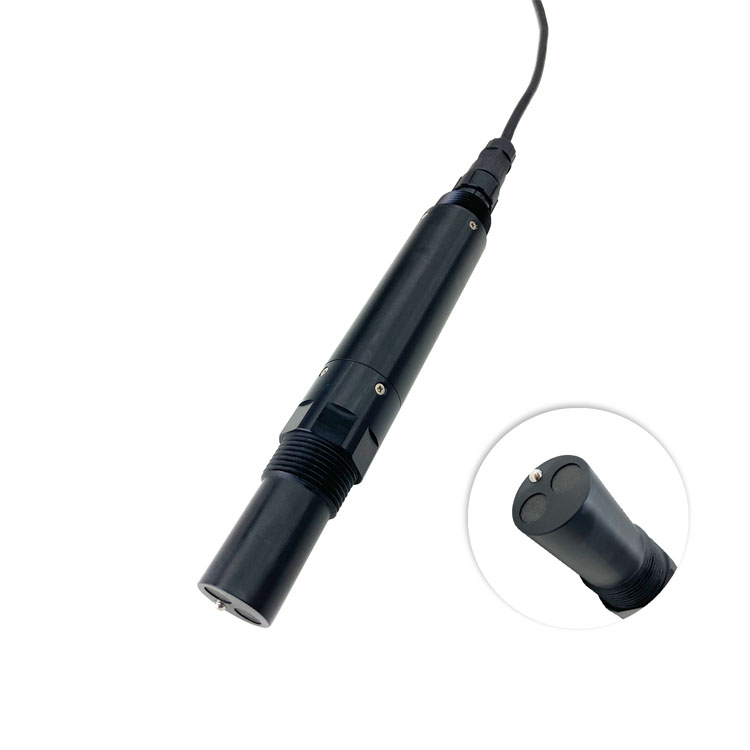
For NiuBoL buyers and system integrators, the practical question is whether Portable Water Quality Meter can be specified, installed, connected and accepted without creating hidden work after delivery.
The engineering review considers Portable Water Quality Meter as a project component, so the decision includes measurement purpose, site condition, installation, data interface, acceptance and later service.
A portable water quality meter is appropriate for route surveys, commissioning checks, and verification samples where an operator can control sampling and record context. Define the parameter set, sample points, rinse procedure, stabilization rule, calibration checks, and how results are transferred into the project record.
Installation quality is part of measurement quality for Portable Water Quality Meter, so exposure and service access must be checked together. For pipes, check pressure, flow and bubble risk. For ponds and tanks, check depth, sediment, sunlight and access for safe cleaning.
For Portable Water Quality Meter, parameter count should follow sample point. For Portable Water Quality Meter, prioritize measurements that support a defined operating decision and reserve expansion channels only for documented future use.
For Portable Water Quality Meter, RS485 Modbus RTU is useful when sample point data must enter a controller or gateway without manual entry. Ask for the register map before panel wiring.
For NiuBoL matching of Portable Water Quality Meter, provide measured medium, expected range, installation drawing, cable length, power supply and sample point requirement.
Portable Water Quality Meter sits between the field condition and the control or reporting platform. Depending on the selected Portable Water Quality Meter package, document the exact signal path to the controller, PLC, RTU, logger, gateway or platform rather than assuming every destination is included. The Portable Water Quality Meter quotation should distinguish supplied equipment and documentation from cabling, mounting, panel work and commissioning assigned to the installer.
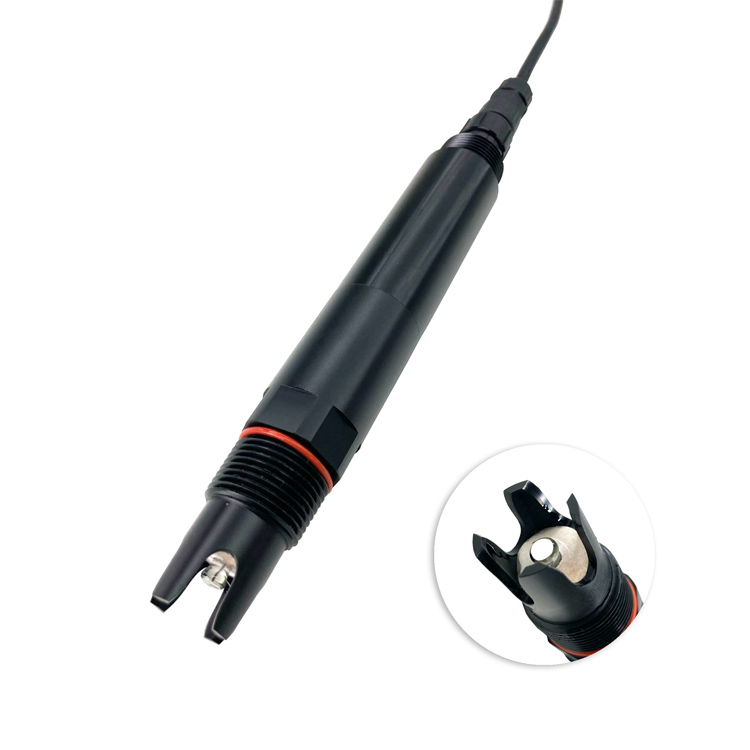
For Portable Water Quality Meter, the project boundary should be written as a scope list: measuring hardware, cable, mounting parts, power supply, enclosure, controller or gateway, data destination and service responsibility. The sampling location angle decides which of those items must be included in the first quotation.
Do not assume a portable water quality meter provides RS485 Modbus RTU. Confirm the selected model's actual export method, then preserve sample ID, time, operator, units, calibration status, and instrument ID when results are imported into a database or compared with an online point.
If Portable Water Quality Meter is supplied as a station rather than a single device, confirm whether 4G, WiFi, LoRa, Ethernet, local display or cloud upload is included. For Portable Water Quality Meter, the project document should identify communication charges, verified coverage, data retention and the party responsible for platform access.
| Item | Project Specification | Why It Matters |
|---|---|---|
| Parameter options for Portable Water Quality Meter | pH, ORP, EC, TDS, salinity, turbidity, DO, COD, ammonia, temperature | Select only parameters that change a real operating decision. |
| Communication for Portable Water Quality Meter | RS485 / Modbus RTU for industrial sensors | Supports PLC, RTU, logger and gateway projects. |
| Power supply for Portable Water Quality Meter | 12-24 V DC according to sensor and controller | Fits field cabinets and solar-powered nodes. |
| Output scope for Portable Water Quality Meter | Single sensor, multi-parameter controller or cloud gateway | Defines whether the buyer needs device data or a complete station. |
| Protection for Portable Water Quality Meter | Waterproof probe and outdoor enclosure when required | Matches wet, dusty and remote environments. |
| Service item for Portable Water Quality Meter | Cleaning, calibration check, cable inspection and data audit | Controls long-term data quality. |
For Portable Water Quality Meter, the RFQ should be written around the project result rather than a short product name. Include these points so suppliers quote the same scope:
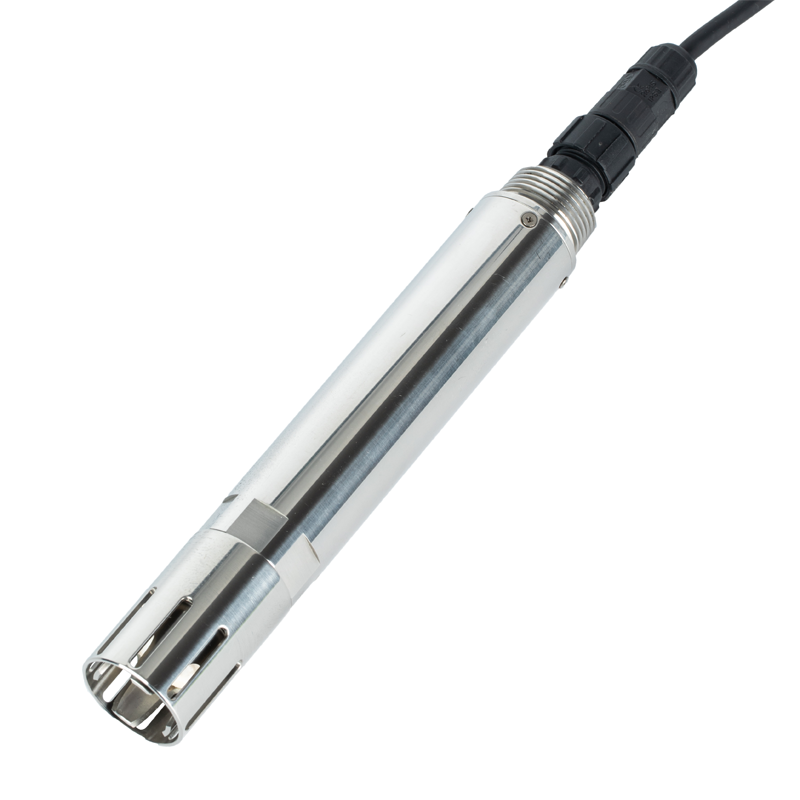
| Item | Project Specification | Why It Matters |
|---|---|---|
| Single sensor for Portable Water Quality Meter | Lower initial scope | Useful when controller and power already exist |
| Sensor plus controller for Portable Water Quality Meter | Display and local configuration included | Better for plant operation teams |
| Complete station for Portable Water Quality Meter | Power, cabinet, gateway and accessories included | Better for remote or multi-parameter projects |
Field challenge: Portable Water Quality Meter must produce usable evidence under the sample point condition, where access, timing, fouling, exposure or reporting duty can change the result.
Integration plan: For Portable Water Quality Meter, choose mounting, power, communication and service access around the sample point objective, then record those choices for quotation and handover.
User value: For Portable Water Quality Meter, stable records help the site compare normal operation with abnormal events and support later quotation or maintenance review.
User value: For Portable Water Quality Meter, the buyer receives earlier evidence for field action instead of waiting for scattered manual notes.
User value: For Portable Water Quality Meter, acceptance becomes easier because installation, data and service conditions are recorded before handover.
User value: For Portable Water Quality Meter, operators can compare locations, time periods and service actions with less argument about where the data came from.
The main risk for Portable Water Quality Meter projects is buying a device without defining the field condition. Before production or shipment of Portable Water Quality Meter, confirm range, cable route, mounting arrangement, cleaning access, power and the receiving data interface.
For Portable Water Quality Meter, quality should be judged against a written baseline for sample point. The Portable Water Quality Meter handover file should record installation conditions and the first operating result so later troubleshooting begins from a verified baseline.
Portable Water Quality Meter fits projects where sample point changes a field decision, a maintenance visit or a handover record. The practical purpose of Portable Water Quality Meter is to produce repeatable field evidence for selection, operation and acceptance, not merely to match a device name.
Portable Water Quality Meter is not suitable when the site has no service access, no power plan, no data user or only occasional manual checking. Where continuous Portable Water Quality Meter monitoring is not yet justified, a defined survey or pilot package can establish the site range and workflow before permanent deployment.
For Portable Water Quality Meter, decide whether sample point data belongs in a local PLC, site computer, private dashboard or exported report. For Portable Water Quality Meter, this decision affects gateway selection, network duty and long-term data ownership.
For Portable Water Quality Meter, this point should be written into the quotation or acceptance sheet because it affects installation labor, data trust and later troubleshooting. Before Portable Water Quality Meter ships, assign responsibility for installation, configuration, data access and routine service among the contractor, distributor and site operator.
For Portable Water Quality Meter, reserve power capacity, cabinet space, communication addresses and mounting locations only when the project expects expansion. Any unconfirmed Portable Water Quality Meter item should remain outside the initial quotation.
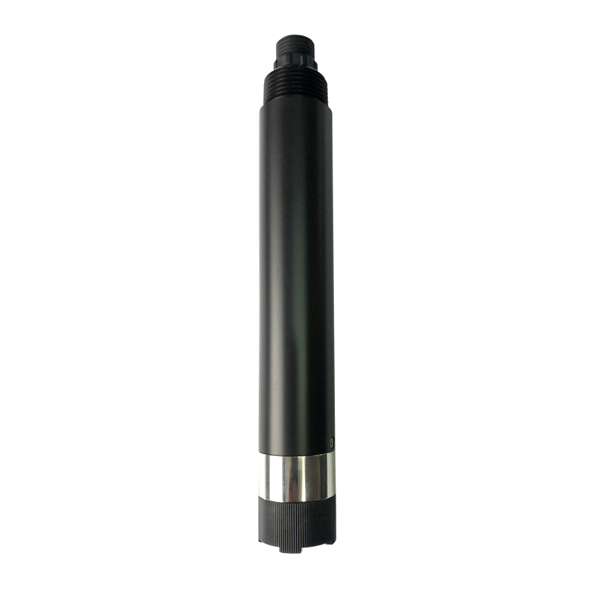
A1: Select Portable Water Quality Meter parameters from the decisions the monitoring point must support, then confirm expected ranges, response timing and reporting duties. Any Portable Water Quality Meter parameter without a defined user, alarm or operating action should remain outside the initial package.
A2: Use online Portable Water Quality Meter monitoring when the project needs continuous trends, remote alarms, control input or traceable records between site visits. Use manual Portable Water Quality Meter testing when occasional inspection is sufficient and no immediate action depends on the interval between samples.
A3: The Portable Water Quality Meter sampling point determines whether the reading represents the intended water condition and whether the equipment can be serviced safely. Review Portable Water Quality Meter flow, depth, mixing, sediment, bubbles, contamination sources, cable routing and access before fixing the installation drawing.
A4: Verify the Portable Water Quality Meter interface end to end: wiring, device address, baud rate, parity, register address, data type, scaling and engineering unit. During Portable Water Quality Meter acceptance, compare the local value with the PLC, RTU or logger value and retain the tested register map.
A5: Specify a complete Portable Water Quality Meter station when the scope must include field measurement, power, mounting, data acquisition, communications, storage, alarms and remote access as one deliverable. A sensor-only Portable Water Quality Meter scope is appropriate when the existing controller and infrastructure are already documented and compatible.
A6: Weak Portable Water Quality Meter data commonly results from an unrepresentative point, poor mounting, fouling, bubbles, damaged cabling, incorrect scaling, unstable power or mismatched timestamps. Troubleshooting Portable Water Quality Meter data should begin with the as-found installation and signal path before changing calibration values.
A7: The Portable Water Quality Meter RFQ should state the medium, expected range, measuring-point drawing, mounting method, cable distance, available power, output interface, destination system, quantity, schedule and acceptance method. It should also assign Portable Water Quality Meter installation, configuration and routine service responsibilities.
A8: The Portable Water Quality Meter handover should verify the physical installation, local and host readings, engineering units, timestamps, alarms, communications and recovery after a controlled restart. Retain the accepted Portable Water Quality Meter configuration, register map, photographs and initial comparison record.
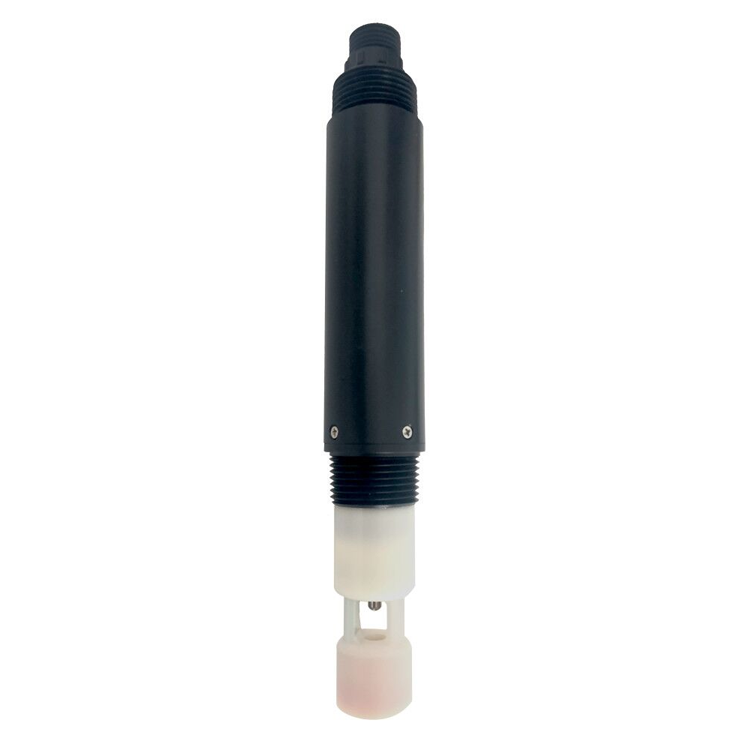
Portable Water Quality Meter: Sampling Point Design for Online Water Quality Projects should be treated as a specification and project risk question, not a simple product label. A workable Portable Water Quality Meter purchase specification connects the site problem with the required range, installation, interface, maintenance owner and acceptance evidence.
The quotation for Portable Water Quality Meter should distinguish the field device, accessories, controller interface and site-service scope. For model matching, send NiuBoL the sample point objective, site medium, mounting condition, output requirement, cable length, quantity and schedule. With those Portable Water Quality Meter inputs, the supplier can itemize the field device, accessories, communication components and service responsibilities on a comparable basis.
Prev:Weather Station Sensor Replacement: Safety and Wind Alarm Guide
Next:Anemometer Wind Sensor: Project Selection Guide for Weather and Environmental Monitoring
Related recommendations
Sensors & Weather Stations Catalog
 Agriculture Sensors and Weather Stations Catalog-NiuBoL.pdf
Weather Stations Catalog-NiuBoL.pdf
Agriculture Sensors Catalog-NiuBoL.pdf
Water Quality Sensor Catalog-NiuBoL.pdf
Related products
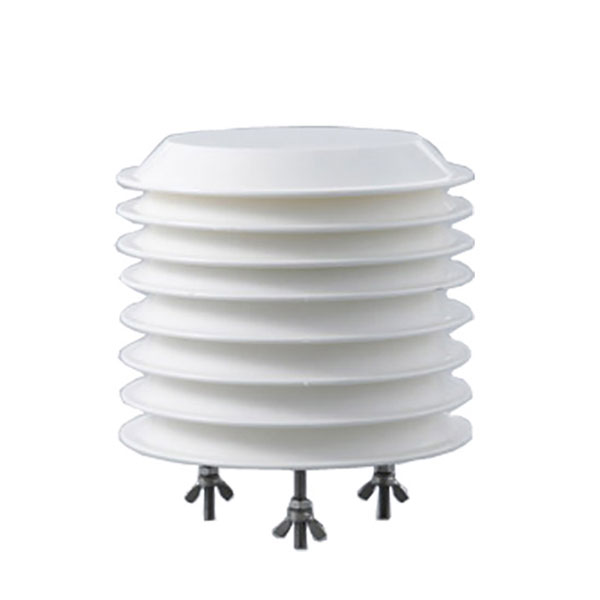 Combined air temperature and relative humidity sensor
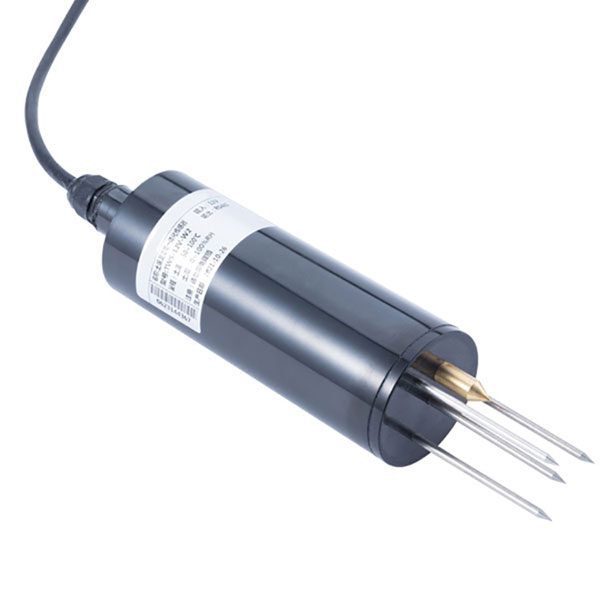 TDR Soil Moisture & Temperature Sensor for irrigation| RS485 |4-20mA| NBL-S-THR
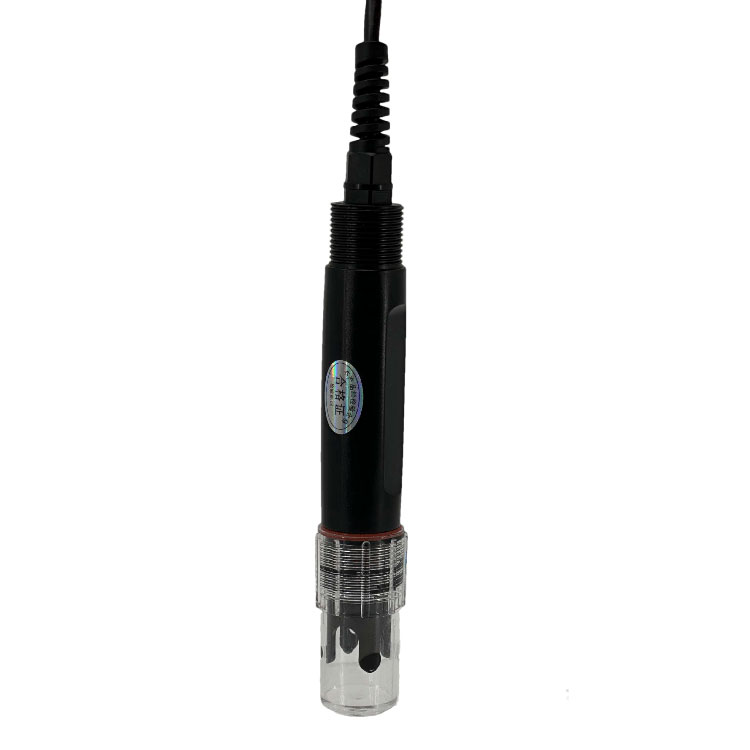 Soil pH sensor RS485 soil Testing instrument soil ph meter for agriculture |NBL-S-PH
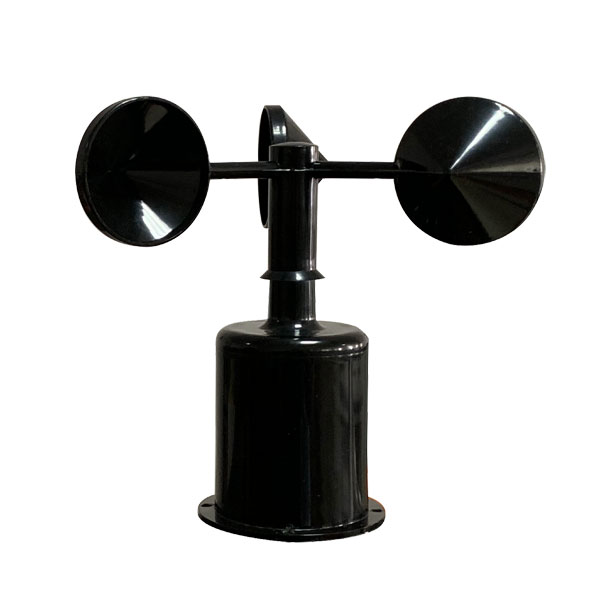 Wind Speed sensor Output Modbus/RS485/Analog/0-5V/4-20mA
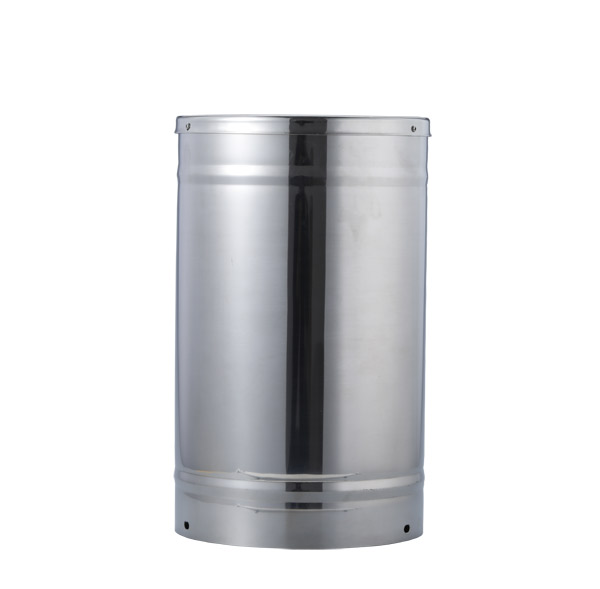 Tipping bucket rain gauge for weather monitoring auto rainfall sensor RS485/Outdoor/stainless steel
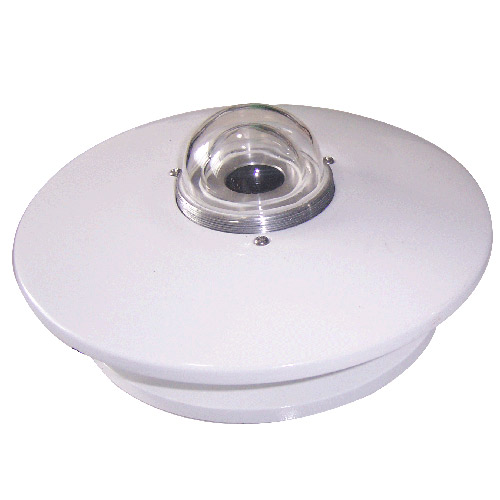 Pyranometer Solar Radiation Sensor 4-20mA/RS485

Screenshot, WhatsApp to identify the QR code
WhatsApp number:+8615367865107
(Click on WhatsApp to copy and add friends)