





— Products —
 Consumer hotline +8618073152920
 WhatsApp:+8615367865107
Address:Room 102, District D, Houhu Industrial Park, Yuelu District, Changsha City, Hunan Province, China
Water Quality Sensors
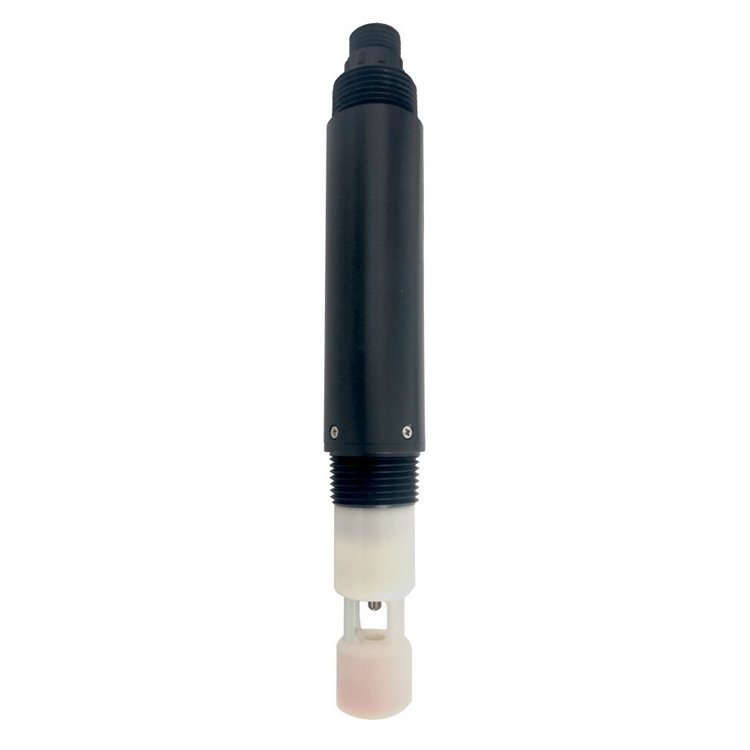
This article provides detailed technical specifications and application guidance for the NiuBoL NBL-DDM-206-S online salinity sensor. It adopts an industrial-grade electrode measurement principle and supports RS485 Modbus-RTU protocol, designed for seawater desalination, industrial water treatment, and high salinity monitoring environments. Featuring IP68 protection and excellent anti-interference performance.
Tel/WhatsApp:+8615367865107
Email:Arvin@niubol.com +Nearly 100 partner companies in more than 75 countries. We are committed to providing high-quality, practical products to meet your needs and help you solve problems. Our products comply with international standards and are certified with ISO, CE and RoHS.Product Details
In seawater desalination, high-salinity wastewater treatment, and marine engineering, tiny fluctuations in salinity often indicate significant risks in process control. The NiuBoL NBL-WQ-EC-S is a digital online salinity sensor specifically designed for harsh industrial environments. Utilizing the electrode measurement principle, it converts complex electrochemical analysis into highly reliable digital signals, directly addressing pain points for system integrators such as signal transmission attenuation, environmental corrosion, and frequent maintenance.
Stable and Reliable: Electrode measurement combined with automatic temperature compensation ensures accurate readings across the full 0~70.0 PSU range.
Industrial-Grade Protection: Features ABS and POM corrosion-resistant housing, IP68 encapsulation, suitable for long-term submersion operation.
Easy Integration: Standard RS485 Modbus-RTU interface for seamless connection to PLC, DCS, and various cloud IoT platforms.
The NiuBoL NBL-WQ-EC-S online salinity sensor is a digital intelligent terminal developed for industrial-grade water quality monitoring needs. Unlike traditional analog sensors, the NBL-WQ-EC-S integrates a high-precision signal processing circuit and intelligent algorithm internally, enabling direct output of digital physical quantities. This avoids analog signal drift and electromagnetic interference during long-distance transmission.
This device is primarily used for real-time monitoring of salinity content in water bodies (in PSU), widely applied in various process flows requiring precise salinity control. Its compact 3/4" NPT threaded design allows for high convenience and stability whether installed in circulation pipelines or submerged in reaction tanks.
1. Superior Material and Corrosion Resistance
The sensor housing is composed of ABS and POM (polyoxymethylene) composites. These engineering plastics excel in chemical corrosion resistance, mechanical strength, and dimensional stability. Even during long-term immersion in high-concentration brine or seawater, the sensor housing will not leach contaminants into the water, nor will it fail due to salt spray corrosion, significantly extending the device's service life in harsh environments.
2. Digital Signal Transmission and High Interference Immunity
The NBL-WQ-EC-S employs an RS485 communication interface, adhering to the industrial standard Modbus-RTU protocol.
Long-Distance Transmission: Digital signals can be stably transmitted over cables up to 1200 meters, eliminating the need for expensive transmitters.
Strong Interference Immunity: Against complex industrial sites (e.g., pump rooms dense with inverters and motors), digital signals offer superior noise suppression, ensuring data authenticity and stability.
3. High Precision Automatic Temperature Compensation
Salinity measurement is extremely sensitive to temperature. NiuBoL has integrated a Pt1000 high-precision temperature sensor internally. During measurement, the microprocessor automatically performs non-linear compensation on the salinity value based on the current water temperature, eliminating drift effects. This allows the device to maintain measurement accuracy better than ±1.5% of the reading even in fluctuating environments from 0~50℃.
4. Low Maintenance Electrode Design
Although using the electrode measurement principle, NiuBoL has optimized the physical structure and sensing frequency of the electrode surface. This design is more tolerant of slight scaling and biofilm, and supports "hardcore" cleaning—removing surface deposits with a soft brush or even fine sandpaper without easily damaging the internal sensitive components. This maintenance-free feature significantly reduces operational labor costs for engineering contractors later on.
5. IP68 Fully Sealed Protection Process
The internal circuit is completely encapsulated with polymer materials, achieving the highest IP68 protection rating. It not only prevents circuit short circuits caused by moisture ingress but can also withstand working pressures up to 0.6MPa, meeting the needs for installation at the bottom of tanks or deep-water monitoring.
| Parameter Name | Technical Specifications |
|---|---|
| Product Model | NBL-WQ-EC-S |
| Brand | NiuBoL |
| Measurement Principle | Electrode Method |
| Measuring Range | 0~70.0 PSU |
| Measurement Resolution | 0.1 PSU |
| Measurement Accuracy | ±1.5% of reading, ±0.3℃ |
| Response Time (T90) | <30 seconds |
| Temperature Compensation | Automatic Temperature Compensation (Built-in Pt1000) |
| Output Signal | RS-485 (Modbus-RTU Protocol) |
| Power Supply Voltage | 12~24V DC |
| Power Consumption | 0.2W @ 12V |
| Operating Conditions | 0~50℃, Withstands Pressure<0.6MPa |
| Housing Material | ABS and POM |
| Protection Rating | IP68 |
| Installation Method | Submersible, In-pipe (3/4" NPT Pipe Thread) |
| Standard Cable | 5 meters (Custom length available per project needs) |
1. Seawater Desalination and Reverse Osmosis Systems
In SWRO (Seawater Reverse Osmosis) processes, salinity is a core indicator of desalination efficiency and membrane module status. The NBL-WQ-EC-S can be installed at the raw water inlet, concentrated water outlet, and product water side to monitor the desalination rate in real time, protecting membrane modules from extreme concentration fluctuations.
2. Circulating Water Treatment and Industrial Boilers
Evaporation in industrial cooling tower circulating water leads to salt concentration, which can cause scaling. Real-time salinity monitoring (a parameter related to conductivity) with the NiuBoL sensor enables the system to achieve automatic blowdown and water makeup, optimizing chemical dosing.
3. Intensive Marine Aquaculture
Recirculating Aquaculture Systems (RAS) have very high requirements for water quality stability. The sensor can accurately monitor salinity changes in nursery or grow-out ponds, ensuring aquatic organisms grow in an optimal osmotic pressure environment, reducing stress mortality due to sudden salinity changes.
4. Salt Chemical Industry and Environmental Monitoring
In salt field production, monitoring of salinity intrusion at river estuaries, and laboratory treatment of high-salinity wastewater discharge, this sensor provides a low-cost, highly efficient digital monitoring method, facilitating integration into remote monitoring networks.
1. Electrical Connection
The NiuBoL NBL-WQ-EC-S uses a standard 4-core shielded cable with precise wiring definitions to ensure construction safety:
Red Wire: Power Positive (12~24VDC)
Black Wire: Power Negative (GND)
Blue Wire: 485A (Signal +)
White Wire: 485B (Signal -)
Expert Advice: In seawater or highly corrosive environments, all cable joints must be sealed and waterproofed. It is recommended to run the cable through PVC pipe or hose for protection, preventing marine organism attachment or mechanical wear.
2. Installation Key Points
Spacing Requirements: During installation, ensure the sensor sensing end is at least 5cm away from the container bottom and at least 2cm from the sidewall to avoid boundary effects on the electric field distribution.
Flow Rate Recommendation: The measurement end should face the water flow direction. Avoid installing in areas dense with large air bubbles to prevent bubbles from adhering to the electrode surface and causing reading jumps.
Q1: Does the NBL-WQ-EC-S require frequent calibration?
A: The sensor is factory calibrated. Typically in industrial settings, it is recommended to perform a zero point (in air) and slope (in standard solution) check every 3-6 months, depending on the contamination level of the working environment.
Q2: What is the difference between the electrode method and the inductive method for measuring salinity?
A: The electrode method offers high sensitivity in low and medium ranges with excellent cost-effectiveness. NiuBoL has optimized the electrode material, giving it excellent linearity even in high-salinity environments.
Q3: What interfaces can the sensor's 3/4" NPT thread adapt to?
A: This is an industrial standard size. It can be directly installed on standard 3/4" female threaded tees, pipe fittings, or flange plates, making it very suitable for submersible bracket installation.
Q4: How long a custom cable does NiuBoL's sensor support?
A: The default is 5 meters. Due to RS485 communication, it theoretically supports cable customization over 1000 meters. We recommend considering on-site power supply voltage drop for lengths over 200 meters.
Q5: Can it be used in strong acid or alkali environments?
A: The sensor's material (ABS/POM) can resist most neutral, weak acid, and weak alkali environments. For strongly corrosive media, please consult our engineers for material selection evaluation.
Q6: How to read sensor data in a PLC?
A: Simply follow the Modbus register addresses provided in the manual (default address 01, function code 03) to read the corresponding 16-bit integer or floating-point data registers.
Q7: What could be the possible reasons if the measured value shows significant fluctuations?
A: Please check: 1. For power ripple interference; 2. If large air bubbles are attached to the electrode surface; 3. Whether the ground wire is properly connected to eliminate environmental induced electricity.
Q8: Does the sensor have requirements for water flow velocity?
A: The sensor is designed with an automatic compensation algorithm and is not sensitive to flow velocity. However, it is recommended to maintain a slow flow state (<2m/s) to ensure the representativeness of the measured water body.
The NiuBoL NBL-WQ-EC-S is not just a sensor; it is the most stable link in your water quality monitoring system. By combining highly reliable hardware encapsulation with standardized digital protocols, we simplify the data link from the sensor to the cloud for you.
If you are looking for a more cost-effective and stable salinity monitoring solution for your current water treatment project, or encountering communication issues during system integration:
Contact our technical engineers immediately. We can provide you with detailed Modbus communication protocol documentation and installation bracket design solutions for specific application scenarios. Choose NiuBoL for more precise and simpler industrial monitoring.
Sensors & Weather Stations Catalog
 Agriculture Sensors and Weather Stations Catalog-NiuBoL.pdf
Weather Stations Catalog-NiuBoL.pdf
Agriculture Sensors Catalog-NiuBoL.pdf
Water Quality Sensor Catalog-NiuBoL.pdf
Related recommendations
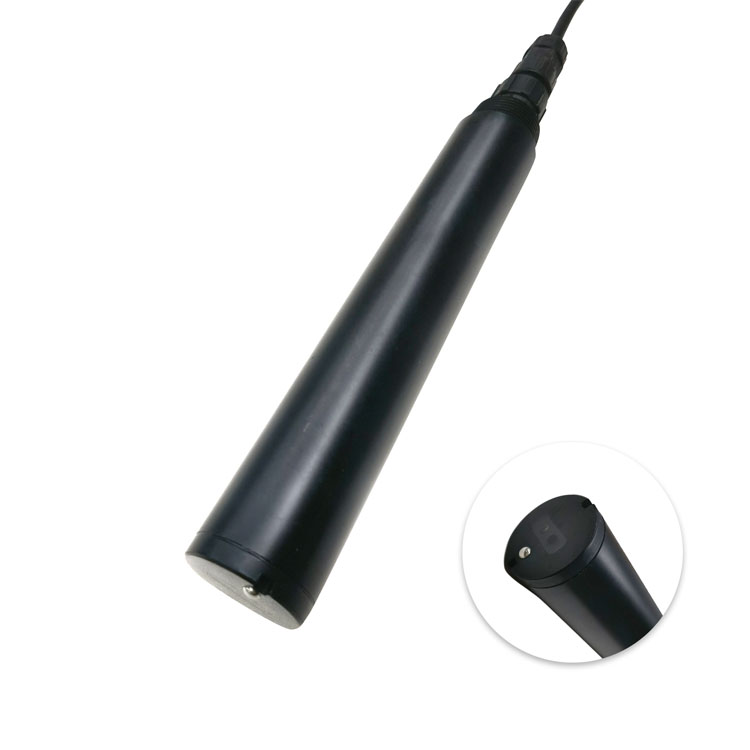 NBL-WQ-TS Online Turbidity Water Quality Sensor
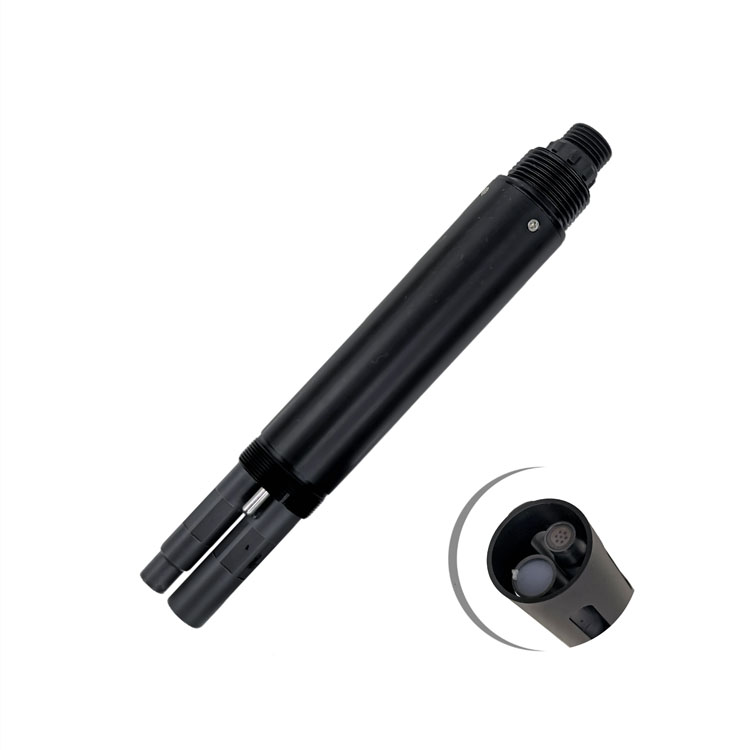 NBL-WQ-NHN Online Water Quality Ammonia Nitrogen Sensor
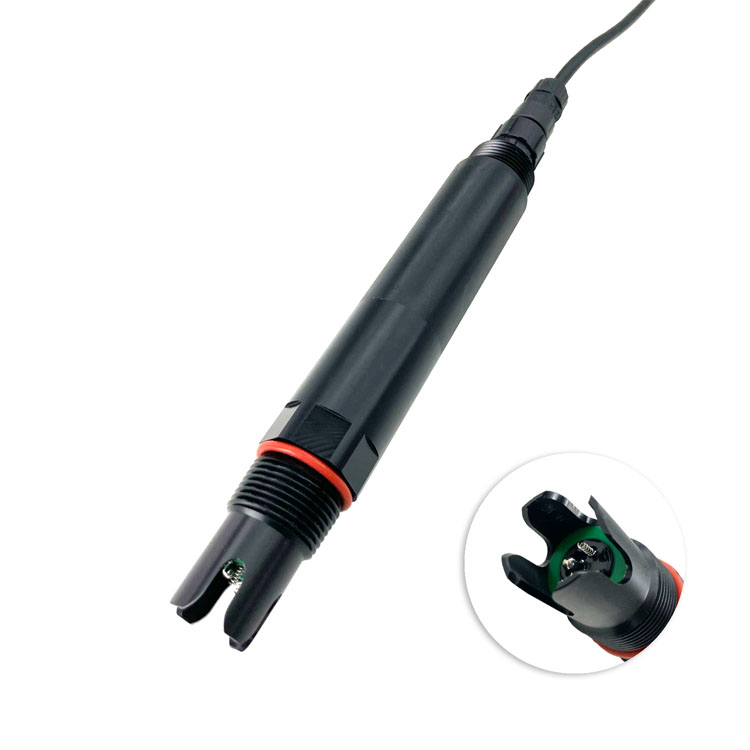 NBL-WQ-CL Water Quality Sensor Online Residual Chlorine Sensor
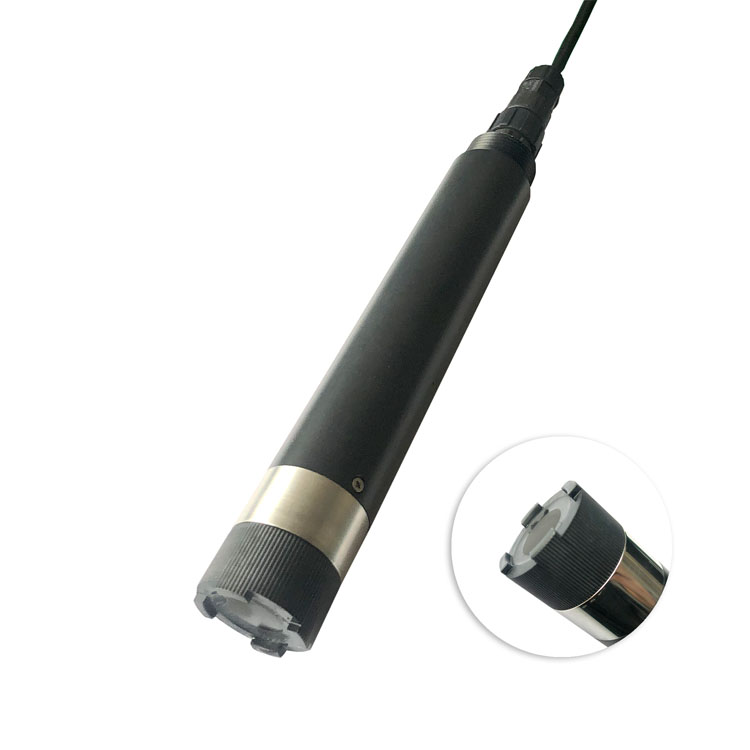 NBL-WQ-DO Online Fluorescence Dissolved Oxygen Sensor
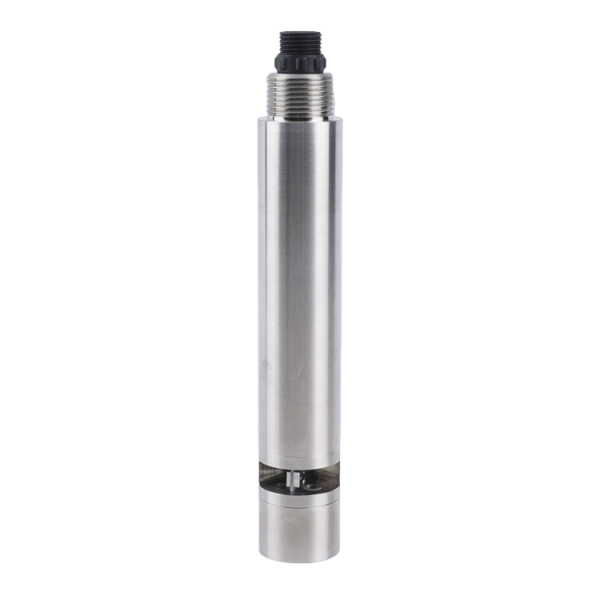 NBL-WQ-COD Online COD Water Quality Sensor
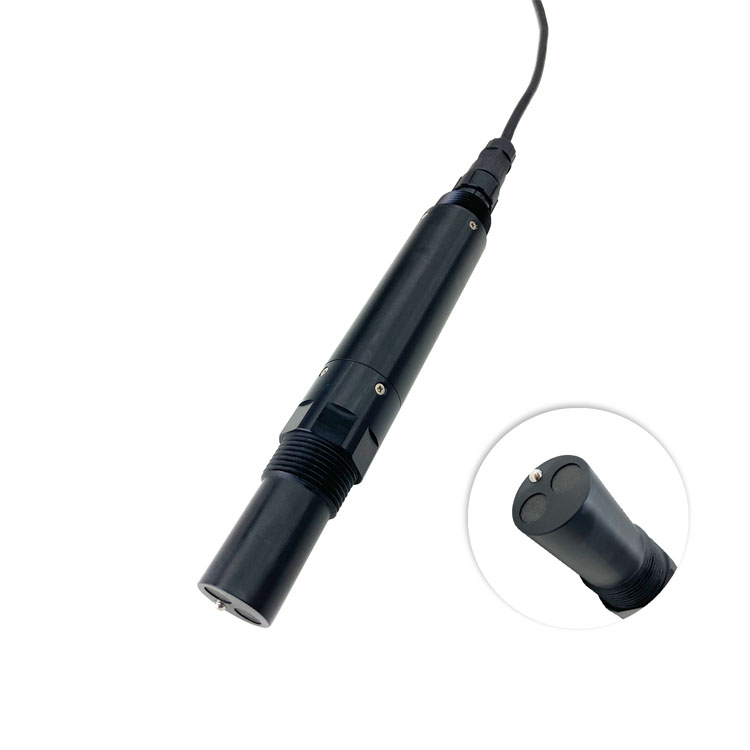 Water Conductivity EC Sensor RS485 Modbus IP68 | NBL-WQ-EC

Screenshot, WhatsApp to identify the QR code
WhatsApp number:+8615367865107
(Click on WhatsApp to copy and add friends)

