





— Blogs —
—Products—
 Consumer hotline +8618073152920
 WhatsApp:+8615367865107
Address:Room 102, District D, Houhu Industrial Park, Yuelu District, Changsha City, Hunan Province, China
Product knowledge
Time:2026-01-08 15:07:11 Popularity:724
In urban infrastructure construction, sewage pumping stations serve as intermediate hubs connecting thousands of households to sewage treatment plants, undertaking the important tasks of conveyance and flow regulation. However, for a long time, sewage treatment plants have often faced a huge challenge: the uncontrollability of inlet water sources.
With the comprehensive implementation of sewage treatment plant upgrading and transformation, the system's requirements for operational stability have become almost stringent. At this time, relying solely on end-point detection at the plant inlet often leads to failure in emergency response due to "lag." As a professional brand in the field of environmental monitoring, NiuBoL proposes shifting the monitoring focus forward, deploying online water quality monitoring stations at sewage pumping stations to build a digital and transparent sewage conveyance process monitoring network.
1. Cracking the Problem of Uncontrollable Sources
The sewage pipe network covers a wide area, and illegal discharges, sudden inflows of industrial wastewater, or groundwater infiltration caused by pipe network damage can all cause drastic fluctuations in inlet water quality. If these exceeding-standard sewage directly enters the plant, it is easy to impact the microbial flora in the biochemical system. Installing NiuBoL online monitoring stations at pumping stations is equivalent to establishing a watchtower between the "source" and the "plant."
2. Winning the "Golden Time" for Emergency Response
Plant monitoring belongs to end-point monitoring. Once indicators are found to exceed limits, the sewage has usually entered the core treatment unit, and at this time, initiating warnings often makes the consequences irreversible. Real-time monitoring at front-end pumping stations can provide the plant with a 1-2 hour scheduling buffer period, protecting the biochemical system from damage through bypass switching, emergency dosing, or shutting down lift pumps.
3. Achieving Cost Reduction and Efficiency Improvement in Fine Operations
Through long-term data analysis of pumping station water quality, operators can grasp the periodic patterns of pipe network discharges, thereby scientifically adjusting aeration intensity and dosing ratios. NiuBoL's data acquisition instrument has historical data storage functions, providing strong legal and data basis for pipe network investigation and traceability.
A standardized water quality automatic monitoring station is not just a pile of sensors but a highly integrated ecosystem. NiuBoL monitoring stations mainly consist of the following six major parts:
Water quality sensor group: The "perception center" of the monitoring system, including core units such as ammonia nitrogen, COD, pH, etc.
Microcomputer data acquisition instrument: Achieves data collection, real-time clock synchronization, timed storage, and logical processing.
Communication system: Supports Modbus communication protocol, optional wired (485, 232) or wireless (4G/5G, LoRaWAN) multiple paths.
Power supply system: Flexibly adapts to mains, DC, or solar power supply, ensuring continuous operation in field or power outage conditions.
Overall bracket and protection box: Adopts all stainless steel or metal painted material, anti-corrosion, anti-interference, adapting to the high-humidity environment of sewage pools.
Water quality monitoring cloud platform: Provides full-terminal data browsing and warning push for local networks, internet, and mobile Apps.
To achieve comprehensive water quality characterization, NiuBoL online monitoring stations integrate multiple high-performance sensors, each indicator directly targeting key pain points in sewage treatment:
1. Ammonia Nitrogen Sensor
This is one of the most important biochemical indicators in sewage monitoring. NiuBoL adopts ion-selective electrode (ISE) technology to monitor the ammonium ion content in water bodies in real time.
Role: Exceeding ammonia nitrogen will directly consume a large amount of dissolved oxygen and even cause poisoning to aquatic organisms. Monitoring ammonia nitrogen at the pumping station end can effectively prevent the impact of industrial high-nitrogen wastewater on the nitrification system.
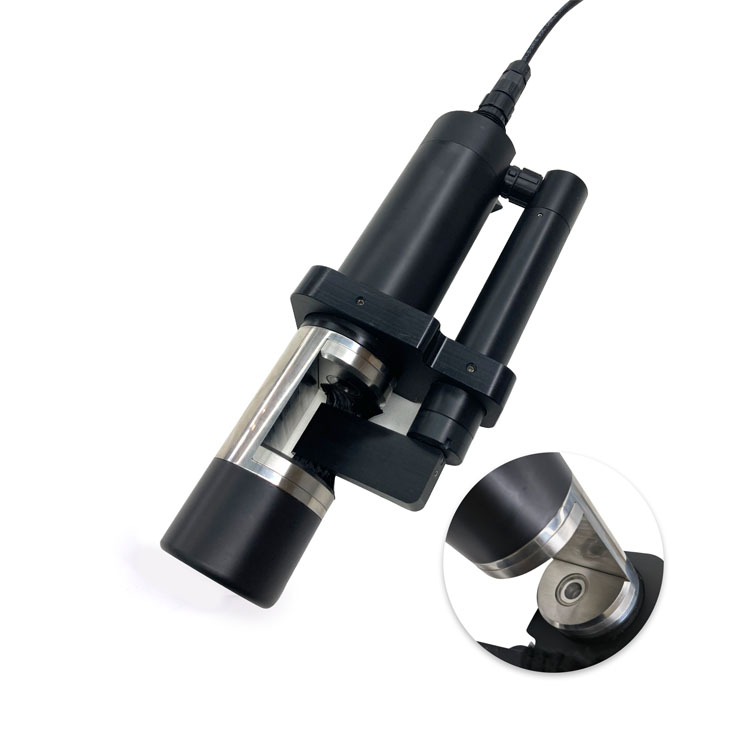
2. COD (Chemical Oxygen Demand) Sensor
NiuBoL adopts ultraviolet absorption method (UV254) measurement, no reagents needed, green and pollution-free.
Role: COD reflects the amount of organic pollutants in water. Sudden spikes in COD indicate high-concentration organic wastewater discharge, which is a core indicator for warning industrial violations.
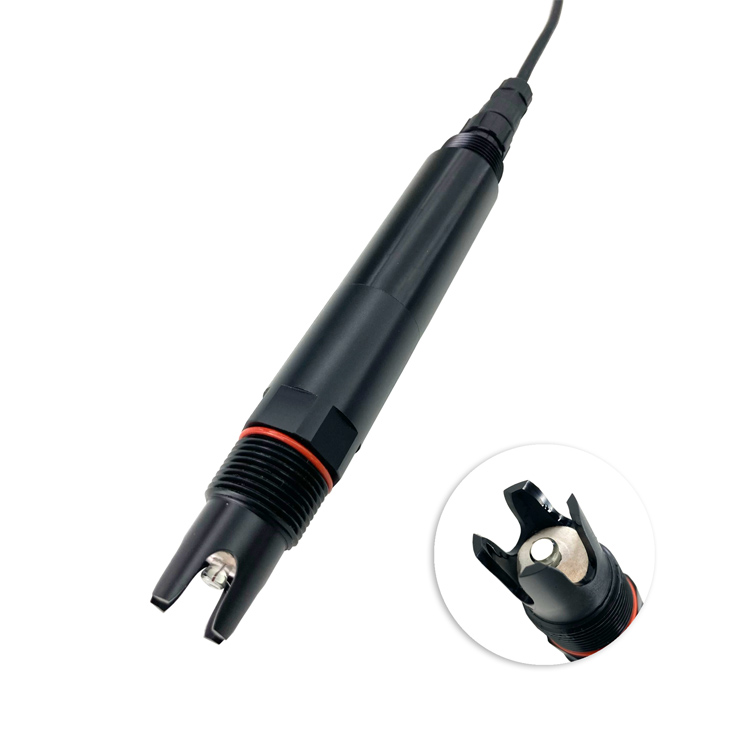
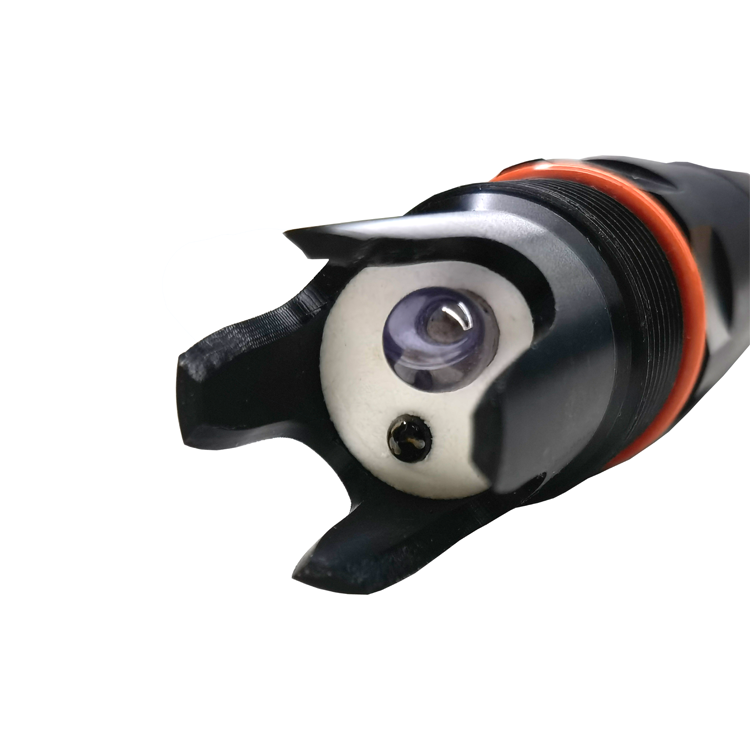
3. pH Sensor
Role: Drastic fluctuations in pH value (strong acid or strong alkali) will directly kill bacteria in the biochemical pool. Real-time monitoring of pumping station pH value can effectively prevent pipe network corrosion and protect subsequent biological treatment processes.
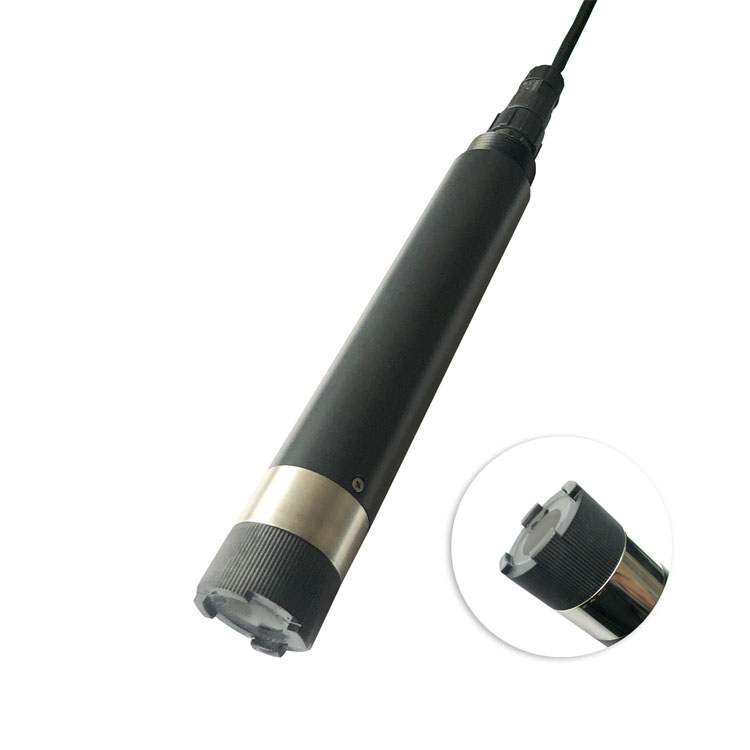
4. Dissolved Oxygen (DO) Sensor
Role: Dissolved oxygen reflects the self-purification capacity of water bodies and the degree of anaerobic corrosion. In conveyance pipe networks, too low DO may lead to hydrogen sulfide production, causing pipe network odors and corrosion.
5. Conductivity Sensor
Role: Conductivity is closely related to the total salt content in water. When industrial wastewater flows in, conductivity often rises abnormally, serving as a "detective" indicator to determine if there is inflow from unknown external sources.
6. Turbidity Sensor
Role: Measures suspended matter content in water through 90-degree scattered light principle. Sudden changes in turbidity usually indicate that pipe network sediments are flushed up or a large amount of sludge and impurities surge in.
7. Chlorophyll Sensor
Role: Mainly used for monitoring wetland weather stations or pumping stations affected by landscape water, warning of algae blooms caused by eutrophication in water bodies, preventing algae from entering the plant and clogging precision filtration equipment.
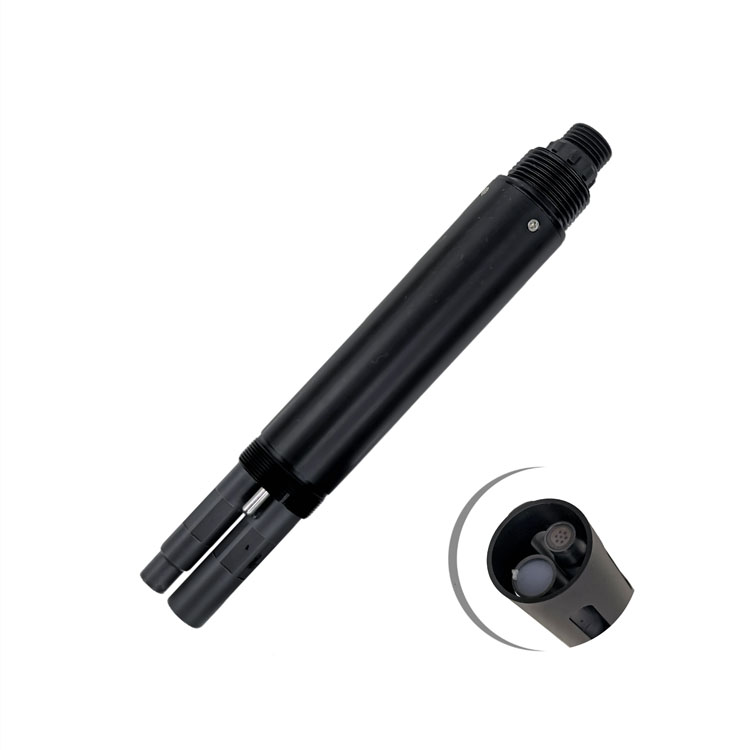
Data Acquisition and Storage Capabilities
The monitoring station is equipped with a powerful "brain" in the acquisition instrument. It not only can store massive historical data on a timed basis but also has power-off protection functions. Even after power failure and restart, historical records and system parameters remain intact. Users can directly view curves on-site through a friendly human-machine interface or remotely set parameters.
Ultimate System Networking Flexibility
Considering the complex environments of urban sewage pumping stations, some located in remote suburbs and some in bustling downtowns with high-rises, NiuBoL provides diversified communication links:
Wireless connection: For areas difficult to wire, supports 4G/5G, WIFI, or LoRaWAN wireless communication solutions, achieving low-power long-distance transmission.
Wired connection: Standard RS485 (Modbus RTU) interface, ensuring seamless docking with PLC, DCS, or industrial control computers.
Strict Field Protection Design
Sewage pumping station environments usually accompany corrosive gases such as hydrogen sulfide and ammonia. NiuBoL adopts all stainless steel metal painted brackets and field-specific protection boxes. This industrial-grade shell has extremely strong corrosion resistance and anti-interference capabilities, ensuring the equipment can stably serve for 5-10 years under field wind and sun exposure.
Q1: Is the maintenance cost high for installing monitoring stations at pumping stations?
A: NiuBoL recommends sensors with self-cleaning functions (such as COD and turbidity sensors with automatic brush heads). Compared to traditional wet chemical monitoring stations, this reagent-free sensor array greatly reduces the frequency of later consumables and manual maintenance.
Q2: Are sensors prone to damage in high-flow, multi-debris environments like pumping stations?
A: During installation, we usually recommend cooperating with dedicated immersion brackets or bypass water intake devices. Through grille protection and reasonable flow path design, it can perfectly avoid impacts from large floating objects.
Q3: If data anomalies are detected, can the system automatically alarm?
A: Yes. NiuBoL cloud platform supports multi-level threshold alarms. Once COD or pH anomalies are detected, it will notify relevant personnel immediately through App push, SMS, or email.
Q4: Can the water quality online monitoring station link with the pumping station's automation control system?
A: Absolutely. Through RS485 interface and Modbus protocol, the monitoring station's data can be transmitted in real time to the pumping station's PLC control system. For example, when strong acidic inlet pH is detected, the PLC can automatically close the inlet gate or lift pump, preventing acidic sewage from entering the downstream pipe network, achieving "monitoring-driven control" closed-loop management.
Q5: For remote pumping stations without mains coverage, how does NiuBoL solve the power supply problem?
A: We provide mature solar power supply system solutions. Thanks to NiuBoL sensors' extremely low power consumption design (such as ammonia nitrogen sensor only 0.2W), combined with large-capacity batteries and efficient solar panels, it can ensure 24-hour online operation of the monitoring station even in continuous rainy weather.
The construction of urban sewage pumping station water quality online monitoring stations is not only a technological upgrade but also an extension of management concepts from "end-point governance" to "process control." By deploying NiuBoL water quality automatic monitoring systems, operation and maintenance units can establish a "digital immune system" covering the entire city's pipe network.
Whether ensuring plant stability under the pressure of upgrading transformation or achieving interconnection of water conservancy data under the smart city framework, NiuBoL can provide one-stop delivery solutions from high-precision sensors to cloud platforms.
If you are planning pumping station upgrades or need specific water quality monitoring proposals, please contact NiuBoL for professional technical support and product quotes.
| Parameter | Specification |
|---|---|
| Communication Protocol | Modbus RTU |
| Interface Type | RS485, RS232, 4G, LoRaWAN |
| Power Supply Standard | DC 12-24V or AC 220V |
| Protection Level | IP65 (control box), IP68 (immersion sensor) |
| Core Water Quality Monitoring Sensors | Ammonia Nitrogen Sensor, COD (Chemical Oxygen Demand) Sensor, pH Sensor, Dissolved Oxygen (DO) Sensor, Conductivity Sensor, Turbidity Sensor, Chlorophyll Sensor |
 NBL-RDO-206 Online Fluorescence Dissolved Oxygen Sensor.pdf
NBL-COD-208 Online COD Water Quality Sensor.pdf
NBL-CL-206 Water Quality Sensor Online Residual Chlorine Sensor.pdf
Next:NiuBoL Automatic Pest Monitoring Lamp's Operation and Maintenance Manual and Technical Advantages
Related recommendations
Sensors & Weather Stations Catalog
Agriculture Sensors and Weather Stations Catalog-NiuBoL.pdf
Weather Stations Catalog-NiuBoL.pdf
Agriculture Sensors Catalog-NiuBoL.pdf
Water Quality Sensor Catalog-NiuBoL.pdf
Related products
 Combined air temperature and relative humidity sensor
 TDR Soil Moisture & Temperature Sensor for irrigation| RS485 |4-20mA| NBL-S-THR
 Soil pH sensor RS485 soil Testing instrument soil ph meter for agriculture |NBL-S-PH
 Wind Speed sensor Output Modbus/RS485/Analog/0-5V/4-20mA
 Tipping bucket rain gauge for weather monitoring auto rainfall sensor RS485/Outdoor/stainless steel
 Pyranometer Solar Radiation Sensor 4-20mA/RS485

Screenshot, WhatsApp to identify the QR code
WhatsApp number:+8615367865107
(Click on WhatsApp to copy and add friends)

