





— Blogs —
—Products—
 Consumer hotline +8618073152920
 WhatsApp:+8615367865107
Address:Room 102, District D, Houhu Industrial Park, Yuelu District, Changsha City, Hunan Province, China
Product knowledge
Time:2026-02-27 21:56:48 Popularity:712
Pest monitoring statistics must distinguish insects collected by a trap, plants or leaves affected in a field survey, and the severity of damage or disease. These measures have different denominators and cannot be merged into one pest-pressure percentage. A remote monitoring system can supply reviewable insect records; field observations are still needed for crop incidence and severity.
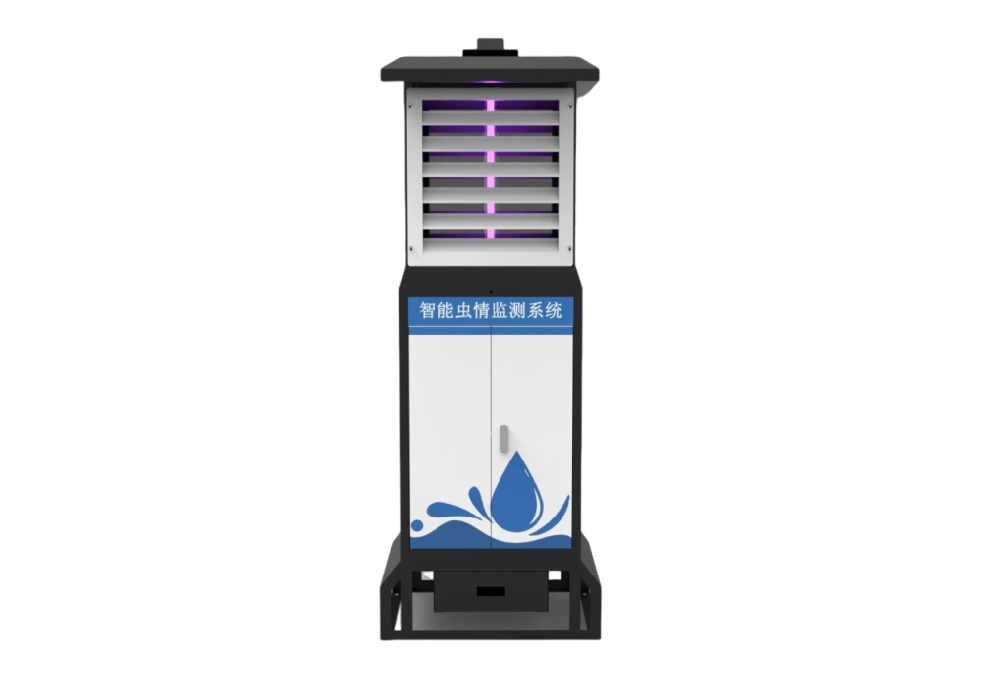
A trap count is the number of specified insects in a defined sample. It is not the fraction of the crop infested, and it is not insects per hectare unless an appropriate estimation method establishes that relationship. Keep the trapping method and sample period with every count.
Incidence is the proportion of examined units meeting a defined condition, such as symptomatic leaves or affected shoots. Severity describes the extent of the condition, for example the affected area of a leaf or a defined rating. State the exact unit, case definition and rating method rather than assuming the word percentage makes them comparable.
A Cal Poly Strawberry Center study hosted by UC Agriculture and Natural Resources illustrates this distinction by defining disease incidence from symptomatic and total leaves, and severity from affected leaf surface. Its crop-specific method is an example of explicit definitions, not a universal tea, rice or orchard survey protocol.
| Statistic | Numerator and denominator | What it cannot establish alone |
|---|---|---|
| Target trap count | Reviewed target insects per defined trap sample | Crop infestation percentage or yield loss |
| Crop incidence | Affected units divided by examined units | Extent of damage within each affected unit |
| Severity | A defined affected-area estimate or rating | Frequency of affected units unless separately recorded |
| Recognition performance | Predictions compared with a reviewed reference set | Biological control effectiveness in the crop |
If a hypothetical survey finds symptoms on 20 of 200 examined leaves, leaf incidence is 10%. It is not automatically 10% diseased leaf area. All 20 affected leaves could have small lesions or extensive symptoms; the incidence calculation does not distinguish those situations.
Retain both counts rather than only the percentage. If another survey examines 40 leaves and finds eight affected, its incidence is 20%. Pooling the two samples gives 28 / 240, about 11.7%, if pooling is appropriate for their sampling design. Averaging 10% and 20% to obtain 15% gives a different result because it gives the surveys equal weight despite their different sample sizes.
Do not pool observations from incompatible units or methods. A leaf-level survey and a plant-level survey remain different measures even if both use a percentage. The sampling design determines whether an estate, block or regional estimate is justified.
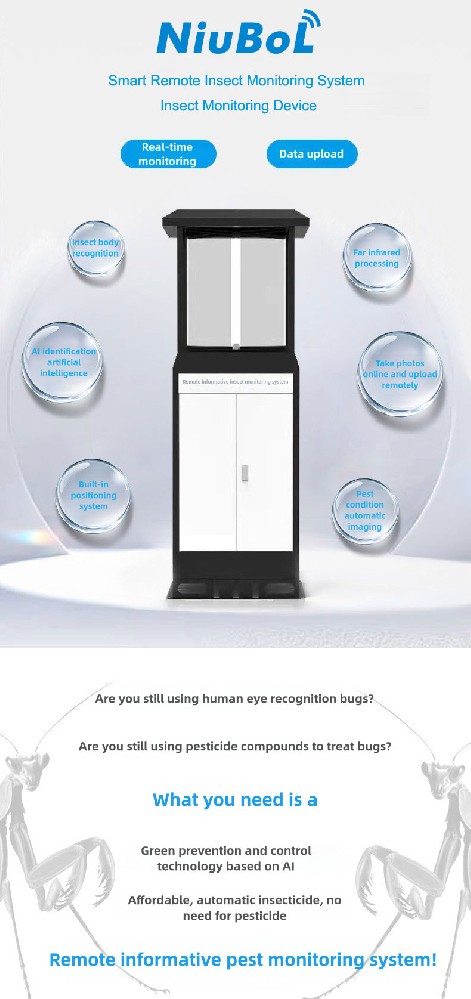
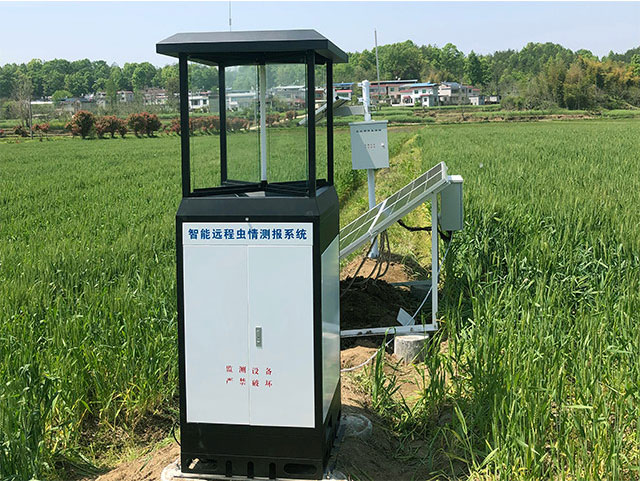
The NiuBoL NBL-IoT-SRPMS remote insect monitoring system collects and processes insects and captures images for review. Its observations describe the material collected by that trapping process. They do not directly count all pests in the surrounding field or diagnose plant pathogens.
| Station function | Configuration information | Statistical relevance |
|---|---|---|
| Image acquisition | 12-megapixel industrial camera | Retain image identity and review status with derived counts |
| Attracting light | 18 W LED configuration | Record operating conditions that influence the sample |
| Insect processing | Far-infrared chamber, 80-90 C | Assess whether overlapping or damaged specimens affect review |
| Remote transfer | 4G or Ethernet configuration | Keep sample time separate from upload or review time |
| Local operation | Touchscreen and light, rain and time control functions | Retain relevant operation and interruption records |
The light-source power is not the complete station load, and camera resolution is not a recognition-accuracy guarantee. Confirm the actual equipment and workflow rather than converting either specification into a promise of reliable counts for every species.
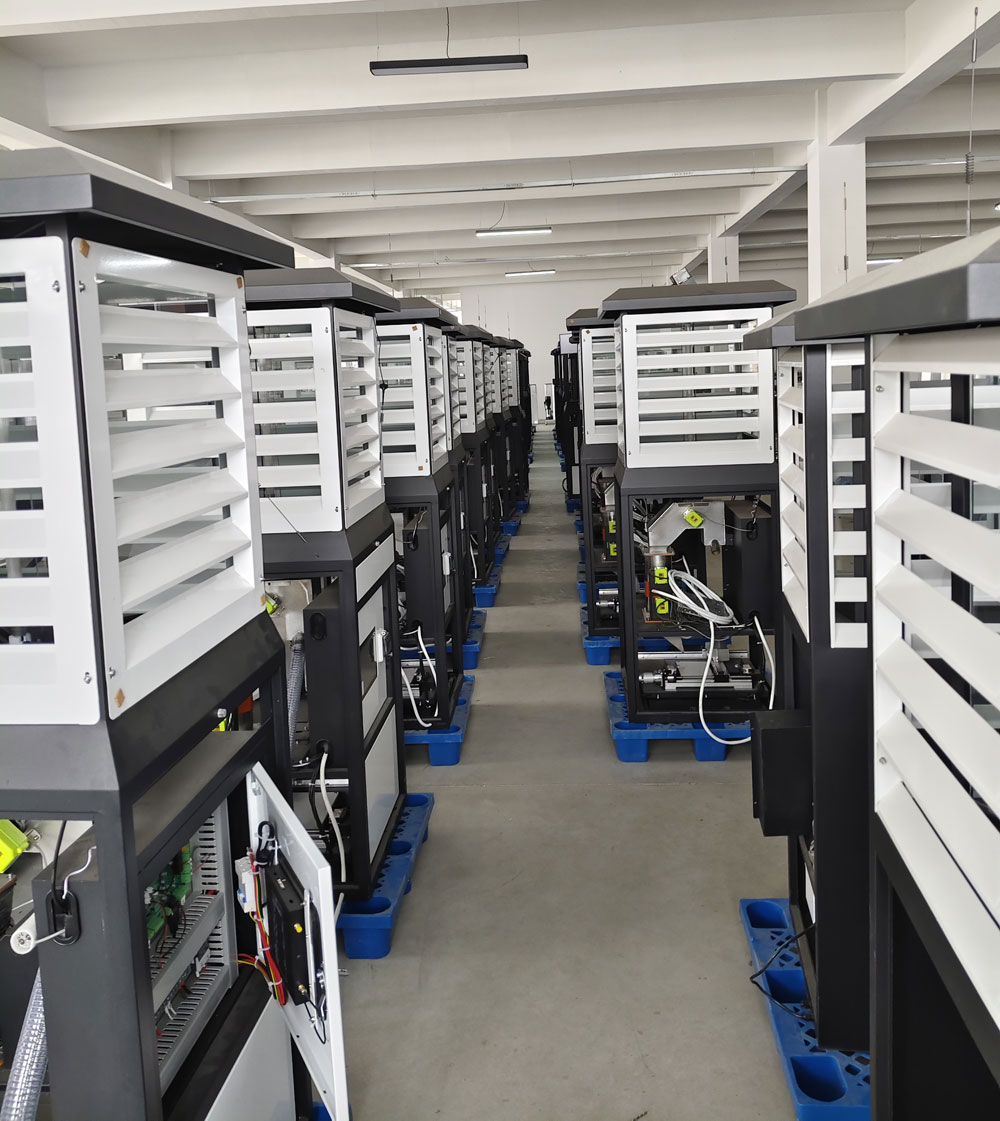
Give each sample an identifier linked to station, collection period and image or image set. The same tray photographed twice should not automatically become two independent catches. Establish how the selected workflow handles additional photographs, incomplete samples and reprocessing.
Retain the original count, review outcome and corrected count when identification changes. An analyst may separate a target species from a similar non-target group. Replacing the number without retaining that change makes historical reports difficult to reproduce.
Use an unknown or unresolved category where the evidence does not support a reliable identification. Forcing every insect into a target category can make a total look complete while biasing the result that matters.
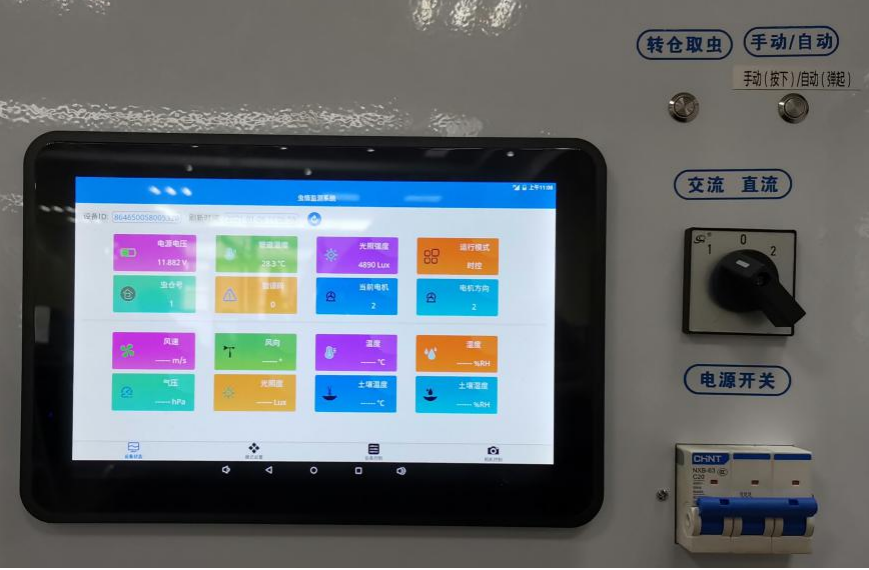
Two samples with the same count are not necessarily equivalent if one covers a complete operating window and the other a short interrupted period. Retain valid collection duration and relevant stops. Do not treat missing observation as an ordinary zero or assume all nighttime hours provide equivalent sampling effort.
A rate per valid trap-night can be useful within an appropriately standardized programme, but the definition of a valid night must be stated. It should not disguise a changed lamp, location, schedule or sampling method. Normalization does not remove every change in trapping efficiency.
For network reporting, keep station-level records available behind aggregates. A regional total can rise because more stations reported, not because each location experienced more insects. Report coverage of the network alongside any summary.
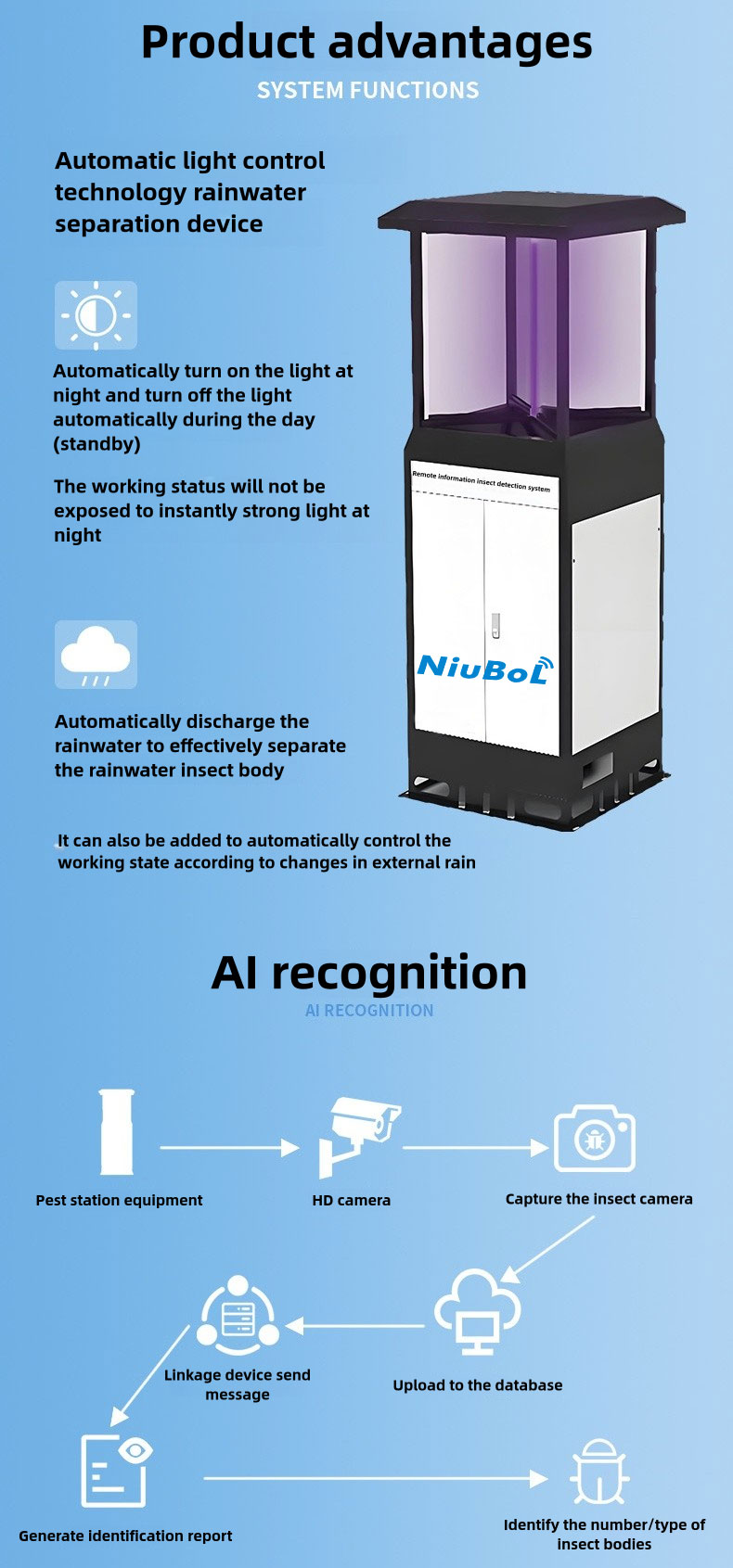
A light trap records responsive insects. Disease symptoms need their own crop observations and, where appropriate, diagnostic confirmation. An insect image record is not a direct measurement of disease incidence or evidence that an insect transmitted a particular pathogen.
Define the survey unit and severity scale with the crop specialist. If ordinal ratings are used, do not label the arithmetic result as a directly measured percentage of tissue unless the method supports that interpretation. Preserve the rating method and any changes between seasons.
Weather observations can supply context for a disease investigation. They do not turn trap counts into a confirmed disease forecast without a separately validated model and suitable inputs. Avoid presenting a generic platform chart as proof of that validation.

For an external platform, request station and sample identifiers, collection period, reviewed species or category, count, review status and relevant operation flags. Field-survey records additionally need numerator, denominator, unit and method. A timestamp plus a number is insufficient for a reproducible percentage.
Confirm the actual export or interface with the supplied configuration. A reserved serial port does not establish the format of image-review results or guarantee that every statistical field is accessible. Test revised counts and late-arriving samples as well as the initial transfer.
For a NiuBoL project enquiry, provide the crop, target groups, review workflow, field-survey method and receiving platform requirements. Define whether the scope is image collection, reviewed insect records, a crop-survey dataset or a combination. These are different deliverables and should be priced and accepted accordingly.
No. It describes insects collected under a defined trapping method and period. Crop infestation incidence requires an examined crop population and a clear affected-unit definition.
Only with the intended weighting and sampling design made explicit. Where appropriate, pooling counts uses total affected units divided by total examined units. Equal averaging answers a different question.
No. Incidence counts affected observation units; severity describes the extent or rating of the condition. Record both separately when the crop decision requires both.
No. Specimen condition, overlap, target coverage and review quality affect the result. Test the intended target groups with a suitable reference set rather than inferring accuracy from megapixels.
Keep the sample identity and revision history, then update derived statistics under a defined rule. Users should be able to distinguish an amended identification from a new independent catch.
No. Insect monitoring supplies a different observation. Disease assessment requires the relevant crop survey and diagnostic process; combined display does not make the measurements interchangeable.
Include a reviewed sample, an unresolved identification, a revised count and field surveys with different denominators. Verify that exports and summaries preserve their meaning and do not double-count samples or average incompatible measures.
Pest monitoring statistics become useful when the observation unit and denominator remain visible. Keep reviewed trap counts, crop incidence, severity and recognition performance separate, then combine them only for a defined decision. NiuBoL image-monitoring equipment can support that workflow without being presented as a direct measurement of every crop problem.
 Frequency vibration solar insecticidal lamp User Manual.pdf
Wind-suction Solar Insect Trap Light User Manual.pdf
Intelligent Remote Insect Monitoring and Reporting System(Insect Monitoring Device) Data Sheet.pdf
Prev:Tea Garden Insect Lamps: Relate Night Catches to Shoot Inspection
Next:Compact Weather Station PLC Integration: Validate Units and Wind Direction
Related recommendations
Sensors & Weather Stations Catalog
Agriculture Sensors and Weather Stations Catalog-NiuBoL.pdf
Weather Stations Catalog-NiuBoL.pdf
Agriculture Sensors Catalog-NiuBoL.pdf
Water Quality Sensor Catalog-NiuBoL.pdf
Related products
 Combined air temperature and relative humidity sensor
 TDR Soil Moisture & Temperature Sensor for irrigation| RS485 |4-20mA| NBL-S-THR
 Soil pH sensor RS485 soil Testing instrument soil ph meter for agriculture |NBL-S-PH
 Wind Speed sensor Output Modbus/RS485/Analog/0-5V/4-20mA
 Tipping bucket rain gauge for weather monitoring auto rainfall sensor RS485/Outdoor/stainless steel
 Pyranometer Solar Radiation Sensor 4-20mA/RS485

Screenshot, WhatsApp to identify the QR code
WhatsApp number:+8615367865107
(Click on WhatsApp to copy and add friends)

