





— Blogs —
—Products—
 Consumer hotline +8618073152920
WhatsApp:+8615367865107
Address:Room 102, District D, Houhu Industrial Park, Yuelu District, Changsha City, Hunan Province, China
Product knowledge
Time:2025-11-29 14:49:18 Popularity:745
A sports ground weather station provides local observations for campus facilities staff, teaching and event planning. NiuBoL wind, rainfall and air measurements can document conditions, but ordinary air temperature is not a complete heat-stress assessment, and a rain gauge does not detect lightning. Specify the required measurements and the institution's operating procedure separately before choosing the station.
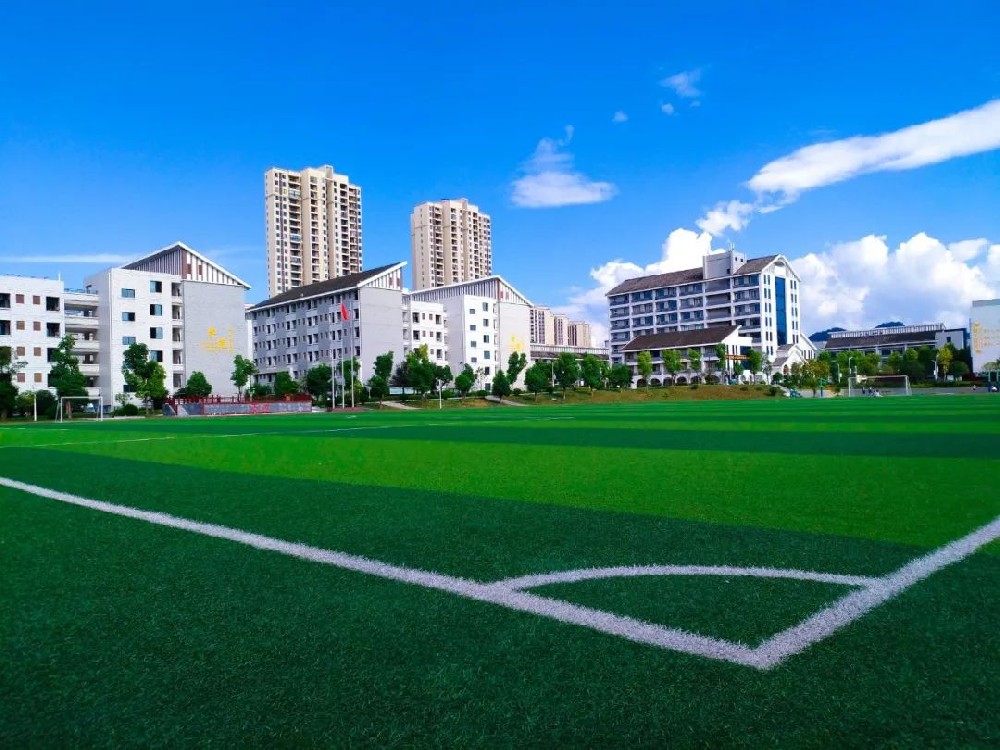
A campus may need a background weather record, observations near a playing surface or information for grounds maintenance. These are different measurement tasks. An instrument beside a shaded building may provide a useful campus reference while poorly representing an exposed artificial-turf field. Describe the task rather than assigning one point a universal campus coverage claim.
Facilities staff should also identify which decisions use local observations and which use forecasts, official warnings or separate specialist measurements. A station can supply evidence to those processes. It should not be purchased on the assumption that a complete event-safety decision comes from a single temperature, wind or rainfall number.
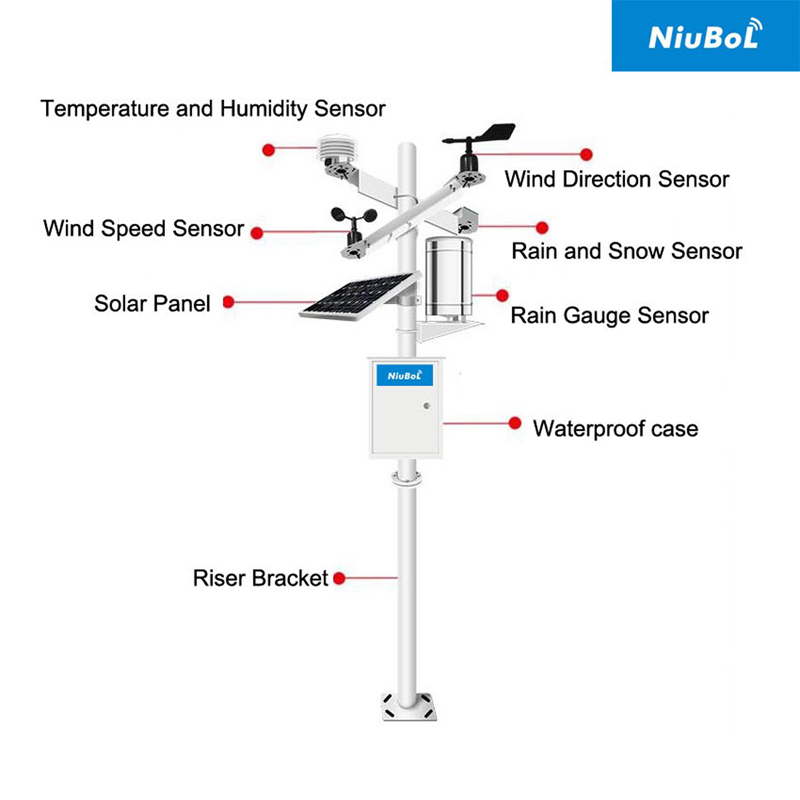
| Station channel | Useful local observation | Not established by that channel |
|---|---|---|
| Shielded air temperature and RH | Ambient air conditions at the instrument | Turf surface temperature or a complete heat-stress indicator |
| Wind speed and direction | Air movement at the installed height and exposure | Wind load on every temporary structure |
| Liquid rainfall | Collected precipitation at the gauge | Field drainage capacity or absence of lightning |
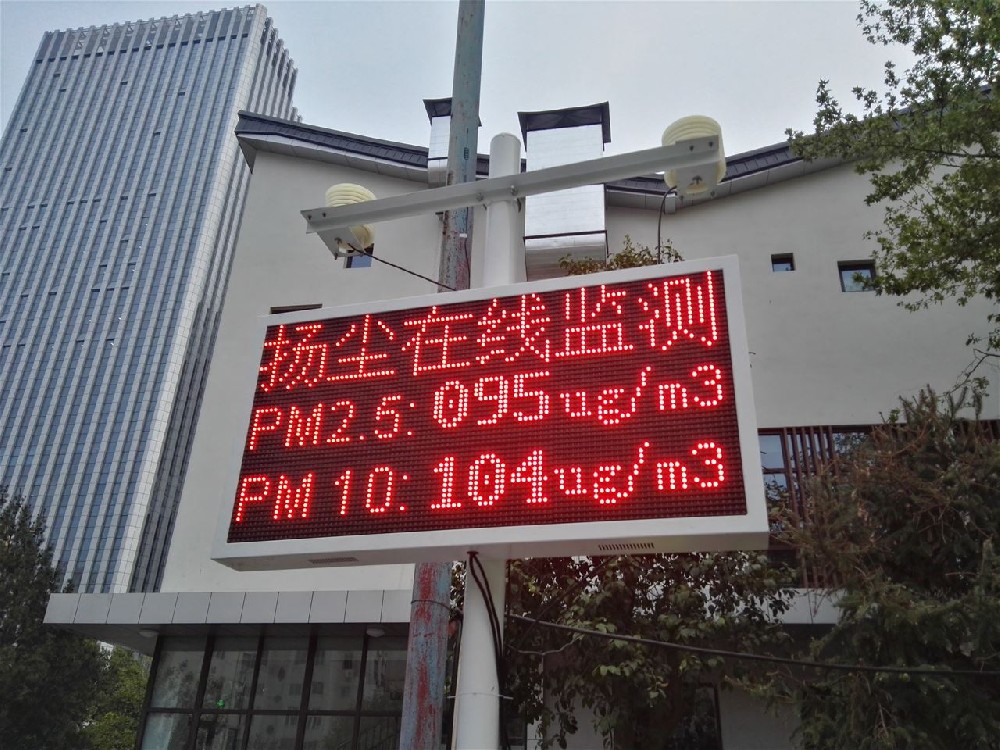
| Optional particle measurements | Instrument-specific local PM readings | A general authorization for outdoor activity |
A local display may combine these values, but the combined screen does not make them interchangeable. Keep each quantity's unit, observation time and availability visible. In particular, do not present a generic green station icon as a statement that all outdoor conditions are suitable.
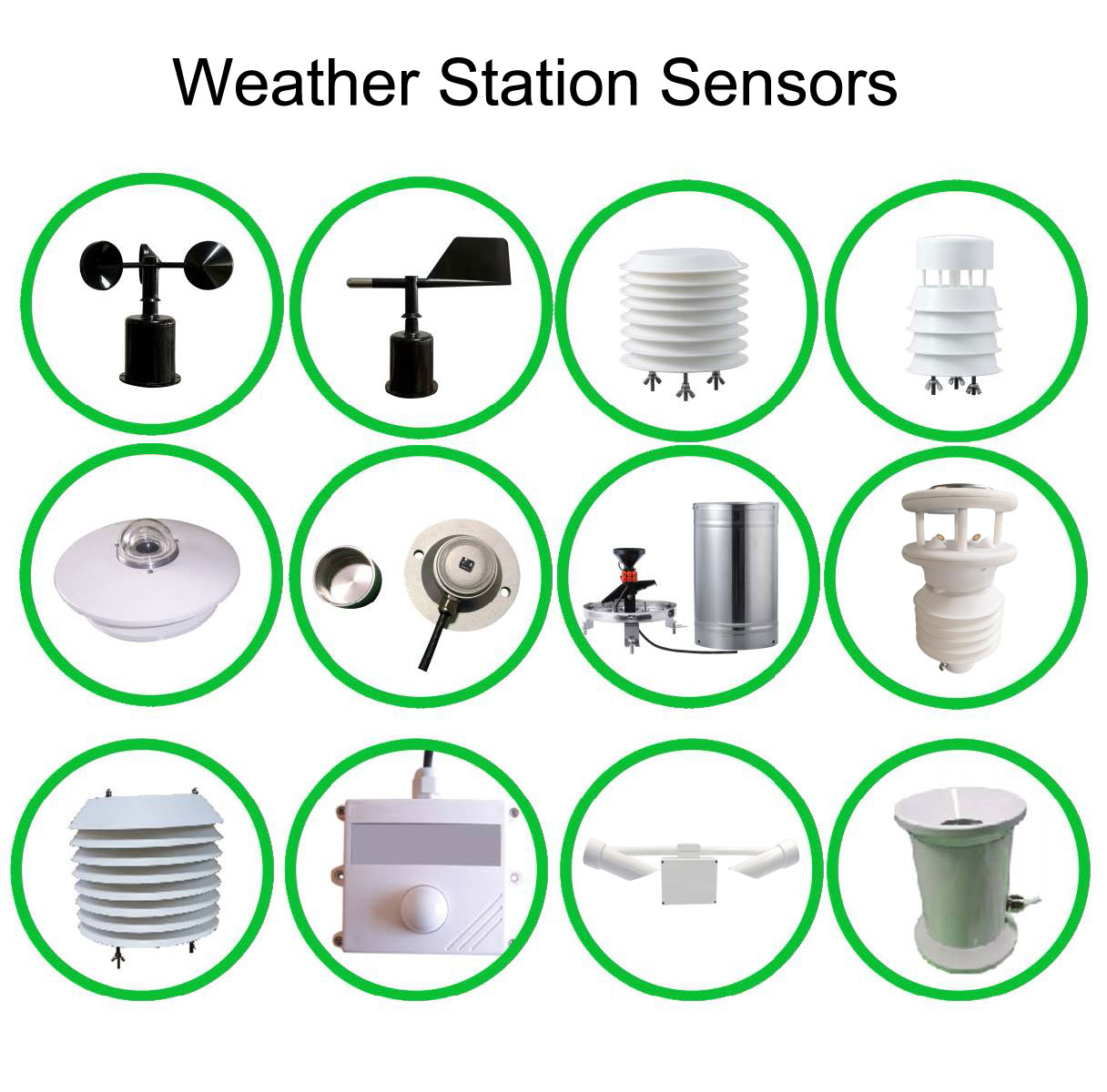
The NBL-W-LBTH measures air temperature, RH and pressure inside a ventilated radiation shield. The shield helps the instrument measure air rather than a sun-heated sensor body. It does not measure the surface temperature of turf, a running track or a metal seating area. A surface-temperature requirement needs a suitable separate measurement.
The National Weather Service explains WBGT as an indicator accounting for temperature, humidity, wind and solar effects, distinct from a temperature-and-humidity heat index. Do not relabel the station's air-temperature channel as WBGT. If the institution requires WBGT, specify the appropriate measurement or validated estimation method and its exposure requirements.
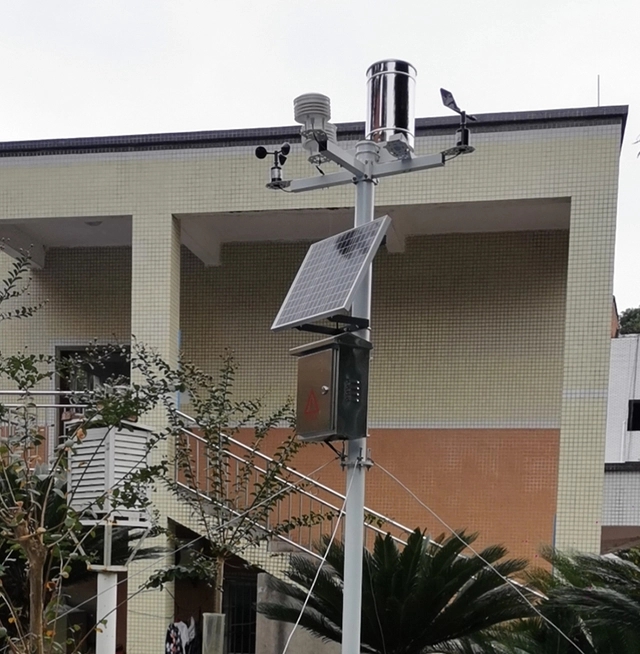
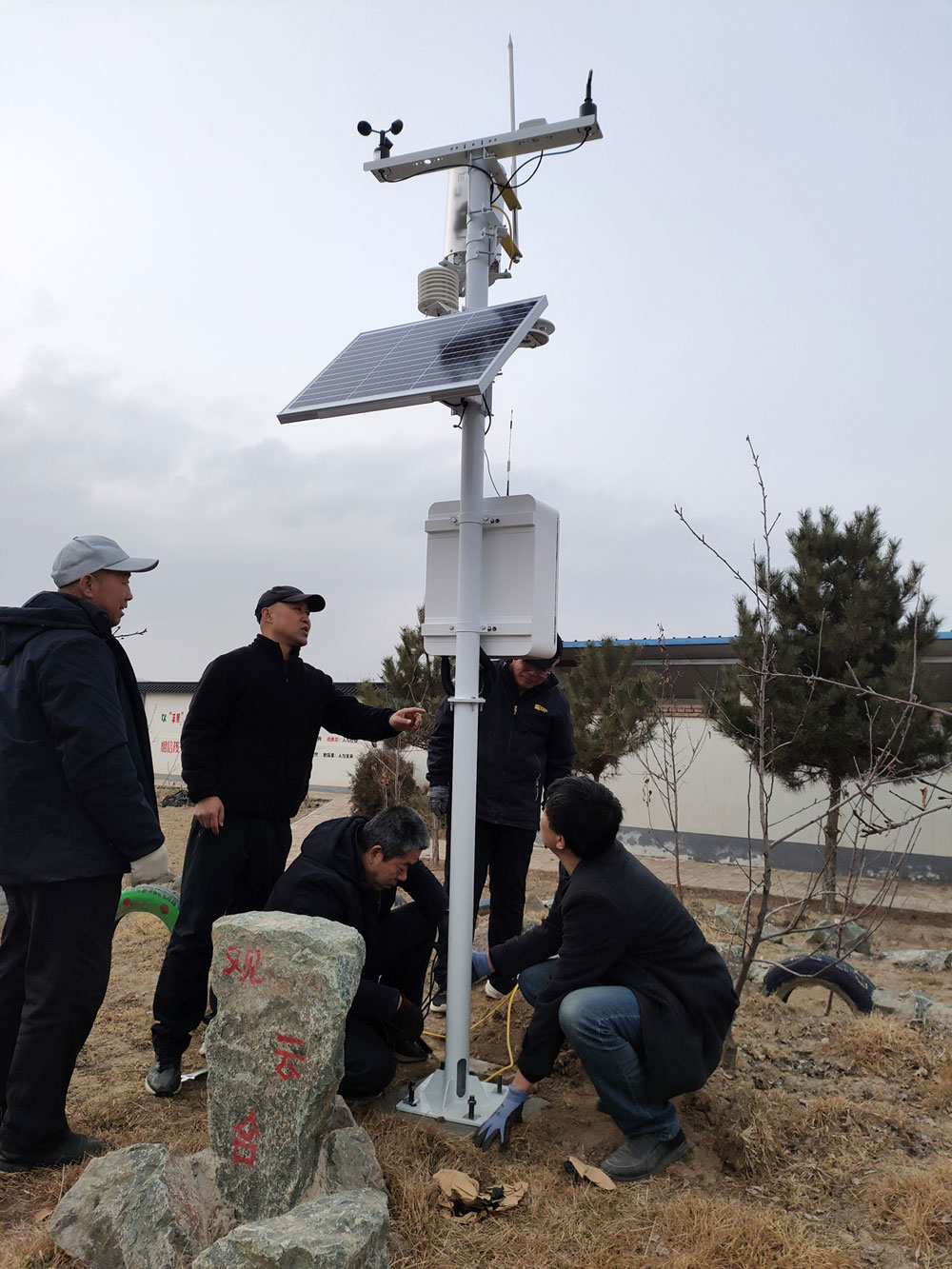
Record the sensor height, underlying surface, nearby buildings and any seasonal shade. A protected position near a classroom may simplify access but change the observation. Choose whether the point is intended as an open reference or a specific field observation, and retain that description with the data. Do not move it later for convenience without recording the change.
| NBL-W-LBTH item | Specification | Practical implication |
|---|---|---|
| Air temperature | -40 to 80 C; +/-0.5 C accuracy | Air measurement, not a surface or body temperature |
| Relative humidity | 0-100%RH; +/-5%RH accuracy | Interpret alongside temperature and exposure |
| Supply and digital connection | DC 12-24 V; RS485 Modbus RTU option; default 9600 bps | Match the input and protect accessible wiring |
Mount instruments where pupils, balls and routine maintenance equipment will not disturb them. Restrict access to enclosures and electrical connections. Service arrangements should allow qualified personnel to inspect equipment without treating student access or a public display as permission to open the cabinet.
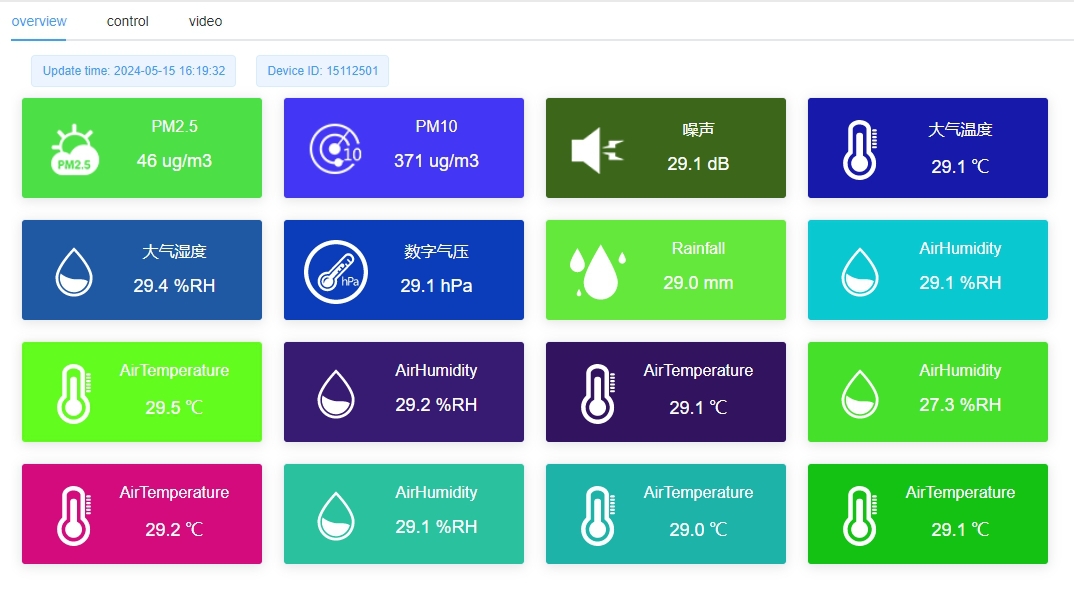
The NBL-PH-1 supports local acquisition, display, FLASH recording and configured 4G transmission. Its historical saving interval is 1-240 minutes. That interval does not define the complete delay between a changing condition at the field and an updated screen.
During acceptance, compare a local observation with its receiving record and timestamp. Disconnect an input under a controlled test and confirm that the application identifies unavailable data rather than displaying zero or an old value as current. Local recording does not by itself guarantee automatic restoration of every remote gap after an outage.
The National Weather Service guidance for outdoor sports calls for a lightning safety plan and a designated weather monitor. It includes forecasts, radar and lightning information in the monitoring process. A local rainfall total, calm wind or dry sensor cannot establish that lightning is absent.
Use the institution's applicable safety procedures and responsible decision-makers. Do not derive cancellation or reopening thresholds from a general sensor article. A weather station quotation should distinguish observation equipment from any separate lightning detection, heat assessment or notification service the institution requires.
Not automatically. Compare exposure, surface and shelter at the intended activity areas. A shared background station and separate task-specific measurements may be appropriate, but their roles need to be identified.
No. The NBL-W-LBTH measures surrounding air. A turf-surface requirement needs a suitable measurement aimed at or in contact with that surface, with its own procedure.
Do not use rain as a substitute for lightning information. The ordinary station does not establish lightning location or absence. Include the institution's separate warning sources and procedures in the project scope.
No. Check observation time and channel status. The browser may refresh while the station or a sensor is unavailable, leaving a previous value on screen.
Provide the observation purpose, field layout, mounting and access constraints, required channels and receiving-system needs. Identify specialist heat or lightning requirements separately. NiuBoL can then review the weather-sensing and acquisition equipment without implying that it replaces the institution's operating procedures.
A sports ground weather station is useful when its measurements have clear locations, meanings and update states. Keep air temperature separate from playing-surface and heat-stress measurements, and local rainfall separate from lightning information. Select the station to support defined campus tasks and retain the institution's independent decision procedures.
Related recommendations
Sensors & Weather Stations Catalog
 Agriculture Sensors and Weather Stations Catalog-NiuBoL.pdf
Weather Stations Catalog-NiuBoL.pdf
Agriculture Sensors Catalog-NiuBoL.pdf
Water Quality Sensor Catalog-NiuBoL.pdf
Related products
 Combined air temperature and relative humidity sensor
 TDR Soil Moisture & Temperature Sensor for irrigation| RS485 |4-20mA| NBL-S-THR
 Soil pH sensor RS485 soil Testing instrument soil ph meter for agriculture |NBL-S-PH
 Wind Speed sensor Output Modbus/RS485/Analog/0-5V/4-20mA
 Tipping bucket rain gauge for weather monitoring auto rainfall sensor RS485/Outdoor/stainless steel
 Pyranometer Solar Radiation Sensor 4-20mA/RS485


Screenshot, WhatsApp to identify the QR code
WhatsApp number:+8615367865107
(Click on WhatsApp to copy and add friends)

