





— Blogs —
—Products—
 Consumer hotline +8618073152920
 WhatsApp:+8615367865107
Address:Room 102, District D, Houhu Industrial Park, Yuelu District, Changsha City, Hunan Province, China
Product knowledge
Time:2026-02-20 11:34:56 Popularity:615
In the current global framework of water resources protection and green hydropower evaluation systems, precise monitoring of ecological flow (Environmental Flow) has become a compliance red line for hydropower station operations. The discharge outlets of hydropower stations feature extremely complex environments—from ultra-high-speed flows in dam spillways, to steady slow flows in diversion channels, to irregular cross-sections in natural riverbeds. A single sensing technology often fails to meet the requirements.
As a professional manufacturer in industrial flow measurement, NiuBoL has developed a dual-path technology matrix centered on the “velocity-area method” tailored to the different physical characteristics of hydropower station discharge outlets. This article provides detailed technical support for system integrators, IoT solution providers, and project contractors across four dimensions: underlying technical logic, equipment integration specifications, scenario-based selection, and digital platform construction.
In ecological flow monitoring projects, regardless of the physical sensor used, the ultimate flow calculation logic remains unified. Real-time computation is achieved by integrating water level, velocity, and cross-sectional geometric parameters.
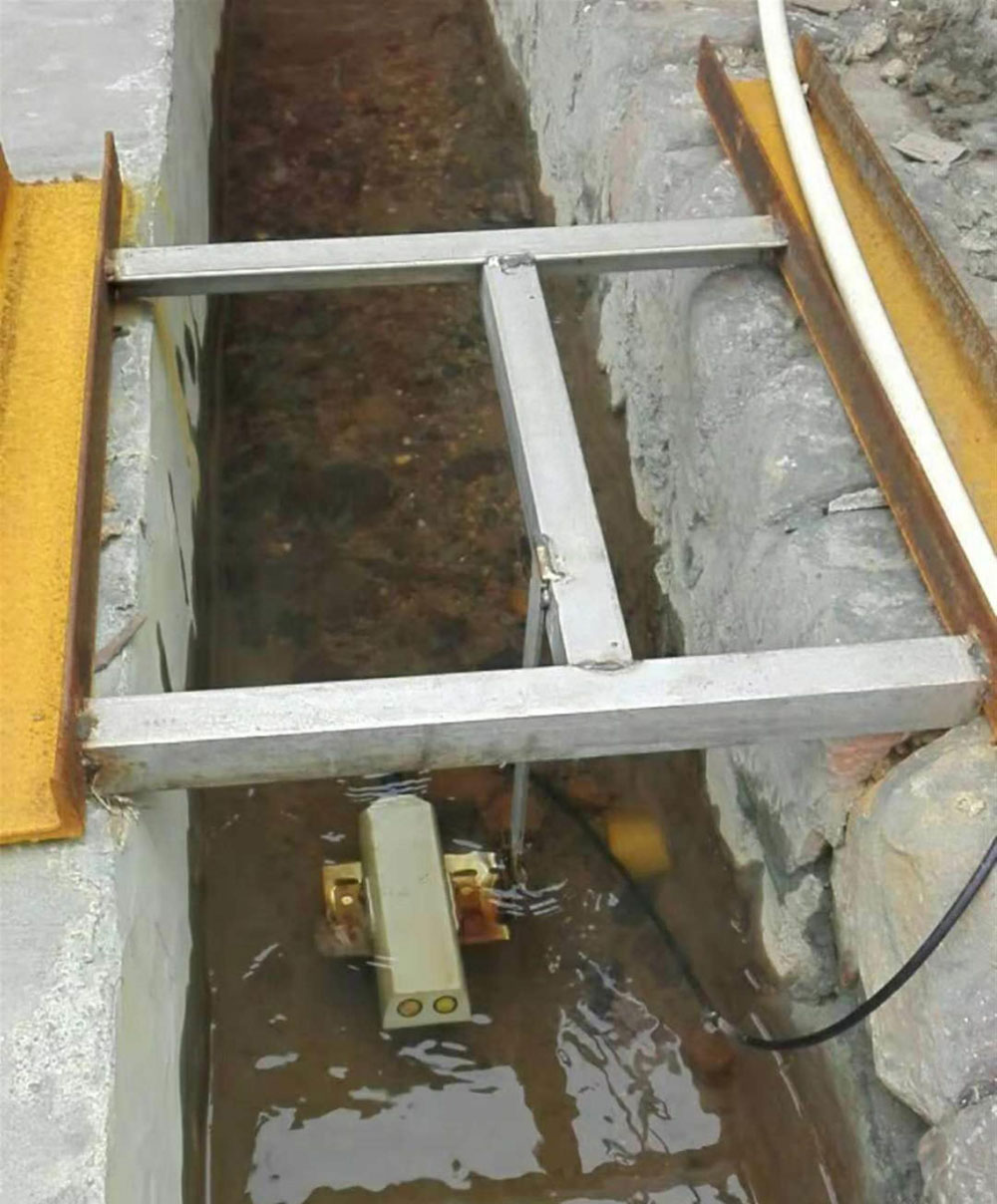
The Doppler velocimeter is a high-precision “all-in-one” monitoring solution designed for open channels, rivers, and natural flood discharge channels. It utilizes the frequency shift generated by acoustic wave propagation in the fluid to directly obtain the true velocity components of the underwater flow.
2.1 In-Depth Analysis of Technical Advantages
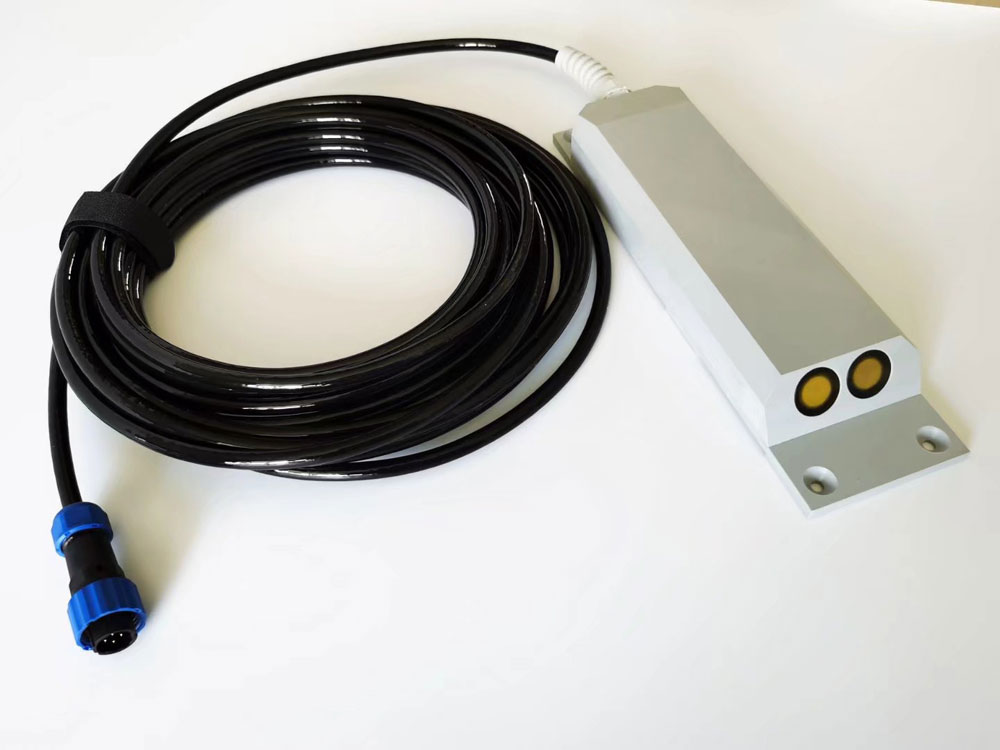
Composite Sensing Technology: A single submersible probe integrates an ultrasonic transducer (velocity), pressure-based water level gauge (level), and PT1000 temperature sensor.
Low-Velocity Sensitivity: Capable of accurately capturing velocities as low as 0.03 m/s, critical for precise metering of minimal ecological discharge during dry seasons at hydropower stations.
No Civil Engineering Threshold: No need for expensive Parshall flumes; installed directly in original riverbeds or channels using the velocity-area method, with zero head loss.
Frequency-Domain Analysis Algorithm: NiuBoL employs advanced signal processing to effectively eliminate false signals from bubble breakup, background noise, and sediment turbulence.
2.2 Core Technical Specifications for Hydropower Station Ecological Flow Monitoring
| Parameter | Doppler Flowmeter Industrial Specification | Engineering Application Value |
|---|---|---|
| Velocity Range | Doppler Flowmeter Industrial Specification">0.03 ~ 5.00 m/s | Covers full range from still slow flow to routine flood discharge |
| Velocity Accuracy | ±1.0% ± 1 cm/s | Meets national Ministry of Water Resources first-class station standard |
| Water Level Range / Accuracy | 0.03 ~ 5.00 m / 0.3% | Pressure sensor, immune to surface waves and foam interference |
| Temperature Compensation | -10℃ ~ 60℃ (accuracy ±1℃) | Automatically corrects sound velocity errors due to water temperature changes |
| Data Interface | RS485 (Modbus-RTU) | Supports long-distance signal transmission with strong anti-interference capability |
| Housing Protection | Industrial ABS + IP68 encapsulation | Long-term resistance to sediment abrasion and chemical corrosion |
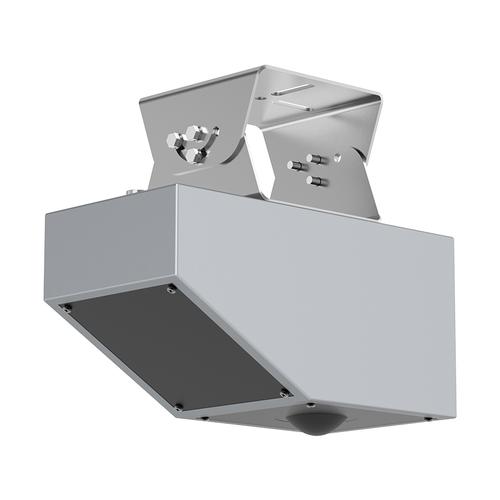
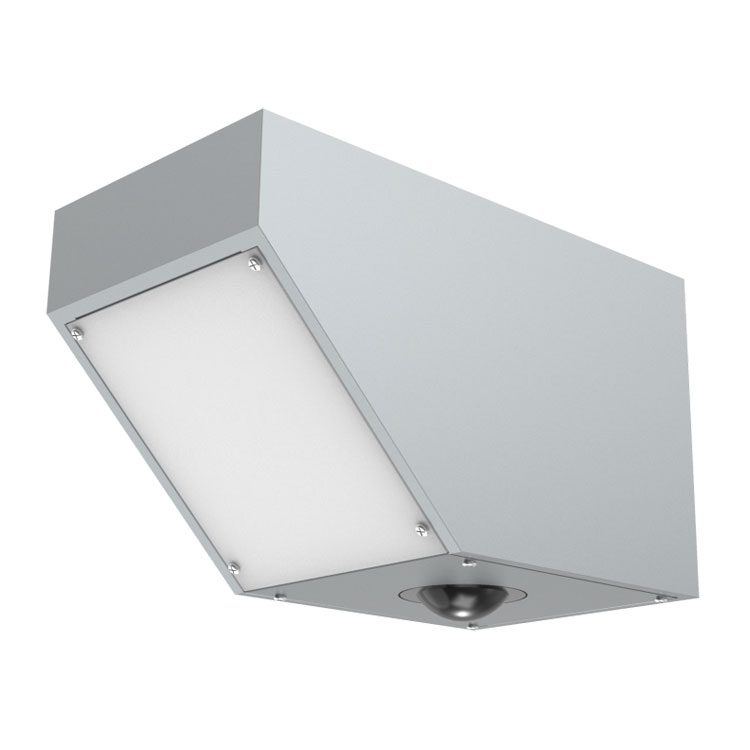
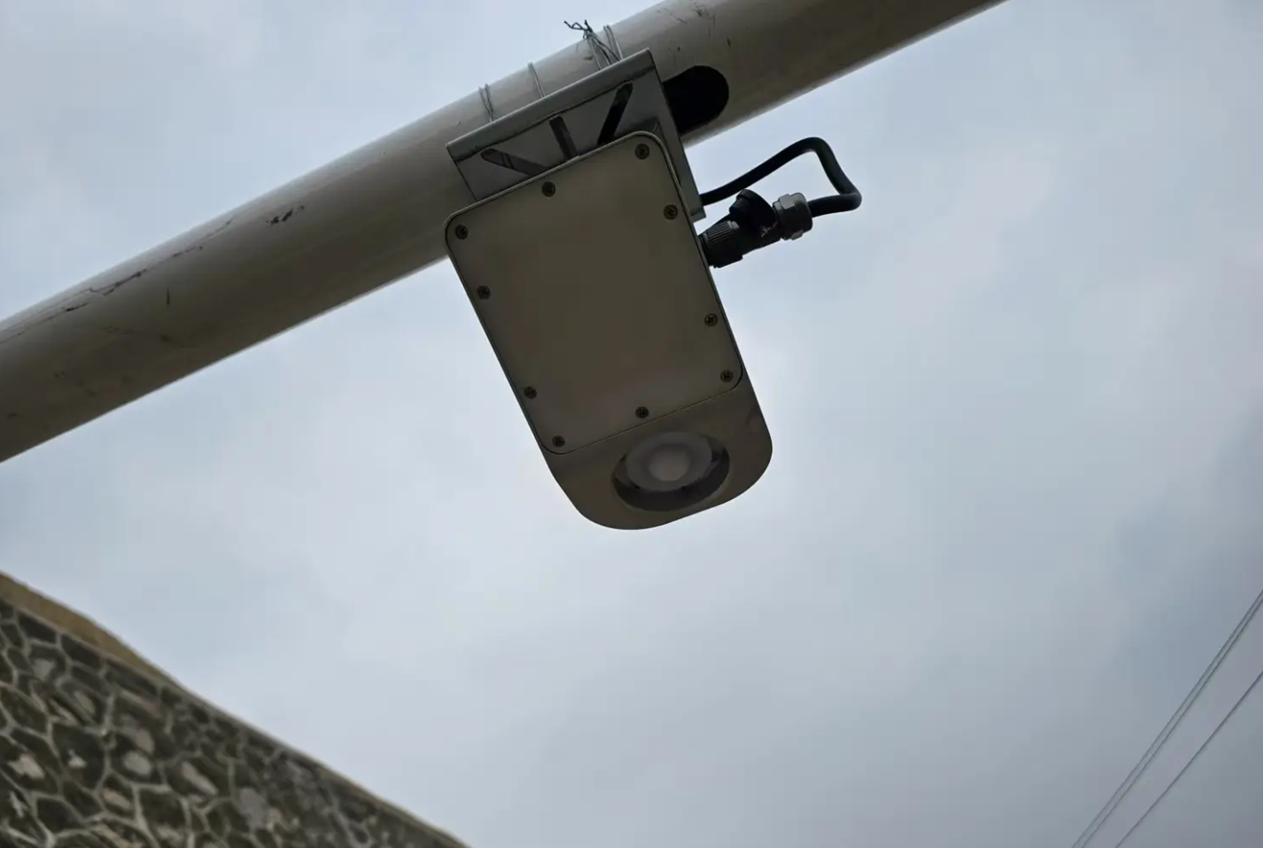
For scenarios with extremely high velocities, abundant floating debris, or inaccessible installation environments (e.g., deep valley spillways), the non-contact radar solution is the optimal choice for system integration.
3.1 Flow Measurement Mechanism: Microwave Doppler + Frequency-Modulated Continuous Wave
NiuBoL radar flowmeter integrates two different frequency bands:
Velocity measurement (24GHz): Based on microwave Doppler effect, monitors the movement frequency of surface ripples to obtain surface velocity.
Water level measurement (80GHz): Based on FMCW (Frequency-Modulated Continuous Wave) technology, achieves millimeter-level depth measurement with extremely narrow beam angle (only 3°~8°), effectively avoiding interference from well walls or channel walls.
3.2 Core Value of the Solution
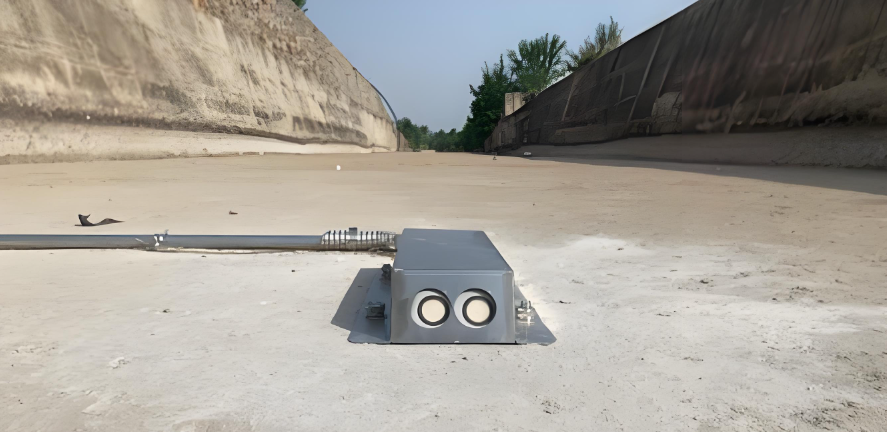
Maintenance-Free Design: Sensor installed completely overhead, no contact with water, completely eliminating silt blockage, microbial attachment, and physical destruction during flood peaks.
Complex Weather Compatibility: Microwave characteristics ensure performance is unaffected by air density, wind speed, rainfall, or water vapor.
High Dynamic Range: Velocity up to 20 m/s, water level range up to 65 m, suitable for large-scale hydropower station dam discharge monitoring.
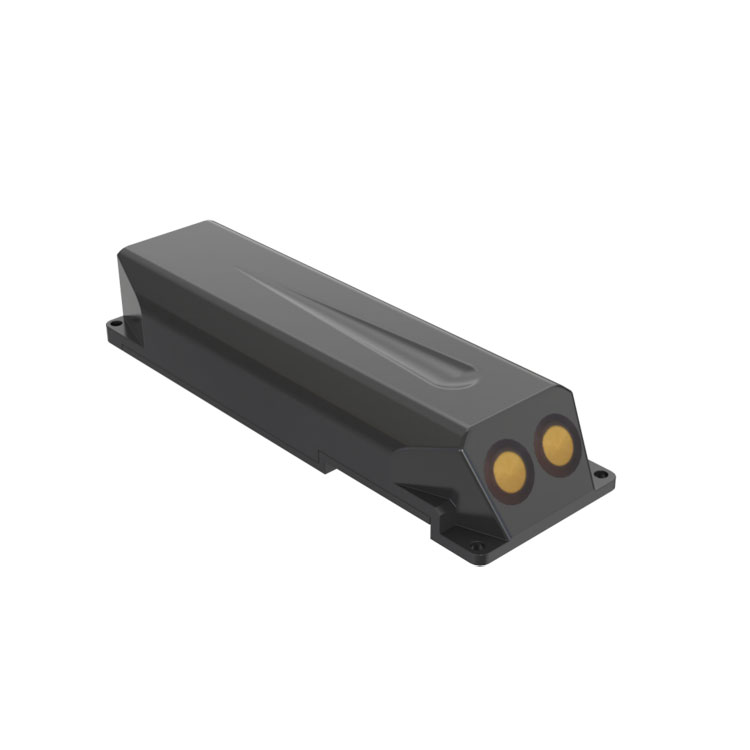
3.3 Core Technical Specifications
| Parameter | Radar Flowmeter Specification | Industrial Application Value |
|---|---|---|
| Velocity Range / Accuracy | Radar Flowmeter Specification">0.10 ~ 20.0 m/s / ±2% | Suitable for ultra-high-speed spillway flow accounting |
| Water Level Range / Accuracy | 0.10 ~ 65 m / ±1 mm | Millimeter-level level sensing ensures high area calculation accuracy |
| Operating Frequency | 24GHz (velocity) / 76-81GHz (level) | High-frequency narrow beam with excellent directionality |
| Installation Height | 0 ~ 20 m (recommended) | Flexible installation on bridges, cross-arms, or gate tops |
| Power Supply & Consumption | DC 10-30V / < 1.3W | Ultra-low standby power, ideal for solar power systems |
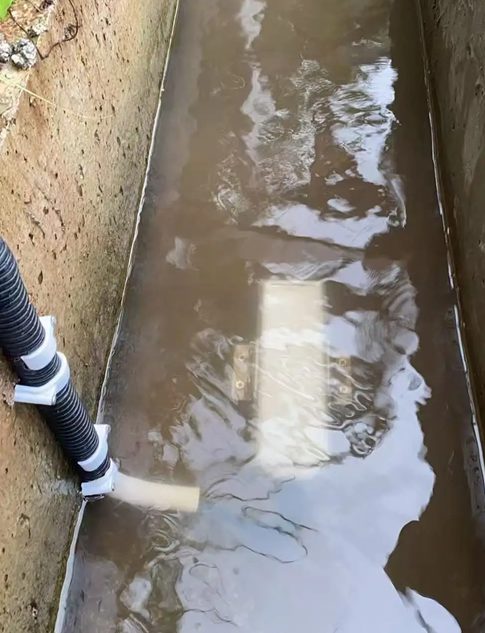
As a project leader, when designing the system scheme, perform “differentiated configuration” based on the specific discharge outlet environment:
4.1 Scheme Comparison and Applicability
Artificial standard channels (rectangular/trapezoidal): Recommend Doppler flowmeter. Its integrated water level and velocity design provides extremely high instantaneous flow calculation accuracy.
Natural riverbeds / wide flood discharge channels: Recommend radar flowmeter. Due to high bottom sediment and wide cross-sections, radar is easier to install and maintain, and can handle harsh flow conditions during heavy rain.
Culverts / non-full pipe tunnels: Doppler solution is superior to radar, as microwave reflections in enclosed spaces are prone to multipath interference, while underwater ultrasonic measurement is more direct.
4.2 Integration Considerations
Power Supply Assurance: Most monitoring points are in remote areas. NiuBoL sensors support wide voltage input; recommend ≥30W solar panels + 24AH LiFePO4 batteries.
Communication Adaptation: RS485 signal transmission should use shielded twisted-pair cable, with system common ground (GND) properly earthed to prevent induced lightning strikes.
Cross-Section Calibration: Radar measures surface velocity. During integration, introduce correction coefficient K in the backend algorithm. Recommend 3–5 field comparisons with rotor velocimeters to establish a correction matrix for the section.
Q1: Does the ultrasonic Doppler flowmeter have requirements for water transparency?
A: The Doppler principle relies on suspended particles or bubbles in the water for reflection. It is not suitable for extremely pure deionized water. In the natural river water discharged from hydropower stations, impurity content fully meets measurement requirements.
Q2: Can the radar flowmeter measure velocity when the water surface is extremely calm (no ripples)?
A: If the water surface is mirror-smooth with no floating objects, microwave echoes may undergo specular reflection, making velocity measurement difficult. However, in practice, hydropower station discharge flows always have subtle ripples due to elevation differences, sufficient to support radar measurement.
Q3: How to handle radar flowmeter errors in windy environments?
A: NiuBoL radar velocimeter features adaptive filtering algorithms that effectively distinguish water flow motion frequencies from wind-induced surface disturbance frequencies, ensuring data stability.
Q4: What is the maximum transmission distance of the RS485 bus?
A: In standard industrial environments, it is recommended to keep it within 1000 meters. For longer distances, use our DTU module to convert the signal to 4G/5G wireless transmission.
Q5: Which cross-section types does the device support for automatic flow calculation?
A: The NiuBoL transmitter has built-in models for various standard sections (rectangular, trapezoidal, circular, U-shaped). For highly irregular natural riverbeds, integrators can upload a “water level–area table (Lookup Table)” via our configuration software.
Q6: During dry seasons, at what water level does measurement fail?
A: Doppler devices require water level not less than 5 cm to ensure full probe submersion; radar devices may experience reduced accuracy below 10 cm due to background clutter interference.
Q7: What are the warranty and maintenance costs of the equipment?
A: All NiuBoL products come with a 12-month warranty. The radar solution is essentially maintenance-free; for the Doppler solution, recommend semi-annual probe cleaning to remove surface calcification or biological attachments.
Ecological flow monitoring is not only about data acquisition but also a crucial step in the green transformation of hydropower stations. Through the combined application of NiuBoL ultrasonic Doppler flowmeters and radar flowmeters, integrators can easily handle full-scenario monitoring tasks—from low-water-level slow flows to extreme flood peak conditions.
Leveraging standard Modbus-RTU protocol and highly robust hardware design, NiuBoL is committed to providing every partner with stable, precise, and easily integrated underlying hardware, helping smart water resources projects excel in acceptance inspections and providing solid data foundations for subsequent operation and maintenance management.
Prev:Application Solution of Ultrasonic Doppler Flowmeter in Irrigation District Water Measurement
Next:Remote Monitoring Solution for Urban Stormwater and Sewage Pipe Networks Based on Doppler Flowmeter
Related recommendations
Sensors & Weather Stations Catalog
 Agriculture Sensors and Weather Stations Catalog-NiuBoL.pdf
Weather Stations Catalog-NiuBoL.pdf
Agriculture Sensors Catalog-NiuBoL.pdf
Water Quality Sensor Catalog-NiuBoL.pdf
Related products
 Combined air temperature and relative humidity sensor
 TDR Soil Moisture & Temperature Sensor for irrigation| RS485 |4-20mA| NBL-S-THR
 Soil pH sensor RS485 soil Testing instrument soil ph meter for agriculture |NBL-S-PH
 Wind Speed sensor Output Modbus/RS485/Analog/0-5V/4-20mA
 Tipping bucket rain gauge for weather monitoring auto rainfall sensor RS485/Outdoor/stainless steel
 Pyranometer Solar Radiation Sensor 4-20mA/RS485

Screenshot, WhatsApp to identify the QR code
WhatsApp number:+8615367865107
(Click on WhatsApp to copy and add friends)

