





— Blogs —
—Products—
 Consumer hotline +8618073152920
 WhatsApp:+8615367865107
Address:Room 102, District D, Houhu Industrial Park, Yuelu District, Changsha City, Hunan Province, China
Product knowledge
Time:2026-02-20 11:19:12 Popularity:560
In modern urban management, effective monitoring of drainage pipe networks is a crucial component in ensuring urban water safety and environmental protection. With the acceleration of urbanization and the impact of climate change, frequent heavy rains have led to increasingly severe waterlogging problems. Therefore, adopting advanced monitoring technologies such as ultrasonic Doppler flowmeters can not only acquire real-time data on water flow, velocity, and water quality but also provide important support for urban drainage management. This article will explore the application of ultrasonic Doppler flowmeters in drainage pipe network monitoring, with a focus on system integration schemes, compatibility, and practical application cases.
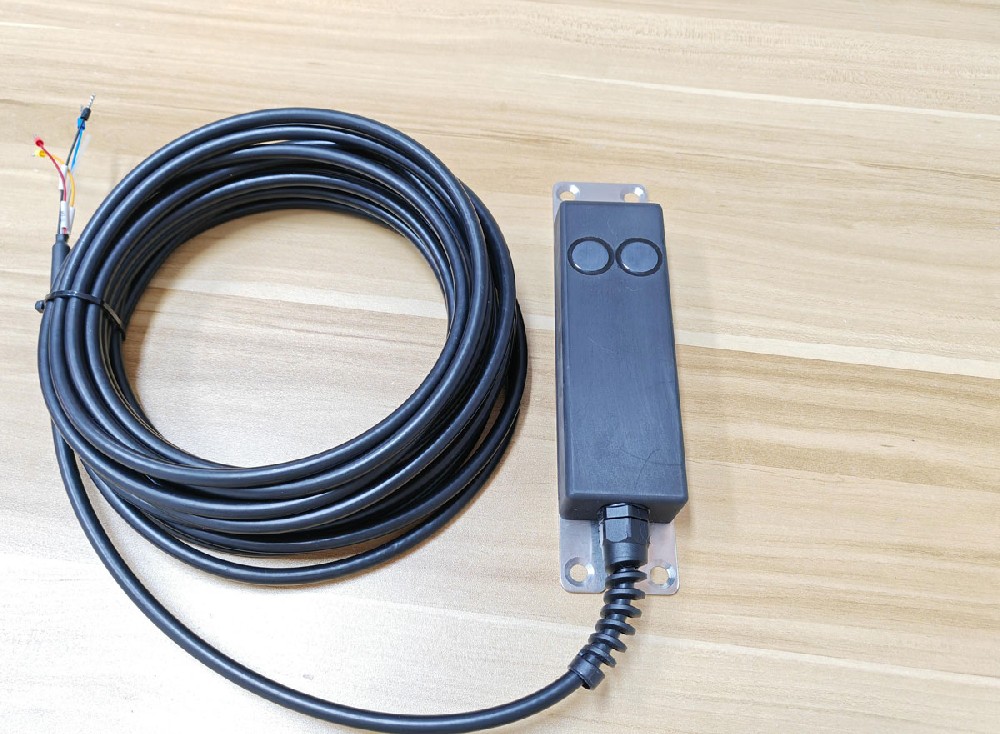
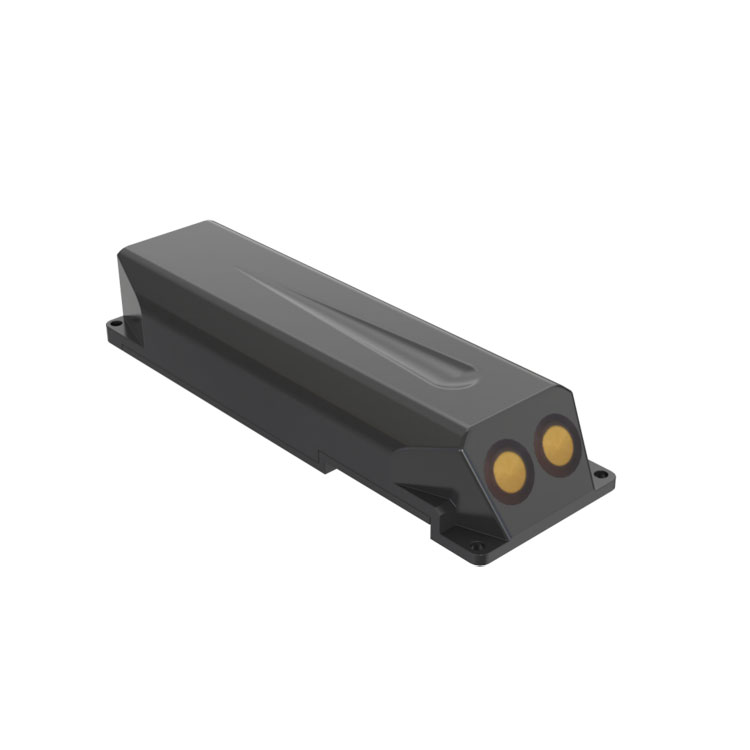
The ultrasonic Doppler flowmeter utilizes the Doppler effect to calculate fluid velocity by measuring the frequency shift of ultrasonic waves. It is a high-precision flow measurement tool capable of simultaneously monitoring multiple parameters such as water level, velocity, instantaneous flow rate, and water temperature. Its main advantages include:
High measurement accuracy: Velocity accuracy up to ±1%.
Wide applicability: Suitable for various flow regimes and cross-sectional shapes.
No head loss: Does not obstruct water flow.
Compact design: Overall equipment height only 3cm, suitable for low water level monitoring.
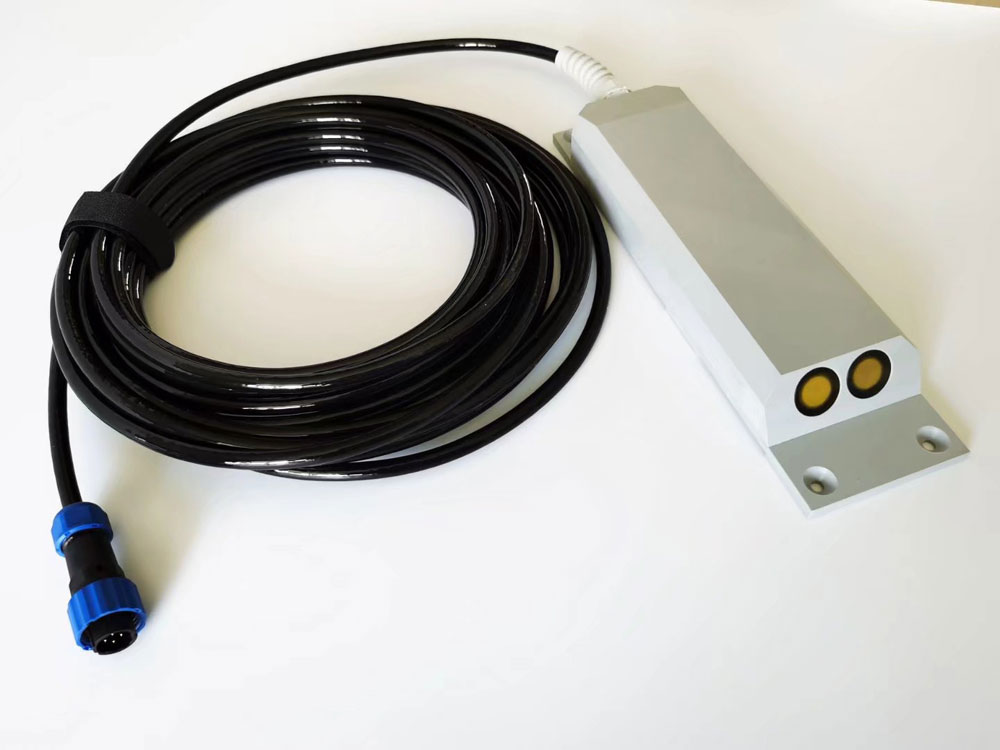
| Parameter | Industrial Grade Specification | Value for Integrators |
|---|---|---|
| Power Supply Voltage | DC 10 ~ 30V | Wide voltage design, compatible with 12V lithium batteries or 24V industrial DC power supplies |
| Velocity Range | 0.03 ~ 5.00 m/s | Covers high dynamic velocity ranges from calm slow flow to flood discharge in rainy seasons |
| Water Level Range | 0.03 ~ 5.00 m | Meets the depth requirements of most urban main pipes and branch pipes |
| Temperature Compensation | -10℃ ~ 60℃ (accuracy ±1℃) | Automatically corrects the influence of different seasons and water temperatures on sound velocity |
| Velocity Accuracy | ±1.0% ± 1 cm/s | Higher than industry standard measurement accuracy, ensuring reliable accounting data |
| Protection Rating | IP68 | Deep waterproof encapsulation, supports long-term immersion in sewage and humid manhole environments |
| Signal Output | RS485 (Modbus-RTU) | Standard digital output, seamlessly connects to various mainstream remote telemetry terminals (RTU) |
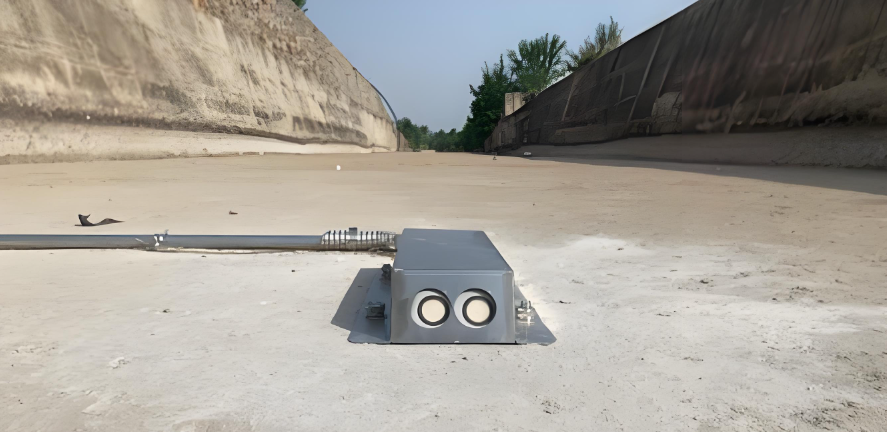
Ultrasonic Doppler flowmeters are mainly used for real-time monitoring and management of urban drainage pipe networks. Specific scenarios include:
1. Waterlogging Early Warning: By monitoring water level and flow data in real time, potential risks of waterlogging can be identified promptly, providing early warning information to urban management departments.
2. Water Quality Monitoring: Monitoring water quality parameters (such as pH, dissolved oxygen, etc.) to ensure that the drainage pipe network water quality meets environmental standards.
3. Flow Statistics: Conducting flow statistics on the drainage system to optimize pipe network operation and improve drainage efficiency.
4. Illegal Discharge Supervision: Monitoring sewage outlets to promptly detect and collect evidence of illegal sewage discharge.
When designing a drainage pipe network monitoring system, the integration scheme for ultrasonic Doppler flowmeters needs to consider the following key elements:
1. Hardware Components
A complete drainage monitoring system typically consists of the following key hardware:
Ultrasonic Doppler flowmeter probe: Responsible for real-time monitoring of velocity and water level, directly installed in pipelines or open channels.
Water quality sensors: Such as pH, turbidity, COD, etc., for real-time monitoring of drainage water quality to ensure compliance with environmental requirements.
Telemetry terminal: Responsible for data acquisition, processing, and wireless transmission, usually supporting multiple communication interfaces (such as RS485, 4G/5G, etc.).
Power supply system: Lithium batteries or solar power can be selected to ensure stable operation of equipment in the field.
2. Software Platform
After data acquisition, it can be uploaded to the cloud platform via the telemetry terminal. Users can access and analyze monitoring data anytime through computers or mobile devices. The software should have the following functions:
Real-time data monitoring: Dynamically display flow, water level, and water quality data.
Historical data analysis: Support data storage and chart generation for easy comparison and analysis.
Alarm system: Automatically send alert notifications to relevant personnel when monitoring data exceeds set thresholds.
3. Installation and Maintenance
Equipment installation should follow certain specifications to ensure measurement accuracy and long-term stable operation of the equipment.
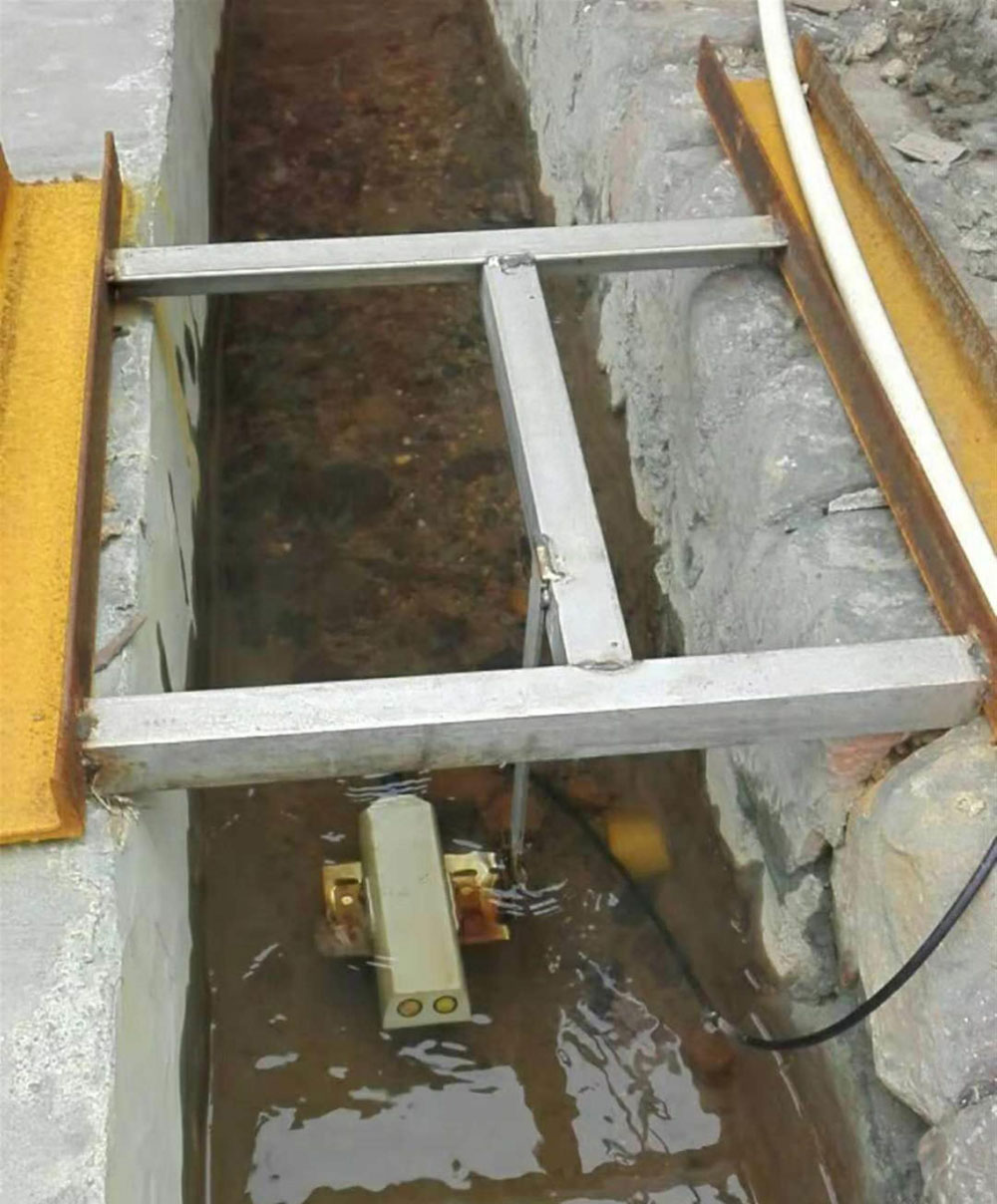
Installation location: The flowmeter should be installed in the direction of water flow, with the probe position avoiding debris in the water to ensure unobstructed signal transmission.
Regular maintenance: Regularly inspect and clean the equipment, especially water quality sensors, to ensure normal operation.
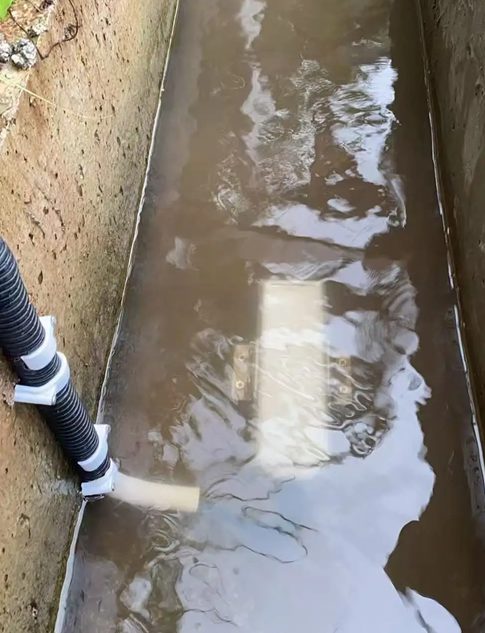
When selecting an ultrasonic Doppler flowmeter, the following factors should be considered:
Measurement requirements: Determine the types of parameters to be measured (velocity, water level, water quality, etc.) based on the specific application scenario.
Environmental adaptability: Choose equipment with a high protection rating (such as IP68) to cope with harsh environments.
Compatibility: Confirm compatibility with existing systems to ensure seamless data transmission.
Power supply method: Select the appropriate power supply method based on the conditions at the installation site to ensure long-term stable operation.
Q1: What is the measurement principle of the ultrasonic Doppler flowmeter?
A: The ultrasonic Doppler flowmeter is based on the Doppler effect, calculating fluid velocity by emitting ultrasonic waves and measuring their frequency shift.
Q2: What types of water bodies is this device suitable for?
A: Suitable for various water body forms such as open channels, rivers, and non-full pipe pipelines.
Q3: How to ensure long-term stable operation of the equipment?
A: Perform regular equipment maintenance and cleaning to avoid interference from debris in the water on the sensors.
Q4: What is the operating temperature range of the flowmeter?
A: The operating temperature range is -10℃ to 60℃.
Q5: How to choose the appropriate power supply method?
A: Lithium batteries or solar power can be selected based on the environmental conditions at the installation site.
Q6: Which water quality parameters can be monitored simultaneously?
A: Can monitor various water quality parameters such as pH, COD, ammonia nitrogen, dissolved oxygen, etc.
Q7: How is the data transmitted to the management platform?
A: Data is uploaded to the cloud platform via the telemetry terminal through 4G wireless network for real-time viewing.
Q8: What are the requirements for the installation position of the flowmeter?
A: It should be installed in the direction of water flow, with the minimum water level at least 20cm below the device.
Q9: What are the requirements of NiuBoL flowmeter for the degree of sewage dirtiness?
A: Doppler principle “fears clean but not dirty”. Bubbles and particles in sewage are necessary carriers for signal reflection. As long as the water body is not completely transparent deionized water, the equipment can work normally.
Q10: Can this device measure normally under full pipe conditions?
A: Yes. When the water level exceeds the pipe diameter, the cross-sectional area A becomes a fixed constant, and the device will continuously output velocity and corresponding full pipe flow.
Q11: Does this device support bidirectional flow monitoring?
A: Yes. The sensor can recognize positive and reverse velocities. In drainage outlets affected by tidal backflow, it can accurately distinguish external discharge volume from backflow volume.
Q12: What are the advantages of Doppler flowmeter compared to open channel flowmeter (with weir slot)?
A: Open channel flowmeter requires civil engineering to build standardized weir slots, increasing costs and possibly causing water level rise; Doppler flowmeter is “non-intrusive barrier-free” installation, no head loss, no modification to original hydraulic structures.
Q13: Is the communication protocol of the device open?
A: Fully open. NiuBoL provides complete Modbus-RTU register address table, convenient for integrators to write drivers for PLC, SCADA or third-party cloud platforms.

The application of ultrasonic Doppler flowmeters in drainage pipe network monitoring not only improves the efficiency of urban drainage management but also provides reliable technical support for environmental protection. Through reasonable system integration schemes and equipment selection, urban managers can better cope with waterlogging and water pollution issues. In the future, with the advancement of smart city construction, this technology will play an increasingly important role in safeguarding urban water safety.
Related recommendations
Sensors & Weather Stations Catalog
 Agriculture Sensors and Weather Stations Catalog-NiuBoL.pdf
Weather Stations Catalog-NiuBoL.pdf
Agriculture Sensors Catalog-NiuBoL.pdf
Water Quality Sensor Catalog-NiuBoL.pdf
Related products
 Combined air temperature and relative humidity sensor
 TDR Soil Moisture & Temperature Sensor for irrigation| RS485 |4-20mA| NBL-S-THR
 Soil pH sensor RS485 soil Testing instrument soil ph meter for agriculture |NBL-S-PH
 Wind Speed sensor Output Modbus/RS485/Analog/0-5V/4-20mA
 Tipping bucket rain gauge for weather monitoring auto rainfall sensor RS485/Outdoor/stainless steel
 Pyranometer Solar Radiation Sensor 4-20mA/RS485

Screenshot, WhatsApp to identify the QR code
WhatsApp number:+8615367865107
(Click on WhatsApp to copy and add friends)

