





— Blogs —
—Products—
 Consumer hotline +8618073152920
WhatsApp:+8615367865107
Address:Room 102, District D, Houhu Industrial Park, Yuelu District, Changsha City, Hunan Province, China
Product knowledge
Time:2025-11-29 15:17:21 Popularity:1138
An agricultural IoT retrofit can add monitoring to existing farm equipment without replacing every controller. First establish which sensors the acquisition system can read and which commands the installed controller can safely accept. NiuBoL soil and weather instruments provide observations; a data connection alone does not make an existing pump, valve or dosing unit remotely controllable.
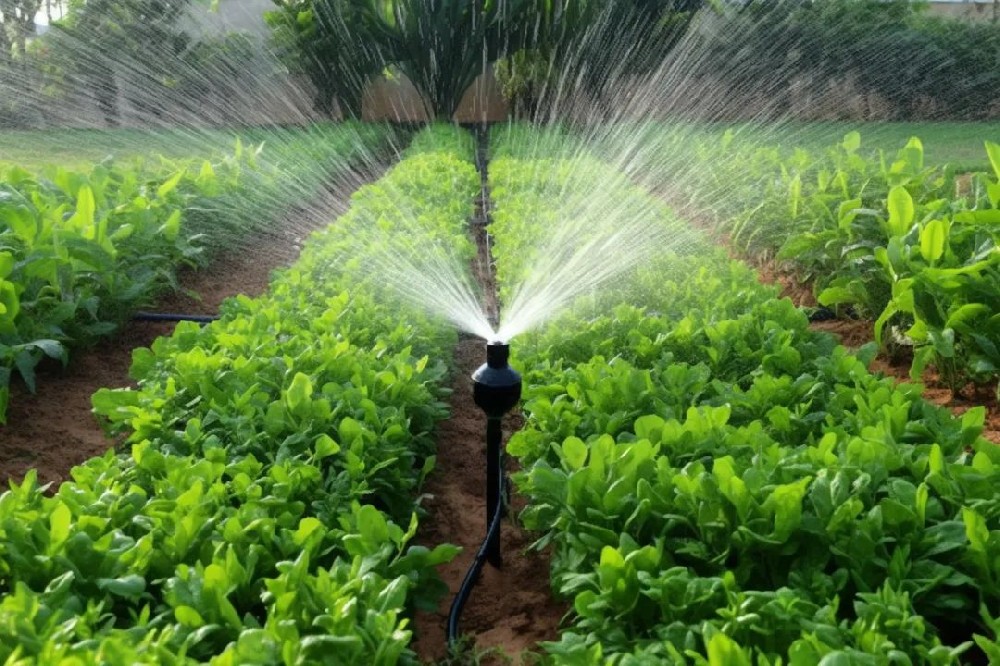
Record the pump controller, irrigation zones, valve arrangements and current operating sequence. Identify who maintains the equipment and whether a controller modification affects the supplier's support. A replacement gateway should not bypass a pump's pressure protection or overwrite a working irrigation program merely to provide a new remote screen.
Separate a monitoring-only retrofit from a control retrofit in the quotation. Reading a pressure or soil-moisture value is one task. Starting a pump or changing a schedule is another, with electrical, hydraulic and operational consequences. The required hardware, software and commissioning work will differ even if both projects use the same sensors.
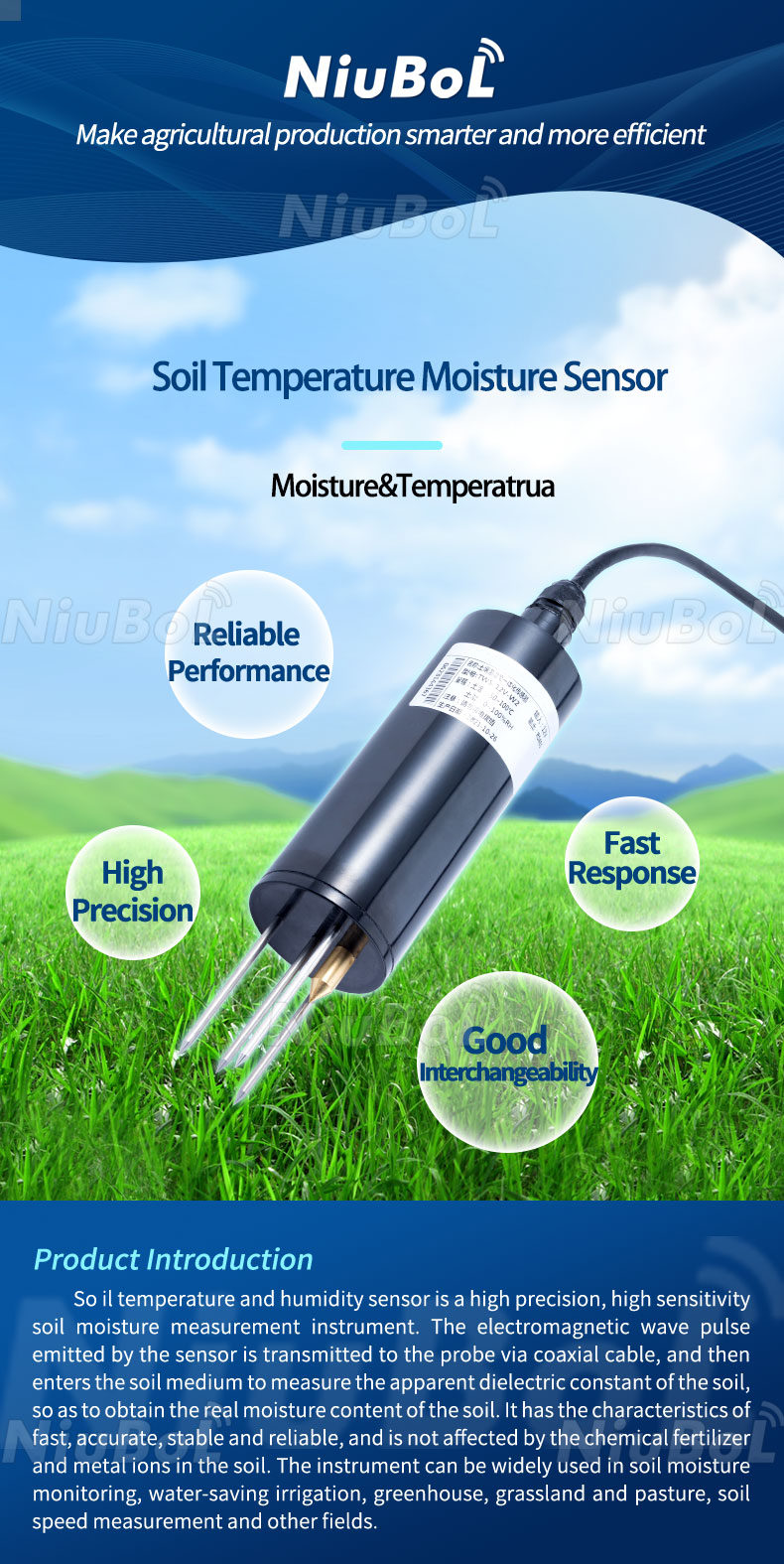
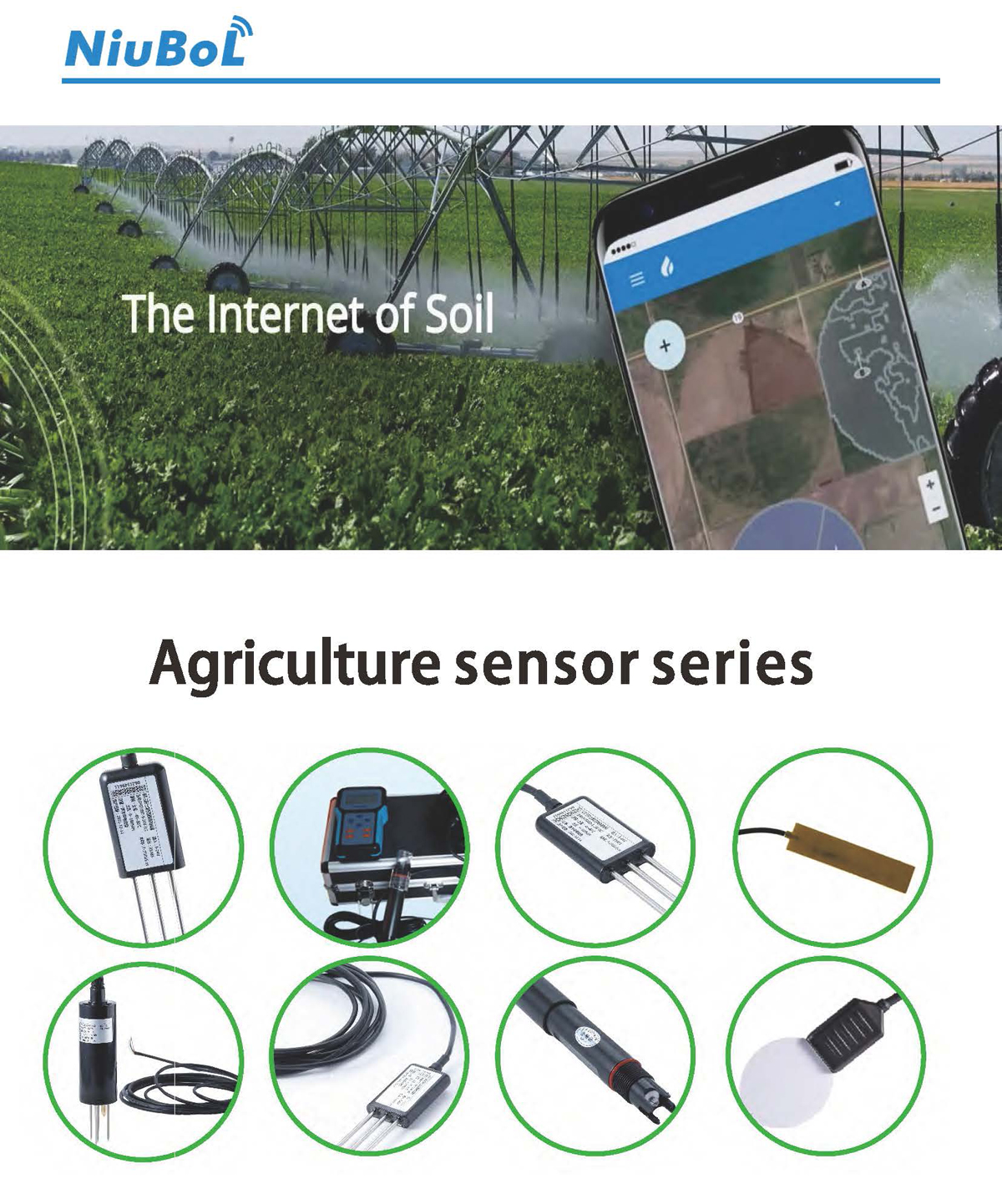
The NBL-S-THR supplies soil moisture and temperature. Its RS485 Modbus RTU version needs a compatible serial input and decoding configuration; an analog version needs the corresponding analog channels. The available output versions are alternatives to specify, not signals to assume are all present on one ordered unit.
| NiuBoL instrument | Relevant connection details | Retrofit check |
|---|---|---|
| NBL-S-THR | DC 12-24 V; RS485 Modbus RTU, 4-20 mA or 0-5 V versions; about 0.3 W | Input version, soil-node location and channel allocation |
| NBL-S-PH | 12-24 V DC; RS485 Modbus RTU option; default 9600 bps; 0.2 W | Electrode installation and pH data interpretation |
| NBL-W-LBTH | DC 12-24 V; RS485 Modbus RTU option; air temperature, RH and pressure | Three atmospheric channels, not soil or machine-status inputs |
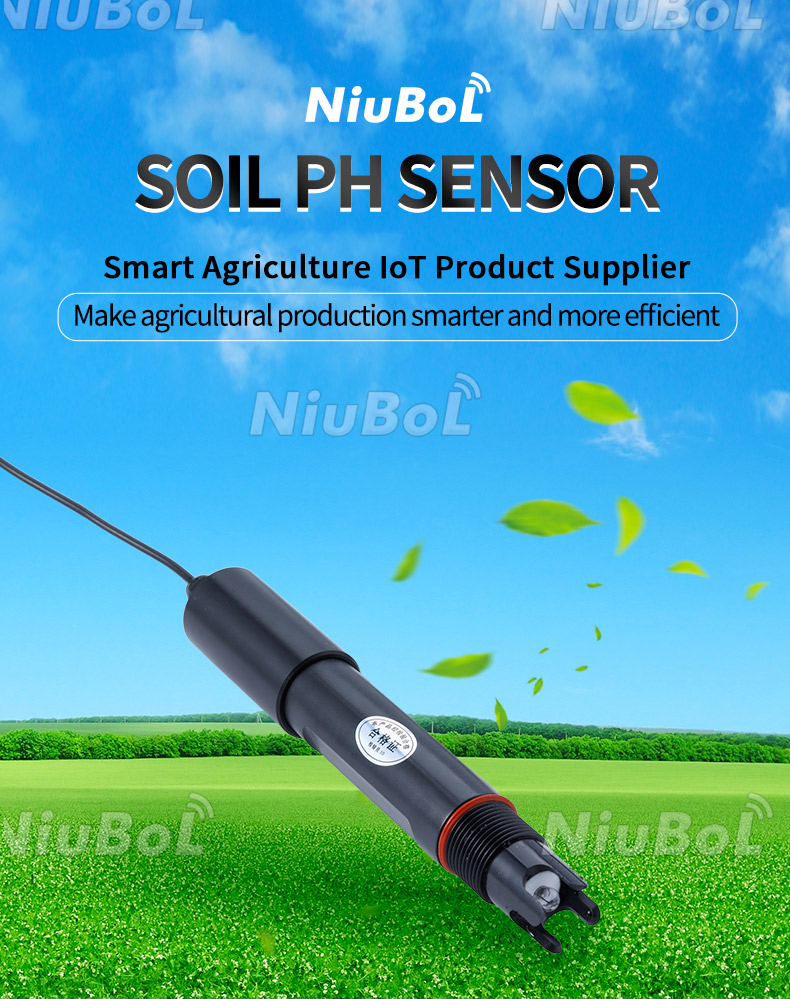
The NBL-S-PH soil pH sensor uses an electrode whose contact and maintenance affect field readings. It should not be treated as a direct replacement for a nutrient-solution pH probe inside a dosing loop. Dry soil, a disturbed installation or a different sample preparation method can change the comparison with laboratory results.
If the farm already has a dosing controller, retain its approved solution-measurement arrangement unless a separate redesign is intended. Use soil readings to evaluate root-zone conditions with the agronomist. Do not connect a soil pH threshold directly to fertilizer or acid injection merely because both values can be displayed in the same application.

Before enabling commands, verify the measured quantity, unit and location for each input. Label the NBL-W-LBTH as an air instrument. Retain soil depths and irrigation-zone identities for buried probes. Check that a replaced sensor does not inherit another zone's name or an old analog scaling factor.
A practical first-stage test is to observe an irrigation event under the existing local controller. Compare its start and stop record with the soil response and any available delivery measurements. This tests whether the new records are useful without granting the receiving application permission to operate equipment. An unclear channel map should be corrected at this stage.

| Reported state | What it establishes | What still needs checking |
|---|---|---|
| Command received | The receiving device accepted a message | Whether an output changed |
| Output energized | An electrical output is active | Whether the actuator moved or the pump ran |
| Valve position or motor status | The corresponding feedback changed | Whether water reached the intended zone |
| Delivery measurement | Flow or volume at the measured point | Which zone received it and whether that point represents its delivery |
Keep these states distinct in the operator screen. A green command icon should not be labeled irrigation complete unless the system has the observations needed to support that statement. Feedback requirements belong in the retrofit scope, including any additional field inputs and changes to the existing controller.
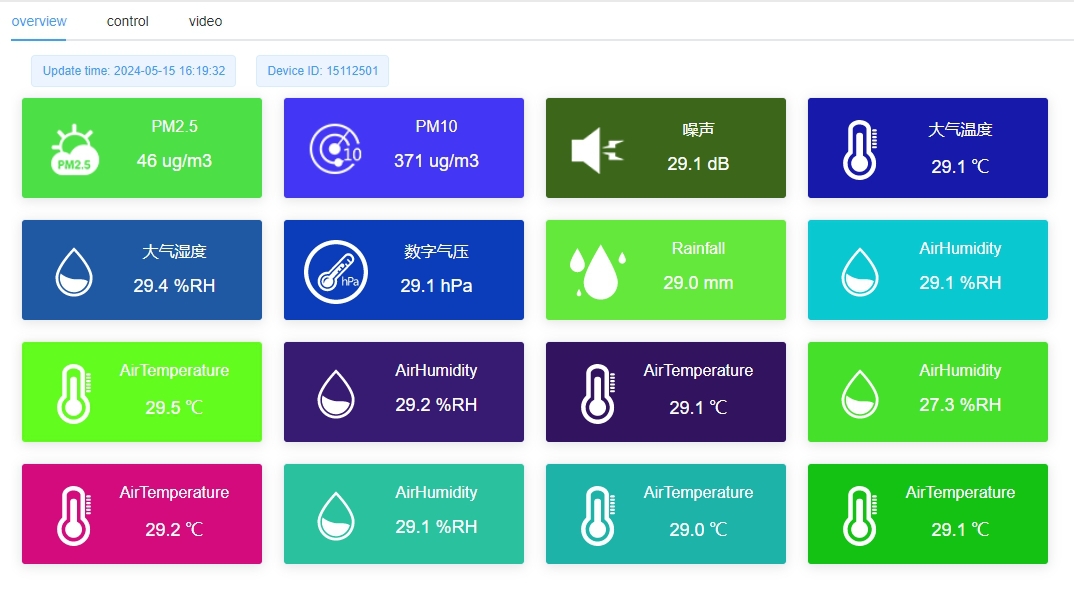
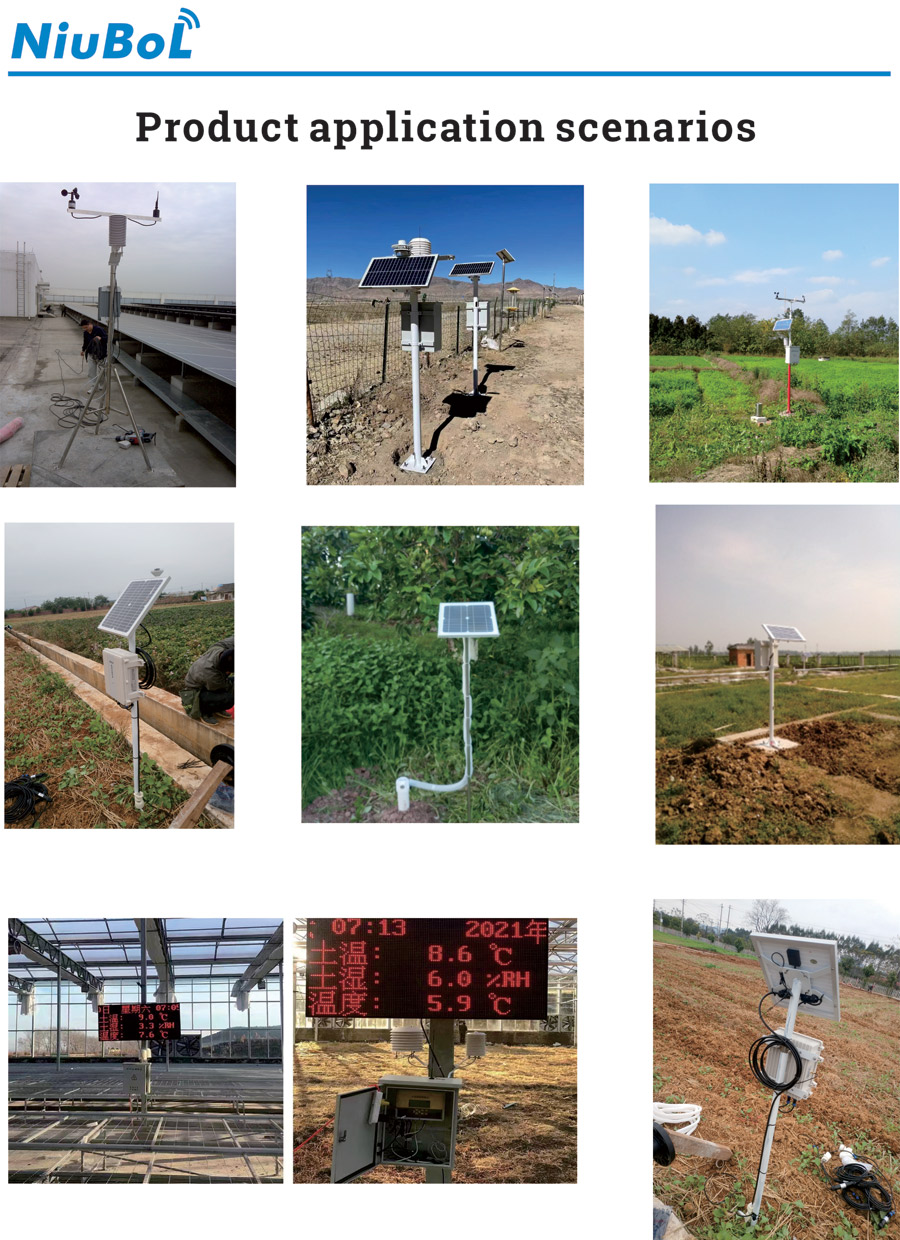
The NBL-PH-1 can acquire compatible inputs, display observations and record them in FLASH with a saving interval of 1-240 minutes. Digital I/O or relay functions depend on configuration. These capabilities do not establish universal pump compatibility, a ready-made irrigation algorithm or a particular remote-command interface.
For a control retrofit, identify which device owns the irrigation sequence and which commands a remote operator may issue. Retain local interlocks and define how a remote request interacts with an active local program. Check the system's behavior when communication is unavailable rather than assuming the logger includes an independent battery, automatic record recovery or continued control.
Test one authorized zone with the responsible equipment technician. Check that local stop and protection functions remain effective, the intended output is selected, and a repeated or delayed request does not create an unintended operation. Keep actuator power isolated during input-mapping tests where the procedure requires it. Enable live operation only under the site's approved commissioning procedure.
Preserve the original controller settings and record the accepted changes. For a quotation, send NiuBoL the existing controller interfaces, sensor outputs, zone layout and whether the requirement is monitoring or control. Include the required feedback signals. This makes it possible to identify the equipment and integration work actually needed.
Not necessarily. Monitoring may be added through separate acquisition equipment. Remote control requires an approved interface to the existing controller or a separately designed replacement; decide that scope before ordering.
No. Check Modbus RTU settings, device roles, registers, data types and scaling. A spare serial port does not prove that the controller can decode the selected instrument or accept remote writes.
No. Verify the valve's supply, coil type, switching requirements and protection circuit. A relay option does not establish electrical compatibility with every solenoid or motorized valve.
It can report the feedback actually available, such as a command or position indication. It should not report delivered water volume without a suitable measurement and a clear association with the irrigated zone.
Approve one complete channel map and operating sequence, including unavailable-data and local-override behavior. Record hardware versions and interface settings so additional sites receive the configuration that was tested.
An agricultural IoT retrofit is workable when sensor acquisition, controller permissions and physical feedback are specified separately. Prove read-only records first, then commission any control changes with the existing equipment's protections intact. A defined interface and feedback schedule is more useful than a general promise of farm-wide automation.
Related recommendations
Sensors & Weather Stations Catalog
 Agriculture Sensors and Weather Stations Catalog-NiuBoL.pdf
Weather Stations Catalog-NiuBoL.pdf
Agriculture Sensors Catalog-NiuBoL.pdf
Water Quality Sensor Catalog-NiuBoL.pdf
Related products
 Combined air temperature and relative humidity sensor
 TDR Soil Moisture & Temperature Sensor for irrigation| RS485 |4-20mA| NBL-S-THR
 Soil pH sensor RS485 soil Testing instrument soil ph meter for agriculture |NBL-S-PH
 Wind Speed sensor Output Modbus/RS485/Analog/0-5V/4-20mA
 Tipping bucket rain gauge for weather monitoring auto rainfall sensor RS485/Outdoor/stainless steel
 Pyranometer Solar Radiation Sensor 4-20mA/RS485


Screenshot, WhatsApp to identify the QR code
WhatsApp number:+8615367865107
(Click on WhatsApp to copy and add friends)

