





— Blogs —
—Products—
 Consumer hotline +8618073152920
 WhatsApp:+8615367865107
Address:Room 102, District D, Houhu Industrial Park, Yuelu District, Changsha City, Hunan Province, China
Product knowledge
Time:2023-07-23 10:45:59 Popularity:1914
The air quality monitoring station analyzes the situation of environmental air pollution based on the monitored air quality data, and studies its harm to environmental air pollution.Air quality monitoring stations can monitor the concentration of these substances to facilitate the scientific prevention and control of environmental air pollution.
At present, the most mentioned environmental air pollution is PM2.5 and PM10, because environmental air pollution is mainly dust pollution, and PM2.5 and PM10 are important components of it, so the timely monitoring, prevention and control of PM2.5 and PM10 is one of the important tasks in the management of air pollution.
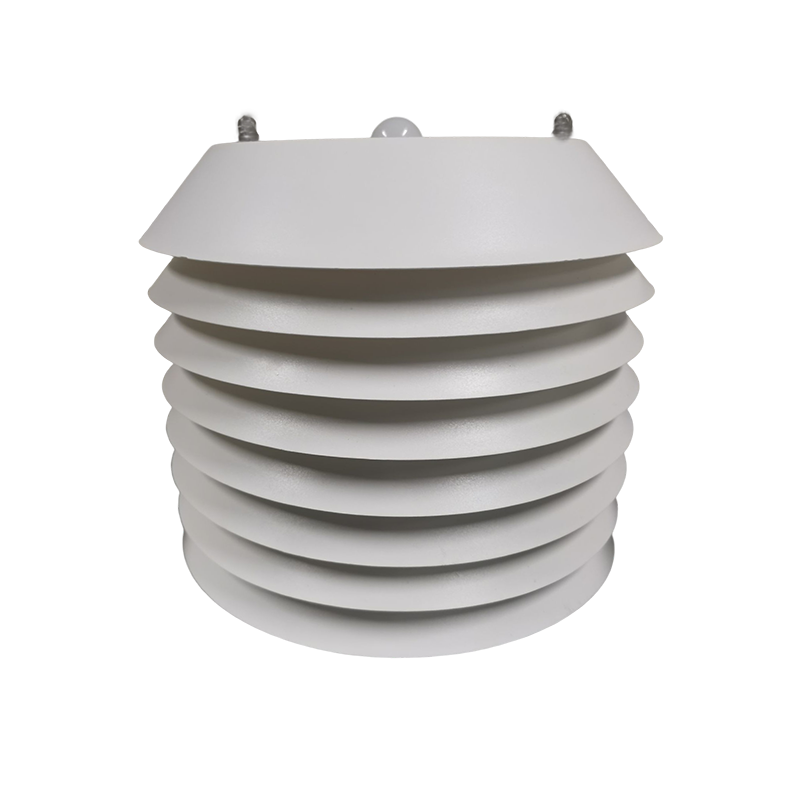
Air quality monitoring stations typically monitor and report the levels of PM2.5 and PM10 in the air. PM2.5 and PM10 represent particulate matter (solid and liquid particles suspended in the air).
PM2.5: PM2.5 refers to particulate matter with a diameter equal to or less than 2.5 micrometers. These particles can be generated by combustion processes (such as vehicle emissions and industrial emissions), dust, pollen, bacteria, etc. Due to their small size, PM2.5 can penetrate deep into the respiratory system and enter the lungs, posing higher risks to human health. Long-term exposure to high concentrations of PM2.5 may lead to respiratory problems, cardiovascular diseases, and other health issues.
PM10: PM10 refers to particulate matter with a diameter equal to or less than 10 micrometers. Similar to PM2.5, PM10 also includes particles emitted from combustion, dust, and other sources. Due to their larger size, PM10 mainly stays in the nose, throat, and upper respiratory system but can still cause respiratory problems.
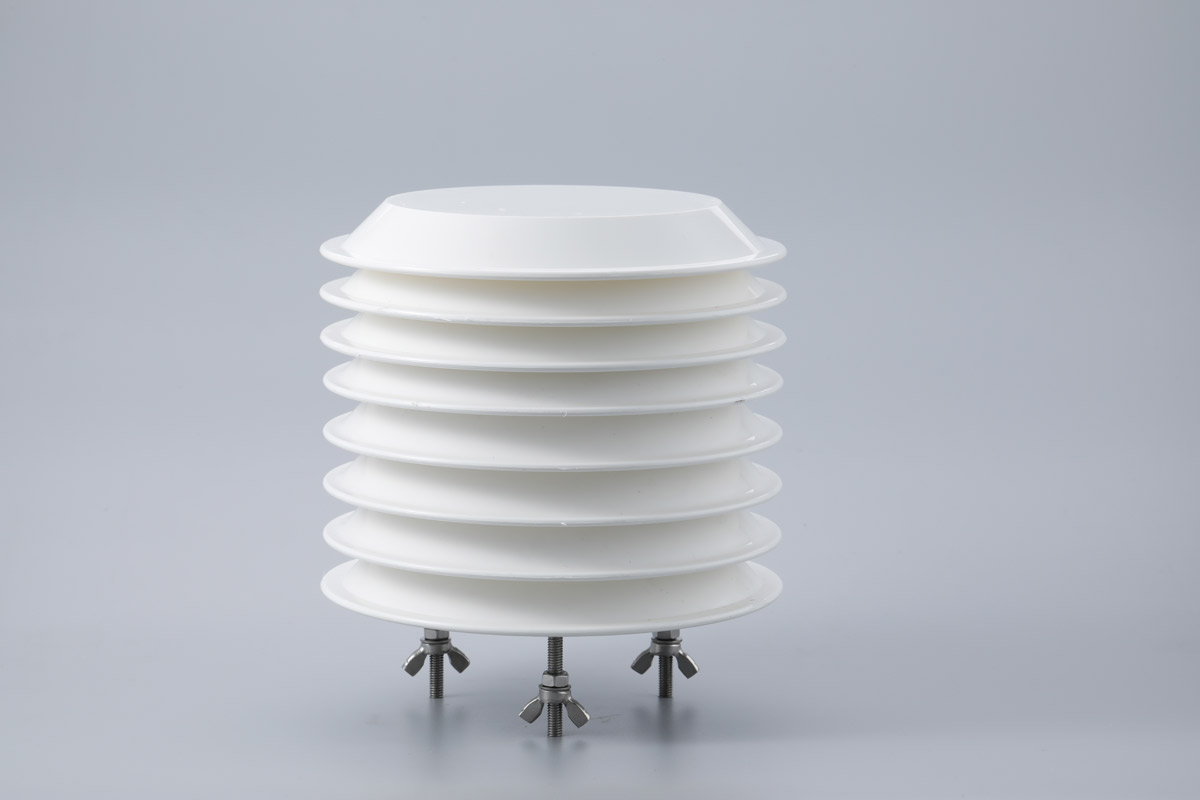
Monitoring stations typically install sensors and instruments to measure the concentrations of PM2.5 and PM10 in the air. These data are regularly recorded and reported to provide information about the current air quality status. Based on this data, government agencies, environmental organizations, and the public can take necessary measures to improve air quality, such as implementing emission restrictions, strengthening environmental management, or taking personal protective measures.
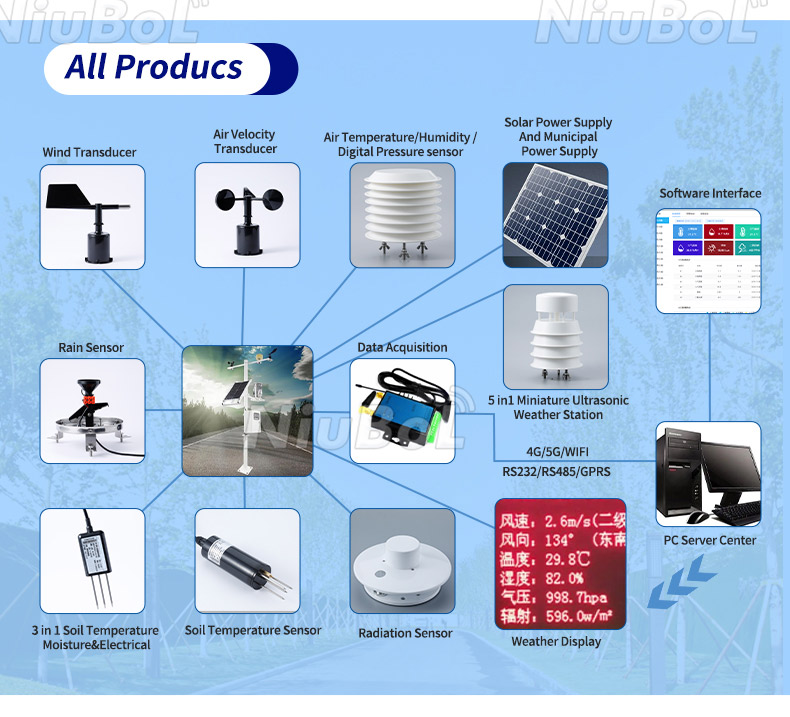
It's important to note that PM2.5 and PM10 are just two indicators in air quality monitoring. Other parameters such as nitrogen dioxide (NO2), ozone (O3), and sulfur dioxide (SO2) are also commonly monitored. Monitoring these indicators helps to gain a comprehensive understanding of the air quality status and enables corresponding control and protection measures to be implemented.
Prev:Commonly used rainfall monitoring equipment, value of for agriculture
Next:Installation of weather station equipment in geoparks: monitoring the meteorological environment
Related recommendations
Sensors & Weather Stations Catalog
 Agriculture Sensors and Weather Stations Catalog-NiuBoL.pdf
Weather Stations Catalog-NiuBoL.pdf
Agriculture Sensors Catalog-NiuBoL.pdf
Water Quality Sensor Catalog-NiuBoL.pdf
Related products
 Combined air temperature and relative humidity sensor
 TDR Soil Moisture & Temperature Sensor for irrigation| RS485 |4-20mA| NBL-S-THR
 Soil pH sensor RS485 soil Testing instrument soil ph meter for agriculture |NBL-S-PH
 Wind Speed sensor Output Modbus/RS485/Analog/0-5V/4-20mA
 Tipping bucket rain gauge for weather monitoring auto rainfall sensor RS485/Outdoor/stainless steel
 Pyranometer Solar Radiation Sensor 4-20mA/RS485

Screenshot, WhatsApp to identify the QR code
WhatsApp number:+8615367865107
(Click on WhatsApp to copy and add friends)

