





— Blogs —
—Products—
 Consumer hotline +8618073152920
 WhatsApp:+8615367865107
Address:Room 102, District D, Houhu Industrial Park, Yuelu District, Changsha City, Hunan Province, China
Product knowledge
Time:2024-06-22 17:18:30 Popularity:2328
What is a Campus Weather Station?
Campus Weather Station is a weather observation station established in a school, which is a highly integrated, low-power, quick-to-install, research-grade weather station that is easy to use for teaching purposes. Its main functions include real-time monitoring of various parameters such as atmospheric pressure, ambient temperature and humidity, wind speed, wind direction, rainfall, UV radiation, evapotranspiration, soil temperature and humidity, and noise, etc. It aims to provide real-time and accurate meteorological data for teachers and students of the school to help them better understand the weather conditions and take proper countermeasures.
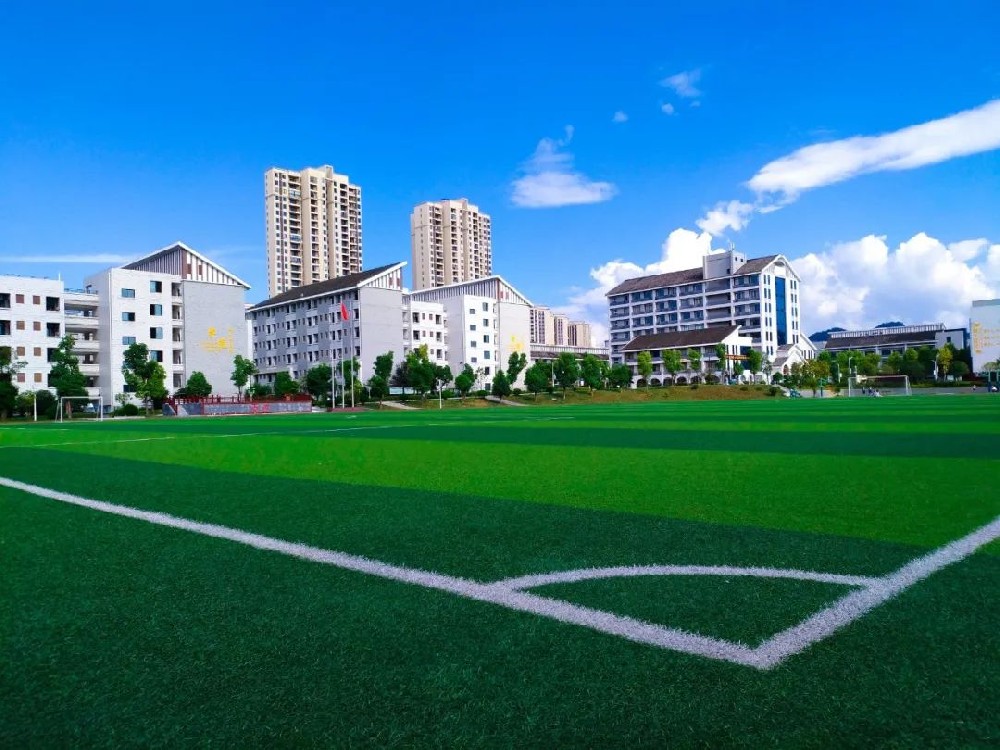
Campus weather stations are sited and constructed to provide meteorological monitoring data within the school and can be used as infrastructure for meteorological teaching and research. Below are some suggestions on the requirements for siting and surrounding construction of campus weather stations:
Requirements for the siting of campus weather stations
1. Open site: Choose an open site and try to avoid the influence of buildings, trees and other shading objects on meteorological observation to ensure that accurate and representative meteorological data are obtained.
2. Avoid human influence: Avoid selecting a site in an area with high pedestrian traffic or frequent activities, so as to avoid interference with meteorological observation caused by human activities. For example, stay away from locations such as playgrounds, cafeterias or parking lots.
3. Environmental safety: Consider the environmental safety factors, avoid siting in vulnerable sources of pollution, industrial areas or noisy places. Priority should be given to areas with a clean environment and good air quality.
4. Ventilation conditions: site selection should take into account the ventilation conditions, avoid too closed or restricted places. A well-ventilated site can reduce the possibility of meteorological observation instruments being disturbed by local airflow.
5. Safe and reliable: site selection should consider the safety and reliability of the equipment, to prevent the failure or damage to the meteorological observation equipment. Choose an area with complete safety protection measures and easy supervision and maintenance.
6. Utilization of campus resources: Utilize the existing facilities and resources on campus, such as teaching buildings, laboratories or areas for hands-on science activities, to facilitate student participation and teacher guidance.
7. Ease of Maintenance: Site selection should take into account the convenience of facility maintenance and management, and facilitate daily operation and maintenance by students and staff.
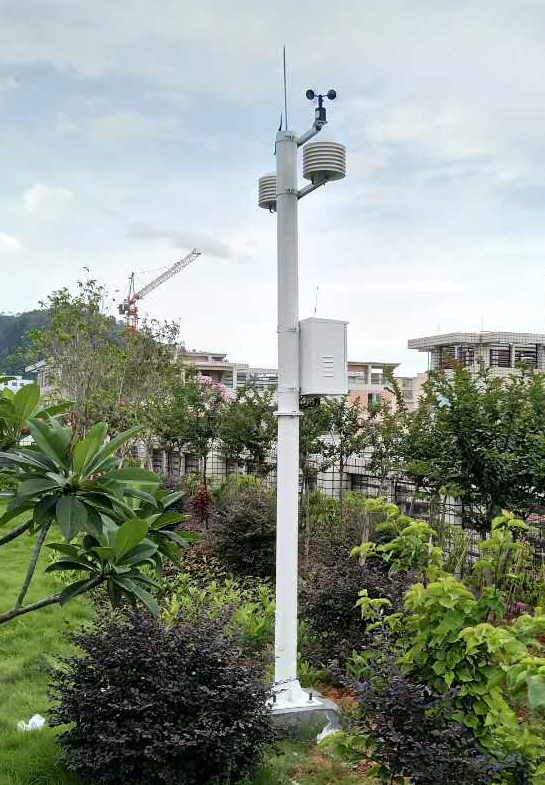
Campus weather station construction requirements
1. meteorological instruments and equipment: including thermometers, hygrometers, barometers, wind speed and direction meters, precipitation meters, etc., to ensure the monitoring and recording of various meteorological elements.
2. data transmission facilities: establish a data transmission system to transmit the monitoring data to the data center or teaching laboratory on campus so that students and teachers can analyze and apply the data.
3. Safety protection measures: Reasonable protection of the equipment to prevent damage or vandalism and ensure long-term stable operation.
4. Information display facilities: set up weather station information display screen or information dissemination column in the campus to display real-time weather data and weather knowledge to teachers and students.
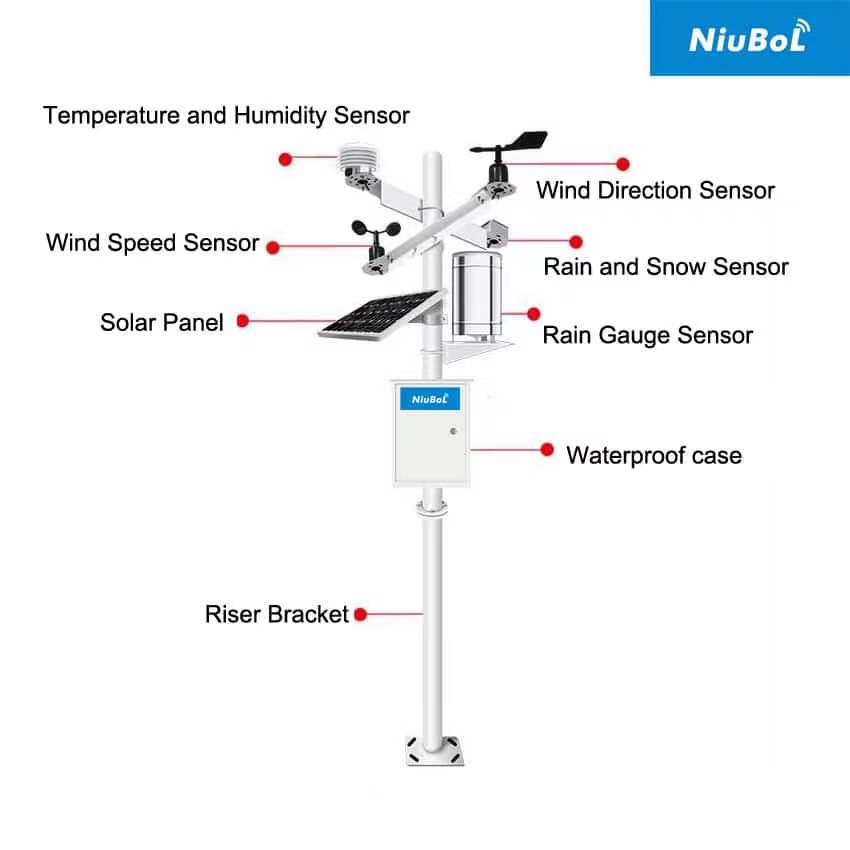
Requirements for the construction around the weather station on campus
1. Neat and tidy environment: Keep the environment around the weather station neat and tidy, and do not have sundries or garbage piled up.
2. Warning signs: Set up relevant signboards to publicize and popularize meteorological knowledge to teachers and students, and remind everyone of the importance of weather station equipment and data.
3. Barrier-free access: Ensure that there is easy access around the weather station for maintenance and management, so that students and staff can easily operate and maintain the equipment.
4. Infrastructure: The weather station should be surrounded by a stable power supply, as well as good communication and network facilities to ensure real-time transmission and processing of meteorological data.
5. Safety: Consider the safety of the weather station, such as lightning protection, waterproofing, anti-theft, etc., to ensure the normal operation of the equipment and the safety of teachers and students.
6. Education and popularization of science: the weather station should be an important platform for schools to carry out popularization of meteorological education and improve the comprehensive quality of students, and display areas and teaching areas can be set up around it, so as to facilitate students' visit and study.
To summarize, the location and construction of campus weather station need to comprehensively consider a variety of factors to ensure the accuracy and reliability of meteorological observation data, and at the same time play its role in education, scientific research and popularization of science.
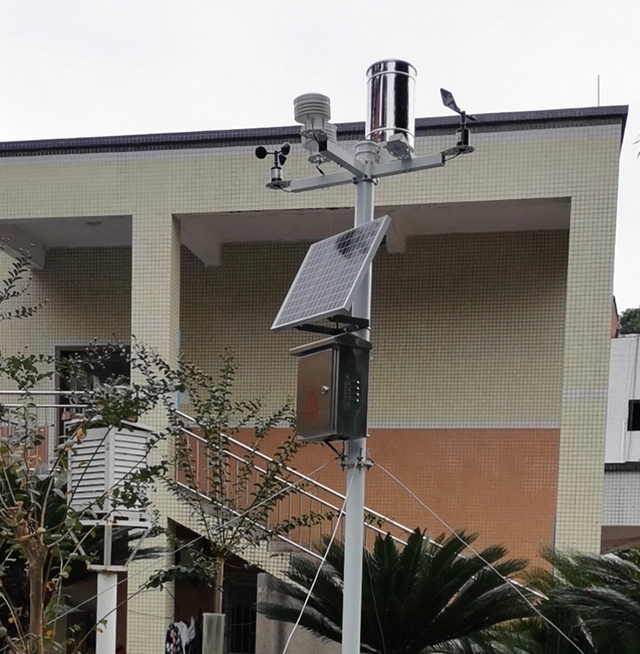
A campus weather station is a kind of small-scale meteorological monitoring station set up within a school or educational institution, and its main purpose is to educate, research and monitor the meteorological conditions of the campus and its surrounding areas. The establishment of a campus weather station provides students and teachers with the opportunity to participate directly in meteorological observation activities and to learn about the basic principles and methods of meteorology, while at the same time providing the school with weather forecasts and meteorological information services.
Related recommendations
Sensors & Weather Stations Catalog
 Agriculture Sensors and Weather Stations Catalog-NiuBoL.pdf
Weather Stations Catalog-NiuBoL.pdf
Agriculture Sensors Catalog-NiuBoL.pdf
Water Quality Sensor Catalog-NiuBoL.pdf
Related products
 Combined air temperature and relative humidity sensor
 TDR Soil Moisture & Temperature Sensor for irrigation| RS485 |4-20mA| NBL-S-THR
 Soil pH sensor RS485 soil Testing instrument soil ph meter for agriculture |NBL-S-PH
 Wind Speed sensor Output Modbus/RS485/Analog/0-5V/4-20mA
 Tipping bucket rain gauge for weather monitoring auto rainfall sensor RS485/Outdoor/stainless steel
 Pyranometer Solar Radiation Sensor 4-20mA/RS485

Screenshot, WhatsApp to identify the QR code
WhatsApp number:+8615367865107
(Click on WhatsApp to copy and add friends)

