





— Blogs —
—Products—
 Consumer hotline +8618073152920
 WhatsApp:+8615367865107
Address:Room 102, District D, Houhu Industrial Park, Yuelu District, Changsha City, Hunan Province, China
Product knowledge
Time:2024-11-18 08:39:55 Popularity:1948
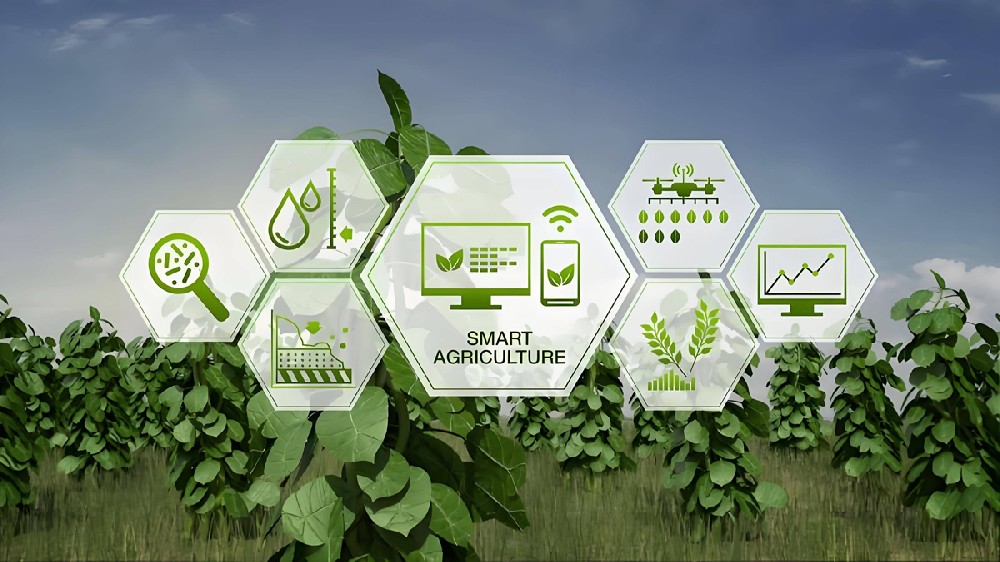
Intelligent Agricultural Weather Station is a device that integrates modern information technology (e.g., IoT, Big Data, Artificial Intelligence, etc.) for real-time monitoring and analyzing meteorological parameters in the farmland environment. It collects data through high-precision sensors and transmits the data to the cloud or local servers using wireless communication technology to provide farmers with scientific planting suggestions and management strategies.
Intelligent agricultural weather station usually consists of the following parts:
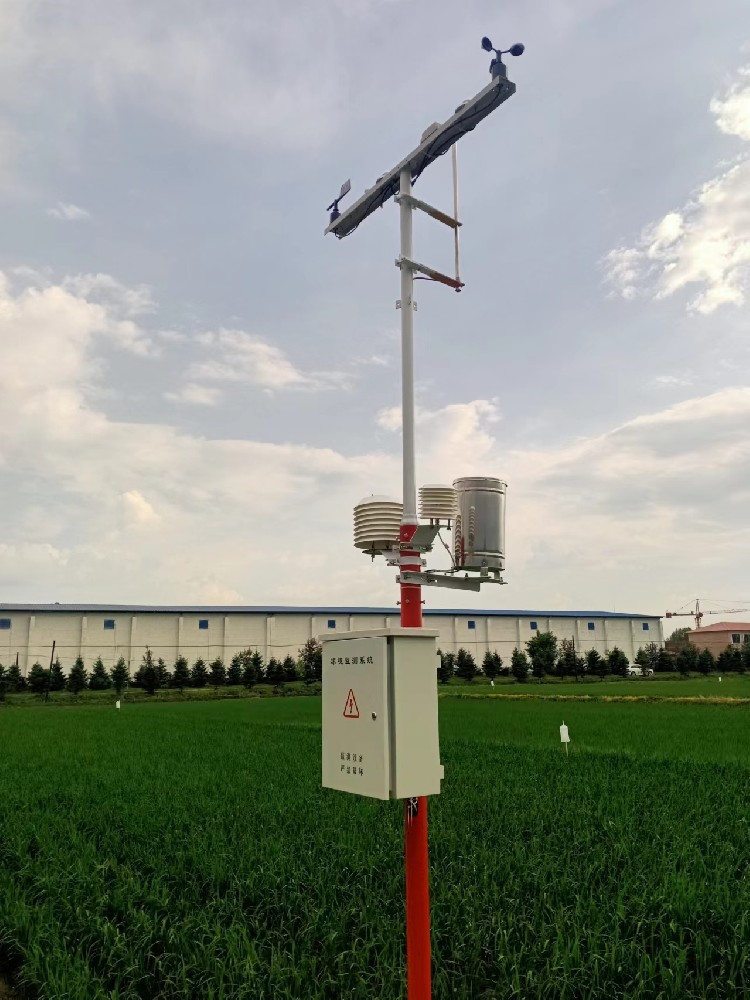
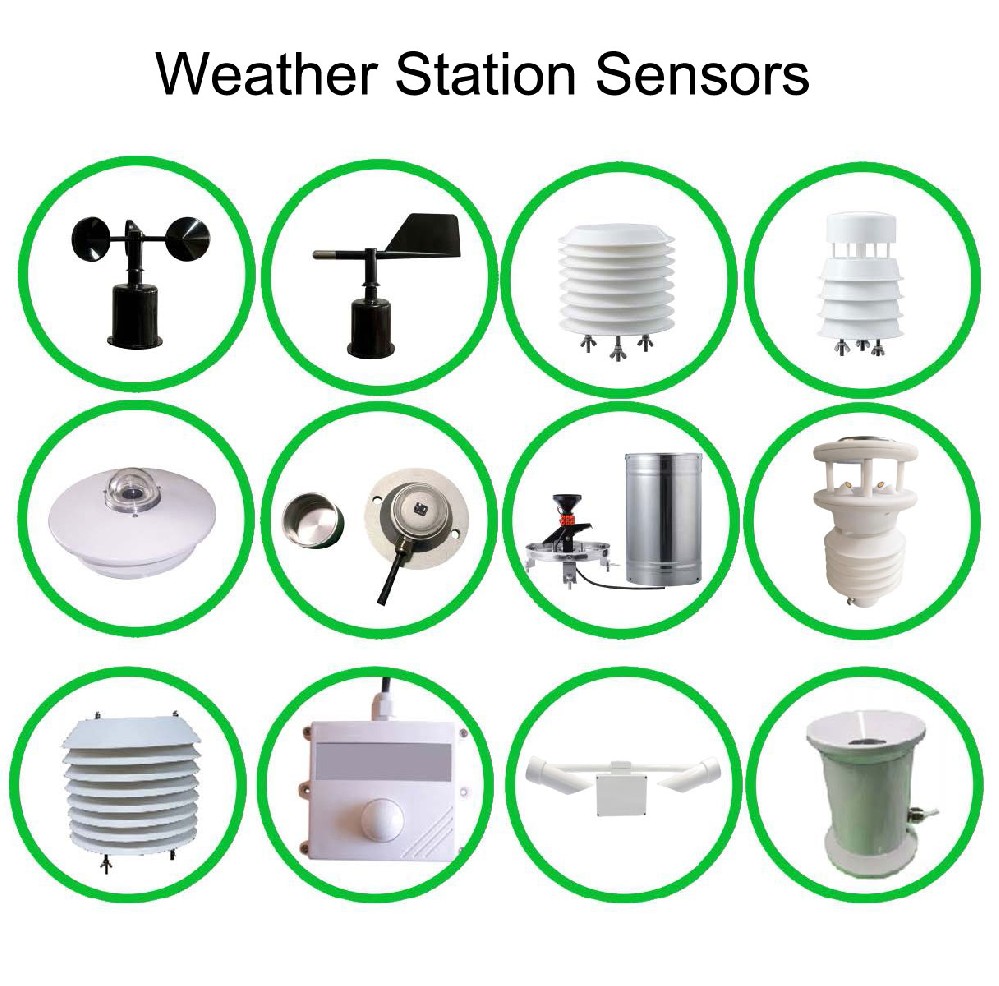
2.1. sensors: used for real-time monitoring of various parameters of the farmland environment, such as temperature, humidity, wind speed, wind direction, rainfall, light intensity, soil moisture, soil temperature, and so on.
2.2. Data Acquisition and Transmission Module: responsible for collecting sensor data and transmitting it to the cloud or local server via wireless communication technologies (e.g. LoRa, NB-IoT, GPRS/3G/4G/5G, etc.).
2.3. Cloud server: receives, stores, processes and analyzes sensor data to generate scientific planting suggestions and management strategies.
2.4. User Terminal: Farmers can remotely access the weather data and management suggestions through cell phone APP or computer terminal to realize real-time monitoring and management of farmland.
- Sensor deployment: deploy various high-precision sensors in the farmland to collect real-time meteorological data.
- IoT connection: sensors are connected to the central data processing system through IoT technology to ensure real-time data transmission.
- Data processing: The collected data are transferred to a cloud platform or local server for storage, processing and analysis.
- Data modeling: Using data analysis and machine learning algorithms, crop growth models are built to predict crop demand and environmental impact.
- Intelligent Decision Support: Based on the results of data analysis, farmers are provided with suggestions on planting time, crop types, irrigation schedules, and fertilization programs.
- Personalized management: Personalized agricultural management according to the needs of different crops and environmental conditions.
- Resource optimization: Reduce resource waste and improve resource utilization efficiency through precise irrigation and fertilization.
- Linkage equipment: linkage with automated equipment such as irrigation system and fertilizer application equipment, automatic adjustment according to meteorological data. For example, when the soil moisture is lower than the set threshold, the irrigation system is automatically turned on; when the temperature and humidity reach specific conditions, fertilizer is automatically applied. This automated control reduces human intervention and improves management efficiency.
- Environment simulation: using the data collected by IoT to simulate the most suitable growing environment, and realizing the optimization of crop growing conditions by regulating facilities such as smart greenhouse. For example, by regulating parameters such as temperature and humidity, light intensity, etc., the optimal growth environment is created to promote the healthy growth of crops.
 4. Key data from smart agro-weather stations help farmers to formulate planting plans
The key data provided by smart agro-weather stations are very helpful for farmers to make planting plans, which include:
- Air temperature and soil temperature: affect the growth rate and developmental stage of crops, and help select suitable crop types and determine the sowing time.
- Air and soil humidity: affects water uptake and transpiration, guides irrigation and soil management, and improves the efficiency of nutrient uptake.
- Affects the efficiency of photosynthesis of crops, guides crop layout and shade management, and ensures adequate photosynthesis of crops.
- Determines irrigation needs, avoids over- or under-irrigation, saves water, and ensures crop water balance.
- This has an impact on crop pollination and the spread of diseases, and helps farmers to take measures to minimize crop damage, such as adjusting crop layout and increasing wind protection facilities.
- Directly related to crop root development, guiding precise irrigation and soil management to improve nutrient absorption efficiency.
- Affects the nutrient absorption and growth of crops, and guides soil improvement and fertilization strategies.
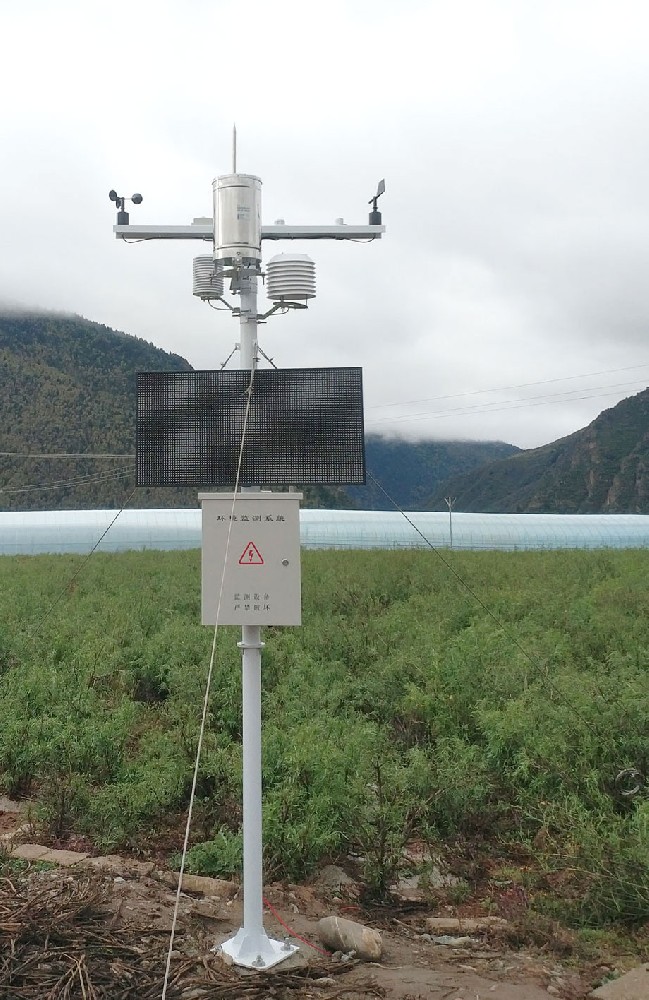
Intelligent agro-weather station realizes real-time early warning of agricultural disasters through the following ways:
- Using historical meteorological data and current monitoring data, disaster prediction models are built to analyze potential disaster risks. These models can recognize the complex relationship between meteorological elements and predict future weather trends.
- Warning thresholds are set for key meteorological parameters, and alerts are triggered as soon as monitoring data exceed these thresholds. For example, when the rainfall exceeds a certain threshold, the system will issue a flood warning; when the temperature is below a certain threshold, the system will issue a frost warning.
- A network of multiple weather stations covering a wide area provides comprehensive weather information and enhances the accuracy and timeliness of disaster prediction. This networked monitoring helps to detect and respond to regional disasters in a timely manner.
- Early warning information is instantly sent to farmers through mobile applications, SMS, and emails to ensure that the information is communicated quickly. Farmers can take appropriate countermeasures based on the early warning information, such as draining water in advance and reinforcing crop supports.
- Linkage with the disaster management system of the local government and agriculture department provides data support and rapid activation of the emergency response plan. This linkage mechanism helps to coordinate the resources of all parties and improve the efficiency of disaster response.
Summarize
Through IoT technology, big data analysis and artificial intelligence technology, the smart agricultural weather station provides farmers with scientific and reasonable planting suggestions and management strategies, helping them realize stable and high crop yields and economic benefits. At the same time, the intelligent agricultural weather station is also able to realize real-time warning of agricultural disasters, providing farmers with important support for disaster prevention and mitigation. Through these measures, the smart agricultural weather station not only improves crop yields, but also enhances the risk-resistant ability of agricultural production and promotes the intelligent and sustainable development of agriculture.
Prev:What is a carbon dioxide sensor?
Next:How can weather information help farmers realize precision planting in smart agriculture?
Related recommendations
Sensors & Weather Stations Catalog
 Agriculture Sensors and Weather Stations Catalog-NiuBoL.pdf
Weather Stations Catalog-NiuBoL.pdf
Agriculture Sensors Catalog-NiuBoL.pdf
Water Quality Sensor Catalog-NiuBoL.pdf
Related products
 Combined air temperature and relative humidity sensor
 TDR Soil Moisture & Temperature Sensor for irrigation| RS485 |4-20mA| NBL-S-THR
 Soil pH sensor RS485 soil Testing instrument soil ph meter for agriculture |NBL-S-PH
 Wind Speed sensor Output Modbus/RS485/Analog/0-5V/4-20mA
 Tipping bucket rain gauge for weather monitoring auto rainfall sensor RS485/Outdoor/stainless steel
 Pyranometer Solar Radiation Sensor 4-20mA/RS485

Screenshot, WhatsApp to identify the QR code
WhatsApp number:+8615367865107
(Click on WhatsApp to copy and add friends)

