





— Blogs —
—Products—
 Consumer hotline +8618073152920
 WhatsApp:+8615367865107
Address:Room 102, District D, Houhu Industrial Park, Yuelu District, Changsha City, Hunan Province, China
Product knowledge
Time:2024-11-17 20:15:14 Popularity:4280
Agrometeorology is a science that studies the interrelationship between agricultural production and meteorological conditions and their laws, and serves agricultural production. It is related to agriculture and meteorology two disciplines in the field of fringe disciplines, the main study of meteorological conditions and climatic conditions on agricultural production objects (such as crops, livestock, soil, etc.) and production activities of the influence of the law. At the same time, it also studies the production objects and production activities of meteorological effects, ecological effects and production efficiency.
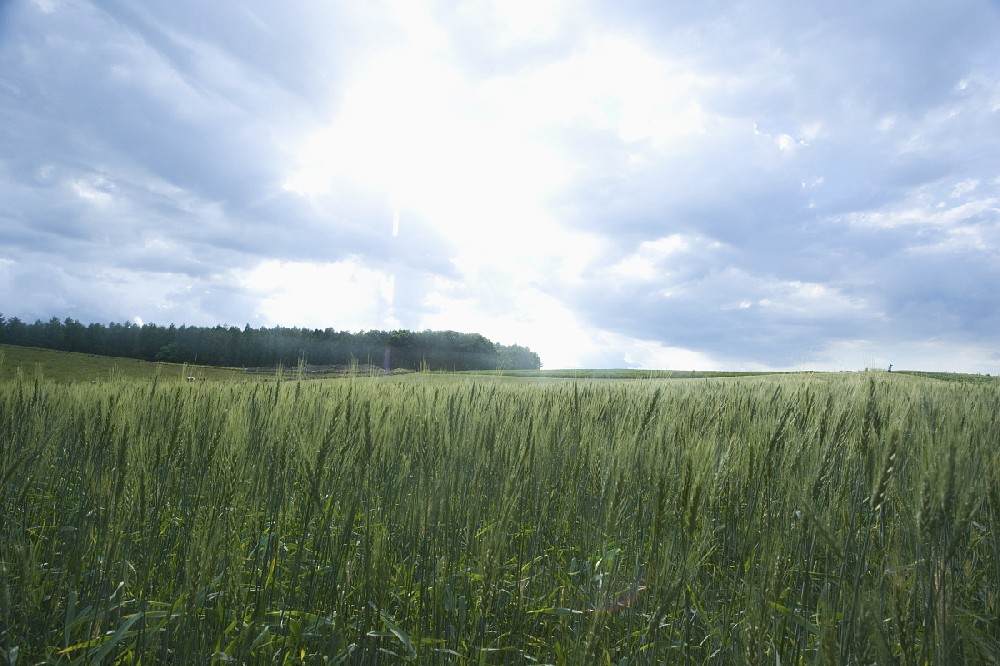
1. The impact of meteorological conditions on agricultural production:
- Light, heat, water, gas and other meteorological conditions: the study of these conditions on the growth and development of agricultural production objects, yield formation and quality and other aspects of the impact.
- Specific effects: appropriate temperature and light to promote photosynthesis, appropriate amount of precipitation and reasonable irrigation to ensure the supply of water, appropriate humidity and wind speed to affect the transpiration of crops and pollination process.
2. Adaptation and regulation of agricultural production to meteorological conditions:
- Adaptation research: to explore how the objects of agricultural production are adapted to different meteorological conditions.
- Regulation measures: study how to regulate meteorological conditions through agricultural technical measures (e.g. mulching, irrigation, fertilization, etc.) to meet the needs of agricultural production.
3. Agrometeorological disasters and their defense:
- Types of disasters: droughts, floods, low-temperature cold damage, frost, hail, etc.
- Defensive measures: analyze the occurrence pattern of these disasters, the degree of harm and defensive measures, such as early irrigation, cover crops, adjust the sowing time, etc.
4. Development and utilization of agroclimatic resources:
- Resource assessment: to study the distribution characteristics, changing law and potential for development and utilization of agro-climatic resources in different regions.
- Scientific basis: provide scientific basis for agricultural production, optimize agricultural layout and planting structure.
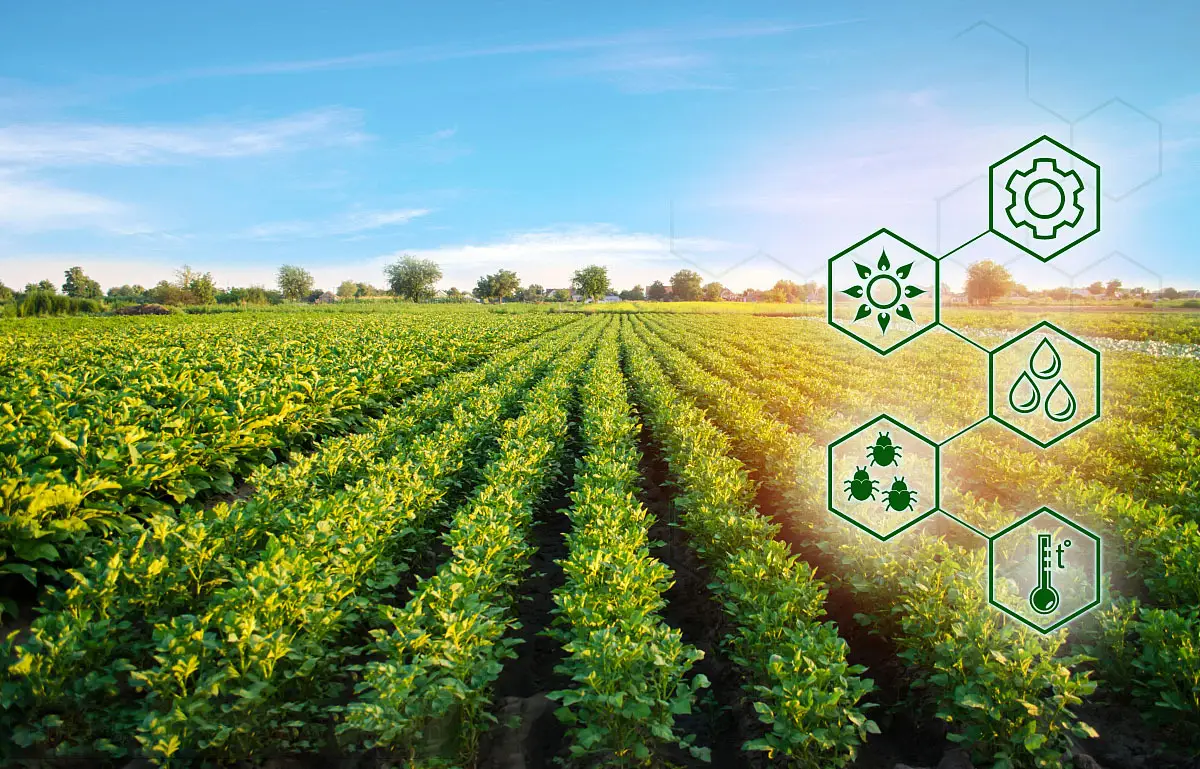
1. Improve the efficiency of agricultural production:
- Precise management: through accurate weather forecasting and agricultural production management, can optimize the agricultural production layout, adjust the planting structure, improve crop yield and quality.
- Resource utilization: rational use of light, heat, water and other meteorological resources to improve resource utilization efficiency.
2. Guarantee the sustainable development of agriculture:
- Ecological balance: rationally utilize and protect agro-climatic resources, reduce the loss of agro-meteorological disasters, and promote the balance and sustainable development of agro-ecosystems.
- Environmental protection: reduce the use of chemical fertilizers and pesticides through scientific management, and reduce environmental pollution.
3. Provide basis for agricultural policy making:
- Scientific decision-making: Research results of agrometeorology can provide scientific basis and data support for the government to formulate agricultural policies and plan agricultural production.
- Risk assessment: To help assess and manage risks associated with extreme weather, such as droughts, floods and storms.
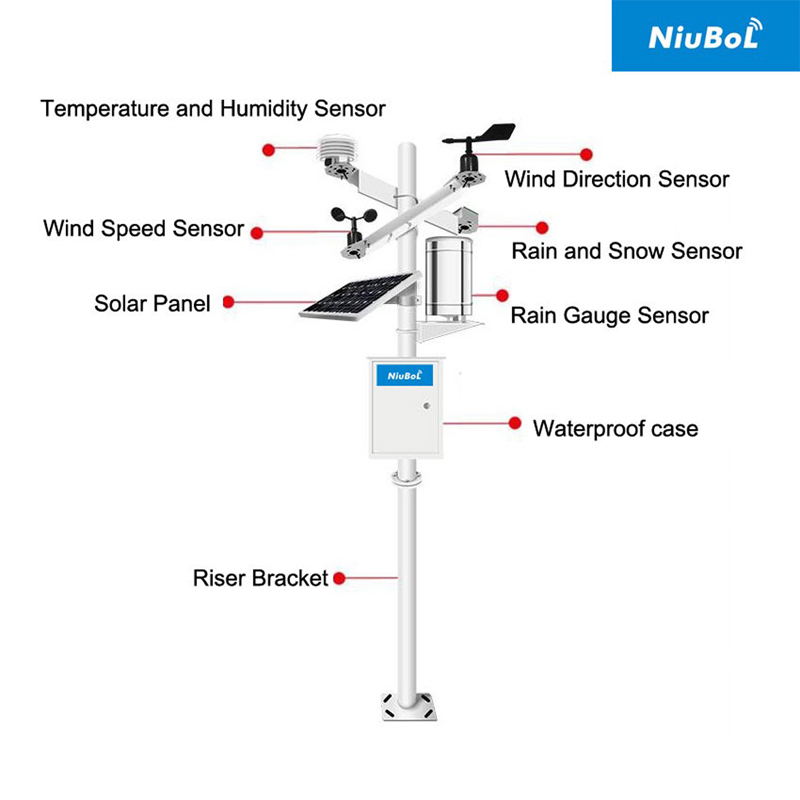
- Cultivation planning: According to the results of meteorological prediction, to rationally arrange agricultural production activities, such as sowing, fertilizer application, irrigation and harvesting.
- Irrigation management: use meteorological data to formulate irrigation plans to avoid water waste and ensure that crop water needs are met.
- Early warning system: Utilizing the knowledge of agrometeorology, establish an agrometeorological disaster early warning system and release disaster warning information in time to provide safety for agricultural production.
- Disaster management: through the advance warning system, timely measures are taken to mitigate the effects of meteorological disasters, such as setting up flood control facilities and using drought-resistant varieties.
- Resource assessment: assessing and zoning the agroclimatic resources in different regions to provide a scientific basis for agricultural production and agricultural resource development.
- Zoning planning: optimize the agricultural layout and planting structure, and improve the efficiency of resource utilization.
- Crop Breeding: study the influence of meteorological conditions on crop breeding, and select and breed crop varieties adapted to specific climatic conditions.
- Pest control: study the impact of meteorological factors on crop pests and diseases, provide forecasts and trend analysis of pests and diseases, and help farmers take timely control measures.
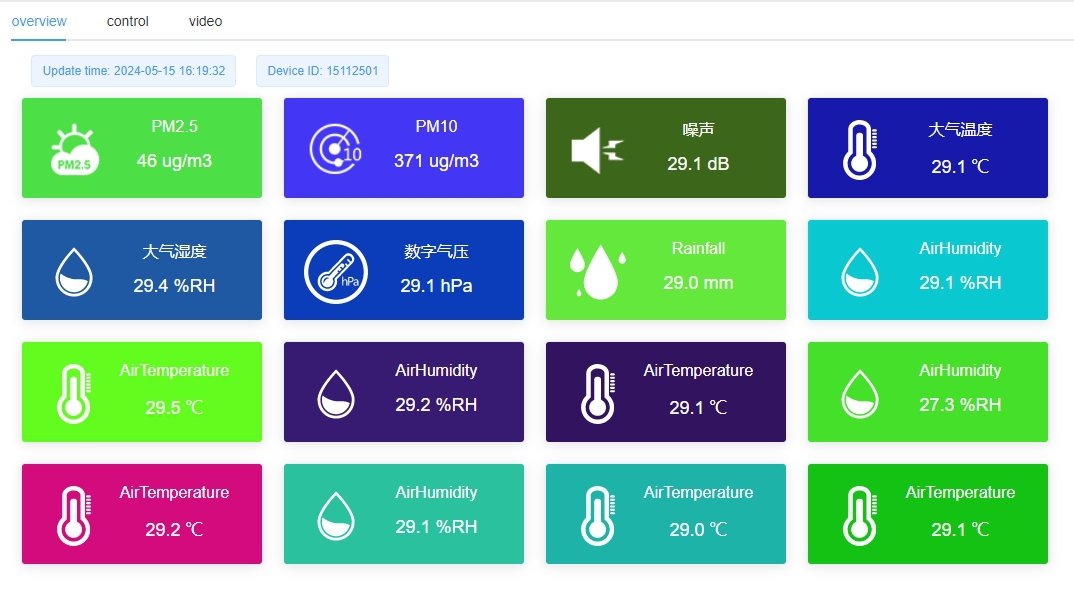
- Climatic conditions monitoring: monitoring climatic conditions such as temperature, precipitation, humidity, wind speed, solar radiation, etc., which directly affect the growth cycle and physiological activities of crops.
- Matching of growth stages: Different crops and varieties have different needs for climatic conditions. Agrometeorology helps farmers to select appropriate crops and varieties to match local climatic conditions.
- Irrigation planning: by monitoring soil moisture and weather forecasts, it guides the development of irrigation plans to ensure that crops receive the right amount of water.
- Water utilization: Reasonable irrigation can improve water utilization efficiency and reduce water waste.
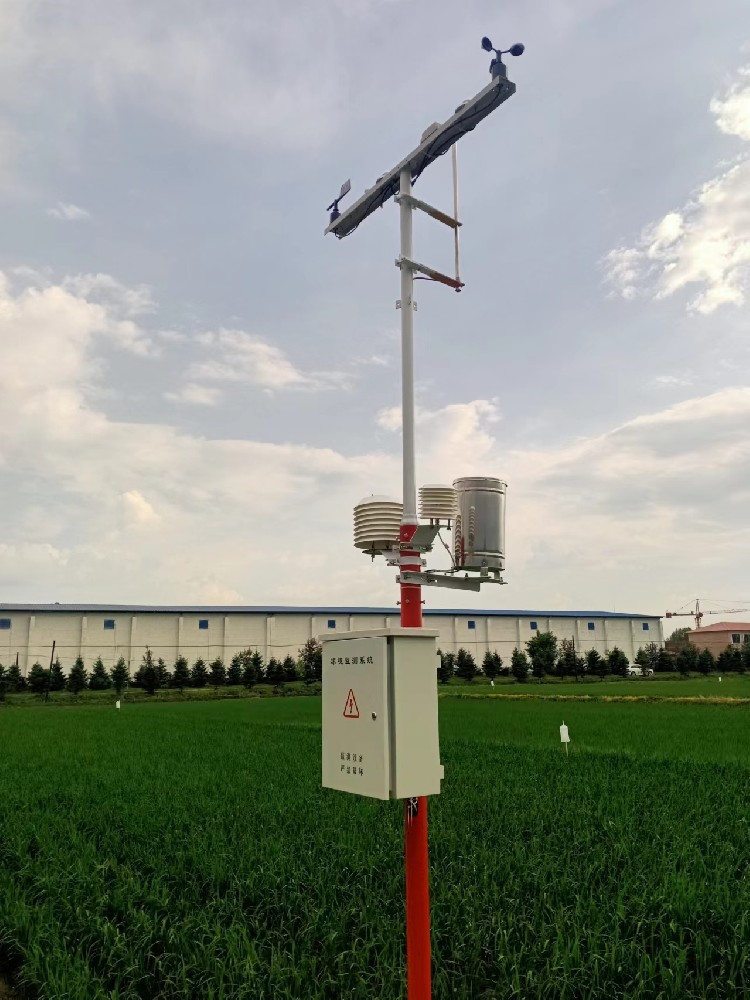
- Impact of meteorological conditions: Certain weather conditions are conducive to the occurrence and spread of pests and diseases, and agrometeorology can predict these conditions to help farmers take timely preventive measures.
- Preventive measures: Control the occurrence and spread of pests and diseases by spraying pesticides or adopting organic control methods, etc., to minimize damage to crops and increase yields.
- Photosynthesis: photosynthesis and respiration of crops are affected by temperature and light, and agrometeorology provides data to help farmers optimize these conditions for crop growth.
- Temperature regulation: microclimate regulation through techniques such as greenhouses and shade nets extends the effective growing period of crops and increases yields.
- Long-term research: agrometeorology studies the effects of climate change on crop growth and provides farmers with adaptation strategies.
- Short-term management: through short-term weather forecasts, farmers can adjust management measures in time to cope with short-term climate change.
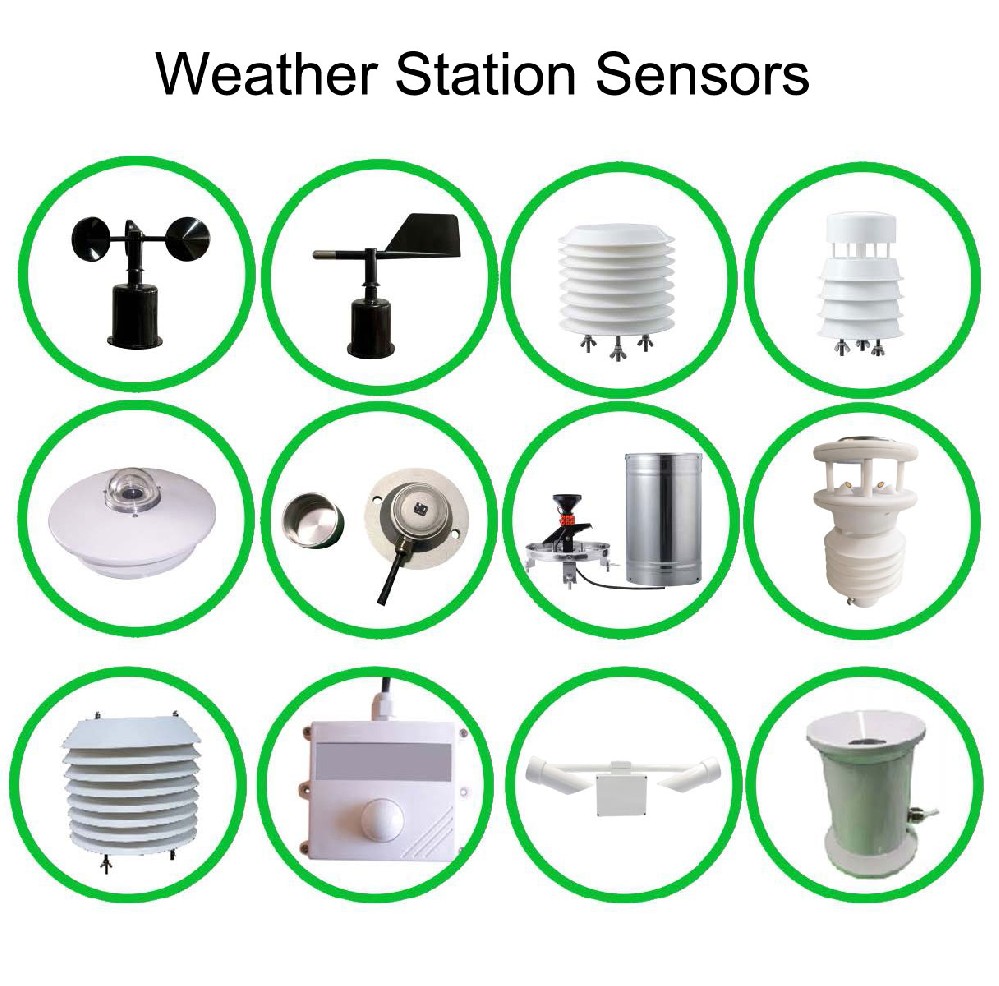
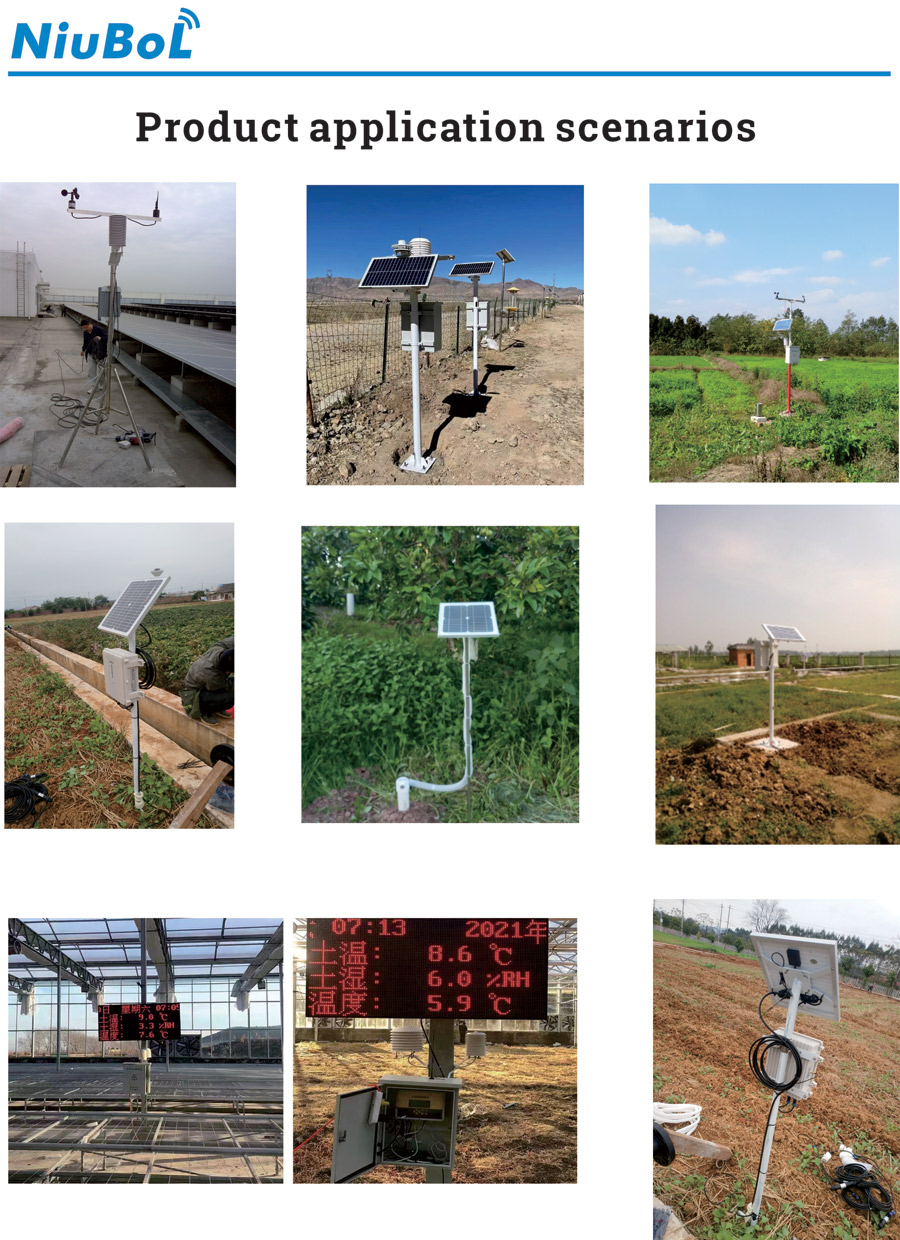
- Internet of Things (IoT) technology: Intelligent agrometeorological stations integrating IoT technology have been developed to realize real-time monitoring of farmland microclimate and remote data transmission.
- Data Acquisition: High-precision sensors and wireless communication technologies have improved the accuracy and real-time data acquisition.
- Big data analysis: Big data and artificial intelligence are used to analyze historical meteorological data to provide customized planting suggestions for specific areas and improve the efficiency of resource use.
- Precision management: The application of technologies such as precision irrigation and precision fertilizer application reduces the waste of resources and improves the efficiency of agricultural production.
- Long-term forecasting: establish more accurate climate models to improve the accuracy of long-term and short-term weather forecasts and help farmers make planting decisions.
- Short-term warning: Through short-term weather forecasts, farmers can take timely measures to cope with extreme weather events.
- Selection and breeding of adapted varieties: Combined with meteorological data, select and breed crop varieties adapted to specific climatic conditions to enhance crop resistance to extreme weather.
- Genetic improvement: through genetic improvement technology, breeding drought-, cold- and disease-resistant crop varieties.
- Comprehensive services: create a comprehensive agricultural meteorological service platform to provide online meteorological services, disaster early warning and agricultural guidance, and promote intelligent agriculture.
- User-friendly: the platform interface is friendly and easy to operate, which is convenient for farmers to use.
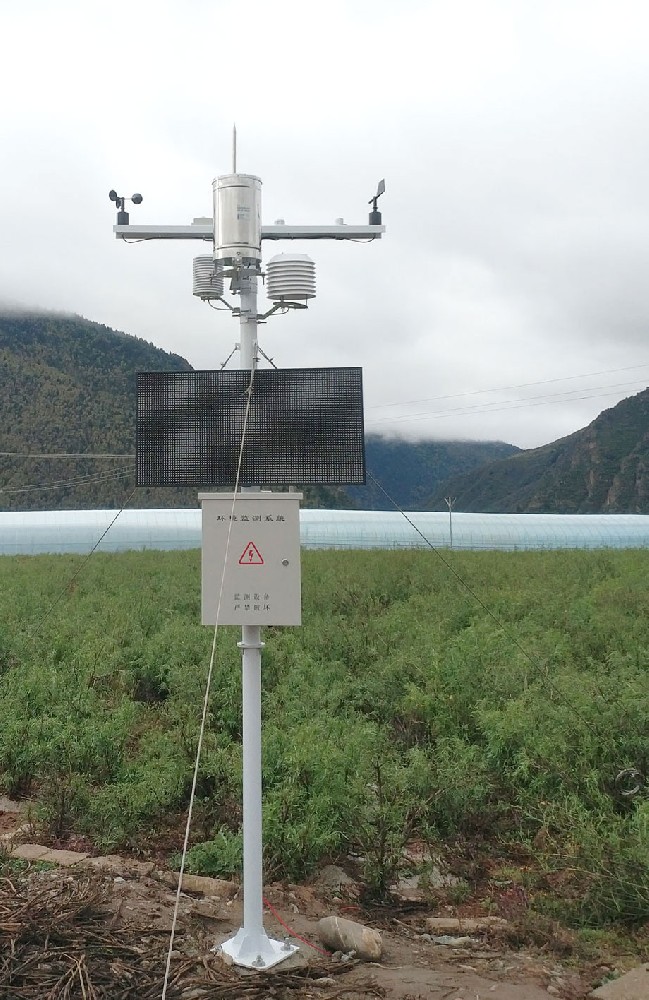
- Selection of adapted varieties: according to meteorological data, select crop types that are most suitable for the local climate and adjust the planting structure to adapt to climate change.
- Crop rotation system: implement a reasonable crop rotation system to reduce barriers to continuous cropping and improve soil fertility and crop yields.
- Meteorological forecasting: Use meteorological forecasting and soil moisture monitoring to implement precise irrigation and fertilization, reduce the waste of water and fertilizer, and improve efficiency.
- Intelligent system: Apply intelligent irrigation system and environment control greenhouse to automatically adjust according to weather conditions and create the best growing environment.
- Early warning system: Take timely measures to mitigate the effects of meteorological disasters through an early warning system, such as installing flood control facilities and using drought-resistant varieties.
- Contingency measures: Develop contingency plans to improve farmers' ability to cope with extreme weather.
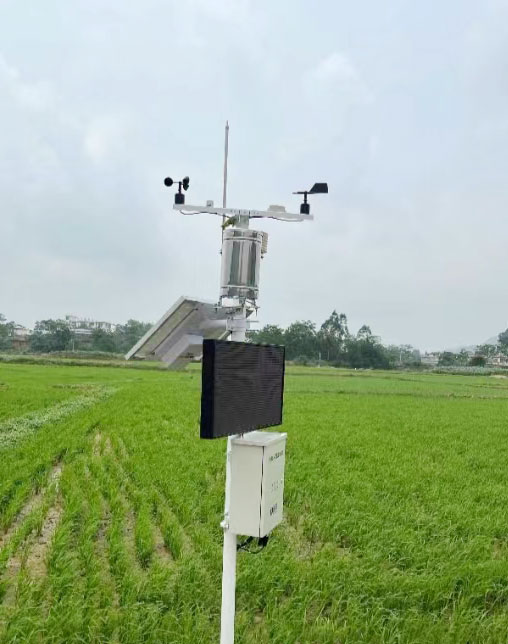
- Regulation of microclimate: use techniques such as greenhouses and sunshade nets to regulate microclimate and extend the effective growing period of crops to increase yields.
- Protecting measures: taking measures such as covering and shading to protect crops from extreme weather.
- Prediction and control: Predict the occurrence of pests and diseases based on meteorological conditions, implement preventive management, reduce the use of pesticides and maintain ecological balance.
- Biological control: Promote biological control technology, reduce the use of chemical pesticides, and reduce environmental pollution.
- Research and application: Research and apply long-term adaptation measures, such as crop rotation and soil management, to cope with long-term climate change trends.
- Policy support: The government provides policy support and financial investment to promote the development of agrometeorology research and application.
Summarize
Agricultural meteorology (Agrometeorology) is a discipline of wide application value and significance, which plays an important role in improving agricultural production, ensuring sustainable agricultural development, and providing a basis for agricultural policy making by studying the relationship between meteorological conditions and agricultural production. Through the rational use of meteorological resources, the optimization of irrigation and fertilization strategies, the selection of well-adapted crop varieties, and the strengthening of pest control, agrometeorology helps farmers to better cope with changes in natural conditions, thereby improving agricultural output and efficiency.
Related recommendations
Sensors & Weather Stations Catalog
 Agriculture Sensors and Weather Stations Catalog-NiuBoL.pdf
Weather Stations Catalog-NiuBoL.pdf
Agriculture Sensors Catalog-NiuBoL.pdf
Water Quality Sensor Catalog-NiuBoL.pdf
Related products
 Combined air temperature and relative humidity sensor
 TDR Soil Moisture & Temperature Sensor for irrigation| RS485 |4-20mA| NBL-S-THR
 Soil pH sensor RS485 soil Testing instrument soil ph meter for agriculture |NBL-S-PH
 Wind Speed sensor Output Modbus/RS485/Analog/0-5V/4-20mA
 Tipping bucket rain gauge for weather monitoring auto rainfall sensor RS485/Outdoor/stainless steel
 Pyranometer Solar Radiation Sensor 4-20mA/RS485

Screenshot, WhatsApp to identify the QR code
WhatsApp number:+8615367865107
(Click on WhatsApp to copy and add friends)

