





— Blogs —
—Products—
 Consumer hotline +8618073152920
 WhatsApp:+8615367865107
Address:Room 102, District D, Houhu Industrial Park, Yuelu District, Changsha City, Hunan Province, China
Product knowledge
Time:2026-06-18 09:13:51 Popularity:194
A campus weather station is both a meteorological observation device and an educational infrastructure project. It monitors temperature, humidity, wind speed, wind direction, rainfall, solar radiation and other weather factors around the school. For procurement teams, the purpose is not only to display weather data; it is to build a stable system that supports science education, campus safety, outdoor activity planning and long-term data learning.
Schools often combine a campus weather station with meteorological science activities, observation courses, knowledge competitions and environmental data projects. A well-designed station lets students see real weather changes on campus and compare them with regional forecasts, making meteorology easier to understand.
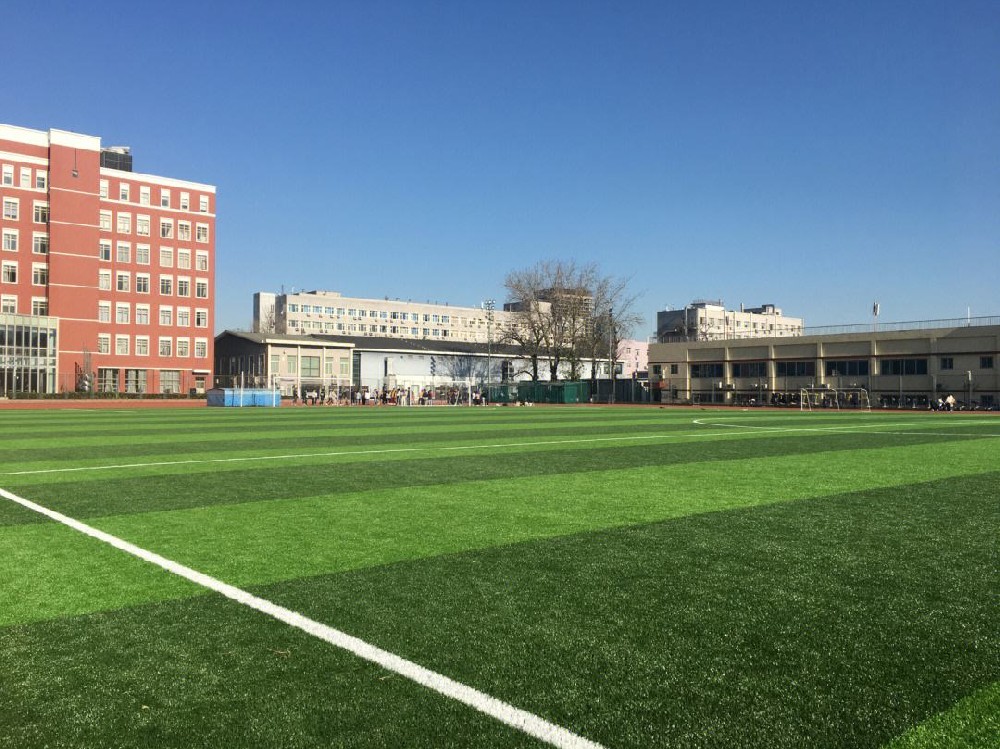
Campus meteorological education has become part of science popularization in many primary and secondary schools. A weather station provides local data that teachers can use in physics, geography, environmental science and safety management. Temperature and humidity support heat stress awareness. Wind and rainfall support outdoor activity decisions. Solar radiation supports energy and climate lessons.
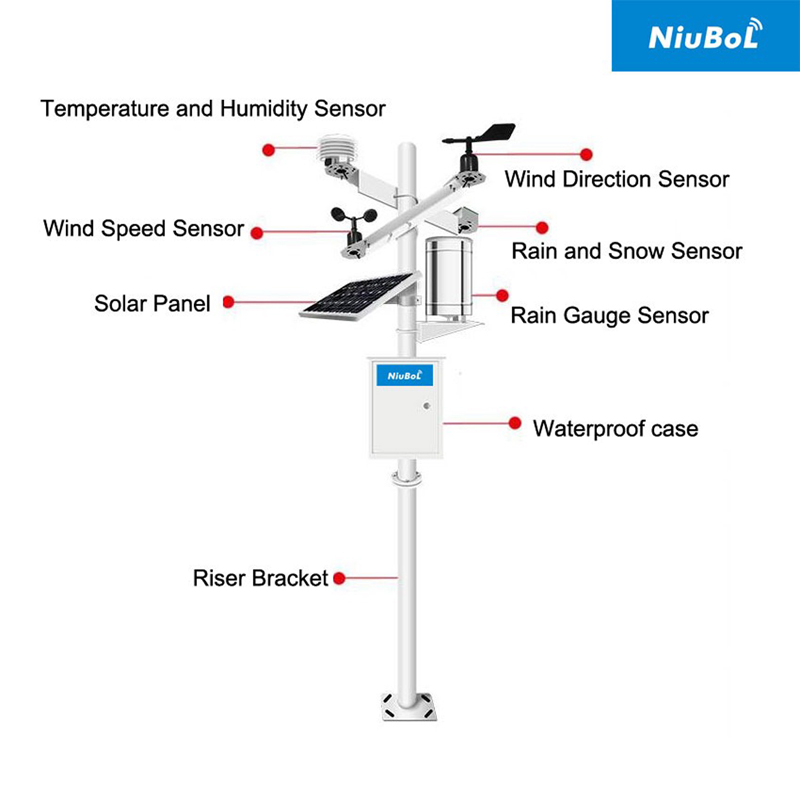
The campus weather station is installed in an open outdoor area. Sensors collect weather elements and send data to a collector or station host. The host stores data, drives a display screen if configured and uploads records to software. In a smart campus project, the station can become part of a wider environmental monitoring system with air quality, noise or negative oxygen ion data.
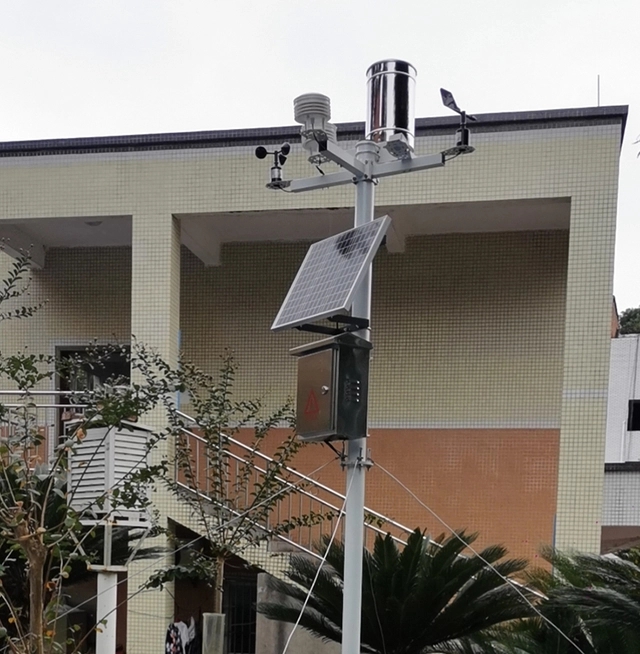
Many weather sensors use RS485 / Modbus output or connect through the station host. This is suitable for schools because it allows stable wiring, standard data acquisition and later platform expansion. The integrator should confirm sensor channels, communication distance, display method, data export, power supply and whether the school needs local or cloud access.
| Item | Technical Reference | Project Note |
|---|---|---|
| Temperature sensor | Configured for ambient air temperature monitoring | Install in suitable radiation shield |
| Humidity sensor | Configured for relative humidity monitoring | Avoid direct rain and poor ventilation |
| Wind speed / direction | Outdoor wind sensor or integrated weather sensor | Install away from buildings and trees |
| Rainfall | Rain gauge or rainfall sensor according to station configuration | Keep level and unobstructed |
| Solar radiation | Pyranometer or light radiation sensor | Avoid shading throughout the day |
| Data acquisition | Station host or data logger | Supports display, storage and upload |
| Communication | RS485 / Modbus or host-supported protocol | Confirm before platform integration |
| Power supply | Mains, solar or mixed supply depending on configuration | Select based on campus installation conditions |
| Installation environment | Open area without tall buildings nearby | Improves representativeness |
| Maintenance | Regular cleaning, level check and sensor inspection | Assign school or service responsibility |
Site challenge: Students need real data rather than abstract weather concepts.
System integration scheme: Use station data in lessons, experiments and weather observation activities.
User value: The school gains a practical science education platform.
Site challenge: Weather changes affect sports, assemblies and safety planning.
System integration scheme: Monitor temperature, rainfall, wind and radiation near the activity area.
User value: Staff can make better decisions for outdoor schedules.
Site challenge: Schools may need weather, air quality and noise data in one platform.
System integration scheme: Connect weather station data with other environmental monitoring modules.
User value: The campus gains a scalable environmental data system.
Site challenge: Weather education needs visible equipment and continuous records.
System integration scheme: Install station with display screen and data export for student projects.
User value: Students can observe trends and compare local weather changes.
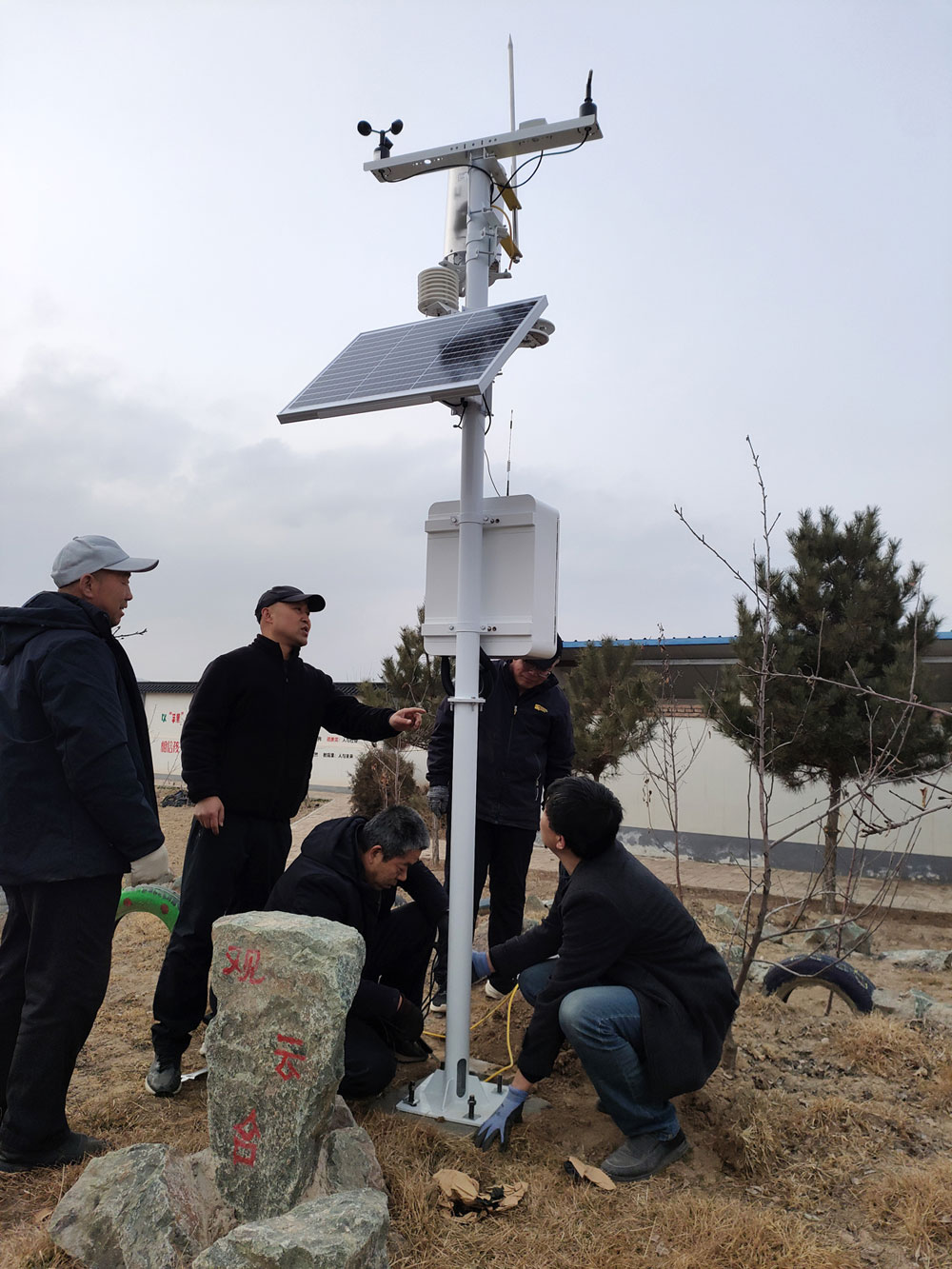
Install the station in an open area without tall buildings, dense trees or strong radiation equipment nearby. The station should not be placed where roofs, walls or sports facilities block wind and rainfall. Solar radiation sensors need a location without shading. Rain sensors need stable level installation. The station should also be safe for students and convenient for maintenance.
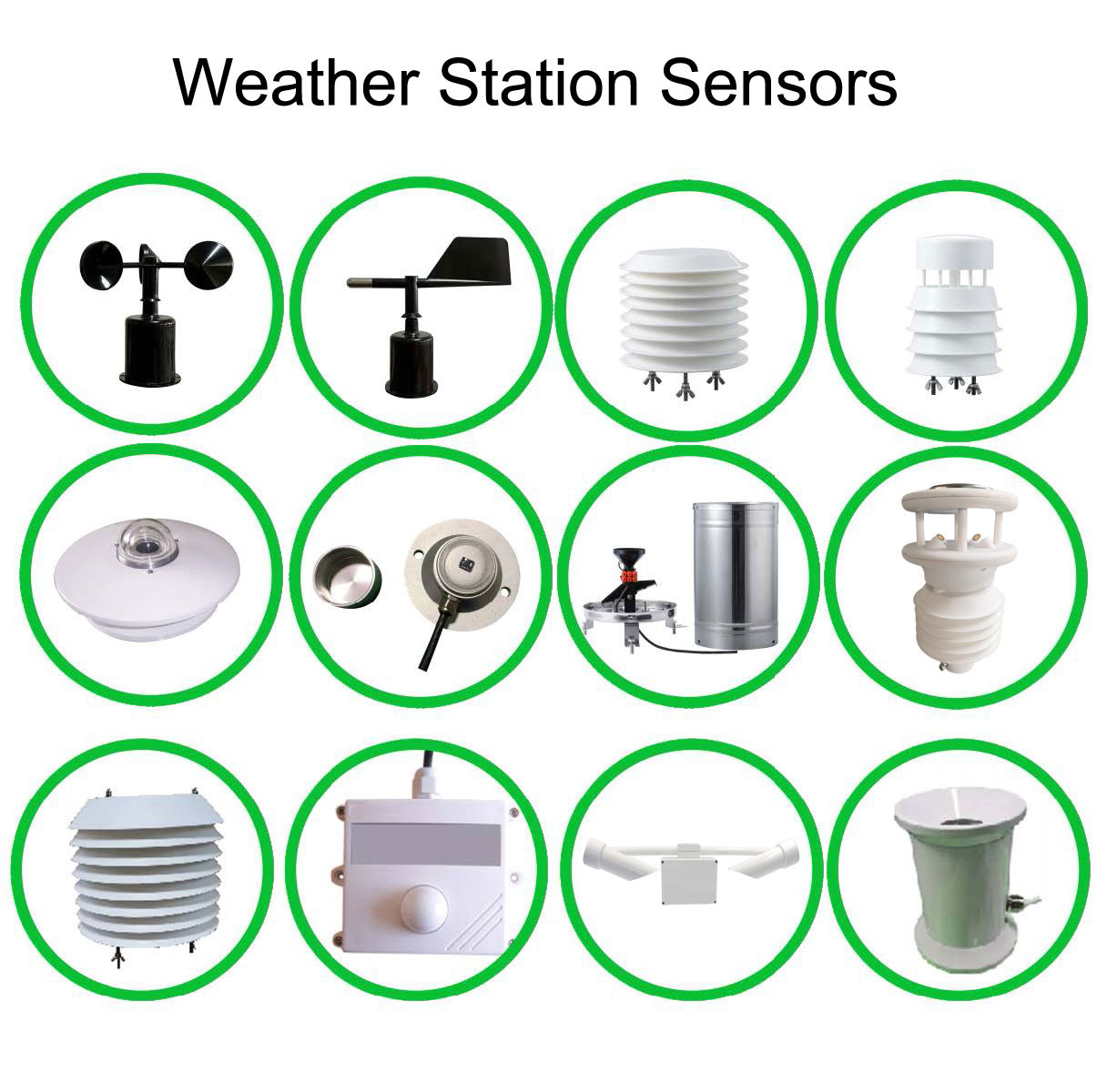
A campus weather station should be specified as a field measurement system rather than a single display device. A useful procurement document defines the monitoring target, installation environment, measured parameters, power supply, communication method, data platform, alarm logic, maintenance access and acceptance procedure. This gives distributors, integrators and project owners a common technical baseline before quotation.
The purchase document should list required elements, display screen needs, software access, power supply, pole height, installation accessories and training requirements. Acceptance should verify live data, historical records, display function, data export and sensor installation position.
A school weather station inquiry should state whether the project needs only observation sensors, a complete station with pole and cabinet, a display screen, software access, teaching materials or installation service. For campuses with younger students, equipment safety and protected wiring are as important as sensor accuracy. For schools planning science competitions or long-term projects, data export and historical storage should be included.
Buyers should also ask whether the station can be expanded later. A campus may start with temperature, humidity, wind, rainfall and solar radiation, then add air quality, soil moisture, noise or negative oxygen ion monitoring. If expansion is planned early, the data collector and platform can be selected with enough capacity.
Weather data can support outdoor sports, heat warning, rain response, science classes and environmental projects. Teachers can guide students to compare local campus data with city weather forecasts, analyze daily temperature curves, observe rainfall events and study how wind affects perceived temperature. The same station can therefore serve both operation and education.
For acceptance, the school should keep installation photos, sensor list, communication settings, platform login information and basic operation guide. This makes future maintenance easier when school staff changes.
A basic education station may include temperature, humidity, wind speed, wind direction and rainfall. A more complete campus station may add solar radiation, atmospheric pressure, PM2.5, PM10 and noise. A smart campus environmental station may further connect display screens and platform access for historical data analysis.
For primary schools, simple display and safe installation are often more important than complex sensor quantity. For secondary schools or science education bases, data export, historical trend charts and expansion capability become more valuable because students can use the data for projects and competitions.
One common mistake is buying a station without checking the installation environment. If the station is surrounded by buildings, trees or walls, wind and rainfall data may be distorted. Another mistake is not defining who will maintain the equipment. Rain gauges need cleaning, solar panels need inspection, and connectors should be checked after storms.
A useful school procurement document should include sensor list, installation position, pole and foundation requirements, display method, software access, training, warranty and maintenance responsibilities. This makes the project easier for school administrators to approve and easier for suppliers to deliver.
During acceptance, check whether each sensor is installed in the correct direction and position. Wind sensors should not be blocked by buildings. Rain sensors should be level and unobstructed. Solar radiation sensors should not be shaded. Temperature and humidity sensors should be protected from direct radiation and rain while remaining ventilated.
The school should also verify software functions. Live data should update normally, historical records should be available, and export files should use clear units. If a display screen is included, the content should be readable for students and visitors. Training should cover basic operation, simple troubleshooting and routine cleaning.
Before asking for price, the buyer can prepare a simple list: required parameters, preferred installation location, whether a display screen is needed, whether data export is needed, whether solar power is required, and who will perform installation. This saves time and helps the supplier avoid quoting an unsuitable station.
A: A campus weather station provides local weather data for education, campus safety and environmental observation. It helps students learn with real measurements instead of abstract concepts, while staff can use weather information for outdoor activity planning, heat response, rainfall awareness and science education programs.
A: A practical first-stage campus station usually includes temperature, humidity, wind speed, wind direction, rainfall and solar radiation. If the school plans a broader smart campus project, air quality, noise, atmospheric pressure or soil monitoring can be added later. The sensor list should match teaching goals and operating needs.
A: Choose an open location away from tall buildings, dense trees, walls and strong interference sources. Wind sensors need open exposure, rain sensors need an unobstructed and level position, and solar radiation sensors should avoid shading. The site should also be safe for students and accessible for maintenance.
A: Teachers can use local data to explain temperature cycles, humidity, rainfall events, wind direction, solar radiation and microclimate differences. Students can compare campus data with city forecasts, make charts, observe seasonal changes and conduct science projects using real measured records.
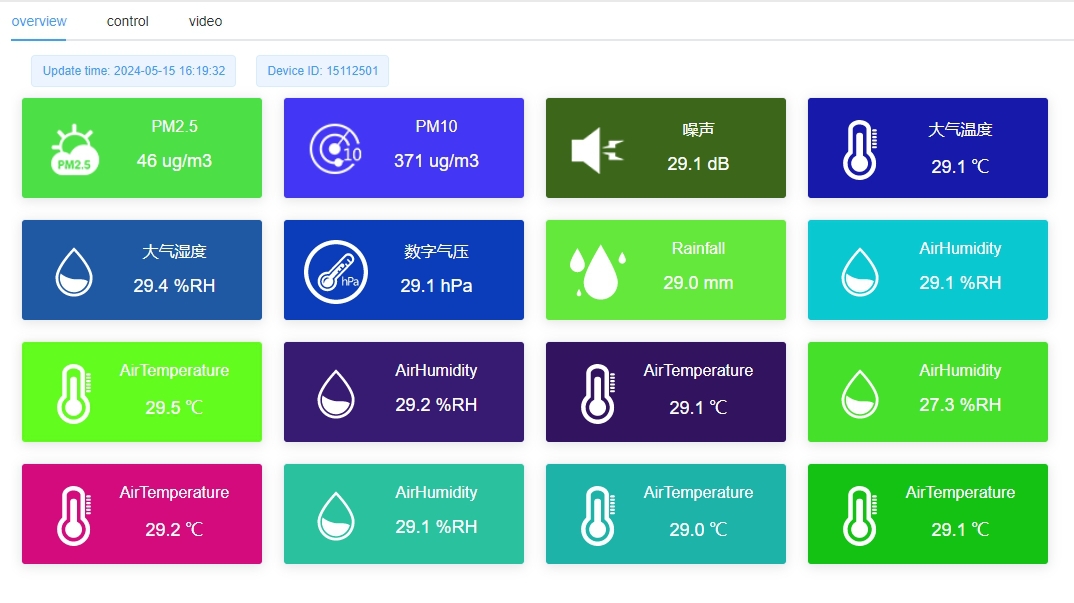
A: A display screen is useful when the school wants students, teachers and visitors to see real-time data. For education projects, display readability and simple data presentation matter. For management-focused projects, software access, historical export and data storage may be more important than a public display.
A: The quotation should list sensors, data collector, pole, mounting accessories, power supply, display screen if needed, platform access, installation service, training and warranty. If expansion is expected, the supplier should state whether the host can support additional sensors later.
A: Acceptance should check each sensor reading, installation position, data update, display function, historical records, export files, power supply and basic training. Photos of the installation and a sensor list should be kept so future staff can maintain the station correctly.
A: Yes. It can be expanded with PM2.5, PM10, noise, negative oxygen ion, soil moisture or other environmental sensors, depending on the platform and collector capacity. Expansion should be planned early so the system does not need to be replaced later.
A: Routine maintenance includes cleaning the rain gauge, checking sensor alignment, inspecting cable joints, cleaning solar panels if used and confirming data upload. After storms or school construction changes, the installation position should be checked again for blockage or damage.
A: Its value comes from repeatable local data, student participation, historical trend analysis and integration with school activities. When data can be stored, exported and used in lessons, the station becomes an educational platform rather than only an outdoor device.
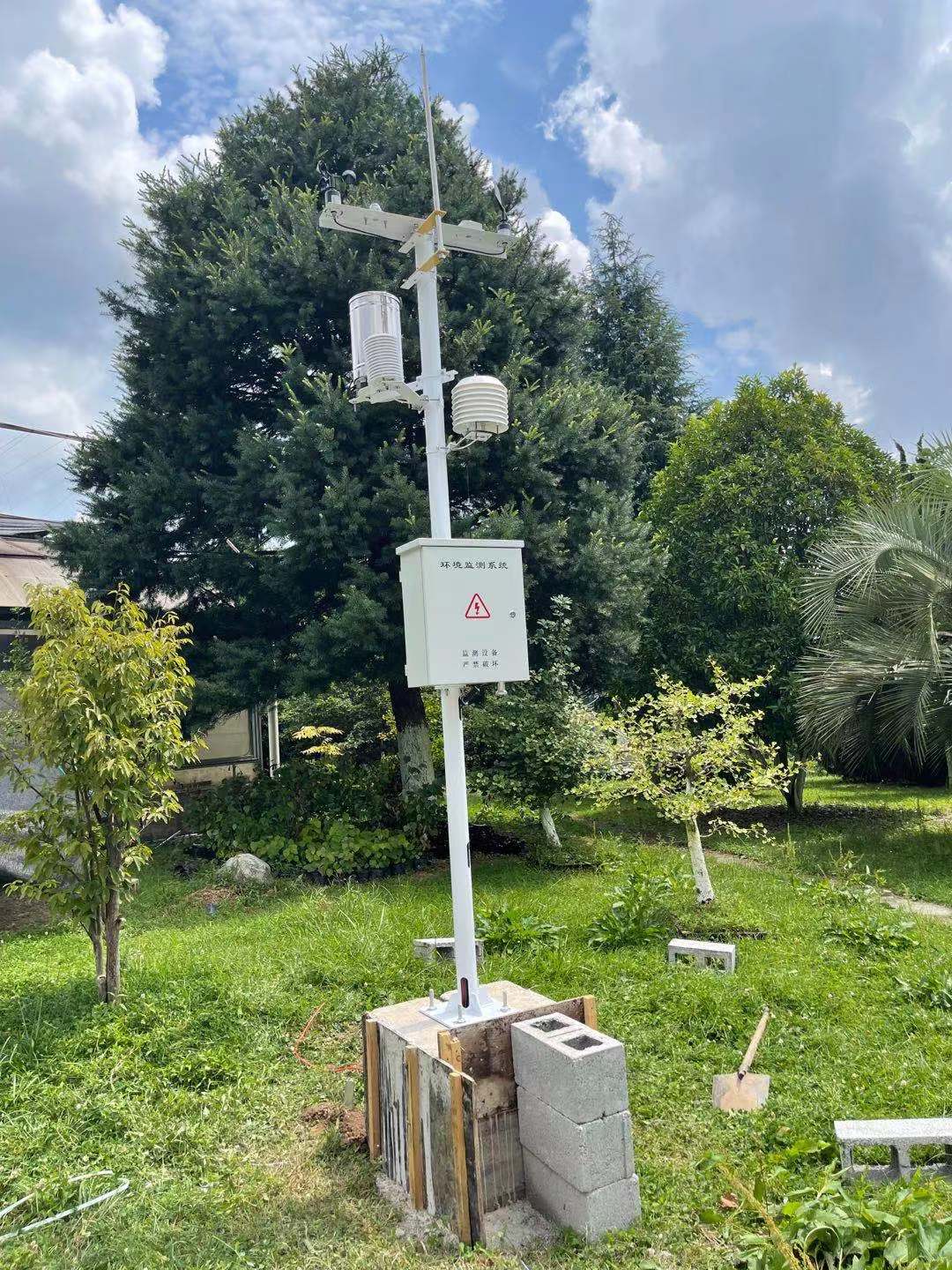
A campus weather station should be selected as a teaching and monitoring system. With suitable sensors, open-site installation, stable data acquisition and clear display or platform functions, NiuBoL campus weather station solutions can support education, safety and long-term meteorological observation.
Prev:Construction Site Dust Monitoring Point Selection for PM2.5, PM10, TSP and Noise Systems
Next:Noise Sensor Selection and Measurement Methods for Environmental Monitoring Projects
Related recommendations
Sensors & Weather Stations Catalog
 Agriculture Sensors and Weather Stations Catalog-NiuBoL.pdf
Weather Stations Catalog-NiuBoL.pdf
Agriculture Sensors Catalog-NiuBoL.pdf
Water Quality Sensor Catalog-NiuBoL.pdf
Related products
 Combined air temperature and relative humidity sensor
 Soil Moisture Temperature sensor for irrigation|NBL-S-THR
 Soil pH sensor RS485 soil Testing instrument soil ph meter for agriculture |NBL-S-PH
 Wind Speed sensor Output Modbus/RS485/Analog/0-5V/4-20mA
 Tipping bucket rain gauge for weather monitoring auto rainfall sensor RS485/Outdoor/stainless steel
 Pyranometer Solar Radiation Sensor 4-20mA/RS485

Screenshot, WhatsApp to identify the QR code
WhatsApp number:+8615367865107
(Click on WhatsApp to copy and add friends)

