





— Blogs —
—Products—
 Consumer hotline +8618073152920
 WhatsApp:+8615367865107
Address:Room 102, District D, Houhu Industrial Park, Yuelu District, Changsha City, Hunan Province, China
Product knowledge
Time:2026-06-16 14:17:53 Popularity:255
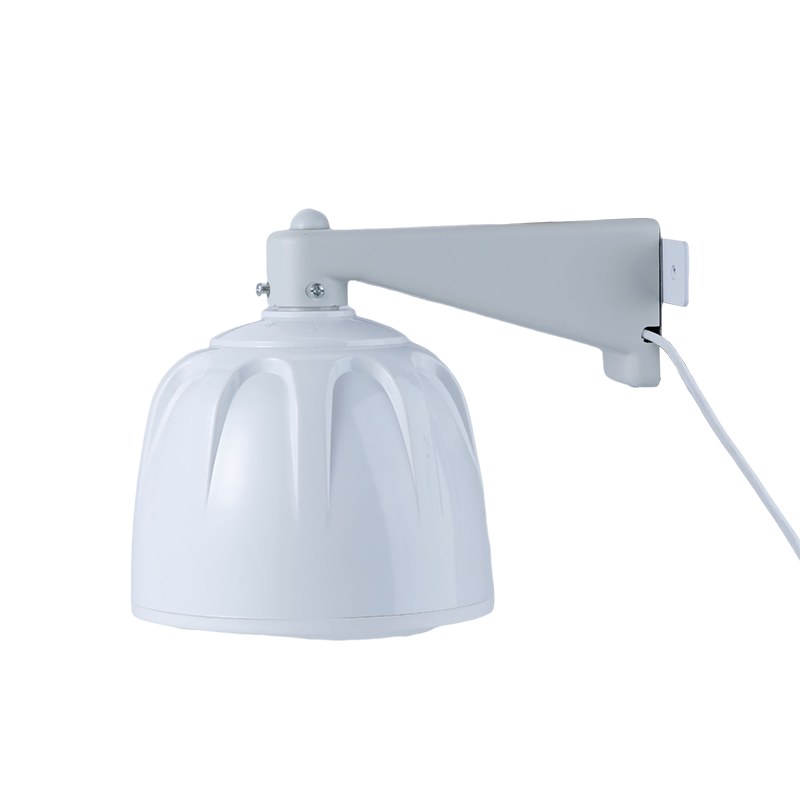
A noise and dust monitoring system helps construction projects, demolition sites, industrial parks and smart city platforms supervise PM2.5, PM10, TSP, noise and weather conditions continuously instead of relying on occasional manual inspection.
Construction-site environmental control requires real-time data because dust and noise can change quickly with excavation, vehicle movement, wind and material loading. A monitoring station collects noise, particulate matter and meteorological data, then sends the data to a platform through RS485, GPRS or 4G.
For contractors and municipal supervisors, the system is valuable because it connects measurement, alarm, evidence and response. It can trigger platform alarms or SMS alerts when limits are exceeded, and it can display values on an LED screen for public visibility.
Dust concentration should be interpreted with wind speed, wind direction, humidity and construction activity. Noise data should be interpreted with time, location and nearby sensitive receivers. A multi-parameter station provides context that a single PM sensor or sound meter cannot provide alone.
The monitoring platform can store real-time data, historical data, alarms, statistics and map-based site information. This supports 24-hour supervision and makes it easier to connect with government or owner monitoring platforms.
A typical system includes sensors, data acquisition unit, communication module, LED display, power supply, enclosure, pole and software platform. The relay output can link with fog cannon or spray systems so that dust suppression becomes automatic or semi-automatic.
During procurement, the buyer should confirm whether video monitoring, multi-site comparison, sub-account management and mobile access are required. These software functions often decide whether the system can support real project management after installation.
| Item | Engineering Reference |
|---|---|
| System type | Dust and noise environmental monitoring station |
| Measured parameters | PM2.5, PM10, TSP, noise, temperature, humidity, wind speed, wind direction, pressure |
| Dust principle | Light scattering method |
| Communication | RS485, GPRS / 4G platform transmission |
| Power supply | AC 220 V mains or solar power option |
| Rated power | <150 W |
| Display | Four-line LED display, 1020 x 520 x 140 mm reference |
| Local storage | Monitoring data stored locally for not less than 12 months |
| Linkage output | One relay output for fog cannon or spray linkage |
| Operating environment | -10 to +60 degC, 0 to 95% RH non-condensing |
| Protection | IP53 reference for outdoor project cabinet |
| Platform | Real-time data, historical data, alarm data, statistics and map display |
Site environment challenge: Dust and noise affect nearby roads, communities and compliance supervision.
System integration scheme: Install a dust and noise station with LED display, 4G upload and alarm thresholds.
User value delivered: The contractor gets real-time evidence and faster pollution response.
Site environment challenge: Dust peaks occur suddenly during demolition and loading.
System integration scheme: Use PM2.5, PM10, TSP, wind and relay linkage for spray control.
User value delivered: Managers can reduce manual patrol workload and improve dust suppression timing.
Site environment challenge: Multiple enterprises create mixed noise and particulate sources.
System integration scheme: Deploy multi-site stations and compare data through the cloud platform.
User value delivered: The park can identify abnormal areas and build environmental records.
Site environment challenge: Authorities need unified monitoring data from scattered sites.
System integration scheme: Use 4G transmission, map display and standardized data interface.
User value delivered: The regulator gains continuous monitoring instead of fragmented inspection.
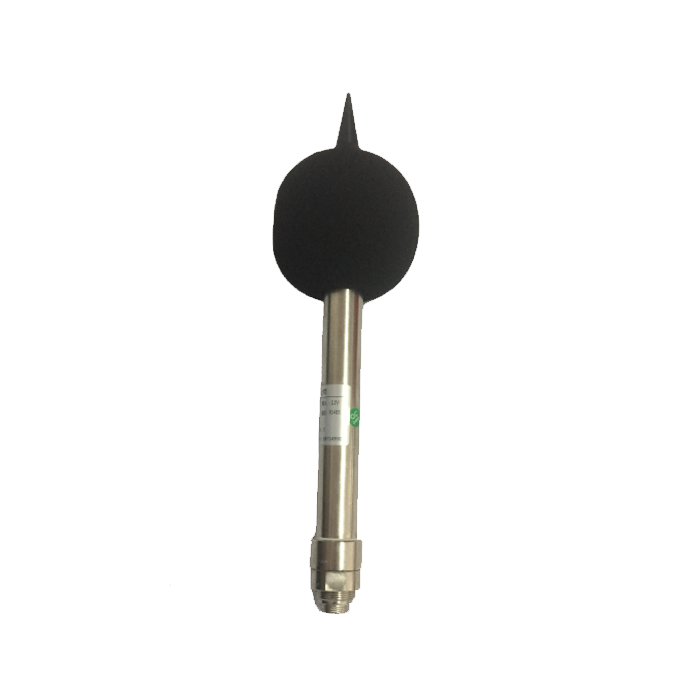
A good acceptance test should include sensor readings, platform upload, LED display, alarm trigger, relay output, local storage and historical query. The system should not be accepted only because the screen lights up.
Buyers should also request a data export method. Construction projects often need weekly or monthly evidence for owner reports, government platforms or internal environmental management.
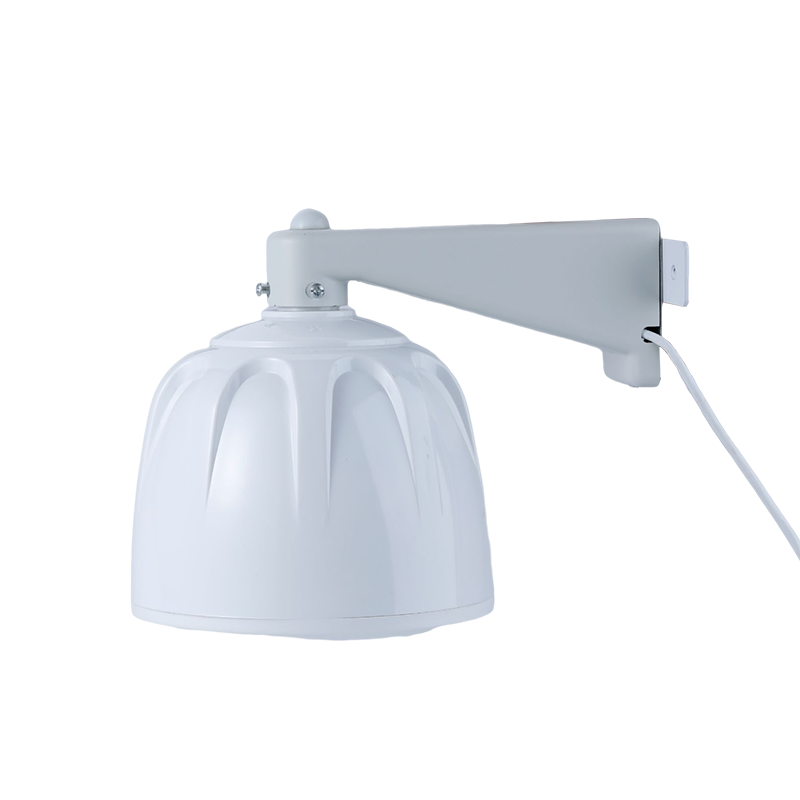
A complete system should include PM2.5, PM10 or TSP monitoring, noise data, weather parameters, data acquisition, 4G upload, LED display, platform records and alarm functions.
PM10, PM2.5, TSP, wind speed, wind direction and humidity are important because dust concentration must be interpreted with weather and site activity.
The specification should define alarm thresholds, delay time, relay output, spray or fog-cannon linkage, manual override and alarm record storage.
Acceptance should test real-time values, platform upload, LED display, alarm trigger, relay linkage, historical query, local storage and report export.
It should be installed at representative boundary or source locations, away from sheltered corners, blocked airflow and unsafe maintenance positions.
Wind direction helps identify whether dust is coming from the site, moving toward a sensitive area or affected by outside sources.
For project traceability, local storage of at least 12 months is useful, and platform storage should match owner or regulatory reporting needs.
Yes, if the data format, communication method and platform interface are confirmed before procurement.
Poor installation position, blocked air intake, unstable power, weak communication, wrong alarm thresholds and lack of maintenance can make data unreliable.
Contractors should ask about measured parameters, dust principle, power supply, platform functions, alarm methods, relay linkage, storage and after-sales support.
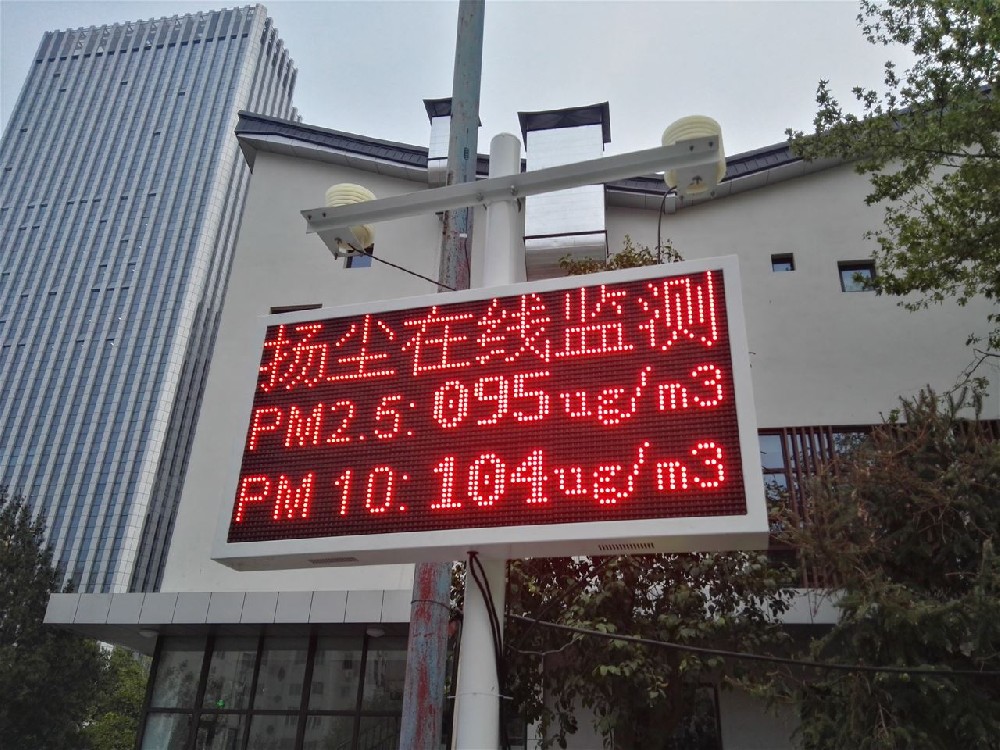
For a B2B project, documentation is part of the product value. The buyer should keep the product model, installation point, wiring record, communication settings, calibration or inspection method, maintenance interval and acceptance screenshots in one project file.
This documentation helps distributors, system integrators and end users discuss the same technical facts when troubleshooting or expanding the system. It also makes later procurement easier because the original design assumptions are visible.
A quotation should be compared by application fit, not only unit price. Buyers should check whether the supplier has considered the site environment, power supply, communication method, platform requirements, maintenance path and expected service life.
When two proposals use similar product names, the better proposal is usually the one that explains installation, data use and acceptance more clearly. That is the difference between buying a device and buying a usable monitoring point.
Before the noise and dust monitoring system for construction sites project is accepted, the commissioning team should test power supply, equipment start-up, communication, platform display, alarm response and data storage. If the system includes solar power, battery voltage and working schedule should be checked under real field conditions.
Acceptance should include photos of the installation point, screenshots of platform data, a simple fault simulation and confirmation that the end user knows how to clean, inspect or restart the equipment. These small steps reduce later disputes between supplier, contractor and owner.
Monitoring data should be reviewed on a schedule. Daily values help operators see abnormal events, weekly trends help managers evaluate field operation, and seasonal records help the buyer decide whether more monitoring points or control devices are required.
For IoT projects, the platform should not be treated as only a display screen. It should support historical query, data export, alarm review and equipment management so the buyer can convert field measurements into practical decisions.
Every outdoor monitoring or field-control device needs a named maintenance responsibility. The owner should define who checks cables, who cleans the collection or sensing area, who reviews alarm messages and who contacts the supplier when communication fails.
For distributors and project contractors, providing a maintenance schedule improves customer trust because it shows that the system is designed for long-term operation rather than a one-time installation.
Many projects begin with one monitoring parameter or one field-control device, then expand after the buyer sees stable data. The initial design should therefore keep enough space for additional devices, future 4G gateways, platform users and more monitoring points.
A scalable design is especially useful for agricultural parks, construction groups, scenic areas and municipal platforms because they often start with one pilot area and later copy the configuration to other sites. Clear wiring, naming and data rules make this expansion easier.
Outdoor devices are affected by rain, dust, insects, vibration, sunlight, corrosion, human interference and unstable power. The supplier should explain how the selected equipment handles these conditions, and the buyer should check whether the installation method matches the actual site.
If the monitoring point is remote, the project should also define how faults are reported and how quickly maintenance can arrive. A technically suitable product still needs an operating plan that fits the service distance.
Procurement teams often receive several quotations with similar model names but different project assumptions. A useful technical article helps them ask better questions: what is measured, where it is installed, how data is transmitted, who maintains it and what action follows an alarm.
When those questions are answered before purchase, the project is easier to approve internally and easier to implement on site. This is the practical value of writing the specification around engineering use rather than around product labels alone.
A construction noise and dust monitoring system is most useful when measurement, platform, alarm and suppression linkage are designed together. NiuBoL environmental monitoring products support RS485 and 4G-based project supervision for construction and industrial sites.
Prev:Agricultural Insect Trap Spacing: How to Plan Solar Insect Killer Lamp Density for Field Projects
Related recommendations
Sensors & Weather Stations Catalog
 Agriculture Sensors and Weather Stations Catalog-NiuBoL.pdf
Weather Stations Catalog-NiuBoL.pdf
Agriculture Sensors Catalog-NiuBoL.pdf
Water Quality Sensor Catalog-NiuBoL.pdf
Related products
 Combined air temperature and relative humidity sensor
 Soil Moisture Temperature sensor for irrigation|NBL-S-THR
 Soil pH sensor RS485 soil Testing instrument soil ph meter for agriculture |NBL-S-PH
 Wind Speed sensor Output Modbus/RS485/Analog/0-5V/4-20mA
 Tipping bucket rain gauge for weather monitoring auto rainfall sensor RS485/Outdoor/stainless steel
 Pyranometer Solar Radiation Sensor 4-20mA/RS485

Screenshot, WhatsApp to identify the QR code
WhatsApp number:+8615367865107
(Click on WhatsApp to copy and add friends)

