





— Products —
 Consumer hotline +8618073152920
 WhatsApp:+8615367865107
Address:Room 102, District D, Houhu Industrial Park, Yuelu District, Changsha City, Hunan Province, China
Water Quality Sensors
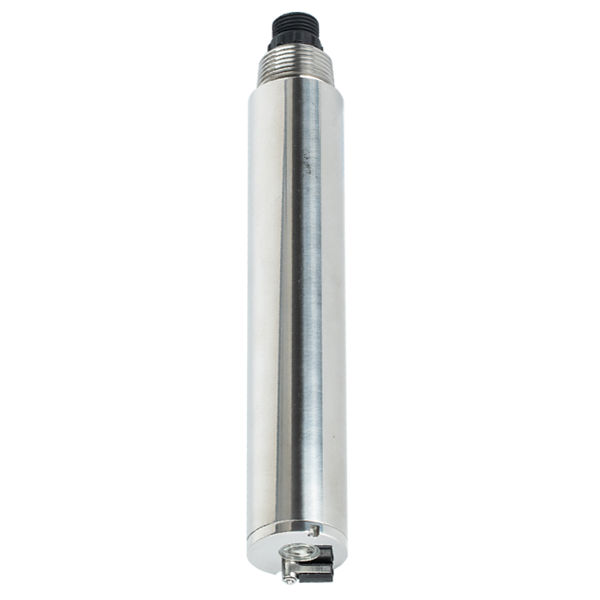
NiuBoL NBL-WQ-CHLO-408-S online chlorophyll sensor is specially designed for monitoring algae and phytoplankton in water bodies. It adopts optical technology with a measurement range of 0~400ug/L and IP68 protection rating. Supports RS485 Modbus RTU protocol, making it an ideal industrial-grade solution for water quality monitoring systems, intelligent aquaculture, and river ecological protection.
Tel/WhatsApp:+8615367865107
Email:Arvin@niubol.com +Nearly 100 partner companies in more than 79 countries. We are committed to providing high-quality, practical products to meet your needs and help you solve problems. Our products comply with international standards and are certified with ISO, CE and RoHS.Product Details
NiuBoL NBL-WQ-CHLO-408-S online chlorophyll sensor is specially designed for monitoring algae and phytoplankton in water bodies. It adopts optical technology with a measurement range of 0~400ug/L and IP68 protection rating. Supports RS485 Modbus RTU protocol, making it an ideal industrial-grade solution for water quality monitoring systems, intelligent aquaculture, and river ecological protection.
High-precision fluorescence optical monitoring, helping system integrators achieve digital management of ecological water quality.
Optical Technology: Based on specific wavelength fluorescence analysis, measurement is stable and does not require frequent calibration.
316 Stainless Steel Body: Corrosion-resistant structural design, supports long-term submersible applications at 20 meters water depth.
Industrial Standardized Integration: Standard RS485/Modbus RTU digital output, reducing system integration difficulty.
In river ecological management, drinking water source protection, and modern aquaculture, chlorophyll content is a core indicator for measuring water eutrophication and algae density. Traditional laboratory sampling analysis not only has a long cycle but also cannot reflect the dynamic trends of water quality changes in real time.
NiuBoL NBL-WQ-CHLO-408-S online chlorophyll sensor is developed to meet the needs of high-frequency, long-term online monitoring. It integrates complex optical paths and high-efficiency power management systems into a compact 316 stainless steel housing. By monitoring the fluorescence response of chlorophyll a in water bodies, the sensor can output accurate microgram-level (ug/L) concentration data in real time. Whether for scientific research or large-scale industrial monitoring, NiuBoL can provide you with stable and maintenance-free underlying water quality sensing support.
NBL-WQ-CHLO-408-S adopts a leading optical measurement architecture that greatly optimizes the signal-to-noise ratio. The built-in high-efficiency power management system ensures constant light source pulses, enabling the device to maintain extremely low zero-point drift in complex field water bodies. Compared with traditional chemical methods, this optical physical measurement method does not consume reagents, significantly reducing the later maintenance workload at engineering sites.
Addressing common corrosion and scaling pain points in online applications, NiuBoL selects high-grade 316 stainless steel as the sensor housing material. This material is not only sturdy and durable but also has excellent corrosion resistance in seawater or polluted water bodies. Combined with IP68 waterproof sealing technology, the sensor can withstand 20 meters of underwater pressure, ensuring long-term operation in various deep reservoirs or marine monitoring stations.
Fluctuations in water body environmental temperature directly affect the response of optical components and the activity of molecules in water. NiuBoL sensors are equipped with high-precision temperature sensors and intelligent dynamic compensation algorithms, which can automatically eliminate temperature drift within the 0~50°C range. Whether in hot summer or cold winter, the output chlorophyll values maintain industrial-grade consistency and accuracy.
The sensor adopts narrow-band filter technology and automatic light intensity gain control, which can effectively shield interference from external natural light (such as strong direct sunlight) and non-target fluorescent substances in water. The optical fiber light path optimization ensures extremely high resolution and response speed even in low concentration environments (below 1 ug/L).
| Parameter Name | Technical Specifications |
|---|---|
| Product Model | NBL-WQ-CHLO-408-S |
| Brand | NiuBoL |
| Measurement Range | 0~400 ug/L |
| Resolution | 0.1 ug/L, 0.1 ℃ |
| Measurement Accuracy | ±3% F.S.; Temperature: ±0.3 ℃ |
| Shell Material | 316 Stainless Steel |
| Protection Level | IP68 |
| Maximum Withstand Pressure | 20 meters underwater (200 kPa) |
| Temperature Range | 0~50 ℃ (built-in automatic temperature compensation) |
| Communication Interface | RS-485 (supports standard Modbus/RTU protocol) |
| Analog Output | 4~20mA (optional) |
| Power Supply | 12~24V DC |
| Power Consumption | 0.2W @ 12V |
| Calibration Method | Two-point Calibration (zero point + slope) |
| Cable Specification | Standard 5 meters (customizable length according to project needs) |
| Physical Dimensions | Standard M16-5 core waterproof connector male |
Drinking Water Source Monitoring: Deployed at reservoirs and tap water inlets to monitor algae concentration in real time and provide first-hand data for early warning of algal blooms.
River and Lake Ecological Survey: Long-term online monitoring of water eutrophication levels to assist environmental protection departments in evaluating watershed management effectiveness and ecological balance.
Intelligent Aquaculture: Monitor phytoplankton density in ponds or factory farming systems to help farmers accurately adjust feeding amounts and water exchange frequency.
Marine and Estuary Survey: Thanks to the 316 stainless steel body, it can be used for primary productivity research and red tide monitoring in coastal waters.
The sensor uses a four-core (or five-core, depending on configuration) twisted-pair shielded cable. When connecting to the system, please refer to the following wire sequence and ensure that all wiring points have been thoroughly waterproofed and insulated:
Red wire: Power positive (12V~24VDC)
Black wire: Power ground (GND)
Blue wire: RS-485 A
White wire: RS-485 B
Yellow wire: 4-20mA current output (if not used, please insulate and leave floating)
Clearance Distance: When installing the sensor, maintain more than 3cm from the side to the pool wall or pipe wall, and reserve more than 10cm space at the bottom to prevent wall-reflected light from affecting the optical path.
Submersion Depth: Ensure that the optical window at the front of the sensor is completely submerged below the water surface and avoid areas with dense oil slicks or bubbles on the surface.
Q1. What measurement principle does the NiuBoL chlorophyll sensor use?
A: The sensor adopts the fluorescence method. It emits excitation light of a specific wavelength to irradiate chlorophyll a in the water body and measures the returned fluorescence of a specific wavelength. This method is faster than spectrophotometry and supports in-situ real-time measurement.
Q2. Why does the sensor need a 316 stainless steel housing?
A: Online water quality environments are usually corrosive. 316 stainless steel can resist corrosion from industrial wastewater, surface water, and even some saline environments, ensuring the sensor has a service life of several years under harsh working conditions.
Q3. Does the sensor support direct connection to PLC or configuration software?
A: Fully supported. The sensor comes standard with industrial-grade RS-485 interface and Modbus/RTU protocol, and can be directly read by mainstream PLC, DCS or remote terminal units (RTU) on the market without additional transmitters.
Q4. Does the sensor need daily calibration after installation?
A: No. Thanks to the stable optical structure, NiuBoL sensors have excellent long-term stability. Usually, calibration checks are performed every 3 to 6 months according to site conditions.
Q5. What could be the reasons for reading fluctuations or extremely high values?
A: There are usually two reasons: first, foreign objects (such as algae, debris or bubbles) are attached to the sensor optical window, which needs cleaning; second, poor cable connection or electromagnetic interference, please check the shielding layer grounding.
Q6. How to clean the sensor on site?
A: Rinse the sensor surface with tap water. For stubborn dirt, wipe with a damp soft cloth and mild detergent. Pay attention to protecting the front optical window to avoid scratches.
Q7. Can the sensor be used at water depths greater than 20 meters?
A: The standard pressure resistance design of this model is 20 meters underwater. If your project requires deeper underwater monitoring, please contact NiuBoL engineers for customized high-pressure version solutions.
Q8. If I do not use the 4-20mA current output, how should the yellow wire be handled?
A: If the current output is not used, please insulate and wrap the yellow wire and leave it floating. Do not connect the yellow wire to the power supply or ground to avoid damaging the internal circuit.
NiuBoL NBL-WQ-CHLO-408-S is not just a sensor, it is the cornerstone for system integrators to build reliable water quality monitoring stations. In an increasingly strict environmental regulatory environment, choosing a high-precision, industrial-grade and easy-to-integrate chlorophyll sensor can significantly reduce project operation and maintenance costs and improve data credibility.
Are you looking for a reliable sensing front-end for your next water quality monitoring project?
Industry Expert Tip: The success of water quality monitoring lies in data continuity. NiuBoL provides global customers with data link support from sensors to the cloud.
Contact NiuBoL to obtain detailed Modbus register manuals, integration cases, and bulk purchase quotes tailored to your specific engineering needs. Let us jointly protect every drop of clear water with the power of digitalization.
Sensors & Weather Stations Catalog
 Agriculture Sensors and Weather Stations Catalog-NiuBoL.pdf
Weather Stations Catalog-NiuBoL.pdf
Agriculture Sensors Catalog-NiuBoL.pdf
Water Quality Sensor Catalog-NiuBoL.pdf
Related recommendations
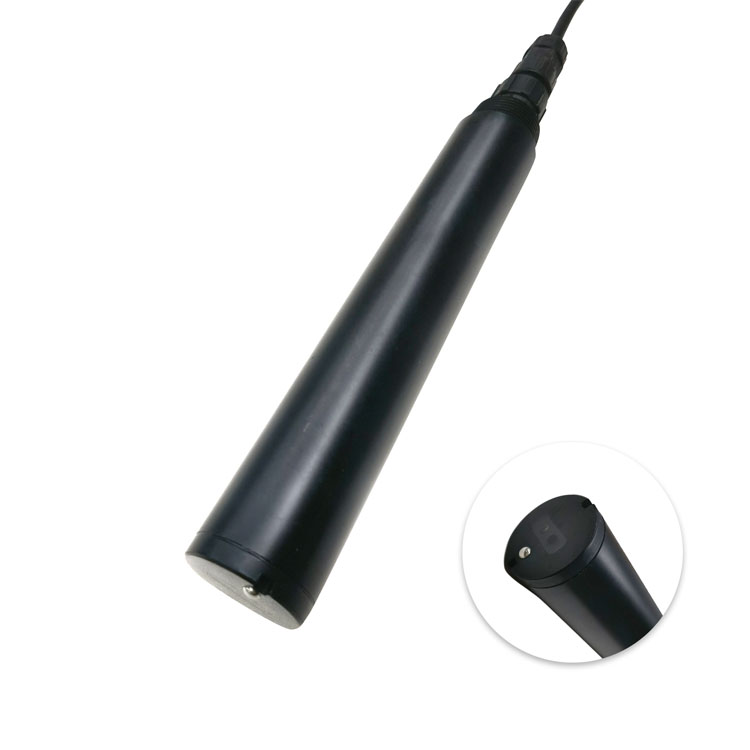 NBL-WQ-TS Online Turbidity Water Quality Sensor
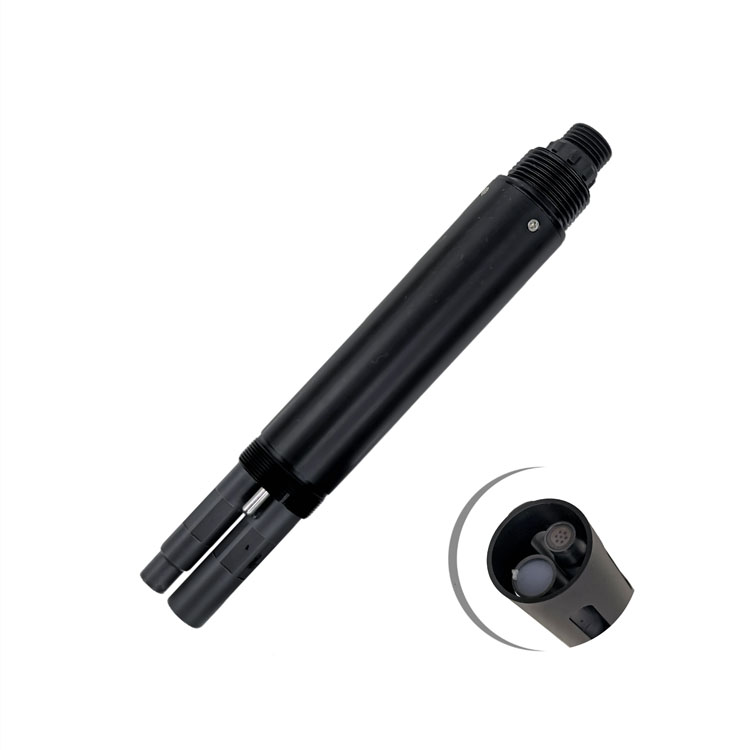 NBL-WQ-NHN Online Water Quality Ammonia Nitrogen Sensor
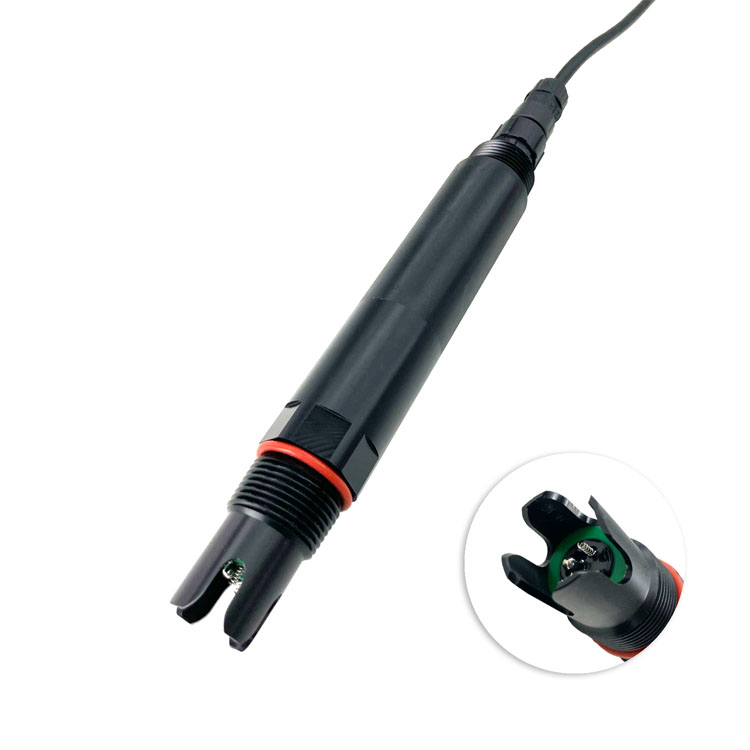 NBL-WQ-CL Water Quality Sensor Online Residual Chlorine Sensor
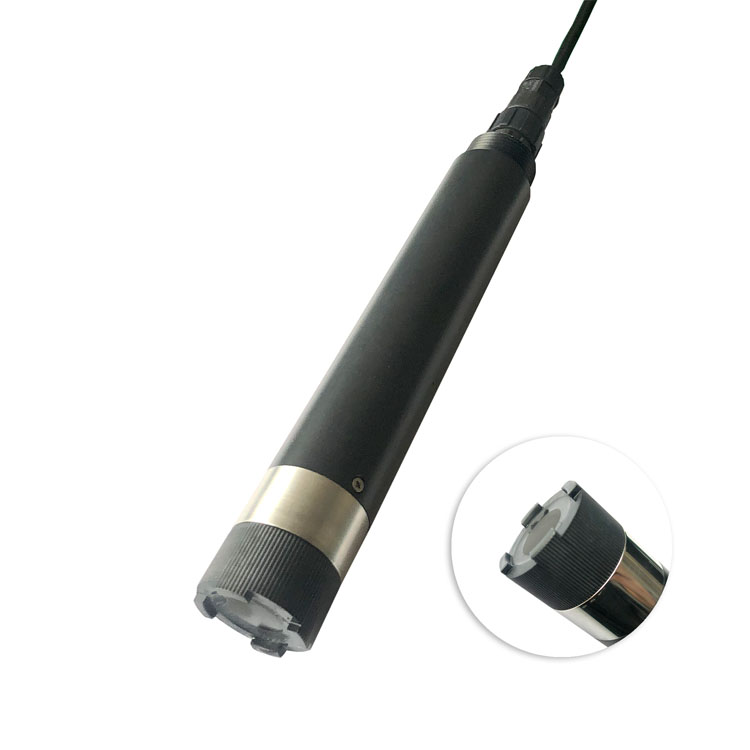 NBL-WQ-DO Online Fluorescence Dissolved Oxygen Sensor
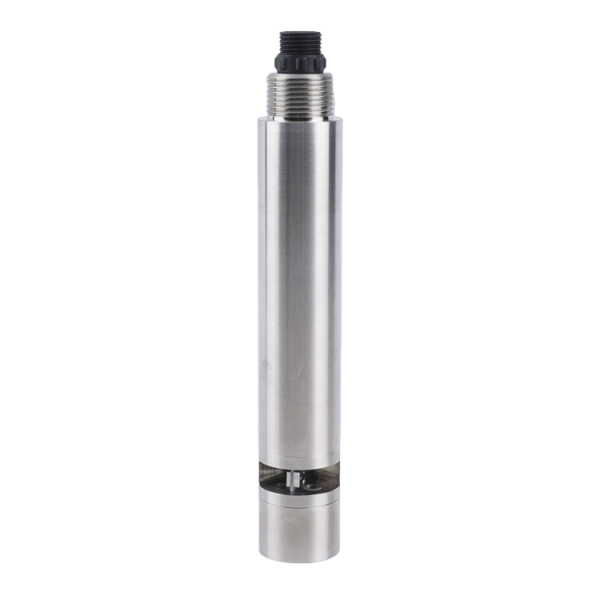 NBL-WQ-COD Online COD Water Quality Sensor
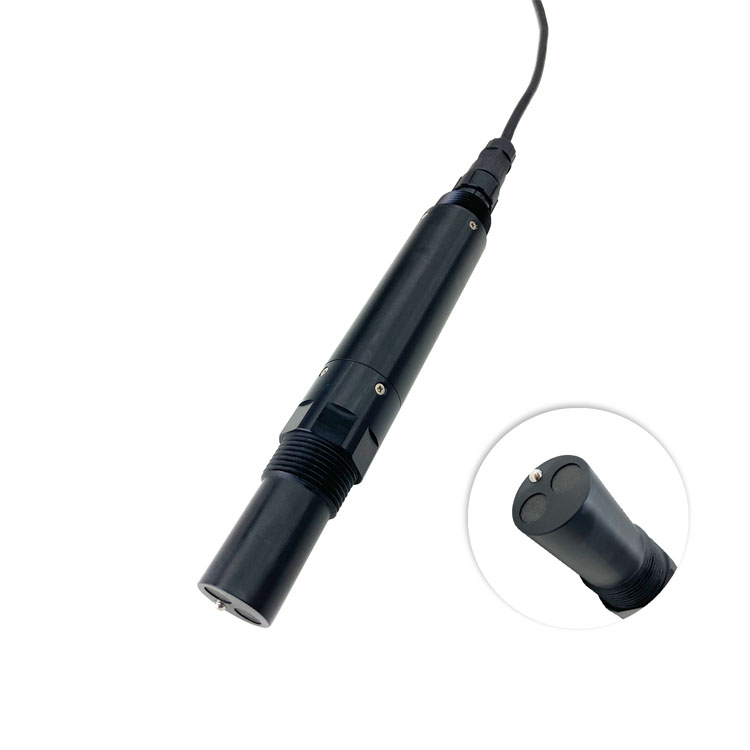 NBL-WQ-EC Online Water Quality Conductivity Sensor

Screenshot, WhatsApp to identify the QR code
WhatsApp number:+8615367865107
(Click on WhatsApp to copy and add friends)

