

— Products —
 Consumer hotline +8618073152920
 WhatsApp:+8615367865107
Address:Room 102, District D, Houhu Industrial Park, Yuelu District, Changsha City, Hunan Province, China
Agricultural Sensors
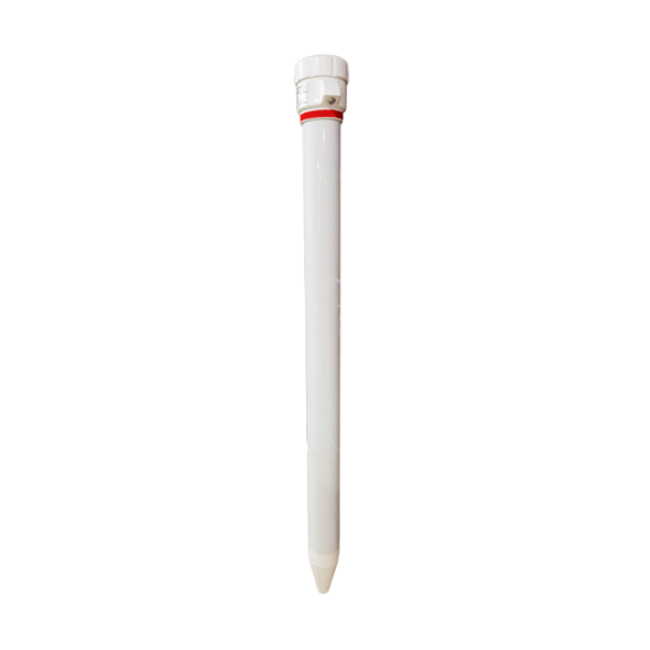
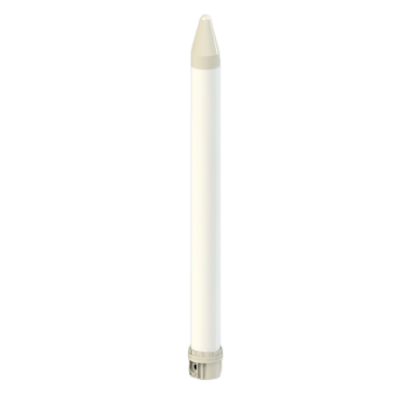
NBL-S-TMSMS Multi depth soil moisture sensor adopts FDR principle, according to the electromagnetic wave issued by the monitor in different dielectric coefficients of material frequency changes measured in each soil layer of humidity, the use of high-precision digital temperature sensor, measuring the temperature of each soil layer. Measuring the temperature and humidity of 10cm, 20cm, 30cm, 40cm, 50cm, 60cm soil layer at the same time, it is suitable for long-term and uninte···
Tel/WhatsApp:+8615367865107
Email:Arvin@niubol.com +Nearly 100 partner companies in more than 75 countries. We are committed to providing high-quality, practical products to meet your needs and help you solve problems. Our products comply with international standards and are certified with ISO, CE and RoHS.Product Details
The NiuBoL NBL-S-TMSMS is a tubular multi-depth soil moisture and temperature sensor designed to monitor water and temperature conditions at multiple soil layers from one installation point.
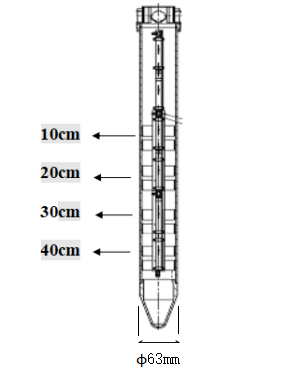
The sensor uses FDR (Frequency Domain Reflectometry) technology for soil moisture measurement and digital temperature sensing for each configured soil layer. Standard monitoring depths include 10 cm, 20 cm, 30 cm and 40 cm, while additional monitoring layers can be customized according to crop root depth and project requirements.
Multi-depth monitoring provides a vertical soil-moisture profile rather than a single-point reading. This is particularly useful for irrigation management, orchards, deep-rooted crops, greenhouse cultivation, soil research and agricultural IoT systems.
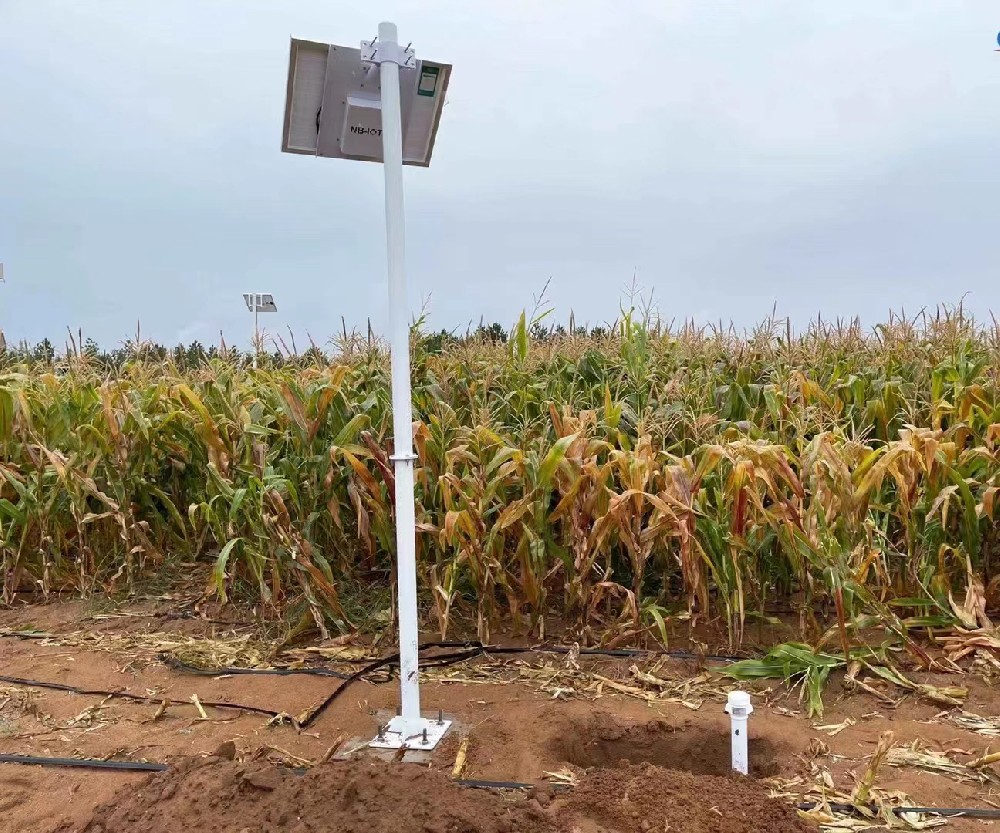
The sensor supports RS485 Modbus RTU communication and can be integrated with data loggers, irrigation controllers, PLCs and IoT gateways. Solar power, battery supply and remote 4G communication can also be configured for unattended field monitoring.
| Model | NBL-S-TMSMS |
| Measured Parameters | Soil Moisture + Soil Temperature at Multiple Depths |
| Standard Monitoring Depths | 10 cm / 20 cm / 30 cm / 40 cm/ 50 cm/ 60 cm |
| Customized Monitoring | Additional depths available; up to 10 monitoring layers depending on configuration |
| Soil Moisture Range | Dry soil to moisture-saturated soil |
| Moisture Resolution | 0.1% |
| Moisture Accuracy | ±3% under laboratory conditions |
| Soil Temperature Range | -40 to 80°C |
| Temperature Resolution | 0.1°C |
| Temperature Accuracy | ±0.5°C |
| Moisture Measurement Principle | FDR (Frequency Domain Reflectometry) |
| Power Supply | DC 12 V / Solar Power depending on configuration |
| Communication | RS485 |
| Protocol | Modbus RTU |
| Default Baud Rate | 9600 bps |
| Device Address | 0–255 configurable |
| Response after Power-On | Within approximately 3 seconds |
| Stabilization Time | Approximately 10 seconds |
| Tube Diameter | Φ63 mm |
| Sensor Length | Varies with monitoring depth; standard configuration approximately 1000 mm |
| Protection | IP67 above ground / IP68 below ground |
| Power Consumption | Less than 1 mA during sleep; less than 70 mA during sampling |
| Sensing Range | Most measurement response is within approximately 10 cm around the outside of the tube |
A conventional soil moisture probe normally measures conditions around one installation depth. A multi-depth soil moisture sensor measures several layers along the same vertical soil profile.
For example, a 4-layer NBL-S-TMSMS configuration can monitor:
| Monitoring Layer | Depth | Measured Parameters |
|---|---|---|
| Layer 1 | 10 cm | Moisture + Temperature |
| Layer 2 | 20 cm | Moisture + Temperature |
| Layer 3 | 30 cm | Moisture + Temperature |
| Layer 4 | 40 cm | Moisture + Temperature |
Additional depths can be customized for deeper root systems, orchards, forestry, research plots and other applications requiring a deeper soil profile.
Water does not move uniformly through the soil profile. Rainfall, irrigation, evaporation, root uptake, drainage and soil texture can create very different moisture conditions at different depths.
Multi-depth monitoring helps distinguish between conditions such as:
Wet topsoil with a dry deeper root zone
Dry surface soil with adequate moisture deeper in the profile
Water moving downward after irrigation
Excessive irrigation reaching below the active root zone
Slow drainage after heavy rainfall
Different water-use patterns through the crop root profile
This vertical information can provide a more useful basis for irrigation management than one single-depth measurement.
| Depth | Example Condition | Possible Interpretation |
|---|---|---|
| 10 cm | Wet | Recent rainfall or irrigation has wetted the surface layer |
| 20 cm | Moderately Wet | Water is moving through the active root zone |
| 30 cm | Dry | Irrigation may not yet have reached the deeper root zone |
| 40 cm | Dry | Deep soil layer remains unaffected |
The interpretation depends on crop type, rooting depth, soil texture and irrigation strategy. The example illustrates how multiple depths can reveal water movement that a single probe cannot show.
The NBL-S-TMSMS uses FDR (Frequency Domain Reflectometry) technology at multiple sensing positions along the tubular probe.
Each soil-moisture sensing section detects the dielectric response of the soil surrounding that specific depth. Water has a substantially different dielectric constant from dry soil and air, so changes in volumetric water content produce measurable changes in the sensor response.
Digital temperature sensing elements provide corresponding soil-temperature measurements at the configured monitoring layers.
All layer measurements are collected through one tubular probe and transmitted through the same RS485 communication interface.
The tubular structure positions several sensing nodes vertically through the soil profile while minimizing the number of separate cables and surface connections required.
The standard tube diameter is approximately Φ63 mm. Overall probe length varies according to the number and depth of monitoring layers.
Standard monitoring nodes are commonly configured at:
10 cm → 20 cm → 30 cm → 40 cm
Additional monitoring depths can be customized for applications that require deeper measurements. The product platform supports configurations with up to approximately 10 monitoring layers.
The correct depths should be selected according to:
Crop rooting depth
Soil profile
Irrigation method
Expected wetting depth
Drainage characteristics
Research objectives
Multi-layer soil moisture monitoring is particularly useful for irrigation because it shows both the amount of water present and how deeply irrigation water has moved.
For example:
Irrigation → 10 cm Moisture Rises → 20 cm Rises → 30 cm Rises → 40 cm Remains Stable
This pattern can indicate that irrigation has wetted the main root zone without excessive deep percolation.
If all deeper layers continue to increase after irrigation, water may be moving below the intended root zone. If only the shallow layer changes, irrigation may not be reaching deeper roots.
Actual irrigation decisions should consider crop requirements, soil texture, root depth and local agronomic conditions.
| Application | Why Multi-Depth Monitoring Is Useful |
|---|---|
| Vegetables | Monitor shallow and middle root-zone moisture |
| Orchards | Monitor deeper water movement around tree root systems |
| Vineyards | Compare moisture availability through different root depths |
| Greenhouses | Evaluate irrigation penetration and drainage |
| Field Crops | Monitor seasonal soil-water profile changes |
| Forestry | Monitor deeper soil water conditions over long periods |
| Research | Record vertical water and temperature profiles |
The tubular sensor is installed vertically so that each internal sensing node corresponds to its intended soil depth.
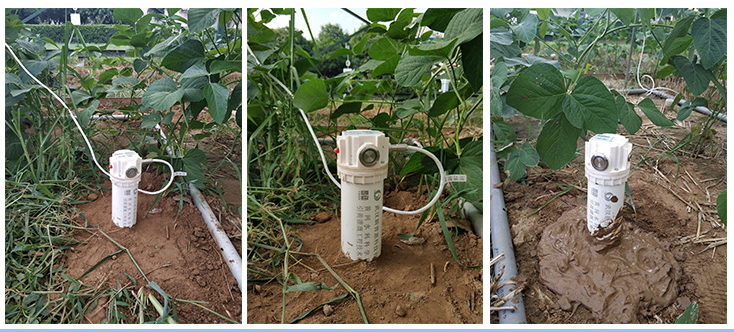
Choose a monitoring position that represents the crop, soil type, irrigation zone and terrain being monitored. Avoid unusually wet depressions, drainage channels and locations that do not represent the surrounding field.
Use a suitable soil auger to create a vertical hole. The hole should follow the intended sensor axis and should not be significantly wider than necessary.
The installation hole should extend slightly below the final sensor depth so the probe can be positioned correctly without excessive force.
Good contact between the outside of the tube and surrounding soil is essential for reliable FDR measurement. Suitable soil slurry or backfilling can be used during installation to reduce air gaps around the sensor.
The sensor reference point should be aligned with the soil surface so the internal sensing layers correspond to their intended monitoring depths.
The tubular probe should not be driven into the ground with heavy impact. If resistance is encountered, enlarge or correct the installation hole before inserting the sensor.
FDR measurements respond to the dielectric properties of the soil surrounding the tube. Air gaps between the probe and soil have very different dielectric properties and can therefore affect the measured value.
Installation should aim for uniform soil contact around the full sensing section, particularly at each monitoring layer.
The NBL-S-TMSMS provides RS485 Modbus RTU output for integration with agricultural controllers and monitoring systems.
| Interface | RS485 |
| Protocol | Modbus RTU |
| Default Baud Rate | 9600 bps |
| Data Bits | 8 |
| Parity | None |
| Device Address | 0–255 configurable |
| Communication Interval | 1000 ms or longer |
The sensor transmits moisture and temperature data for each configured monitoring layer. A typical multi-layer data sequence can include:
| Channel | Measurement |
|---|---|
| Channel 1 | System / Supply Data |
| Channel 2 | Soil Moisture – Layer 1 |
| Channel 3 | Soil Temperature – Layer 1 |
| Channel 4 | Soil Moisture – Layer 2 |
| Channel 5 | Soil Temperature – Layer 2 |
| ... | Additional configured layers |
The exact number of returned channels depends on the number of monitoring layers configured for the sensor.
| Wire Color | Function |
|---|---|
| Red | Power Positive |
| Black | Power Ground |
| Yellow | RS485 A+ |
| Blue | RS485 B- |
Installation note: Connection should follow the cable identification supplied with the sensor, particularly for customized configurations.
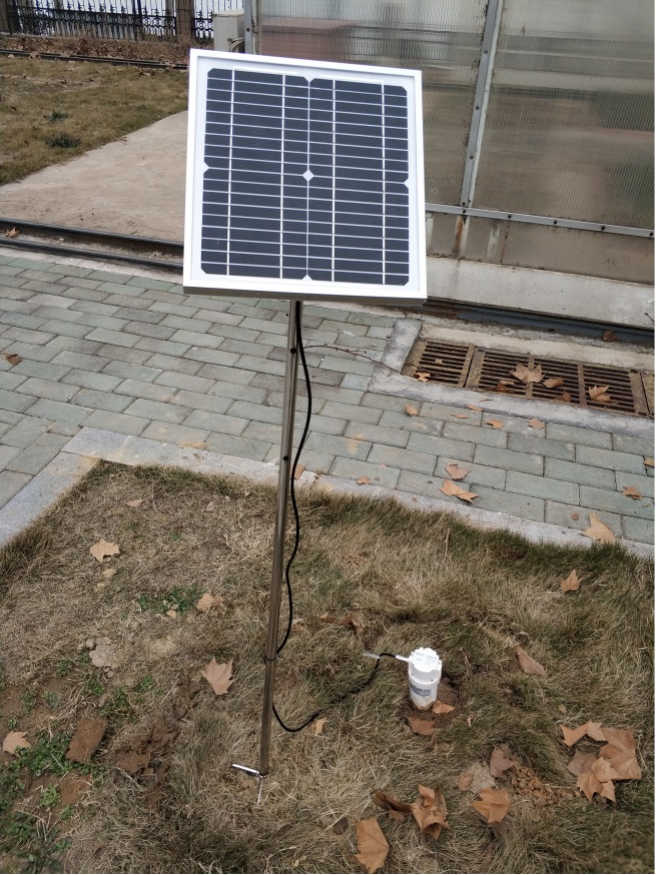
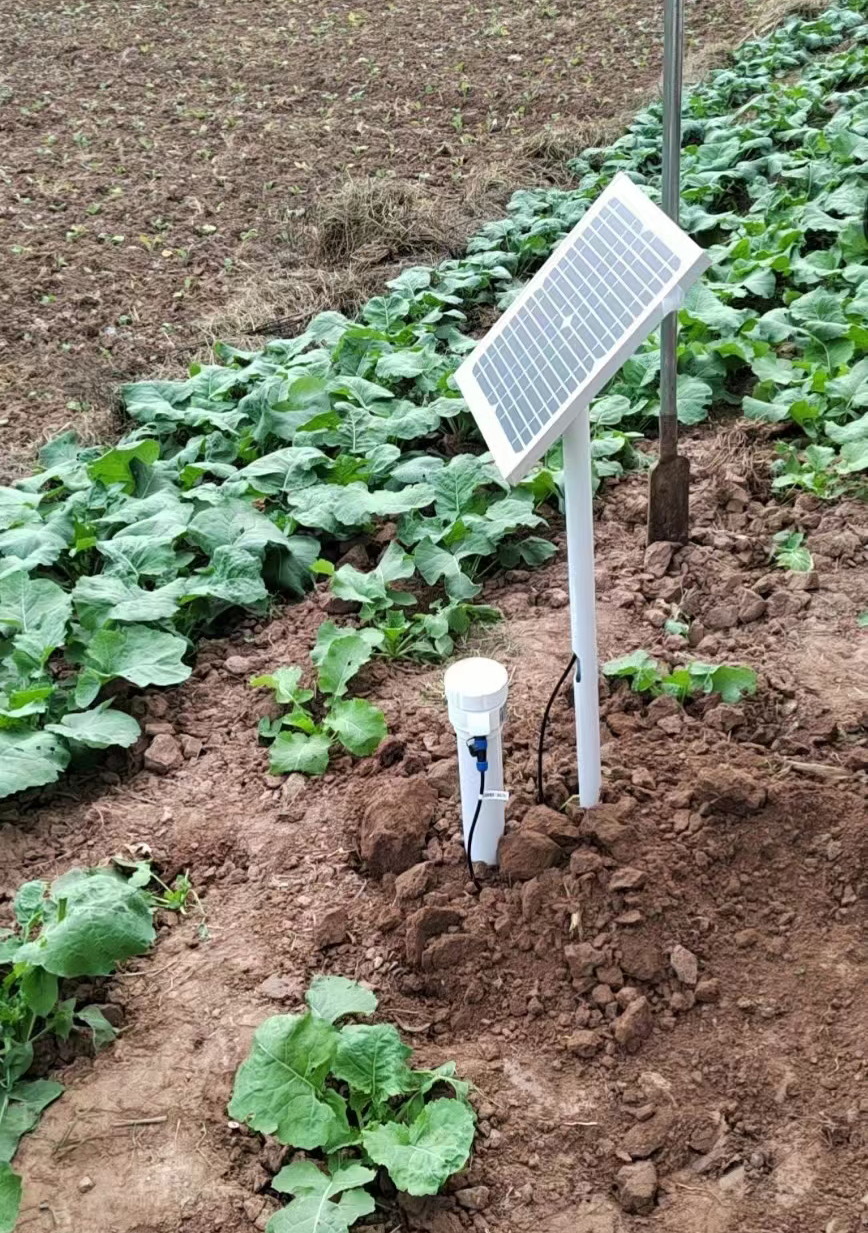
Remote agricultural sites can use a solar-powered configuration when mains electricity is unavailable.
A typical remote configuration includes:
Multi-Depth Soil Sensor → Data Logger / 4G Gateway → Solar Panel + Battery → Cloud or Private Server
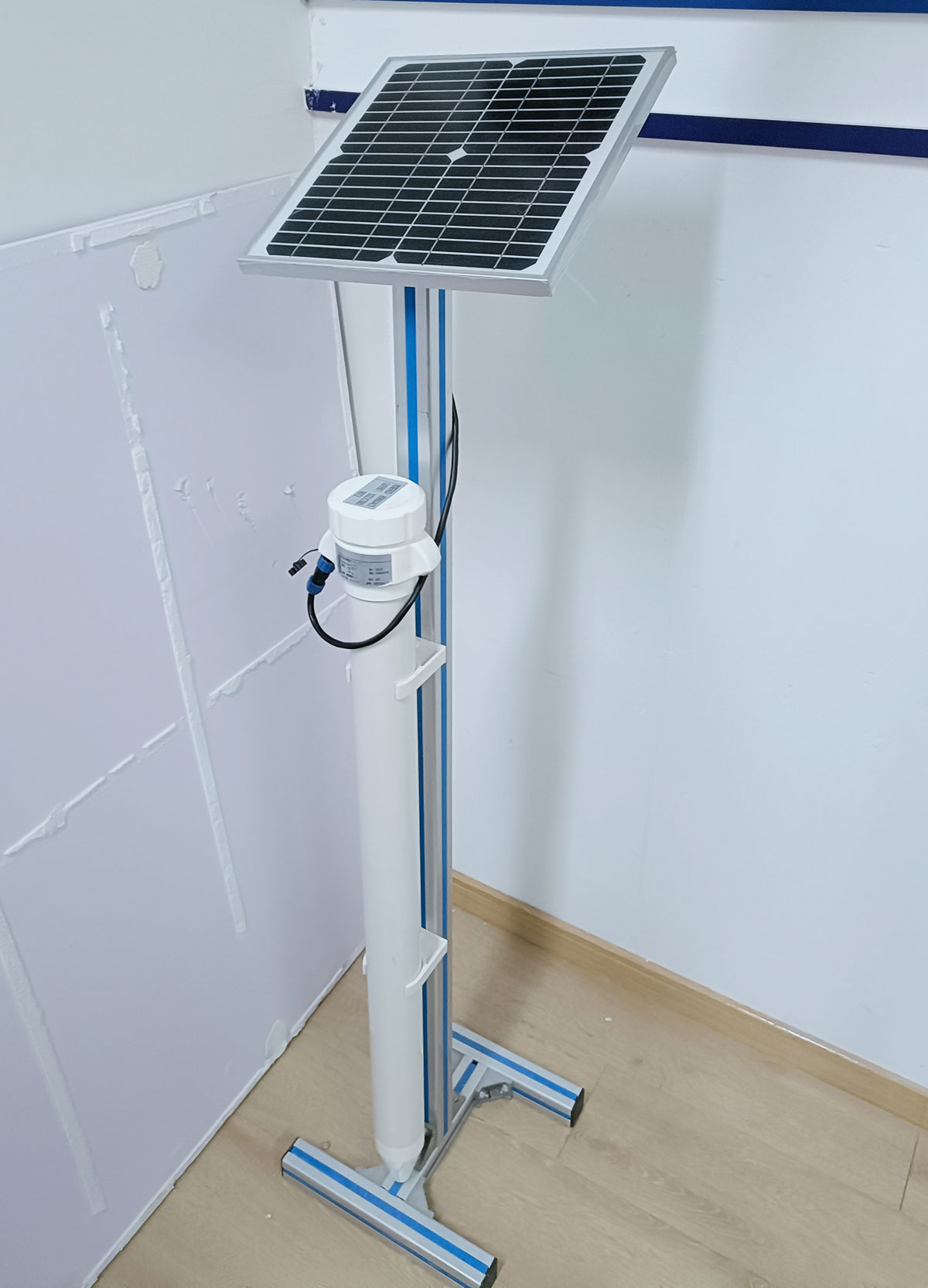
Solar-panel and battery capacity should be selected according to the sensor, data logger, communication equipment, reporting interval and local solar conditions.
For unattended monitoring sites, soil moisture and temperature data can be transmitted remotely through a compatible 4G data logger or gateway.
10 / 20 / 30 / 40 cm Soil Data → RS485 → 4G Gateway → MQTT / HTTP → Cloud or Private Server
This architecture allows users to review soil-water profiles without visiting each field monitoring location manually.
Special configurations can integrate additional monitoring functions such as GPS positioning, inclination measurement and vibration alarms for projects requiring equipment-position or ground-movement information.
These options are mainly intended for specialized monitoring applications and are not required for standard agricultural soil-moisture measurement.
| Comparison | Multi-Depth Tubular Sensor | Separate Soil Probes |
|---|---|---|
| Monitoring Depths | Several layers in one tube | One depth per probe |
| Cabling | Single sensor cable | Multiple sensor cables |
| RS485 Devices | One device for multiple depths | Usually one address per probe |
| Vertical Profile | Consistent measurement column | Separate installation points may vary |
| Installation | Requires vertical borehole installation | Individual probe installation |
| Flexibility | Depths selected when configuring sensor | Individual probes can be positioned independently |
A tubular multi-depth sensor is particularly suitable where a consistent vertical soil profile is required. Separate probes may be more suitable when sensors must be positioned independently at different horizontal locations.
| Factor | Possible Influence |
|---|---|
| Air Gaps | Reduce contact between soil and sensing tube and can affect FDR readings |
| Soil Texture | Water retention differs between sand, loam and clay soils |
| Root Distribution | Different layers may experience different rates of crop water uptake |
| Irrigation Method | Drip, sprinkler and flood irrigation create different wetting profiles |
| Rainfall | Surface rainfall may take time to reach deeper monitoring layers |
| Drainage | Water movement through the profile affects deeper sensor readings |
| Installation Position | A non-representative field location may not reflect the overall irrigation zone |
Water-saving irrigation
Precision agriculture
Fruit orchards
Vineyards
Greenhouse cultivation
Vegetable production
Flower and horticultural production
Grassland and pasture monitoring
Forestry
Soil-water research
Environmental monitoring
Agricultural IoT systems
Monitoring depths should reflect the crop root system and irrigation-management objective.
For product selection, consider:
Maximum active root depth
Main root-density zone
Irrigation wetting depth
Soil horizon structure
Drainage depth
Required number of monitoring layers
Research or experimental requirements
For example, a shallow-rooted crop may require monitoring mainly within the upper soil profile, while orchards and perennial crops may benefit from deeper monitoring layers.
Installing the sensor in an unrepresentative low or wet area
Creating an oversized borehole that leaves air gaps around the tube
Failing to align the sensor reference point with the soil surface
Hammering the sensor into hard soil
Using incorrect monitoring depths for the crop root zone
Installing too close to a drainage ditch or water channel
Failing to document the configured depths and Modbus address
Moving the monitoring location frequently, reducing long-term data comparability
A1. It measures soil moisture and soil temperature at multiple depths along one vertical soil profile.
A2. Standard monitoring layers are commonly configured at 10 cm, 20 cm, 30 cm and 40 cm.
A3. Yes. Additional monitoring depths can be configured according to root depth and project requirements, with multi-layer configurations available up to approximately 10 monitoring nodes.
A4. The NBL-S-TMSMS uses FDR (Frequency Domain Reflectometry) technology.
A5. The standard configuration provides soil moisture and temperature measurements for the configured soil layers.
A6. The specified laboratory soil-moisture accuracy is ±3%. Field performance is also influenced by installation quality, soil contact and local soil conditions.
A7. Yes. The sensor supports RS485 Modbus RTU with a configurable device address.
A8. Yes. A remote monitoring configuration can use solar power and battery storage when mains electricity is unavailable.
A9. Yes. The RS485 sensor can connect to a compatible 4G data logger or gateway for remote transmission.
A10. Yes. A compatible gateway can transmit the soil data to a private server through MQTT, HTTP or TCP depending on the selected system.
A11. The tubular sensor is well suited to continuous vertical-profile monitoring from one location. Separate probes provide greater flexibility when each depth must be positioned independently.
A12. Select a representative area based on crop type, soil type, terrain and irrigation conditions, while avoiding unusual low points, water channels and locations affected by lateral seepage.
 NBL-S-TMSMS-Tubular-Multi-depth-Soil-Moisture-Sensor-Instruction-Manual.pdf
The NBL-S-TMSMS can be configured according to required monitoring depths and the number of soil layers. It can operate as a local RS485 sensor or as part of a solar-powered remote agricultural monitoring system.
For system selection, specify the required monitoring depths, number of layers, quantity of monitoring points, communication method, available power supply and whether remote 4G or private-server integration is required.
View NBL-S-TMSMS Multi-Depth Soil Moisture & Temperature Sensor →
Prev:4-in-1 Soil Temperature Moisture EC Salinity Sensor For Agriculture/Garden/Farm |NBL-S-TMCS
Next:7-in-1 Soil Sensor RS485 Modbus for pH, EC & NPK | NBL-S-TMC-7
Sensors & Weather Stations Catalog
 Agriculture Sensors and Weather Stations Catalog-NiuBoL.pdf
Weather Stations Catalog-NiuBoL.pdf
Agriculture Sensors Catalog-NiuBoL.pdf
Water Quality Sensor Catalog-NiuBoL.pdf
Related recommendations
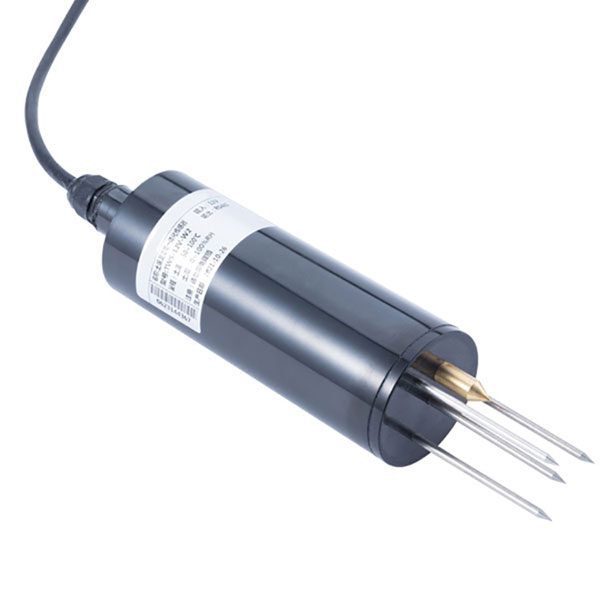 TDR Soil Moisture & Temperature Sensor for irrigation| RS485 |4-20mA| NBL-S-THR
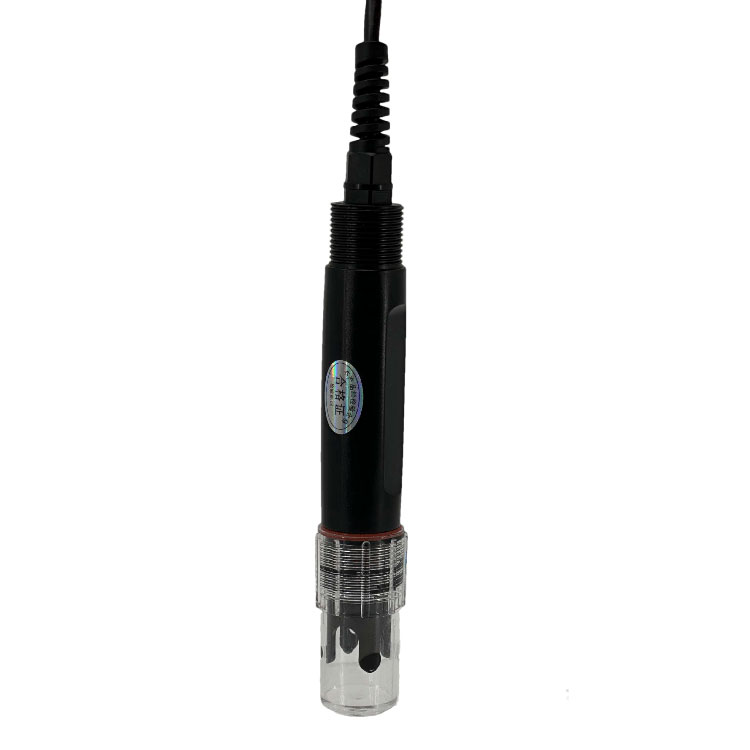 Soil pH sensor RS485 soil Testing instrument soil ph meter for agriculture |NBL-S-PH
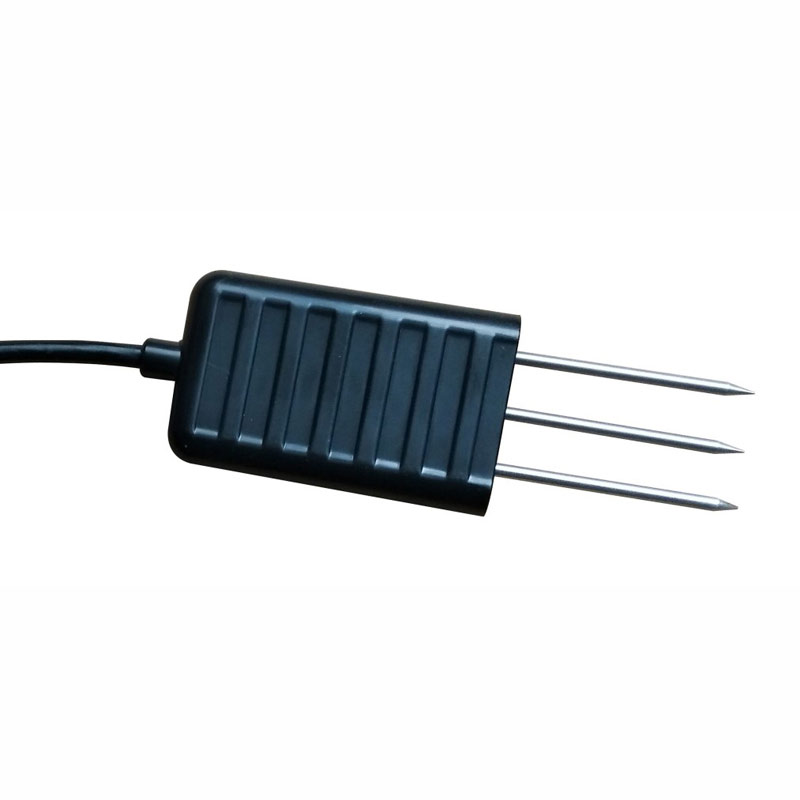 Soil NPK Sensor RS485 Modbus | NBL-S-NPK | NiuBoL
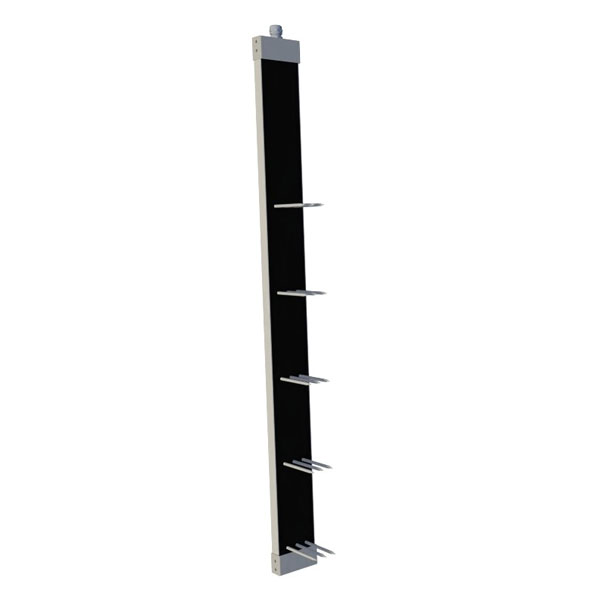 NBL-S-TM-MD Multi-Layer Soil Moisture Temperature Salinity Sensor | RS485 Modbus
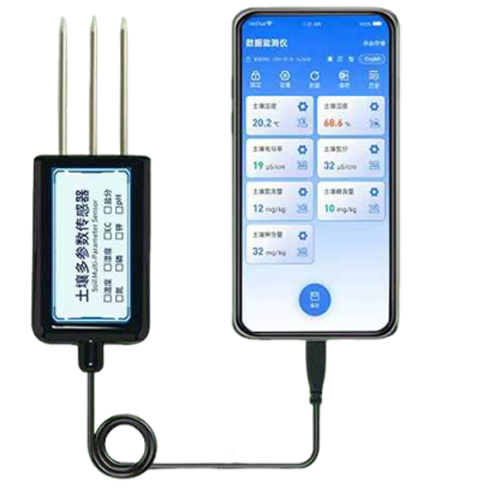 7-in-1 Soil Sensor for Android USB-Type-C
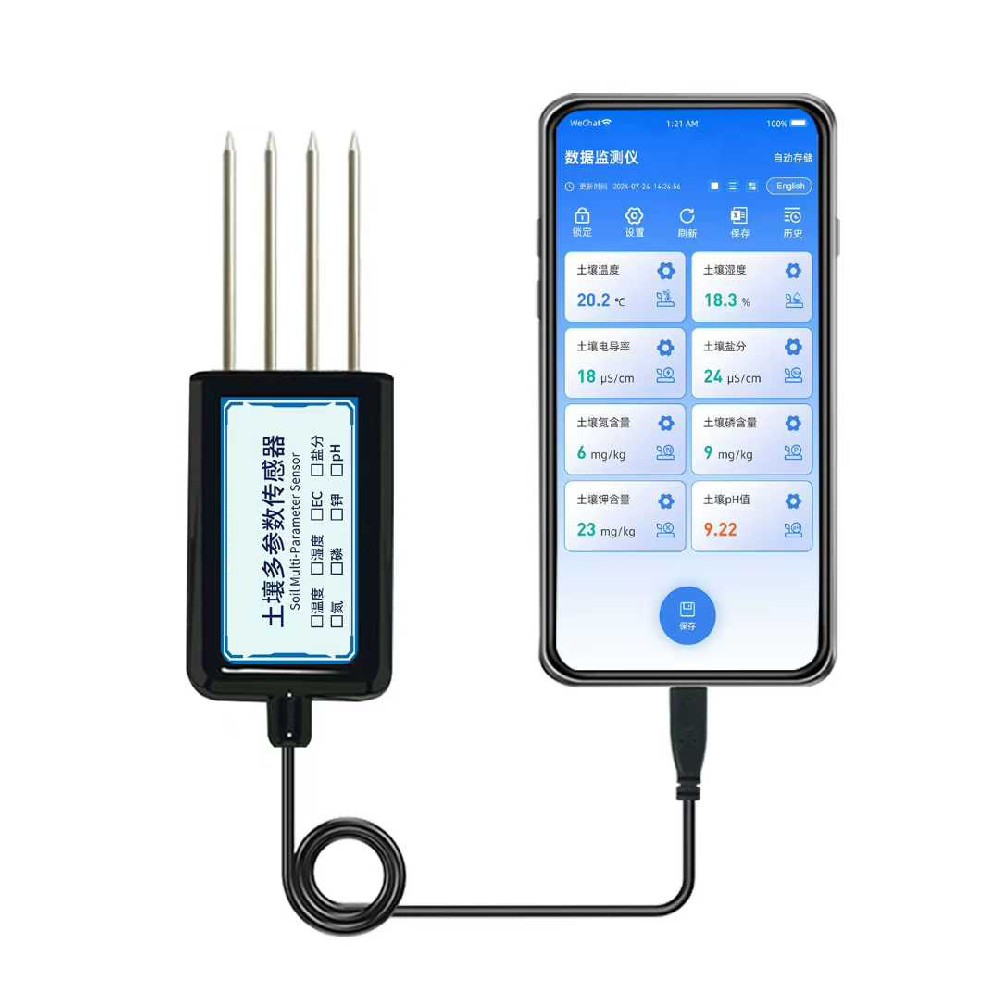 8-in-1 Portable Soil Sensor for Android Type-C/USB Soil Multi-Parameter Tester & Analyzer

Screenshot, WhatsApp to identify the QR code
WhatsApp number:+8615367865107
(Click on WhatsApp to copy and add friends)