





— Blogs —
—Products—
 Consumer hotline +8618073152920
 WhatsApp:+8615367865107
Address:Room 102, District D, Houhu Industrial Park, Yuelu District, Changsha City, Hunan Province, China
Company news
Time:2025-12-11 14:42:54 Popularity:762
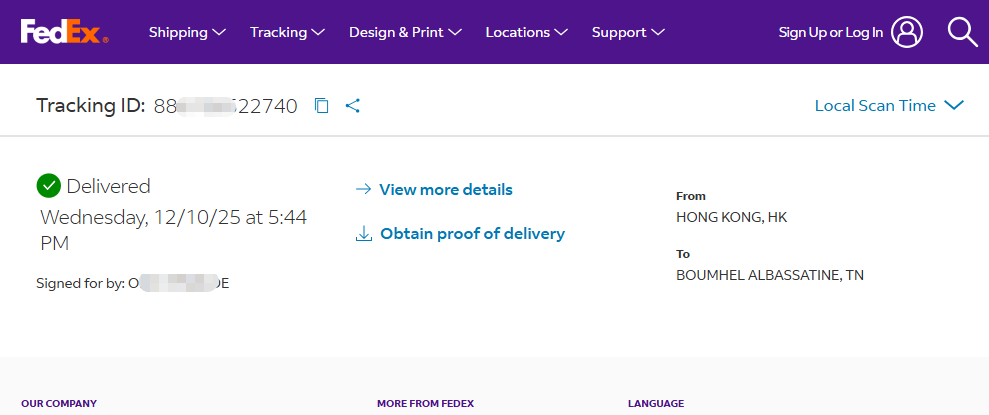
NiuBoL solar radiation, PV module temperature and wind speed sensors exported to Tunisia are relevant to photovoltaic and environmental monitoring projects where sunlight, module heat and wind conditions must be recorded together.
Solar radiation shows incoming sunlight. PV module temperature helps interpret thermal operating condition. Wind speed provides cooling and site-weather context. Used together, the three readings help project teams understand PV performance or solar-resource conditions more clearly.
| Sensor group | Project value | Integration check |
|---|---|---|
| Solar radiation | Irradiance record for PV and weather analysis | Mounting exposure and data unit |
| PV module temperature | Thermal condition of selected module point | Attachment method and cable route |
| Wind speed | Cooling and safety weather context | Open exposure and output signal |
| Data logger | Timestamped records and upload | Protocol, channel labels and platform fields |

For overseas projects, the buyer should confirm output versions, cable lengths, mounting accessories and protocol documents before repeat orders. The local team needs the same interface information that was approved during sample evaluation.
The three sensors should not be installed as isolated devices. Their records are useful when the logger keeps synchronized timestamps and clear channel names for the same PV field or monitoring site.
For Tunisia and other high-sunlight sites, maintenance access also matters. Dust, cable exposure and loose module contact can affect long-term data even when the selected sensors are compatible.
If the project will compare several array areas, the buyer should define which module, radiation point and wind exposure belong together. Matched location records make later performance review more defensible.

The combination helps interpret PV operation because sunlight input, module heat and wind cooling affect performance records together.
Confirm output type, cable length, mounting accessories, logger compatibility, communication documents and whether all channels need one platform.
Yes. Solar-resource, environmental and research projects can also use radiation and wind data when the installation point represents the study area.
Poor exposure, dust, loose module contact, weak cable protection or wrong channel labeling can reduce the value of the monitoring data.
Verify live readings, units, timestamps, channel names, data upload and whether readings respond logically to sunlight and wind changes.
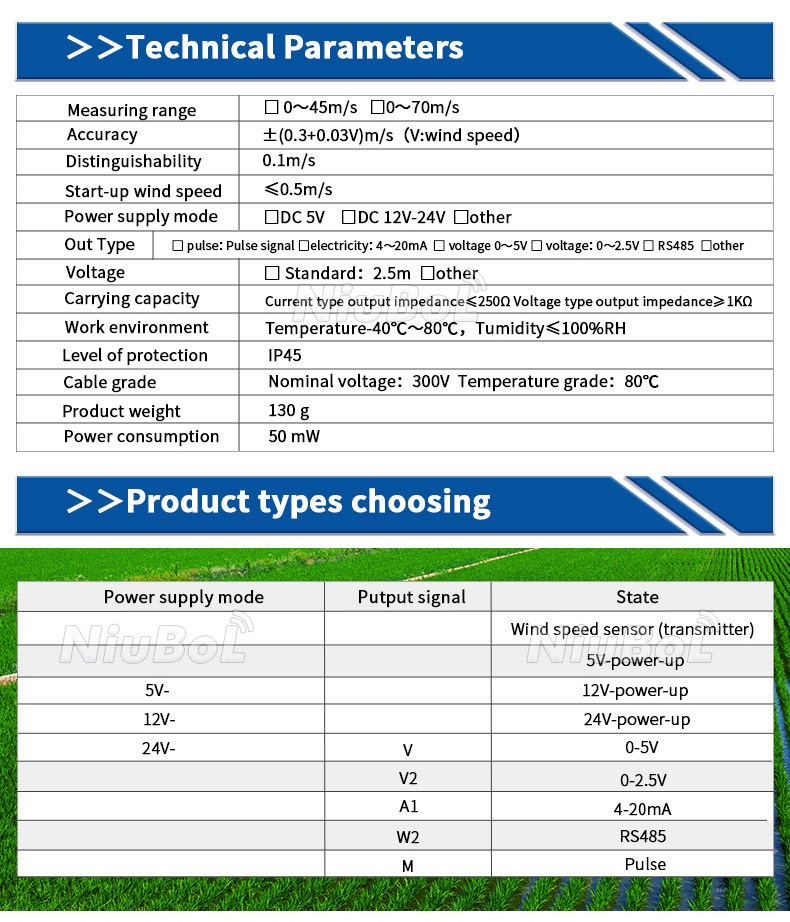
Send application, monitored site, required outputs, cable lengths, mounting conditions, logger or platform requirement and documentation needs.
This Tunisia export news is useful for buyers planning PV or solar-resource monitoring. The procurement focus is parameter combination, mounting and synchronized data acquisition.
Prev:NiuboL Soil and Environmental Monitoring Sensors Exported to France
Next:NiuboL High-Performance Environmental Monitoring Sensors Successfully Exported to Egypt
Related recommendations
Sensors & Weather Stations Catalog
 Agriculture Sensors and Weather Stations Catalog-NiuBoL.pdf
Weather Stations Catalog-NiuBoL.pdf
Agriculture Sensors Catalog-NiuBoL.pdf
Water Quality Sensor Catalog-NiuBoL.pdf
Related products
 Combined air temperature and relative humidity sensor
 TDR Soil Moisture & Temperature Sensor for irrigation| RS485 |4-20mA| NBL-S-THR
 Soil pH sensor RS485 soil Testing instrument soil ph meter for agriculture |NBL-S-PH
 Wind Speed sensor Output Modbus/RS485/Analog/0-5V/4-20mA
 Tipping bucket rain gauge for weather monitoring auto rainfall sensor RS485/Outdoor/stainless steel Pyranometer Solar Radiation Sensor 4-20mA/RS485
Screenshot, WhatsApp to identify the QR code
WhatsApp number:+8615367865107
(Click on WhatsApp to copy and add friends)

