





— Blogs —
—Products—
 Consumer hotline +8618073152920
 WhatsApp:+8615367865107
Address:Room 102, District D, Houhu Industrial Park, Yuelu District, Changsha City, Hunan Province, China
Product knowledge
Time:2026-01-04 14:16:33 Popularity:743
In the fields of smart agriculture, environmental research, and disaster prevention and mitigation, all-element automatic meteorological stations are the "sensory center" for obtaining firsthand meteorological data. A high-performance NiuBoL automatic meteorological station can achieve 24-hour all-weather monitoring and transmit massive data in real time to meteorological databases for statistical analysis.
However, the core value of meteorological data lies in its authenticity and representativeness. If the installation layout is arbitrary, the foundation is unstable, or lacks protection, the measured data will produce serious systematic deviations. To ensure your NiuBoL system outputs the most reliable data, this article will deeply interpret the "four major standards" that must be followed in the automatic meteorological station installation process.
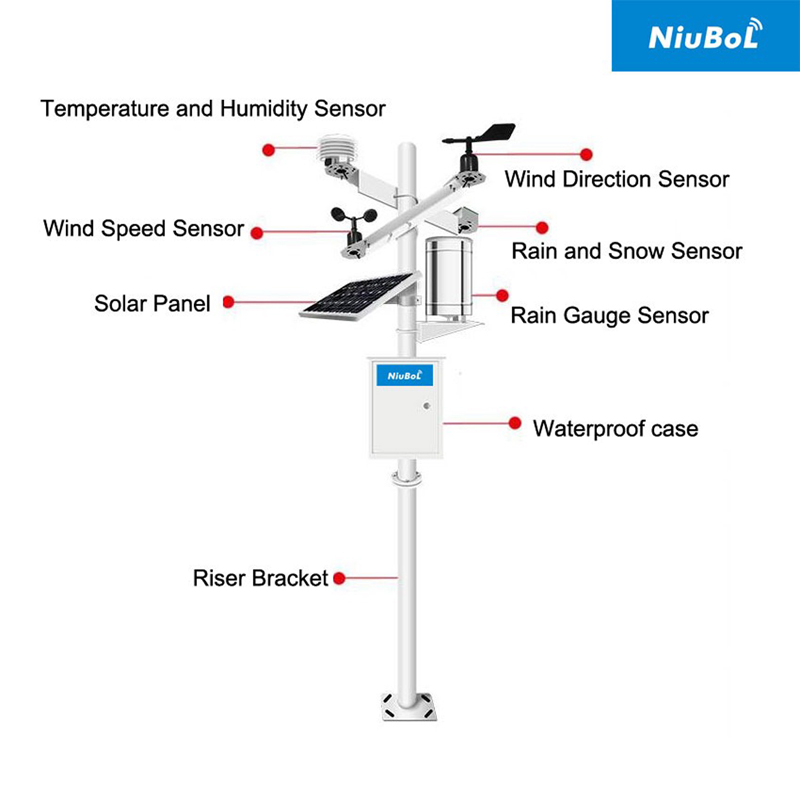
Automatic meteorological stations are not random stacks of instruments; their position distribution in the observation field follows strict physical interference avoidance logic.
1.Follow the "North High South Low" Shadow Avoidance Principle
When installing in the Northern Hemisphere, to avoid tall instruments blocking short ones (especially sunlight shadows and local airflow interference), must follow the principle of "tall instruments in the north, short instruments in the south."
North Layout: Wind speed and direction pole (usually 10 meters), total radiation bracket.
South Layout: Rain gauge, evaporation pan, soil temperature and humidity probes.
2.Strict Spacing Standards (Prevent Mutual Interference)
To prevent thermal radiation interference and mechanical blocking between equipment, NiuBoL recommends complying with the following spacing:
East-West Spacing: Mutual east-west distance not less than 4m.
North-South Spacing: Mutual north-south distance not less than 3m.
Edge Protection: Instruments not less than 3m from observation field edge fence to ensure unobstructed air circulation.
3.Observation Path Requirements
Instruments should be placed on the south side close to east-west paths. Observers should approach instruments from the north during inspection or maintenance to minimize instantaneous interference from personnel activities on ground temperature and radiation measurements.
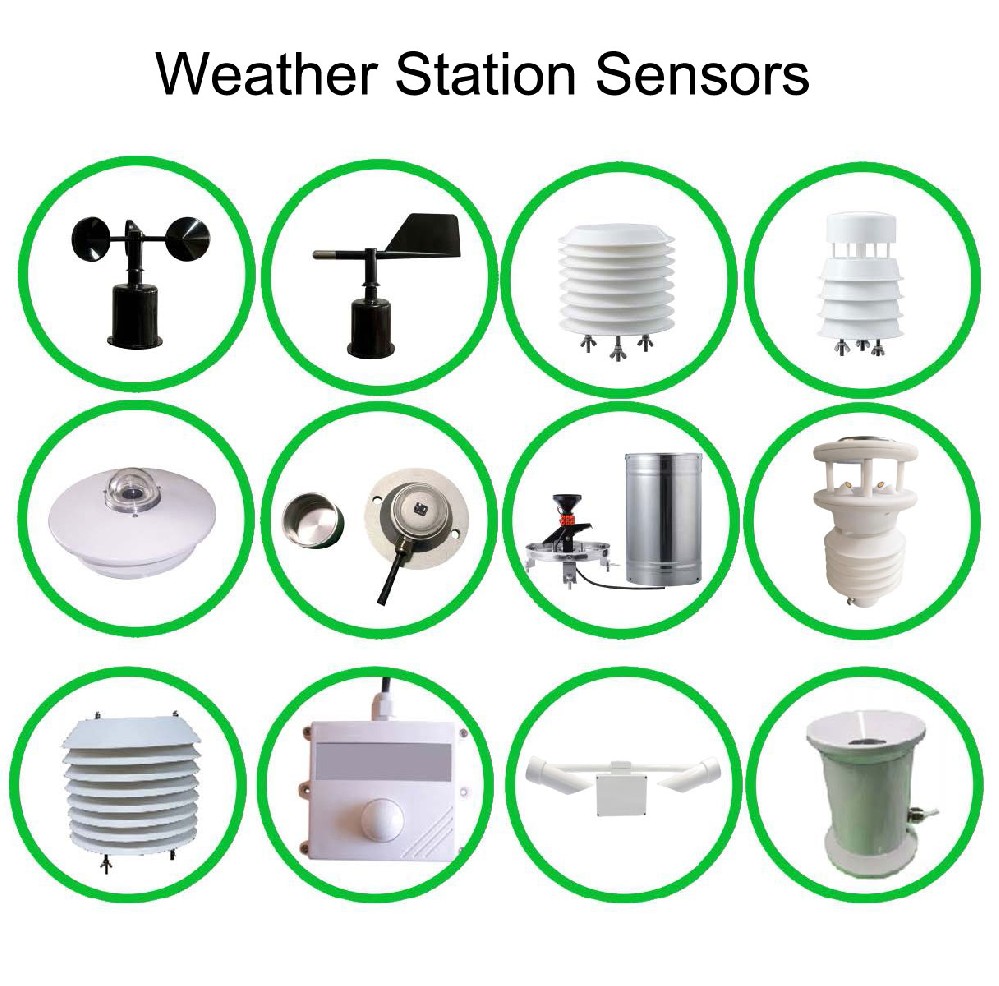
Not all sensors are suitable for installation on the main pole. For precision-sensitive elements, NiuBoL provides targeted installation guidance:
1.Radiation and Sunshine Duration: Absolute Sky View Rights
Total radiation and sunshine duration sensors have extremely high requirements for sky field of view.
Obstacle Control: Height of surrounding obstacles should not exceed 1/10 of sensing surface height. If there are tall buildings blocking in the field, such instruments can be installed on rooftops with open views.
Levelness: Radiation sensors are extremely sensitive to levelness; during installation, must observe built-in level bubble to ensure sensing surface completely parallel to ground plane.
2.Wind Speed and Direction: Avoid "Narrow Tube Effect"
Anemometers are usually installed at the top of 10-meter wind poles.
Away from Barriers: Must be far from buildings, horizontal distance at least 10 times obstacle height.
North Calibration: When installing wind vanes, must use compass for precise pointing calibration (pointing true north), otherwise wind direction data will have systematic deviations.
3.Rain Gauge: Balance Between Barrier and Openness
Wind reduces captured precipitation.
Reasonable Wind Shelter: The field should be as open as possible, but in windy areas, rain gauges need some wind shelter, but shelter height must not exceed rain gauge mouth surface.
Anti-Vibration Foundation: Rain gauges mostly have internal tipping bucket structures; foundation must be solid (cement poured) to prevent false precipitation reports due to equipment shaking.
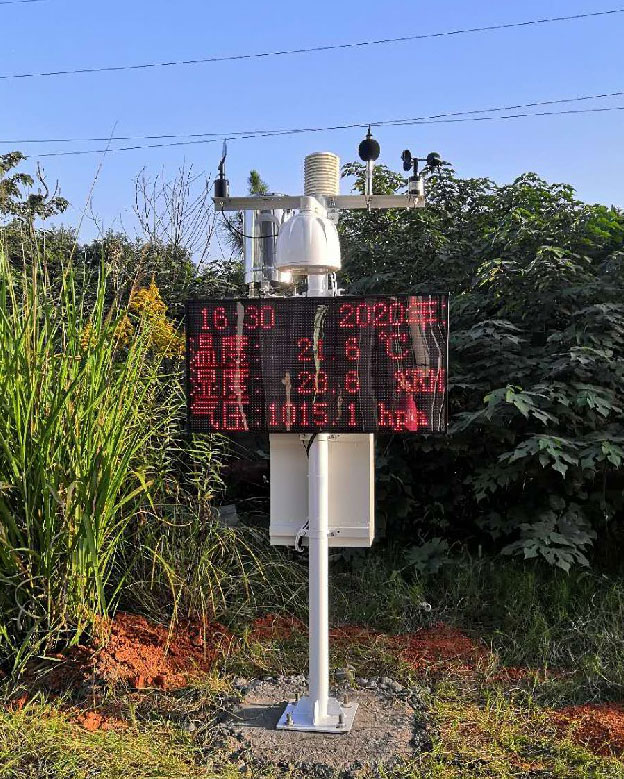
Field installation environments are harsh; lightning is the primary threat to meteorological stations.
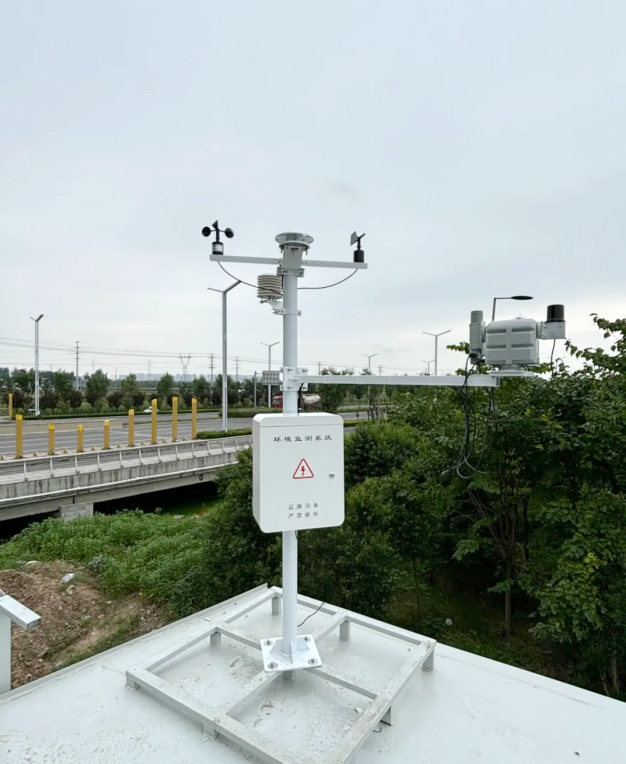
Lightning Protection Grounding Engineering: NiuBoL all-element meteorological stations must be equipped with lightning rods and independent grounding grids. Grounding resistance should be less than 4Ω (high-resistance areas need resistance reduction agents). This ensures instantaneous high voltage rapidly discharges during lightning strikes, protecting expensive sensor arrays.
Communication Cable Protection: Collection communication lines should be piped and buried to avoid long-term UV exposure oxidation and prevent rodent bites or mechanical damage.
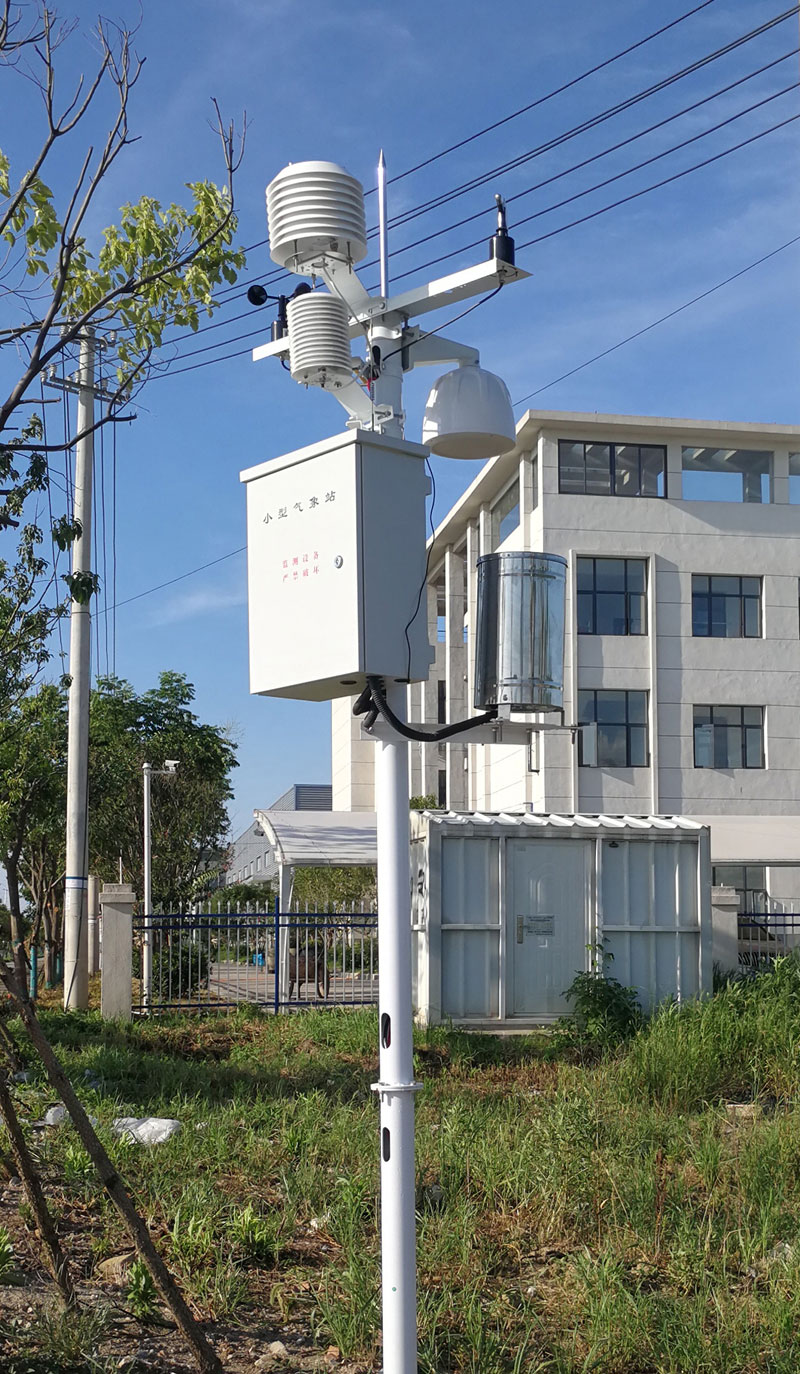
To observe clouds and visibility, site environment requirements are nearly stringent:
Open View: Measurement points must have 360° unobstructed view of sky and surrounding areas.
Underlying Surface Representativeness: Underlying surface should maintain natural state (usually lawn), height regularly trimmed below 20cm to prevent environmental microclimate deviations due to abnormal underlying surface.
Q1: Must automatic meteorological stations have cement foundations?
A: Yes. Especially wind poles and rain gauges. Without solid foundations, wind poles may tilt or collapse in strong winds, rain gauges may produce erroneous counts due to minor vibrations.
Q2: If site restrictions prevent standard observation field placement, what to do?
A: If space is insufficient, rooftop platform solutions can be adopted. But note rooftop parapet blocking and potential urban heat island effects on temperature measurements. NiuBoL can provide rooftop dedicated bracket solutions.
Q3: After installation completion, what is the first step?
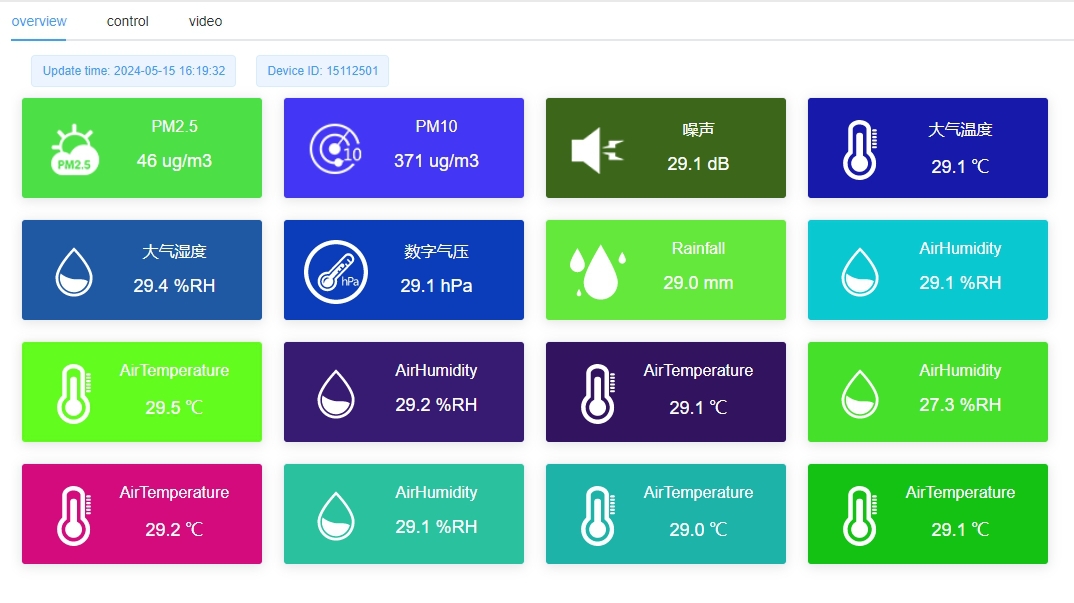
A: NiuBoL recommends immediate "static commissioning." Check if each sensor data uploads in real time, if wind direction pointing is correct, if rain gauge tipping bucket is flexible.
Q4: Do sensors need regular cleaning?
A: Very necessary. Transparent glass domes of radiation sensors, water intake ports of rain gauges, and radiation shields (louver boxes) of temperature and humidity probes—if heavily dusted or with insect nests—will directly cause data inaccuracies.
Q5: Will long communication lines affect accuracy?
A: If using RS485 signal transmission, data is nearly lossless within 1000 meters. But if cable quality is poor or strong electrical interference is severe, data packets may be lost. NiuBoL recommends using matching industrial-grade shielded lines and maintaining safe distance from high-voltage lines.
Q6: How often maintenance after installation completion?
A: Recommend quarterly checks. Focus on checking if rain gauges have fallen leaves blocking, if radiation sensor surfaces have dust accumulation, if sensor level bubbles deviate from center.
Q7: Why can't temperature and humidity sensors be installed under eaves?
A: Air circulation under eaves is poor, and building surface thermal radiation will make measured temperature far higher than actual air temperature. Temperature and humidity sensors must be installed in well-ventilated louver boxes.
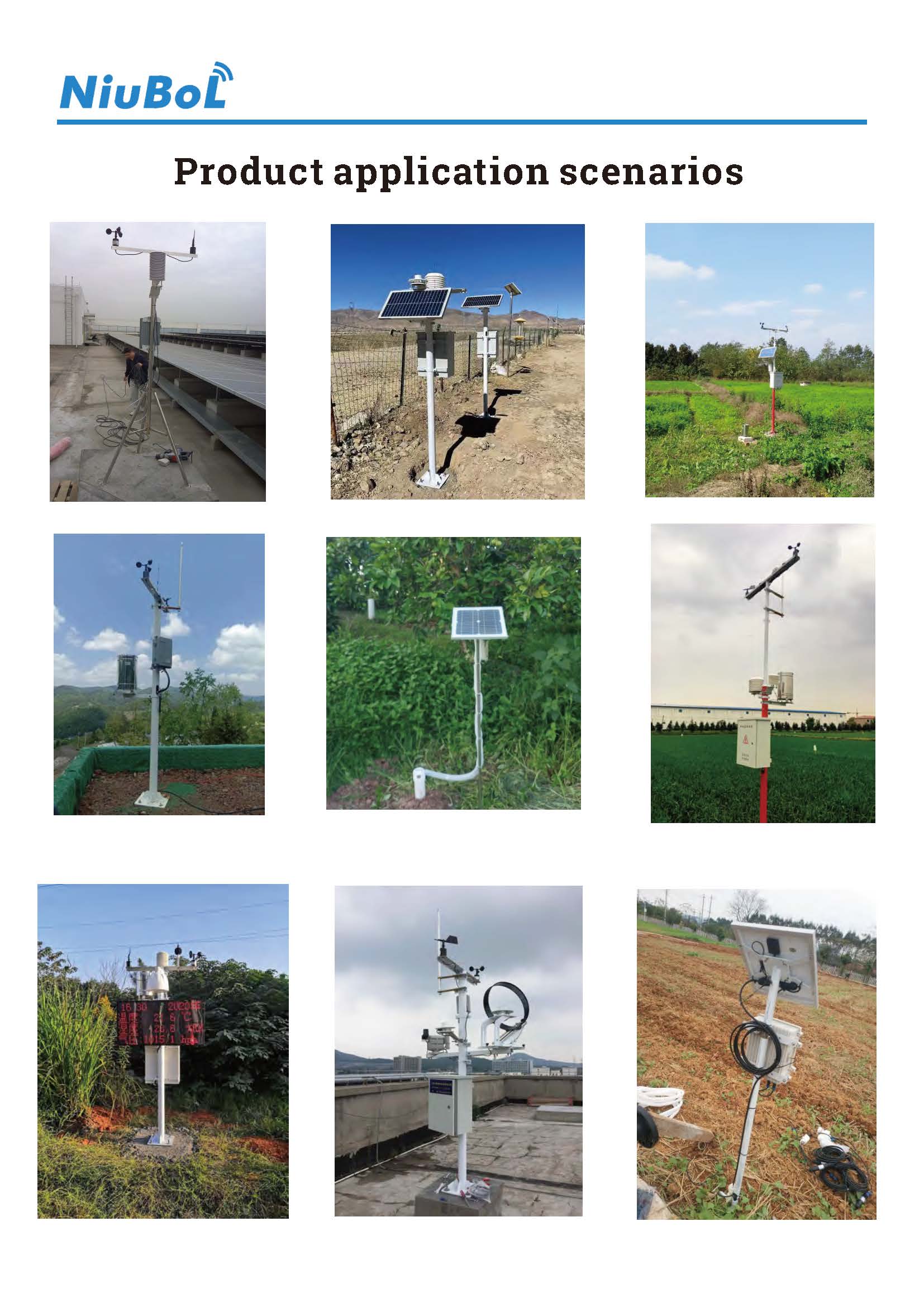
The installation of all-element automatic meteorological stations is a rigorous system engineering. From spatial layout's "north high south low," to physical foundation's stability and anti-vibration, to lightning protection's lifeline engineering, every detail concerns the final meteorological performance output.
NiuBoL is always committed to providing users with "turnkey" level meteorological solutions. We not only provide high-precision hardware but also assist in planning optimal installation solutions, ensuring every piece of data transmitted from the observation field truly reflects natural changes, providing scientific decision-making basis for you.
Are you planning the construction of a meteorological observation field? The NiuBoL technical team is always ready to provide full layout planning and installation site selection suggestions. Contact us—let your meteorological monitoring enter the scientific track from the beginning!
Related recommendations
Sensors & Weather Stations Catalog
 Agriculture Sensors and Weather Stations Catalog-NiuBoL.pdf
Weather Stations Catalog-NiuBoL.pdf
Agriculture Sensors Catalog-NiuBoL.pdf
Water Quality Sensor Catalog-NiuBoL.pdf
Related products
 Combined air temperature and relative humidity sensor
 TDR Soil Moisture & Temperature Sensor for irrigation| RS485 |4-20mA| NBL-S-THR
 Soil pH sensor RS485 soil Testing instrument soil ph meter for agriculture |NBL-S-PH
 Wind Speed sensor Output Modbus/RS485/Analog/0-5V/4-20mA
 Tipping bucket rain gauge for weather monitoring auto rainfall sensor RS485/Outdoor/stainless steel
 Pyranometer Solar Radiation Sensor 4-20mA/RS485

Screenshot, WhatsApp to identify the QR code
WhatsApp number:+8615367865107
(Click on WhatsApp to copy and add friends)

