





— Blogs —
—Products—
 Consumer hotline +8618073152920
WhatsApp:+8615367865107
Address:Room 102, District D, Houhu Industrial Park, Yuelu District, Changsha City, Hunan Province, China
Product knowledge
Time:2026-01-05 09:08:29 Popularity:994
A greenhouse control system integration project needs more than temperature readings on a phone. It must connect measurements from the crop environment to local decisions, suitable motor or valve controls, and feedback showing what actually happened. For an existing greenhouse, the practical starting point is to identify which actions remain manual and which can be automated without removing the operator's ability to intervene.
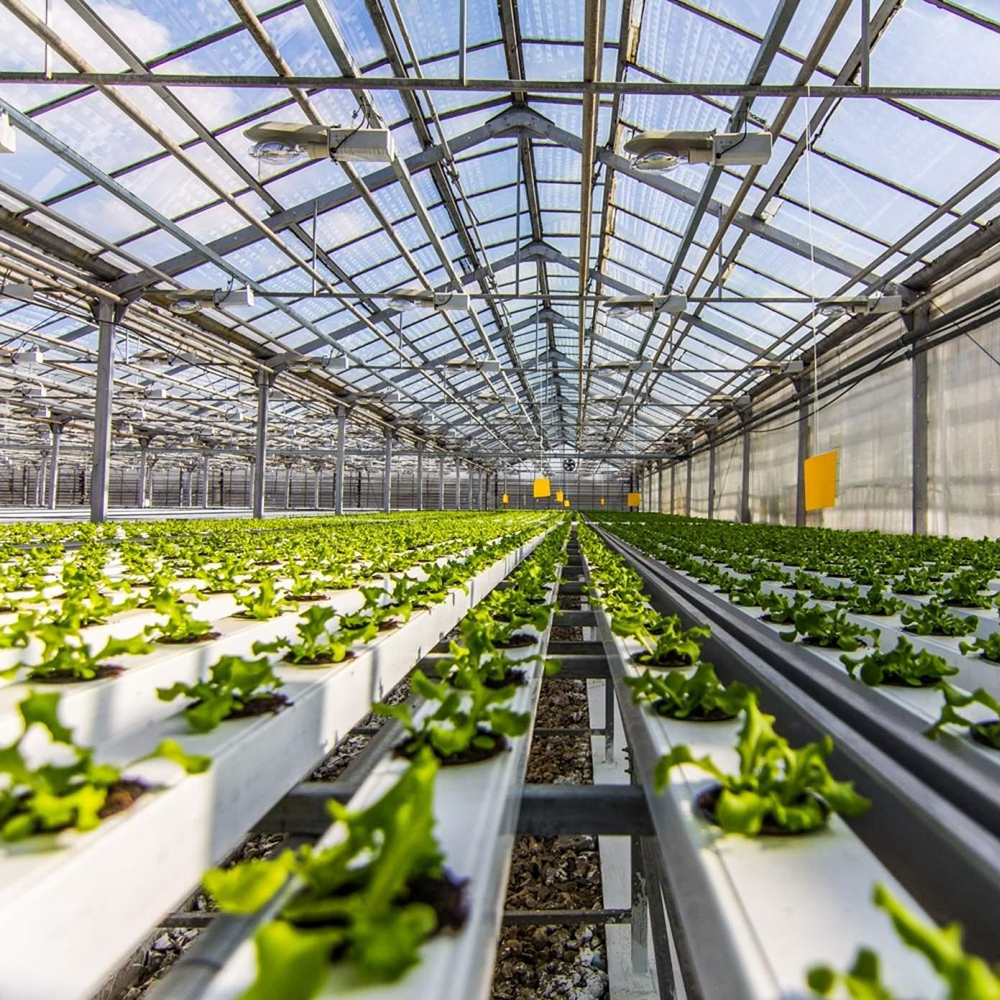
A monitoring package collects environmental data and sends alarms. A controller compares those data with operating rules. The electrical panel then switches or regulates fans, vents, shading, heating or irrigation equipment. These are different functions, even when they appear on the same dashboard. A sensor with RS485 output cannot directly power a ventilation motor, and a data logger does not necessarily contain programmable control outputs.
NiuBoL environmental sensors can supply measurements to a compatible PLC, RTU or greenhouse controller. The complete automation package must also specify actuator interfaces, electrical protection, local operating modes and feedback inputs. A quotation should distinguish these items from the sensor and communications package so the contractor knows who supplies and commissions each part.
For a retrofit, record the installed motors, valves and control panels before ordering. A reversible film-rolling motor, a variable-speed fan and a solenoid valve have different drive requirements. Nameplate voltage, current, existing limit switches and available status contacts matter more to integration than the number of charts on the monitoring screen.
Air temperature and relative humidity should represent the growing zone, not a sun-heated roof member or a cold wall. Keep the sensing element ventilated and protected from direct radiation. Avoid the immediate spray plume of a fogger, heater discharge and stagnant corners unless the purpose is to investigate those particular locations. Reconsider the mounting height as the crop canopy develops.
One observation point may be adequate for a small, uniform compartment after a comparison survey. Long houses, separate heating zones and different crop heights often need more than one point. Compare locations during sunny afternoons and overnight cooling before assigning control zones. Averaging a hot zone and a cool zone can conceal both problems.
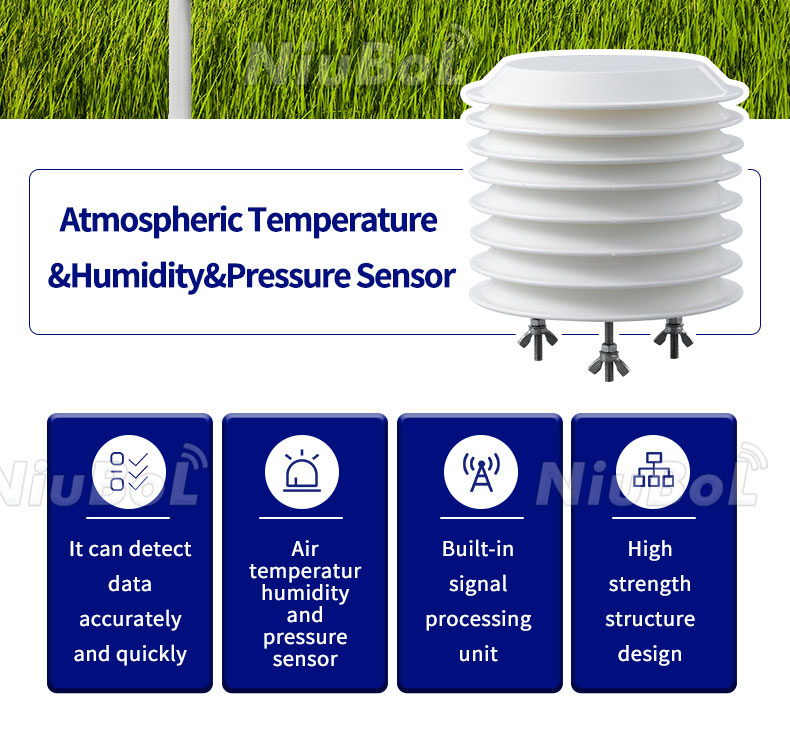
The NBL-W-LBTH temperature, humidity and pressure sensor provides an example of a sensor input for this architecture. Its pressure channel is available for environmental records; it does not replace the temperature and humidity measurements used for greenhouse climate decisions.
| Parameter | NBL-W-LBTH specification |
|---|---|
| Air temperature | -40 to 80 deg C; accuracy +/-0.5 deg C; resolution 0.1 deg C |
| Relative humidity | 0-100% RH; accuracy +/-5% RH; resolution 0.1% RH |
| Atmospheric pressure | 10-1200 hPa; accuracy +/-1.5 hPa; resolution 0.1 hPa |
| Supply | DC 12-24 V configuration |
| Signal options | RS485 Modbus RTU or 4-20 mA, selected for the installation |
| Operating temperature | -40 to 80 deg C |
Resolution is not control accuracy. A display increment of 0.1% RH does not make this a +/-0.1% RH humidity instrument. For a process requiring a tighter humidity tolerance, specify a sensor and installation uncertainty suitable for that tolerance. Do not treat the 0-100% RH range as permission to expose the sensing element to persistent condensation or irrigation spray.
A practical signal path is sensor to local controller, controller to drive panel, and drive panel to actuator. A gateway can separately carry measurements, alarms and operating records to a server. This arrangement allows the project to define what should continue locally when the external connection fails. Offline operation is a controller capability that must be demonstrated, not inferred from the presence of a gateway.
For RS485 Modbus RTU inputs, assign a distinct device address to each sensor and check baud rate, register mapping, scaling and negative-temperature interpretation. Verify the engineering value at the controller against the local reading before enabling any automatic action. Keep measurement time and communication status alongside the value; yesterday's valid temperature is not a valid input for today's ventilation decision.
Separate low-voltage sensor cabling from motor power circuits. Test communication while the actual fans and rolling motors start and stop, because a quiet bench test may not reveal field interference. Wireless links can reduce some cable routes, but they still need a power plan and a coverage test with the greenhouse structure, wet foliage and operating equipment present.
Temperature alone is not enough to define every action. Ventilation changes heat, humidity and CO2 together. Shading reduces incoming radiation but also reduces crop light. Irrigation affects the root zone and may change the humidity inside the house. The controller should resolve these interactions through a documented operating sequence rather than allowing independent outputs to compete.
Use separate start and stop conditions, minimum run times and position or travel feedback appropriate to the equipment. For illustration, a trial fan sequence might start at 28 deg C and stop at 26 deg C. Those numbers demonstrate a dead band; they are not recommended crop temperatures. The actual settings depend on crop stage, sensor uncertainty and the response of the building.
A motor running for a calculated duration does not prove that a curtain reached its intended position. Slippage, obstruction or power loss can invalidate a time-based position estimate. Retain the actuator manufacturer's limit and overload protection, and agree how position is checked after interrupted travel. Reversing drives require suitable interlocking and installation by qualified electrical personnel.
An integrated environmental sensor can reduce mounting points when all its channels are useful. However, illuminance in lux describes light differently from photosynthetic photon flux density. A crop-lighting project should specify the quantity used by its lighting strategy; do not substitute a fixed lux conversion for a quantum sensor across changing sunlight and lamp spectra.
CO2 readings should represent the occupied crop zone rather than the immediate outlet of an enrichment pipe. If enrichment is included, its operation must be coordinated with ventilation and the facility's safety design. An environmental CO2 channel is not automatically a personnel-protection alarm, nor does buying the sensor include gas dosing equipment.
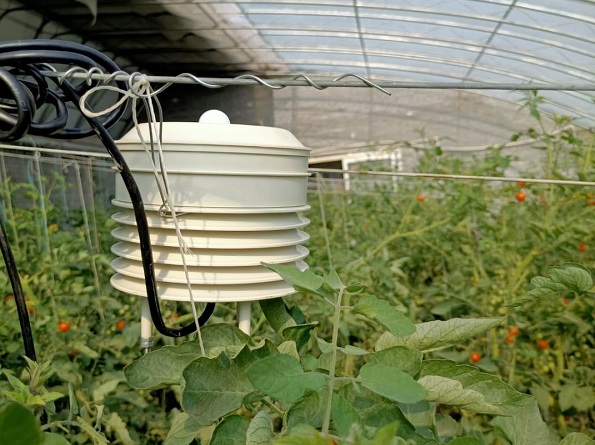
Soil-grown vegetables and container seedlings need different measurement arrangements. In soil, place probes in representative root-zone locations relative to emitters. In small containers, confirm that the probe geometry and calibration are suitable for the substrate volume. A mineral-soil calibration should not be assumed accurate in coir or another growing medium.
An irrigation command should be checked against actual water delivery. Flow or pressure feedback can distinguish an open valve command from a blocked line or empty supply. Nutrient dosing also needs its own solution measurements and dosing controls; a moisture probe does not determine a fertilizer recipe. Limit run duration and define the response to missing water feedback before unattended operation.
Commission one representative compartment before repeating the configuration across the site. First compare sensor values, then check each actuator in supervised manual operation, and only then enable automatic sequences. This order makes a reversed motor or incorrectly scaled humidity register easier to isolate.
Outside wind and rain inputs are useful for exposed vents and screens, but their limits must come from the greenhouse and actuator design. A single universal wind threshold is unsuitable for structures with different openings, materials and drive mechanisms. Agree who can change these settings and record the accepted configuration.
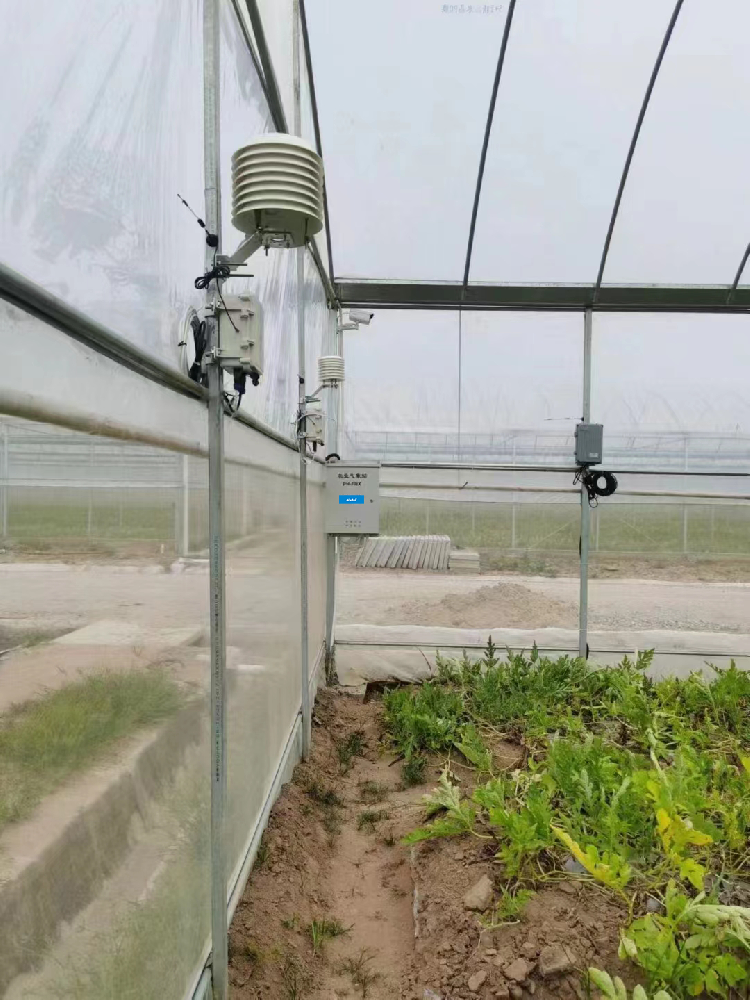
A vegetable house with manual ventilation may benefit first from representative temperature and humidity points plus reliable local alarms. A flower nursery with independent misting zones needs measurements and valve feedback at the zone level. A research compartment needs traceable sensor comparison and operating records, not simply more automatic functions. Each project can use the same broad architecture without using the same control recipe.
Separate pricing for sensors, mounting, cable, gateway, controller programming and drive-panel work. For an existing installation, identify what can remain. Request a sample exported record and a demonstration of the required remote command workflow before selecting a platform. Ethernet or cellular connectivity alone does not establish that a particular API or third-party dashboard is supported.
Recurring work includes checking radiation shields, comparing suspect readings, maintaining actuators and inspecting water-delivery components. Service access should remain practical after crops and trellises are installed. A removable sensor mount is useful only if replacement does not leave its location or controller address ambiguous.
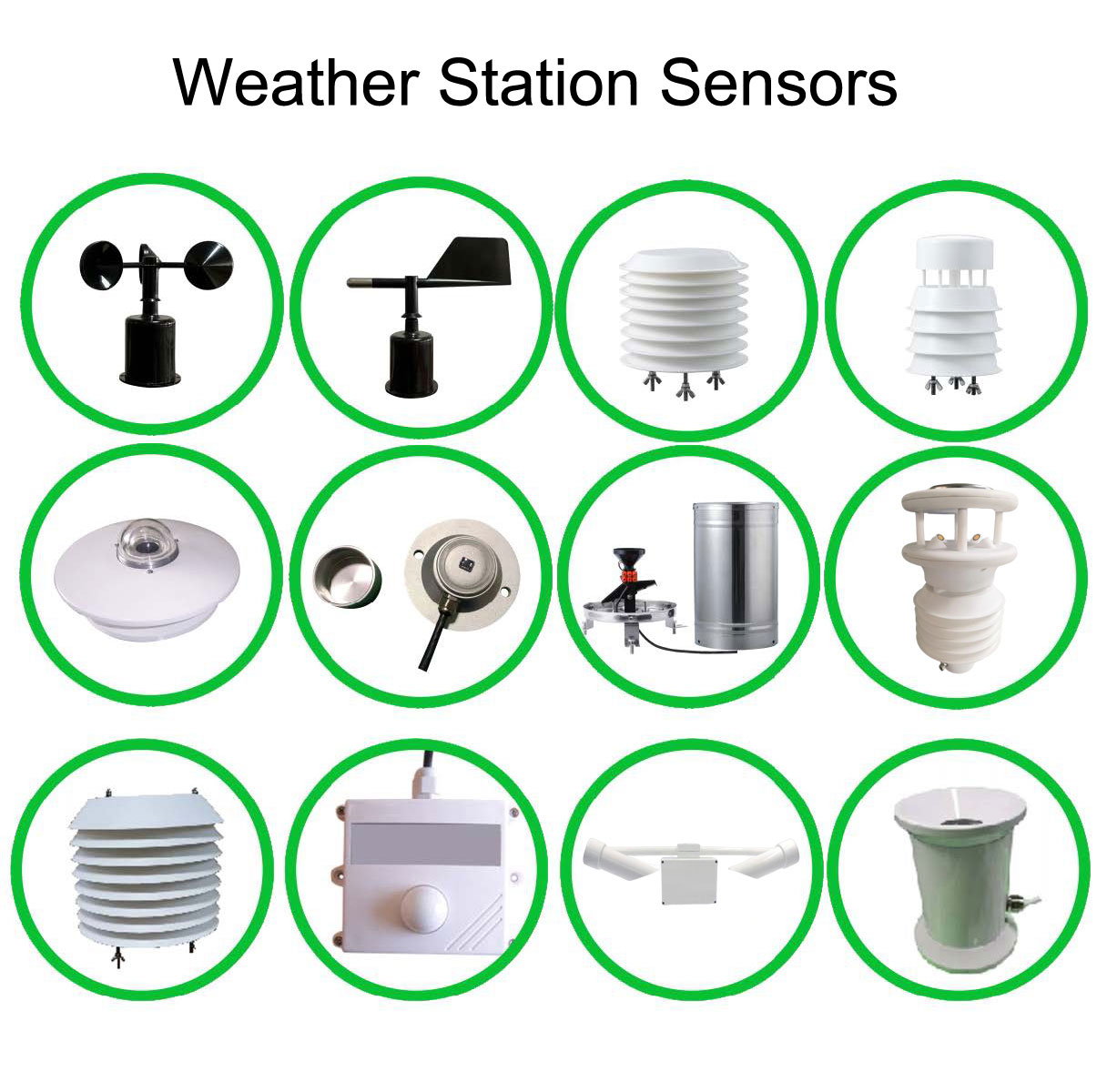
Often, but the available inputs and outputs decide the scope. Check whether the controller accepts the required RS485 Modbus RTU registers or analog signals and whether its software supports the new sequence. An additional gateway may provide remote records without replacing local control, but that does not automatically add remote actuator commands.
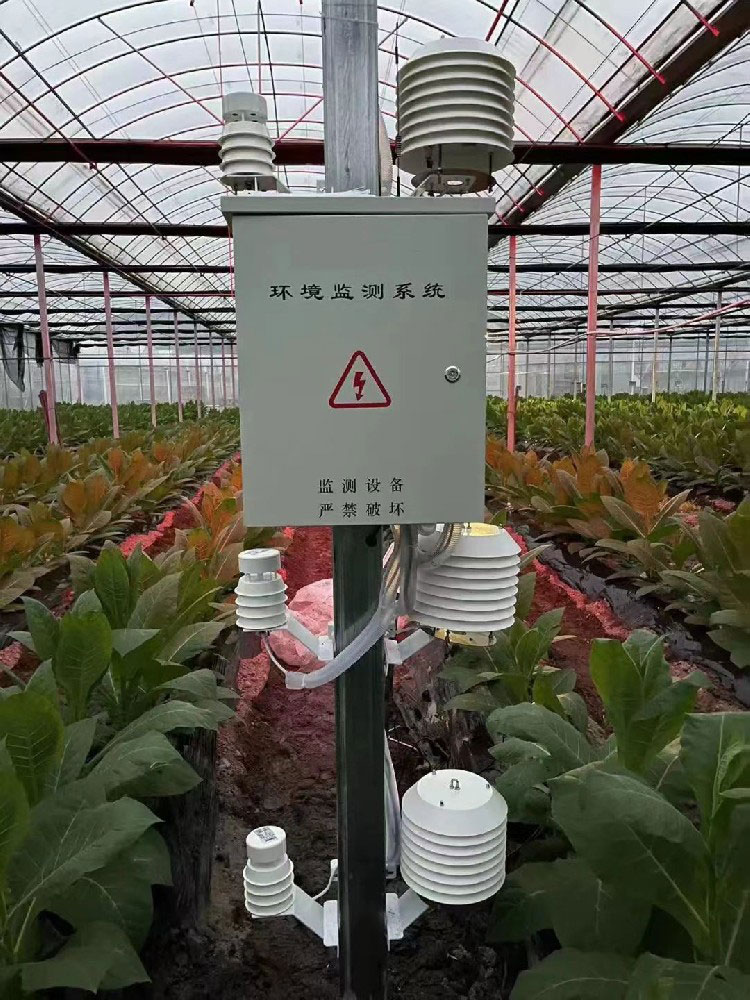
Not necessarily. The station supplies measurements; curtain control also needs a controller, compatible drive circuit, travel protection and a commissioned operating sequence. Ask for these items individually in the equipment schedule rather than assuming that they are included with the pictured station.
Start with the number of independently managed climate zones and check spatial variation within each one. Use temporary comparisons to identify differences near doors, heating pipes and dense canopy. Add points where one location cannot represent the area being controlled; greenhouse floor area alone does not determine a reliable sensor count.
Only if the selected local controller stores and executes the required logic independently. Test this with the uplink disconnected. Also check stale-input handling, manual operation and restoration after power loss, because an internet outage and a power outage are different faults.
Provide the compartment layout, crop and growing medium, required measurements, existing controller interfaces and actuator details. Mark which functions are observation-only and which require automatic operation. Include cable distances, power availability and the intended server connection so the sensor package and remaining integration work can be specified separately.
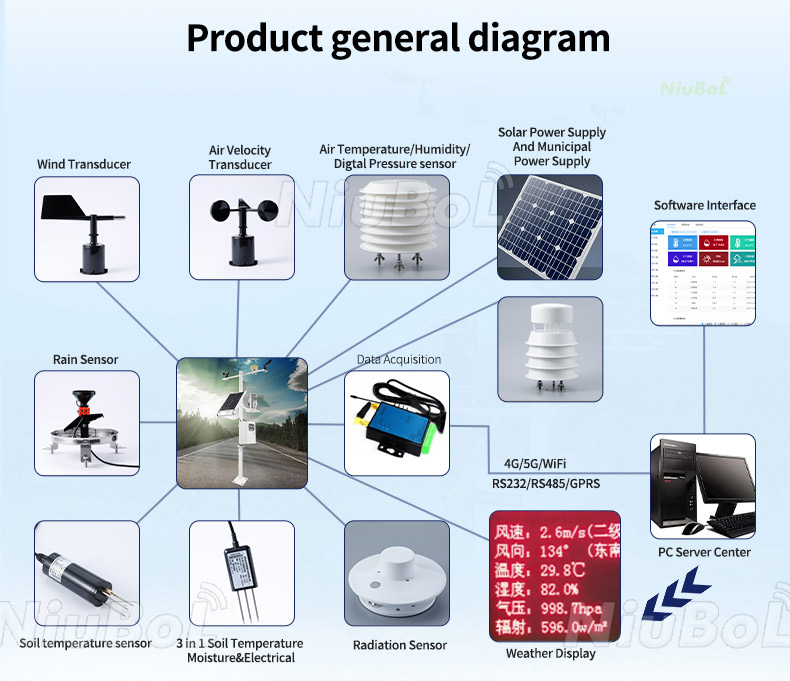
Greenhouse control system integration links representative measurements to tested local actions and visible equipment feedback. Begin with the climate zones and existing actuators, then select sensors and communication interfaces that fit those decisions. NiuBoL can help configure the environmental measurement package; the final scope should identify the controller, electrical work and commissioning needed to make the complete installation operate as intended.
Prev:Weather Station Sensor Placement: Wind, Rain and Radiation Exposure
Next:Soil Sampling for Nutrient Testing: Field Composites and Rapid Analysis
Related recommendations
Sensors & Weather Stations Catalog
 Agriculture Sensors and Weather Stations Catalog-NiuBoL.pdf
Weather Stations Catalog-NiuBoL.pdf
Agriculture Sensors Catalog-NiuBoL.pdf
Water Quality Sensor Catalog-NiuBoL.pdf
Related products
 Combined air temperature and relative humidity sensor
 TDR Soil Moisture & Temperature Sensor for irrigation| RS485 |4-20mA| NBL-S-THR
 Soil pH sensor RS485 soil Testing instrument soil ph meter for agriculture |NBL-S-PH
 Wind Speed sensor Output Modbus/RS485/Analog/0-5V/4-20mA
 Tipping bucket rain gauge for weather monitoring auto rainfall sensor RS485/Outdoor/stainless steel
 Pyranometer Solar Radiation Sensor 4-20mA/RS485


Screenshot, WhatsApp to identify the QR code
WhatsApp number:+8615367865107
(Click on WhatsApp to copy and add friends)

