





— Blogs —
—Products—
 Consumer hotline +8618073152920
 WhatsApp:+8615367865107
Address:Room 102, District D, Houhu Industrial Park, Yuelu District, Changsha City, Hunan Province, China
Product knowledge
Time:2026-01-04 14:07:01 Popularity:764
In today's digital and intelligent transformation of the cultural tourism industry, competition in tourism scenic areas is no longer limited to natural landscapes but lies in refined services and high-quality ecological environments. The NiuBoL scenic area automatic meteorological station, as core hardware for smart scenic area construction, provides decision support for scenic area management, safety warnings, and brand marketing through real-time and precise data monitoring.
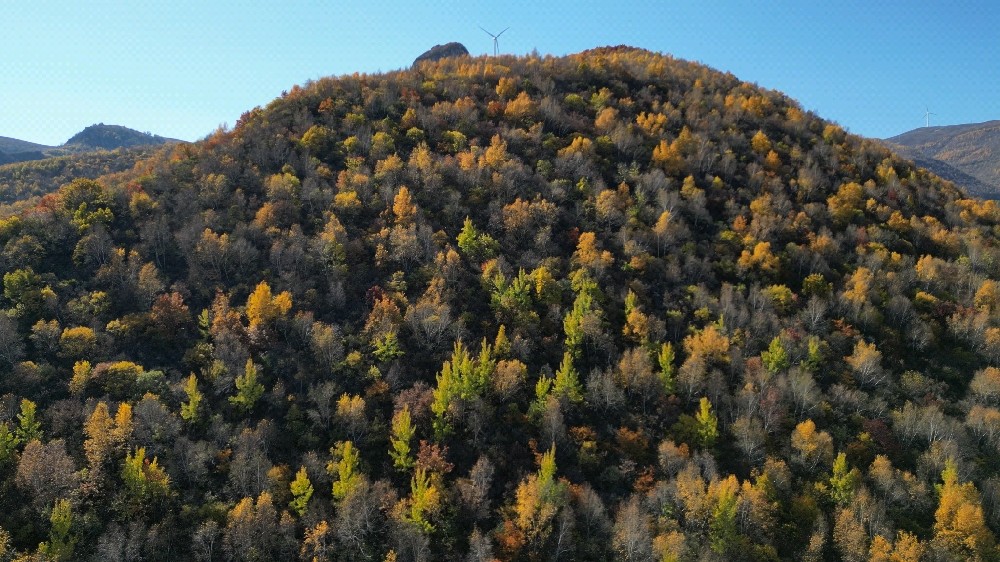
Tourism scenic areas are often influenced by terrain, altitude, and vegetation coverage, resulting in unique microclimate characteristics. Conventional large-scale weather forecasts are difficult to accurately cover every scenic area node.
1.Enhance Tourist Travel Experience
Real-time publication of temperature, humidity, wind speed, and other information within the scenic area can guide tourists in reasonably arranging activity times and clothing. Especially for high-altitude or forest-type scenic areas, this thoughtful meteorological service is key to improving tourist satisfaction.
2.Digital Presentation of Ecological Business Cards
Negative oxygen ion content is known as "air vitamins." The NiuBoL monitoring system can convert abstract air quality into visual data. High-concentration negative oxygen ion data not only attracts health tourism visitors but also becomes a "green business card" for scenic area promotion.
3.Enhance Scenic Area Disaster Prevention and Avoidance Capabilities
For mountain-type scenic areas, instantaneous strong winds, heavy rain, or extreme temperatures may endanger the safety of cable cars, rafting, and other projects. The second-level monitoring and warning functions of automatic meteorological stations are indispensable in scenic area emergency management systems.
A complete scenic area automatic meteorological monitoring system usually involves coordinated work between precision hardware and intelligent software. NiuBoL is committed to providing modular and expandable integrated solutions.
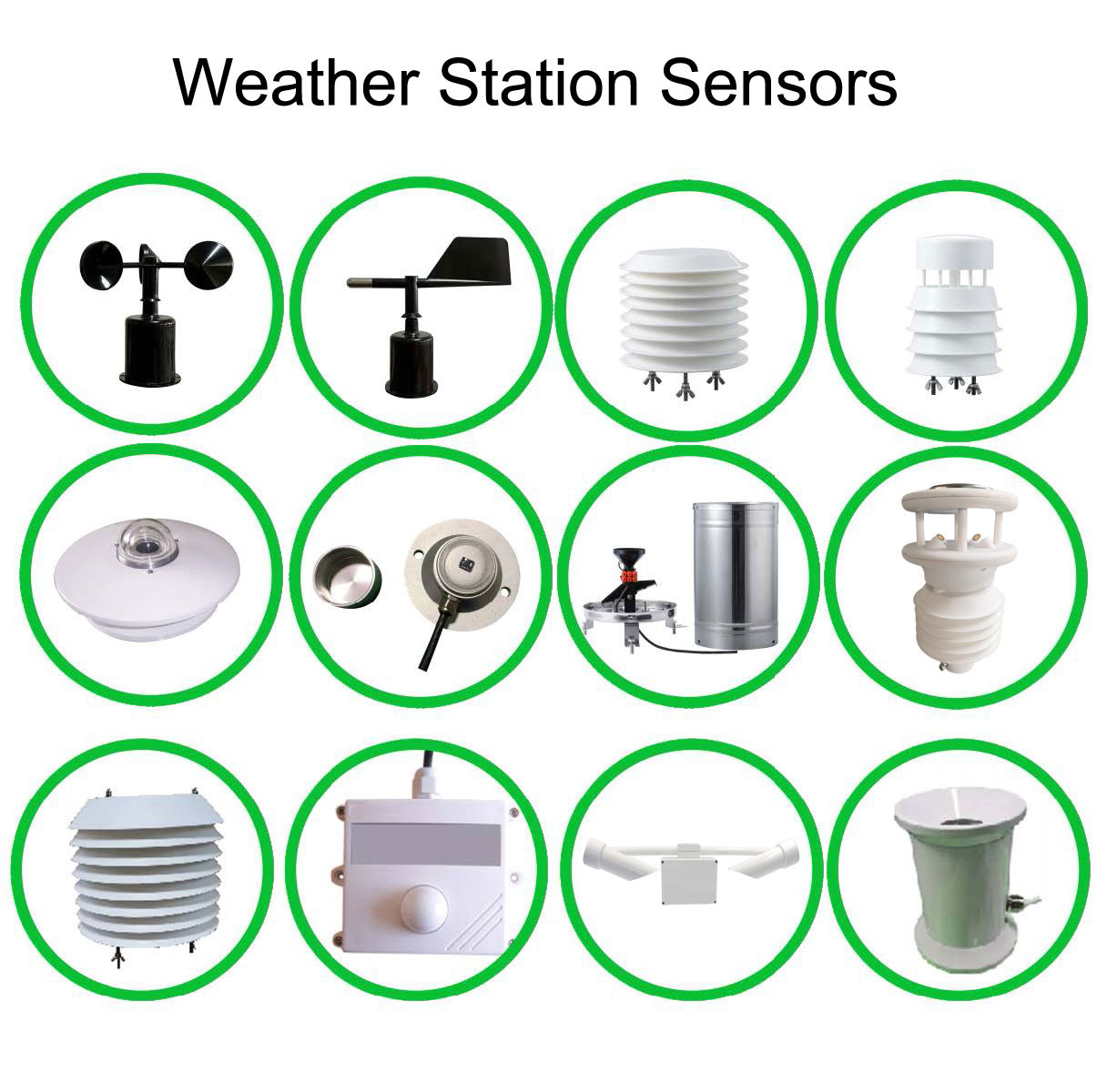
Sensors are the "senses" of the system and can be freely configured according to actual scenic area needs with the following elements:
1.Temperature and Humidity Sensor: Foundation of Comfort Index
NiuBoL adopts high-precision digital integrated temperature and humidity sensors, protected by built-in radiation-proof ventilation hoods (louver boxes) to avoid interference from direct sunlight and ground radiation on measurement results.
Function: Precisely measure ambient air temperature and relative humidity.
Application Scenario: This is core data for calculating "perceived temperature" and "heatstroke index." In summer resorts or ski resorts, temperature and humidity data is the most intuitive reference for tourists choosing travel equipment.
2.Wind Speed and Direction Sensor: Guardian of Operational Safety
Usually divided into three-cup anemometers and wind vanes, or more advanced ultrasonic integrated wind sensors.
Function: Monitor real-time wind speed (including instantaneous maximum wind speed) and wind flow direction.
Application Scenario: For scenic areas with high-altitude cable cars, glass walkways, hot air balloons, or paragliding, this is a mandatory safety indicator. When wind speed exceeds the safety threshold (such as above level 6), the system can link scenic area broadcasts or control systems to remind project suspension.
3.Tipping Bucket Rain Gauge: Warning Device for Flash Floods and Geological Disasters
NiuBoL tipping bucket rain gauge uses physical balance principle; whenever rainfall accumulates to a specific amount (such as 0.2mm or 0.1mm), the bucket tips and generates a pulse signal.
Function: Monitor total rainfall, rainfall intensity, and rainfall time span.
Application Scenario: In rainy mountainous scenic areas, rainfall monitoring can effectively prevent local flash floods, debris flows, and other geological disasters. Data can link with scenic area drainage systems for advance flood prevention preparation.
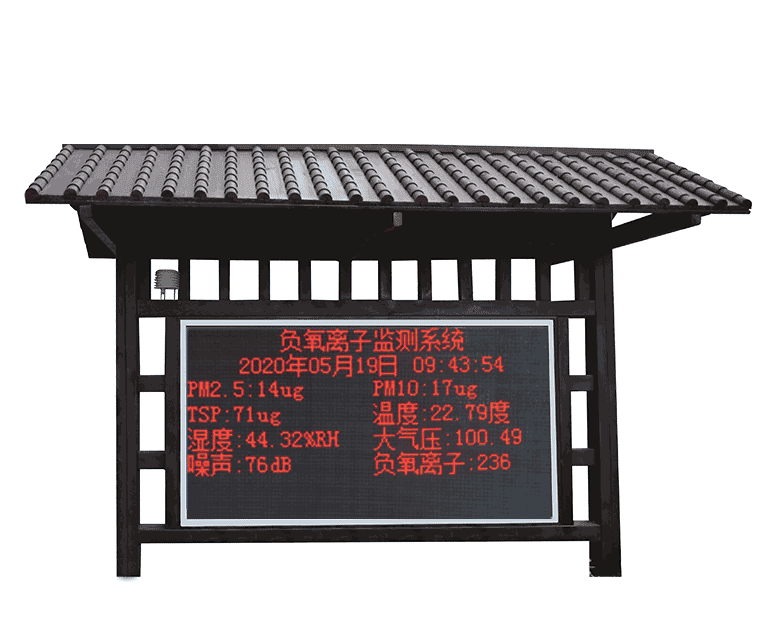
4.Negative Oxygen Ion Sensor: "Gold Standard" for Scenic Area Air
This is NiuBoL's core component customized for forest parks and health bases. It adopts the internationally advanced capacitive suction method principle, calculating concentration by collecting small ion charges in air.
Function: Measure the number of negative ions per cubic centimeter in air.
Application Scenario: Negative oxygen ion concentration is quantitative evidence of "natural oxygen bars." High concentrations have significant effects on relieving fatigue and enhancing immunity, a powerful marketing means to attract middle-aged and elderly health groups and parent-child tours.
5.Illumination and Solar Radiation Sensor: Sunscreen Index and Plant Monitoring
This sensor senses visible light and full-band radiation intensity through silicon photocells or thermopiles.
Function: Monitor total solar radiation, ultraviolet intensity (UV), and illuminance.
Application Scenario: Real-time generation of "ultraviolet warnings" reminds tourists to apply sunscreen via scenic area LED screens. Simultaneously, for scenic areas with famous ancient trees, illumination data helps managers analyze vegetation growth environments.
6.Atmospheric Pressure Sensor: "Forecaster" of Weather Changes
Adopts piezoresistive sensors, capable of capturing extremely small atmospheric pressure fluctuations.
Function: Measure real-time pressure values.
Application Scenario: Sharp pressure fluctuations usually indicate frontal passage or storm approach. In scenic areas with large altitude differences (such as famous mountains and rivers), pressure data can also assist tourists in assessing high-altitude reaction risks and help backend algorithms improve short-term weather warning accuracy.
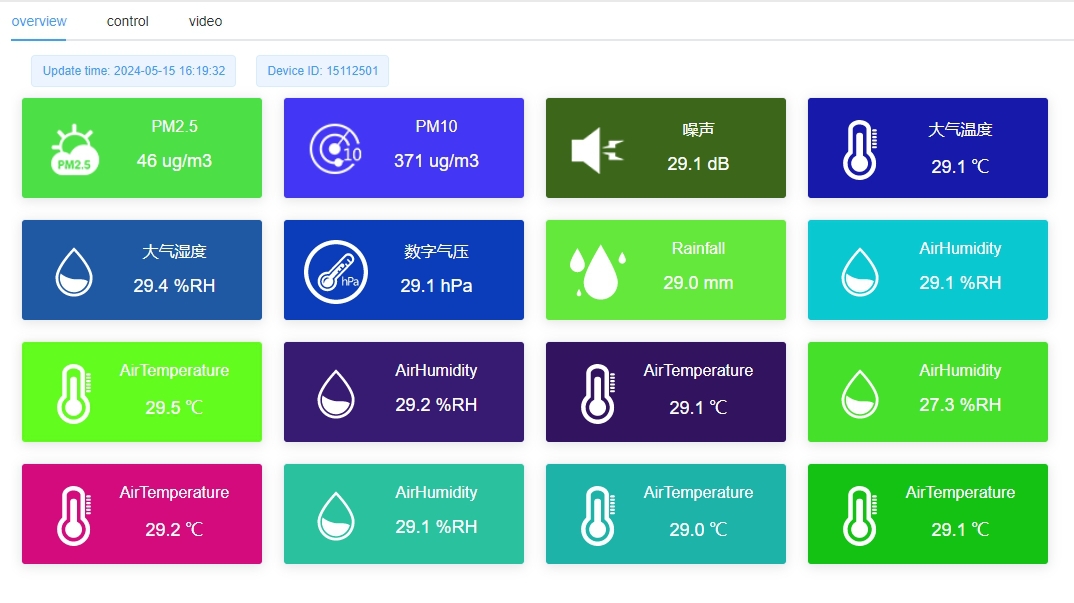
NiuBoL's sensor matrix has the following technical characteristics:
Standardized Output: Unified RS485 (Modbus-RTU) protocol, strong compatibility, convenient for later addition or reduction of elements.
High Protection Level: Sensor shells mostly use aviation aluminum or anti-UV materials, protection level reaching IP65 or above, capable of resisting severe cold, extreme heat, salt fog, and dust.
Low Power Consumption Design: Perfectly adapted to solar power supply systems, ensuring ultra-long standby and data continuity in harsh field environments.
The collector is equivalent to the system's "brain." It is responsible for receiving analog or digital signals from sensors, performing logical processing and storage. Data is uploaded in real time to the cloud server via built-in transmission modules using wireless networks (4G/5G) or wired networks.
Scenic area meteorological stations are often deployed outdoors, even on remote hillsides. NiuBoL adopts a "solar panel + high-performance battery" power supply combination, ensuring stable system operation in continuous rainy weather, while also supporting direct mains power supply.
Adopts corrosion-resistant, wind-resistant designed metal brackets to ensure equipment stability in harsh field environments. Backend computer or mobile APP is the data display terminal, supporting real-time viewing, historical curve analysis, and data export.
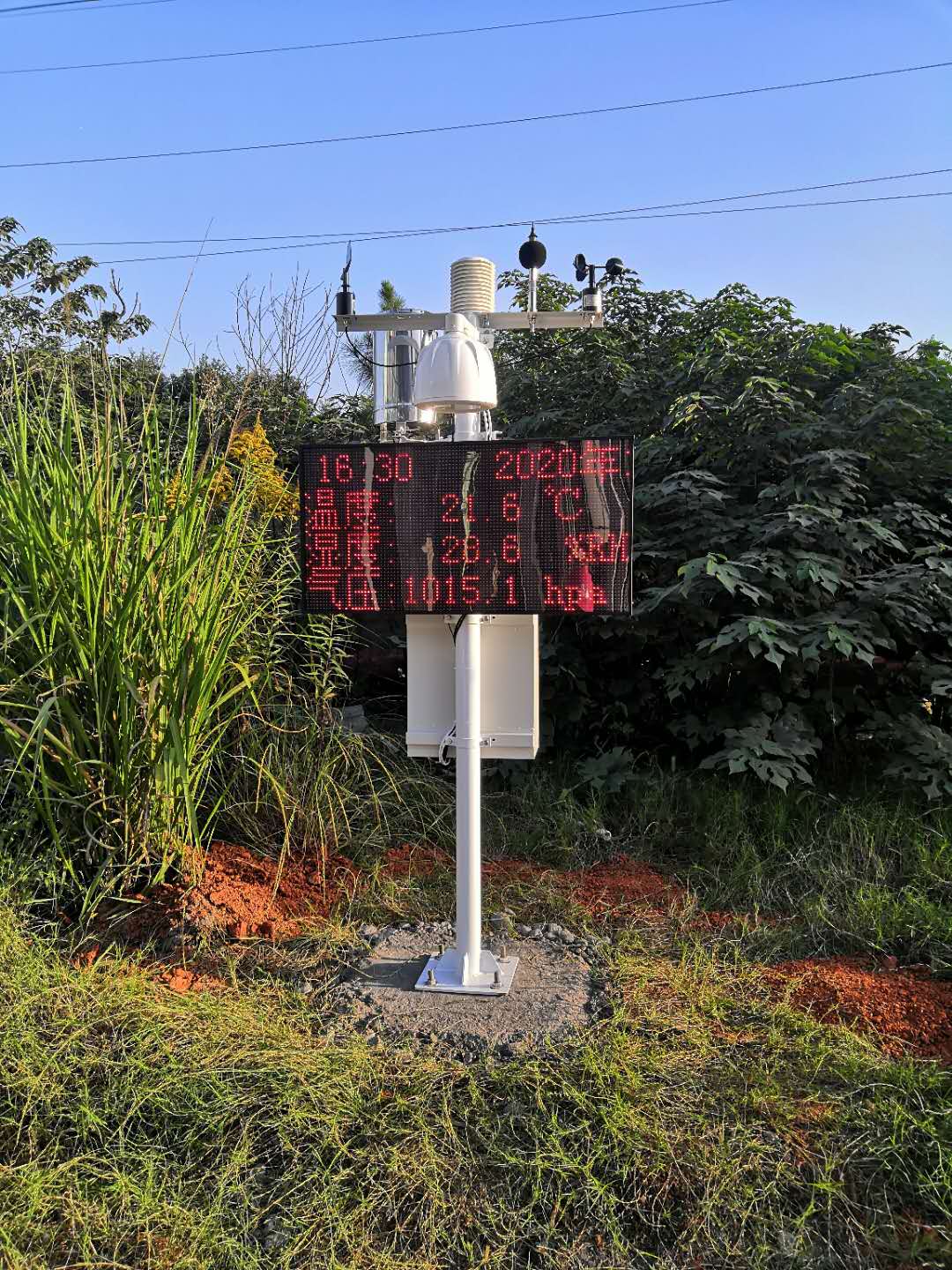
To make everyone clearer about the logic behind monitoring data, we sort out the functions of several core sensors commonly used by NiuBoL:
1.Negative Oxygen Ion Sensor: Measuring Scale of Ecological Value
Negative oxygen ion concentration is the most intuitive indicator for measuring scenic area air freshness. NiuBoL adopts the internationally advanced capacitive suction method principle, accurately capturing negative small ions in air. Higher data means purer air, more beneficial for preventing respiratory diseases and relaxing body and mind.
2.Tipping Bucket Rain Gauge: Precise Flood Prevention Warning
Unlike traditional visual observation, automatic rain gauges can record every 0.1mm or 0.2mm precipitation through precision tipping bucket structures. This has extremely high reference value for flash flood warnings in mountainous scenic areas.
3.Wind Direction and Speed Sensor: Red Line for Safe Operation
In high-risk amusement projects such as high-altitude cable cars, bungee jumping, and paragliding, instantaneous wind force is an absolute red line indicator. Automatic meteorological stations can provide real-time feedback on wind levels and immediately trigger alarms once exceeding safety thresholds.
4.Ultraviolet Radiation Sensor: Intimate Assistant for Tourists
For summer tourism, ultraviolet index is one of the most concerned information for tourists. Through real-time monitoring of radiation intensity, scenic area LED screens can give "sunscreen suggestions," increasing the humanistic care sense of the scenic area.
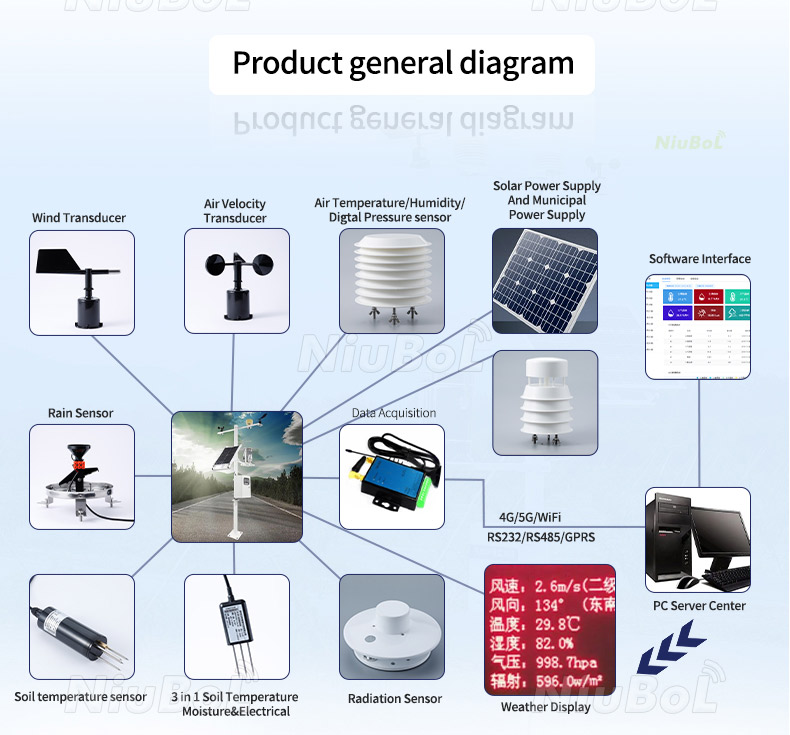
NiuBoL scenic area automatic meteorological stations follow the technical path of "perception-transmission-processing-application":
Perception Stage: Various sensors are distributed at key nodes in the scenic area, capturing environmental physical quantity changes 24 hours uninterrupted.
Data Collection: The collector synchronously collects data from each channel according to set sampling frequency (such as once per minute).
Data Transmission: Encrypted meteorological messages are uploaded to the data center via network base stations relying on transmission modules.
Cloud Analysis: NiuBoL backend management system cleans and analyzes massive historical data, forming intuitive trend charts.
Terminal Presentation: Scenic area administrators can monitor the entire park's meteorology in the office, while tourists can obtain weather conditions in real time through scenic area entrance LED electronic display screens or apps.
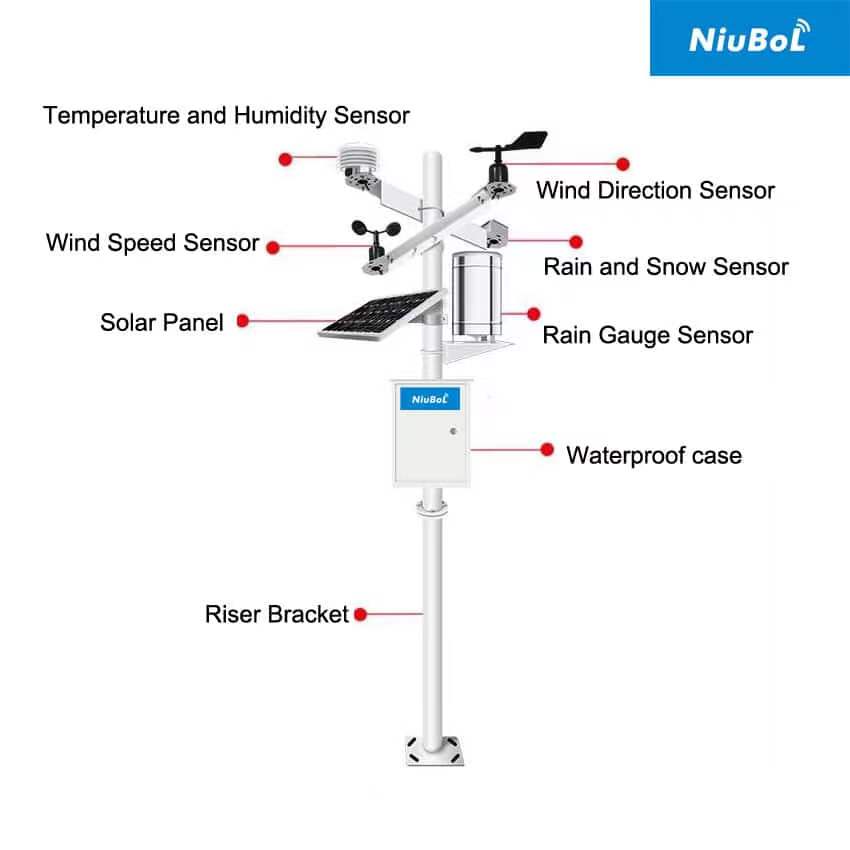
Many customers' primary concern when consulting NiuBoL is price. In fact, due to the diversity of scenic area environments, meteorological stations usually adopt "customized configurations," with prices driven by the following major factors:
1.Number of Monitoring Elements
The more monitoring dimensions, the more sensor types needed. Basic models (temperature, humidity, wind, pressure, rain) and full-function models (including negative oxygen ions, soil moisture, solar radiation) have obvious price differences.
2.Power Supply and Transmission Solutions
Solar power supply systems vary in price according to battery capacity. For transmission methods, local wired connections involve wiring costs; wireless transmission involves communication modules and service fees.
3.Material and Stability Requirements
In high salt fog coastal scenic areas or extremely cold high mountain scenic areas, higher requirements for bracket materials (such as stainless steel 304/316L or aluminum alloy) and sensor industrial grades result in floating prices.
NiuBoL expert recommendation: Scenic areas can select based on key projects. For example, forest parks focus on monitoring "negative oxygen ions + wind speed"; mountain scenic areas focus on "rainfall + temperature and humidity."
Q1: What are the considerations for installation locations of scenic area automatic meteorological stations?
A: To ensure data authenticity, recommend installation in open areas without large-scale obstructions, avoiding local microenvironments (such as close to marble ground or near air conditioner outdoor units). Simultaneously, negative oxygen ion sensors are recommended in areas with dense vegetation or near water sources (such as waterfalls) for more representative values.
Q2: Is the equipment easily struck by lightning in the field?
A: NiuBoL meteorological stations are equipped with professional lightning rods and grounding systems. In lightning-prone areas, we also strengthen lightning protection circuit design to ensure dual safety of equipment and data.
Q3: Is later maintenance complex?
A: The system has extremely high automation degree. Daily only requires regular cleaning of leaves and dust in rain gauges and checking if sensor surfaces have foreign object coverage. The system supports remote fault self-diagnosis, greatly reducing manual maintenance pressure.
Q4: Can data be docked to the scenic area's existing command large screen?
A: Yes. NiuBoL provides standard data interfaces (such as API, MQTT), easily integrated into smart scenic area center large screens, mobile terminals, or various cultural tourism management platforms.
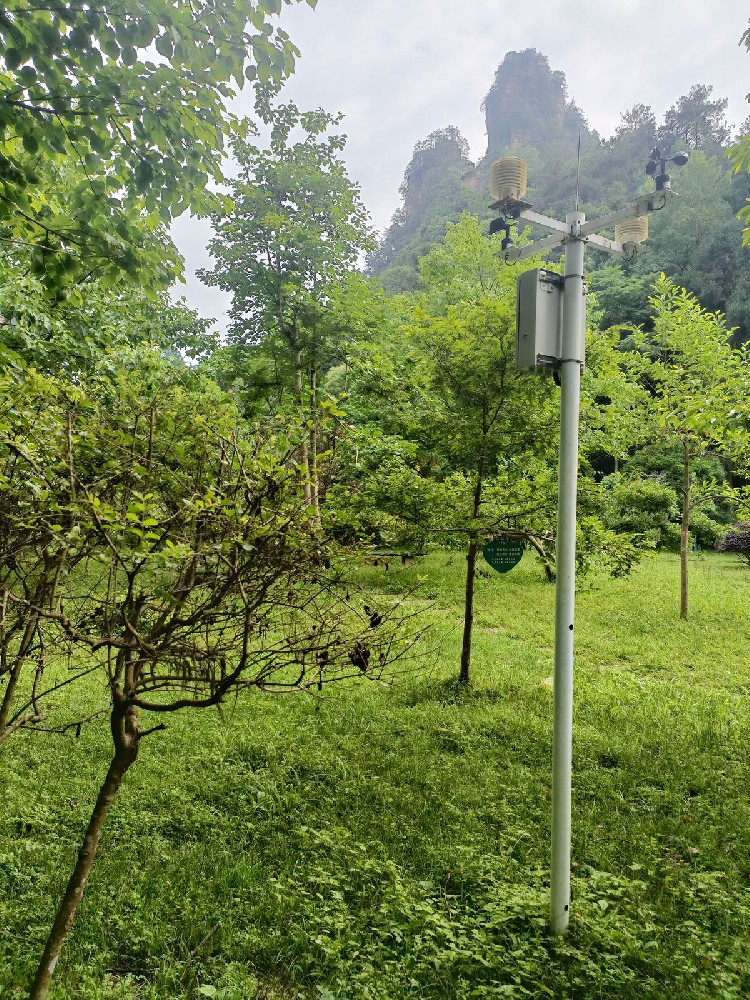
Scenic area automatic meteorological stations are not only recorders of meteorological elements but also the digital foundation for smart and green scenic areas. Through NiuBoL's high-precision monitoring solutions, scenic area managers can achieve "measurable weather," and tourists can enjoy "guaranteed travel."
In the era of great health tourism, real-time monitoring and publicizing ecological indicators such as negative oxygen ions will inject new competitive vitality into your scenic area. If you are planning digital upgrades for your scenic area, NiuBoL will provide you with all-round technical support and customized solutions.
Do you want to know customized monitoring solutions for your scenic area's specific terrain? Or need a detailed equipment list quotation? Welcome to click for consultation; we will provide professional 1-on-1 technical solution design for you.
Prev:Complete Process Guide for Standardized Installation of NiuBoL Wind Direction and Speed Sensors
Next:All-Element Automatic Meteorological Station Installation Standards and Core Technical Essentials
Related recommendations
Sensors & Weather Stations Catalog
 Agriculture Sensors and Weather Stations Catalog-NiuBoL.pdf
Weather Stations Catalog-NiuBoL.pdf
Agriculture Sensors Catalog-NiuBoL.pdf
Water Quality Sensor Catalog-NiuBoL.pdf
Related products
 Combined air temperature and relative humidity sensor
 TDR Soil Moisture & Temperature Sensor for irrigation| RS485 |4-20mA| NBL-S-THR
 Soil pH sensor RS485 soil Testing instrument soil ph meter for agriculture |NBL-S-PH
 Wind Speed sensor Output Modbus/RS485/Analog/0-5V/4-20mA
 Tipping bucket rain gauge for weather monitoring auto rainfall sensor RS485/Outdoor/stainless steel
 Pyranometer Solar Radiation Sensor 4-20mA/RS485

Screenshot, WhatsApp to identify the QR code
WhatsApp number:+8615367865107
(Click on WhatsApp to copy and add friends)

