





— Blogs —
—Products—
 Consumer hotline +8618073152920
 WhatsApp:+8615367865107
Address:Room 102, District D, Houhu Industrial Park, Yuelu District, Changsha City, Hunan Province, China
Product knowledge
Time:2025-12-19 14:38:43 Popularity:832
In the leap from traditional agriculture to digital agriculture, water management has always been at the core. Soil moisture, simply put, is the water status of the soil—it is the “lifeline” for plant growth and development. However, for a long time, farmers have mainly relied on visual observation or experiential touch to judge whether irrigation is needed, a method that not only lags but also struggles to quantify the real needs at plant root depths.
With intensifying global climate change and frequent droughts and floods, achieving stable yields while conserving water resources has become a worldwide challenge. The emergence of the NiuBoL soil moisture monitoring station provides a digital solution to this problem. It is not just a measurement tool but a “digital sentinel” in agricultural production, constantly sensing the rhythms deep in the soil.
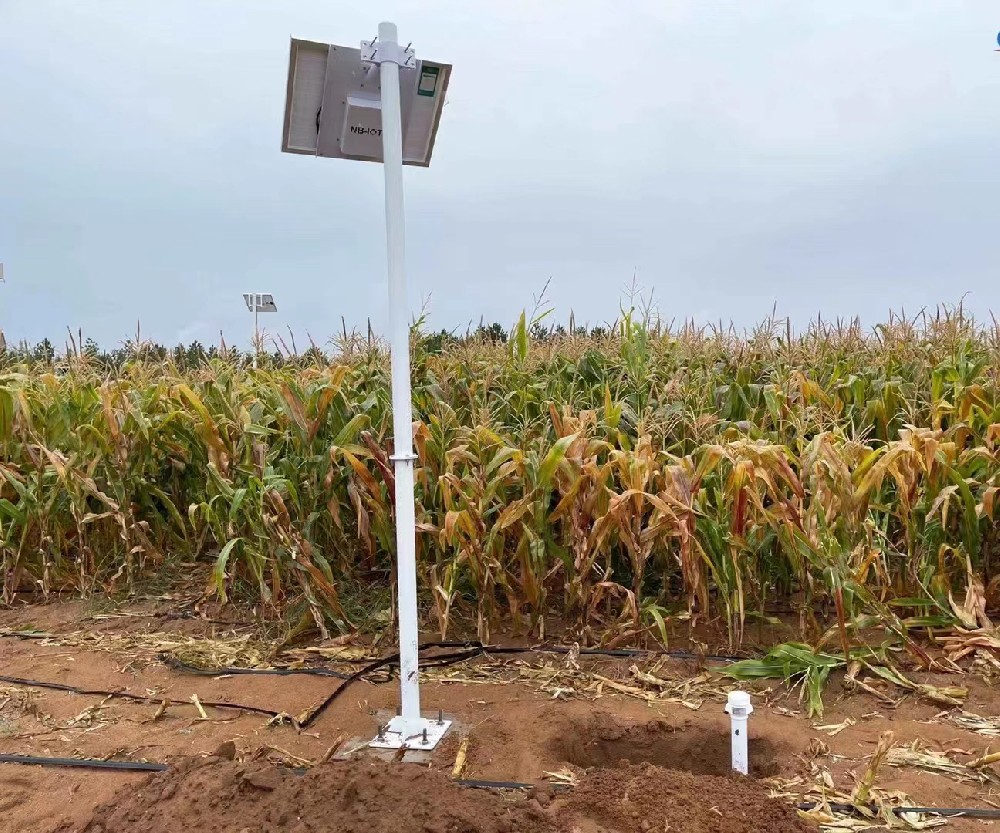
A soil moisture monitoring station is a comprehensive monitoring system integrating advanced sensing technology, data acquisition technology, automation control technology, and network communication technology. It can monitor soil water content, temperature, electrical conductivity (EC value), pH value, and nutrient components (nitrogen, phosphorus, potassium) across different soil layers around the clock without human attendance.
The monitoring station developed by NiuBoL builds a three-dimensional farmland microclimate monitoring network through the collaborative work of underground multi-layer sensors and surface meteorological equipment. These data, after processing, are transmitted in real-time to the cloud platform via 4G networks or wireless communication protocols (such as LoRaWAN/WiFi), achieving real-time control from the field to the fingertips.
The accuracy of the soil moisture monitoring station stems from its underlying physical sensing principles.
Moisture Monitoring Principle
NiuBoL primarily employs Frequency Domain Reflectometry (FDR) or capacitive sensing technology. Since the dielectric constant of water (about 80) is much higher than that of dry soil (about 3-5) and air (1), changes in soil moisture alter the composite dielectric constant around the sensor. The sensor emits high-frequency signals and measures reflected waves or capacitor charge-discharge frequency to accurately convert to volumetric soil water content.
Multi-Parameter Integrated Sensing
Beyond moisture, the station measures soil salinity and temperature via electrochemical sensors and thermistors. pH and nitrogen-phosphorus-potassium (NPK) monitoring use special electrodes to sense ion strength in soil solution, providing a basis for precision fertilization.
Data Transmission Link
Analog signals collected by the station are converted to digital by the collector. In large farms, NiuBoL supports “master-slave” mode: slaves aggregate data wirelessly to the master, which uploads uniformly via 4G. This design greatly reduces wiring costs and network traffic.
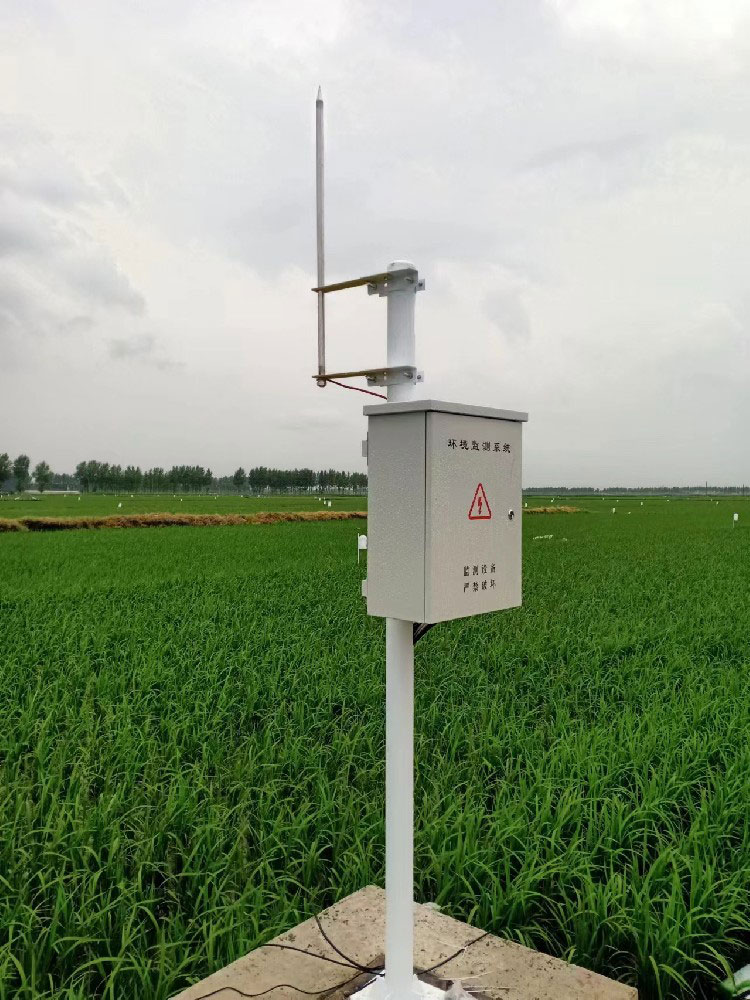
A complete NiuBoL soil moisture monitoring station typically consists of the following four core modules:
Core Sensing Layer (Sensor Cluster)
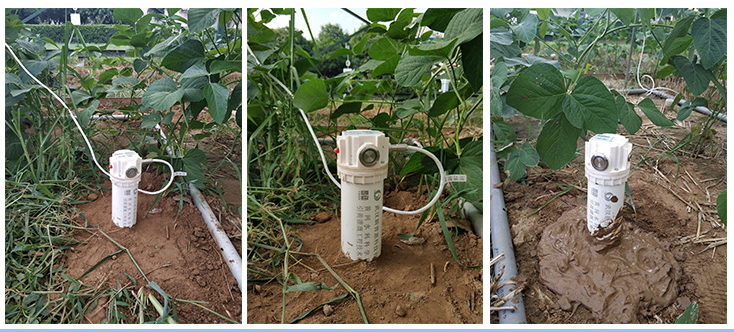
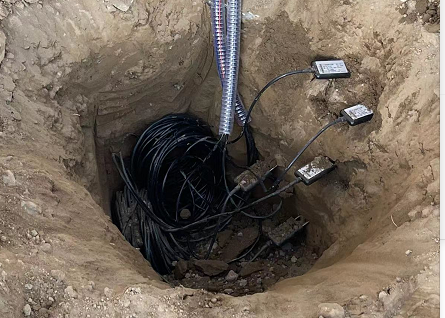
Multi-layer soil moisture sensors: Adopt stainless steel probes or tubular structures, capable of monitoring moisture at multiple depths like 10cm, 20cm, 40cm below the surface simultaneously.
Five-parameter integrated sensor: A single sensor achieves synchronous collection of moisture, electrical conductivity, temperature, pH, and nutrients.
Data Acquisition and Control Layer
Intelligent collector: Features low-power processing chips, supports multi-channel parallel access, with breakpoint resume function.
Communication module: Supports 4G full-network, with optional wireless transmission modules for data penetration in complex terrains.
Power Support Layer
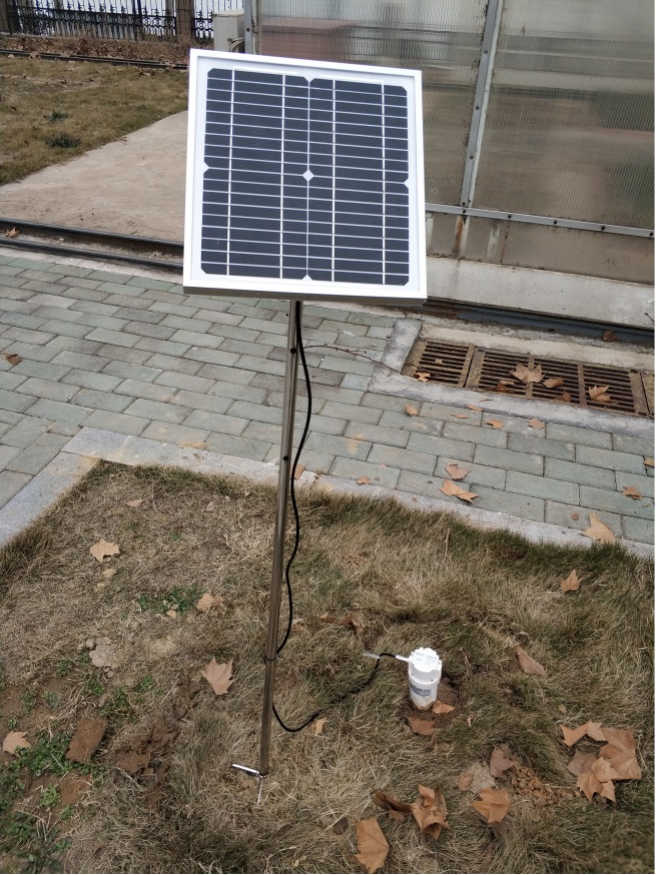
Solar power system: Composed of monocrystalline silicon solar panels and high-capacity lithium batteries. Ensures 24-hour uninterrupted operation even in continuous rainy days, completely solving field power issues.
Support and Protection Layer
Field brackets and protective boxes: Made of anti-oxidation galvanized spray or stainless steel, with IP66+ protection rating, resisting salt fog, heavy rain, and UV aging.
Among numerous monitoring devices, NiuBoL stands out due to its deep understanding of agricultural scenarios:
Real-Time and Warning Capabilities: Minute-level data updates, combined with cloud platform threshold settings; once soil drought exceeds presets, the system automatically sends alerts to users' phones.
Flexible Multi-Parameter Combination: Modular design allows users to flexibly configure based on budget and needs—from basic moisture monitoring to high-end nutrient analysis—all within one system.
All-Weather Automation: Simulates real farmland environments, eliminating tedious manual sampling, drying, and weighing; high precision and strong data consistency.
Ultra-Simple Installation and Low Maintenance Costs: Plug-in sensor design, no large construction needed; paired with solar power for true “plug-and-play, long-term maintenance-free” operation.
Free Cloud Platform Support: NiuBoL provides intuitive data visualization platform, supporting historical data downloads, trend charts, and multi-point comparisons.
Precision Agriculture and Paddy Field Planting
In rice or dryland farming, the station guides farmers to irrigate during critical water-shortage periods, preventing crop drought while avoiding nutrient loss and groundwater pollution from over-irrigation.
Modern Greenhouse Shelters
Greenhouse environments are enclosed and variable; the station links with automatic irrigation systems, activating spray or drip when root-zone moisture is low, achieving true unmanned farm management.
Forestry Monitoring and Ecological Restoration
In forest fire prevention and desertification control, long-term soil humidity monitoring helps researchers assess vegetation survival rates and support ecological restoration data.
Urban Landscaping and Animal Husbandry
In urban green belt management, it effectively conserves water; in pastures, it monitors grass growth environments for stable feed supply.
Despite the significant advantages of soil moisture monitoring stations, challenges remain in actual promotion:
Data Processing Complexity: Massive data requires effective algorithms for cleaning. NiuBoL uses cloud big data analysis to automatically filter abnormal noise, ensuring reliable decision suggestions.
Cost-Benefit Balance: Addressing high initial costs, NiuBoL offers cost-effective series products, with direct economic benefits from water and fertilizer savings allowing investment recovery in 1-2 growth seasons.
Sensor Stability: Soil environments are complex and corrosive. NiuBoL employs corrosion-resistant alloy probes and epoxy resin vacuum encapsulation, ensuring underground performance stability for 5-10+ years.
Q1: Can the sensor work during freezing periods?
A: Yes. NiuBoL sensors have a wide temperature range (-40℃ to 85℃). Though frozen soil affects moisture mobility measurement, the sensor accurately records temperature changes, crucial for overwintering crop freeze protection.
Q2: What are the practical benefits of master-slave mode?
A: In large tea plantations or mountainous orchards, mobile signals may be spotty. Slaves (LoRa transmission) collect data and aggregate to a well-signaled master for upload, saving multiple 4G card costs and solving signal blind spots.
Q3: How to ensure representativeness of measurement data?
A: Recommend deploying in “representative areas” (e.g., mid-slope, average growth zones). For large farms, deploy by soil type (sand, clay) zones for most accurate irrigation guidance.
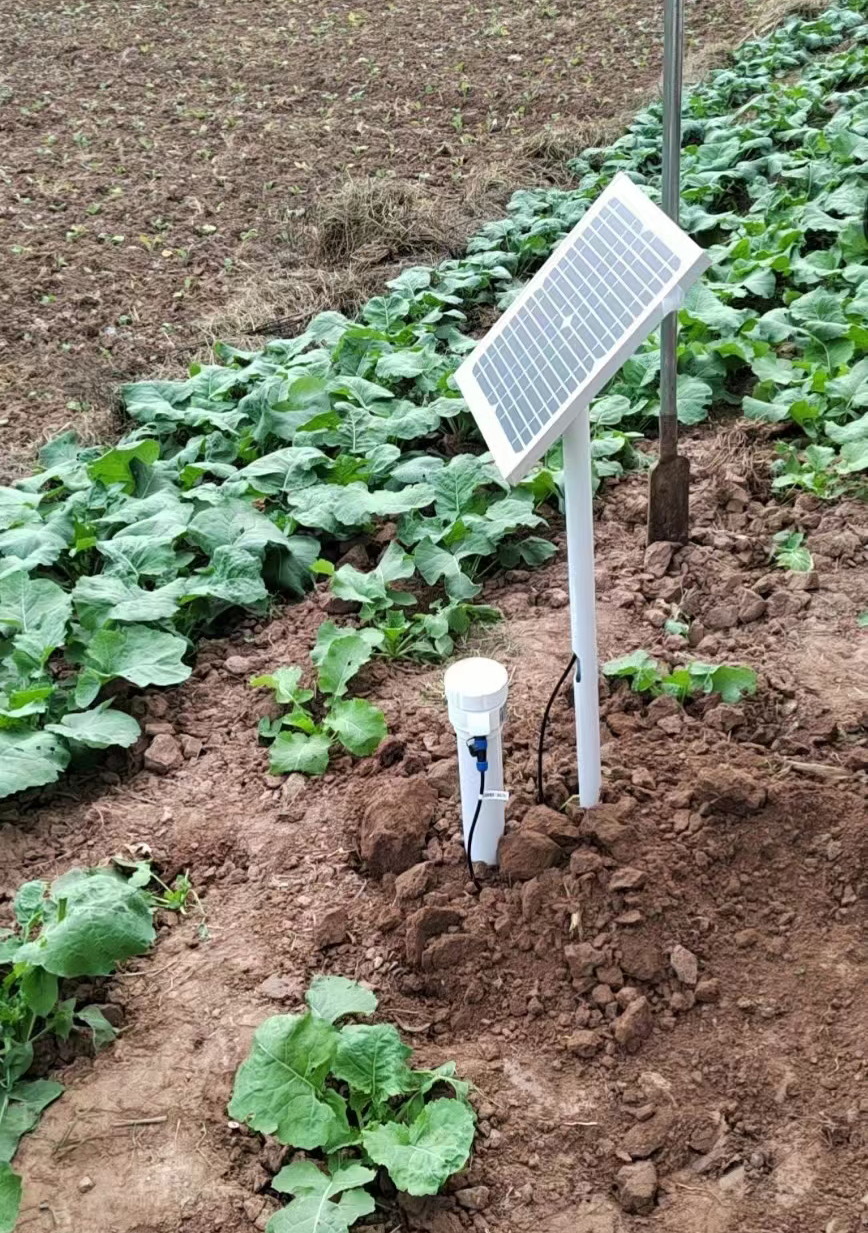
The soil moisture monitoring station is not merely a hardware combination; it embodies human technology for understanding and respecting nature. Through NiuBoL's advanced sensing technology, we can listen in real-time to crops' “voices,” transforming agricultural production from “relying on weather” to “relying on data.”
In the future, with further AI algorithm integration, soil moisture monitoring stations will gain stronger predictive capabilities, foreseeing droughts in advance. As a leader in smart agriculture, NiuBoL will continue deepening sensing technology, committed to maximizing every drop of water and vitalizing every inch of land.
If you are seeking ways to improve farm management efficiency or are interested in detailed solutions and quotes for the NiuBoL soil moisture monitoring station, feel free to contact us anytime. Let us together usher in a new chapter in smart agriculture!
1.NBL-S-THR Soil Temperature Moisture Sensor datasheet
 NBL-S-THR-Soil-temperature-and-moisture-sensors-Instruction-Manual-V4.0.pdf
2. NBL-S-TMC Soil Temperature Moisture EC Sensor datasheet
NBL-S-TMC-Soil-temperature-and-moisture-conductivity-sensor.pdf
3. NBL-S-TM Soil Temperature Moisture Sensor datasheet
NBL-S-TM-Soil-temperature-and-moisture-sensor-Instruction-Manual-4.0.pdf
4. NBL-S-TMCS Soil Temperature, Moisture, Conductivity and Salinity Integrated Sensor
NBL-S-TMCS-Soil-Temperature-Humidity-Conductivity-and-Salinity-Sensor.pdf
NBL-S-TMM-Tubular-Multi-Layer-Soil-Moisture-Sensor-Meter.pdf
Prev:In-Depth Analysis of NiuBoL Soil pH Sensor
Next:How Leaf Wetness Sensor Enhances Crop Yield and Disease Prevention Through Precise Monitoring
Related recommendations
Sensors & Weather Stations Catalog
Agriculture Sensors and Weather Stations Catalog-NiuBoL.pdf
Weather Stations Catalog-NiuBoL.pdf
Agriculture Sensors Catalog-NiuBoL.pdf
Water Quality Sensor Catalog-NiuBoL.pdf
Related products
 Combined air temperature and relative humidity sensor
 TDR Soil Moisture & Temperature Sensor for irrigation| RS485 |4-20mA| NBL-S-THR
 Soil pH sensor RS485 soil Testing instrument soil ph meter for agriculture |NBL-S-PH
 Wind Speed sensor Output Modbus/RS485/Analog/0-5V/4-20mA
 Tipping bucket rain gauge for weather monitoring auto rainfall sensor RS485/Outdoor/stainless steel
 Pyranometer Solar Radiation Sensor 4-20mA/RS485

Screenshot, WhatsApp to identify the QR code
WhatsApp number:+8615367865107
(Click on WhatsApp to copy and add friends)

